Archive for the ‘Psychological Aspects’ Category

The Science Isn’t Settled on Chronic Lyme

https://slate.com/technology/2018/06/the-science-isnt-settled-on-chronic-lyme.html

The Science Isn’t Settled on Chronic Lyme

A close look at the evidence suggests the controversial diagnosis should be taken more seriously, and that decades of sexism may be to blame for our collective dismissal.

By MAYA DUSENBERY and JULIE REHMEYER
JUNE 27, 2018

Porochista Khakpour’s new memoir, Sick, describes her experience of decades of severe illness from chronic Lyme disease. The thought-provoking book has spurred a conversation about the nature of illness narratives, the impact of sexism on women’s health, and the ills of modern life, along with recommendations from Oprah Magazine and Cheryl Strayed.

It has also received criticism due to the debate around whether chronic Lyme disease is a “real” condition. The Infectious Disease Society of America, or IDSA, has repeatedly and flatly claimed that the whole notion of chronic Lyme is “not based on scientific fact.” Slate’s own coverage of the disease has proposed that it’s a “phantom diagnosis“ that likely indicates a mental health problem, and has likened belief in the disease to being a creationist or anti-vaxxer. Casey Johnston, an editor at the Outline, tweeted earlier this month, “making chronic lyme, a fake disease, about believing women is as helpful to the cause as the rolling stone rape victim’s fabricated story.” These interpretations suggest Khakpour’s memoir is a dangerous tale of delusion.

As journalists who have studied other contested diseases, the disdain and scientific drumbeating of the critics of chronic Lyme raised our suspicions. One of us (Julie Rehmeyer) has written extensively about bad research practices in myalgic encephalomyelitis/chronic fatigue syndrome, aka ME/CFS, and published a memoir about navigating a poorly understood illness, Through the Shadowlands: A Science Writer’s Odyssey Into an Illness Science Doesn’t Understand. And one of us (Maya Dusenbery) has written a book about gender bias in medicine, Doing Harm: The Truth About How Bad Medicine and Lazy Science Leave Women Dismissed, Misdiagnosed, and Sick. We’ve dug into the science and politics of Lyme, and we’ve found that this dismissive position doesn’t have a scientific leg to stand on—and further, that the dynamics around the illness are significantly driven by sexism.

At this point, we simply don’t have an easy way to definitely know if someone has previously been exposed to B. burgdorferi—let alone if they are actively infected.
First, there’s no debate that early Lyme disease—an infection of B. burgdorferi bacterium, contracted via a tick—is a real thing. The CDC estimates that 300,000 people a year get it. In its early stage, patients commonly experience flu-like symptoms and a hallmark bulls-eye–shaped rash. There’s also no debate that, if untreated, it can disseminate throughout the body and advance to late Lyme disease, which is marked by far more debilitating symptoms including arthritis, fatigue, pain, heart complications, neurological problems, and more.

For most Lyme patients, a two-to-four-week course of antibiotics is enough to resolve their symptoms for good. But not everyone: Widely accepted studies have found that about 10–20 percent of those treated for Lyme are left with lingering symptoms. The question is what happens then. If a patient has received a Lyme diagnosis, been treated, and continues to experience symptoms, they are said to be suffering from post-treatment Lyme disease syndrome, or PTLDS, which the CDC recognizes. Some patients, though, have symptoms and a medical history that suggest PTLDS but they don’t qualify for the condition, usually because they lack a positive blood test or other objective evidence of infection with B. burgdorferi. A group of self-described Lyme-literate doctors may diagnose them with “chronic Lyme.”

Khakpour has tested positive on the CDC-approved blood tests for Lyme. And she’s well aware that affords her somewhat more legitimacy than many other Lyme patients; she notes that she’s learned to inform medical professionals that hers is a “CDC-recognized case” to try to stave off suspicions. Yet she has still been subject to countless interactions with health care providers “who could barely stifle their rolled eyes” at hearing she has Lyme. Indeed, despite the CDC’s stamp of approval and the fact that even conservative estimates suggest that at least 30,000 people every year develop PTLDS, it isn’t treated with all that much more respect than chronic Lyme. Skeptics argue that the array of symptoms PTLDS patients experience—muscle and joint pain, fatigue, cognitive problems—are so subjective and nonspecific that they may have nothing to do with Lyme disease. Sufferers’ true problem might be psychiatric—depression or “maladaptive belief systems“ or “a tendency to somatization.” Or patients may be overselling how bad it is: In its 2006 guidelines, IDSA stated, “In many patients, posttreatment symptoms appear to be more related to the aches and pains of daily living rather than to either Lyme disease or a tick-borne coinfection.”

There’s actually ample evidence against the theories that PTLDS is all in one’s head. In 2012, researchers from the Johns Hopkins Lyme Disease Research Center tracked a group of patients treated for Lyme disease to see which of them had ongoing symptoms six months later, and it found no psychological differences between those patients who did and didn’t. A 2017 study by the same research team debunked the claim that such symptoms are no worse than the background complaints of the general population. Compared to healthy controls, PTLDS patients reported significantly greater levels of 25 different symptoms—especially fatigue, muscle and joint pain, sleep disturbances, and cognitive problems—and had much worse quality of life. In 2001, a study in the New England Journal of Medicine found that PTLDS patients were as impaired as those in congestive heart failure.

Researchers are also beginning to find the physiological footprints of the illness. A 2011 study from Columbia found unique proteins in the spinal fluid of cognitively impaired patients treated for Lyme disease that distinguished them both from healthy controls and patients with ME/CFS (another illness that has been treated with disdain and that showed its own unique, identifying proteins). Two different groups found immune markers that remained elevated in early Lyme patients who went on to develop chronic symptoms after their initial treatment, but not in those who recovered. A group at Cornell found autoantibodies directed against neurons in PTLDS patients but not in healthy recovered Lyme patients. And a brain-imaging study found abnormalities in cognitively impaired patients with treated Lyme disease, compared to healthy controls.

So even PTLDS patients, with a diagnosis that is officially accepted, have to cope with a skepticism that isn’t scientifically grounded. Chronic Lyme patients have even less evidence to stand on (all the research is conducted on PTLDS patients), and conversations around their plight can go beyond skepticism to downright dismissal. As Brian Palmer wrote for Slate in 2013, “This form of chronic Lyme is controversial in the same sense that rhinoceros horn therapy is controversial: There’s no reliable data to support it.”

The problem with that perspective is that we’ve also known for a long time that blood tests for Lyme—the primary form of “objective evidence”—are lousy. They give high rates of both false negatives and false positives. The CDC-approved tests don’t detect the bacterium itself—they look for antibodies the body produces to fight the infection. But the immune system generally needs six weeks to generate those antibodies, so in the earliest stage, when detection is most important, the test will be negative in 60 percent of patients. And even after six weeks, the test doesn’t turn positive for everyone exposed. A lasting negative result is particularly likely if a patient happens to take antibiotics during that period, which would greatly reduce the need for an antibody response. Also, the B. burgdorferi bacterium may be able to permanently suppress some people’s immune systems, leaving them both unable to generate the strong antibody response that will create a positive test result and more susceptible to all manner of infection for years to come. A 2015 review of 78 studies of the available Lyme-disease tests concluded by throwing up its hands: “The data in this review do not provide sufficient evidence to make inferences about the value of the tests for clinical practice.”

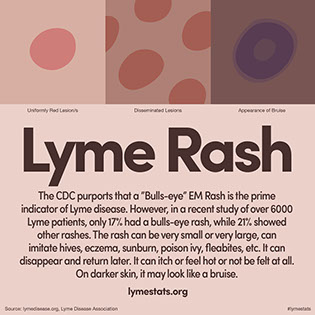
And unfortunately, the other indicators doctors look for—a known tick bite or a bulls-eye rash—are no better. Up to 30 percent of patients never get a rash, and most patients never saw the tick that bit them, which can be as small as the head of a pin. The result is that misdiagnosis is shockingly common: According to a 2009 study, more than half of patients who didn’t get the classic bulls-eye rash were initially misdiagnosed, along with nearly one-quarter of those who did.

So patients without a positive test may not have reliable data to support their belief that they have Lyme disease—but they also don’t have reliable data suggesting they don’t. At this point, we simply don’t have an easy way to definitely know if someone has previously been exposed to B. burgdorferi—let alone if they are actively infected. That means that some patients with a diagnosis of chronic Lyme probably do have something else entirely unrelated to Lyme. But the problem of misdiagnosis surely goes in both directions; we don’t know how many patients with other poorly understood syndromes or “medically unexplained symptoms” are actually suffering from the aftereffects of a Lyme infection.

Our inability to reliably detect infection is an enormous problem when it comes to trying to determine just what is keeping some Lyme patients chronically sick. And further, the mainstream position has been that a short course of antibiotics is enough to kill off the Lyme bacteria nearly every time; even long-standing late Lyme should respond to a month of intravenous antibiotics, perhaps with one retreatment. But that’s an extraordinary claim for two reasons. First, how often is any treatment effective for virtually every patient, particularly with a devastating, multisystem illness? And second, without an accurate routine test that can determine whether someone is currently infected, we also can’t test to see if they’ve been cured. As Mary Beth Pfeiffer, author of the powerful new book Lyme: The First Epidemic of Climate Change, puts it, “If we can’t even tell if they’re actively infected, how can we say that they’re not?”

And indeed, recent research is demonstrating that B. burgdorferi can survive antibiotic treatment. For one thing, B. burgdorferi bacteria have been doused with high quantities of very potent antibiotics in test tubes, and some have still survived. Dogs, mice, and rhesus monkeys have undergone antibiotic treatment and still harbored live B. burgdorferi bacteria. Humans are harder to study: B. burgdorferi is known to hide in bodily tissues even when it can’t be found in the blood, and we can hardly sacrifice humans to look for bacteria in their brains. But one small study found a way around this: Ticks can pull out the bacteria even when humans can’t find it in the blood. So researchers allowed laboratory-raised, pathogen-free ticks to feed on 26 patients with past Lyme infection and continuing symptoms. They then looked for B. burgdorferi bacteria in the bellies of the ticks, and in two cases, they found it. That’s not enough to prove that PTLDS patients are in fact being made ill by persistent infection, but it does suggest that they’re not crazy to at least consider the hypothesis.

On top of that, Lyme disease is not the only tick-borne illness. Often, patients who remain sick after treatment for Lyme disease are also battling other tick-borne infections including Babesia, Borrelia miyamotoi, and Anaplasma.* Until recently, these were nearly unheard of, so in many cases, doctors still don’t know to look for them. But they can be as bad as, or worse than, Lyme disease itself—a 2016 article in the New England Journal of Medicine reported that .38 percent of blood-donation samples were contaminated with Babesia, causing at least four deaths between 2010 and 2014. Many of these bugs are not killed off by the standard antibiotic treatment for Lyme, so even if B. burgdorferi has been eradicated, patients may be suffering from infection with something else.

Treatment is perhaps the most contentious issue of all. Self-described “Lyme-literate” doctors who will diagnose patients with chronic Lyme often treat them with repeated—or even long-term—courses of antibiotics. The mainstream position is that this is not a reasonable course of action, as four clinical trials of long-term, intravenous antibiotic treatment for PTLDS have proven that they don’t work. But a researcher who ran one of those trials says that they’ve been badly misinterpreted. Brian Fallon, a Columbia scientist who just published Conquering Lyme Disease: Science Bridges the Great Divide, reviewed all of these trials and concluded that “approximately 60 percent of patients with persistent post-treatment Lyme fatigue may experience meaningful but partial clinical improvement in fatigue with antibiotic retreatment.” The trials did conclude that there wasn’t enough evidence for a clinical recommendation for antibiotic treatment, but that was only because they studied intravenous antibiotics, and delivering drugs intravenously introduces all kinds of additional risks to the patient, which complicates the calculation around overall benefit. The next step should be to study the effectiveness of less-risky antibiotics, but because the existing studies have been interpreted as flat failures, there’s no money available for that work.

What is most frustrating about the public conversation around chronic Lyme is that it often fails to recognize that science is an iterative, imperfect process. Skeptics are quick to claim the mantle of “evidence-based medicine” without acknowledging that the evidence is ever-shifting and subject to interpretation. Above all, they often neglect to own up to how much is still not understood about Lyme—let alone recognize that this lack of knowledge is, in large part, a consequence of medicine choosing not to invest in research on this disease. The humility that is central to good scientific thinking gets replaced with scorn.

So how did Lyme disease get to be the object of such disdain? The reasons are many, as Pamela Weintraub describes in Cure Unknown: Inside the Lyme Epidemic. She points to the quirk of history that rheumatologists, rather than infectious-disease specialists, first studied the disease; the fact that many of the sickest patients turn out to fall outside of restrictive definitions even when they have substantial evidence that they have Lyme disease; and the desire for a simple story when the situation is truly complex. But there’s one additional powerful dynamic undermining attitudes toward this condition: sexism.

None of this is settled science, of course. But that’s rather the point: The skeptics act as though the science is already settled, when in actuality, patients are suffering desperately for lack of science.
Take, for example, the fact that women’s overrepresentation among chronic Lyme patients has long been used to suggest there’s no real disease to see here. In 1991, a satirical column in Annals of Internal Medicine ridiculed sufferers of “Lime disease,” which, the author wrote, shows a “very strong association with recent exposure to media stories on Lyme disease.” Rates were “highest in adults of upper middle to upper socio-economic class, with a female-to-male sex ratio of 3:1 (in contrast to the more balanced age and sex distribution of Lyme disease).” In a 2005 article, two experts worried that media coverage might “exacerbate the anxiety and misattribution that are probably at the root of much of the [PTLDS/chronic Lyme] predominantly limited to females in the Northeast.”

More recently, some skeptics have pointed to the gender imbalance among chronic Lyme patients to bolster their argument that, while PTLDS may be a real thing, most “chronic Lyme” is just the result of misdiagnosis. A 2009 article by two prominent mainstream Lyme experts noted that men and women are represented roughly equally among CDC-reported cases of Lyme disease but that patients with a chronic Lyme diagnosis are disproportionately female. They concluded, therefore, that chronic Lyme must be “unrelated to infection with B. burgdorferi” and instead consists of misdiagnoses of “illnesses with a female preponderance, such as fibromyalgia, chronic fatigue syndrome, or depression”—or simply “medically unexplained symptoms” since, they pointed out, “there is also usually a female preponderance in patients with unexplained symptoms.”

The researchers failed to imagine the possibility that there may be a biological explanation for that predominance of women among chronic Lyme patients. Others have started pursuing this only recently. (To be fair, the Lyme community is hardly alone here; sex and gender differences have long been neglected in most areas of biomedical research, perhaps particularly in infectious-disease research.) Yet we know that women’s immune systems are substantially different than men’s, which may be rooted in the fact that women have to allow another creature, a baby, to grow inside them without immune attack. This is thought to be part of the reason that women are prone to autoimmune disease and may well be relevant to the disparity in their experiences with Lyme disease. What’s more, many drugs work differently on men and women, so it’s possible that current antibiotic treatment recommendations are less effective for women, leaving them more vulnerable to long-term effects.

Women might also make up the majority of patients with a diagnosis of chronic Lyme simply because their Lyme may be less likely to meet the official diagnostic criteria for more accepted forms of the disease. Recent research suggests that the current antibody tests may be even less accurate for women. A 2010 study found that among patients with confirmed early Lyme disease, just one-third of the women, compared to half of the men, had a positive result on the CDC-approved tests. This explanation is reinforced by the fact that men are overrepresented (by as much as 2-to-1) in studies of patients with late Lyme, a diagnosis that is even stricter than PTLDS, requiring not only a positive test result but an objective clinical sign like arthritis. If women are both more likely to have chronic symptoms after being treated for early Lyme and less likely to have their late Lyme symptoms recognized because the blood tests systemically underdiagnosed them, then their overrepresentation among chronic Lyme patients isn’t a mystery—or an argument against its existence. Instead, it’s an indictment of diagnostic criteria and a treatment paradigm that appears to be letting many Lyme patients, the majority of them women, fall through the cracks.

None of this is settled science, of course. But that’s rather the point: The skeptics act as though the science is already settled, when in actuality, patients are suffering desperately for lack of science. We need better tests. We need to know if some patients are suffering from persistent infections. We need to know how the B. burgdorferi bacterium alters human immune systems. We need to understand other tick-borne infections. We need to know which antibiotics work with lowest risk. We need other treatments. We need to understand the differences in how men and women are affected by the disease.

The main reason we don’t have answers to those questions yet is that we’ve barely tried to find them. “If the same number of researchers were working on HIV as Lyme disease, we’d still have no treatment for HIV,” says John Aucott of Johns Hopkins. In 2017, the NIH spent $22 million on Lyme disease research; by contrast, Congress appropriated $1.1 billion to study and fight the Zika virus just a year after it first emerged. This lack of investment is likely to cost us dearly as climate change continues to cause ticks and their pathogens to spread: a disease that first drew attention only in a small area of Connecticut is now spreading worldwide and becoming an epidemic. And the attitude of ridicule for chronic Lyme is part of why we don’t bother to research it.

That means that ironically, those who howl that chronic Lyme is “fake” BECAUSE SCIENCE aren’t just being unscientific, they’re also impeding science. On top of that, they are attacking extremely vulnerable patients and feeding sexist stereotypes. So cut the contempt. Let’s do the science and figure this disease out.

Correction, June 27, 2018: This post originally misstated that Bartonella is another tick-borne infection that might cause Lyme-like symptoms. Recent studies suggest that disease is not transmitted via tick, and since the data seems inconclusive, it has been removed from the original list.

______________

**Comment**

Many great things about this article.  Many great points.


Cognitive Decline in Post-Treatment Lyme Disease Syndrome

https://doi.org/10.1093/arclin/acy051https://doi.org/10.1093/arclin/acy051

Abstract

*Objective*
Patient-reported cognitive complaints are common in those with
post-treatment Lyme disease syndrome (PTLDS). Objective evidence of
cognitive impairment in this population is variable in part due to
methodological variability in existing studies. In this study, we sought
to use a systematic approach to characterizing PTLDS based on the most
current consensus diagnosis. We further examined PTLDS-related cognitive
decline, operationalized as a significant decline in cognitive test
performance relative to premorbid cognitive ability.

*Method*
We enrolled a case series of 124 patients with confirmed PTLDS defined
by Infectious Diseases Society of America-proposed case definition.
Cognitive functioning was evaluated using standardized
neuropsychological measures.

*Results*
The majority (92%) of participants endorsed some level of cognitive
difficulty, yet 50% of the sample showed no statistically or clinically
significant cognitive decline, 26% of the sample evidenced significant
cognitive decline on measures of memory and variably on measures of
processing speed, and 24% of the sample were excluded from analyses due
to suboptimal test engagement.

*Conclusions*
The current findings are consistent with the literature showing that the
most robust neurocognitive deficit associated with PTLDS is in verbal
memory and with variable decline in processing speed. Compared to
population normative comparison standards, PTLDS-related cognitive
decline remains mild. Thus, further research is needed to better
understand factors related to the magnitude of subjective cognitive
complaints as well as objective evidence of mild cognitive decline.

________________

**Comment**

Please know the first challenge is the limitation of a PTLDS definition by the IDSAthose that believe Lyme is little more than “aches and pains” of daily living and who follow the unscientific and antiquated CDC Lyme guidelines.

Second – there is vast disagreement in the Lyme world about PTLDS.  There are hundreds of studies showing persistent infection, yet The CDC/IDSA do not believe in the possibility of persistent infection – just immune “blow back,” or the infamous PTLDS.   While there certainly are immune issues with Lyme/MSIDS, please watch Dr. Cameron’s video on it for a different take: https://madisonarealymesupportgroup.com/2018/03/15/lyme-hangout-with-dr-cameron-ptlds/

Third – and this is important, Lyme/MSIDS symptoms are notoriously intermittent, which means you can be bed-bound one day and walking the next.  You can have severe brain fog and memory loss one day and not another.  This is hallmark.  Lyme/MSIDS patients go to the ER frequently with severe, frightening symptoms, yet are commonly sent home and told the tests are all “normal,” so the fact that “50% of the sample showed no statistically or clinically significant cognitive decline,” does not shock me.  This sort of test probably needs to be given over a period of time to show anything at all.  If you study the organism in any relevant depth, this idea that we are going to give these patients a singular test and expect to see statistically significant things is really pretty silly if you think about it.

Until the obvious flaws are dealt with, this study joints hundreds of others that are used to justify the lack of concern about very chronically ill people with Lyme/MSIDS.  This article reveals it superbly:  https://madisonarealymesupportgroup.com/2018/06/28/the-science-isnt-settled-on-chronic-lyme/

Lyme Advocate Carl Tuttle says this about the study:

Your study like so many others over the past three decades avoids this class of debilitated patient who missed early treatment and became disabled. Your study results are then assumed to apply to the entire patient population giving the impression that Lyme is no big deal…just some “mild cognitive decline.”

This is a continuation of the racketeering scheme identified in the SHRADER & ASSOCIATES, LLP RICO lawsuit where the ongoing disinformation campaign is aimed at promoting the idea that Lyme is little more than a nuisance disease (Aches and pains of daily living)

Lyme disease has been misclassified as a low-risk and non-urgent health issue as there are no Public Service Announcements informing the public that you could become horribly disabled or die from Lyme disease.

https://www.change.org/p/1120418/u/22944699?utm_medium=email&utm_source=petition_update&utm_campaign=366556&sfmc


Netflix Currently Showing “Brain on Fire”

https://www.netflix.com/title/80128245

Stricken with seizures, psychosis and memory loss, a young New York Post reporter visits doctor after doctor in search of an elusive diagnosis.

  Approx. 9:30 Min

UK Interview with Susannah Cahalan who was diagnosed with a brain disorder called Autoimmune Encephalitis (AE)…7th Feb 2013

After reading the book a while back, I decided to watch the movie.  It’s a heart-wrenching story of another patient that almost got lost in the cracks and was misdiagnosed from everything from bipolar disorder to alcohol withdrawal.  It’s also another example of how a true physical problem can present like mental illness.

For more on this topic:  https://madisonarealymesupportgroup.com/2017/10/03/treat-the-infection-psychiatric-symptoms-get-better/

https://madisonarealymesupportgroup.com/2018/02/20/mysterious-disease-where-the-body-attacks-the-brain-more-common-than-initially-thought/  The Mayo Clinic’s new study, published in February in the journal Annals of Neurology, suggests that cases of autoimmune encephalitis aren’t nearly as rare as researchers once believed. By drawing on data from the Rochester Epidemiology Project, a medical records database in Olmsted County, Minnesota, the researchers were able to estimate that roughly 1 million people across the globe had autoimmune encephalitis at some point in their life. Each year, roughly 90,000 people may develop AE, they estimated.  “No prior studies evaluated this,” Eoin Flanagan, the lead author on the paper and an autoimmune neurology specialist at the Mayo Clinic, said in a statement.  Kelley, who is working on his own forthcoming study of the frequency of AE in young people, said his work echoes Flanagan’s findings.  “You can’t diagnose something you don’t know about, or that you don’t recognize,” Kelley told Business Insider.

In children, infections like strep throat appear to be a trigger of AE.  Susan Schulman, a pediatrician in New York, told Business Insider last year that she had seen hundreds of cases of a related condition, called PANS (pediatric acute-onset neuropsychiatric syndrome), in her patients. Her first case, in 1998, was a five-year old girl from Brooklyn who flew into a panic about keeping special holiday clothes separate from her regular clothes.  “She was driving her mother crazy,” Schulman said last year. At first, she believed the girl had childhood obsessive-compulsive disorder, but medication made the child’s symptoms worse. She later returned to Schulman’s office with a nasty case of strep throat and strangely, after Schulman treated the strep with antibiotics, the OCD symptoms vanished.

The reason we need to be aware of this issue is Lyme/MSIDS can also be a trigger:  https://madisonarealymesupportgroup.com/2017/10/01/panspandas-steroids-autoimmune-disease-lymemsids-the-need-for-medical-collaboration/

https://madisonarealymesupportgroup.com/2017/04/11/hidden-invaders-infections-can-trigger-immune-attacks-on-kids-brains-provoking-devastating-psychiatric-disorders/

https://madisonarealymesupportgroup.com/2017/06/30/child-with-lymemsidspans-told-by-doctors-she-made-it-all-up/

https://madisonarealymesupportgroup.com/2018/06/14/depression-the-radical-theory-linking-it-to-inflammation/

Report: Lyme Disease on Rise But Doctors Remain Skeptical

https://www.newsmax.com/t/newsmax/article/866576?section=health&keywords=lyme-disease-on-rise-misdiagnose-

Report: Lyme Disease on Rise But Doctors Remain Skeptical

New Clothing Offers Protection Against Ticks

(Stephen Chernin/Getty Images)

Ticks in small bottles rest on Tick ID Carrier information cards June 29, 2004 in New York City. The Centers for Disease Control (CDC) said the number of cases reported annually has more than doubled since 1991. Lyme disease was first diagnosed in the 1970s in patients around the town of Lyme, Conn. 

By Todd Beamon
Saturday, 16 Jun 2018

The federal government reports that cases of Lyme disease are on the rise, but many patients and researchers are finding that physicians are skeptical in diagnosing the deer tick-borne disease.

“It’s very serious,” Marina Makous, a family medicine doctor in Exton, Pennsylvania, told NBC News. She is a former fellow at the Neuroinflammatory Diseases Center at Columbia University’s Lyme and Tick-Borne Diseases Research Center.

“There is an underappreciation of the seriousness of this illness, especially when [physicians] don’t treat patients with Lyme disease on a daily basis,” she said.

The Centers for Disease Control and Prevention issued an updated warning last month that insect-borne diseases, especially those spread by ticks, are on the rise, having more than doubled from 2004 to 2016.

Warmer weather is an important cause of the increased cases reported to the agency, according to The New York Times.

“You can think of ticks as dirty needles,” Makous told NBC. “They carry multiple pathogens and can transmit other things that make it more difficult for the immune system to fight off Lyme disease.”

Lyme disease is caused by a spiral-shaped bacteria called Borelia burgdorferi. It is found in the saliva of the blacklegged tick, more commonly known as a deer tick.

The bacteria spreads rapidly and has complex survival mechanisms, according to the NBC report.

Though most physicians believe it can be eradicated with antibiotics, the bacteria has been shown to return after treatment in the blood and tissue of animals and humans.

Numerous patients say they live with chronic, persistent symptoms — and have had difficulty being diagnosed by their doctors.

“I’m one of the rare cases where you have an unequivocal diagnosis,” Porochista Khakpour, a New York writer and author, told NBC. “People have put that at less than 10 percent.”

After 12 years of trying to find out why she was having a range of physical ailments — from convulsions to debilitating fatigue — she learned in 2012 that she had Lyme disease after expensive blood tests from a private blood-testing company.

In her new book, “Sick: A Memoir,” Khakpour, 40, wrote that Lyme disease” is thought of as the disease of hypochondriacs and alarmists and rich people who have the money and time to go chasing the diagnosis.

Khakpour was bitten by a deer tick — and she is among the fewer than 50 percent of people with Lyme who do not remember being infected that way or seeing the famed “bulls-eye” rash typically associated with the disease.

She added that doctors often diagnosed her problems as psychiatric.

“But that didn’t explain to me why I would have fever, or why my body would be in convulsions, why I would develop these huge allergies,” Khakpour told NBC. “Then they’d say, ‘Well, the mind is very strong you know.'”

Makous called Lyme disease “the great imitator,” noting that initial treatments “may blunt the development of antibodies.”

Future tests could turn up negative, she added, though the bacteria may linger in the body.

“It’s a multi-systemic disease,” Makous explained. “There aren’t specific symptoms unique only to Lyme.

“It can look like stroke, like Alzheimer’s, like vasculitis, like neuropathy.

Makous noted that singer-songwriter Kris Kristofferson’s Lyme disease was initially misdiagnosed as Alzheimer’s in 2016.

Psychiatric symptoms like depression and anxiety could also result from Lyme — and Makous said she has seen increased signs of suicide in such patients, along with facial weakness, headaches, sensory disturbances and cognitive problems.

Khakpour, however, worries that she may never get truly better, telling NBC that she has resigned herself to living with the long-term effects of Lyme disease.

“It never seems to go away,” she said, “the feeling that as much as I achieve or as strong as I can be, this disease is smarter.”

________________

For more:  

https://madisonarealymesupportgroup.com/2016/06/09/alzheimers-byproduct-of-infection/  (Link to Kris Kristofferson’s case.  Lyme treatment turned the Alzheimer’s completely around)

https://madisonarealymesupportgroup.com/2017/01/18/a-bug-for-alzheimers/

https://madisonarealymesupportgroup.com/2018/03/25/a-brief-history-of-neuroborreliosis-research-dementia-an-inside-look-at-two-researchers/

https://madisonarealymesupportgroup.com/2017/06/10/the-coming-pandemic-of-lyme-dementia/

Psychological symptoms:  https://madisonarealymesupportgroup.com/2015/10/18/psychiatric-lymemsids/

https://madisonarealymesupportgroup.com/2018/05/19/panic-attacks-may-be-lyme-msids/

https://madisonarealymesupportgroup.com/2018/03/07/obsessive-compulsive-symptoms-in-adults-with-ld/

My only beef is the repeated mantra that warmer weather is to blame for increased infection rates.  That’s pure conjecture and many disagree with that premise: https://madisonarealymesupportgroup.com/2017/08/14/canadian-tick-expert-climate-change-is-not-behind-lyme-disease/


An Anthropologist’s View of Lyme Disease and Suicide

https://www.lymedisease.org/anthropologist-lyme-suicide/

An anthropologist’s view of Lyme disease and suicide

jackson-photos-300x201

By Aaron J. Jackson

It’s been almost a year since I tried to kill myself.

As a doctoral student living in the leafy suburb of Brookline, Massachusetts, in 2015, I chanced upon a tick—a tiny vampire the size of a poppy seed—that changed my life forever and nearly brought it to an end.

After being bitten by the tick, I was plagued with full-body joint pain, muscle twitching, night-time seizures, cardiac abnormalities, depression, fatigue, and other neurological disturbances. Early on, this confluence of symptoms confounded doctors.

Upon hearing my account, one neurologist shook his head. “That doesn’t make any sense,” he said, before suggesting that my caffeine intake might be responsible.

I was told repeatedly by various doctors that the mysterious ailment darkening my existence was psychological in nature, most likely due to stress. It took 12 months before I was finally diagnosed with Lyme disease.

But little changed after the diagnosis, contrary to what I had naively expected. My doctor prescribed four weeks of antibiotics and told me that if the medication didn’t work then it wasn’t Lyme. The antibiotics didn’t work.

Exiled from my body
Suddenly, I was alone—exiled from my body and others. My disease has been exacerbated by the social consequences of having a complex chronic condition. When an illness isn’t medically recognized or refuses to progress in a straightforward way toward better health, those around you often grow impatient or suspicious. People stop asking how you are or act as if your failure to recover is somehow a personal weakness. These silences and reactions can drive the chronically ill into isolation, despair, and existential confusion.

Sufferers are also often alienated by the unhealthy dynamics that characterize many doctor-patient interactions in the Western world today. The power imbalance between who can authoritatively describe what is going on in the body and who can’t has a deep impact on how illness is experienced and navigated.

Doctors hold the authority to determine which bits of a patient’s story are useful, which interpretations to act on, and which diagnostic tests are made available. The doctors and specialists I consulted consistently interrupted me, refused to order tests, and denied the severity of my symptoms. The subtle and oftentimes brutal rejection of my experiential knowledge and suffering slowly anesthetized me against hope.

I can see why this happens. Doctors face time and financial constraints, heavy workloads, and distrusting and contentious patients. They are taught to prioritize their technical capabilities and are faced with the challenging task of combing through irrelevant information for what is medically relevant. As a way to cope with a daily barrage of problems and complaints—and the deaths of some of their patients—some physicians become callous and numb.

The practice of medicine in the 21st century is a complex affair. But even under such conditions, appreciating the singularity of an individual’s life is essential to providing authentic care and good medicine. As the late neurologist and author Oliver Sacks wrote, practical scientific medicine and existential medicine are separate but inseparable—“not contradictory but complementary.”

Paternalism?
Paternalistic relationships between doctors and patients in today’s medical system cause harm to many individuals. For me, they delayed my diagnosis, protracted my illness, denied me a sense of being validated and understood, and conspired to push me deeper into the depths of my despair. The practice of modern medicine doesn’t have to be this way.

The bacterium responsible for Lyme disease has a long history in North America. Katharine Walter, who studies infectious diseases at Stanford University, and her team recently collected and sequenced 148 genomes of the microorganism and found that it has cycled through forests for at least 60,000 years.  https://natureecoevocommunity.nature.com/users/61817-katharine-walter/posts/19688-bacterial-genomes-reveal-ancient-history-of-lyme-diseasebacterial-genomes-reveal-ancient-history-of-lyme-disease-in-north-america-in-north-america

But it was only as recently as 1982 that medical entomologist Willy Burgdorfer identified the tiny corkscrew-shaped bacterium mysteriously afflicting some residents of Lyme, Old Lyme, and East Haddam, Connecticut, and Long Island, New York. In recognition of the discovery, the bacterial pathogen was christened in his name: Borrelia burgdorferi.

Digitally colorized scanning electron micrograph borrelia burgdoThe Borrelia burgdorferi pathogen causes Lyme disease. Janice Haney Carr/Pixniov

The Centers for Disease Control and Prevention (CDC) receives reports of approximately 30,000 cases of Lyme disease annually in the United States.

However, the organization estimates that about 300,000 people contract the illness each year. A variety of factors contribute to this significant disparity—but a dearth of reliable diagnostic tests is a key part of the problem.

The CDC recommends a two-tiered blood test to spot antibodies against the B. burgdorferi bacteria.

But this test is notoriously unreliable, in part because it was developed to track a group of Lyme patients, rather than for clinical diagnosis. Yet this inadequate test became the national standard for both doctors and insurance companies. As a result, there are many patients whose tests come back negative even though they have Lyme disease.  https://www.scientificamerican.com/article/tests-for-lyme-disease-miss-early-cases-mdash-but-a-new-approach-might-help/

IDSA vs. ILADS
After overcoming the first hurdle of diagnosis, most patients face a treatment protocol that is also controversial. According to the Infectious Diseases Society of America (IDSA), a course of up to 28 days of antibiotics is recommended for those diagnosed with Lyme.  http://www.idsociety.org/Updated_Guidelines_on_Diagnosis_Treatment_of_Lyme_Disease/

Yet according to the International Lyme and Associated Diseases Society, a short course of antibiotics is often insufficient for treating Lyme.  http://www.ilads.org/lyme/treatment-guideline.php  And some clinicians have found that longer treatments benefit patients.  https://academic.oup.com/cid/article/45/2/149/420106

While the IDSA does acknowledge the enduring pain of some sufferers and instances of “post–Lyme disease syndrome,” there is a great deal of controversy over the use of longer-term courses of antibiotics.

Research has shown https://www.ncbi.nlm.nih.gov/pmc/articles/PMC3636972/ that Lyme spirochetes can take hold in a patient, even in the face of aggressive antibiotics, making Lyme a “recalcitrant and chronic relapsing infection.” Identifying those patients and how best to treat them remains a challenge, making chronic Lyme a complicated and disputed clinical beast.

03-Casenumbers-graph-1996-2016

Reported cases of Lyme disease have increased since 1996—but these Centers for Disease Control and Prevention statistics only capture about 10 percent of all estimated cases of the disease.
Centers for Disease Control and Prevention

The IDSA’s recommendations are particularly controversial given an antitrust investigation undertaken by the attorney general of Connecticut.  https://www.ncbi.nlm.nih.gov/pmc/articles/PMC2901226/

In 2008, that investigation reported that the IDSA did not perform a conflict-of-interest review https://www.ncbi.nlm.nih.gov/pmc/articles/PMC2435453/ for any of the panelists on the recommendation committee, and that several panelists had financial connections to insurance companies and Lyme vaccine manufacturers. Those who acknowledge the existence of chronic Lyme disease were blocked from appointment to the panel.

All this leaves many people like myself to fend for ourselves as we suffer the horrors of unrecognized or misunderstood illness. It’s hard to say how many around the world have chronic Lyme disease—but we need to recognize the potentially serious and disabling nature of Lyme and how it has been mismanaged by the U.S. medical system and the government. It’s critical we increase research for better diagnosis and treatment.

After a year and a half, I experienced a brief period of remission. I resumed my regular activities, spent time with my children, and started training again. (I was a kickboxer in my former life.) But the reprieve only lasted a few months. Before long, I was bedridden again by numbness, nerve pain, tremors, and bone-deep exhaustion.

One night, two years into my illness, I experienced heart pains that dropped me to my knees. My partner rushed me to the hospital, and the medical staff decided to keep me overnight. In the morning, the cardiologist dismissed my blood pressure of 144 as “slightly elevated.” He struck me as aloof, even sneering.

Statistical fragment
In my own eyes, I was a boxer with a normal resting heart rate of 55 and a blood pressure of 110—and I had an extreme and unusual set of symptoms that were cause for concern. But to him, I was just a statistical fragment; he saw no reason to give a second thought to my claim that this number was abnormally high for me. While interacting with him, I felt like I had lost an essential part of myself. The “healthy boxer” loomed behind me like a breathing phantom.

Shortly after this clinical encounter, my mental state and behaviors changed. I began spending considerable time picturing what my absence would look like, convincing myself that my loved ones would be better off without me. I didn’t want to end my life. I wanted to escape the terminal collapse of my world.

The sky was pale white with indifference on the morning I tried to kill myself. When I didn’t answer my phone, my partner instinctively felt that there was something wrong.

She headed home and called an ambulance. I spent the next weeks in a mental health facility in a state of depressive catatonia. I don’t remember much beyond the green walls, gray carpet, my neighbor’s singing sessions in the shower, and the smell of cigarette smoke.

I knew then, as I do now, that I had fallen prey to something darker, more powerful, and much more ancient than myself.

For the rest of my life, I will struggle to incorporate my attempted suicide into my sense of self. Trying to explain the medical, psychological, and sociocultural conditions surrounding it has been one way of working to come to terms with my illness and related experiences.

Connection between Lyme and suicide
Suicide and suicidal thoughts are not unusual in the village of the sick. It is estimated that around 44,000 people killed themselves in 2015 in the United States https://www.cdc.gov/nchs/fastats/suicide.htm; as many as 1,200 suicides annually might be attributed to Lyme and associated diseases, according to a study that scaled up one doctor’s chart review of more than 250 patients with Lyme.  https://www.ncbi.nlm.nih.gov/pmc/articles/PMC5481283/

There are plausible biological explanations for suicide and suicidal thoughts among those with Lyme: Studies have shown strong connections between brain inflammation, immune response, and suicide.  https://www.elsevier.com/about/press-releases/research-and-journals/inflaming-the-drive-for-suicide3

But just as important are psychological factors associated with the combination of pain, suffering, and frustration patients experience with inadequate care. In 2015, a 41-year-old man who likely had Lyme for nine years before finally being diagnosed with the disease took his own life. The anxiety and pain he experienced were relentless, his fiance said.  https://www.poughkeepsiejournal.com/story/news/health/lyme-disease/2017/07/19/lyme-disease-suicide-bransfield-study/483959001/

Gender differences
My own experiences with Western medicine confirm what many others have argued: Inadequate care is in part shaped by biased research, power imbalances, and mistaken perceptions. Biological differences between men and women, for example, are known to impact diagnostics and treatment.  https://theconversation.com/au/topics/gender-medicine-39178

The disproportionate study of men in clinical trials and other studies has skewed our medical knowledge. For instance, heart attacks are sometimes missed entirely in women because women are less likely than men to experience chest pain as a major symptom.  https://www.theatlantic.com/health/archive/2015/10/heart-disease-women/412495/

Inaccurate and gendered assumptions on the part of medical practitioners also impact the degree of autonomy and credibility that individuals are granted when recounting their illness experience. I have often wondered if stress was presumed to be at the helm of my alleged psychological disorder because I am a man—just as women are more often diagnosed with “conversion disorders,” formerly referred to as hysteria, in cases where psychic turmoil is attributed to unexplainable bodily dysfunction.  https://www.bbc.com/news/stories-41888146

05-Sleep-Hysteria-Wellcome-Collection-1076x678In this photo from a 19th-century mental hospital, a woman diagnosed with hysteria-induced narcolepsy sleeps wearing a straitjacket.  Wellcome Collection

Those with inexplicable conditions often face a similar bias: a tendency for some doctors to dismiss out of hand individuals who have complex and unusual cases.  https://www.ncbi.nlm.nih.gov/pmc/articles/PMC5324700/

In cases of controversial illnesses, such as myalgic encephalomyelitis (a.k.a. chronic fatigue syndrome), patients can be belittled as “malingerers,” https://www.theguardian.com/society/2002/mar/30/health.lifeandhealth just as those with Lyme disease are sometimes disrespectfully called “Lyme loonies.”  https://www.poughkeepsiejournal.com/story/news/health/lyme-disease/2014/03/26/so-called-lyme-wars/6907209/

I am not suggesting these practices and behaviors are systematically carried out on purpose or maliciously, but rather that they are based on tacit assumptions that influence the ways medical practitioners act.

The doctors I met often struck me as arrogant and unwilling to really sit and listen, making it easy for the complexities surrounding my illness to be misconstrued or not even conveyed, despite my desire to communicate them. Perhaps these doctors would have blamed me for being a bad oral historian.

I grew increasingly nervous and insecure as doctors asserted their patriarchal authority. I developed iatrophobia, a deep dread of doctors. And I started to see myself as someone damaged, with an unreliable testimony.

My body, my medium for experiencing the world, was transmogrified during these clinical encounters into something without personal meaning. Doctors overlooked what my illness felt like to me and how I experienced it within the context of my life, foreclosing other possible lines of therapeutic options—and my need for understanding and care.

Medical empathy
I wonder what would have happened if I had met doctors early on in my illness who were committed to listening empathetically and to practicing a style of medicine informed by humility, receptivity, and compassion. I don’t believe such an approach requires additional resources or time (although those would help), just an adherence to a different set of social and cultural values.

Critics sometimes claim that doctors who recognize and treat chronic Lyme disease are doing so dishonestly, exploiting others’ suffering for their own gain.  https://www.ncbi.nlm.nih.gov/pmc/articles/PMC4489928/  Maybe there are some who do. But I believe many of these doctors, who risk sanctions by medical boards for treatment strategies that break conventional protocols, are practicing existential medicine: They acknowledge that patients need not just answers but also understanding and comfort. For them, medical care is not only about easing suffering but about becoming an empathetic witness to suffering.

At the moment, I am in a better place. Hyperthermia treatment at a clinic in Germany helped ease some of my symptoms. But I still struggle with debilitating symptoms from my illness and large debts from the costs of seeking treatment. I have had to shed some of my identities that were shattered by my illness and that once defined who I was. I have been forced to understand myself—and give meaning to the world and to my relationships—in new ways. Writing about my illness has helped with this ongoing process of self-remaking.

Almost three years after my tick bite, I now inhabit a space of hope that is every bit as tenuous as the future it anticipates. I know how fragile life is in the throes of illness and how easily it can be clipped with the shears of domination and misunderstanding.

Aaron J. Jackson is a doctoral candidate researching worlds of care, disability, and illness. Follow him on Twitter @Kodacruz. This work first appeared on SAPIENS under a CC BY-ND 4.0 license:  https://creativecommons.org/licenses/by-nd/4.0/

Read the original here:  https://www.sapiens.org/body/chronic-lyme-disease-treatment/