Archive for the ‘Psychological Aspects’ Category

He Got Schizophrenia. He Got Cancer. And Then He Got Cured.

https://www.nytimes.com/2018/09/29/opinion/sunday/schizophrenia-psychiatric-disorders-immune-system.html

He Got Schizophrenia. He Got Cancer. And Then He Got Cured.

A bone-marrow transplant treated a patient’s leukemia — and his delusions, too. Some doctors think they know why.
By Moises Velasquez-Manoff, science writer

CreditCreditJesse Jacobs

The man was 23 when the delusions came on. He became convinced that his thoughts were leaking out of his head and that other people could hear them. When he watched television, he thought the actors were signaling him, trying to communicate. He became irritable and anxious and couldn’t sleep.

Dr. Tsuyoshi Miyaoka, a psychiatrist treating him at the Shimane University School of Medicine in Japan, eventually diagnosed paranoid schizophrenia. He then prescribed a series of antipsychotic drugs. None helped. The man’s symptoms were, in medical parlance, “treatment resistant.”

A year later, the man’s condition worsened. He developed fatigue, fever and shortness of breath, and it turned out he had a cancer of the blood called acute myeloid leukemia. He’d need a bone-marrow transplant to survive. After the procedure came the miracle. The man’s delusions and paranoia almost completely disappeared. His schizophrenia seemingly vanished.

Years later, “he is completely off all medication and shows no psychiatric symptoms,” Dr. Miyaoka told me in an email. Somehow the transplant cured the man’s schizophrenia.

A bone-marrow transplant essentially reboots the immune system. Chemotherapy kills off your old white blood cells, and new ones sprout from the donor’s transplanted blood stem cells. It’s unwise to extrapolate too much from a single case study, and it’s possible it was the drugs the man took as part of the transplant procedure that helped him. But his recovery suggests that his immune system was somehow driving his psychiatric symptoms.

At first glance, the idea seems bizarre — what does the immune system have to do with the brain? — but it jibes with a growing body of literature suggesting that the immune system is involved in psychiatric disorders from depression to bipolar disorder.

The theory has a long, if somewhat overlooked, history. In the late 19th century, physicians noticed that when infections tore through psychiatric wards, the resulting fevers seemed to cause an improvement in some mentally ill and even catatonic patients.
Inspired by these observations, the Austrian physician Julius Wagner-Jauregg developed a method of deliberate infection of psychiatric patients with malaria to induce fever. Some of his patients died from the treatment, but many others recovered. He won a Nobel Prize in 1927.
One much more recent case study relates how a woman’s psychotic symptoms — she had schizoaffective disorder, which combines symptoms of schizophrenia and a mood disorder such as depression — were gone after a severe infection with high fever.
Modern doctors have also observed that people who suffer from certain autoimmune diseases, like lupus, can develop what looks like psychiatric illness. These symptoms probably result from the immune system attacking the central nervous system or from a more generalized inflammation that affects how the brain works.
Indeed, in the past 15 years or so, a new field has emerged called autoimmune neurology. Some two dozen autoimmune diseases of the brain and nervous system have been described. The best known is probably anti-NMDA-receptor encephalitis, made famous by Susannah Cahalan’s memoir “Brain on Fire.” These disorders can resemble bipolar disorder, epilepsy, even dementia — and that’s often how they’re diagnosed initially. But when promptly treated with powerful immune-suppressing therapies, what looks like dementia often reverses. Psychosis evaporates. Epilepsy stops. Patients who just a decade ago might have been institutionalized, or even died, get better and go home.
Admittedly, these diseases are exceedingly rare, but their existence suggests there could be other immune disorders of the brain and nervous system we don’t know about yet.
Dr. Robert Yolken, a professor of developmental neurovirology at Johns Hopkins, estimates that about a third of schizophrenia patients show some evidence of immune disturbance.
“The role of immune activation in serious psychiatric disorders is probably the most interesting new thing to know about these disorders,” he told me.

Studies on the role of genes in schizophrenia also suggest immune involvement, a finding that, for Dr. Yolken, helps to resolve an old puzzle. People with schizophrenia tend not to have many children. So how have the genes that increase the risk of schizophrenia, assuming they exist, persisted in populations over time? One possibility is that we retain genes that might increase the risk of schizophrenia because those genes helped humans fight off pathogens in the past.

Some psychiatric illness may be an inadvertent consequence, in part, of having an aggressive immune system.

Which brings us back to Dr. Miyaoka’s patient. There are other possible explanations for his recovery. Dr. Andrew McKeon, a neurologist at the Mayo Clinic in Rochester, Minn., a center of autoimmune neurology, points out that he could have suffered from a condition called paraneoplastic syndrome. That’s when a cancer patient’s immune system attacks a tumor — in this case, the leukemia — but because some molecule in the central nervous system happens to resemble one on the tumor, the immune system also attacks the brain, causing psychiatric or neurological problems. This condition was important historically because it pushed researchers to consider the immune system as a cause of neurological and psychiatric symptoms. Eventually they discovered that the immune system alone, unprompted by malignancy, could cause psychiatric symptoms.

Another case study from the Netherlands highlights this still-mysterious relationship. In this study, on which Dr. Yolken is a co-author, a man with leukemia received a bone-marrow transplant from a schizophrenic brother. He beat the cancer but developed schizophrenia.

Once he had the same immune system, he developed similar psychiatric symptoms.

The bigger question is this: If so many syndromes can produce schizophrenia-like symptoms, should we examine more closely the entity we call schizophrenia?

Some psychiatrists long ago posited that many “schizophrenias” existed — different paths that led to what looked like one disorder. Perhaps one of those paths is autoinflammatory or autoimmune.

If this idea pans out, what can we do about it? Bone marrow transplant is an extreme and risky intervention, and even if the theoretical basis were completely sound — which it’s not yet — it’s unlikely to become a widespread treatment for psychiatric disorders. Dr. Yolken says that for now, doctors treating leukemia patients who also have psychiatric illnesses should monitor their psychiatric progress after transplantation, so that we can learn more.

And there may be other, softer interventions. A decade ago, Dr. Miyaoka accidentally discovered one. He treated two schizophrenia patients who were both institutionalized, and practically catatonic, with minocycline, an old antibiotic usually used for acne. Both completely normalized on the antibiotic. When Dr. Miyaoka stopped it, their psychosis returned. So he prescribed the patients a low dose on a continuing basis and discharged them.

Minocycline has since been studied by others. Larger trials suggest that it’s an effective add-on treatment for schizophrenia. Some have argued that it works because it tamps down inflammation in the brain. But it’s also possible that it affects the microbiome — the community of microbes in the human body — and thus changes how the immune system works.

Dr. Yolken and colleagues recently explored this idea with a different tool: probiotics, microbes thought to improve immune function. He focused on patients with mania, which has a relatively clear immunological signal. During manic episodes, many patients have elevated levels of cytokines, molecules secreted by immune cells. He had 33 mania patients who’d previously been hospitalized take a probiotic prophylactically. Over 24 weeks, patients who took the probiotic (along with their usual medications) were 75 percent less likely to be admitted to the hospital for manic attacks compared with patients who didn’t.

The study is preliminary, but it suggests that targeting immune function may improve mental health outcomes and that tinkering with the microbiome might be a practical, cost-effective way to do this.

Watershed moments occasionally come along in medical history when previously intractable or even deadly conditions suddenly become treatable or preventable. They are sometimes accompanied by a shift in how scientists understand the disorders in question.

We now seem to have reached such a threshold with certain rare autoimmune diseases of the brain. Not long ago, they could be a death sentence or warrant institutionalization. Now, with aggressive treatment directed at the immune system, patients can recover. Does this group encompass a larger chunk of psychiatric disorders? No one knows the answer yet, but it’s an exciting time to watch the question play out.

Moises Velasquez-Manoff, the author of “An Epidemic of Absence: A New Way of Understanding Allergies and Autoimmune Diseases” and an editor at Bay Nature magazine, is a contributing opinion writer.

_________________

**Comment**

This article is important on so many levels for Lyme/MSIDS patients as behavior/cognitive issues as well as immune-related issues are often present in those affected.  Killing pathogens is only one arm of treatment, that while important, is only part of the picture.  Detoxifying these pathogens as well as supporting the immune system is just as important.  Dealing with imbalances is a must.

Also noteworthy is the hyperthermia potential for Lyme/MSIDS as well as the impact of minocycline that while on it, schizophrenia patients completely normalized but when stopped their psychosis returned and how he prescribed the patients a low dose on a continuing basis.

Hmmmmm, the state medical board should come after him for overprescribing antibiotics….like they do Lyme doctors.

I personally found minocycline to be one of the most effective drugs I took.

Just for the record, I hate antibiotics, but they work.  I continue to be a human Guinea Pig and try many, many things, but nothing yet compares to antibiotics.  Recently an experienced Lyme practitioner in Wisconsin told me her patients do well off treatment for a year or two but then they suffer a relapse requiring a stint of antibiotics and/or herbs.  This has certainly been our experience as well.  

More on Mino:  https://madisonarealymesupportgroup.com/2017/06/04/minocycline-for-ms-and-much-more/

More on the Immune system and schizophrenia:  https://madisonarealymesupportgroup.com/2018/09/20/schizophrenia-breakthrough-identifies-importance-of-immune-cells/

Other brain abnormalities with Lyme/MSIDS:  https://madisonarealymesupportgroup.com/2018/07/03/lyme-meningoencephalitis-masquerading-as-normal-pressure-hydrocephalus/

https://madisonarealymesupportgroup.com/2018/03/17/how-ld-affects-your-brain-abc27-podcast/

https://madisonarealymesupportgroup.com/2018/08/25/neuropsychiatric-lyme-borreliosis-an-overview-with-a-focus-on-a-specialty-psychiatrists-clinical-practice/

https://madisonarealymesupportgroup.com/2018/08/01/risky-business-linking-t-gondii-entrepreneurship-behaviors/

BTW: t. gondii has been found in ticks (Ixodes ricinus), and these ticks also transmit Lyme and tick-borne encephalitis virus:  https://www.researchgate.net/publication/40846277_The_occurrence_of_Toxoplasma_gondii_and_Borrelia_burgdorferi_sensu_lato_in_Ixodes_ricinus_ticks_from_Eastern_Poland_with_the_use_of_PCR, and https://ecdc.europa.eu/en/disease-vectors/facts/tick-factsheets/ixodes-ricinus

https://madisonarealymesupportgroup.com/2018/02/20/mysterious-disease-where-the-body-attacks-the-brain-more-common-than-initially-thought/
https://madisonarealymesupportgroup.com/2017/10/01/panspandas-steroids-autoimmune-disease-lymemsids-the-need-for-medical-collaboration/  The story of Susannah Cahalan as well as the story of how a boy’s Lyme Disease Morphs into Autoimmune encephalopathy. It took 10 years and 20 doctors to find out 12-year-old Patrik had Lyme disease. Just 4 months later the doctors discovered he also has a condition where his immune system attacks his brain.

https://madisonarealymesupportgroup.com/2017/10/08/misdiagnosed-how-children-with-treatable-medical-issues-are-mistakenly-labeled-as-mentally-ill/

https://madisonarealymesupportgroup.com/2018/01/05/scary-side-of-childhood-strep/

https://madisonarealymesupportgroup.com/2017/12/01/guidelines-for-treating-pans-its-real/ “According to a Wisconsin specialist, 80% of his PANS/PANDAS patients have Lyme and other coinfections. This is important to know and tell others about, remembering that tick borne illness testing is abysmal. Getting to a specialist who understands this complexity is paramount. Another helpful tip is printing out and going through checklists with the children as discussing symptoms is quite helpful. Children aren’t experienced in this type of verbal specificity, so be patient and listen.

 

More Awareness Needed for Children’s Neurological Conditions

https://www.dailymail.co.uk/wires/pa/article-6195293/More-awareness-needed-children-s-neurological-conditions.html

More awareness needed on children´s neurological conditions

Children who display sudden and severe personality and behavioural changes following a common illness such as strep throat could be suffering from neurological conditions rather than mental health issues, a charity has warned.

Paediatric Acute-onset Neuropsychiatric Syndrome (PANS) and Paediatric Autoimmune Neuropsychiatric Disorders Associated with Streptococcal Infections (PANDAS) occurs when an infection triggers a misdirected immune response, resulting in brain inflammation.

This can lead the child to exhibit symptoms including anxiety, aggressive behaviour, depression and the onset of obsessive-compulsive disorder.

William Hewlett, who developed PANDAS at seven-years-old after catching chicken pox (PA/PANS PANDAS UK).


William Hewlett, who developed PANDAS at seven-years-old after catching chicken pox (PA/PANS PANDAS UK).

The conditions were first recognised in the United States in 1998 where it is estimated as many as one in 200 children could be affected, with the figure believed to be similar in the UK.

The charity PANS PANDAS UK said a failure to understand the condition in the UK means that children are regularly wrongly referred to Child and Adolescent Mental Health Services (CAMHS).

Treatments to address the underlying infection which causes the symptoms typically include a simple course of antibiotics.

Maya Humphries, from the West Midlands, has suffered from strep infections since she was a baby, but at the age of seven, following another bout of the infection, her family noticed a change in her behaviour overnight.

Her symptoms included Tourette’s, hallucinations, suicidal thoughts and separation anxiety, along with restricted eating and a fear of being sick.

The charity said GPs did not know how treat her and tried looking at each symptom in isolation, suggesting she had anorexia because she was not eating, and anxiety because she did not want to be left alone.

Frustrated with the lack of progress after four months, Maya and her family resorted to sitting in Birmingham Children’s Hospital until they agreed to give her an appointment with a neurologist.

She was found to have both PANS and PANDAS and her symptoms were settled with a course of long-term antibiotics.

However because of the delay in diagnosis and treatment Maya, now 10, still battles with the illness.

The charity has also helped William Hewlett, from Romsey, Hampshire, who developed PANDAS at seven-years-old after catching chicken pox.

His symptoms developed suddenly and included violent outbursts, hallucinations, not recognising his parents, avoiding food and trouble sleeping.

His frustrated family finally came to understand what was wrong with him after someone on a Facebook support group suggested they look into PANDAS.

They went on to request a prescription for antibiotics, and they saw drastic improvements within 24 hours.

Two private consultants have since diagnosed William, now eight, as having PANDAS but as no one on the NHS has come to the same conclusion, they are unable to pursue long-term treatment and so his family are now relying on homeopathy to manage his symptoms.

More than 200 medical professionals and families affected by the condition are expected to attend the first annual PANS PANDAS conference, which has been organised by the charity at Imperial College London on Saturday.

They will join the charity in calling for NHS England to support families affected by the condition and discuss options for raising awareness in the UK.

It said the World Health Organisation (WHO) has now acknowledged PANDAS but awareness needs to be raised in the UK too.

Chairwoman Georgia Tuckey said:

“Parents with children who have PANS or PANDAS regularly find themselves confused, helpless and desperate for someone to support their child.

“With better education in the medical community we can support these families faster and get their children on the long road to recovery quicker.”

Dr Andrew Curran, consultant paediatric neurologist at Alder Hey Children’s Hospital in Liverpool, said:

“It is essential that doctors should be alerted to the possibility of psychiatric and neurological disorder triggered by infections.

“With this knowledge an array of treatment options become available that can be transformative of a young person’s and their family’s lives.”

Vicky Burford, whose teenage boy has PANS, said:

“It was devastating to see our lovely son suddenly change.

“None of the diagnoses we were given seemed to fit his unique and strange combination of symptoms. Our son was disappearing before our eyes.

“My family suffered for two full years before getting appropriate treatment.

“No family deserves this, and we want to make sure that no other parent or child experiences the same nightmare.”

_______________

**Comment**

Please know that tick borne infections can also trigger this illness.  A prominent LLMD in Wisconsin states 80% of his PANS/PANDAS patients have underlying tick borne infections such as Lyme.

Notice that a simple course of antibiotics makes all the difference, but similarly to Lyme/MSIDS, if diagnosis and proper treatment is delayed, a person can struggle for years.

Since there are various triggers, some being viruses, antibiotics do not always work.

For more:

https://madisonarealymesupportgroup.com/2018/09/05/pans-autism-the-immune-system-an-interview-with-expert-neurologist-dr-richard-frye/

https://madisonarealymesupportgroup.com/2018/07/28/stories-of-pandas/

https://madisonarealymesupportgroup.com/2018/08/01/the-3-pans-myths-that-are-ruining-lives/

https://madisonarealymesupportgroup.com/2018/02/21/why-therapy-isnt-enough-when-you-have-ocd-and-pans-pandas/

https://madisonarealymesupportgroup.com/2017/10/01/panspandas-steroids-autoimmune-disease-lymemsids-the-need-for-medical-collaboration/

https://madisonarealymesupportgroup.com/2017/10/08/misdiagnosed-how-children-with-treatable-medical-issues-are-mistakenly-labeled-as-mentally-ill/


Connection Between ALS & Lyme?

http://www.digitaljournal.com/life/health/is-there-a-connection-between-als-and-lyme-disease/article/527874#ixzz5MNIwrXs6

Is there a connection between ALS and Lyme Disease?

Listen (Audio here)
By Tim Sandle     Jul 25, 2018 in Health
In the U.S. cases of Lyme Disease appear to be rising. Some researchers have drawn a link between the tick-transmitted bacterial infection and the neurodegenerative condition ALS. Jo Ann Simon explains more.
Screenshot_2018-09-21 Deer tick - Image - Digital Journal
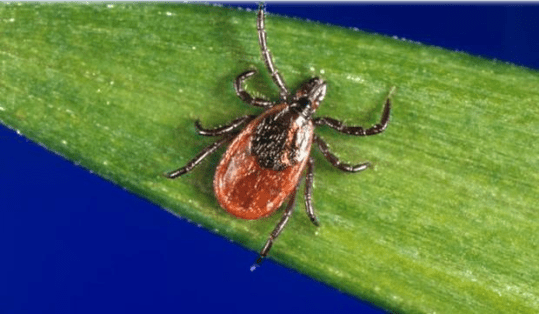
Black legged Deer Tick – Jim Gathnany/CDC
According to the Center for Disease Control and Prevention, 376,000 cases of reported Lyme disease occur in the U.S. Lyme disease is a bacterial illness that can cause serious neurological problems. First discovered in the 1970s, Lyme disease draws its name from the Connecticut area, including the towns of Lyme and Old Lyme (see the Digital Journal article “Discoverer of Lyme disease dies”).

Lyme disease is difficult to detect until the symptoms, which arise in a person following the transfer of the pathogenic bacteria into the human blood stream as the result of a tick bite, appear.

The condition of amyotrophic lateral sclerosis (ALS), also known as motor neurone disease, received considerable attention a couple of years ago through the awareness campaign ‘Ice Bucket Challenge’. There are 20,000 people living with ALS at a given time, with 6,000 more being diagnosed in the U.S. every year.

Jo Ann Simon has been examining the connection between ALS and Lyme Disease based on her medical experiences and relevant statistics.

According to Simon,

“ALS, or amyotrophic lateral sclerosis, is a progressive neurodegenerative disease that affects nerve cells in the brain and the spinal cord. A-myo-trophic comes from the Greek language. “A” means no. “Myo” refers to muscle, and “Trophic” means nourishment – “No muscle nourishment.”

She explains further:
“When a muscle has no nourishment, it “atrophies” or wastes away. “Lateral” identifies the areas in a person’s spinal cord where portions of the nerve cells that signal and control the muscles are located. As this area degenerates, it leads to scarring or hardening (“sclerosis”) in the region.”
Digital Journal: Is there a connection between Lyme Disease and ALS?

Jo Ann Simon: The culprit can be the spirochete borrelia burgodorferi bacteria of Lyme Disease or the unnamed foreign invader of ALS in the brain that triggers motor neuron disease, or are they the same?”

Our research, testing and discovery brought us through a maze of doctors, hospitals, treatments and various results. We celebrated when we thought it might be MMN Multi Focal Motor Neurothopy or Guilliane Barre, both treatable motor neuron diseases, but further testing eliminated that glimmer of hope.

DJ: What are the research highlights?

Simon: There are five little known facts about ALS and Lyme Disease, which research draws out. First, ALS and Lyme Disease have common ground with the auto immune and the central nervous systems. Second, common symptoms range from fatigue, numbness, muscle weakness and twitches, speech impairment, and cramping.

Third, recent studies that show that a significant percentage of ALS diagnosed patients test positive for Lyme Disease. Fourth, in some cases, patients diagnosed with ALS actually had Lyme Disease instead. And fifth, Lou Gehrig, the namesake of ALS lived very close to Lyme, Connecticut, where the disease was born.

DJ: What can people do to reduce the chance of infection?

Simon: The most important take away from this experience is that everyone needs to protect themselves, their family, friends and pets from ticks. Prevention of a tick bite could save your life! Prevention is the best medicine.

Also, use bug spray that has DEET (Off or Repel products) or Picaridin (Sawyer, Fisherman, Skin So Soft products). These are effective to deter ticks and can be found online, or at your local pharmacy, or department store.

If you are walking in grassy wooded areas, tuck in your pants to socks and wear long sleeve shirts so that your skin is not exposed. They might still jump on you for a ride, but you can eliminate them by running your clothes in a hot dryer for 10 minutes so they turn into harmless toast.

DJ: Is there anything else?

Simon: Yes, you can treat your shoes and clothes with Permithrin, a synthetic pesticide that repels ticks from 5 to 70 washes, depending on the product. Insect Shield in North Carolina will treat your clothes for up to 70 washes, or you can treat yourself with different products such as Sawyer insect repellent which can be purchased on line or at your local pharmacy, grocery or department store. L.L. Bean and Cabela’s sell pretreated clothes and camping gear.

Protect your pet. If you stopped your pet’s tick preventive over the winter, get it started again now. Outdoor dogs and cats will likely be the first family members to find a tick and bring it home to you. There are two types of products to use. Products that kill ticks on contact – quick tick gone or kill ticks after their lunch – bite to die. Talk to your vet to decide the best product for your pet.

Also, get professional treatment for your property to eliminate the threat of ticks in your outside living areas. This does not stop the threat elsewhere, but at least you can sleep at night not worrying about the ticks on your doorstep. Do a tick check every day. This is especially important for your children and pets since they normally spend the most time outside.

___________________

For More:  https://madisonarealymesupportgroup.com/2017/10/14/lost-link-als-lyme/    She found that Lyme was likely the cause of her deterioration in health, got treated for it and stopped the progression of the ‘ALS’. She’s still alive now, although hardly after the damage the original documentary had done to her care plan.

http://www.caregivershome.com/news/article.cfm?UID=1151after years of medical observations that some people with amyotrophic lateral sclerosis — better known as Lou Gehrig’s disease, or ALS — also suffer from a form of dementia. Conversely, some patients with dementia also have been observed developing crippling symptoms similar to those in ALS, where patients gradually lose control of their muscles.  This latest common protein discovery in a way adds another link in the chain of research into the major neurodegenerative diseases. Now, a faulty protein has been uncovered in Alzheimer’s, Parkinson’s and Huntington’s diseases, among others. Each of these diseases remains incurable, but scientists believe discoveries such as this represent a major step forward in finding a cure.

A relationship between ALS / MND (motor neuron disease) and Lyme makes sense, looking at the findings of the 1990 research that was published in the article ‘Immunological Reactivity against in Borrelia burgdorferi in Patients with Motor Neuron Disease’ by Halperin et al.  This study showed that in almost 50% of the 19 people diagnosed with ALS, Lyme was the cause. Once treated, several of these patients improved. In that same year, 1990, the CDC published its first definition about Lyme and described the complex, systemic, multi-symptom and sometimes devastating chronic disease experienced by many Lyme patients – then and still today.

Did anyone ever do a follow-up on this promising research? No. It was simply hidden away and Halperin chose to become a co-author of the 2006 IDSA Lyme Guidelines instead, which maintain that ‘Lyme is a mild disease that is hard to get, easy to treat and hardly ever becomes a chronic condition’. Any possible connection with ALS or any other of the serious and previously acknowledged debilitating or even deadly conditions was no longer mentioned. Any long-term health issues are reasoned away, using semantics rather than ‘evidence based’ science.

https://madisonarealymesupportgroup.com/2017/05/11/dr-al-miller-lyme-disease-series/  Watch parts 1 & 4 to see how Lyme can masquerade as other neurodegenerative illnesses.

And lastly, if you want to see first-hand a doctor (Dr. Martz) diagnosed with ALS who got his life back after Lyme was discovered & treated, watch the excellent documentary, “Under Our Skin.”  Story here:  https://www.lymedisease.org/372/

You can also read about Dr. Martz in “Cure Unknown: Inside the Lyme Epidemic,” by Pamela Weintraub.

Underlying Infections & Psychiatric Presentation – Podcast

Episode 38: Underlying Infections and Psychiatric Presentation

https://html5-player.libsyn.com/embed/episode/id/7054671/height/90/theme/custom/autoplay/no/autonext/no/thumbnail/yes/preload/no/no_addthis/no/direction/backward/render-playlist/no/custom-color/87A93A/

Cindy Kennedy, FNP, is joined by Dr. Rosalie Greenberg, who discusses how underlying infections can manifest themselves with a psychiatric presentation, particularly among children with Lyme disease.

Greenberg, D.F.A.A.C.A.P., is a Board Certified Child and Adolescent Psychiatrist in private practice in New Jersey. She specializes in the diagnosis and psychopharmacological treatment of Pediatric Mood Disorders, psychiatric symptoms secondary to tick-borne infections and Pediatric Acute-onset Neuropsychiatric Syndromes.
She is an active member of The International Lyme and Associated Diseases Society (ILADS) and has authored articles and lectured at ILADS National and International Conferences on Tick-borne Illnesses and Childhood Psychiatric Symptoms.
In addition Dr. Greenberg is the author of “Bipolar Kids: Helping your Child Find Calm in the Mood Storm,” DaCapo Press (March 2007), co-producer of the film: Rescuing Childhood- Understanding Bipolar Disorders in Children and Adolescents (2009); host of The Telly Award winning show “Kids First with Rosalie Greenberg, MD” (2012, 2013, 2014, 2015), and recipient of multiple awards and acknowledgement as a Top Doctor in several publications. She maintains a private practice in Summit, New Jersey.

Schizophrenia Breakthrough Identifies Importance of Immune Cells

https://www.laboratoryequipment.com/news/2018/09/schizophrenia-breakthrough-identifies-importance-immune-cells

NeuRA and UNSW Professor Cynthia Shannon Weickert and NeuRA PhD student Helen Cai. Photo: NeuRA


In one of the biggest breakthroughs in schizophrenia research in recent times, Cynthia Shannon Weickert, a professor from Neuroscience Research Australia (NeuRA) and UNSW Sydney, has identified immune cells in greater amounts in the brains of some people with schizophrenia. 

The study, published in Molecular Psychiatry, has the potential to transform global schizophrenia research and open new avenues for developing targeted immune cell therapies​.

One in every 100 Australians lives with schizophrenia. No single cause of schizophrenia has been identified, and this has prevented the development of a cure.

The current treatments for schizophrenia are designed to suppress symptoms rather than target underlying causes of the disorder. These drugs only partially relieve symptoms and can produce unwanted side effects.

Most scientists have had a long held belief that immune cells were independent from the brain pathology in psychotic illnesses, Shannon Weickert said.

“In our study, we challenged this assumption that immune cells were independent of the brain in psychiatric illness and made an exciting discovery. We identified immune cells as a new player in the brain pathology of schizophrenia,” Shannon Weickert added.

Current schizophrenia research has focused on the status of three brain cells: the neurons; the glial cells that support the neurons; and the endothelial cells that coat the blood vessels.

Employing new molecular techniques allowed Shannon Weickert and her team to identify the presence of a fourth cell, the macrophage, a type of immune cell in the brain tissue of people with schizophrenia who show high levels of inflammation.

“Immune cells have previously been ignored as they had long been viewed simply as travelers just thought to be passing by, undertaking surveillance work. They have never been a suspect until now,” Shannon Weickert said. “To find immune cells along the blood brain barrier in increased amounts in people with schizophrenia is an exciting discovery. It suggests immune cells themselves may be producing these inflammatory signals in the brains of people living with schizophrenia. We have observed in people with schizophrenia, the glial cells, one of the local residents, become inflamed and produce distress signals which change the status of the endothelial cells. We think this may cause the endothelial cells to extend sticky tentacles, so when the immune cells travel by some are captured. These cells may transmigrate across the blood brain barrier entering the brain in greater amounts in some people with schizophrenia compared to people without the disorder.”

This discovery shows that specific immune cells are in the brains of some people with schizophrenia in close enough proximity to the neurons to do damage.

Peter Schofield, CEO of NeuRA, said this innovative new research has the ability to possibly alter the diagnosis and treatment schizophrenia.

“This breakthrough demonstrates the value of the NSW Government’s support for Professor Shannon Weickert as NSW Chair of Schizophrenia Research, which has delivered new insights that the community seeks,” Schofield said.

Shannon Weickert is encouraging a cross-collaborative approach between neuroscientists and immunologists globally, to work together to develop treatments targeting this abnormal immune pathology of schizophrenia.

“This opens whole new avenues for therapy, because it suggests that the pathology of schizophrenia could be within the immune cells and the immune cells could be contributing to the symptoms of schizophrenia,” Shannon Weickert concluded.

__________________

**Comment**

https://madisonarealymesupportgroup.com/2017/10/03/treat-the-infection-psychiatric-symptoms-get-better/  LLMD, Dr. Horowtiz, goes on record stating that antibiotics are effective in Schizophrenia. With irony he points out that the authors attribute the reason minocycline helped these patients is due to its ability to affect glutamate pathways in the CNS, blocking nitric oxide-induced neurotoxicity, and inflammation in the brain. He reminds them that minocycline is a tetracycline antibiotic that very well may be treating an infection. He also emphatically states that he has had several schizophrenic patients test positive for Bb, the agent of Lyme Disease. After taking doxycycline they improved significantly and with the help of their psychiatrist, were able to reduce and in some cases eliminate all of their antipsychotic medication. It is important to note that patients remained stable on antibiotics but their symptoms returned if they stopped treatment.

https://madisonarealymesupportgroup.com/2017/06/04/minocycline-for-ms-and-much-more/  BTW:  Mino was one of the most effective meds for my neuro issues and severe occipital headaches.  It crosses the blood brain barrier.

https://madisonarealymesupportgroup.com/2017/01/17/lymemsids-and-psychiatric-illness/  In this presentation, Dr. Markes questions if psychiatric disorders are inflammatory diseases. She lists: Autism, Alzheimer’s, Schizophrenia, Bipolar, PTSD, Depression, Stress, Sleep Deprivation, Self-harm, and Suicide Attempts. She also describes a study in England observing children for over a decade in which children with a high IL-8 at age 8 have an 81% change of developing depression by age 18 and a 2-fold chance of becoming psychotic.  

She states that TBI’s (Tick Borne Illness) causes an impaired Hypopituitary Axis (HPA) which on a chronic basis decreases cortisol and increases inflammation.

Neurotoxins in the brain contribute to mental illness by causing problems with Homosysteine metabolism, which supresses remethylation, but that apoptosis (cell death) can be reversed by supplementing with SamE.

She says Post Treatment Lyme Syndrome (PTLS) is like a “dog whistle,” and usually demonstrates a bias on behalf of the authors who believe that 3 weeks of antibiotics cures LD. She then goes on to tell of a study that revealed that nearly 50% of those labeled as PTLS (with persistent symptoms) had anti-brain antibodies compared to 16.5% of Post Treatment Healthy Controls (no symptoms).

Depersonalization, Violence, self-harm, and schizophrenia can be a part of the picture with TBI’s. At 41:20 she tells the story of a little girl who would throw horrific temper tantrums in which she would destroy her room and then feel absolutely horrible after the fact. She also had a psychotic episode. Her MSIDS testing came back flagrantly positive.