Archive for the ‘Pain Management’ Category

Dear Lyme Warrior Help! Lyme Disease and Mood Swings, Epstein-Barr Virus, and Body Aches

https://www.globallymealliance.org/blog/dear-lyme-warrior-help-

Dear Lyme Warrior…Help! Lyme disease and Mood Swings, Epstein-Barr Virus, and Body Aches.

Every few months, Jennifer Crystal devotes a column to answering your questions. Below she answers some that she’s recently received. Do you have a question for Jennifer? If so, email her at lymewarriorjennifercrystal@gmail.com.
Were your moods always shifting with Lyme disease?

Lyme disease can cause anxiety and depression as well as other psychiatric issues, so certainly mood swings are not uncommon. In his book Lyme Disease: Medical Myopia and the Hidden Global Pandemic, psychiatrist Bernard Raxlen, M.D. describes patients who were “ordinarily upbeat, optimistic, outgoing, socially engaged and level-headed” experiencing a “personality shift” and becoming “irritable, disagreeable, withdrawn, antisocial and up-tight.” [i] Some Lyme disease patients feel that they become an entirely different person.

I generally kept my demeanor, but I certainly had mood swings much more easily than I did when I was healthy. I remember laughing in a buffet line with my sister, when suddenly I got cranky and snapped at her. “Whoa,” she said. “Why the sudden mood shift?” There could have been several explanations that probably were not mutually exclusive. It’s possible that my blood sugar dropped; one of my other tick-borne illnesses, babesiosis, causes hypoglycemia. I also may have run out of energy; the tank can fall to empty unexpectedly for Lyme patients, and when it does, there’s nothing left to give. The shift may also just have been indicative of the way tick-borne illnesses were affecting my brain.

Now that I am in remission, my moods are more stable, thanks to diminished infection in my body as well as medication for anxiety and depression. I get sad easily when I’m overtired, but that usually improves after a good night’s sleep. I do sometimes still get “Lyme rage”—going  from 0 to 60 very quickly when something small goes wrong—but again, this happens almost exclusively when my tank is on empty. Getting appropriate rest, pacing myself, keeping my infections at bay, and utilizing talk therapy and medication all have helped me stabilize my moods.

You mentioned you also had Epstein-Barr virus in addition to tick-borne illnesses. How did you get it under control?

Epstein-Barr virus (EBV) is the virus that causes mononucleosis. People who have infectious mononucleosis keep Epstein-Barr antibodies forever, but for most, the infection becomes dormant. For those struggling with compromised immune systems or other infections, however, Epstein Barr virus can either remain active after mononucleosis or get reactivated during times of stress. As I explain in my “Reactivated Infections: A Possible Piece of the Chronic Illness Puzzle” post, my own case of mono slipped into chronic active Epstein-Barr virus, leaving me bedridden for two years, because I didn’t realize my body was wrestling underlying tick-borne infections.

Many Lyme disease patients have high Epstein Barr titers for similar reasons—their immune systems are too overtaxed to adequately fight both tick-borne illness and EBV. Researchers are also newly discovering how EBV can actually cause other diseases, such as a recently discovered link between EBV and Multiple Sclerosis (MS).

No matter how Lyme disease and EBV are related, patients just want to relieve suffering from both. For me, this relief was concurrent. Once I adequately treated my tick-borne illnesses, my fatigue—caused by both the tick-borne illnesses and EBV—got much better.

In addition to antibiotics, anti-inflammatories, and anti-malarials for my tick-borne illnesses, my doctor also put me on a number of vitamins and supplements to help boost my immune system. These included Transfer Factors. It’s important to remember that what works for one patient might not work for another. There is no set protocol for treating tick-borne illness or EBV. Your LLMD, and perhaps your PCP, need to look at biomarkers to see how your immune system is functioning overall, what nutrients you might be missing, and what you may need to reduce your viral and bacterial loads.

Adjunct therapies like integrative manual therapy and neurofeedback helped with the impacts of all of my illnesses. Most importantly, EBV required rest, rest, and more rest. And as I also note in my “Reactivated Infections: A Possible Piece of the Chronic Illness Puzzle” post, my EBV is in remission, but it can flare up if I’m not careful. Talk to your doctors to see how you can get your own EBV under control.

When you had aches and pains with Lyme disease, did they extend into your quads? How about into your calves? Did the pain move around?

Yes! Something that sets Lyme disease pain apart from the pain of, say Rheumatoid Arthritis, is that it is migratory. You might feel it in your left elbow one day, and your right knee the next. Lyme is an inflammatory disease, and inflammation can happen anywhere in the body. You can feel pain in your joints as well as your muscles and bones. If you are experiencing this type of moving pain and have not yet seen a Lyme Literate Medical Doctor (LLMD) to determine if the pain might be caused by tick-borne illness, I encourage you to do so!

 [i] Raxlen, Bernard, M.D. with Cashel, Allie. Lyme Disease: Medical Myopia and the Hidden Global Pandemic. London: Hammersmith Health Books, 2019 (21).

Opinions expressed by contributors are their own. Jennifer Crystal is a writer and educator in Boston. Her work has appeared in local and national publications including Harvard Health Publishing and The Boston Globe. As a GLA columnist for over six years, her work on GLA.org has received mention in publications such as The New Yorker, weatherchannel.com, CQ Researcher, and ProHealth.com. Jennifer is a patient advocate who has dealt with chronic illness, including Lyme and other tick-borne infections. Her memoir about her medical journey is forthcoming. Contact her via email below.

Email: lymewarriorjennifercrystal@gmail.com

Lyme Disease: An Underdiagnosed Cause of Mono-Arthritis?

https://danielcameronmd.com/lyme-disease-underdiagnosed-arthritis/

Lyme disease: An underdiagnosed cause of mono-arthritis?

knee-pain-lyme-disease

Welcome to another Inside Lyme Podcast with your host Dr. Daniel Cameron. In this episode, Dr. Cameron will be discussing the case of a 26-year-old man who was diagnosed with mono-arthritis after his clinical evaluation overlooked the possibility of Lyme disease.

The case was described by Marcelis and colleagues in a paper entitled “Lyme disease: A probably underdiagnosed cause of Mono-arthritis.”1

A 26-year-old man presented with acute knee pain. He recalled having similar knee pain occurring one year prior when he began walking for extended periods of time.

A magnetic resonance imaging (MRI) of the knee revealed a large joint effusion. He was not diagnosed or treated for Lyme disease.

Four months later, he had a follow-up MRI, which showed again a persistent joint effusion with diffuse enhancement, thickening of the synovium, enlarged lymph nodes in the popliteal fossa and enhancement of the soleus muscle.

He was subsequently evaluated again for acute knee pain that had been present for several days.  On further questioning, the 26-year-old man recalled a history of serologically confirmed Lyme disease.

“The combination of synovitis, lymphadenopathy in the popliteal fossa, and serology led to the diagnosis of Lyme mono-arthritis,” wrote the authors.

“Mono- and oligoarthritis is one of the most common manifestations [of Lyme disease], mostly affecting the knee, although the hip, ankle, elbow, and wrist may be affected.”

There was no evidence of septic arthritis.  The authors highlighted the need for a careful clinical history to avoid overlooking Lyme disease.

The following questions are addressed in this Podcast episode:

  1. What is synovitis?
  2. What is Lyme arthritis?
  3. What is septic arthritis?
  4. What manifestations of Lyme disease are there?
  5. Why is timely treatment of Lyme disease important?
  6. Could the treatment delay have been avoided?
  7. What are the therapeutic options?

READ MORE: Causes of treatment delays for Lyme disease

Thanks for listening to another Inside Lyme Podcast. Please remember that the advice given is general and not intended as specific advice to any particular patient. If you require specific advice, please seek that advice from an experienced professional.

Inside Lyme Podcast Series

This Inside Lyme case series will be discussed on my Facebook page and made available on podcast and YouTube.  As always, it is your likes, comments, and shares that help spread the word about this series and our work. If you can, please leave a review on iTunes or wherever else you get your podcasts.

References:
  1. Marcelis S, Vanhoenacker F. Lyme Disease: A Probably Underdiagnosed Cause of Mono-Arthritis. J Belg Soc Radiol. 2021;105(1):80. doi:10.5334/jbsr.2625

___________________

**Comment**

I fully intend to write an article on Lyme arthritis and various helpful treatments in the future but for now I’ll share what I’m personally doing and learning (briefly, it’s always conplicated!).

For more:

Bannwarth Syndrome in Early Disseminated Lyme Disease

https://danielcameronmd.com/bannwarth-syndrome-lyme-disease/  Video Here

Bannwarth syndrome in early disseminated Lyme disease

Man with Bannwarth syndrome and lyme disease huntched over and holding his lower back.

Welcome to another Inside Lyme Podcast with your host Dr. Daniel Cameron. In this episode, Dr. Cameron will be discussing the case of a 66-year-old man with Bannwarth syndrome with urinary retention in early Lyme disease.

Omotosho and colleagues described this case in an article entitled “A Unique Case of Bannwarth Syndrome in Early Disseminated Lyme Disease.”¹

The man presented to the emergency room with generalized myalgia, fatigue, and severe neck pain. The symptoms had been occurring for two weeks and began shortly after he was bitten by two ticks while performing yard work.

The patient reported having dull mid-back pain, intermittent headaches, and neck stiffness. His doctor initially suspected he had pneumonia and prescribed an antibiotic. But his symptoms worsened.

“His pain then radiated down his entire spine into his upper and lower extremities, leading to right arm weakness and new urine retention onset,” the authors wrote.

“His paraspinal tenderness and diminished deep tendon reflexes bilaterally.” His pain score was 8 out of 10. The ESR rate was 100 and C-reactive protein of 8.8 mg/L.

“Physicians need to be aware of the rare neurological manifestations of [Lyme neuroborreliosis] … Prompt diagnosis and treatment with antibiotics can reduce unnecessary imaging, patient anxiety, and, most importantly, avert debilitating complications.”

Test results indicated a white blood cell count of 12 k/uL, C-reactive protein of 8.8 mg/L, sedimentation rate of 100 mm/h, and creatinine kinase of 27 units/L.

Western blot and ELISA Lyme disease tests were positive and confirmed an early stage infection with Borrelia burgdorferi. In addition, a spinal tap showed lymphocytic pleocytosis and a positive Lyme disease titer.

The man was diagnosed with Bannwarth syndrome (BWS) based on his severe radiculopathy, upper extremity weakness, and urinary dysfunction. “All of these findings are pathognomonic for [Bannwarth syndrome],” wrote the authors.

Typically, Bannwarth syndrome affects a person’s limbs. In this case, Lyme disease induced sacral radiculitis leading to neurogenic urinary dysfunction.

The authors were not sure why the patient’s urinary tract was affected. They suggested, “the influence of the radiculitis on innervating fibers” and “direct invasion of the spirochetes into the bladder wall” might have played a role.

“Early recognition of this rare presentation associated with Lyme disease and treatment with antibiotics can prevent disease progression and detrimental neurological sequelae.”

The man was treated with a 21-day course of IV ceftriaxone and “his symptoms improved with complete resolution of his urinary retention,” the authors wrote.

About Bannwarth syndrome

Bannwarth syndrome has been reported most often in Europe. And despite disputes over its incidence in the United States, “the condition does occur but is often misdiagnosed.”

BWS is characterized by a wide range of symptoms including:

  • radicular pain (100%)
  • sleep disturbances (75.3%)
  • headache (46.8%)
  • fatigue (44.2%)
  • malaise (39%)
  • paresthesia (32.5%)
  • peripheral nerve palsy (36.4%)
  • meningeal signs (19.5%)
  • paresis (7.8%)

The syndrome can cause severe pain. “BWS typically manifests itself with severe zoster-like segmental pain that is worse at night,” the authors wrote. “The pain has a burning, stabbing, biting, or tearing character and usually responds poorly to all common analgesics.”

Author’s Conclusion:

“The constellation of neurological symptoms, particularly when associated with a recent or suspected tick bite in an endemic region, should prompt thorough evaluation for [Lyme neuroborreliosis] and assessment for BWS,” the authors wrote.

The following questions are addressed in this Podcast episode:

  1. What is Bannwarth syndrome?
  2. How is BWS diagnosed and treated?
  3. What is radicular pain?
  4. What is the significance of the spinal tap findings?
  5. What is the significance of an elevated sedimentation rate and c-reactive protein?
  6. Why is BWS rarely diagnosed in the USA?
  7. What can we learn from this case?

Thanks for listening to another Inside Lyme Podcast. Please remember that the advice given is general and not intended as specific advice to any particular patient. If you require specific advice, please seek that advice from an experienced professional.

Inside Lyme Podcast Series

This Inside Lyme case series will be discussed on my Facebook page and made available on podcast and YouTube.  As always, it is your likes, comments, and shares that help spread the word about this series and our work. If you can, please leave a review on iTunes or wherever else you get your podcasts.

Post-Infectious Fatigue & Your Vagus Nerve

https://www.lymedisease.org/post-infectious-fatigue-vagus-nerve/

LYME SCI: Post-infectious fatigue and your vagus nerve

By Lonnie Marcum

Nov. 3, 2021

In 2013, the pain management clinic at a large teaching hospital diagnosed my then-15-year-old daughter with Myalgic Encephalomyelitis/Chronic Fatigue Syndrome (ME/CFS). This was after 10 months of being referred to many pediatric specialists, none of whom could find an answer to her mysterious illness.

One of the hallmarks of ME/CFS is post-exertional malaise—profound fatigue following activity that is not restored by rest. Fatigue is also the most common symptom reported in patients with Lyme disease. (Aucott 2013, Johnson 2014)

At the time of my daughter’s diagnosis, she was mostly bedbound. An hour of homework would require a week of recovery. She had many symptoms of Lyme disease (fatigue, headache, light sensitivity, memory loss, heart block, POTS, swollen knee, muscle pain, nausea…the list goes on) but three separate standard tests for Lyme were negative.

In the absence of a definitive diagnosis, patients are often lumped into the category of ME/CFS—a complex and disabling syndrome. First defined by the CDC in 1988, the symptoms of ME/CFS have been recorded for centuries. (Holmes, 1988)

The million-dollar question?

There is no question that many infectious agents can trigger chronic illness. Past pandemics with infection-triggered chronic fatigue include: Russian influenza 1889, polio 1916, SARS-CoV-1 2003, Zika 2015, Ebola 2016, and more recently, COVID 2019.

But not everyone who contracts these diseases becomes chronically ill. As PolyBio researcher Amy Proal, PhD, said at the 2021 LymeMind conference, “The million-dollar question is why? Why do some patients go on to develop long-term, chronic symptoms and others do not?”

Even more puzzling is why do patients infected with completely different pathogens (viruses, bacteria, parasites) have so many of the same flu-like symptoms?

For example, the pathogens that cause COVID-19 (SARS-CoV-2, a virus) and Lyme disease (Borrelia burgdorferi, a bacterium) are vastly different. However, the chronic symptoms they leave behind are nearly identical: fatigue, brain fog, headaches, sensory issues, cognitive impairment, memory loss, sleep impairment, heart issues, muscle and joint aches/pain. The primary difference here being the respiratory symptoms among those with COVID-19. (Proal & VanElzakker 2021)

During the LDA/Columbia Lyme Conference, Dr. John Aucott, of Johns Hopkins University, reviewed several potential causes of “long-haul” symptoms for infectious diseases such as Lyme disease and COVID-19. These include: 1) persistent antigens and/or persistent infection; 2) immune inflammation and dysregulation; 3) neural network alterations.

One pathway that links all three of these elements (infection, inflammation, nervous system) together is called the vagus nerve. And one theory gaining recognition is the vagus nerve infection hypothesis, first proposed by Harvard neuroscientist Michael VanElzakker in 2013. (VanElzakker, 2013)

Because we know that Borrelia can infect the brain and the cranial nerves, this theory may explain why some patients remain ill following treatment for Lyme disease. (Gadila, 2021)

What is the vagus nerve?

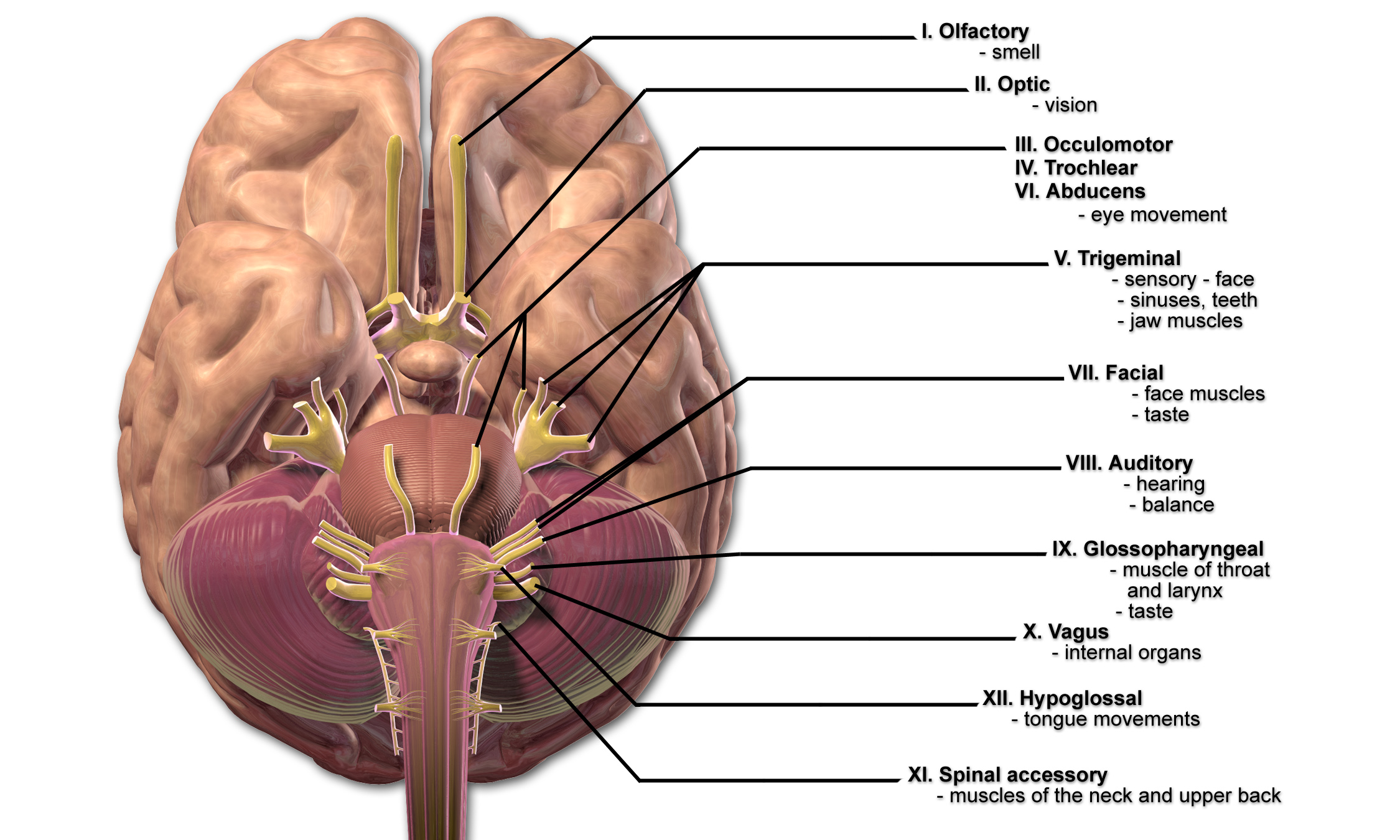
The vagus nerve is the tenth (X) of 12 cranial nerves originating in the brain, denoted as CN-X. It originates from a portion of the brain responsible for autonomic function.
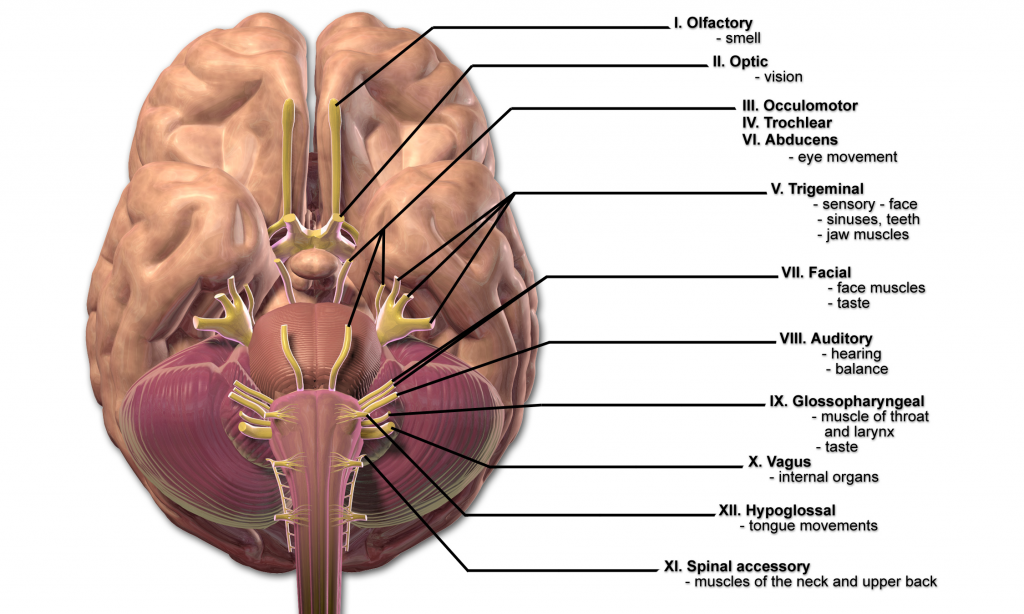
Blausen.com staff (2014). “Medical gallery of Blausen Medical 2014”. WikiJournal of Medicine 1

The autonomic nervous system (ANS) is the part of the nervous system that functions without you having to think about it. It regulates bodily functions such as breathing, heart rate, digestion, and blood pressure.

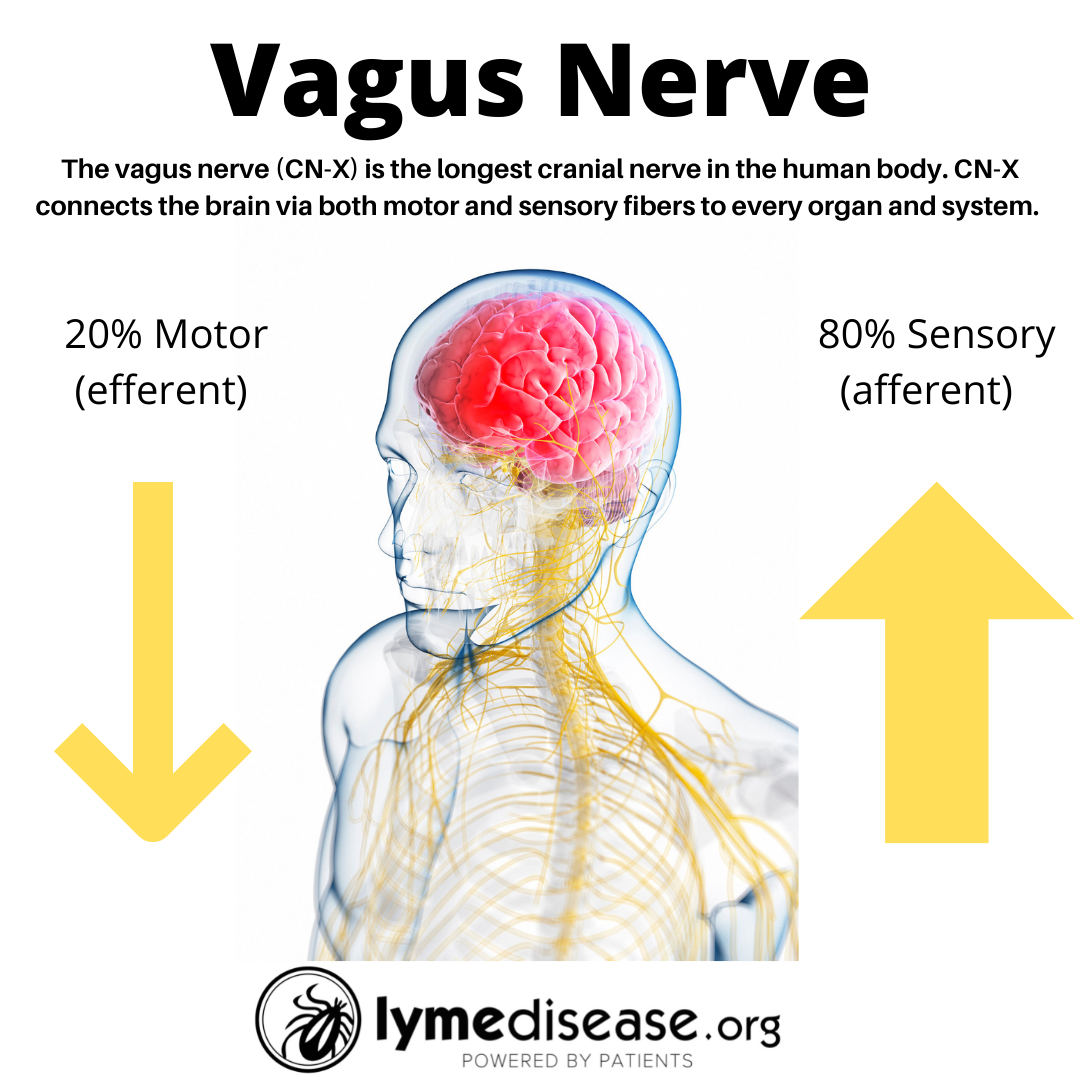
The vagus is the longest cranial nerve in the body. It innervates (supplies nerves to) every major trunk organ including the pancreas, liver, spleen, heart and bladder, along with the gastrointestinal lining and lymph nodes (Kenny and Bordoni, 2019). The Latin word vagus means “wandering.”

Twenty percent of the vagus nerve fibers lead away from the brain into the body (efferent), while 80 percent of the nerve fibers send signals from various points in the body back to the brain (afferent).
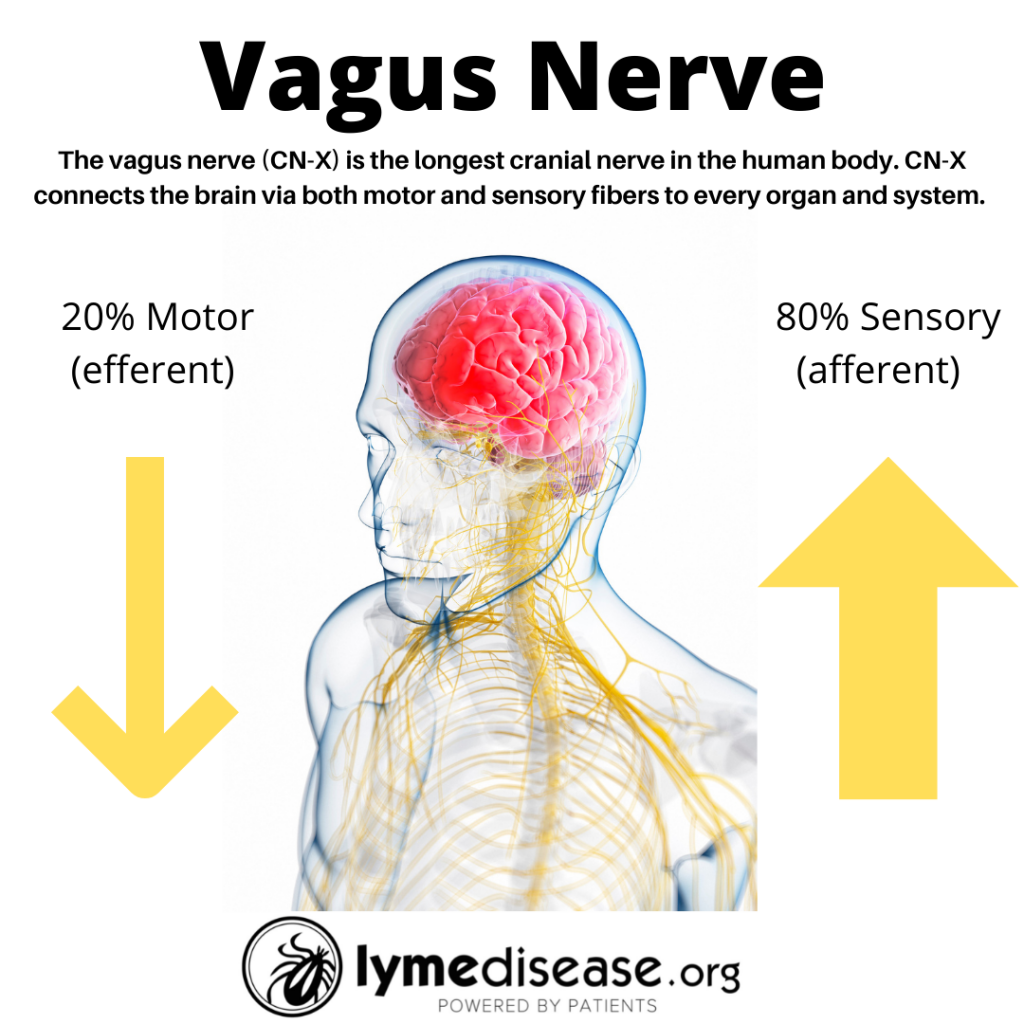
The most important function of the vagus nerve is afferent signaling. This is information brought from the inner organs—such as gut, liver, heart, and lungs—to the brain. Thus, our inner organs are a major source of sensory information to the brain.

The limbic system, amygdala and insular cortex are important central regions that are affected by vagus nerve signals. These areas of the brain are involved in regulating emotions, behavior, memory, and energy.

How does the vagus nerve affect autonomic function?

The ANS is divided into the sympathetic nervous system and the parasympathetic nervous system.

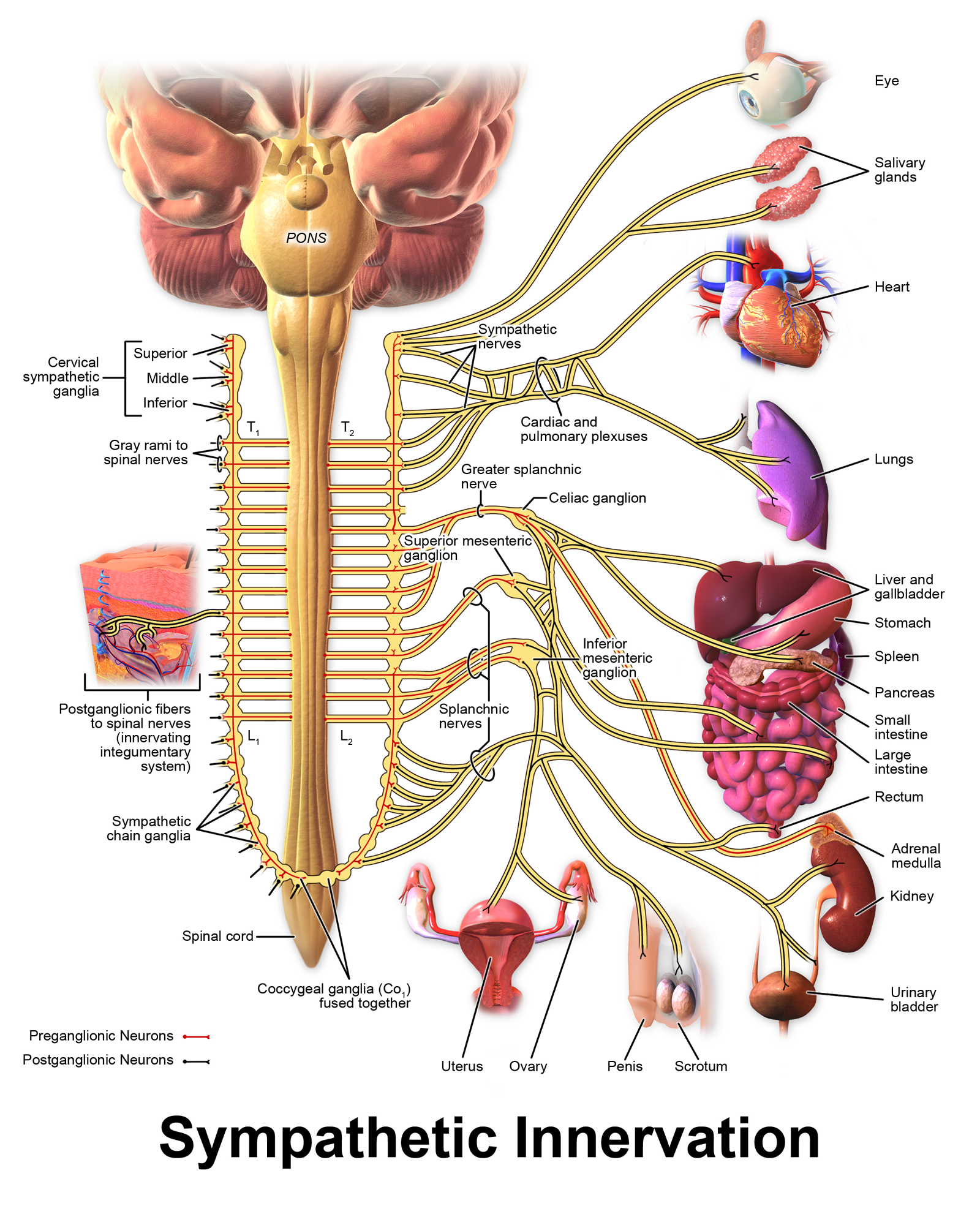
The sympathetic nervous system (SNS) is often referred to as the “fight or flight” or “excitatory” system. It is a primitive system designed to respond and help you get out of danger.
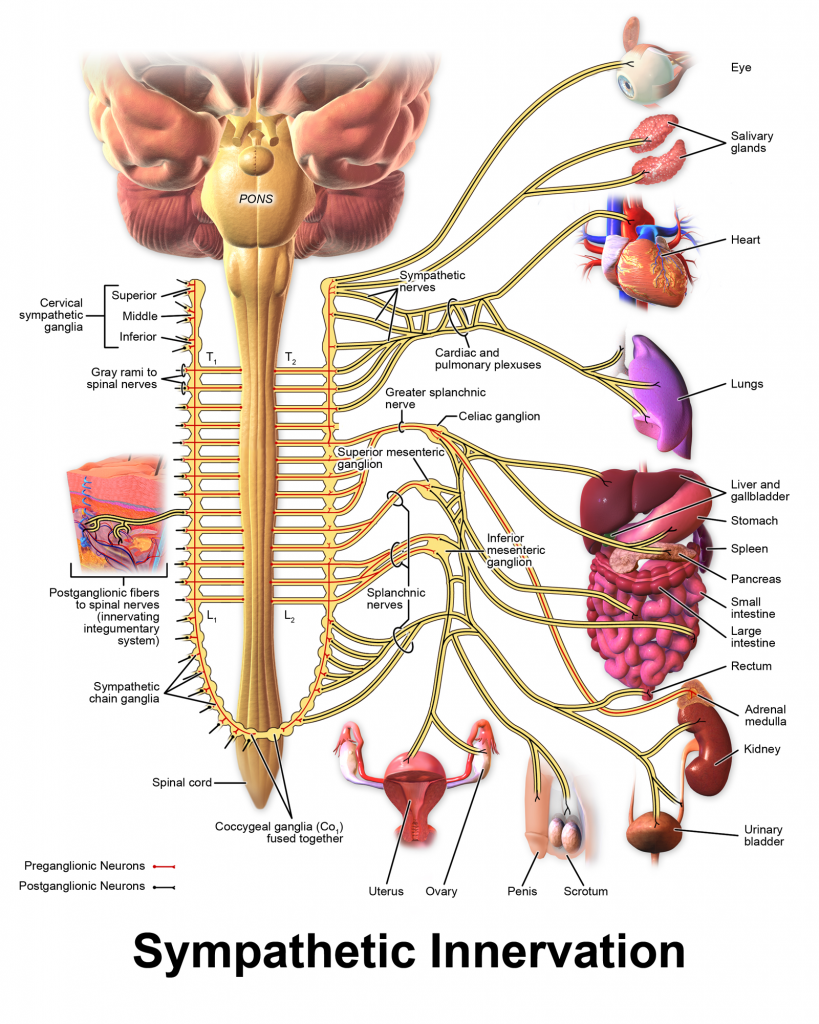
Blausen.com staff (2014). “Medical gallery of Blausen Medical 2014”. WikiJournal of Medicine 1

The parasympathetic nervous system (PNS), commonly known as the “rest and digest” or “inhibitory” system, promotes the opposite response of the SNS.
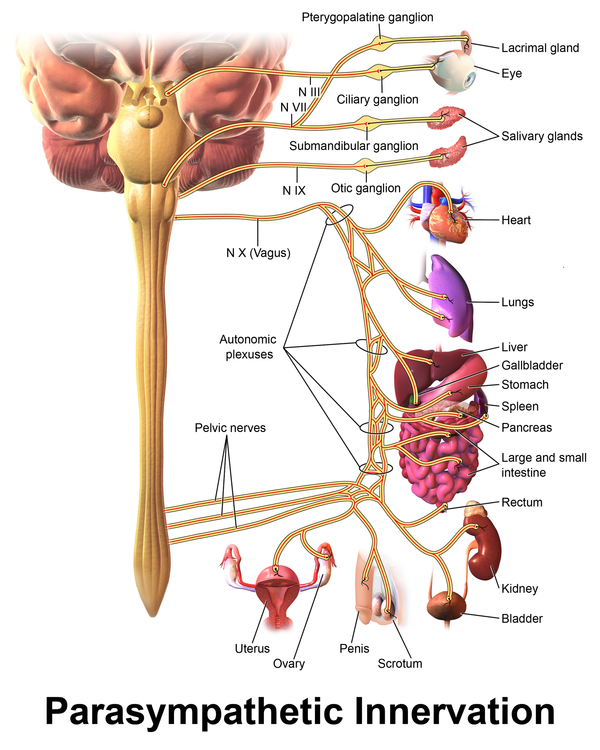
Blausen.com staff (2014). “Medical gallery of Blausen Medical 2014”. WikiJournal of Medicine 1

Both the SNS and PNS are involved when you become sick. Because we cannot feel, smell or see pathogens, the body uses the vagus nerve to sense when we are ill and send a message to the brain. This message triggers an adaptive response to the infection called “sickness behavior” or the “sickness response.”

However, if the infection or inflammation persists, this sickness response can become chronic, resulting in ME/CFS type symptoms.

How the vagus nerve causes flu-like symptoms

When a pathogen is detected, mast cells and glial cells release inflammatory markers and cytokines that trigger an immune response. The vagus nerve senses these markers and sends a message to the brain.  This causes flu-like symptoms: fever, fatigue, headache, sleep problems, loss of appetite, muscle/joint pain, nausea, autonomic dysfunction, cognitive dysfunction, and others.

This constellation of symptoms causes a sickness response that is designed to make us rest. Ideally, during this rest period our body can use all its energy to fight the infection and recover from the illness. Farmers and pet owners may recognize such sickness behavior in their sick animals, as well.

For years, it has been thought that Borrelia spread to the nervous system via the blood stream. A recent publication indicates that central nervous system involvement in Lyme neuroborreliosis may be a result of Borrelia moving from the skin to the spinal cord via peripheral nerves. (Ogrinc, 2021)

The vagus nerve may be a pathway for this type of infection.

Vagus nerve infection hypothesis

The vagus nerve infection hypothesis theorizes that the chronic flu-like symptoms of ME/CFS are an exaggerated version of normal sickness behavior triggered by infection of the vagus nerve.

In theory, any infectious agent with a preference for nervous tissues (neurotropic) can cause a vagus nerve infection, including Borrelia.

The gut-brain axis

The gut is the largest organ innervated by the vagus nerve, making it a particularly important sensory organ. (Breit, 2018) Gut bacteria (both good and bad) communicate through the microbiota-gut-brain axis in a bidirectional way that directly involves the vagus nerve. (Bonaz, 2018)

A huge amount of data has highlighted a potential role of microbial dysbiosis (an imbalance of bacteria in the gut) in various chronic disorders (Lynch and Pedersen, 2016).

The standard treatment for Lyme disease involves the use of antibiotics, which can adversely affect gut bacteria. Researchers at Northeastern University are currently looking at how the microbiome may contribute to the chronic symptoms of Lyme.

Not only can imbalance of the microflora or microbiome in the gut cause inflammation that triggers the vagus nerve, but it can also contribute to a leaky blood-brain barrier contributing further to neurological and psychological symptoms in Lyme.

Treatment

Obviously, if there is an infection present it should be treated appropriately. Lyme disease is often accompanied with co-infections carried by the same tick, a separate tick bite, or possibly even a prior latent viral infection. Thus, treatment may involve antibiotics, anti-parasitics and antivirals.

As a benefit, some of the standard medications for Lyme disease have anti-inflammatory effects on the nervous system. However, not all of them are able to cross the blood-brain barrier.

For example, minocycline crosses the blood-brain barrier and in addition to anti-microbial activity, it has been shown to have anti-inflammatory, anti-apoptotic activities, inhibition of proteolysis, angiogenesis and tumor metastasis-inflammatory as well as neuro-protective properties. (Garrido-Mesa, 2013)

Self-Help

Following treatment, or even during treatment, if you are exhibiting symptoms of dysautonomia (dysfunction of the ANS), you may want to  try some of the non-prescription practices that worked for my daughter.

Another technique is the use of external (transdermal) vagus nerve stimulation, similar to a home TENS unit. (Diedrich 2021)

During the LymeMind conference, Dr. Sunjya Schweig, an integrative medicine specialist, tweeted this:

Stanley Rosenberg’s 2017 book “Accessing the Healing Power of the Vagus Nerve: Self-Help Exercises for Anxiety, Depression, Trauma, and Autism” offers a simple explanation of Stephen Porges’s polyvagal theory.

Rosenberg’s book draws on more than 30 years of his experience as a hands-on craniosacral therapist and Rolfer. He offers immediate self-diagnostic and treatment techniques that can be done from the comfort of your home.

Main takeaway

Whether you have an active infection or the remnants of a previous infection, the vagus nerve may be contributing to your ongoing symptoms. Learning to recognize those symptoms and adding a few simple self-help techniques may help in your healing journey.

LymeSci is written by Lonnie Marcum, a Licensed Physical Therapist and mother of a daughter with Lyme. She serves on a subcommittee of the federal Tick-Borne Disease Working Group. Follow her on Twitter: @LonnieRhea  Email her at: lmarcum@lymedisease.org.

References

Aucott JN, Rebman AW, Crowder LA, Kortte KB. Post-treatment Lyme disease syndrome symptomatology and the impact on life functioning: is there something here? Qual Life Res. 2013 Feb;22(1):75-84. doi: 10.1007/s11136-012-0126-6. PMID: 22294245; PMCID: PMC3548099.

Azcona Sáenz J, Herrán de la Gala D, Arnáiz García AM, Salas Venero CA, Marco de Lucas E. (2021) Atypical bacterial infections of the central nervous system transmitted by ticks: An unknown threat. Radiologia (Engl Ed). Sep-Oct;63(5):425-435. doi: 10.1016/j.rxeng.2021.07.002. PMID: 34625198

Bonaz, B., Bazin, T., & Pellissier, S. (2018). The Vagus Nerve at the Interface of the Microbiota-Gut-Brain Axis. Frontiers in neuroscience, 12, 49. https://doi.org/10.3389/fnins.2018.00049

Breit S, Kupferberg A, Rogler G and Hasler G (2018) Vagus Nerve as Modulator of the Brain–Gut Axis in Psychiatric and Inflammatory Disorders. Front. Psychiatry 9:44. doi: 10.3389/fpsyt.2018.00044

Coughlin et al. Imaging glial activation in patients with post-treatment Lyme disease symptoms: a pilot study using [11C]DPA-713 PET

Diedrich A, Urechie V, Shiffer D, Rigo S, Minonzio M, Cairo B, Smith EC, Okamoto LE, Barbic F, Bisoglio A, Porta A, Biaggioni I, Furlan R. (2021) Transdermal auricular vagus stimulation for the treatment of postural tachycardia syndrome. Auton Neurosci. Sept29;236:102886. doi: 10.1016/j.autneu.2021.102886. Epub ahead of print. PMID: 34634682.

Ford, L., & Tufts, D. M. (2021). Lyme Neuroborreliosis: Mechanisms of B. burgdorferi Infection of the Nervous System. Brain sciences, 11(6), 789. https://doi.org/10.3390/brainsci11060789

Gadila SKG, Rosoklija G, Dwork AJ, Fallon BA and Embers ME (2021) Detecting Borrelia Spirochetes: A Case Study With Validation Among Autopsy Specimens. Front. Neurol. 12:628045. doi: 10.3389/fneur.2021.628045

Garrido-Mesa, N., Zarzuelo, A., & Gálvez, J. (2013). Minocycline: far beyond an antibiotic. British journal of pharmacology, 169(2), 337–352. https://doi.org/10.1111/bph.12139

Holmes GP, Kaplan JE, Gantz NM, Komaroff AL, Schonberger LB, Straus SE, Jones JF, Dubois RE, Cunningham-Rundles C, Pahwa S (1988). “Chronic fatigue syndrome: a working case definition”. Annals of Internal Medicine. 108 (3): 387–89. doi:10.7326/0003-4819-108-3-387. PMID 2829679.

Johnson L, Wilcox S, Mankoff J, Stricker RB. 2014. Severity of chronic Lyme disease compared to other chronic conditions: a quality of life survey. PeerJ 2:e322 https://doi.org/10.7717/peerj.322

Kenny BJ, Bordoni B. (Updated 2021) Neuroanatomy, Cranial Nerve 10 (Vagus Nerve) In: StatPearls [Internet]. Treasure Island (FL): StatPearls Publishing; 2021 Jan-. Available from: https://www.ncbi.nlm.nih.gov/books/NBK537171/

Lynch SV, Pedersen O. The Human Intestinal Microbiome in Health and Disease. N Engl J Med. 2016 Dec 15;375(24):2369-2379. doi: 10.1056/NEJMra1600266. PMID: 27974040.

McCusker, R. H., & Kelley, K. W. (2013). Immune-neural connections: how the immune system’s response to infectious agents influences behavior. The Journal of experimental biology, 216(Pt 1), 84–98. https://doi.org/10.1242/jeb.073411

Ogrinc, K., Kastrin, A., Lotrič-Furlan, S., Bogovič, P., Rojko, T., Maraspin, V., Ružić-Sabljić, E., Strle, K., Strle, F. (2021) Colocalization of radicular pain and erythema migrans in patients with Bannwarth’s syndrome suggests a direct spread of borrelia into the central nervous system, Clinical Infectious Diseases, ciab867, https://doi.org/10.1093/cid/ciab867

Proal AD and VanElzakker MB (2021) Long COVID or Post-acute Sequelae of COVID-19 (PASC): An Overview of Biological Factors That May Contribute to Persistent Symptoms. Front. Microbiol. 12:698169. doi: 10.3389/fmicb.2021.698169

VanElzakker MB. (2013) Chronic fatigue syndrome from vagus nerve infection: a psychoneuroimmunological hypothesis. Med Hypotheses. Sep;81(3):414-23. doi: 10.1016/j.mehy.2013.05.034. Epub 2013 Jun 19. PMID: 23790471.

VanElzakker MB, Brumfield SA and Lara Mejia PS (2019) Neuroinflammation and Cytokines in Myalgic Encephalomyelitis/Chronic Fatigue Syndrome (ME/CFS): A Critical Review of Research Methods. Front. Neurol. 9:1033. doi: 10.3389/fneur.2018.01033

TMJ Arthritis Triggered by Lyme Disease

https://danielcameronmd.com/tmj-arthritis-triggered-by-lyme-disease/

TMJ arthritis triggered by Lyme disease

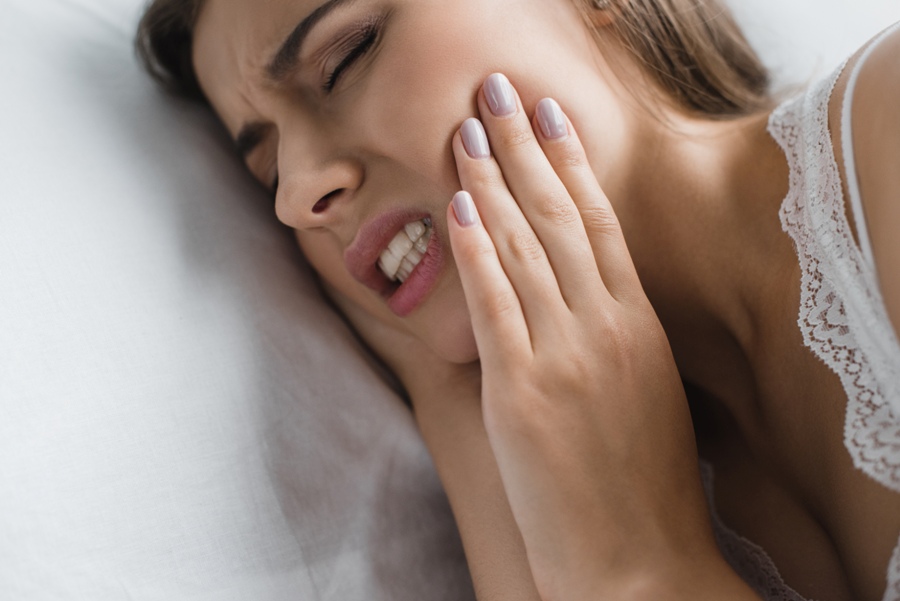
woman with TMJ from Lyme disease holding her jaw

A case report by Weise and colleagues demonstrates that Lyme disease can induce temporomandibular joint (TMJ) pain and may be misdiagnosed as a common temporomandibular disorder (TMD).

In the article, “Acute arthritis of the right temporomandibular joint due to Lyme disease: a case report and literature review,” the authors describe a 25-year-old patient who presented to a medical center with acute pain in the right temporomandibular joint and mouth opening disorders.¹

Over a 5-year period, the woman’s distal bite was treated with removable and fixed orthodontic appliances. Three months after the first symptoms, “the patient developed increasing pain in the right TMJ, increasing active mouth opening restriction to 20 mm and a habitual deviation of the lower jaw to the left.”

The patient was initially diagnosed with a total ventral deviation of the discus on the right side without reduction. Treatment with anti-inflammatory medications, a bite splint and a corticosteroid injection, however, were not effective and the woman’s symptoms continued.

Although the patient did not recall a tick bite or EM rash, testing for Lyme disease was positive and she was diagnosed with Lyme arthritis affecting the right temporomandibular joint.

“Early interdisciplinary diagnosis of Lyme disease and early antibiotic therapy are essential to avoid misdiagnosis and unnecessary, sometimes invasive, therapies.”

The patient was prescribed a 3-week course of Cefuroxime. After one week of antibiotic treatment, her symptoms improved.

“It can be assumed that there must have been an infection with Borrelia in the right temporomandibular joint for a longer period of time before the symptoms occurred.”

Lyme disease presenting with TMJ “very often is misinterpreted as a temporomandibular disorder,” the authors state.

“In the case of unclear TMJ problems and when the TMD treatment is not successful,” the authors stress, “the possibility of a [Lyme disease] infection should definitely be considered as a differential diagnosis.”

_______________

**Comment**

This condition is extremely painful.  I’ve had it.

A Lyme disease infection should definitely be considered as a differential diagnosis when ANY joint becomes painful and inflamed, particularly when there’s a fever present.

For more: