Archive for the ‘mosquitoes’ Category

Deadly Mosquito-borne Virus That Causes Brain Swelling in Humans Found in Florida

https://www.cnn.com/2019/07/28/health/eastern-equine-encephalitis-mosquito-outbreak-chickens-florida-trnd/index.html

A deadly mosquito-borne virus that causes brain swelling in humans has been detected in Florida

(CNN) Florida health officials are warning of an uptick in a mosquito-borne virus known as Eastern equine encephalitis (EEE).
Several sentinel chickens tested positive for EEE, which can spread to humans via infected mosquitoes and cause brain infection and swelling, the Florida Department of Health in Orange County said in a Thursday statement. Sentinel chickens are fowl that are tested regularly for the West Nile virus and EEE. Their blood can show the presence of the diseases, but they don’t suffer from the effects of the viruses.
Following the positive tests for the sentinel chickens in Orange County, the health department said “the risk of transmission to humans has increased.”
Only about seven cases of the EEE virus in humans are reported in the US each year, the Centers for Disease Control and Prevention says.
However, the disease can be fatal: about 30% of people who contract it die, according to the CDC. Many survivors have ongoing neurologic problems.
People develop symptoms about 4 to 10 days after they are bitten by an infected mosquito, the CDC says. Signs include sudden onset of headache, high fever, chills and vomiting. More severe symptoms include disorientation, seizures and coma.
With summer in full swing, mosquitoes are buzzing around at peak populations. Officials warned people to avoid being bitten by draining standing water around their homes, covering skin with clothing or repellant, and using screens to cover doors and windows.
___________________

New Hampshire Man Tests Positive For Jamestown Canyon & Powassan Viruses

http://indepthnh.org/2019/08/08/dhhs-kingston-man-tests-positive-for-rare-viruses-carried-by-ticks-mosquitoes/

DHHS: Kingston Man Tests Positive for Rare Viruses Carried By Ticks, Mosquitoes

Public Domain photo

NH health officials say protect yourself from mosquito bites.
Concord, NH – The New Hampshire Department of Health and Human Services (DHHS) announced that an adult from Kingston, NH tested positive for both Jamestown Canyon virus (JCV) and Powassan virus (POW), the first time these vector-borne diseases have been identified in the State in 2019.JCV is transmitted by infected mosquitoes and POW is transmitted by infected ticks. There are no vaccines to prevent JCV or POW and treatment consists of supportive care.

“From spring until fall, New Hampshire residents and visitors are at risk for a number of different infections from the bite of mosquitoes and ticks, and this case highlights the risk from both,” said Dr. Benjamin Chan, State Epidemiologist.

“In addition to Jamestown Canyon virus and Powassan virus, there are a number of other viral and bacterial infections that can be transmitted by mosquitoes and ticks in New Hampshire, and we recommend that residents and visitors continue to take basic steps to prevent mosquito and tick bites in order to stay healthy.”

Jamestown Canyon virus is a mosquito-borne pathogen that circulates widely in North America primarily between deer and a variety of mosquito species, but it can also infect humans. First reported in the early 1970s, reports in humans are rare but have been increasing over the last several years. This is New Hampshire’s seventh case of JCV since the first report of the disease in 2013. Most reported illnesses caused by JCV have been mild, but moderate-to-severe central nervous system involvement has been reported.

Powassan virus infection is similar to mosquito-borne viruses like JCV, West Nile virus (WNV), and Eastern equine encephalitis (EEE), but is transmitted to people by infected ticks. POW was identified as a cause of human illness in the late 1950’s. In the last decade, 144 cases of POW have been detected in the United States. This is New Hampshire’s fourth case of POW, also since 2013. In New Hampshire, the blacklegged tick is the most likely to transmit this virus to people. A tick needs to be attached to a person for only 15 minutes to transmit POW. Some people who are infected may experience mild illness or no symptoms. Powassan virus can also infect the central nervous system causing brain inflammation, which may be disabling or fatal.

The Kingston resident had no recent history of travel outside our state and spent a great amount of time outdoors. Residents and visitors to New Hampshire should protect themselves and their family members by:

·         using an effective mosquito and tick repellant containing DEET (20-30%), Picaridin, or oil of lemon eucalyptus

·         wearing protective clothing, tucking shirts into pants and pants into socks

·         removing standing water from around your house so mosquitoes do not have a place to breed

·         being mindful of tick habitat keeping grass cut short, and

·         performing frequent and daily tick checks with immediate tick removal.

Vitamin B, ultrasonic devices, incense, and bug zappers have not been shown to be effective in preventing mosquito- or tick-borne diseases.

Other mosquito- and tick-borne illnesses that have been documented in New Hampshire include WNV and EEE from mosquitoes, and Lyme disease, anaplasmosis, babesiosis, and Borrelia miyamotoi from ticks. Biting mosquitoes will continue to be a disease concern until there are two, statewide, hard frosts. Risk of tick bites exists when temperatures are above freezing and ticks are not covered by snow.

People can be infected and not develop any symptoms, or only develop very mild symptoms. Early symptoms can include flu-like illness including fever, muscle aches, headaches, and fatigue. People infected with JCV, EEE, WNV, and Powassan can develop more serious central nervous system disease, including meningitis or encephalitis. If you or someone you know is experiencing flu-like symptoms, including fever and headache, contact your local medical provider.

Anyone with questions about vector-borne illnesses can call the DHHS Division of Public Health Services Bureau of Infectious Disease Control at (603) 271-4496 between 8 AM to 4:30 PM, Monday through Friday. More information can also be found online at www.dhhs.nh.gov and www.cdc.gov.

News story here:  https://www.wmur.com/article/new-hampshire-adult-infected-with-jamestown-canyon-virus-powassan-virus/28647142

________________

**Comment**

Pathogens have a certain proclivity for their vectors. It’s always interesting to me to entertain the possibility that perhaps there is cross over.

For instance, borrelia has been found in mosquitoes and many patients claim to have become infected with Lyme after a mosquito bite:

https://madisonarealymesupportgroup.com/2018/11/07/are-mosquitoes-transmitting-lyme-disease/

https://www.ncbi.nlm.nih.gov/m/pubmed/26631488/  Excerpt:

…results show that DNA of Borrelia afzelii, Borrelia bavariensis and Borrelia garinii could be detected in ten Culicidae species comprising four distinct genera (Aedes, Culiseta, Culex, and Ochlerotatus). Positive samples also include adult specimens raised in the laboratory from wild-caught larvae indicating that transstadial and/or transovarial transmission might occur within a given mosquito population.

BTW: THE LAST STUDY ON THE POTENTIAL OF OTHER BUGS TRANSMITTING LYME (MINUS THE GERMAN STUDY ON MOSQUITOS) WAS DONE OVER 30 YEARS AGO.  AND, WHILE NO SPIROCHETES WERE ISOLATED FROM THE HAMSTERS, ANTIBODIES WERE FOUND – EVEN BACK THEN.

Therein lies the hang up. The presence of antibodies does not prove infection. It’s interesting that the current CDC 2-tiered testing relies upon antibodies…..

The transmission of Bartonella from ticks is also still being quibbled about with some just stating emphatically that it is:  https://madisonarealymesupportgroup.com/2016/01/03/bartonella-treatment/ while others take a more conservative approach and say the science isn’t settled: https://madisonarealymesupportgroup.com/2019/07/13/suspected-insect-and-arthropod-vectors-for-bartonella-species-galaxy/

This issue of what is being transmitted by whom seems to me to be a very important and practical issue.  Why isn’t the science being done?

Also, while the media continues to inform us all of this is “rare,” please remember that many of these pathogens are not mandatorily reported, and we have no idea on prevalence. Coppe Lab out of Wisconsin emphatically states Powassan is NOT rare:

http://www.coppelabs.com/blog/why-is-powassan-virus-infection-still-described-as-rare-and-mysterious/  Please read the following excerpt by Coppe Lab here in Wisconsin,

For the last two years, Coppe Laboratories has dedicated a significant amount of time and resources to dispelling the myth that infection with Powassan virus, a virus transmitted by tick bite, is rare. The Centers for Disease Prevention and Control (CDC) reports only 100 cases of Powassan virus infection in the United States in the last 10 years. Indeed, that statistic gives the illusion that Powassan infection is rare. However, did you know that the only infections reported to CDC are those that are life-threatening, particularly cases causing severe inflammation of the brain like the case reported in LiveScience? Coppe has published three new papers in the last year that clearly show Powassan virus infection is not rare are at all,and until testing for this virus is included as part of tick-borne disease screening panels infections will continue to be underreported. Coppe’s Powassan Guide, which can be downloaded from the website, summarizes the findings from both tick and human Powassan prevalence studies, as well as defining the patient populations that would benefit most from Powassan testing.

To my knowledge, not only are there few current studies on what transmits what, but nothing has been done  on transmission time when multiple pathogens are being transmitted concurrently. Everyone’s stuck on climate change….


Eastern Equine Encephalitis in Massachusetts: 1st Human Case Reported Since 2013

http://outbreaknewstoday.com/eastern-equine-encephalitis-in-massachusetts-1st-human-case-reported-since-2013/

Eastern Equine Encephalitis in Massachusetts: 1st human case reported since 2013

August 11, 2019

By NewsDesk  @infectiousdiseasenews

For the first time in six years, Massachusetts state health officials report a confirmed Eastern Equine Encephalitis (EEE) virus infection in a human. The patient is a male over 60 from southern Plymouth County.

Massachusetts/National Atlas

The risk level in nine communities has been raised to critical as a result–Carver, Lakeville, Marion, Middleborough, Rochester, and Wareham in Plymouth County and Acushnet, Freetown, and New Bedford in Bristol County.

“Today’s news is evidence of the significant risk from EEE and we are asking residents to take this risk very seriously,” said Public Health Commissioner Monica Bharel, MD, MPH. “We will continue to monitor this situation and the impacted communities.”

Aerial spraying began August 8 in specific areas of Bristol and Plymouth counties to reduce the mosquito population and public health risk and is expected to continue throughout the weekend during evening and overnight hours.

Eastern Equine Encephalitis (EEE) is spread to horses and humans by infected mosquitoes, including several Culex species and Culiseta melanura.

Symptoms of EEE disease often appear 4 to 10 days after someone is bitten by an infected mosquito.

EEE is a more serious disease than West Nile Virus (WNV) and carries a high mortality rate for those who contract the serious encephalitis form of the illness. Symptoms may include high fever, severe headache, stiff neck, and sore throat. There is no specific treatment for the disease, which can lead to seizures and coma.

___________________

For more:  https://www.vdci.net/vector-borne-diseases/eastern-equine-encephalitis-virus-education-and-integrated-mosquito-management-to-protect-public-health


Military Eyes Bug-Repellent Coating To Replace Permethrin in Uniforms

https://www.military.com/daily-news/2019/08/02/military-eyes-bug-repellent-coating-replace-permethrin-uniforms.html?

Military Eyes Bug-Repellent Coating to Replace Permethrin in Uniforms

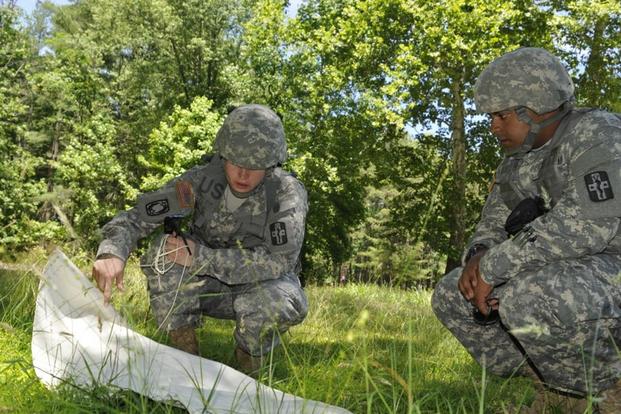
Army Reserve Spc. Susan Muir and Army Reserve Sgt. Sean Tynes, a preventive medicine specialist, trap and draw ticks for testing of Rocky Mountain spotted fever and Lyme disease at Lake Hurst at Joint Base McGuire-Dix-Lakehurst, June 11, 2015. (U.S. Army/Spc. Samuel Al-Nimri)

The Defense Department is exploring a replacement for permethrin, the bug repellent and insecticide that is soaked into most military combat uniforms.

Officials declined to provide details on the new product, which is still being tested and evaluated, but said it may be used “at a lower toxicity level” and last a uniform’s lifetime. Permethrin lasts through about 50 launderings.

“We are looking at new chemistries,” said Lt. Cmdr. James Dunford, a medical entomologist at the Uniformed Services University of the Health Sciences in Bethesda, Maryland, speaking with reporters on a call Wednesday to promote the Defense Health Agency’s “Bug Week.”

“We are working on a new chemical … that would also include environmental factors like sweat, ultraviolet light and abrasion, so we are trying to make it last longer,” added Dr. James English, a global health specialist with the Uniformed Services University, addressing several of the shortcomings of permethrin that cause it to lose its bug-fighting powers.

“DoD is always actively engaged in testing new products, methodologies and technologies to enhance the efficacy of the vector-borne disease protection we can provide for our service members. Any time we find a better tool … we are going to add it to our tool box,” English said.

The Pentagon’s marked its second annual “Bug Week” July 27 to Aug. 3 to raise awareness of the slew of disgusting diseases carried by bugs and provide information to service members and their families on preventing illness.

According to the Defense Department, Lyme disease continues to be the top domestic threat to U.S. troops when it comes to bug-borne diseases, with illnesses carried by mosquitoes being the major challenge overseas.

“Outdoor activities like farming, camping and military training exercises in grasslands or edges of the forest increase chances of these pathogens’ transmission,” Army Maj. Elizabeth Wanja of the Uniformed Services University for Health Sciences said in a news release.

The most ubiquitous vector-borne disease in the United States by far is Lyme, with more than 30,000 diagnosed cases of Lyme reported to the Centers for Disease Control and Prevention each year and estimates of infections as high as 300,000 annually.

From 2010 to 2016, the U.S. armed forces saw 721 confirmed cases and 3,266 suspected cases of Lyme, as well as 64 cases of Rocky Mountain spotted fever and 14 cases of ehrlichiosis — all carried by ticks.

Also from 2010 to 2016, the services saw 346 confirmed and 475 suspected cases of malaria, 86 cases of dengue, 78 cases of chikungunya and 52 cases of Zika.

Other diseases on the rise in the U.S. include the rare Powassan virus, with 33 cases across the U.S. in 2017. This illness, carried by the deer tick, affects the human nervous system, causing respiratory complications and brain swelling. And alpha-gal syndrome, which can be caused by a bite from the lone star tick, can cause a red meat allergy in humans.

To prevent infections, the Defense Department takes a “three-pronged approach,” English said.

This includes proper wearing of uniforms — “tucking your pants into your boots, long sleeves” — caring for uniforms so they maintain their insecticide impregnation and taking preventive medications for diseases such as malaria before and during deployment to endemic countries.

Officials say the key to preventing infection off-duty is to maintain similar practices. They recommend using an effective repellent containing DEET, IR3535 or oil of lemon eucalyptus, all of which the CDC classifies as providing “reasonably long-lasting protection,” wearing proper clothing (again, long pants and long sleeves) and conducting tick checks after being in grassy areas and woods.

“The more time you spend outside, the more likely you are to pick up ticks. The best way to prevent it is to not get them in the first place,” English said.

According to English, ticks need roughly 24 hours to transmit a disease, so if one is found on the body, remove it carefully, using tweezers to grasp it and pull away gently and “straight out in slow motion.”

Do not, he said, use a hot match to make it release or smother it with Vaseline or baby oil.

“None of that works and, in fact, all that does is make them regurgitate if they get trauma like that, and it can either [lead to] an infection or the pathogen can be vomited when it otherwise it wouldn’t,” he said.

To prevent mosquito-borne illnesses, deprive them of their breeding grounds, Dunford added. This means eliminating all standing water in yards and using environmentally friendly mosquito dunks in bird baths or fountains. Being aware of the potential for standing water has been especially important in a year that has seen extensive flooding at military bases, he said.

“As far as mosquitoes go, aedes aegypti [mosquitoes that carry dengue, Zika and other tropical diseases] don’t fly more than a block in their entire life, so if you are getting bit at your home in the daytime, they probably are breeding within a block of your home … even in something as small as a bottle cap full of water,” English said.

Again, wear protective clothing and use repellents, he added.

While several of these diseases are curable, many are not, and they not only pose a threat to readiness, given the symptoms and related down-time, they can carry long-term consequences.

In July, military researchers wrote a case study in the journal Military Medicine about a 24-year-old Army officer and U.S. Military Academy graduate who was discharged after exposure to Lyme disease resulted in chronic inflammation of his knees, rendering him unfit for duty.

In 2016, the Military Health System confirmed 156 cases of Zika, including five cases in pregnant beneficiaries. The Zika virus can cause severe birth defects in children, including microcephaly, a condition where a baby’s head is much smaller than normal that is linked to developmental and intellectual delays, seizures and other disabilities.

The Defense Department’s relationship with ticks made headlines earlier this month, thanks to an amendment to the proposed House national defense authorization act that seeks to determine whether the Pentagon has experimented with ticks and insects to spread disease.

Sponsored by Rep. Christopher Smith, R-New Jersey, the legislation would require the Pentagon inspector general to investigate the “possible involvement of DoD biowarfare labs in the weaponization of Lyme disease in ticks and other insects” from 1950 to 1975.

Smith said he was inspired to write the amendment based on several books, including “Bitten: The Secret History of Lyme Disease and Biological Weapons” by Kris Newby, that claim DoD research may have played a role in spreading Lyme.

“My amendment tasks the DoD Inspector General to ask the hard questions and report back,” Smith said in a news release.

Defense officials said Wednesday that the goal in studying Lyme and other tick-borne diseases is to prevent them.

Department spokeswoman Heather Babb said that the Pentagon cannot comment on Smith’s proposed legislation. But, she added, “DoD takes extreme care in all of our research programs to ensure the protection of our personnel and the community.”

— Patricia Kime can be reached at Patricia.Kime@Military.com. Follow her on Twitter @patriciakime.

__________________

**Comment**

First, Powassan is not rare:  https://madisonarealymesupportgroup.com/2019/07/27/maine-resident-contracts-rare-tick-borne-illness-that-can-cause-brain-infections-death-state-cdc-says-but-its-not-rare/  Please read comment after article.

For more on the bioweaponization issue:  https://madisonarealymesupportgroup.com/2019/08/04/lyme-disease-amendment-passes-house-tells-dod-ig-to-investigate-the-bioweaponization-of-ticks/

https://madisonarealymesupportgroup.com/2019/07/19/biological-warfare-experiment-on-american-citizens-results-in-spreading-pandemic/

Regarding the DoD “taking extreme care to ensure our protection,”  https://madisonarealymesupportgroup.com/2019/07/31/tick-expert-admits-to-working-on-ticks-dropping-them-out-of-airplanes/  Dropping tweaked lab ticks from airplanes is not being careful!

More on permethrin:  https://madisonarealymesupportgroup.com/2018/05/27/study-conforms-permethrin-causes-ticks-to-drop-off-clothing/

https://madisonarealymesupportgroup.com/2019/06/16/study-shows-effectiveness-of-factory-treated-permethrin-impregnated-clothing-works/

Bug sprays: https://madisonarealymesupportgroup.com/2019/07/01/what-you-need-to-know-about-bug-sprays/

Tick Prevention: https://madisonarealymesupportgroup.com/2019/04/12/tick-prevention-2019/


Another Tick-Borne Disease To Worry About – Alongshan virus (ALSV)

https://www.npr.org/sections/goatsandsoda/2019/06/01/728375159/another-tick-borne-disease-to-worry-about

Another Tick-Borne Disease To Worry About

June 1, 20197:00 AM ET

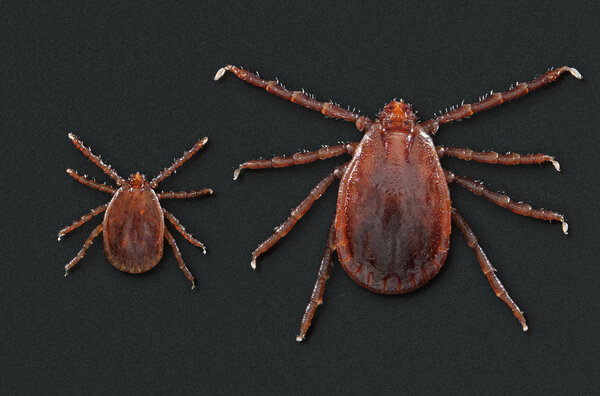
This photo depicts two Haemaphysalis longicornis ticks, commonly known as the longhorned tick. It has been linked to the spread of a hemorrhagic fever in China. The smaller of the two ticks on the left is a nymph. The larger tick is an adult female.

Science Source

When a tick bores into your skin, anchoring itself for what can be a leisurely meal while often spreading germs, it isn’t just Lyme disease that you have to worry about.

Various kinds of ticks have been shown to carry at least 16 diseases in the U.S alone that can infect humans, according to the Centers for Disease Control and Prevention. Now add one more to the global list of ills that a tick bite can bring about, according to a study in the May 30 New England Journal of Medicine.

The study, identifying a new tick-borne disease, shows that we still don’t know how many more diseases ticks can carry. “We continue to discover new viruses,” says Dr. Bobbi Pritt, director of the Clinical Parasitology Laboratory and co-director of the Vector-Borne Disease Lab Services at Mayo Clinic. She was not involved in the study.

The newly discovered disease was found in Inner Mongolia, an autonomous region of China. In April 2017, a 42-year-old female farmer from the Mongolian town Alongshan went to a county hospital complaining of fever and headache. She had a history of tick bites. In searching for the cause of the patient’s fever, researchers ruled out the usual tick-borne diseases found in the area. Using genome sequencing, a process of determining the makeup of an organism’s DNA, they isolated a new disease-causing agent, which they called Alongshan virus, or ALSV, after the patient’s hometown.

Further testing found 86 additional patients in the same Inner Mongolia region who were infected with ALSV. “Neither permanent clinical complications nor death occurred among patients with confirmed infection,” wrote the authors, from various universities and laboratories in China, in the journal article.

The patients in the study had symptoms of headache and fever coming an average of three to seven days after a tick bite, according to an email response to questions from Quan Liu, an author of the study from the School of Life Sciences and Engineering at Foshan University in Foshan, China. They were treated with ribavirin, an antiviral, and benzylpenicillin sodium, an antibiotic, for three to five days, he wrote.

“The symptoms usually resolved after six to eight days of treatment, and all patients had complete recovery.”

Diseases from a variety of ticks are seen around the world, but there are regional differences depending on the virus or bacteria carried by the ticks in the area. So far, ASLV has been found only in Inner Mongolia, in Ixodes persulcatus ticks, according to the study. It has also been found in mosquitoes in the same area, so researchers can’t be certain whether the patients got sick from a tick bite or a mosquito bite.

Like the victims of ASLV, most patients recover from the diseases caused by tick bites — although some tick-borne diseases can result in enduring joint pain, impaired muscle movements and fatigue.

Finding a new disease can only reinforce the need for people to take precautions to avoid tick bites.

In the U.S., where more than 59,000 cases of tick-borne diseases were reported in 2017, tick season is just beginning.

“Once the snow melts, the ticks come out. Stay away from tall grasses and forested areas,” says Pritt. “If you go into those areas, wear protective clothing and use an insect repellent with DEET.”

The CDC also suggests treating clothing and camping gear with the repellent permethrin, walking in the center of paths to avoid brushing against plants and leaves, and bathing and checking your body for ticks after an outdoor excursion.

And if you do come down with a fever that isn’t easily explained or diagnosed, make sure you tell your physician about any travel or recent outdoor experiences, says Pritt.

“The overarching theme is the more we look at ticks, the more we find,” says Wendy Adams, research grant director, Bay Area Lyme Foundation, who was not involved in the study. “We find parasites, viruses, bacteria. We just found worms in ticks in New York.”

It means that when humans are bitten by ticks, there are many diseases and infections they can contract — even a disease carried by a parasite within a tick.

Susan Brink is a freelance writer who covers health and medicine. She is the author of The Fourth Trimester: Understanding, Protecting, and Nurturing an Infant through the First Three Months, and co-author of A Change of Heart.

CorrectionJune 1, 2019

A previous version of this story incorrectly referred to the Centers for Disease Control and Prevention as the Centers for Disease Control and Infection.

__________________

**Comment**

OK, another virus discovered in ticks…..and in none other than the Asian Longhorned tick that’s galavanting it’s way across the U.S.:  https://madisonarealymesupportgroup.com/2019/05/30/invasive-longhorned-tick-found-in-east-tennessee/  According to this recent article, it’s in 11 states so far and shows no signs of slowing down.

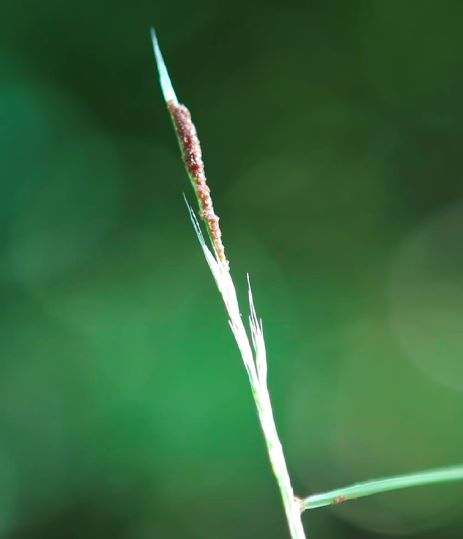
To date this tick which causes significant havoc in Asia, has not transmitted any diseases in the U.S. yet, but the concern is palpable due to its ability to clone itself and replicate quickly.  It also lines up on a stalk of grass like a cluster bomb waiting to be touched by something to detonate.  When you study this tick for 5 min. it becomes clear why this particular tick infestation can drain cattle of their blood.  https://madisonarealymesupportgroup.com/2018/09/12/three-surprising-things-i-learned-about-asian-longhorned-ticks-the-tick-guy-tom-mather/

three_surprising_4.png

Notice the article states that ticks are full of all manner of things: bacteria, viruses, parasites, and yes, even worms – which is not a new thing, BTW.  Willy Burgdorfer found worms in ticks decades ago. Here we see filarial nematodes (worms) in N.Y. ticks:  https://madisonarealymesupportgroup.com/2019/05/10/study-shows-many-different-pathogens-in-deer-ticks-from-ny-ct/

Worms have been found to harbor spirochetes. This is a big deal because it will take anthelmintics to kill the worms to be able to get to the spirochetes (Lyme). Some patients only get better after anti-worm treatment:  https://madisonarealymesupportgroup.com/2017/10/03/removing-parasites-to-fix-lyme-chronic-illnesses-dr-jay-davidson/  If you’ve reached a plateau, discuss this with your practitioner as a consideration.

According to microbiologist Tom Grier, great care needs to be taken with anti-wormers because the die off can create severe, perhaps deadly herxes:  https://madisonarealymesupportgroup.com/2016/08/09/dr-paul-duray-research-fellowship-foundation-some-great-research-being-done-on-lyme-disease/

With the high rates of dementia, Alzheimer’s, ALS, etc., we should be considering tick borne illness with these patients as we’ve learned that many can regain their mental faculties with appropriate treatment:  https://madisonarealymesupportgroup.com/2019/04/09/the-diagnosis-is-alzheimers-but-thats-probably-not-the-only-problem/  See comment section.