Archive for the ‘Lyme’ Category

Don’t Medically Abandon People With Neurological Lyme

https://www.lymedisease.org/why-abandon-neuro-lyme/

LYME SCI: Don’t medically abandon people with neurological Lyme

By Lonnie Marcum

Fatigue: One Man’s Journey With Lyme

http://

Dec. 22, 2020

Fatigue

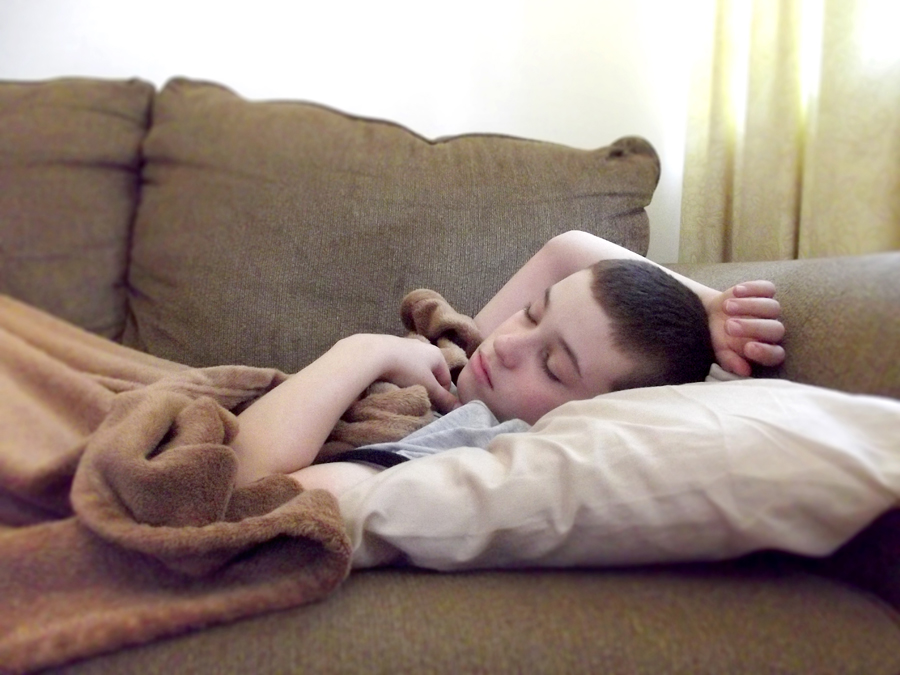
Max Fierek tested positive for Lyme disease when he was nine years old, since then he has fought fatigue, lung capacity, muscle fatigue, short term memory loss and mood swings. For Max, living with Lyme disease for half his life has taught him empathy for others and to cherish his time outside in nature which helps him stay positive and fight for his love of mountain biking.

Lyme disease is a tick-borne illness caused by the bacterium Borrelia Burgdorferi. If Lyme disease isn’t treated promptly or effectively symptoms can last weeks, months or even years after the tick bite.

For more information about how to prevent and treat Lyme disease, please visit http://www.Lymedisease.org — Subscribe to Freehub Magazine: http://bit.ly/FreehubMag

For Max’s story:  https://www.pinkbike.com/news/video-max-fiereks-fight-to-ride-lyme-disease-fatigue

Key quotes:

I hate hiding behind excuses so dealing with Lyme’s is something I have mostly kept to myself except for a few close friends and family, I have been treated on and off but it was always difficult for me because I was a kid and had the personal myth of being unstoppable and when I took the antibiotics they usually made me feel worse which then affected my ability to race.

What’s Next? Well as of writing this post I am for the first time in years actually genuinely starting to feel better, I have been lucky enough to work with a Lyme’s Specialist in Wisconsin who has helped to make sure that I am taking not only the right antibiotics but also supplements and vitamins to keep my body happy.

And these quotes buttress what I recently wrote here about how treating for this makes you feel worse before you feel better as well as the fact it takes the “right” antibiotics (antimicrobials) at the “right” dosage and often other supportive things like supplements and vitamins as this monster can affect every single organ in the human body.  Please see: https://madisonarealymesupportgroup.com/2021/01/11/how-to-overcome-a-lyme-treatment-plateau-4-steps-to-jumpstart-your-recovery/

All I could think when I watched this video is the grace and seeming effortlessness Max has when riding his bike and how I, on the other hand, saw myself face down in the dirt!  

How to Overcome a Lyme Treatment Plateau: 4 Steps to Jumpstart Your Recovery

https://rawlsmd.com/health-articles/how-to-overcome-a-lyme-treatment-plateau-4-steps-to-jumpstart-your-recovery

How to Overcome a Lyme Treatment Plateau: 4 Steps to Jumpstart Your Recovery

How to Overcome a Lyme Treatment Plateau: 4 Steps to Jumpstart Your Recovery

by Jenny Lelwica Buttaccio
Posted 1/5/2021

Regardless of whether you’ve been treating chronic Lyme disease for a few months or several years, you’ve probably gone through tough times where you feel like nothing has moved the needle on your symptoms. It can raise all sorts of questions, the big one being, is any of this really helping me, or is it time to give up and move on? Lack of tangible progress is frustrating, but it doesn’t mean all hope for improvement is lost.

Treatment plateaus happen to everyone, and they may look a little bit different from person to person. One person may struggle with pain; for another, it may be lingering neurological symptoms. Whatever the symptoms are that leave you feeling stuck, the question at the forefront of your mind becomes, “Is there any way to move past this?”

By understanding some of the factors that contribute to plateaus, there’s a good chance you can get to the bottom of it, decide on a course of action, and start making progress again. Let’s take a look at four key ways to overcome a frustrating treatment plateau.

#1 Reassess the Five System Disruptors.

Revisiting your current protocol can clue you into areas that might be hindering progress. But if you’ve been treating for months or years, how do you even know where to begin?

First, take a look at the five system disruptors, says Bill Rawls, MD, Medical Director of RawlsMD and Vital Plan. “When you’ve lost momentum, that’s the time to systemically go through the five biggest variables that wreak havoc on the immune system and could affect recovery.”

The chief offenders most likely to impact progress include:

system disruptor-chronic stress

1. Chronic Stress

Constant stress is a biggie when it comes to roadblocks that hinder progress. Unmitigated stress takes its toll on the immune system’s ability to ward off infections. Although you can’t outrun stress, if you’ve recently been experiencing an uptick of it, that’s an area where you can begin to take steps to address it. Activities like vagus nerve stimulation, acupuncture, and deep breathing exercises can help bring on the calm, recalibrate an overworked nervous system, and get some balance back in your life.

system disruptor-poor diet

2. Poor Diet and Food Sensitivities

If you notice gastrointestinal (GI) symptoms like bloating, gas, or inflammation, your diet is the first place to look. The typical modern American diet is full of processed foods, refined carbohydrates, and artificial ingredients that our gastrointestinal systems aren’t built to process, which can cause all sorts of digestive distress. Not to mention, this way of eating is often deficient in the vitamins, minerals, and nutrients your body needs to promote healing.

Food sensitivities linked to the things we eat day in and day out are another factor that may be playing a role in stopping your progress, notes Dr. Rawls. Foods that tend to be the most problematic for people include:

  • Gluten: Found in wheat, rye, barley, and many pre-packaged foods, gluten is a plant protein with the ability to irritate the lining of the gut and cause inflammation.
  • Soy: Soy is a common allergen, and it shows up in a wide range of foods. Edamame, soybean oil, soy lecithin, and soy protein are a few of the soy variations to watch out for.
  • Lectin: Lectins are another type of plant protein found in grains, beans, legumes, tree nuts, and nightshade vegetables like peppers, tomatoes, and eggplant. Lectins may act as an irritant to the gut when they bind to molecules in the cell membranes, leading to irritation, inflammation, and leaky gut syndrome.
  • Mycotoxins: Mycotoxins are mold toxins that, in addition to being found in the environment, are also often found in foods like peanuts, processed meats, mushrooms, and most dairy products. Mycotoxins can induce a host of allergy symptoms and systemic symptoms like fatigue, brain fog, digestive issues, and pain.

Many people experience delayed reactions to the foods they’re sensitive to, so it’s not always easy to pinpoint the cause. If you think your health plateau may be due to food sensitivities, your best bet is to leave those foods out of your diet for a while and see if it yields improvements.

system disruptor-toxins

3. Your Environment

There are all sorts of toxins in the environment that can impair the function of the immune system and all systems of the body, one of the most common ones being mold. For people who have developed sensitivity to mold, mold mycotoxins can cause a barrage of multi-systemic symptoms.

Your body absorbs mycotoxins through the airways as well as the intestinal lining, says Dr. Rawls. “Once mycotoxins are inside of the body, they trigger inflammation and oxidative stress, which further leads to a disruption in immune system functions.”

Like food sensitivities, the effects of mold exposure might not appear for several days. Think back to when your treatment plateau began. Is it possible you’ve come in contact with mold or are dealing with hidden sources of it? If so, take action to try to lower the toxic load as best as you can.

In addition to mold, consider whether there are significant concentrations of other unnatural toxins in your environment and aim to minimize your exposure to those as well. Urban dwellers often have to deal with polluted air, but people living in rural areas can be exposed to high levels of toxic pesticides and herbicides from agriculture.

system disruptor-sedentary

4. Too Little Movement

When you’re feeling ill, exercise is probably the last thing on your mind. However, movement is critical to improve circulation, enhance detoxification, and boost endorphins — all much-needed functions to help you feel better. But don’t feel disheartened if you’re not up to aggressive exercise. Restorative activities like qigong, Pilates, or walking can get the blood flowing while minimizing the risks of a setback or flare-up.

When regular physical activity isn’t practical because of inflamed tissues, infrared sauna can be an adequate substitute. Infrared sauna (or any sauna, for that matter) stimulates blood flow, dilates blood vessels, and flushes debris from tissues. This enhances detoxification and reduces inflammation.

system disruptor-microbes

5. New Microbes

With chronic Lyme disease, there’s always the possibility that coinfections like bartonella, babesia, or mycoplasma may be factoring into the equation and causing symptoms. There’s also the potential for exposure to a new microbe like a virus, or perhaps you’ve had another tick bite. The presence of other stealth pathogens can further hinder the immune system’s ability to ward off infections and might be the hurdle that caused you to stall out on your recovery.

#2 See a Doctor If New Symptoms Pop Up.

medicine, technology and healthcare concept - african american young woman or patient having video chat with doctor on tablet pc computer at home

It’s not uncommon for people with Lyme disease to tough out the day-to-day symptoms. Patients become accustomed to the inability to predict how they’ll feel from one day to the next. But there are times, especially if you’ve undertaken self-treatment, where seeing a doctor is an appropriate step.

“Anytime you have unusual symptoms that are out of the ordinary — you haven’t had them before — you should see a doctor,” says Dr. Rawls. “If you’re having symptoms that are getting worse, you should see a doctor. It could be something other than Lyme, and sometimes, you need to be evaluated.”

Symptoms that should not be ignored include:

  • Chest pain
  • Heart palpitations
  • Shortness of breath
  • Severe or recurring pain somewhere in your body (for example, headaches, abdominal pain, pain with urination)
  • Sudden weight changes
  • Fainting
  • Persistent fevers or one that reaches 103℉ or higher
  • Confusion

These symptoms serve as a guideline; other concerns might arise that aren’t on the list. The bottom line? If something doesn’t feel right, it’s better to have it checked out and get some peace of mind rather than to brush it off.

#3 Change Up Your Herbal Protocol.

three wooden spoons with different colored herb capsules on each

Have you been using herbal therapy for a while and feel like your progress has halted? If so, it might be time to switch things up a little.

“When you’ve used something for a long time, even herbs, I do feel some people build up a tolerance to them,” says Dr. Rawls. “It might not happen to everyone, but it does happen to some people, and we’re not exactly sure why.”

To combat a potential tolerance to herbs, try the following steps to get back on the path to feeling better.

1. Increase Your Current Herbs.

Most herbs have a wide dosing range associated with taking them, meaning some people may need higher doses than others to be effective. If you’re stuck in a rut, but you’ve noticed some gains with your current herbal protocol, try bumping up the dosages — one herb or blend at a time — to see if you experience improvements. Since herbs have a low potential for toxicity, raising the dose is generally considered safe, with the most common side effect being mild GI discomfort.

Additionally, many herbs are warming herbs, which can generate heat in the body and may leave you feeling stimulated. When raising your dosages, Dr. Rawls advises making sure you’re supplementing with immune-modulating herbs like reishi mushroom, sarsaparilla, and ashwagandha as well. These herbs balance the immune system and keep it from kicking into overdrive.

2. Add Different Herbs to The Rotation.

Another question to consider: Could there be other microbes at play contributing to my symptoms? Though the foundational herbs in many protocols have some coverage against coinfections like bartonella, babesia, and mycoplasma, sometimes you need a more targeted approach to suppressing those microbes. To strengthen your defenses against stealth pathogens, Dr. Rawls recommends slowly adding in one new herb at a time. His herbs of choice include:

group of white bidens flowers growing on stems

Bidens

Bidens, specifically Bidens pilosa, is the species that has the most powerful action against malaria and malaria-like microorganisms like babesia. In addition to its antimalarial properties, Bidens pilosa is antibacterial, anti-inflammatory, and neuroprotective.

Suggested dosage: Bidens pilosa is most potent when prepared as an alcohol tincture. The dose may vary depending on the company you buy it from, but tinctures are an excellent way to begin at a low dose of the herb and increase drops as tolerated.

Side effects: There are no known side effects associated with Bidens pilosa, however, some plants can become contaminated with heavy metals. Make sure you purchase the product from a reputable company that takes steps to minimize exposure to heavy metals. Additionally, you should not take this plant if you have diabetes, as it can cause fluctuations in blood glucose or insulin levels.

white Houttuynia flower on green leaves

Houttuynia

Native to India and Nepal, houttuynia is a potent antiviral with activity also against mycoplasma.

Suggested dosage: The dose may vary depending on a company’s preparation.

Side effects: The herb can have a fishy smell but is otherwise well tolerated.

green Crytopleptis leaves and flower

Crytopleptis

Traditionally used to treat malaria in Africa, cryptolepis demonstrates systemic antibacterial properties and antiprotozoal properties. The herb is anti-inflammatory and provides antimicrobial activity against babesia.

Suggested dosage: Cryptolepis is available as a powder, tea, capsule, or tincture, so the dose varies depending on the preparation.

Side effects: It tends to be well-tolerated in most people.

green neem leaves on stem

Neem

Neem is native to India and offers potent antibacterial, antiviral, antifungal, anti-inflammatory, and antioxidant properties. It may contain antimalarial properties against babesia. Also, it has a protective effect on the liver and kidneys.

Suggested dosage: Dosing varies by preparation, so follow the recommendations provided by whatever product use.

Side effects: Most people tolerate the leaf and bark extracts well.

black cumin seeds in wooden spoon

Black Cumin Seed Oil

Native to the Middle East, Europe, and parts of Asia, black cumin seed oil contains antimicrobial, immune-balancing, and anti-inflammatory properties. The herb may be particularly potent against bartonella.

Suggested dosage: The dosing will vary depending on the preparation, so follow the recommendations on the product you choose.

Side effects: The herb is generally well-tolerated, but some mild GI upset has been reported in some people.

Oregano Essential Oil in bliss bottle and dropper

Oregano Essential Oil

As a potent antimicrobial, oregano essential oil has been shown to defend against persistent borrelia infections in patients with chronic Lyme disease symptoms. Oregano oil contains anti-inflammatory and antioxidant qualities as well.

Suggested dosage: Oregano is available as a capsule, liquid, and in liposomal form, and the dose varies depending on the preparation.

Side effects: Oregano oil can cause some GI discomfort, so it’s best to take the herb with food.

3. Know When to Scale Back.

Sometimes, hitting treatment hard for a while can lead to an intensification of symptoms, in which case it might be time to hit the pause button for a bit. Treatment with herbal therapy or other protocols is about finding the “sweet spot,” says Dr. Rawls. It’s a point at which the herbs are potent enough to be effective but not so strong that they cause a harsh Herxheimer reaction and make you miserable.

inside of heat sauna with a bucket of brushed and towels

Detox strategies like infrared sauna, yoga, and rebounding can support your body’s efforts to eliminate debris and toxic substances, so your cells can get the water, nutrients, and oxygen they need for optimal functioning. Plus, there’s no shame in backing off of treatment for a few days or even a couple of weeks until you begin to feel better. Once the intense symptoms subside, slowly ease back into your treatment protocol at lower doses.

#4 Consider Additional Testing.

If you’ve followed the above steps and find you’re still at a standstill, you might benefit from further testing for chronic infections or other lab tests your doctor may deem beneficial. “The more we test, the more we know, so there’s value in it,” says Dr. Rawls. “Testing may help use tailor herbs or other treatments a bit better.”

But testing for chronic infections has its drawbacks due to a lack of sensitivity and reliability. “If you do additional testing and find something, great! We can treat it,” explains Dr. Rawls. “But if you do testing, and it’s negative, you can’t assume other chronic infections aren’t there. So remember, testing is fair at best.”

Ultimately, the choice to test is a decision best made in partnership with you and your healthcare provider. If more information alters the course of treatment and helps you get over this bump in the road, it might be a good idea to pursue it.

The Bottom Line

When it comes to Lyme disease, a plateau can certainly be discouraging. But as you work through the different variables that might be interrupting your healing, you’ll likely discover an area or two in need of attention. As you address those concerns, you’ll begin to experience progress again. Soon, your recovery plateau will become a thing of the past.

Dr. Rawls is a physician who overcame Lyme disease through natural herbal therapy. You can learn more about Lyme disease in Dr. Rawls’ new best selling book, Unlocking Lyme.  You can also learn about Dr. Rawls’ personal journey in overcoming Lyme disease and fibromyalgia in his popular blog post, My Chronic Lyme Journey.

REFERENCES
1. Clancy JA, Deuchars SA, Deuchars J. The wonders of the Wanderer. Exp Physiol. 2013;98(1):38-45. doi: 10.1113/expphysiol.2012.064543
2. Feng J, Shi W, Miklossy J, Tauxe GM, McMeniman CJ, Zhang Y. Identification of Essential Oils with Strong Activity against Stationary Phase Borrelia burgdorferi. Antibiotics (Basel). 2018 Oct 16;7(4):89. doi: 10.3390/antibiotics7040089
3. Prevalence of Building Dampness. Indoor Air Quality Scientific Findings Resource Bank website. https://iaqscience.lbl.gov/dampness-prevalence
 
_________________________
 
**Comment**
 
Hopefully you are under the supervision of a Lyme literate doctor.  Two heads are better than one and the first place to start is to discuss this plateau with your practitioner.  LLMD’s treat many people and have experience and often know just what to use or try to take you to the next step.  For more on LLMDs:  https://madisonarealymesupportgroup.com/2020/11/25/what-makes-a-doctor-lyme-literate/
Another recommendation is to keep a monthly calendar with plenty of space to write down daily symptoms in the box.  Then, from this make a monthly  “executive summary” for your practitioner.  That way you can focus on exact symptoms (and the evolution of them) at your appointment.
 
I also realize many patients live in places where there aren’t any LLMDs.  This often necessitates a self-directed approach with herbs as the only option available.  There are also others where LLMD’s just aren’t affordable and cases where patients haven’t seen improvement on antibiotics – however, there can be many reasons for this:
 
  • wrong antibiotics are being used
  • wrong dosage is being used
  • patient is blaming the antibiotics when it’s often herxheimer reactions causing the horrible symptoms and they just need to push through or take steps to manage these
  • pathogens are causing the symptoms (Bartonella is known to cause GI symptoms)

Since this is unlike anything you’ve ever treated for in the past, it’s hard to understand that you typically feel a whole lot worse before you start feeling better.  It’s also imperative you go on a low or no sugar diet, take plenty of good quality refrigerators pre and probiotics.  

Then there’s the issue of all the other issues that can crop up that have nothing to do with antimicrobial treatment at all such as MCAS, mold, food sensitivities, etc.  These other issues are becoming more common now due to our toxic environment – including electromagnetic radiation.  Some patients have to avoid WiFi altogether.
 
Another point not mentioned in the article is that this really is best described as peeling an onion layer by layer.  You start out with a certain set of symptoms that changes over time.  For instance, when both my husband and I began treatment for Lyme disease, we didn’t notice any Babesia symptoms, but as time wore on and we knocked back a portion of the germ load, all of a sudden we were having air-hunger and chest pressure – common symptoms of Babesia.
 
In my experience few patients have just Lyme disease anymore – particularly if they are chronically/persistently infected.  These complex cases require time and many different antimicrobials in a layered fashion, and most of all – an open mind.

Historic Increase in Lyme Funding Passes Congress – Don’t Expect Anything From It

https://www.lymedisease.org/historic-increase-in-lyme-funding/

Historic increase in Lyme funding passes Congress; now goes to president

DC Passes Law Giving 11-year-olds Legal Consent for Vaccines, Over the Wishes of Parents

This information is crucial for Lyme/MSIDS families to know.  Not only have vaccines been shown to reactivate latent infections and modulate the immune system, but parents of children with tick-borne illness have been accused of abuse.  For more:

I cringe when I think about the ways Lyme/MSIDS families could fall into this sort of issue as everything about tick-borne illness is steeped in controversy.

https://parentalrights.org/gearing-up-for-2021-starting-in-dc/

In preparation for the new COVID vaccines DC passed a law on December 23 that puts 11-year-olds in the position to grant legal consent for vaccines, over the wishes of their parents. Even worse, the dangerously misguided law adds provisions to see to it parents never find out their child got the vaccination.

Think about it.

The law actually ensures that a parent will not know their child’s full medical history.

The medical provider who supplies the vaccine is prohibited from noting it on your child’s regular medical record, even if he or she is not your child’s regular physician. This means your child’s doctor will be as in the dark as you are.

Record of the vaccination will instead be forwarded to your child’s school, where they will keep it on file—but not in any of the records that they share with you.
The insurance company billed for the expense is even prohibited from providing an Explanation of Benefits (or EOB) to the insured, who presumably would be the parent. 

Dangerous for Children

Now, ParentalRights.org doesn’t hold a specific position on the safety or efficacy of vaccines. But that doesn’t even matter in this case.

Every one of us should be deeply concerned by a law that so cuts parents out of their child’s medical decision that the parents—and even the child’s family physician!—are completely blinded to what has happened to their child, even after the fact.

We saw some bills in 2020 that would allow 16- and 17-year-olds to override their parents’ decisions if they want to get one or two particular vaccines their parents don’t agree with.

But this law is so far beyond even that threat to family privacy and parents’ rights.

Not only does this law drop the age from a 16-year-old potential driver to an 11-year-old elementary school student, but it also puts the pressure of a decision on that child for any and every vaccine of which the parent disapproves.

No child should be put in the position of being asked by adults to go directly against a choice that their parent has already made to protect them.

There are other problems with the law, too, like whether its provisions to hide the deed violate the Family Education Rights and Privacy Act (FERPA) or other federal laws. But we don’t need to wander into the weeds there, either.

The simple fact is, this law removes parents from their child’s healthcare to an unprecedented degree, leaving formative young pre-teens to muddle through on their ownwithout the support or guidance of those who know them (and their family medical history!) and love them best.

And, even more disturbing, it will set a precedent that we know other states will follow.

Because if DC can get away with it, well-intentioned (or perhaps well-funded) lawmakers in other states will want to get away with it, too.

But all is not lost yet.

Our Fight in Congress

You and I have one final legislative chance to stop this law.

When a DC bill is signed by the mayor, or when the mayor chooses not to veto a bill within a given 10-day window as in this case, that bill becomes law.

But it also goes to Congress, where it sits for a review period of 30 legislative days—a review period during which Congress can pass a joint resolution to veto it. If Congress passes such a resolution and the president signs it, the new DC law is repealed.

And that is where this nightmare provision stands today.

It is time for this battle to be waged in Congress.

It’s a battle for our children’s safety that we cannot afford to lose.

That’s why ParentalRights.org has already been talking with members of the US House and Senate, planning who will file the veto resolution and when. We are working on securing bipartisan support, especially in the House, to get the resolution through both chambers quickly.

We only have 30 legislative days to work with, so we can’t move at Congress’s normal, snail-slow pace. We jumped on this just as soon as it cleared the mayor’s office, and we’re expecting a bill number at any hour.

It’s an urgent and vital need. And it’s not the only challenge facing us in 2021.

There’s More Going On 

Starting this week, lawmakers all over the country are convening for their next legislative sessions. As they do, we will see another onslaught of bills like we did in 2020—bills that would threaten your parental rights.

We will see bills that want to redefine “abuse” to include disagreeing with the political viewpoint adopted by your state. 

We will see bills that limit, not the methods, but the aims of psychological and gender identity care you and your child can seek together. (Thankfully, a 2–1 decision by the US Court of Appeals for the Eleventh Circuit in Otto v. City of Boca Ratoncould help reduce the number of these bills.)

We will see more bills, like this one from DC, that would make children of younger and younger ages responsible for their own mental health, vaccine, or other healthcare decisions if the state doesn’t like the choice parents already made.

Those bills give no reciprocating freedom to a child who disagrees with the state and their parents, only those who disagree with their parents. Because the aim is not to give children more freedom, but to strip them of their parents’ guidance so the child can be swayed to do the state’s bidding.

And that’s exactly why parents are so important.

Knowing What Matters

While government bureaucrats just want to get the children to do what the state thinks is best, you and I know that parents will naturally decide and act based on what is best for their child’s individual needs.

The belief you hold, that a parent’s natural desire is to care for their child, is why there will also be bills introduced in 2021 to preserve the vital parent-child relationship we hold so dear.

We’re already preparing to stand with lawmakers to bring a parents’ bill of rights in Florida. (We will be working closely with lawmakers and volunteers in Indiana, too, but that bill may not be introduced until 2022. Stay tuned and I’ll let you know.)

And we’ll be working alongside volunteers and lawmakers in as many as a dozen states to provide due process to parents before their name goes on a child abuse registry.

Staying the Course

These positive efforts to protect families are encouraging, but they won’t be easy.

You and I must be ready to fight for these bills, just as we’re fighting against the negative bills listed above.

Efforts like these, to halt the bad legislation like the DC vaccine bill and to promote good legislation like the Florida Parents’ Bill of Rights, are why we’re here.

There is literally no other national organization in America focused entirely on parental rights. If we don’t stand up for the role of parents, no one will.

You know this. It’s why you believe in us, and why you’ve supported us in the past.

Can I count on you today to make your very best donation to ParentalRights.org to fuel these efforts in 2021?

Together, we can halt bills like the DC vaccine law and we can preserve parental rights in more than a dozen states just in the coming months.

Together, we can make the country a little safer for parents, safer for families, safer for our children, one state at a time.

Thank you for standing with us with your most generous gift of $15, $35, or even $125 today.

With your partnership, we will continue to protect children by empowering parents through 2021 and beyond.

Sincerely,

Michael Ramey
Executive Director

PS—The dangerous minor consent law in DC is just one of the challenges to parental rights either on the table now or coming in 2021. But good bills will be introduced, too. Together, we can protect the vital role of parents in the lives of their children, state by state, bill by bill. Will you partner with us through your gift today to help us win these battles in the new year ahead?