Archive for the ‘Lyme Vaccine’ Category

New Effort For Lyme Disease Vaccine Draws Early Fire

https://www.msn.com/en-us/health/medical/new-effort-for-lyme-disease-vaccine-draws-early-fire/ar-AAzNCA7

New Effort for Lyme Disease Vaccine Draws Early Fire

By Sumathi Reddy

Efforts to bring a vaccine for Lyme disease to the market have run aground amid heated debate over the years.

Now, a European company is in the early stages of creating a vaccine for the increasingly common tick-borne disease. Lyme disease patient-advocacy groups—who disagree with the protocols used by most doctors for the diagnosis and treatment of Lyme disease—are already raising concerns.

The Centers for Disease Control and Prevention estimate that there are more than 300,000 new cases of Lyme a year, about triple the rate from two decades ago. Most cases are in the Northeast, mid-Atlantic region and Upper Midwest states, but the disease is spreading across the country.

When blacklegged or deer ticks infected with the Borrelia burgdorferi bacterium bite humans, they can transmit Lyme disease, which typically causes flu-like symptoms such as a fever, headache, muscle and joint aches, and sometimes a ring-like skin rash. If untreated, the infection can spread and cause more serious health problems, including arthritis, heart palpitations and brain inflammation.

Ticks that transmit Lyme disease can also transmit other pathogens causing less-common diseases such as anaplasmosis and babesiosis.

In March, Valneva SE, a company based in France, announced initial Phase 1 clinical trial results after testing its proposed vaccine in 180 healthy adults who took the vaccine with no serious side effects. The study also showed that the vaccine stimulated an immune response, says David Lawrence, chief financial officer of the company.

Later this year it intends to start a Phase 2 clinical trial to determine the dosing of the vaccine. The U.S. Food and Drug Administration granted the vaccine candidate a fast-track status last year. Still, Mr. Lawrence estimates that it will take at least five years for a product to be commercially available.

The vaccine is similar to Lymerix, the vaccine that was manufactured by SmithKline Beecham, now GlaxoSmithKline, from 1998 until it was withdrawn from the market in 2002. The vaccine had a 78% efficacy rate after three doses were taken. The company voluntarily withdrew it after class-action lawsuits that alleged it caused side effects such as arthritis. The lawsuits were settled in 2003 with the company agreeing to pay attorney fees and costs associated with the cases.

“Lymerix was approved by FDA in December 1998 and was voluntarily discontinued in February 2002 due to low demand,” says a spokeswoman for GSK. “Currently there are no plans to bring it back.”

The data evaluated by the FDA supported the safety and effectiveness of Lymerix, the agency says.

Mr. Lawrence of Valneva says there are two main differences with the French company’s proposed vaccine. One, it protects against six strains of Lyme disease, whereas the old vaccine protected against only one, he says. And, to assuage concerns about side effects, the company cut a gene sequence in the vaccine that had been identified in some scientific papers as possibly related to arthritis—though no evidence emerged of arthritis related to the vaccine.

The company intends to test the vaccine in children as well as adults.

Lyme disease patient-advocacy groups—a powerful lobby that experts say has stopped previous vaccine efforts—are raising doubts.

“The last Lyme vaccine that came out had significant safety concerns,” says Lorraine Johnson, CEO of LymeDisease.org, a nonprofit patient advocacy group. “The feeling in the community is that whoever is going to be putting together [a vaccine] ought to be dialoguing with the community and ought to be transparent about the process.”

Ticks can cause co-infections and other diseases and the vaccine may offer a false sense of complacency, she says.

“We don’t feel that there has been enough research done to answer the questions as to what occurred with the prior vaccine,” says Patricia Smith, president of the Lyme Disease Association Inc., a New Jersey-based national nonprofit group, which raises money for Lyme research, education and patient support. “The vaccine that is now in development is something with the same base. There were a lot of patients that thought they were harmed from that vaccine. It’s very problematic.”

Many doctors and medical experts say there was never any evidence that the old vaccine caused serious side effects such as arthritis or neurological problems. They say a vaccine would greatly limit the spread of Lyme disease.

“There’s a lot of general tick prevention advice, such as using DEET and other insect and tick repellent, doing tick checks, and wearing long trousers and long sleeves. But despite that we still have abundant cases of Lyme disease every year,” says Paul Auwaerter, a professor of medicine at Johns Hopkins University School of Medicine and president of the Infectious Diseases Society of America.

It makes sense to have a vaccine for people in parts of the country where Lyme disease rates are high and for people who are outdoors a lot, he says.

Gregory Poland, director of the vaccine research group at Mayo Clinic in Rochester, Minn., published a 2011 study in the journal Clinical Infectious Diseases detailing what happened with the previous Lyme vaccine and lessons learned from it.

Lymerix, he says, “was actually very effective” but multiple factors led to its withdrawal.

The vaccine required taking three shots over a year and took two tick seasons to become effective, he says, and then would require periodic booster shots. Also, it couldn’t be used in children. The recommendations for taking the vaccine were vague, so it was unclear who should get it and insurance companies weren’t required to cover its cost. But anti-vaccine sentiments ultimately did it in, he says.

“In this country you can protect your dog with a vaccine for Lyme disease but you can’t protect yourself or your child,” says Dr. Poland. “We have a public health problem in this country with a disease that has short-, mid- and long-term consequences and for which all other prevention methods are wholly inadequate.”

Several Lyme disease vaccines similar to Lymerix are available for dogs.

Sam Telford, a professor of infectious disease and global health at Tufts University, helped discover the mechanism that led to the development of Lymerix and ran one of the clinical trials that tested it.

He is now part of a group of biotech professionals who have formed an alliance and want to bring back the vaccine and distribute it as a nonprofit.

“There’s a lot of legal issues that may prevent reviving the product as a generic,” he says. “There are many things that we can do to prevent Lyme disease but there’s nothing like a vaccine to reduce the incidence of any infection.”

Write to Sumathi Reddy at sumathi.reddy@wsj.com

____________

**Comment**

Death Count listed here (number of each in parenthesis):

  1. Hypertensive Cardiovascular Disease (54) 1 DAY AFTER THE SECOND DOSE
  2. Hypertensive & Cardiovascular Arteriosclerotic Disease (63) 3 DAYS AFTER THE FIRST DOSE
  3. Arthritis, Neurological Symptoms, and Suicided (43) 7 MONTHS AFTER THE 2nd DOSE
  4. Anemia, Thrombocytopenia, with Myelofibrosis diagnosis (69) 7 MONTHS AFTER THE FIRST DOSE AND DIED 6 MONTHS LATER AN UNKNOW TIME AFTER THE 3rd DOSE
  1. ARTHRALGIA (322)
  2. MYALGIA (227)
  3. PAIN (196)
  4. ASTHENIA (167)
  5. FEVER (126)
  6. FLU SYNDROME (124)
  7. INJECTION SITE PAIN (117)
  8. RASH (85)

One doctor stated that 21 patients developed severe arthritis after receiving the LYMERIX vaccine:  http://www.yourlawyer.com/topics/overview/lymerix

Dr. Marks lead the clinical trials for Lymerix’s competitor, the OspA vaccine produced and then abandoned by Aventis Pasteur.  He states:

“In my opinion,” he told FDA officials, “there is sufficient evidence that Lymerix is causally related to severe rheumatologic, neurologic, autoimmune, and other adverse events in some individuals. This evidence is such as to warrant a significantly heightened degree of warnings and possible limitations or removal from marketing of Lymerix.”  http://www.lymediseaseassociation.org/index.php/about-lyme/controversy/vaccine/261-lymerix-meeting  (Go to link for an entire dirty laundry list of shenanigans)

Dr. Stricker writes about the problem with the research here:
https://madisonarealymesupportgroup.com/2018/07/01/lyme-vaccine-fail-safety-ignored/

Lyme Advocate Carl Tuttle writes about how antibody tests were deliberately stripped of important bands to facilitate vaccine development, leaving many patients unable to ever test positive:  https://madisonarealymesupportgroup.com/2018/06/07/the-lyme-vaccine-russian-roulette/  He also points out how principle investigators of Lyme vaccines (Allen C. Steere & Gary Wormser) have flagrant conflicts of interest by sitting on the CDC Lyme guideline panel and purposely matching the definition of the disease to vaccine development.

In a vile cesspool of conflicts of interest are university patent holders, drug companies, and the FDA itself as another patent holder. It generated 40 million dollars before it was yanked. (2008, Drymon)  https://madisonarealymesupportgroup.com/2017/07/01/pbs-lyme-vaccine/

  • The article states that ticks can transmit other pathogens that cause “less-common” diseases such as anaplasmosis and babesiosis.  Yes, they can but no, they are NOT less common.  Frankly, no one really knows because as this article states, only 6 are required to be reported.  There are 18 and counting diseases transmitted by ticks:  https://madisonarealymesupportgroup.com/2018/07/10/we-have-no-idea-how-bad-the-us-tick-problem-is/
  • Interestingly, “to assuage concerns about side effects,” they cut a gene sequence that had been identified in some scientific papers as possibly related to arthritis—though no evidence emerged of arthritis related to the vaccine…..yet, VAERS reported 322 people with arthralgia, or JOINT PAIN.  I also listed one doctor who personally reported that 21 patients developed arthritis after the vaccine.  Hello?  Then, 227 reported Myalgia (muscle pain) and another 196 reported generalized pain.  
That’s a whopping 745 people with PAIN after the vaccine!  322 with specific joint pain.
  • Let’s talk about Sam Telford of Tufts for just a moment.  Please see that he regularly publicly speaks out and has vested interests as delineated above by running a clinical trial for Lymerix as well as by forming an alliance to bring the vaccine back.  In this rebuttal Zubcevik rebutted by Telford to a talk given by Dr. Nevena Zubcevik,  http://www.mvtimes.com/2016/07/13/visiting-physician-sheds-new-light-lyme-disease/ he remarks that there is no research that negates the validity of the “well-known” grace period of 24 hours of tick attachment before the transmission of Lyme Disease.  He also believes that two doses of doxy will do the trick and then goes on to remark that ILADS has no expertise with tick biology or tick-pathogen interactions and that their recommendations are opinions with no factual basis.  He goes on to talk about things like “negative fitness factor” and that pathogens “go to sleep” during winter months, and that “very elegant, peer-reviewed molecular analysis” exists about heat pulses to bacteria in test tubes.
A wonderful reminder that scientists can be quite guilty of myopia.
It’s also a clear reminder that the Lyme Wars still exist for good reasons.

First, I’m no “tick expert,” but one thing I do know:  ticks don’t understand the word “grace.”  We also know for sure that some tick-borne viruses can be transmitted in mere minutes.  There has NEVER been a study showing minimum attachment time to transmit Lyme or many other pathogens:  https://madisonarealymesupportgroup.com/2017/04/14/transmission-time-for-lymemsids-infection/  Also, within that link is the fact that a little girl couldn’t walk or talk within 6 hours of tick attachment.  (She’s far from alone)

SIX HOURS.

As to the two doses of doxy:  https://madisonarealymesupportgroup.com/2017/03/24/one-pill-of-doxy-only-reduces-prevalence-of-rash-not-lyme-disease/

Dr. Cameron states:  “Only been one study (Nadelman et al) on the effectiveness of 1 pill of doxycycline and only found a reduction in the number of erythema migraines (EM) rashes compared to the placebo group. According to him, the IDSA 1 pill of doxy approach started in 2006 despite the fact that three previous prophylactic antibiotic trials for a tick bite had failed.”

According to Cameron, Nadelman’s study had several other limitations:

  • “It was not designed to detect Lyme disease if the rash were absent.
  • The six-week observation period was not designed to detect chronic or late manifestations of Lyme disease.
  • It was not designed to assess whether a single dose of doxycycline might be effective for preventing other tick-borne illnesses such as Ehrlichia, Anaplasmosis, or Borrelia miyamotoi.”

I highly, highly doubt that adding one more pill is going to be any different.

For a great read on why the Lyme Wars exist:  https://madisonarealymesupportgroup.com/2018/06/28/the-science-isnt-settled-on-chronic-lyme/

 

Lyme Vaccine Fail – Safety Ignored

https://www.lymedisease.org/lyme-vaccine-failed-safety-concerns/

Stricker: Lyme vaccine failed because safety was ignored

Dr. Ray Stricker

The Lyme community is very concerned about how the federal Tick-Borne Disease Working Group (TBDWG) will approach the question of a Lyme vaccine in its upcoming report to Congress. The following written comments regarding the Lyme vaccine were recently submitted to the TBDWG by Dr. Raphael Stricker.

The TBDWG Vaccine and Therapeutics Subcommittee report presents an unsatisfactory analysis of the LYMErix vaccine debacle. The spin in the report is a classic example of blaming the victims for their misfortune while ignoring the problems leading to that misfortune.

The report echoes previous publications implying that the science underlying the LYMErix vaccine was sound and beyond question, that the vaccine was proven to be safe beyond a shadow of a doubt, and that the antiscience lobbying of misguided Lyme activists brought down the vaccine.

Considering that the LYMErix vaccine was the object of a class-action lawsuit brought by patients who claimed to have been harmed by the vaccine (1), and in view of the safety concerns described below, the spin in the report is impossible to defend.

The report asserts that the LYMErix vaccine was proven to be safe.

This assertion ignores substantial evidence of LYMErix-induced patient harm in the peer-reviewed medical literature (2-6), and studies using animal models and in vitro systems support these safety concerns (7,8). The vaccine-induced rheumatological and neurological complications are what alarmed the Lyme community and ultimately led to rejection of the vaccine as unsafe.

An intriguing and disturbing scientific aspect of the LYMErix vaccine is that, although it was made from a subunit protein, the vaccine elicited all manner of immune responses in vaccinees, and these remain unexplained (9,10).

Thus, there was significant clinical and laboratory evidence underlying doubts about the safety of this ill-fated vaccine.

Previous publications have blamed Lyme activists for spreading fear about LYMErix that ultimately diminished its use and prevented an adequate assessment of its clinical value.

In reality, the vaccine was pulled off the market to avoid disclosure of Phase IV data that probably would have shown limited efficacy and significant safety concerns related to LYMErix (11-13). That data has never been publicly released.

A previous report on LYMErix divided the Lyme universe into “orthodox” and “heterodox” camps. The “orthodox” camp defines Lyme disease in a narrow fashion that excludes various clinical manifestations and chronic forms of the disease despite growing evidence to the contrary (14,15). Thus, a patient who develops fibromyalgia or fatigue symptoms after receiving the Lyme vaccine would not have complications related to the vaccine because fibromyalgia and fatigue are separate entities unrelated to Lyme disease.

This narrow definition serves to enhance the benefit of the vaccine (ie, no Lyme symptoms) while dismissing potential complications of the vaccine (ie, fibromyalgia and fatigue are separate and unrelated problems). It is easy to see why the Lyme community would be reluctant to go along with this selective view of the vaccine.

In contrast, patients in the “heterodox” camp allegedly embrace a broad view of Lyme disease that requires prolonged treatment with antibiotics and supplements rather than any attempt to prevent the disease.

The implication that this patient group is opposed to a Lyme vaccine because its members are invested in being chronically ill and taking prolonged courses of medication strains credibility. The recognition that numerous patients fail the “orthodox” approach to Lyme disease and remain chronically ill is what drives these patients to seek better treatment, and certainly a vaccine that is safe and effective in avoiding a poor clinical outcome would be welcome (16).

Unfortunately as outlined above, LYMErix was not it.

In summary, the LYMErix vaccine failed in large part because valid safety concerns were ignored, and future variations of LYMErix that whitewash these concerns risk the same negative outcome.

References

LDA website: Vaccine lawsuit. Available at: https://www.lymediseaseassociation.org/about-lyme/controversy/vaccine/1157-vaccine-suit-lda-ltr-a-judgement. Accessed May 12, 2018.
Rose et al, J Rheumatol. 2001;28:2555-7.
Latov et al, Periph Nerv Syst. 2004;9:165-7.
Souayah et al, Vaccine 2009;27:7322-5.
Nardelli et al, Future Microbiol. 2009;4:457-69.
Marks DH, Int J Risk Saf Med. 2011;23:89-96.
Croke et al, Infect Immun. 2000;68:658-63.
Alaedini & Latov, J Neuroimmunol. 2005;159:192-5.
Molloy et al, Clin Infect Dis. 2000;31:42-7.
Fawcett et al, Clin Diagn Lab Immunol. 2001;8:79-84.
Hanson & Edelman, Expert Rev Vaccines 2003;2:683-703.
Nigrovic & Thompson, Epidemiol Infect. 2007;135:1-8.
LDA website: LYMERIX Meeting; LDA Meets with FDA. Available at https://www.lymediseaseassociation.org/about-lyme/controversy/vaccine/261-lymerix-meeting. Accessed May 12, 2018.
Stricker & Johnson. Infect Drug Resist 2016:9:215-219.
Middelveen et al. Healthcare (Basel) 2018;6:33.
Stricker & Johnson. Lancet Infect Dis 2014;14:12.
Disclosure: RBS is a member of the International Lyme and Associated Diseases Society (ILADS) and a director of LymeDisease.org. He has no financial or other conflicts to declare.

Dr. Raphael Stricker, an internist and hematologist, is in private practice in San Francisco. He serves on the board of directors of LymeDisease.org.

________________

For more:  https://madisonarealymesupportgroup.com/2018/06/07/the-lyme-vaccine-russian-roulette/

https://madisonarealymesupportgroup.com/2018/01/28/the-secret-x-files-the-untold-history-of-the-lymerix-vaccine/

https://madisonarealymesupportgroup.com/2017/09/07/20268/

https://madisonarealymesupportgroup.com/2017/07/01/pbs-lyme-vaccine/


The Lyme Vaccine & Russian Roulette

https://www.change.org/p/1120418/u/22849266?utm_medium=email&utm_source=petition_update&utm_campaign=350132&sfmc_tk=GM

The Lyme vaccine and RUSSIAN ROULETTE

Carl Tuttle
Hudson, NH
JUN 7, 2018 — There has been a recent increase in news articles regarding Lyme disease vaccines. A number of attempts to get the editors to correct the disinformation have failed to produce full disclosure.

It is believed that a rush to create a Lyme disease vaccine led to the mishandling of the disease. Current antibody tests for Lyme disease were manipulated in 1994 at the Dearborn Conference so as to facilitate vaccine development. The two most important indicators of infection were stripped out of serology tests so that the vaccinated would test seronegative. The vast majority of truly infected patients cannot obtain a timely diagnosis leading to a missed opportunity for successful short term treatment.

The vaccine known as LYMErix was supposed to expose the immune system to the outer surface protein A (OspA) of the spirochete responsible for causing Lyme disease but for some patients, it caused the same crippling effects of the disease itself as reported in the class action lawsuit:

https://www.dropbox.com/s/sodqs3pdeeesktf/Sheller%20Lymerix.pdf?dl=0

Excerpt from the lawsuit:

“The people who have contacted us were, prior to vaccination with LYMErix, healthy, active and energetic. Indeed, the very reason they sought the LYMErix vaccine was their desire to preserve their healthy, active lifestyle. However, what they experienced was a dramatic degradation of their health and quality of life. As will be described below, these previously healthy individuals are now afflicted with painful, at times debilitating arthritic symptoms, including joint pain and swelling, as well as extremely severe Lyme-disease-like symptoms which have persisted to this day.”

Below is the link to the Final Judgement and Approval of the class action against SmithKline Beecham as a settlement was awarded to these individuals.

JUDGEMENT, FINAL ORDER AND DECREE GRANTING FINAL APPROVAL OF THE CLASS ACTION SETTLEMENT:

https://www.lymediseaseassociation.org/images/NewDirectory/Government/Vaccines/2003_Vaccine_Judgement_Final_Sttle_Apprvl..pdf

The Principle Investigators of the two previous Lyme vaccines: Allen C. Steere for SmithKline Beecham’s LymeRix and Gary Wormser for Connaught’s vaccine (which never made it to market) have conceptualized a disease that would enable vaccine development. The one-size-fits-all Lyme treatment guideline (lead author: Gary Wormser) matches the conceptualized disease. This is a flagrant conflict of interest.

Post-treatment Lyme disease syndrome is simply a fabricated medical condition disguising treatment failure.

The fraudulent handling of Lyme disease has now been exposed through a recent racketeering lawsuit against the academics that have controlled the Lyme disease narrative for the past thirty years including Wormser and Steere.

You can read the court document here: https://www.courthousenews.com/wp-content/uploads/2017/11/LymeDisease.pdf

A chronic relapsing seronegative disease does not fit the vaccine model so chronic Lyme which is completely devastating to the patient is not recognized and there is no treatment. The disabled Lyme patient is left to fend for himself because treating this class of patient became too expensive as outlined in the racketeering lawsuit. There is a growing community of horribly disabled patients whose disability has gone unrecognized for three decades.

Here’s yet another victim:

Nicole Malachowski: Unfit for Duty from Debilitating Tick-Borne Disease
http://cdmrp.army.mil/cwg/stories/2018/nicole_malachowski_profile

“Her medical retirement, however, was premature. At only 43 years old, she was deemed unfit for duty due to neurological damage from tick-borne illness.”

_____________________________

The latest vaccine from French drug manufacturer Valneva is another OspA vaccine similar to LYMErix so the possibility exists that the class of patient who experienced the debilitating effects of LYMErix could end up with the same results. There was no attempt to uncover why LYMErix disabled the patient as described in the class action. Until we fully understand how Lyme disease disables its victim aren’t we playing Russian roulette with people’s health?

Please distribute this petition update far and wide through social media as the public needs to know the truth and will not obtain this information through fake news outlets.
The following letters to the editors failed to produce full disclosure:

#1 PRECISSION VACCINATIONS

——— Original Message ———-
From: Carl Tuttle
To: DonaldHackett@gmail.com, Don@PrecisionVax.com
Cc: Karen@PrecisionVax.com, DReiter@PrecisionVaccinations.com, sitka@outlook.com
Date: May 29, 2018 at 10:03 AM
Subject: Morris County Is New Jersey’s Hot-Spot for Lyme Disease

Morris County Is New Jersey’s Hot-Spot for Lyme Disease
https://www.precisionvaccinations.com/valneva-lyme-disease-vaccine-candidate-vla15-designed-increase-antibodies-prevent-borrelia-migrating

-Valneva Lyme disease vaccine candidate VLA15 is designed to increase antibodies that prevent Borrelia from migrating from ticks to humans

-John Halperin, MD, medical director of Atlantic Neuroscience Institute said, “Ticks have to stay attached for 24 to 48 hours before you’re at serious risk of Lyme disease.”

May 29, 2018

To; PrecisionVaccinations
Attn: Don Ward Hackett, Managing Editor

Dear Mr. Hackett,

There are multiple issues with your recent article regarding New Jersey’s Hot-Spot for Lyme disease.

Valneva’s vaccine is based on the failed OspA vaccine known as LYMErix which was withdrawn from the market by the manufacturer not for poor sales as reported in the media but for the severe and debilitating adverse reactions it produced.

Excerpt from the class action lawsuit: (See attached court document)

“The people who have contacted us were, prior to vaccination with LYMErix, healthy, active and energetic. Indeed, the very reason they sought the LYMErix vaccine was their desire to preserve their healthy, active lifestyle. However, what they experienced was a dramatic degradation of their health and quality of life. As will be described below, these previously healthy individuals are now afflicted with painful, at times debilitating arthritic symptoms, including joint pain and swelling, as well as extremely severe Lyme-disease-like symptoms which have persisted to this day.”

______________________________________

Regarding John Halperin’s statement: “Ticks have to stay attached for 24 to 48 hours before you’re at serious risk of Lyme disease.”

This statement is a continuation of the disinformation campaign which is part of a long running racketeering scheme identified in the Shrader & Associates RICO lawsuit. It should be noted that John Halperin, MD is one of the defendants named in this lawsuit.

You can read the court document here: https://www.courthousenews.com/wp-content/uploads/2017/11/LymeDisease.pdf

Please see the following information regarding transmission times:

1. Clinical evidence for rapid transmission of Lyme disease
following a tickbite

Eleanor D. Hynote, Phyllis C. Mervine, Raphael B. Stricker
Diagnostic Microbiology and Infectious Disease, online
before print, November 20, 2011.

http://dx.doi.org/10.1016/j.diagmicrobio.2011.10.003

Abstract

Lyme disease transmission to humans by Ixodes ticks is
thought to require at least 36–48 h of tick attachment. We
describe 3 cases in which transmission of Borrelia
burgdorferi, the spirochetal agent of Lyme disease, appears
to have occurred in less than 24 h based on the degree of
tick engorgement, clinical signs of acute infection, and
immunologic evidence of acute Lyme disease.

Health care providers and individuals exposed to ticks
should be aware that transmission of Lyme disease may occur
more rapidly than animal models suggest. A diagnosis of Lyme
disease should not be ruled out based on a short tick
attachment time in a subject with clinical evidence of B.
burgdorferi infection.

2. How Long Does A Tick Need To Be Attached To Transmit Lyme Disease?
https://sites.google.com/site/marylandlyme/ticks/how-long-to-transmit

Michael Cook reports- “The claims that removal of ticks within 24 hours or 48 hours of attachment will effectively prevent LB are not supported by the published data, and the minimum tick attachment time for transmission of LB in humans has never been established.”

___________________

From the PrecisionVaccinations.com website:

“If our audiences cannot trust us to get the small things right, how can they trust us on the big things?”

Precision Vaccination’s article requires the truth not more disinformation.

Sincerely,

Carl Tuttle
Lyme Endemic Hudson, NH 03051 (USA)

______________________________

#2 THE BOSTON GLOBE:

——— Original Message ———-
From: Carl Tuttle
To: letter@globe.com
Cc: oped@globe.com
Date: June 4, 2018 at 1:31 PM
Subject: How Mass. could disrupt Lyme disease research

How Mass. could disrupt Lyme disease research
https://www.bostonglobe.com/opinion/editorials/2018/06/01/how-mass-could-disrupt-lyme-disease-research/3QuoqWUcwp0SEHegejCxDK/amp.html?event=event25&__twitter_impression=true

“The need for three shots in a single year, feared links to arthritis, and the spread of unfounded anti-vaccine conspiracy theories have most likely left a permanent taint on the idea of a vaccine for the long term, researchers believe.”

June 4, 2018

Letters to the Editor
The Boston Globe
PO Box 55819
Boston, MA 02205

To the Editor,

In reference to the statement above; “unfounded anti-vaccine conspiracy theories” the first Lyme disease vaccine known as LYMErix was withdrawn from the market by the manufacturer not for poor sales as reported in the media but for the severe and debilitating adverse reactions it produced.

Excerpt from the class action lawsuit: (See attached court document)

“The people who have contacted us were, prior to vaccination with LYMErix, healthy, active and energetic. Indeed, the very reason they sought the LYMErix vaccine was their desire to preserve their healthy, active lifestyle. However, what they experienced was a dramatic degradation of their health and quality of life. As will be described below, these previously healthy individuals are now afflicted with painful, at times debilitating arthritic symptoms, including joint pain and swelling, as well as extremely severe Lyme-disease-like symptoms which have persisted to this day.”

Below is the link to the Final Judgement and Approval of the class action against SmithKline Beecham as a settlement was awarded to these individuals.

JUDGEMENT, FINAL ORDER AND DECREE GRANTING FINAL APPROVAL OF THE CLASS ACTION SETTLEMENT:
https://www.lymediseaseassociation.org/images/NewDirectory/Government/Vaccines/2003_Vaccine_Judgement_Final_Sttle_Apprvl..pdf

Whoever wrote the Editorial in the Boston Globe certainly didn’t get their facts straight and a correction should be published.

Carl Tuttle
Lyme Endemic Hudson, NH

Dear Mr. Bernstein,

I received the standard response from my letter to the editor but I think you will agree that my letter identifies serious concerns with the first Lyme vaccine and should be shared with the public.

You might want to inquire where the source of the information published in the Globe originated from in that editorial.

Sincerely,

-Carl Tuttle
Hudson, NH

___________________________________

#3 CAUDWELL LYMECO CHARITY:

My view on the development of a Lyme disease vaccine
By John Caudwell, Chairman of Caudwell LymeCo Charity
https://caudwelllyme.com/2018/06/05/my-view-on-the-development-of-a-lyme-disease-vaccine/comment-page-1/#comment-730

Carl Tuttle
June 5, 2018 at 12:44 pm

Your comment is awaiting moderation.

The first Lyme disease vaccine known as LYMErix was withdrawn from the market by the manufacturer not for poor sales as reported in the media but for the severe and debilitating adverse reactions it produced. Valneva’s vaccine is based on the same OspA concept that was used in LYMErix.

Excerpt from the class action lawsuit:

“The people who have contacted us were, prior to vaccination with LYMErix, healthy, active and energetic. Indeed, the very reason they sought the LYMErix vaccine was their desire to preserve their healthy, active lifestyle. However, what they experienced was a dramatic degradation of their health and quality of life. As will be described below, these previously healthy individuals are now afflicted with painful, at times debilitating arthritic symptoms, including joint pain and swelling, as well as extremely severe Lyme-disease-like symptoms which have persisted to this day.”

Below is the link to the Final Judgement and Approval of the class action against SmithKline Beecham as a settlement was awarded to these individuals.

JUDGEMENT, FINAL ORDER AND DECREE GRANTING FINAL APPROVAL OF THE CLASS ACTION SETTLEMENT:
https://www.lymediseaseassociation.org/images/NewDirectory/Government/Vaccines/2003_Vaccine_Judgement_Final_Sttle_Apprvl..pdf

Carl Tuttle
Lyme Endemic Hudson, NH USA
________________________________________

#4 ZME SCIENCE

———- Original Message ———-
From: Carl Tuttle
To: andrei@zmescience.com
Date: June 6, 2018 at 1:27 PM
Subject: Lyme Disease vaccine set to become available soon, as first trials successfully passed

Lyme Disease vaccine set to become available soon, as first trials successfully passed
BY MIHAI ANDREI
https://www.zmescience.com/medicine/lyme-disease-vaccine-28052018/

Dear Mihai,

Valneva’s vaccine is based on the failed OspA vaccine known as LYMErix which was withdrawn from the market by the manufacturer not for poor sales as reported in the media but for the severe and debilitating adverse reactions it produced.

Excerpt from the class action lawsuit: (See attached court document)

“The people who have contacted us were, prior to vaccination with LYMErix, healthy, active and energetic. Indeed, the very reason they sought the LYMErix vaccine was their desire to preserve their healthy, active lifestyle. However, what they experienced was a dramatic degradation of their health and quality of life. As will be described below, these previously healthy individuals are now afflicted with painful, at times debilitating arthritic symptoms, including joint pain and swelling, as well as extremely severe Lyme-disease-like symptoms which have persisted to this day.”

______________________________________

Below is the link to the Final Judgement and Approval of the class action against SmithKline Beecham as a settlement was awarded to these individuals.

JUDGEMENT, FINAL ORDER AND DECREE GRANTING FINAL APPROVAL OF THE CLASS ACTION SETTLEMENT:
https://www.lymediseaseassociation.org/images/NewDirectory/Government/Vaccines/2003_Vaccine_Judgement_Final_Sttle_Apprvl..pdf

Regarding the mishandling of Lyme disease, a crime has been identified and submitted to the court system here in the United States. There is ample evidence showing that the CDC participated in this scheme through tax payer dollars financing the dishonest science aligning themselves with the defendants.

You can read the court document here: https://www.courthousenews.com/wp-content/uploads/2017/11/LymeDisease.pdf

Will you publish this important information or will you hide it from the reader?

Sincerely,

Carl Tuttle
Lyme Endemic Hudson, NH 03051 (USA)
_________________

**Comment**

For more on the Lyme vaccine:  https://madisonarealymesupportgroup.com/2018/06/06/valneva-seeking-partner-for-350m-lyme-disease-vaccine-effort-prepping-for-phase-2/  (Please read my comment after the article.  This is far from a benign vaccine.  It has caused outright harm – even death)

Tuttle is doing a huge service in Lyme-land but WE ALL need to be doing this.

The misinformation just keeps spewing out of the media like the Pied Piper and WE must correct them.  The world needs to know:

There’s so much that is unknown yet the “authorities” and the media regurgitates ancient, dusty information that was biased to begin with.


LD on the Rise – An Expert Explains Why & I Give Rebuttal

I put my **comments** within article.

https://www.ucsf.edu/news/2018/05/410401/lyme-disease-rise-expert-explains-why

Lyme Disease is On the Rise – An Expert Explains Why

By Nina Bai on May 16, 2018

May marks the beginning of the summer season when black-legged ticks that spread Lyme disease are more prevalent – even in California.

Earlier this month, the U.S. Centers for Disease Control and Prevention (CDC) reported that cases of tickborne diseases had more than doubled from 2004 to 2016, from 22,000 to 48,000, and that Lyme disease accounted for 82 percent of tickborne diseases.

Moreover, due to underreporting, the actual number of Lyme disease cases is estimated to be significantly higher – likely more than 350,000 in 2016.


chiu-charles_1

Charles Chiu, MD, PhD

We talked to infectious disease expert Charles Chiu, MD, PhD, about the rise in Lyme disease cases, better diagnostic tests on the horizon and what you need to know to protect yourself from infection. Chiu is an associate professor of laboratory medicine and medicine and director of the UCSF-Abbott Viral Diagnostics and Discovery Center.

How common is Lyme disease in California? And why have rates been increasing?

In terms of reported cases, there are about 80 to 100 a year in the state. Residents in or travelers to the northwestern coastal counties – Trinity, Humboldt, and Mendocino – are at highest risk. But because of underreporting, the actual number of Lyme disease cases likely exceeds 1,000 cases a year, simply because most cases of Lyme disease are not reported.

**Comment**  “Exceeds 1,000 cases a year” could mean anything.  California has not been considered an endemic state for decades with patients suffering miserably.  For a great read on why:  https://madisonarealymesupportgroup.com/2018/05/19/infected-ticks-in-california-its-complicated/

There are several potential reasons why rates have increased in California and nationwide. One is globalization. People travel extensively, and for instance, someone could get infected while on the East Coast and come back with Lyme disease.

Another reason is climate change, in that the geographic range of the tick vector, which is the Ixodes or black-legged tick, has expanded westward from the northeast United States as well as southward year after year. For ticks to be maintained in nature, they need to have what we call an animal reservoir, essentially a mammal such as a squirrel or rodent that can harbor Borrelia burgdorferi – the bacterium in the tick that causes Lyme disease. Therefore, expansion of the animal reservoir is also another reason for increasing Lyme disease rates. On the East Coast, the reservoir is the white-footed mouse. In California, the Western gray squirrel harbors the bacterium. Lizards, while not a reservoir for Borrelia burgdorferi, are common hosts for the black-legged tick in California so increase the risk of infections to humans by maintaining the tick population in the wild.

**Comment**  Nope.  According to independent tick expert and researcher, John Scott, climate change has zippo to do with increased infection rates and in fact is part of a nefarious plot to keep monies going toward climate change issues that won’t help sick patients in the least.  Ticks are marvelous ecoadaptors and will be the last species on earth – except for cockroaches & the IRS:  https://madisonarealymesupportgroup.com/2017/08/14/canadian-tick-expert-climate-change-is-not-behind-lyme-disease/

How is Lyme disease transmitted, and is it contagious between humans?

Borrelia burgdorferi causes asymptomatic infection in these small mammal reservoirs. When the ticks feed on mammals carrying Borrelia burgdorferi, these ticks get infected. They can then transmit the infection to humans.

However, humans are considered a dead-end host because the efficiency of transmitting the bacterium to other humans is extremely low. The period during which you can find the bacterium in blood is very brief, generally a few days at most, and blood-borne transmission of Borrelia burgdorferi, such as by transfusion, has never been reported. Borrelia burgdorferi is also not excreted in other body fluids such as sweat, urine, saliva, or respiratory secretions. Lyme disease is therefore not considered contagious.

**Comment**  This is the type of circular reasoning we’ve been dealing with for 40 years.  It was declared in Arkansas that Lyme “wasn’t there” because there weren’t any reports when a mother took her kids to the doctor with every symptom of Lyme known to man.  She wouldn’t let it go and finally they admit that NOW due to this case, Lyme IS in Arkansas:  https://madisonarealymesupportgroup.com/2016/09/24/arkansas-kids-denied-lyme-treatment/.

Also, regarding excretion in bodily fluids, he’s just flat-out wrong.

https://madisonarealymesupportgroup.com/2017/02/24/pcos-lyme-my-story/Bb has been found in semen and vaginal secretions & via milk.  While it’s true they haven’t “conclusively” proven transmission, there has been little research, but many couples claiming to have been infected by their spouse.  To just proclaim it isn’t spread via STD is extremely foolish.

http://www.researchfraud.com/fetal-lyme-borreliosis/

http://www.lymerick.net/Transmission-Bb-contact.htm  Bb found all over the place in animal studies.

http://www.samento.com.ec/sciencelib/4lyme/Townsendhowens.html  Researchers at the University of Wisconsin have reported that dairy cattle can be infected with Bb, hence milk could be contaminated. Bb can also be transmitted to lab animals by oral intake such as food.

https://madisonarealymesupportgroup.com/2018/02/06/lyme-in-the-southern-hemisphere-sexual-transmission/

Compared to other infections, is Lyme disease more difficult to detect and diagnose?

It does appear that Lyme disease is harder to diagnose, and it’s because the Borrelia burgdorferi very rapidly leaves the blood and disseminates into the lymph nodes and into tissues. As a result, blood tests for early Lyme disease have low sensitivity.

Why is it important to accurately diagnose Lyme disease?

Timely and accurate diagnosis of Lyme disease can help prevent potential complications, which include encephalitis, a brain infection; myocarditis, a heart infection; or endocarditis, a heart valve infection.

Is it true that it takes at least 24 hours for a tick to transmit Lyme disease to you?

Yes, this is true. The CDC recommends that patients who notice the tick and remove it within 24 hours do not need antibiotic prophylaxis with doxycycline to prevent Lyme disease transmission. The tick typically needs to be on you, basically sucking your blood and attached to you for 36 to 48 hours, during which the Borrelia burgdorferi migrates from the tick gut to its salivary glands, before it can transmit the Lyme pathogen.

**Comment**  Nope again. For a great read on transmission time:  https://madisonarealymesupportgroup.com/2017/04/14/transmission-time-for-lymemsids-infection/  Only one study done on mice and NO studies on minimum transmission time.  NONE!  Quit stating this as a fact!  In the link you will see a little girl got bit by a tick and within about 6 hours COULDN’T  WALK OR TALK.

So it’s definitely important to find the ticks early and get them off you.

Yes, I recommend that after you go hiking or camping or are otherwise potentially exposed to ticks, that you always do a tick check. The ticks that are most likely to transmit the bacterium are young nymphal ticks. They’re about the size of a poppy seed, so they’re extremely small.

Ticks do not jump or fly. What they do is called “questing,” which means that they wait at the ends of grass or foliage and when you brush by, they’ll immediately latch onto your leg or onto your clothing. But you really need to conduct a tick check all over your body because you won’t necessarily get bitten by the tick where the grass contracted your leg. Ticks can crawl to your armpit or groin and bite there, for instance.

**Comment**  No ticks can’t jump or technically fly but they can drop down from trees.  Birds and rodents land on trees and leave ticks behind. Where do those ticks go?  They can also blow in the air due to strong winds, a lawnmower and/or leaf blower.  They’ve also been found on rocks, underneath picnic tables/benches, and even in caves: https://madisonarealymesupportgroup.com/2017/03/13/ticks-found-on-rocks/  and   https://madisonarealymesupportgroup.com/2017/10/27/israeli-kids-get-lyme-disease-from-ticks-in-caves/ and  https://madisonarealymesupportgroup.com/2018/04/23/tick-borne-relapsing-fever-found-in-austin-texas-caves/

A friend told me ticks blew into their swimming pool from nearby overhanging trees.  I personally had a farmer blow ticks onto my basement screens from his lawnmower.  Some made their way into my house and were crawling on the walls.  Researchers need to quit sounding so “all knowing” and admit there’s much we don’t know.  This TV News anchor got bit at a garden party on a deck with overhanging trees:  https://madisonarealymesupportgroup.com/2017/07/13/tv-anchor-speaks-out-about-lyme-disease/

What percentage of black-legged ticks carry Lyme?

It can be fairly high, anywhere from 2 percent to 15 percent among nymphal ticks in California, depending on the geographic location and season.

**Comment**  A lot more work needs to be done here before just spewing out numbers that sound insignificant.  Let’s put it this way – all it takes is one tick bite to side line you and even kill you.  Take each tick and each bite as seriously as a heart attack.

  • Ticks in California
    The western black-legged tick has been found in 56 of the 58 counties in California.
  • It is common in the humid north coastal areas and on the western slope of the Sierra Nevada range.
  • Ticks prefer cool, moist areas and can be found on wild grasses and low vegetation in both urban and rural areas.
  • Adult ticks climb to the tip of vegetation along trails and wait for a host to brush against them.
  • Nymphs are found in low, moist vegetation such as leaf litter and on logs.
  • Adults are most active from fall through early spring and the nymphs are active primarily in the spring and early summer months.
    Source: California Department of Public Health
How accurate are the current diagnostic tests for Lyme disease? And why do many cases remain undiagnosed?

The current approved testing for Lyme disease is a two-tier serologic test that looks for the generation of antibodies in response to the infection.

But the key limitation of the serologic test in early Lyme disease is that typically an infected individual may take several weeks before he or she is able to mount an antibody response. Therefore, in early Lyme disease, the test sensitivity is only about 30 to 40 percent.

Now after a person generates antibodies after three to four weeks, then the two-tiered serologic test tends to be very sensitive and is good for determining whether a patient was infected.

**Comment**  According to one of the most experienced LLMD’s in Wisconsin, some of the sickest patients NEVER test positive with two-tiered testing and due to the genetic variations, strains, etc., no test will ever be able to pick up all these pathogens infecting us.  Lyme/MSIDS is a clinical diagnosis and doctors need to wake up and become educated on this world-wide scourge.  They can start here:  https://madisonarealymesupportgroup.com/2017/09/05/empirical-validation-of-the-horowitz-questionnaire-for-suspected-lyme-disease/ and

https://madisonarealymesupportgroup.com/2018/06/06/lyme-education-for-healthcare-professionals/ and

https://madisonarealymesupportgroup.com/2018/02/19/calling-all-doctors-please-become-educated-regarding-tick-borne-illness-heres-how/

The take-home message is that we do not have an accurate test for early Lyme disease, and this is why the diagnosis is generally made clinically by a physician and also why there is so much underreporting.

**Comment** None of the testing for Lyme/MSIDS is good.  None.

If a patient presents with fever, a bull’s-eye rash, and during tick season with tick exposure, this, according to CDC criteria, is enough to make a diagnosis of Lyme disease. Part of the reason why laboratory testing isn’t an essential criterion for the diagnosis of Lyme disease is that we simply don’t have a test that is conclusive.

**Comment** There are so many who do NOT present with these symptoms it’s not even funny.  Again, become educated on symptoms and quit relying on outdated and unscientific information.

Your lab is working on better diagnostics for Lyme disease. How is your new test different?

The big area of clinical need is the ability to diagnose early Lyme disease before you can reliably detect it by antibody testing. Usually that window is zero to one month following the tick bite.

About two years ago, we did RNA sequencing of blood samples from patients with Lyme disease to look at the human host response. We looked at the pattern of gene expression in patients following infection, comparing the gene signature of Lyme disease to that for control patients. And we found that Lyme disease, interestingly enough, has a very distinct pattern of human gene expression in response to the infection.

We used this data in a follow-up study – which is currently unpublished – to develop a test with more than 90 percent accuracy in diagnosing early Lyme disease in patients presenting have a fever and rash, generally seven to 10 days after the tick bite.

It’s really a completely new category of diagnostic tests made possible because of advances in sequencing over the past several years.

What is currently the best standard of care for treatment of Lyme disease?

The standard of care for early uncomplicated Lyme disease recommended by the CDC is 10 to 21 days of doxycycline, which is an oral antibiotic that you take twice a day. Patients admitted to the hospital with severe complications of disseminated Lyme disease, such as meningitis or endocarditis, typically receive a two- to four-week course of an intravenous antibiotic such as ceftriaxone.

**Comment**  The question was what is the “best” standard of care?  This is like asking to demonstrate brain surgery in 3-easy lessons.  There is no best standard of care.  This complex illness presents differently on nearly everyone and the exact same drugs will NOT work for some.  People are infected with different things.  Lyme is just the rock star we know by name.  There are many other pathogens involved.  This is NOT a one pathogen one drug illness.  It’s a hodgepodge of things all working together synergistically.  Again, clinical diagnosis, and clinical treatment based on the individual should be the best standard of care.  Anyone saying otherwise is selling something.  The CDC has its head in the sand.

If you get Lyme disease once, can you get it again?

Yes, you can, because protective antibody immunity can wane after several years and you may also be infected by a different strain of Borrelia burgdorferi.

There’s a Lyme disease vaccine for dogs, why isn’t there one for humans?

There actually was a vaccine called LYMErix that was approved by the FDA in 1998. But four years later, it was withdrawn from the market. At the time, there were questions involving the safety of the vaccine, concerns raised by anti-vaccine groups, cost, burdensome vaccination schedule (three doses a year), uncertainty regarding efficacy and need for boosters, and low public demand.

**Comment**  These concerns were not raised by “Anti-vaxxers,” but by patients and doctors over legitimate, documented blow-back the vaccine directly caused. https://madisonarealymesupportgroup.com/2018/04/16/vl15-lyme-vaccine-another-fraud/ THIS VACCINE CAUSED 229 DEATHS, INCLUDING 43 SUICIDES

https://madisonarealymesupportgroup.com/2017/01/26/lyme-vaccine-to-be-tested-on-humans/  The biological mechanism hypothesis was that the outer surface protein A (OspA), which was the antigenic component of the LYMErix vaccine, induced autoimmunity in genetically susceptible individuals, including high levels of autoantibody to OspA in their synovial fluid.

Dr. Stricker states:
Another Lyme OspA Vaccine Whitewash
The meta-analysis by Zhao and colleagues comes to the conclusion that “the OspA vaccine against Lyme disease is safe and its immunogenicity and efficacy have been verified.” The authors arrive at this sunny conclusion by excluding 99.6% of published articles that demonstrate potential problems with the OspA vaccine.  Furthermore, the authors ignore peer-reviewed studies, FDA regulatory meetings and legal proceedings that point to major problems with OspA vaccine safety (1-3). This whitewash bodes ill for future Lyme vaccine candidates because it fosters disregard for vaccine safety among Lyme vaccine manufacturers and mistrust among potential Lyme vaccinees.

https://madisonarealymesupportgroup.com/2018/01/28/the-secret-x-files-the-untold-history-of-the-lymerix-vaccine/
https://madisonarealymesupportgroup.com/2018/04/16/vl15-lyme-vaccine-another-fraud/  Since 2008, more has come out about the ability of vaccines to reactivate latent infections: https://madisonarealymesupportgroup.com/2016/04/24/gardasil-and-bartonella/
https://madisonarealymesupportgroup.com/2017/12/02/scottish-doctor-gives-insight-on-lyme-msids/
This is an extremely important point to acknowledge as mainstream medicine STILL hasn’t even accepted the fact Lyme/MSIDS patients are often infected with far more than Lyme (Borrelia) to begin with. The current news that vaccines can activate even latent infections muddies and troubles the waters further and frankly spells doom to Lyme/MSIDS patients.  Personally, every single Lyme/MSIDS patient I know who has undergone vaccination has relapsed. That’s kind of a big deal.
This issue of problems with vaccines has exploded in recent years with new discoveries of contamination: https://madisonarealymesupportgroup.com/2017/10/15/vaccines-and-retroviruses-a-whistleblower-reveals-what-the-government-is-hiding/

I think that there are now some efforts underway to bring back either this vaccine or other vaccines onto the market, especially given the rise of Lyme disease. This is a disease that infects more than 300,000 people a year, so it’s certainly something for which a vaccine would be really helpful.

**Comment**  RUN AWAY, RUN FAR AWAY!  

Why do some patients with Lyme disease show persistent symptoms, even after being treated for the disease with antibiotics?

A small percentage of patients with Lyme disease – depending on the study, 5 to 15 percent – exhibit persistent symptoms after treatment, which can include chronic fatigue, muscle and joint pain, headaches, episodes of “dizziness” or blackouts, cognitive difficulties and/or arthritis. After six months, given significant impairment in quality of life, these patients may be diagnosed with PTLDS (post-treatment Lyme disease syndrome).

We don’t know the cause of PTLDS, or why some patients develop this. Some hypotheses are that the Borrelia burgdorferi bacterium causes persistent infection somewhere in the body or that the symptoms are due to an aberrant immune response to Lyme infection, such as autoimmune disease.

**Comment**  This 5-15% is a number that has been pulled out of thin air.  Everyone I work with has chronic symptoms:  https://madisonarealymesupportgroup.com/2018/02/24/one-million-predicted-to-get-lyme-in-2018-in-the-u-s/   Davidsson writes in his conclusion:
“I am convinced that the history books in the future will describe controversy that exists today regarding chronic Lyme disease as one of the most shameful affairs in medicine.”

As for this persistence “hypothesis,” there’s over 700-peer reviewed studies showing borrelia persistence:  http://www.ilads.org/ilads_news/wp-content/uploads/2015/09/EvidenceofPersistence-V2.pdf

https://madisonarealymesupportgroup.com/2018/04/13/chronic-lyme-post-mortem-study-needed-to-end-the-lyme-wars/

What do you see as the next step in Lyme disease research?

Part of the reason why we haven’t been seeing clinical trials, vaccines, or drugs for Lyme disease is that we don’t have an accurate diagnostic test, and we would have no way of monitoring, for instance, effectiveness of a prospective vaccine or drug therapy in a clinical trial. We really need the diagnostic test to guide our potential treatments or prevention methods for the bacterium. I think it’s really going to be the development of better diagnostics that will drive potential therapies forward.

A second critical next step is identifying why is it that a proportion of patients with Lyme disease exhibit persistent symptoms that can last for months to years. We need to identify both the cause of PTLDS and identify potential treatments.


Watch the Documentary ‘Moldy’ for FREE for a Limited Time

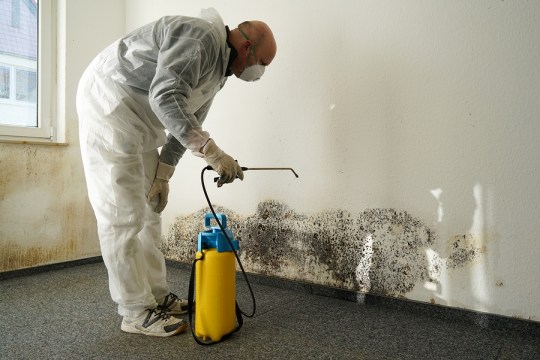
specialist in combating mold in a apartment

Many Lyme/MSIDS patients are finding they have a mold problem as well. Which came first, the pathogen invasion or the mold?  Good question.  The answer seems to be illusive, yet once this variable is discovered and dealt with, patients finally begin to improve on pathogen treatment.

Below is an extended preview of the documentary Moldy.

Go here to see the full documentary for FREE for a limited time:  https://moldymovie.com/index

_______________

For more:  https://madisonarealymesupportgroup.com/2018/03/13/are-mold-mycotoxins-compromising-your-recovery/

https://madisonarealymesupportgroup.com/2017/11/08/house-making-you-sick-mold-lyme-msids/

https://madisonarealymesupportgroup.com/2018/05/01/lyme-cdc-rally-may-4-2018/  According to Kathleen Dickson, Former Pfizer Analytical Chemist & whistleblower for the failed LYMErix vaccine:

“The case definition for Lyme disease was falsified in 1994; in the early Lyme vaccine trials the CDC discovered that the main ingredient in the vaccine – OspA caused Post sepsis disorder or the systemic disease we refer to as Chronic Neurological Lyme. The main ingredient of the vaccine – OspA or “outer surface protein A” is a fungal endotoxin and could never be a vaccine”.

Lyme/patients are receiving a fungal endotoxin through a tick bite.  Evidently, those who get the Lyme vaccine receive the fungal toxin due to the vaccine itself.  This is a frightening prospect and needs to be thoroughly and unbiasedly investigated.