Archive for the ‘Herbs’ Category

Resveratrol & EGCG Found to Stimulate New Brain Cells

https://articles.mercola.com/sites/articles/archive/2021/03/04/resveratrol-egcg-stimulate-new-brain-cells.aspx

Resveratrol and EGCG Found to Stimulate New Brain Cells

Analysis by Dr. Joseph MercolaFact Checked
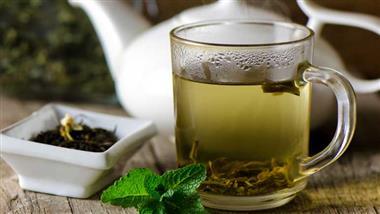
egcg green tea

STORY AT-A-GLANCE

  • The phytonutrients EGCG and resveratrol have a direct and indirect effect on your central nervous system, including having proneurogenic properties and improving cognitive function
  • EGCG demonstrates the ability to enhance connectivity in the brain, lower cognitive impairment and reduce beta-amyloid accumulation associated with Alzheimer’s disease
  • Resveratrol, found in grapes, berries and dark chocolate, has multiple health benefits, including improving blood flow in the brain, cognitive performance, learning and memory
  • Both EGCG and resveratrol play a role in supporting your immune function. Resveratrol inhibits the growth of MERS-CoV in the lab and EGCG is a zinc ionophore, important in the fight against colds, flu and COVID-19

Research led by scientists at the University of Queensland found phytonutrients have proneurogenic effects in the brain.1 The researchers studied the effects of quercetin in vitro and in an animal model. The basis of the research was investigating flavonoids, which are phytonutrients commonly found in fruits and vegetables.

Evidence has demonstrated that flavonoids have the potential to protect brain cells against injury, suppress neuroinflammation and promote cognitive functioning.2 The researchers found the most prominent examples of these flavonoids and polyphenols are epigallocatechin-3-gallate (EGCG), commonly found in green tea, resveratrol, red grapes and berries.3

Taking steps to protect your brain from the assault of processed foods and environmental toxins is a crucial way to protect your overall health and ability to stay independent as you age.

The results of a nationally representative cross-sectional study published in the BMJ4 found that 57.9% of the calories eaten by the participants came from ultraprocessed foods and 89.7% of the energy was from added sugars. One physician calls this diet pattern “Fast Food Genocide.”5

Added sugars present a significant risk to brain health as they contribute to obesity6 and Alzheimer’s disease.7 The researchers wrote8 that in ultraprocessed foods, the added sugars were eight times higher than in processed foods and five times higher than in minimally processed foods.

In the 9,317 participants surveyed, the researchers found 82.1% in the highest quintile consumed over the recommended limit of 10% of their calories from added sugar, as compared to the 26.4% in the lowest quintile. This indicates a significant need to improve dietary intake and protect brain health.

Phytonutrients Promote Growth of New Brain Cells

The study9 from the University of Queensland is yet another piece of evidence demonstrating the power of phytonutrients to your health. The researchers sought to investigate how natural compounds may have become part of the environmental stimuli that shape neurological structure and function.

They chose to investigate bioactive compounds found in apples as they are consumed worldwide and analyzed the presence of quercetin in apple peel and 3,5 dihydroxybenzoic acid from the apple flesh. Dihydroxybenzoic acid is not related to flavonoids but did appear to have proneurogenic properties.

Quercetin was chosen as it was an abundant flavonoid extracted from apple peel. However, past studies have investigated the effects of other flavonoids, namely EGCG and resveratrol named by researchers from the University of Queensland.

One study published in Genes & Nutrition10 investigated the neuroprotective actions demonstrated by flavonoids that help promote memory, learning and cognitive functions. They found the effects are supported by two processes. In the first, flavonoids appeared to play an important role in signaling cascades.

In the second, the flavonoids improve peripheral and cerebral vascular blood flow in a way that could lead to angiogenesis and the production of new nerve cells in the hippocampus. The result of the second pathway is the same described by the researchers analyzing quercetin — generation of new nerve cells in the hippocampus.11

Evidence has shown that flavonoids have a direct and indirect effect on the central nervous system12 and the various effects on the brain include the ability to reverse some symptoms that are associated with Alzheimer’s disease and enhance cognitive function.13 The neuroprotective mechanism also contributes to the quality of neurons and their connectivity, which one study suggests:14

“… can thwart the progression of age-related disorders and can be a potential source for the design and development of new drugs effective in cognitive disorders.”

Tea May Help Improve Brain Connections

The current study supports past evidence that drinking green tea can improve cognitive functioning. A study15 from the National University of Singapore used data from neuroimaging from 36 older adults. The researchers were interested in the effect that tea might have on the structure, organization and function of the brain.16

The participants were asked about their tea-drinking habits from age 45 to the present and then underwent an MRI. From the imaging, the researchers discovered that the participants who drank tea had better brain structure, function and organization. However, those who drank the most — at least four times a week for about 25 years — also had greater functional connectivity strength.

While the growth of new nerve cells in the hippocampus does support better memory and recall, greater connectivity offers additional benefits. Assistant professor Feng Lei from the National University of Singapore explained the importance of connectivity in a press release:17

“Take the analogy of road traffic as an example — consider brain regions as destinations, while the connections between brain regions are roads. When a road system is better organised, the movement of vehicles and passengers is more efficient and uses less resources. Similarly, when the connections between brain regions are more structured, information processing can be performed more efficiently.

We have shown in our previous studies that tea drinkers had better cognitive function as compared to non-tea drinkers. Our current results relating to brain network indirectly support our previous findings by showing that the positive effects of regular tea drinking are the result of improved brain organisation brought about by preventing disruption to interregional connections.”

Research evidence has also suggested that drinking green tea is associated with a lower risk of cognitive impairments.18 One literature review19 of in vitro and in vivo administration of EGCG found it reduced beta-amyloid accumulation in the lab and animal models.

EGCG Connected to Heart Health

The ability to break up beta-amyloid plaques may also be the basis for an association with the reduction of atherosclerosis plaque. Researchers from the University of Leeds and Lancaster University found green tea can prevent heart disease by dissolving arterial plaque.20

EGCG alters the structure of amyloid fibrils formed by apolipoprotein A-1 (apoA-1), which is the main component of high-density lipoprotein shown to accumulate in atherosclerosis plaques. This happens in the presence of heparin. Unfortunately, the concentrations required to achieve this result in the study were so high you can’t achieve the same results from drinking green tea alone.

Another benefit to the cardiovascular system from long-term tea drinking is an improvement in your blood pressure readings. One systematic review21 of 25 randomized control trials with 1,476 participants found those who regularly drank either green or black tea for 12 weeks had an average of 2.6 mm Hg lower systolic pressure and 2.2 mm Hg lower diastolic pressure compared to those who did not drink tea.

The researchers measured the effects of green tea and black tea and found that green tea provided the best results, especially in those who drank it for more than 12 weeks. According to the authors, this reduction:22

“… would be expected to reduce stroke risk by 8 percent, coronary artery disease mortality by 5 percent and all-cause mortality by 4 percent at a population level … These are profound effects and must be considered seriously in terms of the potential for dietary modification to modulate the risk of CVD [cardiovascular disease].”

The data from this literature review did not show exactly how much tea was needed to receive these benefits. However, previous studies have suggested the ideal amount is between three and four cups of tea per day. For example, one study23 in 2007 found clear evidence that three or more cups of tea — in this case, black tea reduced the risk of heart disease.

Similarly, drinking three to four cups of green tea each day has demonstrated the ability to promote heart and cardiovascular health.24 Improvements in cardiovascular health may be the result of beneficial effects on endothelial function, which is integral to blood pressure and heart disease.25

Consider the Multiple Benefits of Resveratrol

Resveratrol is produced by the plant to resist disease. While it is found in grapes and berries, it’s also produced by the cacao plant and found in raw cacao and dark chocolate. Although red wine does have some resveratrol, it is in such small amounts you can’t drink enough to get the benefits.26

It’s also important to remember that alcohol damages your brain and organs, and is itself a neurotoxin. This means drinking enough red wine for the benefits of resveratrol is counterproductive.

Resveratrol can cross the blood-brain barrier where it has a dramatic effect as an antioxidant. Researchers from Georgetown University Medical Center write that resveratrol, when given to people with Alzheimer’s, appears to “restore the integrity of the blood-brain barrier, reducing the ability of harmful immune molecules secreted by immune cells to infiltrate from the body into brain tissue.”27

The ability to improve cerebral blood flow is likely the basis for the neuroprotective effects of improving cerebral blood flow and cognitive performance,28 depression,29 brain inflammation30 and may improve learning, mood and memory.31

Researchers are also investigating resveratrol’s use against lung cancer when the compound is administered nasally in high doses.32 In one study33 conducted at the University of Newcastle, researchers detected improvements in bone density in postmenopausal women who were given resveratrol.

In the study, called “Resveratrol for Healthy Ageing in Women (RESHAW),” women took 75 milligrams (mg) of resveratrol twice daily or a placebo for 12 months, after which researchers measured their bone density by dual-energy X-ray absorptiometry scans, commonly called DXA scans.34

“The modest increase in bone mineral density at the femoral neck with resveratrol resulted in an improvement in the study population’s T-score and a reduction in the 10-year probability of major fracture risk,” said Peter Howe, an author of the study and Professor Emeritus at the university.35

EGCG and Resveratrol Help Support Your Immune Health

In addition to the neurological, cardiovascular, bone and other health benefits of these powerful phytonutrients, they also play a role in supporting your immune system. During cold and flu season, and during the current COVID-19 pandemic, providing added support to your immune system may help protect your health.

Resveratrol is known to play a role in the prevention and progression of inflammatory chronic diseases such as obesity, neurodegeneration and diabetes.36 Evidence also shows it modulates your immune system by interfering with pro-inflammatory cytokines synthesis, modulating immune cell function related to the production of cytokines by CD4 and CD8 T-cells.37

In 2017, resveratrol was tested against Middle East Respiratory Syndrome coronavirus (MERS-CoV) in the laboratory and found it significantly inhibited infection and lengthened cell survival after infection.38

EGCG can improve your body’s ability to use zinc intracellularly. The action as a zinc ionophore39helps support your body’s response against viruses like the common cold, flu and COVID-19.

One 2015 study40 found green tea was also able to help with dental issues. After 28 days of using a 2% green tea mouthwash, the data revealed those using the green tea had a reduction of plaque and their gingivitis scores.

Evidence has also suggested there is an antifungal activity of EGCG that is four times higher than that of the drug fluconazole and up to 16 times higher than flucytosine.41 Another study42demonstrated a foot bath infused with green tea polyphenols could significantly reduce infected areas of people with interdigital tinea pedis, or athlete’s foot.

The topical application of a green tea ointment also demonstrated an effective cure rate of 81.3% for people with impetigo.43 Interestingly, the antiviral and antifungal effects of green tea do not appear to have the same antibacterial effect on your intestinal tract.44

EGCG is sensitive to brewing temperature. To release the most from your tea leaves, brew your green tea at 100 degrees Celsius or 212 degrees Fahrenheit.45 Try drinking it while it’s freshly brewed to get the most health benefits, rather than tea that may have been sitting for a few hours. Consider adding a spritz of citrus juice to boost the benefits and increase the catechin absorption.46

_________________

**Comment**

ECGC is found in green tea or as a supplement. I remember while in treatment being pleasantly surprised at how drinking a cup or two of green tea did really seem to help inflammation/pain. It’s a cheap experiment to try.

Regarding resveratrol, one of the highest forms is found in a common ditch weed called Japanese Knotweed. I made my own tincture from the dried roots (you pound them with a hammer and put in a mason jar with the purest vodka you can find). Here’s a great read on it.

http://

The video starts out discussing the plant’s historical use (as a food), around 4:00 he starts discussing its medicinal use.  He calls it “Reverse it all” due to its ability to help with the disease state.  He also mentions Master Herbalist Stephen Buhner’s work with Lyme. Around 8:00 he goes through how to make a tincture (including dosages).  

For more:

The Immortal Life of Your Microbiome

https://vitalplan.com/blog/the-immortal-life-of-your-microbiome?

The Immortal Life of Your Microbiome

By Dr. Bill Rawls Posted 08-28-2020

In the past several years, focusing on the microbiome as a ticket to lasting wellness has certainly become popular. There’s a lot of information out there, and some of it is good. But most of it is not entirely accurate, and following the wrong “facts” can have a significant impact on how you feel today and in the many years ahead.

Because of my personal experiences with restoring my own haywire microbiome to a healthy balance, and 15 years of following the science, I’m in a very different place with my understanding of these microscopic communities than are most physicians. And I’d like to share my knowledge in hopes that it helps you as much as it has me.

That knowledge has come a long way in the last 30 years ago, when I was in medical school. Back then, there was little and incomplete science about the microbiome, defined as the collection of microbes that inhabit the human body.

Microbes were believed to be isolated to the gut and the skin, and they were part of some basic tasks of the organs involved — consuming the leftover nutrients that the body didn’t readily use, for instance — but that was it. The presence of any microbes in the blood or deeper tissues was an indication of infection. Case closed.

Now that our thinking on microbiomes has evolved, we know that these systems of bacteria, viruses, protozoa, and fungi are more extensive in the human body than we could ever have imagined, and bacteria in particular are involved in an incredible amount of functions. I’ve also come to realize that the human microbiome plays a surprisingly important yet largely unrecognized role in how quickly and how well we age.

If you want to learn about just how pervasive and essential bacteria are in the function of human beings, we don’t just need to go back a few decades…we need to go all the way back.

The Immortal Life of Bacteria

A thought exercise, even if it is a little grim: What happens to your body when you die?For starters, without the lungs taking in air and oxygenating the blood, and without the heart bringing oxygen-rich blood to the body, your cells die.

But within all of the tissue decomposing after death are live bacteria — and lots of it. Bacteria don’t need oxygen to reproduce, like cells do. Instead, bacteria are hardwired to do one thing: Make more bacteria. So as long as there is an energy source (in this case, your deceased cells function as their fuel), the bacteria keep going. That’s how a body decomposes.

Even when you’re alive and healthy, you’re carrying around with you a ton of bacteria — ok, maybe more like 0.2 kg. There’s controversy within the scientific community around exactly how much bacteria the body contains. The common ratio that has been used is 10:1, meaning there are 10 times as much bacteria in a human than there are cells. But researchers from the Weizmann Institute of Science in Rehovot, Israel, and the University of Toronto in Canada revised that in 2016, estimating that there are an equal number of bacteria in the body as there are cells.

Microbiome - Microbiot - Microscopic Biodiversity - Abstract Illustration

Whatever the total count is, just know that whatever you’re doing — eating, sleeping, canoeing — a few trillion bacteria are along for the ride. And they reproduce on the regular: As soon as those two cells are mature, they must also divide in order to survive. Most bacteria divide every 2 to 12 hours. Some are especially fast movers: E. coli, for example, can divide every 20 minutes, which means after 7 hours, one bacterium can become 2.1 million, according to the Microbiology Society.

This pattern of unrestricted growth is true of any bacteria: As long as a food source and no other restrictions are present, they will continue to grow unimpeded. Because of their structural simplicity, microbes have incredibly low mutation rates, which means the new microbes they generate tend to be just as functional as the old ones. In this respect, bacterial cells don’t “age” — it’s akin to being immortal.

The tradeoff for that immortality is that bacteria have little capacity to evolve. Indeed, modern-day bacteria aren’t much different than the primitive bacteria that first populated Earth 3.5 to 4 billion years ago. But since then, as life progressed on Earth, bacteria flourished too, and they took up residence in all of the plants, animals, mushrooms — and us. It’s within that environment that modern humans emerged.

Microbes + Human Cells: Frenemies for Life

In stark contrast to bacteria’s M.O., which is basically “every man for himself,” human cells are team players. They work in close synchrony with their teammates for the good of all the other cells in the body.

There are about 200 different cell types, each with their own job. Muscle cells contract muscles. Brain cells transmit chemical and electrical signals. Thyroid cells secrete thyroid hormones. Cells in the digestive system make enzymes to digest food. You get the picture.

Based on its job description, a cell must work within the confines of an organ or tissue system, which can only accommodate a set number of cells — simply put, it’s restricted by real estate. The cell can divide, but only to replace worn out or damaged cells. If the growth of cells becomes unrestricted (as is the case with bacteria), the tissue or organ would quickly be overrun and destroyed. Another word for it is cancer.

virus cells in a green background, 3d illustration

With each division, human cells progressively lose the capacity to regenerate. They’re 10 to 100 times bigger than bacterial cells, and much more complex. And any damage to internal parts or glitches in genetic programming do carry over to the new human cells. In other words, unlike their microbial neighbors, human cells do age — sometimes faster than they should.

Despite their differences, our cells and the microbes we host have developed some ways to get along. Namely, in exchange for the nutrients and resources our cells provide, microbes give back in a few key ways.

For one, microbes help to digest food in the gastrointestinal tract, and in the process provide certain key vitamins such as B12 and K that our bodies can’t synthesize on their own. Microbes are also in constant competition with each other over the same resources, and their nonstop rivalry helps prevent the overgrowth of more threatening microbes and dangerous infections.

But that’s about as far as the friendship goes. Remember, after all, that microbes are opportunists. They’re there for the free food and shelter. And unlike human cells, microbes aren’t exactly bound by physical barriers like the walls of an organ or artery.

So, it stands to reason that microbes could travel just about anywhere in the body in their pursuit of the resources they desire, potentially wreaking havoc along the way. Turns out, the science is showing exactly that.

Lyme disease bacteria, Borrelia burgdorferi, 3D illustration

For instance, some microbes are able to live inside cells, remain dormant there for extended periods of time, and hitch a ride to other areas of the body to contribute to disease. Examples of these intracellular microbes — or as I call them, stealth microbes — include Borrelia burgdorferi (responsible for Lyme disease), Epstein-Barr virus (which can cause infectious mononucleosis), mycoplasma (which contributes to fibromyalgia), and chlamydia.

Two landmark studies, one from the U.K. and the other from Canada, showed that the brains of people who died with the degenerative diseases Alzheimer’s and multiple sclerosis unexpectedly had bacteria in their brains. These findings suggest that the blood-brain barrier that is supposed to keep the brain free of pathogens is more porous than previously thought.

A 2020 review of research in the journal Current Opinion in Rheumatology furthered the theory that there is a relationship between bacterial metabolites — basically how a microbe feeds itself — and joint degeneration, pointing to a link between an imbalance in the gut microbiome and osteoarthritis. While more research is needed, it’s a pressing question because there’s no cure for the disease and doctors can only treat symptoms, a temporary and unsatisfying solution at best.

Meanwhile, there’s a race to determine whether and which gut microbiota impact depression, while other researchers are wondering whether certain flourishing oral bacteria can predict heart disease. Still others are looking into whether babies born via C-section are more likely to develop obesity and diabetes later in life because they weren’t exposed to the mother’s vaginal microbiome. And some 20% of cancers have been directly linked with microbes.

If microbes sharing space with our cells is starting to sound like a recipe for disease and accelerated aging, you’re right on track. But that’s not to say you can’t grow older without aging-related symptoms and illness — you absolutely can. You just have to know what it takes to keep your microbiome on a tight leash. (Hint: It’s definitely not antibiotics, or even popping regular rounds of probiotics.)

Your Immune System: The Ultimate Peacekeeper

Over the millennia, the human body has developed a few ways to control its population of bacteria and other microbes, lest they take over. For the gastrointestinal tract, you can probably guess one of the ways the body keeps microbial counts in check: A quarter of the content of stool is made up of solids (the rest is water), and between about 25% and 54% of those solids is comprised of microbes, writes Vincent Ho, M.D., a senior lecturer and clinical academic gastroenterologist at Western Sydney University in Australia.[v]

Other parts of the human body have ways to control the bacteria population, too. For instance, the mouth contains bacteria that, when swallowed, gets absorbed by the GI tract and then flushed away. And skin sloughs off naturally all day, plus it gets exfoliated off in the shower or while in bed, taking bacteria with it.

But ultimately, the real hero is your immune system: Without it, the microbes that inhabit your body would quite literally consume you from the inside out.

The human immune system is extraordinarily sophisticated. It evolved from repetitive exposure to many thousands of microbes over millions of years, with each encounter recorded in your genes for future reference. The better your immune system “knows” a microbe, the better able it is to keep the natural aggressiveness of the microbe tamped down.

T-Cells of the immune System attacking growing Cancer cells

Your immune system knows the microbes defined as your normal flora better than any others. These are the ones in your microbiome that don’t cause disease, and your relationship with your normal flora is the most ancient thing about you. By containing their natural aggression and retaining a mutually beneficial relationship, your immune system can stay fighting strong should any real troublemakers come along.

Your job, then, if you want to stay healthy and resilient, is twofold: Take care of your immune system, and do everything else you can to keep your microbiome in balance. I learned how to do this the hard way — but I promise it doesn’t have to be hard for you.

How My Microbiome Changed My Life — For Worse, Then for Better

My interest in bacteria and other microbes isn’t primarily academic. I can credit the bacterium called Borrelia burgdorferi with my focus. Learning about Borrelia was a long and painful firsthand process.

Several years ago, I was living a very different — and admittedly more conventional — life. I was in my 30s, a doctor of obstetrics and gynecology, which I loved. But my life was totally imbalanced. Let’s just say I didn’t practice what I preached. I was under tremendous stress and suffered from sleep deprivation, though for a while I was young enough that I could muscle through it all.

man standing at the beach in front of amazing sea view at sunset

By my mid-40s, that started falling apart. I was energy deprived, achy, suffered from indigestion, and couldn’t focus. By age 47, I was truly sick. I woke up each morning with body aches, brain fog, and intestinal dysfunction. My knees and hips hurt so badly that I wasn’t able to walk around — assuming I had the energy to do so, which I did not. All of this forced me to leave my medical practice.

You’d think that doctors are able to access the best care in the world. And for the most part, that’s true. However, a battery of exams and tests couldn’t pinpoint what was wrong with me.

In order to ameliorate some of my symptoms, I began taking more and more prescriptions. Whether they were working was anyone’s guess. I was still feeling awful, but I reasoned that what was going on inside me was perhaps so devastating that all these pills were keeping the worst of it at bay. And that even if I still felt poorly, if I stopped taking the prescriptions, my health would implode entirely.

man taking prescribed antibiotics pills

Understandably, I wasn’t satisfied with living like that, so I delved into the research, and eventually landed on the aforementioned bacterium Borrelia, which scientists have concluded causes Lyme disease. This microbe has been identified in ticks trapped in amber for the last 15 to 20 million years, but it may be older than that. Blacklegged ticks remain the carriers today, and can infect mammals, birds, and sometimes reptiles.

Not everyone who’s bitten by a tick that carries Borrelia becomes sick. But my predilection toward running on empty had depleted my immune system. I was a sitting duck, and if it wasn’t Borrelia that took me down, it would’ve been some other microbe.

Once I realized how much I was contributing to my own illness, healing came much easier. I started by pinpointing everything I was doing to wear down my immune defenses, and was able to identify five key factors — which I’ve come to call my Essential Elements of Wellness — that needed immediate attention:

Poor diet: Did I mention that all my long hours of delivering babies had me living out of the hospital vending machine and constantly eating processed and fast foods on the run? All of those refined carbohydrateswere like Thanksgiving dinner for my microbes, plus they disrupt hormone levels and suppress immune system functions.

Chronic stress: I know I’m not alone here when I say that constant low-grade tension and stress had become the norm. Unfortunately, when the body exists in a constant state of alert, all of its systems, and especially immune function, become overly taxed.

Sedentary lifestyle: I truly love to exercise, but most days I felt too crappy to move much at all, so regular activity was put on hiatus. Prolonged inactivity is stressful to the body: It’s associated with decreased blood flow, retention of toxins, immune dysfunction, decreased endorphins, and low energy.

Toxic environment: The modern world is saturated with hidden toxins — plastics, pesticides, food additives, etc. — that act like free radicals and cause systemic inflammation, further compromising immune function. Without actively trying to avoid them, I was undoubtedly surrounded by them.

Microbes: Borrelia might have been at the top of my hit list, but by now I knew it wasn’t just one microbe I had to worry about. With my immune system down, the floodgates were open, and that strong prevalence of normal flora I needed to support my immune defenses was getting overrun by potential pathogens.
I started changing my lifestyle, bit by bit, as much as my energy levels would allow. I switched to a mostly plant-based diet, began practicing qigong to get moving and dial down my stress levels, and systematically weeded toxins out of my life. And I started to feel better — much better. But I wasn’t 100% there, and I knew I needed something more to tip my microbiome fully back into a place of balance.

Antibiotics were out — I’d already been there, done that, and not only did they not work (antibiotics can’t reach Borrelia when they’re hiding out inside cells), but they also wrecked my gut microbiome and caused endless GI issues. That’s when I discovered herbal therapy.

Herbal pills with healthy healing plant. Capsule pill with herbs.

As a physician, studying herbs and other natural remedies were simply not part of my medical school curriculum. So, to be honest, I didn’t put much faith in them at first. But I’d exhausted all of the conventional medical options, and my extensive research was revealing that herbs are loaded with phytochemicals (natural plant chemicals) that have innate antimicrobial abilities. Which makes sense, considering plants have their own microbiome, and they have to fend off problematic microbes, too.

What’s more, phytochemicals in herbs help regulate and bolster the immune system in a number of ways, including by increasing production of cytokines (key immune system proteins), stimulating NK (natural killer) cells and other key white blood cells of the immune system, and reducing damaging inflammation. Plus, herbs are safe — their potential for toxicity is extremely low — and I felt it would be safe to take them long term.

So, that’s what I did. Finally, after nearly a decade of struggling, I saw significant change within a few months, and in the following years, I got my health back completely. I still consistently take my herbs, and I’ve noticed that other symptoms I had just chalked up to getting older — achy joints, low energy, mood changes, lack of mental clarity — have also retreated.

Do I credit the herbs entirely with how I feel today? Of course not. I saw firsthand how all the hard work I put into changing my diet and lifestyle made a tangible difference. But I also experienced how the herbs helped restore my immune system’s ability to manage my microbes and push me to the next level of wellness, and I’ve come to deeply appreciate their natural defenses.

My Natural Solutions for Microbiome Balance + Immune Health

1. Take Daily Herbs with Immune-Bolstering Powers.

All herbs carry some antimicrobial, though some are admittedly stronger than others. Unless you’re actively dealing with a health crisis, you don’t need those on a daily basis. (If you are, I’d point you toward berberine, Japanese knotweed, and garlic.)

Instead, for everyday maintenance of the immune system so it can do its job of managing your microbes, I like adaptogens, which are best known for their restorative and normalizing properties, and for improving resilience to everyday stress. Definitions vary slightly, but I believe adaptogens share these three characteristics:

  • All adaptogens help modulate and/or enhance the immune system.
  • All adaptogens have antistress qualities that help provide stabilizing effects on the neuroendocrine system, especially the hypothalamic pituitary adrenal axis (HPA axis) and Sympathoadrenal System (SAS), which plays a crucial role in our response to external stimuli.
  • All adaptogens inhibit dysfunction in mitochondria (the power plants of cells) induced by the stress hormone cortisol.

My favorite adaptogens and adaptogenic companions — which have some, but not all of the same characteristics, plus they complement and enhance adaptogen’s powers — for ongoing, daily use include:

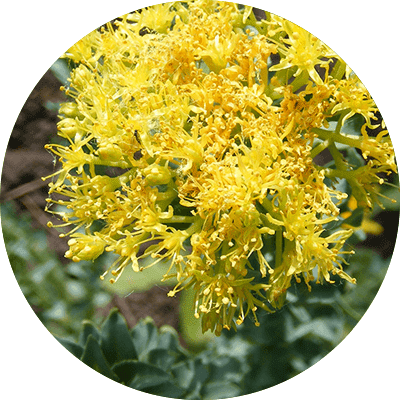
Rhodiola: One of the first herbs defined as an adaptogen and studied by modern scientists, rhodiola calms overactive portions of the immune system associated with destructive inflammation. Plus, it boosts depressed portions of the immune system to increase efficiency in managing the body’s microbes.
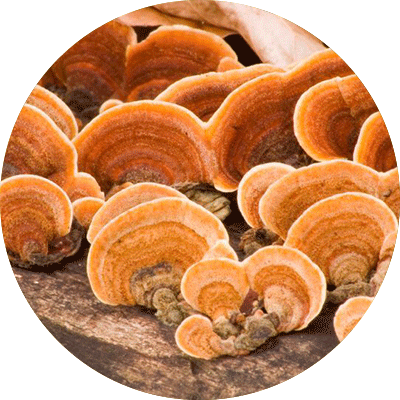
Reishi mushrooms: This mushroom’s main claim to fame is its ability to help regulate the immune system, improving how it works. Reishiessentially directs the immune system to reduce harmful inflammation while increasing action against threatening microbes and cells. The mushroom’s power is probably due in part to its beta-glucan, a polysaccharide found in fungi cell walls that’s well known for its immune-enhancing ability.
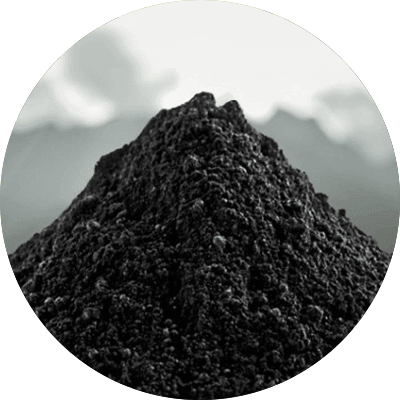
Shilajit: This isn’t technically an herb, but more like primordial ooze — a byproduct of plant materials that have been compressed into the earth in the Himalayas and seeps out of the rocks. Shilajit is rich in fulvic acid, which research suggests helps modulate the immune system, has antioxidant properties, and may improve gastrointestinal function.
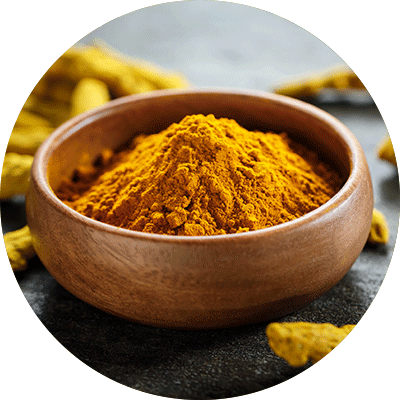
Turmeric: This adaptogen companion has potent anti-inflammatory powers. The compounds in turmeric also act as antioxidants, and it has microbiome-balancing potential.

Gotu Kola: A calming, anti-inflammatory and antioxidant adaptogen companion that’s part of the parsley family, gotu kola has traditionally been used in India in ayurvedic medicine as a general tonic for increasing longevity. It’s an immune modulator, helping the immune system manage stress.

2. Eat a Mostly Plant-Based, Whole-Foods Diet.

When I talk to patients about caring for their microbiome, one of the first questions they ask is whether they should take a probiotic supplement. For the most part, no. Unless a person has gone through an illness that required them to take antibiotics or caused acute diarrhea, there’s limited evidence that probiotics are particularly helpful.

What is absolutely helpful and crucial to microbiome health is eating a good diet. In my expert opinion, that means a diet that is at least 50% vegetables. Always choose fresh foods over processed ones. And only eat the number of calories that you need to maintain yourself.

Rainbow colored vegetables. Healthy food concept. Top view

And anything you can do to increase the diversity of fresh foods that you eat will help, too. Because when you eat fresh produce, you get a fair number of microbes.

Along with that, stay away from toxins in food as much as you can. That can mean not charring your food on the grill, and eating organic produce if they show up on the Environmental Working Group’s “Dirty Dozen” list which identifies the fruits and vegetables most subjected to pesticides—including strawberries, spinach, kale, nectarines, and apples.

3. Minimize Your Exposure to Environmental Toxins.

Because of our dependence on petroleum and petroleum-based products (i.e. plastics) and coal, we are constantly battling a barrage of toxins that are poisonous to our immune systems. When we breathe in toxic air from a car’s exhaust pipe, a cigarette, or cooking over an open flame (which is the norm in much of the world), it puts a strain on the lungs to turn over cells, swapping out the damaged and ineffective ones for fresh cells.

It puts a huge strain on the immune system, too. If a body’s resources are being spent on fixing something, it creates a situation where other little problems that crop up can become big problems.

close-up hands holding air filter to be changed.

On average, people spend around half their days at home, so invest in a home air cleaner that will help remove toxins, and replace or upgrade filters in your heating and air conditioning systems to ensure they’re not pumping in dirty air. For those whose occupation exposes them to airborne toxins, such working at construction sites, wear an N-95 mask whenever possible.

4. Stress Less and Sleep More.

You can eat organic kale til the proverbial cows come home, but if you’re subjecting yourself to that toxic mix of chronic stress and regular sleep deprivation that so many of us are, expect your body’s systems to go out of whack. Here’s why.

When we’re stressed, we send signals to our body that disrupt cellular communications, and if your cells aren’t communicating, they can’t do their job properly. That means that not all of the cells in the body are working at full capacity.

Helper cells, for instance, whose job it is to clean up “garbage” in the body so that it gets excreted through urine, fall down on the job. As a result, cellular debris gets backed up, which can overwhelm your immune system, allow microbes to flourish, and here we go again.

The fix is straightforward, but not simple. Prioritize sleep, meaning getting at least 7 or 8 hours of quality shuteye. And adopt stress-reducing activities like meditation, yoga, or whatever it is that works for you to turn down the heat on your slow boil.

5. Make Time for Regular Movement.

When we exercise, our blood really gets pumping, bringing oxygen to cells and carrying off carbon dioxide in a process that is called the gas exchange. That helps a person feel more energized and allows all of the systems in the body — immune, gastrointestinal, cardiac, pulmonary, neurological — to work at a higher capacity.

Full length shot of a woman doing exercise at home

There are other ways physical activity boosts immunity, too. It triggers the release of anti-inflammatory cytokines from muscles and helps modulate metabolic signals related to immune function. Exercise helps flush toxins, viruses, and other garbage from the body. Plus, preliminary research has linked cardiovascular fitness with better diversity and balance in the gut microbiome.

___

If you were to come to my house and open my medicine cabinet today, it would look vastly different than it did when I was in my late-40s. All of the orange bottles of prescription pills have been replaced by herbal supplements and tinctures. My refrigerator looks vastly different, too. It’s loaded with vegetables, fruits, and healthy fats. That makes up the majority of my diet.

Even with all of these changes, I know I may still harbor the Borrelia microbe — but I don’t worry about it. I have plenty of energy throughout the day. My brain is fog-free. My joints don’t hurt, and I can do whatever I want to do both physically and mentally.

Best of all, my body is no longer at war with the microbes it contains. They’re supposed to be there, after all. I’ve just brokered a peace treaty with my microbiome by developing a natural protocol that keeps us all in a state of healthy balance, and that allows my cells to continue to be the team players that will help me live a longer, healthier life. I hope you’ll feel inspired to do the same.

Amazing Microbe Facts
  • Bacteria are Earth’s earliest life forms. Fossil evidence suggests bacteria have been around for about 3.5 to 4 billion years.
  • Most bacteria divide every 2 to 12 hours. E. coli can divide every 20 minutes, which means after 7 hours, one bacterium can become 2.1 million.
  • Bacterial cells are 10 to 100 times smaller than human cells.
  • Microbes help us digest food, and in the process provide certain key vitamins such as B12 and K that our bodies can’t synthesize on their own.
  • Between 25% and 54% of the solids in human stool are microbes.
  • You would have to magnify the period at the end of this sentence to 1,000 times its actual size in order to make visible a nearby Pseudomonas aeruginosa bacterium (which causes hospital-acquired pneumonia).
  • Mitochondria, the “power­plants” of your cells, are the descendants of bacteria that were engulfed by larger microorganisms billions of years ago.

References
1. Ron Sender, et al. “Revised Estimates for the Number of Human and Bacteria Cells in the Body.” PLoS Biology. 2016 Aug; 14(8): e1002533. doi: 10.1371/journal.pbio.1002533
2. Lacey J. Favazzo, et al. “The gut microbiome-joint connection: implications in osteoarthritis.” Current Opinion in Rheumatology. 2020 Jan; 32(1): 92–101. doi: 10.1097/BOR.0000000000000681
3. “C-Section Birth Associated With Adulthood Obesity, Diabetes.” American Journal of Managed Care.
4. “5 Things To Know About Probiotics.” National Center for Complementary and Integrative Health.
5. S. Steve Zhou, et al. “Assessment of a respiratory face mask for capturing air pollutants and pathogens including human influenza and rhinoviruses.” Journal of Thoracic Disease. 2018 Mar; 10(3): 2059–2069. doi: 10.21037/jtd.2018.03.103
6. Stephen J. Carter, et al. “Gut microbiota diversity is associated with cardiorespiratory fitness in post‐primary treatment breast cancer survivors.” Experimental Physiology. 14 February 2019. https://doi.org/10.1113/EP087404
7. Vedham V, Verma M, Mahabir S. Early-life exposures to infectious agents and later cancer development. Cancer Med. 2015;4(12):1908-1922. doi: 10.1002/cam4.538
8. “What You Need to Know About Infectious Disease.” National Academies Press.

______________________

**Comment**

For a great video on this:  https://madisonarealymesupportgroup.com/2018/01/03/the-invisible-universe-of-the-human-microbiome-msm/

A very practical article that points out what honest practitioners of health will tell you: you have far greater control over your health than you are being told.  You are not a helpless victim that has no power over microbes that come your way. The trick has always been and will always be balancing these microbes.  You will never get rid of them all – nor should you.  There is a complicated dance going on in our bodies at all times.  

I was told by a virologist that for every bacteria in the world, there is a virus that hosts upon it.  Ponder that.

How to Ease Lyme Symptoms With Endorphins, Naturally (No Exercise Needed)

http://rawlsmd.com/health-articles/how-to-ease-lyme-symptoms-with-endorphins-naturally-no-exercise-needed?

How to Ease Lyme Symptoms with Endorphins, Naturally (No Exercise Needed)

How to Ease Lyme Symptoms with Endorphins, Naturally (No Exercise Needed)

by Jenny Lelwica Buttaccio
Posted 2/15/21

You’re probably most familiar with endorphins as they relate to the so-called “runner’s high,” the calm, euphoric feeling that people report after a long run. And it’s true that vigorous aerobic activity is a proven way to spark the release of these feel-good peptides. But if you’re dealing with the daily ups and downs of chronic Lyme disease, lacing up your sneakers to pound the pavement is likely on the bottom of your to-do list.

While exercise gets most of the credit when it comes to endorphins, it’s certainly not the only way your body generates these little wonder molecules that improve your sense of wellbeing. Here, we’ll take a look at endorphins and why they might hold the key to easing such Lyme symptoms as pain, immune dysfunction, and chronic stress, plus offer ways to reap the benefits even when you’re not feeling up to moving, no exercise needed.

An Overview of Endorphins

When your body experiences pain or stress, the hypothalamus and pituitary gland — your body’s largest producers of endorphins —generate these chemicals as a way of coping with physical and emotional pressures. Endorphins may arise from other parts of the body as well: Research suggests immune cells make endorphins in response to inflammatory processes in the body and help to quell certain pain-producing substances.

Endorphins have garnered the reputation of being “feel good” chemicals because they play a pivotal role in the body’s natural pain management process and possess opioid-like qualities. The term endorphin comes from two words: “endogenous,” meaning originating from within the body, and “morphine,” the opioid pain reliever. Indeed, endorphin is a fitting name for the morphine-like chemical produced in the body.

In the mid-70s, scientists were researching the mechanisms by which opioids alleviated pain. At that point, morphine had been around for nearly 200 years, but how and why it worked was still relatively unknown. The research led to the discovery of opioid receptors: When opioid medications like morphine bound to receptors in the peripheral and central nervous system, the drugs blocked pain signals.

Furthermore, researchers also noticed that other, natural chemicals in the body could bind to the same receptors and act in a manner comparable to opioid medications. They called these similar chemicals endorphins.

The Link Between Endorphins, Lyme Disease + Other Chronic Illnesses

There are many different types of endorphins, but the ones most often discussed in the research are beta-endorphins. Although we still have a lot to learn when it comes to endorphins, we know they’re responsible for mitigating pain, modulating the immune system, and enhancing pleasure. Besides stress, endorphins are released during activities you typically enjoy doing — sex, eating, and drinking, to name a few.

scientific image, X-ray of human skull, showing brain. surrounded by neurons, natural killer cells, and borrelia

Although research has yet to look specifically at Lyme disease and endorphins, evidence indicates that when beta-endorphins are secreted in the brain, they trigger the release of natural killer (NK) cells. These immune cells are our first line of defense against infectious agents like Borrelia burgdorferi and abnormal cell growth.

One therapeutic intervention yielding positive results for some Lyme patients, particularly those with neurological Lyme, is the endorphin-enhancing medication low-dose naltrexone (LDN). LDN partially blocks opioid receptors, leading to a slow increase of endorphins while supporting a healthier immune response, dampening inflammatory cytokines, and curbing neuroinflammation.

Endorphin levels can vary from one person to another, and low levels of endorphins have also been associated with several chronic conditions. On the list: fibromyalgia, ME/CFS (myalgic encephalomyelitis/chronic fatigue syndrome), depression, and headaches — and that’s probably just scratching the surface.

But can you begin to reap the benefits of endorphins without a prescription medication or running an all-out marathon? The answer is yes. The following are natural ways to boost endorphins so that you can experience lower pain levels, increased immune function, and a greater sense of wellbeing.

5 Natural Ways to Boost Endorphins + Ease Lyme Symptoms

1. Laugh Out Loud.

bright picture of laughing woman on the beach. backlight sunlight in nbackgroiund. beautiful young female model laugh like crazy. happiness and joyful concept for people in wanderlust

You’ve probably typed “LOL” countless times this week, but how many times have you actually done it? A hearty belly laugh has a host of mental and physical benefits, including a satisfying release of endorphins. It gets your heart, lungs, and muscles pumping, which in turn triggers the release of these euphoric molecules, according to a study in the journal Proceedings of the Royal Society B: Biological Sciences.

Additionally, the pain thresholds of the study participants were significantly higher after participating in laughter-inducing activities (like watching a comedy) compared to those who engaged in neutral or factually-based activities (like watching a documentary). The researchers believe it’s the endorphins’ effects on opioid receptors that create these positive changes.

To get your laugh on, watch a comedy, practice your amateur stand-up routine, find a laughter yoga class online, or do whatever you have to do to get the giggles flowing. The deeper the belly laugh, the more likely you are to experience that pleasant endorphin rush.

2. Try Full-Spectrum CBD Oil.

Many Lyme patients have chronic pain — like myofascial pain or neuropathy — as a predominant symptom. Finding ways to manage that pain effectively can be quite a challenge, however, CBD from hemp oil may be up to the task.

dropper dripping hemp oil into glass bottle, background hemp leaves

CBD (short for cannabidiol) shuts off nerve impulses that send uncomfortable pain signals and counteracts inflammation. Plus, it increases the body’s natural endorphin levels without suppressing them the way opioid medications do. Pain medications run the risk of causing dependence or withdrawal symptoms, but CBD doesn’t have those addictive qualities — most likely because it doesn’t contain the psychoactive component THC.

CBD dosing can vary from person to person, but a standard starting dose is 10-50 mg, one to three times per day. The concentrations of CBD differ by brand, so be sure to check the product label to find out how much CBD is in each dropperful or capsule. Some CBD users might notice its benefits immediately, while others may require two or three weeks of steady use to see improvements.

3. Sweat It Out, Exercise-Free.

You may be familiar with the use of far infrared saunas (FIR) as a means of detoxifyingthe body during Lyme treatment and managing uncomfortable Herxheimer reactions. But saunas have a longstanding history of being used around the globe due to their health-promoting properties.

inside of a wooden infrared sauna, towel on seating

The heat from FIR saunas is deeply penetrating, reaching up to a few inches beneath the skin’s surface. Research demonstrates sauna use may stimulate the release of endorphins and other opioid-like chemicals to fight pain, relieve inflammation, and facilitate a healthy immune system.

Not sure of how to use a sauna? Begin slowly (as little as 5 minutes a day) and increase your time to 30 minutes as your body adjusts to the heat. And aim for two to three times a week — consistency of use rather than intensity wins this race!

4. Get a Massage.

Looking for a reason to indulge in some extra self-care? Think about getting a massage because it can be helpful for increasing endorphins as well as other mood-boosting and pain-relieving chemicals like serotonin and dopamine.

Physiotherapist massaging back of man lying on Massage Table in hospital

One small-scale study showed that participants who received a connective tissue massage had a 16% increase in beta-endorphin levels, lasting approximately 1 hour after the massage was finished. Additionally, because some opioid receptors are located in deep tissues of the body, massages incorporating deeper pressure may even generate higher levels of endorphins compared to the mild touch of connective tissue release work.

If getting to a professional massage therapist isn’t in the cards right now, no problem. Similar to exercise and sauna use, any massage-type activity can get you headed in the right direction. Try a foam roller, a handheld massager, or a massage chair to relax tense muscles and let go of stress.

5. Get Moving at an Accessible Pace.

Yes, running has beneficial effects on endorphin production, but you can achieve results with less demanding forms of exercise as well — including activities that might be more appropriate for the needs and fitness levels of many chronic Lyme patients. Although the greatest endorphin high occurs with intense physical activity that lasts about an hour, almost all forms of exercise will have a beneficial impact.

woman in comfy clothes, rolling up yoga mat in living room

In fact, research suggests even 15 minutes of exercise per day can increase endorphins. Although it might not lead to a giant rush of the feel-good chemicals, you’re still likely to experience an uptick in your mood, a decrease in pain levels, and better immune function.

And there’s no need to push yourself to the max. You can mobilize endorphins with low-impact activities like walking, Pilates, power yoga, or qigong to bring on results. As you get further along in your Lyme disease recovery, the more you’ll be able to up the intensity of your workouts.

The Takeaway

No doubt, there’s still a lot to learn about the benefits of endorphins and how they impact Lyme disease and your health. But aiming to get a daily dose of them in your life may enhance immune function, improve pain levels, provide a more optimistic outlook, and more.

Best of all, boosting your endorphin levels is another cost-effective tool to add to your toolbox of healing modalities. Combine it with a comprehensive herbal therapy protocol, a healthy diet, and lifestyle modifications to achieve optimal healing results on your recovery journey.

Dr. Rawls is a physician who overcame Lyme disease through natural herbal therapy. You can learn more about Lyme disease in Dr. Rawls’ new best selling book, Unlocking Lyme.

You can also learn about Dr. Rawls’ personal journey in overcoming Lyme disease and fibromyalgia in his popular blog post, My Chronic Lyme Journey.

REFERENCES
1. Cabanas H, Muraki K, Staines D, Marshall-Gradisnik S. Naltrexone Restores Impaired Transient Receptor Potential Melastatin 3 Ion Channel Function in Natural Killer Cells From Myalgic Encephalomyelitis/Chronic Fatigue Syndrome Patients. Front Immunol. 2019;10:2545. Published 2019 Oct 31. doi: 10.3389/fimmu.2019.02545
2. Chaudhry SR, Gossman W. Biochemistry, Endorphin. [Updated 2020 Aug 11]. In: StatPearls [Internet]. Treasure Island (FL): StatPearls Publishing; 2020 Jan-. Available from: https://www.ncbi.nlm.nih.gov/books/NBK470306/
3. Dunbar RIM, Baron R, Frangou A, et al. Social laughter is correlated with an elevated pain threshold. Proc. R. Soc.2012 September; 279(1731):1161-7. doi: 10.1098/rspb.2011.1373
4. Hsueh CM, Chen SF, Ghanta VK, Hiramoto RN. Expression of the conditioned NK cell activity is beta-endorphin dependent. Brain Res. 1995 Apr 24;678(1-2):76-82. doi: 10.1016/0006-8993(95)00172-m
5. Hussain J, Cohen M. Clinical Effects of Regular Dry Sauna Bathing: A Systematic Review. Evid Based Complement Alternat Med. 2018;2018:1857413. Published 2018 Apr 24. doi: 10.1155/2018/1857413
6. Kaada B, Torsteinbø O. Increase of plasma beta-endorphins in connective tissue massage. Gen Pharmacol. 1989;20(4):487-9. doi: 10.1016/0306-3623(89)90200-0
7. Klockgether-Radke AP. F. W. Sertürner und die Entdeckung des Morphins – 200 Jahre Schmerztherapie mit Opioiden – [F. W. Sertürner and the discovery of morphine. 200 years of pain therapy with opioids]. Anasthesiol Intensivmed Notfallmed Schmerzther. 2002 May;37(5):244-9. German. doi: 10.1055/s-2002-30132
8. Ramanathan S, Panksepp J, Johnson B. Is fibromyalgia an endocrine/endorphin deficit disorder? Is low dose naltrexone a new treatment option? Psychosomatics. 2012 Nov-Dec;53(6):591-4. doi: 10.1016/j.psym.2011.11.006
9. Sprouse-Blum AS, Smith G, Sugai D, Parsa FD. Understanding endorphins and their importance in pain management. Hawaii Med J. 2010;69(3):70-71.

Overcoming Chronic Lyme & Post-COVID Syndrome

https://www.peoplespharmacy.com/articles/show-1245-overcoming-chronic-lyme-and-post-covid-syndrome  Podcast Here

Show 1245: Overcoming Chronic Lyme and Post-COVID Syndrome

Dr. Bill Rawls describes how the herbal therapies that helped him overcome chronic Lyme could help people with post-COVID syndrome.
 
Dr. Bill Rawls discusses post-COVID syndrome

The COVID-19 pandemic has been raging through the world for more than a year. More than 455,000 people have died in the US, but the vast majority of people who become infected survive. Unfortunately, for a significant proportion, symptoms associated with COVID-19 may last for weeks or months. Physicians have dubbed this post-COVID syndrome, or PCS. Patients are more likely to call it Long COVID and refer to themselves as Long Haulers.

What You Can Do for Post-COVID Syndrome:

Long COVID may affect people of any age, not just older individuals. One study found that half of the college students in the sample who had had COVID-19 were still struggling with symptoms like fatigue and trouble exercising, shortness of breath, chest pain, reduced sense of smell, runny nose and loss of appetite more than a month later (MedRxiv, Nov. 29, 2020). Although health care providers have learned a great deal about caring for people with the acute disease, they still don’t have established protocols to help those with long-lasting problems.

For several decades, before the pandemic began, doctors debated how to help patients with lasting symptoms from infections such as Lyme disease. At first, many experts denied that patients’ problems were due to the infection. Instead, they insisted that chronic Lyme didn’t exist.

However, people experiencing those symptoms themselves sought ways to manage them holistically. Some of the approaches they have used may be helpful for individuals who are now suffering with post-COVID syndrome.

Lessons from Lyme Disease:

Our guest, Dr. Bill Rawls, was frustrated that mainstream medicine had so little to offer him while he fought chronic Lyme disease. He went to the medical literature and devised treatments based on scientific studies of herbal medicines. These helped him and he has since helped others challenged by chronic immune dysfunction, whether triggered by infection or not. Now he is offering guidance to people with Long COVID.

Herbs Against Chronic Lyme Disease and Post-COVID Syndrome:

The herbs Dr. Rawls used for his own treatment included Japanese knotweed, cat’s claw, Chinese skullcap, and Andrographis paniculata, along with mushrooms such as Reishi and Cordyceps. Presumably many of these help regulate the immune system’s response. Some experts suspect that a chronic hyperactivation of the immune system might contribute to the symptoms of Long COVID. Dr. Rawls offers his recommendations for what people may want to do as they recover from COVID-19 to reduce their chances of post-COVID syndrome.

This Week’s Guest:

Dr. Bill Rawls is a licensed physician with over 30 years of experience and a leading expert in Lyme disease, holistic health, and herbal medicine. In the middle of his successful medical career, Dr. Rawls’ life was interrupted by Lyme disease. In his journey to overcome it, he explored nearly every treatment possible – from conventional medicine to a range of alternative therapies. In the more than 10 years since his recovery, Dr. Rawls has helped thousands of patients to recover from chronic illness and maintain wellness.

He is the author of the best-selling book Unlocking Lyme. He is the Medical Director of RawlsMD.com and Vital Plan, an online holistic health company and Certified B Corporation® that he co-founded with his daughter Braden.

Listen to the Podcast:

The podcast of this program will be available Monday, February 8, 2021, after broadcast on February 6. The show can be streamed online from this site and podcasts can be downloaded for free. CDs may be purchased at any time after broadcast for $9.99.

_____________________

**Comment**

I have the same skepticism of “post COVID syndrome” as I do “post Lyme disease syndrome.”  Too often our public ‘authorities’ cause the very problems they then attempt to cover-up, by doing a bait and switch and giving it a jazzy name so we forget their role.  Disease is often complicated and tying a pretty bow on it by giving it a cool sounding label doesn’t make it any simpler.  

The PTLDS moniker continues to hurt patients by keeping them from life-saving antimicrobials.  The studies done and used to “prove” chronic infection doesn’t exist all have design flaws.  We know for a fact that treatment failures are seen in nearly every single antibiotic study ever done.  

There are potentially many reasons for “post COVID syndrome” and other adverse reactions/deaths, including vaccination.  Please see:  https://madisonarealymesupportgroup.com/2020/08/17/correlation-coefficient-covid-deaths-qivc-flu-shots/

More is coming out about “pathogenic priming,” antibody-dependent enhancement (ADE), vaccine hypersensitivity (VAH), and multi-inflammatory syndrome (MIS) in the many  adverse reactions and deaths occurring after the COVID shot.  Many are also becoming infected after the shot but we are continually told it can’t be due to the injection.  Back in October it was stated these injections could increase HIV risk:  https://nypost.com/2020/10/20/some-covid-19-vaccines-could-increase-hiv-risk-researchers/

Please watch Dr. Weiler explain the history of coronavirus vaccines that made animals sicker and killed many, as well as the unsafe epitopes:  https://madisonarealymesupportgroup.com/2020/12/04/medical-freedom-press-conference-must-see-video/

The following quote is quite telling:

Is it possible that some instances of ‘long COVID’ could be a form of ADE? This is a possibility we have been considering. Typically people who get long COVID don’t test as positive from nasopharyngeal swab tests. But in deep seated systemic infections the mucosa may not show evidence of viral multiplication, whereas the infection may become systemic in certain tissues and be enhanced. This possibility cannot easily be dismissed.

Could the problem increase with new variants of SARS-CoV-2? Yes, as explained above.   Rob Verkerk Ph.D.
 

Lyme Bacteria Virulence: What You Must Know About Borrelia

https://rawlsmd.com/health-articles/understanding-virulence-and-why-it-is-the-key-to-your-recovery

Lyme Bacteria Virulence: What You Must Know About Borrelia

Lyme Bacteria Virulence: What You Must Know About Borrelia

by Dr. Bill Rawls
Updated 1/19/21

To truly understand Lyme disease, you must understand the nature of microbes. This article places Lyme disease in perspective with other known microbial diseases by taking a close look at virulence, the level of a microbe’s ability to cause damage or disease in the host.

I’ll explain why Lyme is a chronic infection of not one microbe, but multiple microbes, and why chronic Lyme disease must be treated differently than acute microbial diseases. I’ll also provide evidence for links between Lyme disease and other chronic degenerative diseases such as fibromyalgia, and offer natural solutions that best fit the level of the microbe’s virulence.

Microbes Are Ubiquitous

Microorganisms, aka microbes, are microscopic single-celled living organisms that are invisible to the naked eye. The term “microbe” is very general. It includes mostly bacteria and viruses, but also protozoa and certain types of fungi.

Because microbes are invisible, sometimes we forget how pervasive they really are. In reality, microbes are everywhere; they are able to thrive in every environment on earth. Every living organism is colonized by microbes — including your body.

At this very moment, trillions of microbes are living in and on your body. The sum total of all the microbes that inhabit your body is called the microbiome. It includes somewhere between 20,000 and 40,000 bacterial species, but scientists have just begun to catalog all the viruses. With an infinite number of different combinations, your microbiome is different from every other person’s on the planet.

Gut bacteria , gut flora, microbiome. Bacteria inside the small intestine, concept, representation. 3D illustration.

You’ve probably heard of some microbes being called “good” or “bad,” but they can’t be defined that way — they’re simply trying to survive. The microbes that we encounter are host dependent, which means they must acquire the nutrients necessary for survival from a host like us.

Microbes that inhabit the body are concentrated mostly in the gut and on the skin. Bacteria and other microbes in the gut survive off of the leftovers from food that you don’t absorb. On the skin, they survive off of oils you secrete to lubricate your skin.

Availability of food is the primary factor that affects growth of microbes like bacteria — they keep growing as long as food is present. Not surprisingly, the highest concentration of bacteria and other microbes is in the intestinal tract where there’s plenty of free food. Because nutrients on the skin are sparse, the concentration of microbes is much lower than in the gut.

How Microbes Break Through Your Barriers

The problem with microbes is a matter of resources: The carbohydrates, fats, proteins, vitamins, and minerals that make up the cells of your body are also potentially a source of food. In fact, your cells are such an exceptionally good food source for microbes that the body must maintain barriers to keep the organisms out.

The primary barriers of the body include:

  • Skin
  • Mucous membranes that line the mouth and nasal passages
  • Stomach and intestinal linings
  • Bronchial passageways in the lungs
  • The skin of body openings, such as the ears and vagina

Microbes are always looking for an opportunity to break through barriers — an infection is just a microbe trying to find a way inside your tissues to get at your cells. If they can make it through and enter the bloodstream, then they have access to all the cells inside the tissues of your body. That’s where microbes cause harm — by consuming cells of the body.

Unfortunately, the barriers of the body aren’t nearly as secure as you might hope. A study in 2015 found that bacteria from the gut constantly trickle across the intestinal barrier into the bloodstream. It happens in everyone, but it’s more pronounced if the balance of microbes in the gut has become disrupted by chronic stress and a steady diet of carb-loaded processed foods.

woman holding scrapped elbow

Any break or cut in the skin also gives microbes on the skin, such as staph or strep, the opportunity to invade deeper tissues and consume the unprotected cells just below the skin surface. A skin infection is simply bacteria consuming cells in tissues below the surface of the skin.

It’s not just the microbes that are already on or in your body that you have to worry about, however. Microbes from the outside environment are constantly trying to break through barriers to get into your body, too — the nutrients and resources that your cells have to offer are just too good to ignore!

Different microbes choose different pathways. Some microbes, such as influenza and coronavirus, ride on air droplets to enter the body by way of the nasal passageways and lungs. All it takes is one infected person in a crowded space to infect the entire room.

Intimate contact is another popular route for microbes to take into the body. The list of microbes that can be transmitted by sexual contact is longer than you might expect.

image split in three: tick, flea, and mosquito

And then there are blood-sucking insects. Who hasn’t been bitten by a tick, biting fly, mosquito, or flea? The idea that only certain ticks carry the microbes that cause Lyme disease is correct, but every tick carries hundreds of different species of microbes. Blood-sucking insects are nature’s perfect vehicle for spreading microbes. Why wouldn’t lots of different microbes take advantage of such an opportunity?

The only thing that prevents microbes from ravaging the cells of your body is your immune system. When a foreign microbe crosses a barrier or enters the bloodstream, it encounters the defenses of the immune system.

White blood cells (WBCs) of the immune system line every barrier in the body and circulate throughout the bloodstream — a single liter of blood contains somewhere between 4 and 11 billion WBCs. Your immune system is constantly on guard to defend your cells.

The Virulence Factor

The potential of a microbe to break through barriers and ravage cells of the body is called virulence. Virulence is a function of both the natural aggressiveness of the microbe and how familiar the immune system is with a particular microbe. Of the two, the immune system’s familiarity is most significant.

microbe virulence strength, weakest is normal flora, strongest is ebola

The human immune system is extraordinarily sophisticated. It evolved over millions of years of repetitive exposure to an enormous number of different microbes. For every trick that microbes devised to get past immune system barriers, the immune system developed countermeasures to match it — layer upon layer of different levels of protection are hardwired into your genes for countless numbers of microbial threats.

It means that the more familiar a microbe is to your immune system, the better it can manage it. A pathogen(disease-causing microbe) is just a foreign microbe that your immune system doesn’t know very well and therefore isn’t pre-equipped to handle.

Of course, there are different degrees of pathogens. The higher a microbe’s potential to do harm, the greater its virulence.

Possibly the most virulent microbe of our time is Ebola virus. Most anyone who becomes infected with Ebola virus becomes severely ill, and the mortality rate can be as high as 60%.

The reason that Ebola is so threatening is because humans have rarely been exposed to it, therefore the immune system has no built-in defenses against it. On a scale of 1 to 10, Ebola would be a definite 10. Other than possibly HIV, there’s not much that can match Ebola virus’s potential to ravage cells of the body.

At the opposite end of the spectrum are the microbes that dominate our skin and body cavities (throat, lungs, stomach, intestines, genital openings). Defined as normal flora, these microbes would be 1 on the scale — not zero, because even our normal flora have potential to do harm, but that potential is very low.

Your immune system “knows” the microbes defined as normal flora better than any others — it’s a relationship that’s been honed over millions of years. By being able to keep the natural aggressiveness of these microbes completely in check, a mutually beneficial relationship becomes possible. In trade for the nutrients and resources you provide, they give back by helping to digest food, providing certain vitamins (B12, vitamin K), and preventing overgrowth of more threatening microbes that are always present.

Of course, there are a wide variety of microbes that exist between Ebola (10) and normal flora (1). As a general rule, the more virulent a microbe happens to be, the less common it is, and vice versa. This would be as expected; the more common a microbe is in nature, the greater the chances of the immune system having had repetitive exposure to it.

Microbial Virulence Pyramid

This works out mostly in our favor: The chances of being exposed to a highly virulent microbe such as Ebola virus are quite rare for most people, but everyone is exposed to cold viruses on a regular basis. Viruses that cause the common cold have been following humans around since the beginning of humans, and therefore, the human immune system is extremely familiar with them. They would come in at about 2 on the virulence scale.

Virulence decreases with exposure. Once someone has been infected with a microbe and recovers, the immune system “learns” to manage that microbe and it becomes less of a threat. Vaccines provide an opportunity for the immune system to learn to deal with a microbe without suffering the consequences of an infection with the actual microbe.

Virulence can also vary from person to person. This has been very evident with the COVID-19 pandemic, where half the population hardly gets sick at all with exposure to the virus, but some people can get extremely sick. It all has to do with whether a person’s immune system has built-in immunity to the virus.

A Strategy of Stealth

Foreign microbes don’t necessarily have to be highly virulent to be successful. In fact, some of the most successful microbes trade virulence for persistence. Often called stealth microbes or stealth pathogens, these sneaky opportunists specialize in staying just under the immune system’s radar. They enter the body with little fanfare or commotion. Initial symptoms may be mild, if they occur at all.

Though the immune system is familiar with them, these microbes are masters at persisting — chronic infections are common. Unlike normal flora that call your body home, their mission is maintaining a presence in tissues of the body and waiting for an opportunity to spread to other hosts. Because of their stealthy nature and because they are remarkably common, these are the microbes you should worry about most.

One key strategy that stealth microbes use to persist inside the body is invading and living inside cells (called intracellular). Infecting and living inside cells of other living organisms is an ancient strategy that microbes have been honing for billions of years.

By infecting and pirating organic molecules and resources from larger cells (the ultimate dine-in experience), microbes can survive without having to work very hard. Living inside another cell offers food and protection, from the immune system, other bacteria, and antibiotics. It’s an easy living strategy used by many bacteria, some protozoa and yeast, and all viruses.

3d illustration of red colored lyme disease pathogens on red underground

Borrelia burgdorferi, the bacteria commonly associated with Lyme disease, is one such microbe. Borrelia has been infecting humans by way of tick bites as long as there have been humans — the human immune system is very familiar with it. It’s present in various species of ticks worldwide, from the tropics to the arctic circle. On the virulence scale, it would be about a 4 in most people.

After entering the bloodstream by way of a tick bite, Borrelia infects white blood cells and disperses to tissues throughout the body (joints, brain, heart, everywhere else), where it infects and lives inside cells. Though the immune system would like to eradicate this pest completely, Borrelia is so proficient at maintaining a presence that often a stalemate is reached in which the bacteria maintains a low-grade presence in tissues.

Often people don’t even know they’ve been infected. Tick bites frequently go unrecognized, and symptoms at the time of acute infection are often mild, if they occur at all. Once established in tissues, the fact that Borrelia lives inside cells and occurs in low concentrations makes it difficult to diagnose and almost impossible to eradicate with antibiotics.

In a healthy host, the bacteria can stay dormant in tissues for years —even for a lifetime — without causing symptoms. Let the immune system falter for any reason, however, and bacteria can erupt and cause symptomatic illness. Because bacteria are erupting throughout tissues in the body, a wide range of symptoms are possible, including fatigue, brain fog, joint pain, muscle pain, intestinal problems, and feeling flu-ish.

Borrelia is One of Many Stealth Microbes

Borrelia is far from being the only stealth microbe. All of the recognized Lyme coinfections are stealth microbes, but that may be just scratching the surface.

Doctor wearing gloves holds a blood test tube

When chronic Lyme disease sufferers are tested for coinfections, most are found to be carrying more than one of several possibilities including mycoplasma, bartonella, babesia, chlamydia, ehrlichia, and anaplasma. Testing, however, is limited to one or a few species of certain bacteria — dozens of species are possible for each bacteria.

Ticks alone carry hundreds of different microbes, but some of these bacteria are more commonly spread by other routes. Mycoplasma pneumoniae and Chlamydia pneumoniae are common respiratory infections that most people pick up as kids. Other species of mycoplasma and chlamydia are commonly spread by intimate contact with other people.

And then there are the viruses. Many people with chronic Lyme disease are also found to have reactivation of Epstein-Barr virus (EBV), cytomegalovirus (CMV), HHV-6 types a and b, HHV-7, HHV-8, and/or parvovirus.

All of these microbes sit within the lower half of the broad base of the virulence chart. Therefore, it shouldn’t be surprising that there are so many possibilities: Microbes that fit the description of stealth microbes are remarkably common. The fact of the matter is that every living organism on earth — plants, mushrooms, animals, and people inclusive — harbor some cells infected with microbes.

Characteristics of Low-Virulence Stealth Microbes

  • Initial infection is generally a mild event.
  • Asymptomatic chronic infection is common — chronic symptomatic dysfunction only occurs if immune system functions are disrupted.
  • Chronic infection is associated with vague, nonspecific symptoms(fatigue, brain fog, tingling in extremities, joint pain, muscle pain) that are unrelated to the initial infection.
  • Chronic infection is associated with low concentrations of the microbe in the body, often making diagnosis challenging.
  • Stealth microbes have a slow growth rate.
  • They are intracellular – microbes have the ability to live inside cells.
  • Chronic infection with stealth microbes typically responds poorly to antibiotics and vaccines.
  • Symptoms result from inflammation resulting from manipulation of the immune system by the microbes, not as much from direct harm by the microbe.
  • They take the path of least resistance and gravitate toward sites of established inflammation in the body (twisted knee, eye abrasion, liver overburdened with toxins).
  • Stealth microbes work together; chronic infection with multiple microbesis the norm.

No doubt, infection with multiple stealth microbes at once increases virulence. Each of the above mentioned microbes uses a slightly different strategy for outmaneuvering the immune system. Several stealth microbes together can disrupt immune system functions enough to open the door to chronic symptomatic infection.

In other words, virulence is additive – multiple stealth microbes together may have a higher potential to cause symptomatic illness.

Chronic Lyme disease is rarely (possibly never) a disease caused by one microbe. Multiple stealth microbes come together to cause chronic Lyme disease.

Infection with multiple microbes does not always occur simultaneously, though it can happen with the same insect bite. A stealth microbe such as mycoplasma or bartonella may be present (possibly for a long time) without causing symptoms. Then a tick bite transmitting borrelia or other tick-borne microbes comes along and disrupts immune system functions enough to allow symptomatic illness.

Borrelia doesn’t even have to be involved. Coinfections can occur with any of the above microbes without borrelia. Because stealth microbes cause similar nonspecific symptoms, chronic infections with other stealth microbes can look just like Lyme disease.

This is where the margins start to blur between chronic Lyme disease and other chronic illnesses like fibromyalgia and chronic fatigue syndrome (ME/CFS).

If you draw circles around the symptoms associated with Lyme disease, chronic fatigue, and fibromyalgia, the circles deeply overlap. The nonspecific symptoms commonly associated with any one of the listed stealth microbes sit right in the middle of those overlapping circles.

three overlapping circles, Lyme disease, fibromyalgia, chronic fatigue

In other words, the possibility that fibromyalgia and chronic fatigue are also associated with stealth microbes is extremely high. Variations in symptoms depend on the microbes present. The list of known stealth microbes gets longer everyday, and who knows how many are waiting to be discovered.

It’s rarely the microbes alone that cause chronic illness, however. Stealth microbes are remarkably common; avoiding acquiring some of them is nearly impossible. It’s other factors that disrupt immune system functions and tip the balance toward chronic illness.

There Is An Epidemic of Chronic Immune Dysfunction

The steady rise in chronic diseases like Lyme disease, fibromyalgia, chronic fatigue, and autoimmune and other degenerative diseases over the past 75 years is disturbing, but explainable. The underlying problem is not an epidemic of emerging stealth microbes (stealth microbes have been around for thousands of years), but instead something that we have brought on ourselves.

The modern world has become saturated with environmental factors that disrupt immune function, with four in particular doing the bulk of the damage.

The Most Prevalent Immune Disruptors

red circle, fork and knifePoor Diet: The vast majority of foods consumed by much of the population of the developed world are heavily processed and artificially derived.

red circle, toxin symbolEnvironmental Toxins: The world has become saturated with toxic petrochemicals and artificial sources of radiation.

red circle, lightning boltsChronic Stress: Oppressive daily stress has become synonymous with modern life.

red circle, pause symbolSedentary Lifestyle: Technological advancements — computers, cars, televisions, cell phones — enables our culture to move less and sit more.

These modern stress factors come together to cause widespread chronic immune dysfunction in much of the world’s population. This opens the door for chronic infections with stealth microbes that otherwise would not have been such a threat.

Global warming, increased ticks, and people spending more time outdoors may also fit into the equation, but these outward factors matter less than you might think.

Stealth microbes have always been there and they always will be…just waiting for an opportunity!

The Best Solutions are Defined by Virulence

Highly virulent microbes must be addressed with a compatible level of potency. Targeting specific microbes with specific drug therapy (antibiotics, antivirals, vaccines, other supportive drugs) is the best approach for controlling highly virulent microbes. Acute infections such as Rocky Mountain Spotted Fever generally respond well to antibiotic therapy. The Ebola epidemic in Africa has been almost completely controlled with quarantine alone.

The classic “identify, target, and destroy” approach that works for high virulence microbes, however, is not a good fit for stealth microbes. First of all, it’s hard to know what to target. Even if one microbe is revealed by testing, the possibility of many other hidden stealth microbes being present is much too high to ignore.

The very nature of stealth microbes makes them resistant to conventional therapies. Even when stealth microbes come together to cause significant chronic illness, they still retain their individual stealth characteristics. Slow growth, low concentrations of bacteria, and the ability to live inside cells and isolated areas of the body dramatically limit the usefulness of synthetic antibiotics. And the ability of stealth microbes to continually alter genetic signature renders vaccines worthless.

The best solutions are actually not high tech. Normal health can be restored by creating a healing environment within the body. Minimizing immune disruptors by eating a clean diet, eliminating unnecessary toxins, reducing oxidative stress with antioxidants, managing stress, and exercising regularly is essential for becoming well.

Natural herbal therapy is a perfect complement. Many herbs reduce inflammation and enhance immune function, while at the same time suppressing stealth microbes. Because herbal therapy is so remarkably safe, it can be continued for a lifetime.

1. Begin with Herbal Therapy.

If you’re looking for a practical means to bolster your immune system and protect the health of your cells, I recommend starting with plants. Like humans, plants must protect themselves from a wide range of stress factors: damaging free radicals, physical stress from harsh weather, toxic substances, harmful radiation, insects, invasive fungi, parasites, and, last but not least, every variety of microbe.

image in grid of eight, cats claw, andrographis, garlic, japanese knotweed, berberine, sarsaparilla, reishi mushroom, cordyceps

The chemical substances that plants use to combat threats and safeguard themselves are called phytochemicals. Phytochemicals are made up of a diverse assortment of hundreds of different chemical compounds that serve a variety of needs via numerous mechanisms. Some are antioxidants that protect cells from different types of free radicals, toxic substances, and harmful radiation. Others promote the balance of communication systems within the plant and contain a myriad of antimicrobial phytochemicals.

The herbs that top my list (and that are most widely available) for anyone dealing with Lyme disease and stealth microbes include:

You don’t have to take all of these herbs to experience benefits, but taking more than one herb at a time broadens the range of coverage against the stealth microbes that may be present.

2. Stock Up On Micronutrients for Your Cells.

Your cells use up a lot of essential nutrients that are necessary for optimal function when you’re stressed or dealing with a chronic illness like Lyme disease. To counteract this, I recommend complementing herbs with a combination of supportive, natural micronutrients:

cell structure Glutathione

Glutathione

This essential antioxidant plays a key role in protecting mitochondria (the powerhouses of cells) from free-radical damage, as well as enhancing detoxification processes and fortifying immune functions. To maintain your glutathione reserves, supplement with 500-1,000 mg reduced powdered glutathione twice daily (doses are dependent on preparations used).

cell structure N-acetyl cysteine

N-acetyl cysteine (NAC)

A precursor to glutathione with antioxidant and anti-inflammatory properties, NAC helps to protect cells from damage and oxidative stress. To optimize NAC levels, supplement with 500 mg twice daily. (Note that doses are dependent on preparations used.)

cell structure vitamin d

Vitamin D

Known as “the sunshine vitamin,” vitamin D is critical for normal immune function. Vitamin D is created in the skin with exposure to UV rays of sunlight. Because most people have low sun exposure (or use sunscreen, which blocks vitamin D production), low vitamin D levels are common. A simple blood test from your healthcare provider will tell you if your levels are adequate (> 40ng/ml).

Vitamin D3 is the preferred form of supplementation. Depending on the starting level, you may benefit from anywhere between 1,000 and 4,000 IU daily.

cell structure vitamin c

Vitamin C

Another key player in healthy immune function, vitamin C has known antiviral, anti-inflammatory, antioxidant, and immunomodulating properties. With chronic infections, our stores of vitamin C can become depleted. The body needs extra vitamin C when under stress, so aim for 500-1,000 mg of buffered vitamin C daily.

3. Nourish Your Body.

pile of organic vegetables in wooden box on kitchen counter

Beyond herbs and micronutrients, another key to preventing the chronic immune dysfunction that leaves us vulnerable to chronic Lyme disease and other chronic illnesses is by doing everything you can in your everyday life to strengthen the cells in your body. To do this, providing your cells with proper nourishment is essential. These guidelines can help:

  • Strive to eat more vegetables than anything else. Vegetables are packed with a greater concentration of the nutrients your cells need to function properly than any other food source. Vegetables are also loaded with beneficial fiber that promotes normal digestion and the balance of microbes in the gut.
  • Eliminate processed food products. This automatically cuts out a load of unnecessary carbohydrates, refined oils, and calories your cells don’t need. It also cuts out gluten, a protein in wheat that many people are sensitive to.
  • Eat fresh, whole foods. The fresher your food is and the closer to its natural origins, the higher its potential to nourish your cells. In other words, it’s much better to enjoy an apple or a handful of fresh pecans for a snack than a processed “health” food bar that contains apples and nuts.

4. Bring On Calm.

Finding a state of calm is necessary to engage your natural healing processes — and yet pressuring yourself to relax isn’t exactly conducive to chilling out. It can be a vicious cycle, and breaking free really requires committing to creating a healing environment within the body.

man stretched out, sleeping in white bed

A first, vital step is getting enough sleep. Your cells rely on that time to regenerate, so you need at least eight hours of good quality sleep every night.

If you have trouble drifting off, make a habit of turning down the lights, cutting off the technology, and listening to light, restful music for at least an hour before you turn in for bed. Herbs like cannabidiol or CBD oil, motherwort, passion flower, and bacopacan also help you wind down and invite sleep.

5. Purify Your Environment.

Toxic substances can enter the body in three ways: by mouth, breathing, and absorption through the skin. If you live in a contaminated environment (and the vast majority of us do), your wellness potential will be affected by toxic substances.

That’s why it’s essential that you reduce your exposure to environmental toxins whenever you can. Some of the simplest, most impactful ways to do that: Opt for organic foods when feasible, filter your water and air, and choose non-toxic cleaning supplies and beauty products.

6. Move As Much As You Can.

Staying in motion increases blood flow, which washes out toxins, stimulates healing, and increases oxygen and nutrient delivery to cells. That said, if you have chronic illness and overdo it, there’s a risk of setback and post-exertional malaise (PEM), which is a worsening of symptoms such as fatigue, sleeplessness, cognitive issues, pain, dizziness, and more.

So keep in mind that becoming active again must be a delicate balance between moving enough to gain benefit, but not so much that it aggravates inflamed tissues and causes further damage. Some suggestions for starting slow and easy include going at your own pace, trying restorative exercise like yoga and qigong, swimming slow laps, and stopping before the movement starts to make you feel bad.

Final Thoughts

Natural herbal therapy reduces inflammation and enhances immune function, while at the same time suppressing stealth microbes and protecting our cells. Because herbal therapy is so remarkably safe, it can be continued for a lifetime.

To maximize its effectiveness, combine herbs with eating a clean diet, eliminating unnecessary toxins, managing stress, and exercising regularly. When you take steps to care for your immune system properly and nourish your cells, your path to recovery becomes a little bit brighter.

Dr. Rawls is a physician who overcame Lyme disease through natural herbal therapy. You can learn more about Lyme disease in Dr. Rawls’ new best selling book, Unlocking Lyme. You can also learn about Dr. Rawls’ personal journey in overcoming Lyme disease and fibromyalgia in his popular blog post, My Chronic Lyme Journey.

REFERENCES:
1. Berghoff, W, Chronic Lyme Disease and Co-infections: Differential Diagnosis, Open Neurol J., 2012, 6, p. 158-178
2. A G Barbour and S F Hayes, Biology of Borrelia Species, Microbiol Rev. Dec. 1986, 50(4) p. 381-400
3. A Steer, J Coburn, and L Glickstein, The Evergence of Lyme Disease, J Clin Invest, April 2004, 113(8), p. 1093-1101
4. S Buhner, Healing Lyme, Natural Healing and Prevention of Lyme Borreliosis and Its Coinfections, Raven Press, Silver City, N.M., 2005
5. S Buhner, Healing Lyme Disease Coinfections, Healing Arts Press, 2013
6. S Buhner, Natural Treatment for Lyme Coinfections, Healing Arts Press, 2015
7. Nicholson G, Chronic Bacterial and Viral Infections in Neurodegenerative and Neurobehavioral Diseases, May 2008, LABMEDICINE, Vol 39 (5), p. 291-299
8. Hvidsten et al, Borrelia burgdorferi sensu-lato-infected Ixodes ricinus collected from vegetation near the Arctic Circle, Tick Borne Dis., July 6, 2015
9. Masuzawa T, Terrestrial distribution of the Lyme borreliosis agent Borrelia burgdorferi sensu lato in East Asia, Jpn J Infect Dis, Dec 2004, 57 (6), p. 229-235
10. K Waites and D Talkington, Mycoplasma pneumoniae and its Role as a Human Pathogen, Oct 2004, Clinical Microbiology Reviews
11. Hakkarainen, Turrunen, Miettinen, Kaitik, and Jannson, Mycoplasmas and Arthritis, Ann Rheu Dis, 1992, Oct 5 (11): p. 1170-1172
12. Baseman, Joel, et.al., Mycoplasmas: Sophisticated, Reemerging, and Burdened by Their Notoriety, CDC, Journal of Infectious Diseases, Vol 3, No.1, Feb 1997
13. Leslie Taylor, ND, Mycoplasmas – Stealth Pathogens (Review article), Jan 2001
14. Razin, Yogev, Naot, Molecular Biology and Pathogenicity of Mycoplasmas, Microbiol Mol Biol Rev, 1998, Dec; 62(4): p. 1094-1156
15. J Rivera-Tapia, N Rodriguez-Preval, Possible role of mycoplasmas in pathogenesis of gastrointestinal diseases, Rev Biomed 2006 17: 132-139
16. www.cdc.gov/ebola/
17. www.cdc.gov/powassan/
18. National Geographic magazine, Nov 2011
19. Diuk-Wasser MA, Vannier E, Krause PJ. Coinfection by Ixodes Tick-Borne Pathogens: Ecological, Epidemiological, and Clinical Consequences. Trends in Parasitology. 2016 Jan; 32(1): 30-42. doi: 10.1016/j.pt.2015.09.008
20. Ebola virus disease. World Health Organization website. https://www.who.int/news-room/fact-sheets/detail/ebola-virus-disease