Archive for the ‘diet and nutrition’ Category

Lyme Detox 101 Basics

https://www.treatlyme.net/guide/lyme-detoxification-101-the-basics  Video Here (Approx. 5 Min)
Updated: 6/13/22

By Dr. Marty Ross

How to Detoxify in Lyme Disease

In this video and written article, I describe basic steps a person can take to detoxify in Lyme disease. The basic steps include:

  • eating organic foods to avoid toxins
  • living in a mold free environment to prevent absorption of mold toxins
  • avoiding toxic chemicals in your home
  • supporting liver detoxification with glutathione
  • promoting regular bowel movements to eliminate toxins
  • drinking plenty of water to support kidney detox and to promote regular bowel movements
  • sweating through sauna or exercise as tolerated
  • binding toxins in the intestines with binders if needed

A Word About Feeling Toxic

Often people report they “feel toxic” in Lyme treatments.  A major cause of feeling toxic is due to excessive cytokines the immune system makes as it tries to control Lyme infection.

A good way to deal with “feeling toxic” is to lower cytokines and work to remove the toxins triggering the cytokines. Read more about how to lower cytokines in Control Cytokines: A Guide to Fix Lyme Symptoms & The Immune System. Two basic steps that support lowering cytokines are to take liposomal curcumin and to use liposomal glutathione.

The Basic Steps to Lyme Detox

Keep Toxins Out

Start with your diet – eat organic foods. These do not contain harmful poisons. For specific diets I recommend see The Best Brain, Inflammation, Pain, Energy, and Detox Diet Ever and Elimination Diet to Find Problem Foods.

Avoid toxins in your environment. This includes mold toxins. Also use green cleaning supplies. The fumes and gasses of toxic cleaning supplies get absorbed into the bloodstream through the lungs.

Support Toxin Removal by The Liver, Intestines, and Kidneys

From the blood, toxins are cleaned out of the body by the liver. The liver transforms toxins from fat-based forms to water-based forms by tagging them with water-based chemical groups. In the intestines the tagged toxins are then moved out of our bodies through the stools. However, if a person does not have regular bowel movements, bacteria in the intestines can remove the water-based tag. If this happens, the now fat-based toxins move into the blood. Fiber in the diet and water intake promote regular bowel movements. In addition, fiber can bind the fat-based toxins so that they do not get reabsorbed.

Some use coffee enemas for detox. The tannins in coffee irritate the intestine lining causing bowel movments. There is a very small effect of coffee promoting more toxin release by the liver – but this is quite small. Because they have similar effects promoting bowel movements, I find using fiber and water in the diet is easier than coffee enemas.

Fiber & Water Support Detox

Water. It is important to drink 1/2 of your ideal body weight in ounces daily (ie: a 150-pound person should drink 75 ounces of water a day). This helps to flush the kidneys and promotes regular bowel movements.

Fiber. To bind toxins in the intestines and to promote regular bowel movements have 3 or more servings a day of fiber. Foods rich in fiber are beans, legumes, and whole grains. Apples are also a good source. To determine how much to have in a serving, I advise that a clenched fist is roughly equal to two serving sizes.

Support Liver Detoxification

Liver detoxification requires glutathione. Glutathione is a very powerful antioxidant generated in all cells and used in the liver to detox fat soluble toxins. Faced with toxin excess, the liver can exhaust its glutathione supplies. Most forms of oral glutathione are poorly absorbed. However there are sources designed for improved absorption which microscopically wrap the glutathione in fats called phospholipids. This type is called liposomal glutathione. For more information see Glutathione: The Great Fixer.

In my practice, I find that glutathione is more effective at promoting detox than other products like Nutramedix Burbur and Pinella. I do not recommend these supplements, but go with glutathione instead.

Sweat to Remove Toxins

Sweating through exercise, hot baths, or using infrared saunas can help remove toxins. When you heat up and sweat, toxins move to the liver and some move to your sweat. About 80 percent are cleared by the liver and about 20 percent are removed in the sweat. For more information about saunas and hot baths see Far Infrared Sauna Detox: More Than Sweat.

Use Binders to Remove Toxins

At times it helps to bind toxins in the intestines so they cannot get absorbed into the bloodstream using binders. Binders include bentonite or zeolite clay, activated charcoal, silica, humic acid and fulvic acid. Some companies make products which contain a number of these binders together in one pill.

Probiotics and Detox

Healthy bacteria that line the intestines remove toxins. In Lyme disease it is common to have unhealthy bacteria in the intestines due to herbal or prescription antibiotics and the stress of the illness. Rebuilding the healthy lining with high quality probiotics can help with detox. For more information about probiotics see Probiotics in Lyme Treatment.

Dosages For Supplements in This Article

Glutathione

Liposomal Glutathione 400 to 500 mg 1 to 2 times a day. An example of liposomal glutathione shown to raise cell levels of glutathione is Tri-Fortify by Researched Nutritionals. (3)*

Curcumin

Liposomal Curcumin 500 mg 1 or 2 pills 3 times a day. An example of liposomal curcumin is Meriva 500 SF by Thorne.

Probiotic to Support Healthy Intestinal Function and Detox*

Multi-biome by Researched Nutritionals 1 to 2 pills 1 time a day. This product is a soil-based spore-forming probiotic that includes strains of Bacillus scientifically proven to support intestinal health. It also includes human strains of probiotics too. This product does not require refrigeration.

Binders to Support Detox*

GI Detox + by Biobotanical Research or MycoPul by Researched Nutritionals 1 to 2 pills 1 time a day. Do not take any medicines or supplements beginning 30 min before taking these binders through 2 hours after taking these binders. The reason for this is binders will bind your supplements and prescription medicines too. You can eat any time, but the best time to have a small amount of food or a meal is 30 minutes after taking the binder.

Disclaimer

The ideas and recommendations on this website and in this article are for informational purposes only. For more information about this, see the sitewide Terms & Conditions.

* These statements have not been evaluated by the Food and Drug Administration. These products are not intended to diagnose, treat, cure, or prevent any disease.

References

  1. Pizzorno, J. The Toxin Solution: How Hidden Poisons in the Air, Water, Food, and Products We Use Are Destroying Our Health–AND WHAT WE CAN DO TO FIX IT. New York, NY: HarperCollins; 2017.
  2. Pizzorno J. Glutathione! Integrative Medicine: A Clinician’s Journal. 2014;13(1):8-12.
  3. Sinha R, Sinha L, Calcagnotto A, Trushin N, Haley JS, Schell TD, Richie Jr JP. Oral supplementation with liposomal glutathione elevates body stores of glutathione and markers of immune function. European Journal of Clinical Nutrition. 2018;72:105–111.
  4. Lynch, B. Dirty genes. New York, NY: HarperOne; 2018.
  5. Ballatori N, Krance SM, Notenboom S, Shi S, Tieu K, Hammond CL. Glutathione dysregulation and the etiology and progression of human diseases. Biol. Chem. 2009;390:191–214. doi:10.1515/BC.2009.033.
  6. Gulcubuk A, et al. Effects of curcumin on proinflammatory cytokines and tissue injury in the early and late phases of experimental acute pancreatitis.. Pancreatology. 13(4):347-354.
  7. Lee DW, Gardner R, Porter DL, et al. Current concepts in the diagnosis and management of cytokine release syndrome. Blood. 2014;124(2):188-195. doi:10.1182/blood-2014-05-552729.
  8. Linus Pauling Institute, Oregon State University. Curcumin. Micronutrient Information Center; Phytochemicals website. lpi.oregonstate.edu/mic/dietary-factors/phytochemicals/curcumin Accessed August 18, 2018.
  9. Lu SC. Glutathione synthesis. Biochimica et biophysica acta. 2013;1830:3143-3153
  10. Pall M. Approaches to curing chronic fatigue syndrome/myalgic encephalomyelitis, fibromyalgia, multiple chemical sensitivity, gulf war syndrom, and possibley many others. Townsend Letter. 2010 (Feb/March) http://www.townsendletter.com/FebMarch2010/cureNO0210.html Accessed August 19, 2018
  11. Peacock BN, Gherezghiher TB, Hilario JD. et al. New insights into Lyme disease. Redox Biol. 2015;5:66–70. doi.org/10.1016/j.redox.2015.03.002.
  12. Shachar I, Karin N. The dual roles of inflammatory cytokines and chemokines in the regulation of autoimmune diseases and their clinical implications. J Leukoc Biol. 2013;93(1):51–61. doi: 10.1189/jlb.0612293.
  13. Zhao F, Gong Y, Hu Y, Lu, M, Wang J, Dong J, Qiu F. Curcumin and its major metabolites inhibit the inflammatory response induced by lipopolysaccharide: Translocation of nuclear factor-κB as potential target. Molecular Medicine Reports. 2015;11:3087-3093. doi.org/10.3892/mmr.2014.3079
  14. Markowiak P, Śliżewska K. Effects of Probiotics, Prebiotics, and Synbiotics on Human Health. Nutrients. 2017;9(9):1021. Published 2017 Sep 15. doi:10.3390/nu9091021

The Fuss About Intestinal Microbiome in Lyme Treatment

https://www.treatlyme.net/guide/intestinal-microbiome-function-protection-strategies  Video Here  (Approx. 2 Min)

Intestinal Microbiome Function & Protection Strategies in Lyme Disease Treatment

Dr. Marty Ross

Aug. 23, 2022

Intestinal Microbiome Function & Protection Strategies Image

Intestinal Microbiome Considerations in Lyme Treatment

The exponential growth in research on the activity and importance of the intestinal microbiome indicates the important role the bacteria, viruses, yeast, and parasites living in our intestines play in health. This is especially true in chronic illnesses like Lyme disease and tick-related infections.

As a person considers using antimicrobials to treat Lyme and related infections, they must weigh risks and benefits. There is the risk of harm to the gut microbiome. But for most people the benefit of using antimicrobials is a return to a quality life that makes this risk worthwhile.

In this article, I describe the role of the microbiome. I also layout strategies to protect the gut microbiome using

  • herbal antibiotics rather than RX antibiotics when possible,
  • diet,
  • exercise, and
  • probiotics.

Bricks and Mortar of The Intestinal Microbiome

According to intestinal microbiome expert Gomaa:

  • “The intestinal microbiota consists of more than 1500 species, distributed in more than 50 different phyla”.
  • “As a result of their abundance in the digestive tract, bacterial species make up to 60% of the feces dry mass. Fungi, protists, archaea, and viruses are also present in the gut flora, however, less is known about their activities.”

The Institute for Functional Medicine teaches that 90 percent of the genetic material in human bodies comes from the viruses, bacteria, yeast, and parasites that make up the microbiome.

Key Functions of the Intestinal Microbiome

A well balanced microbiome

  • supports a healthy immune system,
  • decreases inflammation,
  • protects against intestinal infections,
  • promotes cell growth and proliferation,
  • supports the blood vessels,
  • regulates the hormonal systems,
  • provides brain and nerve signaling,
  • supports and regulates mental health
  • promotes bone density,
  • provides energy to the body,
  • makes key vitamins and metabolic chemicals,
  • makes neurotransmitters,
  • eliminates toxins,
  • eliminates allergens, and
  • more.

How to Protect the Microbiome in Lyme Disease

Use Herbal or Prescription Antibiotics Only if You Have Symptoms

If someone tests positive for an infection like Lyme, but has no symptoms, I do not recommend herbal or prescription antibiotics. First, the test could be a false positive. Second, even if the test is true, I do not want to disrupt the microbiome and potentially cause more long-term harm down the road.

When Possible Choose Herbal Over Prescription Antibiotics

In my experience, herbal antibiotics cause less disruption of the gut microbiome. I say this because I rarely see intestinal yeast overgrowth infections when someone is on herbal antibiotics. I see intestinal yeast overgrowth infections much more frequently when someone is using prescription antibiotics. The presence of intestinal yeast overgrowth means the microbiome is out of balance.

Unfortunately, I am not able to find any research that supports the idea that herbal antibiotics are less harmful to the gut microbiome – but clinically they seem to be.

In each of my articles on how to treat Lyme and related infections, I provide herbal antibiotic options with a description of the relative chances the herbs will help versus prescription options. For more information see the Infection Treatment Plans chapter on this site.

Emphasize Plant-Based Food

Fiber in plant-based diets supports a healthy microbiome much better than foods found in the SAD (Standard American Diet). Types of diets rich in plant-based foods include Mediterranean style diets and plant-forward paleo type diets. And obviously, vegetarian diets do this too!

Exercise for Microbiome Health

Athletes tend to have healthier intestinal microbiomes than those that do not exercise regularly. This finding has to be interpreted with some consideration that athletes may also tend to eat healthier as they focus on all aspects of health.

I do recommend exercise to my patients, but at a level that does not flare a person up. In Lyme and tick related illnesses this may mean no exercise is good, or a 5 minute walk, or even long-distance running if a person can tolerate it.

Use Probiotics During Treatment

Probiotics are shown to protect and maintain microbiome health. There are a variety of probiotics including

  • human strains like Lactobacillus acidophilus
  • spore-forming soil-based strains like Bacteroides, and
  • healthy yeast like Saccharomyces boulardii.

For my patients, I recommend they take human and spore-forming strains together. At times I also recommend adding Saccharomyces Boulardii.

For an extensive article on how to use probiotics during treatment and which products I recommend see: Probiotic Strategies in Lyme Disease Treatment.

Disclaimer

The ideas and recommendations on this website and in this article are for informational purposes only. For more information about this, see the site-wide Terms & Conditions.

References

  1. Gomaa EZ. Human gut microbiota/microbiome in health and diseases: a review. Antonie Van Leeuwenhoek. 2020;113(12):2019-2040. doi:10.1007/s10482-020-01474-7 (View)
  2. Lynch SV, Pedersen O. The Human Intestinal Microbiome in Health and Disease. N Engl J Med. 2016;375(24):2369-2379. doi:10.1056/NEJMra1600266 (View)
  3. Sharon I, Quijada NM, Pasolli E, et al. The Core Human Microbiome: Does It Exist and How Can We Find It? A Critical Review of the Concept. Nutrients. 2022;14(14):2872. Published 2022 Jul 13. doi:10.3390/nu14142872 (View)

About the Author

Marty Ross, MD is a passionate Lyme disease educator and clinical expert. He helps Lyme sufferers and their physicians see what really works based on his review of the science and extensive real-world experience. Dr. Ross is licensed to practice medicine in Washington State (License: MD00033296) where he has treated thousands of Lyme disease patients in his Seattle practice. 

Marty Ross, MD is a graduate of Indiana University School of Medicine and Georgetown University Family Medicine Residency. He is a member of the International Lyme and Associated Disease Society (ILADS) and The Institute for Functional Medicine.

US Data Shows “Vaccine” Injuries Skyrocketed; Strategies to Recover

https://www.theepochtimes.com/vaers-autophagy_4497753

Latest US Data Shows Vaccine Injuries Skyrocketed; How Will We Recover?

BY Dr. Yuhong Dong and Health 1+1 May 28, 2022

At present, the adverse events brought about by the COVID-19 vaccines are getting more and more attention from the public. If vaccination causes injury or damage, how can the body heal itself?

Juliana Mastrantonio of New York is an 18-year-old full-time college student and part-time pharmacy technician. Prior to the vaccination, she was in good health and exercised daily. Juliana was infected with COVID-19 in December 2020 and recovered without long COVID symptoms.

Juliana received her first dose of Pfizer vaccine on December 10, 2021 and her second dose on January 2, 2022. Within one week after the second dose, Juliana developed pelvic pain that gradually worsened, and she became hospitalized.

Four days after being discharged from the hospital, she developed other severe symptoms, headaches, and tremors. When she woke up the next morning, she found herself immobile from the waist down, and was paralyzed. And she is currently undergoing rehabilitation.  (See link for article)

__________________

SUMMARY:

  • Since Juliana was previously healthy and only developed these severe symptoms after ‘vaccination,’ it is highly likely there is a link.
  • The EMA has updated AstraZeneca’s shot product information to include rare spinal disorders as a side effect of the vaccine.
  • The shots can cause mitochondrial damage and induce cytokine storms that impair the immune system which leads to autoimmune diseases.
  • ALL the COVID shots have been hastily used without adequate testing andmay cause autoimmune diseases in organs if they contain the spike proteins and components of the virus.
  • As of May 13, 2022 VAERS has received more than 1.2 million adverse events reports; however, AHRQ states this only captures less than 1% of the true number.  Events include:

    • more than 28,000 deaths
    • over 157,000 hospitalizations
    • over 129,000 cases requiring urgent care
    • more than 190,000 cases requiring doctor office visits
    • all of which meet the definition of a serious adverse event
    • the vast majority of events occurred within 3 days of ‘vaccination’
    • 65% of deaths were related to the Pfizer shot, the most used injection
    • 26% were related to Moderna
    • 9% were related to J&J
    • the rest are unknown
    • The most common COVID-19 vaccine related adverse events reported by VAERS:
      • Permanent disability: nerve injury
      • Myocarditis, Pericarditis: cardiac injury
      • Heart attacks: cardiovascular injury
      • Bell’s palsy: facial nerve injury (with unknown etiology)
      • Shingles: dormant virus activated
  • Three strategies to detoxify the “vaccines” are:
    • prevent attachment of spike protein to ACE2 receptors by using ivermectin, suramin, catechin, curcumin, prunella vulgaris extract.
    • neutralize the downstream toxicity by using NAC, Vitamin C, other antioxidants.
    • enhancing self repair mechanism (autophagy) of cells through intermittent fasting as well as consuming polyphenols such as EGCG, Oleuopein, punicalagin, apigenin, resveratrol, pterostilbene, curcumin

For more:  https://madisonarealymesupportgroup.com/2020/12/21/warning-3150-injuries-in-1st-week-of-covid-vaccines-among-american-healthcare-workers-pregnant-women-included/

7 Conditions Masquerading As Dementia

https://greenmedinfo.com/blog/7-conditions-masquerading-dementia

7 Conditions Masquerading As Dementia

Disclaimer: This article is not intended to provide medical advice, diagnosis or treatment. Views expressed here do not necessarily reflect those of GreenMedInfo or its staff.
© [5/30/22] GreenMedInfo LLC. This work is reproduced and distributed with the permission of GreenMedInfo LLC. Want to learn more from GreenMedInfo? Sign up for the newsletter here //www.greenmedinfo.com/greenmed/newsletter.

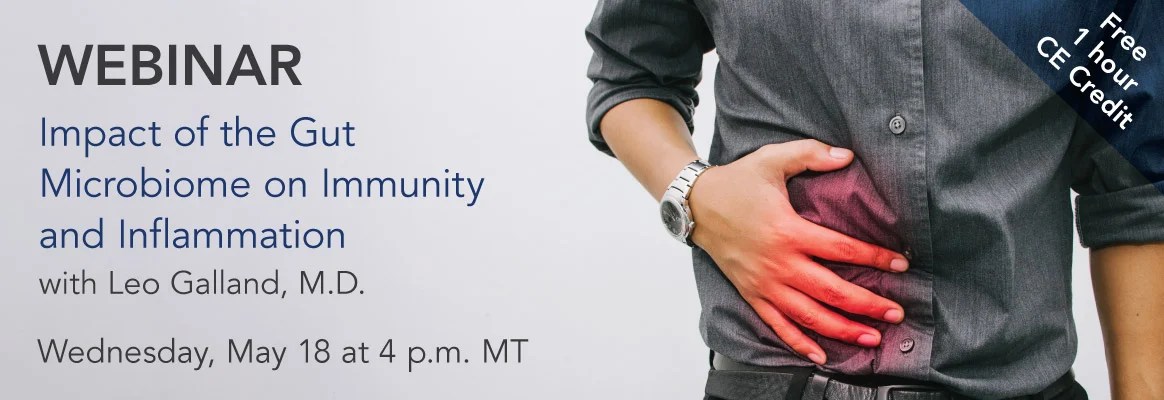
FREE Webinar: Impact of Gut Microbiome on Immunity & Inflammation

https://info.allergyresearchgroup.com/impact-of-the-gut-microbiome-on-immunity-and-inflammation-webinar


Impact of the Gut Microbiome on Immunity and Inflammation

Description 

The gut microbiome consists of a complex set of microbial communities that shape human physiology in multiple ways, both subtle and profound. Two-thirds of the body’s lymphocytes reside in gut-associated lymphoid tissue (GALT) or traverse GALT and return home to other organs. Interaction between gut microbes and GALT creates a basal state of immune activation that starts at the mucosal surface and impacts the entire body. The composition and metabolic activity of intestinal microbes yields effects that promote inflammation and that help resolve inflammation. These effects result from the impact of structural components of microbial cells (e.g., lipopolysaccharides) and metabolites of microbial enzyme activity (e.g., butyrate, hydrogen sulfide).

Recent studies have shown that T-lymphocyte function is especially sensitive to the bacterial composition of the microbiome. The structure and function of the gut microbiome is molded by personal genetics, diet, co-habitation, environmental toxins, hygiene, personal care products, psychosocial stress, intercurrent infections, vitamin D, tryptophan metabolites, nutritional status, medications, herbs, probiotics, and prebiotics. Disturbances in the ecology of the microbiome/host relationship create a condition called dysbiosis, which influences the development and the outcome of many different diseases. The ability to recognize and correct dysbiosis is a skill that can help clinicians improve the outcomes of infectious, allergic, and autoimmune disorders and may aid the immunotherapy of malignancy.

We hope you can join us live on May 18th at 4 PM MT. If not, don’t worry, signing up will still grant you access to the webinar recording.

Time 

2022-05-18 16:00:00 MT
Speaker:
Leo Galland, M.D., is recognized as a world leader in functional and integrative medicine and a pioneer in the study of intestinal permeability and the gut microbiome as they impact immune function and systemic health. Educated at Harvard University and the NYU School of Medicine, he completed a residency in internal medicine at the N.Y.U.-Bellevue Medical Center and held faculty positions at the Albert Einstein College of Medicine, Stony Brook University and the University of Connecticut, where he also completed a fellowship in Behavioral Medicine. He subsequently served as Director of Clinical Research at the Gesell Institute of Human Development in New Haven, Connecticut. Since 1985, he has maintained a private consulting practice in New York City where he evaluates and treats patients with complex medical disorders, who visit him from all over the world. Board certified in internal medicine, he is a Fellow of the American College of Physicians and the American College of Nutrition. Dr. Galland has received the Albert Norris Marquis Lifetime Achievement Award from Marquis Who’s Who for his contributions to medical innovation and the Linus Pauling Award from the Institute of Functional Medicine for developing basic principles of functional medicine. He is recognized in The Leading Physicians of the Worldand America’s Top Doctors. Dr. Galland has contributed to world medical literature with several dozen articles in scientific journals and chapters in medical textbooks. He created the section on Functional Foods for the Encyclopedia of Human Nutrition. An international best-selling author, Dr. Galland has appeared in The New York Times, The Washington Post, The Wall Street Journal, on the Dr. Oz Show, The Today Show, and Good Morning America, PBS, CNN, MSNBC, and Fox. His PBS Special, The Allergy Solution, aired over a thousand times. Since January 2020, he has studied the COVID-19 pandemic in depth, compiling his findings in an online, extensively referenced and free Coronavirus Guidebook, and has created educational videos on the long COVID syndrome.
For more: