Archive for the ‘Bartonella’ Category

Tick Data – 76% Infected With One Organism, 20% Have Three or More Pathogens

https://www.tickcheck.com/statistics?

Each tick submitted for testing contributes to the research being conducted at TickCheck. By keeping records of all the results generated, we have been able to gain valuable insights into disease prevalence and co-infection rates. The comprehensive testing panel has been especially helpful in contributing to this research by ensuring all diseases and coinfections are accounted for when examining a tick.

Our current research shows:
  • 76% of ticks tested have at least one disease causing organism
  • 49% are co-infected with two or more organisms
  • 20% carry three or more
  • 9% of the ticks tested carry four or more

Infection Visualization by Tick Species

All Ticks Tested
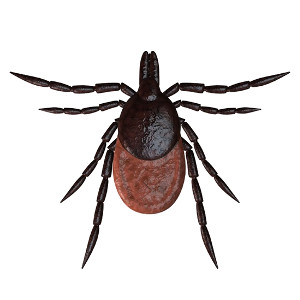
76% Positive for Infection
Negative (24%)
_____________________________
  • 93% Positive for Infection
  • Negative (7%)
  • 63% Positive for Infection
  • Negative (37%)
  • 48% Positive for Infection
  • Negative (52%)

Coinfection Visualization

  • 2+ coinfection 49%
  • No coinfection 51%

Pathogenic Prevalence

The information below shows the positive/negative prevalence ratio of selected pathogens we test for. These pathogens were observed in ticks from the United States and Canada. Data set includes tests performed since TickCheck’s founding in 2014 and is updated in real time. (

Go to link at beginning to filter by state.  I’ve added the 3 listed for Wisconsin next to the entire sample size.  Please note the small sample sizes of WI ticks. 

Borrelia burgdorferi (deer tick) associated with Lyme disease

Sample size of 3,280 ticks.           70 Wisconsin ticks
  • 30% postive                                           33% positive
  • 70% negative                                         67% negative

Borrelia burgdorferi (western blacklegged tick) associated with Lyme disease

Sample size of 279 ticks.
  • 4% positive
  • 96% negative

Borrelia burgdorferi (lone star tick) associated with Lyme disease

Sample size of 899 ticks.
  • 8% positive
  • 92% negative

Borrelia burgdorferi (American dog tick) associated with Lyme disease

Sample size of 901 ticks.
  • 2% positive
  • 98% negative

Anaplasma phagocytophilum associated with anaplasmosis

Sample size of 2,146 ticks.           36 Wisconsin ticks
  • 8% positive                                           11% positive in Wisconsin
  • 92% negative                                        89% negative in Wisconsin

Babesia microti associated with babesiosis

Sample size of 1,894 ticks.           32 Wisconsin ticks
  • 4% positive                                            6% positive
  • 96% negative                                        94% negative

Bartonella spp. associated with bartonellosis

Sample size of 1,060 ticks.
  • 47% positive
  • 53% negative

Ehrlichia chaffeensis associated with ehrlichiosis

Sample size of 857 ticks.
  • 2% positive
  • 98% negative

Rickettsia spp. associated with Rocky Mountain spotted fever

Sample size of 944 ticks.
  • 23% postive
  • 77% negative

Francisella tularensis associated with tularemia

Sample size of 1,028 ticks.
  • 1% positive
  • 99% negative

Borrelia miyamotoi associated with B. miyamotoi

Sample size of 1,091 ticks.
  • 6% postive
  • 94% negative

Borrelia lonestari associated with STARI

Sample size of 831 ticks.
  • 19% postitive
  • 81% negative

Babesia spp. associated with babesiosis

Sample size of 564 ticks.
  • 5% positive
  • 95% negative

Mycoplasma spp. associated with Mycoplasma spp.

Sample size of 948 ticks.
  • 8% positive
  • 92% negative

Borrelia spp. associated with Borrelia spp.

Sample size of 612 ticks.
  • 17% postive
  • 83% negative

Powassan virus Lineage II associated with Deer tick virus

Sample size of 102 ticks.
  • 24% positive
  • 76% negative

Borrelia mayonii associated with Lyme disease

Sample size of 376 ticks.
  • 100% negative

Ehrlichia ewingii associated with ehrlichiosis

Sample size of 283 ticks.
  • 100% negative

Rickettsia amblyommii associated with Rocky Mountain spotted fever

Sample size of 177 ticks.
  • 46% positive
  • 54% negative

__________________

For more about Tickcheckhttps://www.tickcheck.com/about

You can request free tick identification by sending in a quality picture of your tick. Using real-time PCR (Polymerase Chain Reaction), Tickcheck can determine the presence of certain pathogens with an accuracy level of over 99.9%.  All information about how to send in your tick, costs of various tests, time for results, etc. is found here:  https://www.tickcheck.com/info/faq

Jonathan Weber is the founder and CEO of TickCheck and became acutely aware of the dangers of tick-borne diseases after his father caught Lyme during a family trip on the Appalachian Trail.

___________________

**Comment**

This information supports current research showing many patients are infected with numerous pathogens causing more severe illness & requiring far more than the CDC’s mono therapy of doxycycline:  https://madisonarealymesupportgroup.com/2018/10/30/study-shows-lyme-msids-patients-infected-with-many-pathogens-and-explains-why-we-are-so-sick/

It also supports previous work showing coinfections within ticks:  https://madisonarealymesupportgroup.com/2017/05/01/co-infection-of-ticks-the-rule-rather-than-the-exception/

What I want to know is WHY nothing’s being done about this?  Why are people STILL given 21 days of doxycycline when that particular med will not work on numerous pathogens?
Lastly, a word about statistics – this tick data should be used with caution & never to turn sick patients away due to a statistic. If you are the sorry sucker who gets bit by that ONE tick carrying a “statistically insignificant” pathogen, you still got bit and have to deal with it.  
Shame on doctors for turning sick people away due to statistics and maps.
There’s no such thing as an “insignificant” tick bite!

But, Patients are STILL being turned away:  https://madisonarealymesupportgroup.com/2019/04/22/its-just-crazy-why-is-lyme-disease-treatment-so-difficult-to-find-in-mississippi/

https://madisonarealymesupportgroup.com/2019/03/19/jacksonville-family-shares-daughters-9-month-diagnosis-of-rare-disease-which-isnt-rare-lyme/

https://madisonarealymesupportgroup.com/2018/05/31/no-lyme-in-the-south-guess-again/

https://madisonarealymesupportgroup.com/2017/10/24/no-lyme-in-oklahoma-yeah-right/

https://madisonarealymesupportgroup.com/2016/09/24/arkansas-kids-denied-lyme-treatment/  “They had the classic symptoms, they had the bulls eye rash, they had the joint pain, they had fevers and had flu like symptoms, yet we were denied treatment for at least two of them and I don’t understand how this is legal,” said Bowerman.

According to Dr. Naveen Patil, Director of the Infectious Disease Program, ADH,

“We don’t have Lyme Disease in Arkansas, we have the ticks that transmit Lyme Disease but we don’t have any recorded cases of Lyme Disease.” 

Bowerman also received a letter from the clinic stating doctors would no longer treat her children because she consistently questioned their medical advice and recommendations.

This is getting to be way beyond ludicrous.

 

First report of Bartonella Culturing and MLST-based Genotyping From Blood in Southeast European Cat Living With Patient With Bartonella

https://www.ncbi.nlm.nih.gov/m/pubmed/30940084/

First isolation and genotyping of Bartonella henselae from a cat living with a patient with cat scratch disease in Southeast Europe.

Stepanić M, et al. BMC Infect Dis. 2019.

Abstract

BACKGROUND: The bacterial genus Bartonella is distributed worldwide and poses a public health risk. Cat-scratch disease caused by B. henselae in Croatia was first described in 1957. It is present throughout the country: a survey of serum samples from 268 Croatian patients with lymphadenopathy showed that 37.7% had IgG antibodies. Despite this prevalence, we are unaware of reports of Bartonella culturing from infected humans or cats in Croatia or elsewhere in southeast Europe.

CASE PRESENTATION: Here we describe the diagnosis of a 12-year-old child with lymphadenopathy in Croatia with cat-scratch disease based on antibody detection and clinical signs, and the subsequent culturing and genotyping of B.henselae from the cat’s blood. The B. henselae isolate was grown on different blood agar plates and its identity was confirmed based on polymerase chain reaction (PCR) amplification of 16S ribosomal deoxyribonucleic acid (16S rDNA) and sequencing. Multi-locus sequence typing (MLST) identified the strain genotype as sequence type 5, commonly found zoonotic B. henselae strain in cats. The child recovered after azithromycin therapy, and B. henselae in the cat was eliminated within three months after doxycycline treatment.

CONCLUSIONS: This is, to our knowledge, the first report of B. henselae culturing and MLST-based genotyping from cat’s blood in southeast Europe. Our ability to detect B. henselae in blood through culturing but not PCR suggests that the prevalence of infected cats with low bacteremia is very high, suggesting the need to develop faster, more sensitive detection assays.

________________

**Comment**

Bartonella is everywhere and finally getting the press it deserves. Nearly every Lyme/MSIDS patient I know has it yet the U.S. is in denial. 

Perfectly healthy people can become infected without any cat exposure:

 https://madisonarealymesupportgroup.com/2019/01/23/chest-imaging-of-cat-scratch-disease-in-2-year-old-immunocompetent-baby-with-no-history-of-cat-contact/

https://madisonarealymesupportgroup.com/2018/07/10/bartonella-henselae-neuroretinitis-in-patients-without-cat-scratch  All the patients denied a history of a cat or any animal contact, or of having CSD findings.

https://madisonarealymesupportgroup.com/2018/07/05/cat-scratch-disease-in-a-1-5-year-old-girl-case-report/  Healthy 1.5-year-old girl who was seen in hospital for the sparing use of her left arm when crawling. Tested positively for Bartonella henselae.

https://madisonarealymesupportgroup.com/2018/04/03/encephalopathy-in-adult-with-cat-scratch-disease/  Case of a 53-year-old healthy man, presenting with confusion. Serology confirmed Bartonella henselae infection.

https://madisonarealymesupportgroup.com/2019/01/09/transverse-myelitis-guillain-barre-associated-with-bartonella/  Healthy 10 year old girl had coexisting transverse myelitis and Guillain-Barré syndrome (GBS) related to infection with Bartonella henselae.

https://madisonarealymesupportgroup.com/2018/11/05/skull-infection-due-to-bartonella/  While cats are implicated, this 3 year old had no significant medical history, presented at emergency department for a 2-week history of worsening scalp lump with redness.

https://madisonarealymesupportgroup.com/2018/03/04/bartonella-erythema-nodosum-atypical-presentations/  All immunocompetent hosts.

Lastly, this article points out the importance of utilizing blood culture vs PCR for Bartonella.  PCR tests require much less time, less skill to interpret the results, less waste, which all culminate to less cost; however, as you can see from the last item in the list, traditional culture method (TCM) beats out PCR in the area of rare and emerging pathogens.  List below derived from this:  https://instantlabs.com/traditional-culture-methods-or-pcr-which-is-right-for-you/

Differences between TCM & PCR testing:

    • Skill Level Required: Knowing what to look for can be tough when it comes to traditional culture method TCM. While some tests are cut and dry — the organism either grew up or it didn’t — others require a bit of interpretation in order to be correctly read. Bacterial identification is an art form that can take years to perfect. This translates out into higher wages and more skill required for TCM.
    • Time to Result: Bacteria grow on their own schedule. More time spent waiting typically means more cost for TCM.
    • Accuracy: There’s always one oddball out in a crowd, and bacteria are no different. There’s always one cell that just won’t conform to the standardized norm for a species. Because many of the traits that TCM look for are considered non-essential traits by the organism in question, there’s always the possibility that a pathogenic organism could be missed even by the most seasoned technician.
    • Waste Generated: At first glance, the amount of waste each test generates per sample doesn’t seem like an important concern, but it is. Consider this: each pound of waste generated has to be disposed of properly. And because TCM often require both the primary and secondary enrichment to be plated in replicates of 5, all of those plates add up to quite the pile.
    • Cost: It’s not just the cost of reagents that needs to be considered. The longer time required for TCM keeps staff from doing other important tasks, and the differences in the amount of reagents needed. Sure, a single plate may cost only $0.25, but when you’re going through 24 at a time, that can add up quickly.
    • Diversity of Available Tests: This is where TCM beats out Real-Time PCR. There are still some very rare and emerging pathogens where Real-Time PCR tests don’t yet exist – at least not commercially available and approved versions. For these very rare pathogens, TCM is still the method of choice.

There has been a concerted suppression of microscopy for Lyme/MSIDS:  https://madisonarealymesupportgroup.com/2017/12/13/suppression-of-microscopy-for-lyme-diagnostics-professor-laane/

https://madisonarealymesupportgroup.com/2018/05/15/news-release-on-57-1-million-lyme-disease-lawsuit-filed-against-cdc/

This article also reveals how Lida Mattman’s Gold Standard Culture Method has disappeared thanks to this concerted suppression on microscopy.  https://madisonarealymesupportgroup.com/2019/04/02/transmission-of-lyme-disease-lida-mattman-phd/

Could it be that folks sitting on the CDC/NIH/IDSA boards have patents on testing?  YEP! ConflictReport

It is high time authorities allow & promote direct testing for Lyme/MSIDS.


CEO of Galaxy Diagnostics: ‘Important Research is Emerging That Implicates a Range of Fastidious, Low-level Infections in Complex Immunological Disease processes’

https://www.galaxydx.com/galaxys-president-amanda-elam-reflects-on-decade/

Amanda Elam, President and CEO of Galaxy Diagnostics, Reflects on the Past 10 Years

Amanda-headshot-298x300

Amanda Elam, President & CEO of Galaxy Diagnostics


Abstract: Bartonella in Boy with PANS

https://journals.sagepub.com/doi/full/10.1177/1179573519832014

Bartonella henselae Bloodstream Infection in a Boy With Pediatric Acute-Onset Neuropsychiatric Syndrome

First Published March 18, 2019 Case Report

In March 2017, Bartonella spp. serology (indirect fluorescent antibody assays) and polymerase chain reaction (PCR) amplification, DNA sequencing, and Bartonella enrichment blood culture were used on a research basis to assess Bartonella spp. exposure and bloodstream infection, respectively. PCR assays targeting other vector-borne infections were performed to assess potential co-infections.

For 18 months, the boy remained psychotic despite 4 hospitalizations, therapeutic trials involving multiple psychiatric medication combinations, and immunosuppressive treatment for autoimmune encephalitis. Neurobartonellosis was diagnosed after cutaneous lesions developed. Subsequently, despite nearly 2 consecutive months of doxycycline administration, Bartonella henselae DNA was PCR amplified and sequenced from the patient’s blood, and from Bartonella alphaproteobacteria growth medium enrichment blood cultures. B henselae serology was negative. During treatment with combination antimicrobial chemotherapy, he experienced a gradual progressive decrease in neuropsychiatric symptoms, cessation of psychiatric drugs, resolution of Bartonella-associated cutaneous lesions, and a return to all pre-illness activities.


Please note that this boy would be in a psych ward if not treated with antimicrobials for Bartonella.


Case Series: Bartonella & Ocular Manifestations

https://www.ncbi.nlm.nih.gov/pubmed/30852734

2019 Mar 9. doi: 10.1007/s10792-019-01096-7. [Epub ahead of print]

Bartonella henselae- and quintana-associated uveitis: a case series and approach of a potentially severe disease with a broad spectrum of ocular manifestations.

Abstract

PURPOSE:

To evaluate the clinical manifestations of intraocular inflammation associated with Bartonella infection and describe the assessment and management of patients with cat-scratch disease (CSD).

METHODS:

This is a retrospective review of the clinical records of patients diagnosed with Bartonella henselae and Bartonella quintana intraocular inflammation from 2011 to 2018 in the Department of Ocular Inflammations and Infections of the University Eye Clinic of Ioannina (Greece). An analysis of the current literature concerning Bartonella-related intraocular infections was also carried out.

RESULTS:

This is a retrospective study of 13 patients (7 males and 6 females) with a mean age of 39.2 years that were diagnosed with unilateral intraocular inflammation, except one case with bilateral affection, attributed to Bartonella (either henselae or quintana). Twelve (12) patients (92.3%) had a positive history of traumatic cat contact. The main ocular clinical findings with regard to the type of uveitis included neuroretinitis in 5 eyes (38.5%), vasculitis in 3 eyes (23.1%), iridocyclitis in 2 eyes (15.4%), intermediate uveitis in 2 eyes (15.4%), posterior uveitis in 1 eye (7.7%), panuveitis in 2 eyes (15.4%), retinochoroiditis in 2 eyes (15.4%), vitritis in 1 eye (7.7%), peripheral choroidal granuloma in 1 eye (7.7%). Immunoglobulin (Ig) G was positive in all cases. All patients were treated with antibiotics (mainly rifampicin, doxycycline and azithromycin). The visual acuity was noted to be improved in all patients after treatment, but some of them experienced disturbing complications.

CONCLUSION:

CSD may manifest with various ocular pathological findings. Taking into consideration the increasing frequency of infections by B. henselae and B. quintana, clinicians should always incorporate CSD in the differential diagnosis of such presentations of uveitis. Educating vulnerable groups (children, immunosuppressed, etc.) and also general population, the appropriate preventing measures can contribute in limiting the risk of infection.

______________

**Comment**

While this study showed a high percentage with cat contact, many have become infected with Bartonella who were completely healthy and had no contact with cats:  https://madisonarealymesupportgroup.com/2019/03/02/skin-inflammation-nodules-letting-the-cat-out-of-the-bag/  I include links after the abstract.

Also, Bartonella can cause severe psychiatric symptoms:  https://madisonarealymesupportgroup.com/2019/03/24/cat-scratch-disease-caused-teens-schizophrenia-like-symptoms-report-says/

More on Bartonella & ocular manifestations:  https://madisonarealymesupportgroup.com/2018/09/06/ocular-manifestations-of-bartonellosis/

https://madisonarealymesupportgroup.com/2017/10/23/opthalmic-manifestations-of-bartonella-infection/

https://madisonarealymesupportgroup.com/2017/07/21/bartonella-and-neuroretinitis/

https://madisonarealymesupportgroup.com/2018/07/10/bartonella-henselae-neuroretinitis-in-patients-without-cat-scratch/

Bartonella Treatment:  https://madisonarealymesupportgroup.com/2016/01/03/bartonella-treatment/

More on Bartonella:  https://madisonarealymesupportgroup.com/2019/02/27/advanced-imaging-found-bartonella-around-pic-line/  Slides within link.  Links included to give to Dr. Ericson’s research on Bartonella.