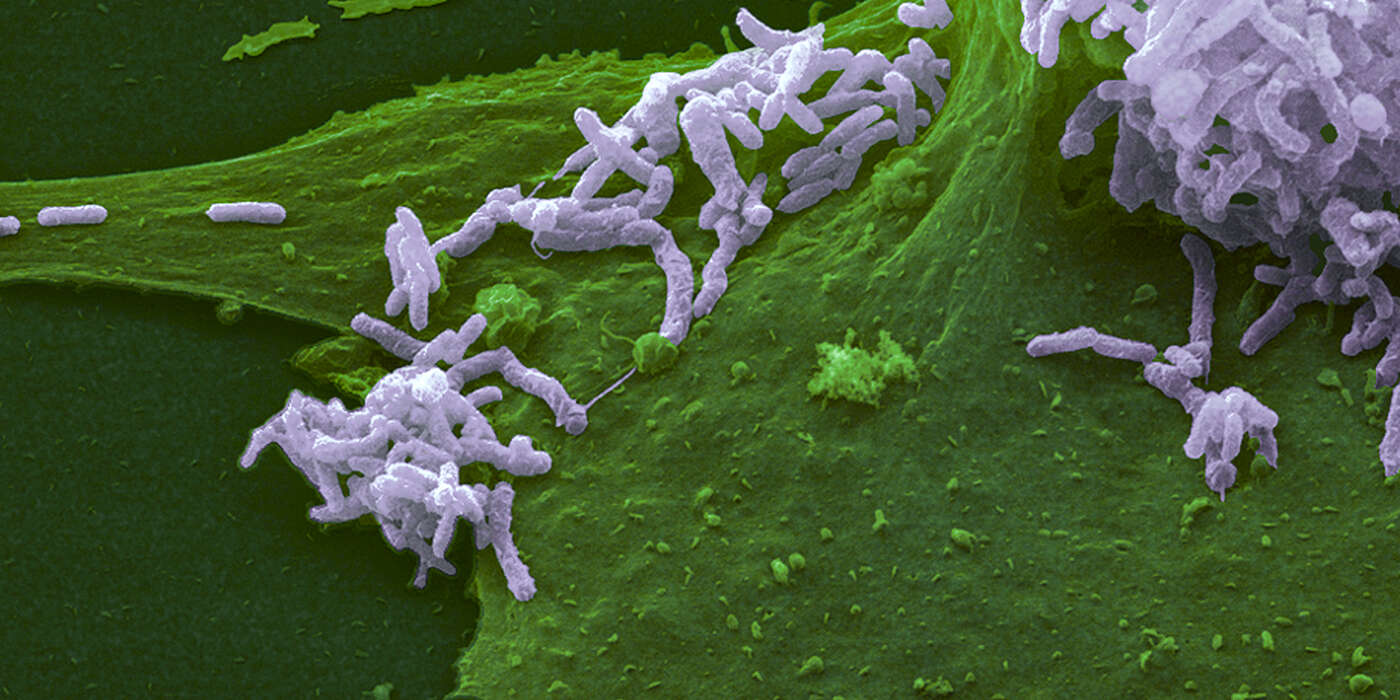
Archive for the ‘Bartonella’ Category

Study: 92% of Pediatric Bipolar Disorder Had Evidence of Tick-Borne Exposure

https://www.frontiersin.org/journals/child-and-adolescent-psychiatry/articles/10.3389/frcha.2025.1685016/full

ORIGINAL RESEARCH article

Front. Child Adolesc. Psychiatry, 05 November 2025

Sec. Developmental Psychopathology and Mental Health

Volume 4 – 2025 | https://doi.org/10.3389/frcha.2025.1685016

This article is part of the Research TopicSevere Mental Illnesses in Children: Unravelling Developmental Trajectories, Neuropsychiatric Impairments, and Chronic PainView all 3 articles

Investigating the frequency of tick-borne infections in a case series of 37 youth diagnosed with pediatric bipolar disorder

  • 1Medical Arts Psychotherapy Associates, P.A., Summit, NJ, United States
  • 2Overlook Medical Center, Summit, NJ, United States

Introduction: This retrospective chart review examined 37 youth with pediatric bipolar disorder from a private practice in the Lyme-endemic state of New Jersey, expanding on findings from 27 previously reported cases to explore the potential contribution of tick-borne infections to disease etiology.

Methods: Diagnoses were based on DSM-IV-TR and DSM-V criteria using parent and child interviews, questionnaires, and school reports. Initial screening evaluated for possible PANDAS/PANS, with testing for Group A beta-hemolytic streptococcus, Borrelia burgdorferiBabesiaBartonella, and Mycoplasma pneumoniae. Lyme disease testing included ELISA, Western Blot (IgM/IgG), and immunoblots, interpreted per CDC guidelines. Other pathogens were assessed via IgM/IgG titers, anti-streptolysin O, anti-DNAase B, fluorescent in situ hybridization, and blood cultures. A positive diagnosis required both laboratory evidence and clinician confirmation.

Results: Babesia was detected in 51% (19/37), Bartonella in 49% (18/37), Mycoplasma pneumoniae in 38% (14/37), Borrelia burgdorferi in 22% (8/37), and Group A Streptococcus in 19% (7/37).

Overall, 92% (34/37) had evidence of tick-borne exposure, with 81% (30/37) meeting both laboratory and clinical criteria.

Discussion: More than three-quarters of the cohort demonstrated confirmed tick-borne infections. Overlaps between bipolar disorder and tick-borne illness—such as immune dysregulation, chronic symptomatology, and responsiveness to treatments like minocycline and anti-inflammatory agents—support further exploration of infectious contributors to pediatric bipolar disorder. While limited by its single-practice retrospective design, these findings suggest that tick-borne pathogens may play a role in the pathogenesis of bipolar symptoms in youth, warranting larger, controlled studies.

For More:

How Microbes Like Lyme May Trigger Alzheimer’s & Cognitive Decline

http://  Approx. 15 Min

 
Dr. Brian J. Balin, Professor of Neuroscience and Neuropathology and Director of the Center for Chronic Disorders of Aging at the Philadelphia College of Osteopathic Medicine (PCOM), shares how decades of research have revealed a possible infectious origin to Alzheimer’s disease.
 
His pioneering discovery that the respiratory bacterium Chlamydia pneumoniae infects brain tissue helped establish the Pathogen Hypothesis of Alzheimer’s disease.
 
His continuing work explores how tick-borne microbes—including Borrelia burgdorferi (Lyme disease), Bartonella, and Babesia—interact with other pathogens to drive neuroinflammation and cognitive decline.
 
Dr. Balin discusses how pathogens such as Chlamydia pneumoniae, Borrelia burgdorferi, Bartonella, and Babesia have been detected in Alzheimer’s brain tissue; evidence that microbes may enter the brain through the olfactory system or blood-brain barrier, initiating inflammation, amyloid buildup, and tau pathology; and findings from his collaboration with Galaxy Diagnostics and Nicole Bell, identifying polymicrobial infections—including Babesia otocoli, a species previously thought to affect only deer—in human brain tissue.
 
He explains how 3D brain organoids and animal models reveal infection-driven neurodegeneration, why infection must be viewed as part of the exposome—the lifetime accumulation of environmental exposures—and how future treatments such as immune-modulating drugs, antimicrobials, and phage therapy could change care.
 
This episode underscores how microbes, including those transmitted by ticks, may play a significant role in neuroinflammation, cognitive decline, and Alzheimer’s disease.
 
Recorded live at the 2nd Annual Alzheimer’s Pathobiome Initiative (AlzPI) and PCOM Symposium (October 2025) at Ohio University, Dublin, Ohio.
 
Learn more at AlzPI.org. Listen to Tick Boot Camp Podcast Episode 406 “Pathobiome – Interview with Nikki Schultek” and Episode 101 “The Young Gun – Interview with Alex (Ali) Moresco” at TickBootCamp.com
 
For Dr. Balin’s publications and ongoing research, visit pcom.edu.
 
For more:

Landmark Study: Vaccination is the Dominant Risk Factor For Autism

UPDATE:

Go here to listen to Nicolas Hulscher and Dr. Andrew Wakefield discuss the landmark autism report.

https://www.thefocalpoints.com/p/breaking-landmark-report-finds-vaccination?

BREAKING — Landmark Report Finds Vaccination Is the Dominant Risk Factor for Autism Spectrum Disorder

McCullough Foundation’s authoritative analysis of more than 300 studies provides the most comprehensive synthesis to date on the possible causes of autism.

For decades, scientists have debated what drives the relentless rise in autism. Some have claimed it’s due to “increased screening” while others declare it’s anything but vaccines. Thousands of studies have explored genetic, environmental, and perinatal factors—but very few have ever examined vaccine and non-vaccine determinants together within a unified analytical framework.

Now, the landmark McCullough Foundation Report titled, Determinants of Autism Spectrum Disorder, provides the most comprehensive synthesis on the possible causes of autism to-date. Thanks to the tireless work of Nicolas Hulscher, MPH, John S. Leake, MA, Simon Troupe, MPH, Claire Rogers, MSPAS, PA-C, Kirstin Cosgrove, BM, CCRA, M. Nathaniel Mead, MSc, PhD, Bre Craven, PA-C, Mila Radetich, Andrew Wakefield, MBBS, and Peter A. McCullough, MD, MPH — and support from the Bia-Echo Foundation — this historic effort was made possible.

Our report represents a major breakthrough through the iron grip of censorship imposed by the Bio-Pharmaceutical Complex on the issue of vaccination and autism. It also marks Dr. Andrew Wakefield’s first major return to the scientific literature in years—after enduring years of irrational attacks from the vaccine cartel.

By systematically integrating more than 300 studies across epidemiologic, clinical, mechanistic, and molecular domains, our team delivers the most extensive mapping yet of autism’s multifactorial origins and opens a new line of inquiry into how environmental and iatrogenic exposures intersect with genetic susceptibility.

By evaluating all known risk factors side by side, this analysis uniquely clarifies the relative contribution of vaccination compared to genetic and environmental domains. No prior review has attempted this integrative scope without excluding positive vaccine-association studies or unvaccinated controls—an essential step in determining whether vaccines truly play a role in autism risk, and if so, how significant that role is within the broader causal landscape.

Here’s what we found as described in the Abstract:

Introduction: Autism spectrum disorder (ASD) is now estimated to affect more than 1 in 31 children in the United States, with prevalence rising sharply over the past two decades and posing an increasing burden to families and public health systems. Most of the literature on ASD characterizes it as a complex neurodevelopmental condition shaped by multiple determinants, including genetic liability, immune dysregulation, perinatal stressors, and environmental toxicants. Since 1996, the possible role of childhood vaccination has also been discussed and debated. This review synthesizes the full range of evidence to clarify both vaccine-related and non-vaccine contributors to ASD risk.

Methods: We comprehensively examined epidemiologic, clinical, and mechanistic studies evaluating potential ASD risk factors, assessing outcomes, exposure quantification, strength and independence of associations, temporal relationships, internal and external validity, overall cohesiveness, and biological plausibility.

Results: We found potential determinants of new onset ASD before the age of 9 years old to include: older parents (>35 years mother, >40 years father), premature delivery before 37 weeks of gestation, common genetic variants, siblings with autism, maternal immune activation, in utero drug exposure, environmental toxicants, gut-brain axis alterations and combination routine childhood vaccination. These diverse genetic, environmental, and iatrogenic factors appear to intersect through shared pathways of immune dysregulation, mitochondrial dysfunction, and neuroinflammation, culminating in neurodevelopmental injury and regression in susceptible children. Of 136 studies examining childhood vaccines or their excipients, 29 found neutral risks or no association, while 107 inferred a possible link between immunization or vaccine components and ASD or other neurodevelopmental disorders (NDDs), based on findings spanning epidemiologic, clinical, mechanistic, neuropathologic, and case-report evidence of developmental regression. 12 studies comparing routinely immunized versus completely unvaccinated children or young adults consistently demonstrated superior overall health outcomes among the unvaccinated, including significantly lower risks of chronic medical problems and neuropsychiatric disorders such as ASD. The neutral association papers were undermined by absence of a genuinely unvaccinated control group—with partial or unverified immunization even among those classified as unvaccinated—alongside registry misclassification, ecological confounding, and averaged estimates that obscure effects within vulnerable subgroups. Only a few case–control studies verified vaccination through medical records or parent-held cards, and none performed independent clinical assessments of the children for ASD. In contrast, the positive association studies found both population signals (ecologic, cohort, case–control, dose–response, and temporal clustering) and mechanistic findings converging on biologic plausibility: antigen, preservative, and adjuvant (ethyl mercury and aluminum) induced mitochondrial and neuroimmune dysfunction, central nervous system injury, and resultant incipient phenotypic expression of ASD. Clustered vaccine dosing and earlier timing of exposure during critical neurodevelopmental windows appeared to increase the risk of ASD. These findings parallel strong, consistent increases in cumulative vaccine exposure during early childhood and the reported prevalence of autism across successive birth cohorts. To date, no study has evaluated the safety of the entire cumulative pediatric vaccine schedule for neurodevelopmental outcomes through age 9 or 18 years. Nearly all existing research has focused on a narrow subset of individual vaccines or components—primarily MMR, thimerosal-containing, or aluminum-adjuvanted products—meaning that only a small fraction of total childhood vaccine exposure has ever been assessed for associations with ASD or other NDDs.

Conclusion: The totality of evidence supports a multifactorial model of ASD in which genetic predisposition, neuroimmune biology, environmental toxicants, perinatal stressors, and iatrogenic exposures converge to produce the phenotype of a post-encephalitic state. Combination and early-timed routine childhood vaccination constitutes the most significant modifiable risk factor for ASD, supported by convergent mechanistic, clinical, and epidemiologic findings, and characterized by intensified use, the clustering of multiple doses during critical neurodevelopmental windows, and the lack of research on the cumulative safety of the full pediatric schedule. As ASD prevalence continues to rise at an unprecedented pace, clarifying the risks associated with cumulative vaccine dosing and timing remains an urgent public health priority.

(See link for article)
__________________
For more:

When Lyme Stopped My Childhood

https://magazine.publichealth.jhu.edu/2025/when-lyme-stopped-my-childhood

When Lyme Stopped My Childhood

The tickborne disease stole years of my life, but it also revealed my superpower.
By Kristen Johansson
10/10/25

I was 11 when my body changed. First came the fevers and headaches. Then tremors. Then seizures.  

Joint pain and frequent injuries meant sports disappeared. Brain fog and panic attacks meant school did too. By eighth grade in 2019, I was absent from most everything that had once defined me. I went from being a straight-A, four-sport student with a thriving social life to spending Thanksgiving and Christmas in the hospital. 

After two and a half years of severe illness, 30 doctors, and multiple misdiagnoses, I finally had an answer in 2020: Lyme disease, bartonellosis, and babesiosis. The diagnoses of three tickborne diseases brought some hope, but names alone couldn’t bring relief. My immune system was so depleted that a bout of mononucleosis that year broke me. 

I lost the ability to read. To walk. To talk. To eat. Even my short-term memory failed. My body stopped producing blood, making testing impossible. The hospital sent me home and told my family to prepare for me to die. 

But immunotherapy and aggressive treatment with long-term antibiotics, countless supplements, and daily injections gave me back pieces of myself. The first time I could read again, I clutched the words like they were oxygen. 

More than novels or school assignments, it was research that became my anchor. I became a detective, immersing myself in a cold case file of my old lab results and new studies, searching for answers that puzzled even my doctors. My days blurred into hours of YouTube lectures and Q&As from experts—each lesson a clue helping me to decipher how an infection could ripple through so many parts of me. When my liver could no longer withstand the harsh drugs I’d been taking for years, I researched alternatives, drawing on pioneering studies by Johns Hopkins researchers. I brought printed copies of these articles on herbal therapies to my doctors, ultimately shaping the protocols that led me to remission. (See link for article)

_______________

**Comment**

Completely relatable.

Similar stories only the names have been changed….

For more:

Lyme Treatment Explained: Co-infections & Complex Cases

https://imahealth.substack.com/p/lyme-treatment-explained-co-infections

Lyme Treatment Explained: Co-infections and Complex Cases

IMA Senior Fellow Dr. Yusuf (JP) Saleeby hosts Part 3 in a series of Weekly Webinars on diagnosing and treating Lyme Disease.

Speakers: Dr. Yusuf (JP) Saleeby, Dr. Tom Moorcroft, Chris Jackman, FNP

Lyme disease is notoriously difficult to treat, but it’s even more complex than most realize. That’s because Lyme doesn’t always travel alone. Associated tick-borne co-infections like Bartonella and Babesia can mimic or mask Lyme symptoms, requiring different treatments to resolve. This reality turns Lyme treatment into a winding, uncertain road for patients and providers alike.

Luckily, we’ve enlisted some of the world’s top experts in Lyme and chronic disease to help demystify this debilitating condition. Join IMA Senior Fellow Dr. JP Saleeby as he hosts a practical conversation with Lyme specialist Dr. Tom Moorcroft and integrative nurse practitioner Chris Jackman. Together, they’ll break down what makes Lyme so persistent, how co-infections complicate recovery, and what successful treatment protocols can look like in the real world.

This is the third installment in IMA’s Lyme Disease series—an essential session for patients, practitioners, and anyone trying to make sense of this often-misunderstood chronic condition. Catch up with the previous episodes here:  (See link for article and video seminars)

More from IMA on Lyme:

Check out our ever-expanding Lyme Library for more:

_________________

For more:

One things for sure: a multi-drug combination is required for this.  Doctors who still prescribe ONE drug for this are hopelessly in the dark.  I would even add that ONE drug for an acute case isn’t enough and that tinidazole should be pulsed along with daily doxycycyline or minocycline until symptoms are completely gone.  I would also recommend blood ozone – the stronger the betterEBOO preferably.  If other coinfection symptoms arise – then the drugs that are effective for them should be layered in.  This is no joke, and the days of treating this passively are long gone.  Wake up doctors and do the right thing!