Archive for the ‘Bartonella’ Category

Lyme Disease Coinfections & the Brain

http://

Feb 26, 2026
Clinical Strategies for Neuropsychiatric and Neurological Recovery
Join Dr. Aylin Ozdemir for an expert-led exploration of the neurological and neuropsychiatric complexities of Lyme disease and associated co-infections, based on a recently published peer-reviewed research paper (June 2025).
This webinar examines why Lyme disease is frequently misdiagnosed in patients presenting with cognitive, behavioural, and neurological symptoms, and how expanded diagnostic approaches can reveal underlying immune dysregulation and neuroinflammation when standard testing falls short.
Drawing from real-world clinical cases, viewers will learn about integrative therapeutic approaches to support neurological and neuropsychiatric recovery. We’ll explore practical strategies to better recognise, treat, and support recovery in complex neuro-Lyme presentations:
Why Lyme disease often presents as psychiatric or neurological illness The limitations of standard testing How expanded diagnostics improve detection Clinical insight: Real-world case examples Recognising complex neuropsychiatric presentations Integrative therapeutic approaches: Antimicrobial strategies Immune modulation Neuroprotective and mitochondrial support Long-term maintenance protocols to help reduce relapse Dr. Kunal Garg provides a brief overview of the application of CARE Guidelines, highlighting the importance of rigorous case documentation and high-quality publishing in advancing evidence-informed Lyme disease care.
For more:

Bartonella and Borrelia-Related Disease Presenting as a Neurological Condition Revealing the Need for Better Diagnostics

https://www.mdpi.com/2076-2607/12/1/209

Bartonella and Borrelia-Related Disease Presenting as a Neurological Condition Revealing the Need for Better Diagnostics

by Marna E. Ericson1, B. Robert Mozayeni1, Laurie Radovsky2 and Lynne T. Bemis3,*
1T Lab Inc., Gaithersburg, MD 20878, USA
2Laurie Radovsky, M.D. LLC., St. Paul, MN 55102, USA
3Department of Biomedical Sciences, Medical School Duluth Campus, University of Minnesota, Duluth, MN 55812, USA
*Author to whom correspondence should be addressed.
Microorganisms 202412(1), 209; https://doi.org/10.3390/microorganisms12010209
Submission received: 21 December 2023 / Revised: 16 January 2024 / Accepted: 18 January 2024 / Published: 19 January 2024
(This article belongs to the Special Issue Bartonella and Bartonellosis: New Advances and Further Challenges)

Abstract

The diagnostic tests available to identify vector-borne pathogens have major limitations. Clinicians must consider an assortment of often diverse symptoms to decide what pathogen or pathogens to suspect and test for. Even then, there are limitations to the currently available indirect detection methods, such as serology, or direct detection methods such as molecular tests with or without culture enrichment. Bartonella spp., which are considered stealth pathogens, are particularly difficult to detect and diagnose. We present a case report of a patient who experienced a spider bite followed by myalgia, lymphadenopathy, and trouble sleeping. She did not test positive for Bartonella spp. through clinically available testing. Her symptoms progressed and she was told she needed a double hip replacement. Prior to the surgery, her blood was submitted for novel molecular testing, where Bartonella spp. was confirmed, and a spirochete was also detected. Additional testing using novel methods over a period of five years found Bartonella henselae and Borrelia burgdorferi in her blood.
This patient’s case is an example of why new diagnostic methods for vector-borne pathogens are urgently needed and why new knowledge of the variable manifestations of Bartonellosis need to be provided to the medical community to inform and heighten their index of suspicion.
_____________
**Comment**
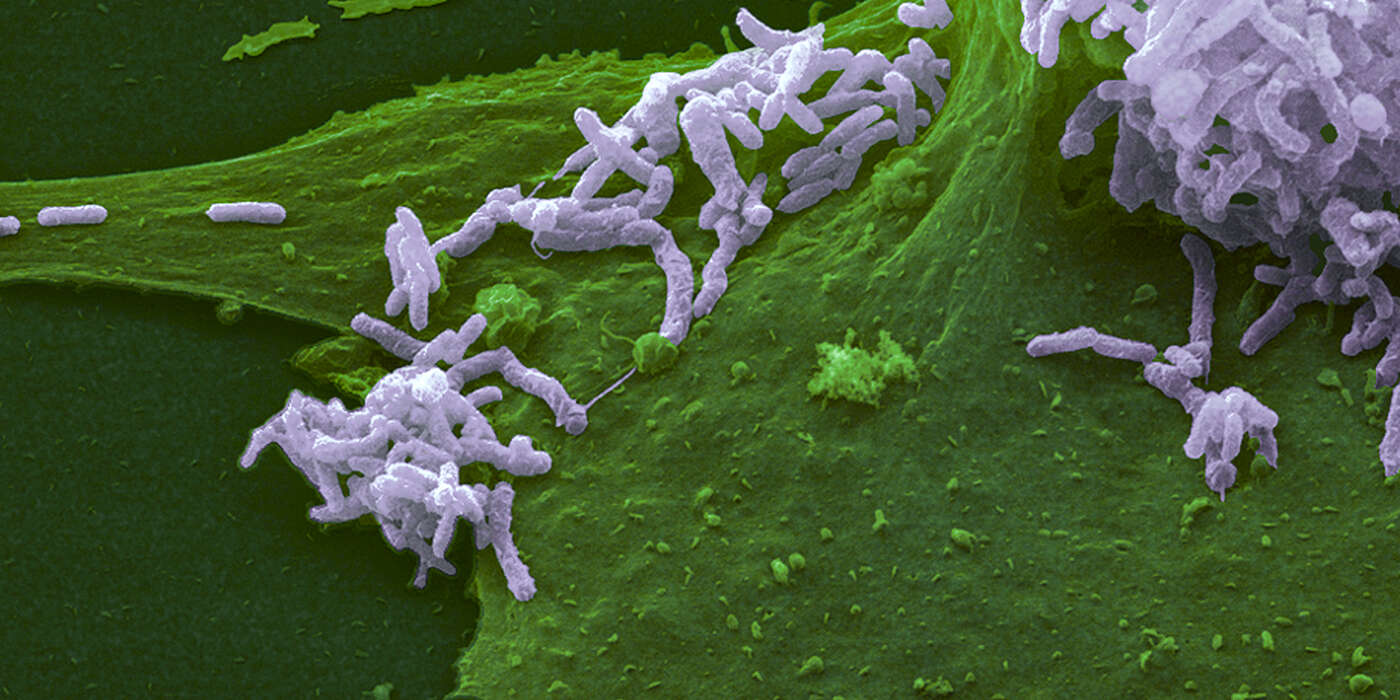
You will recognize Marna Ericson’s name as her son had a severe bartonella infection.  She managed to take advanced imaging techniques on samples and found Bartonella alive and well in tissues surrounding where a PIC line had been removed.  She has teamed up with other researchers investigating Bartonella.  We can be extremely thankful for their work.
For more:

The Hidden Truth About TBIs: IBS Treatment Center Article

https://www.ibstreatmentcenter.com/blogs/the-hidden-truth-about-tick-borne-illnesses

The Hidden Truth About Tick-Borne Illnesses

Dr Stephen Wangen
September 9, 2025

Today I want to talk with you about something that is often misunderstood and more common than most people realize: tick-borne illnesses.

When most people hear about tick-borne diseases, the first thing that comes to mind is Lyme disease—and usually only in the context of the northeastern United States. Maybe you’ve even heard about the “classic bullseye rash” that’s supposed to make Lyme easy to recognize. But the truth is much more complex—and more concerning.

Tick-Borne Illnesses Are Everywhere

One of the biggest misconceptions is that tick-borne diseases are only a problem in New England or a handful of rural areas. The reality is: ticks are found in every state in the U.S. They thrive in woodlands, grassy fields, parks, and even suburban backyards.

As our climate changes and animal populations shift, ticks are spreading into areas where they weren’t as common before. That means people all across the country—from the Pacific Northwest, to the Midwest, to the Southeast, and yes, the Southwest—are at risk of exposure.

More Than Just Lyme Disease

Yes, Lyme disease is the most well-known tick-borne illness. But ticks can and do carry and transmit many other infections, including:

• Babesiosis

• Anaplasmosis

• Ehrlichiosis

• Rocky Mountain spotted fever

• Bartonella

• And other infections

Each of these can cause significant health problems, and in many cases, people may not even realize that a tick bite was the original cause of their symptoms.

The Bullseye Rash Myth

Let’s talk about the rash. We’ve all heard about the “classic bullseye” rash that’s associated with Lyme disease. But here’s what most people don’t know:

• The majority of patients never develop a bullseye rash.

• Some might get a rash that looks nothing like the pictures online.

• Others may not have any noticeable skin reaction at all.

That means you can still have a tick-borne illness even if you’ve never seen a rash.  (See link for article)

_____________

**Comment**

Good article except for the climate change bit.  I won’t pontificate but if you are unfamiliar with this, please read:


Coinfection in Lyme Disease: Clinical Impact, Diagnostic Challenges, and Therapeutic Perspectives

https://www.mdpi.com/2076-2607/14/2/325

Tick-Borne Co-Infection in Lyme Disease: Clinical Impact, Diagnostic Challenges, and Therapeutic Perspectives

by Georgi Popov, Dzhaner Bashchobanov* and Radina Andonova
Clinic of Infectious Diseases, Sofiamed Hospital, 1797 Sofia, Bulgaria
*Author to whom correspondence should be addressed.
Microorganisms 202614(2), 325; https://doi.org/10.3390/microorganisms14020325
Submission received: 8 January 2026 / Revised: 27 January 2026 / Accepted: 28 January 2026 / Published: 30 January 2026
Abstract
Tick-borne co-infections are an increasingly recognized and clinically important aspect of Lyme borreliosis, particularly in regions where Ixodes ticks transmit a wide range of bacterial, protozoan, and viral pathogens. In addition to Borrelia burgdorferi sensu lato, these ticks frequently harbor microorganisms such as Babesia spp.,   Anaplasma phagocytophilumEhrlichia spp., Borrelia miyamotoiBartonella spp., and several tick-borne viruses. Co-infections may increase disease severity, prolong symptom duration, and contribute to atypical or overlapping clinical presentations, thereby complicating diagnosis and management. Growing evidence from epidemiological studies, clinical case series, and experimental in vivo and in vitro models indicates that pathogen–pathogen and pathogen–host interactions can modulate immune responses and influence disease progression. Diagnostic challenges arise from non-specific clinical features and limitations of current laboratory methods. From a therapeutic perspective, although standard antibiotic regimens for Lyme disease are effective against some bacterial co-infections, they do not provide coverage for protozoan or viral agents, necessitating pathogen-specific and, in some cases, combination treatment strategies. This review synthesizes current knowledge on the epidemiology, clinical impact, diagnostic limitations, and treatment approaches for tick-borne co-infections associated with Lyme disease, and highlights critical evidence gaps and future research directions to improve patient outcomes.
For more:

Lyme Disease Co-Infections: What You Need to Know

https://danielcameronmd.com/coinfections-backup/

Lyme Disease Loneliness
Jan31

Lyme Disease Co-infections: What You Need to Know

Lyme disease co-infections occur when a single tick bite transmits multiple pathogens. Up to 40% of Lyme patients in some regions also carry Babesia, Bartonella, Anaplasmosis, or Ehrlichia—yet these infections are frequently missed.

When co-infections go unrecognized, patients don’t fully recover. Standard Lyme treatment won’t clear a parasite like Babesia or intracellular bacteria like Anaplasmosis. Understanding lyme disease co-infections is essential for anyone who isn’t getting better despite treatment.


Why Co-infections Matter

Ticks don’t carry just one pathogen—they can harbor several at once. A single bite can transmit:

  1. Bacteria — Borrelia (Lyme), Anaplasma, Ehrlichia, Bartonella
  2. Parasites — Babesia species
  3. Viruses — Powassan, others

Co-infections typically make symptoms more severe, treatment more complicated, and recovery longer. Patients with multiple infections often experience symptoms that don’t fit neatly into one diagnosis—which leads to confusion, misdiagnosis, and delayed care.

If you’ve been treated for Lyme disease but still feel sick, a co-infection may be the reason.


Babesia

Babesia is a malaria-like parasite that infects red blood cells. It’s the most common Lyme disease co-infection in the Northeast and Midwest, with up to 40% of Lyme patients in some areas also testing positive.

Key symptoms:

  1. Drenching night sweats
  2. Air hunger (shortness of breath with normal oxygen)
  3. Profound fatigue beyond typical Lyme exhaustion
  4. Cycling fevers and chills

Why it’s missed: Standard Lyme antibiotics don’t work against Babesia. Patients improve on doxycycline, then relapse—because the parasite was never treated.

Treatment: Requires antiparasitic medications (typically atovaquone + azithromycin), not standard Lyme antibiotics.

Babesia Resources

→ Babesia and Lyme: What Patients Need to Know — Comprehensive guide with 57 articles covering symptoms, testing, treatment, and more.


Bartonella

Bartonella species cause several human diseases, most famously “cat scratch fever.” While traditionally associated with flea bites and cat scratches, Bartonella has been found in ticks—including black-legged ticks that transmit Lyme.

Key symptoms:

  1. Streak-like rash (in some patients)
  2. Swollen lymph nodes
  3. Neuropsychiatric symptoms — anxiety, irritability, rage
  4. Fatigue, headaches, fever

Why it’s missed: Testing is unreliable, and many physicians don’t consider tick-borne Bartonella. Psychiatric symptoms may be attributed to stress or mental illness rather than infection.

Related Reading: Bartonella

  1. Case Reports: Bartonella Associated with Psychiatric Symptoms
  2. ALS and MS Suspected in Woman Later Diagnosed with Bartonella and Lyme
  3. Babesia Bartonella: Neuropsychiatric Symptoms in Children

Anaplasmosis

Anaplasmosis (formerly Human Granulocytic Ehrlichiosis) is caused by the bacterium Anaplasma phagocytophilum. It’s transmitted by the same black-legged tick that carries Lyme disease.

Key symptoms:

  1. High fever, chills
  2. Severe headache
  3. Muscle aches
  4. Fatigue, malaise

Why it’s missed: Symptoms overlap with Lyme and other flu-like illnesses. Without specific testing, Anaplasmosis is often overlooked—especially when Lyme is already diagnosed.

Treatment: Responds to doxycycline, the same antibiotic used for Lyme. However, treatment duration and monitoring may differ when co-infection is present.

Related Reading: Anaplasmosis
  1. Babesia Anaplasmosis: Cognitive Impairment in Co-infection
  2. Tick Bite Multiple Co-infections: One Bite, Many Pathogens

Ehrlichia

Ehrlichiosis is caused primarily by Ehrlichia chaffeensis and transmitted by the Lone Star tick. It attacks white blood cells, potentially causing severe illness if untreated.

Key symptoms:

  1. Fever, headache
  2. Fatigue, muscle aches
  3. Nausea, vomiting
  4. Confusion (in severe cases)

Why it’s missed: Similar presentation to Anaplasmosis and other tick-borne diseases. Geographic distribution differs—Ehrlichiosis is more common in the Southeast and South-Central U.S.

Treatment: Doxycycline is the treatment of choice. Delayed treatment can lead to hospitalization.


Other Tick-Borne Infections

The list of tick-borne diseases continues to grow:

  1. STARI (Southern Tick-Associated Rash Illness) — EM-like rash from Lone Star tick, causative agent unknown
  2. Rocky Mountain Spotted Fever — Severe, potentially fatal if untreated
  3. Powassan Virus — Rare but serious neurological infection
  4. Borrelia miyamotoi — Relapsing fever-like illness
  5. Rickettsiosis — Various spotted fever group infections

When to Suspect Co-infections

Consider lyme disease co-infections if:

  1. Symptoms are unusually severe
  2. You’re not improving with standard Lyme treatment
  3. You relapse after completing antibiotics
  4. Night sweats, air hunger, or high fevers are prominent
  5. Neuropsychiatric symptoms don’t fit the typical Lyme pattern

Co-infections don’t always show up on tests. Clinical judgment—based on symptoms, exposure history, and treatment response—often guides diagnosis.


Frequently Asked Questions

Can you get multiple infections from one tick bite?

Yes. A single tick can carry several pathogens simultaneously, transmitting them all in one bite. This is why co-infections are so common in Lyme patients.

Why don’t standard Lyme antibiotics work for all co-infections?

Lyme disease is bacterial, but Babesia is a parasite—it requires antiparasitic medications. Bartonella may need different antibiotics than those used for Lyme. Each pathogen requires targeted treatment.

How are co-infections diagnosed?

Testing exists for most co-infections, but sensitivity varies. Blood smears, PCR, and antibody tests each have limitations. Clinical diagnosis based on symptoms is often necessary.

Do co-infections make Lyme disease worse?

Yes. Studies show that patients with co-infections experience more severe symptoms, longer illness duration, and slower recovery than those with Lyme alone.

What if I’ve been treated for Lyme but still feel sick?

Undiagnosed co-infection is one of the most common reasons for persistent symptoms after Lyme treatment. Evaluation for Babesia, Bartonella, and other pathogens should be considered.


Related Resources

  1. Babesia and Lyme: What Patients Need to Know — Complete Babesia hub
  2. Lyme Disease Symptoms
  3. Post-Treatment Lyme Disease Syndrome (PTLDS)
  4. Autonomic Dysfunction in Lyme Disease
  5. Lyme Disease Misconceptions

If you’re struggling with persistent symptoms despite Lyme treatment, co-infections may be part of the picture. Identifying and treating all tick-borne pathogens is often the key to recovery.

For more: