Archive for the ‘Babesia’ Category

Have You Heard of the Tick-Borne Disease Babesiosis?

https://globallymealliance.org/have-you-heard-of-the-tick-borne-disease-babesiosis/

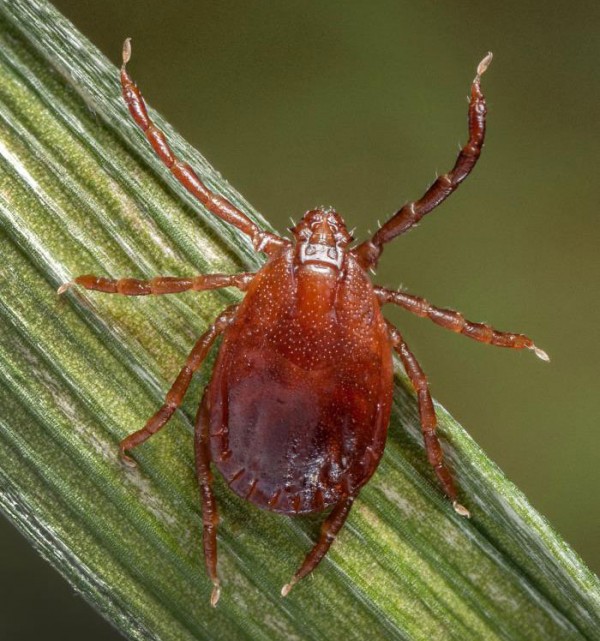
deer tick on grass

LYME DISEASE ISN’T THE ONLY ILLNESS YOU CAN GET FROM A TICK BITE

Babesiosis, a tick-borne infection caused by the parasite Babesia (most commonly, Babesia microti, though there are other species like Babesia duncani and Babesia divergens), is a malaria-like infection of the red blood cells. A 2019 report by the American Academy of Pediatrics states,

“Although cases of tickborne babesiosis have been diagnosed in the U.S. since 1966, this disease only became nationally notifiable in 2011. A report of the first five years of babesiosis surveillance from the Centers for Disease Control and Prevention (CDC) shows an alarming increase in incidence.[i]

In his book Why Can’t I Get Better? Solving the Mystery of Lyme & Chronic Disease, Richard I. Horowitz, M.D. speaks to this alarming prevalence: “Other studies are now showing evidence of a worldwide epidemic of babesiosis: It is now spreading to parts of the United States, Europe, and Asia…the scientific literature has shown that the number of positively diagnosed cases of babesiosis in New York state alone has increased twenty times.”[ii]

While increased Lyme literacy has improved awareness of babesiosis, many people still look at me like I have three heads when I say I have this infection. The name is indeed strange and difficult to pronounce; one of my graduate school professors said, “Can we just call it babelicious? That’s easier.” Whether you refer to it as babesiosis, Babesia, babelicious, or, as my friends have adopted, babs, it’s important that you understand what this illness is, how it is transmitted, what the symptoms are (and what they actually feel like), and what treatment options are available.

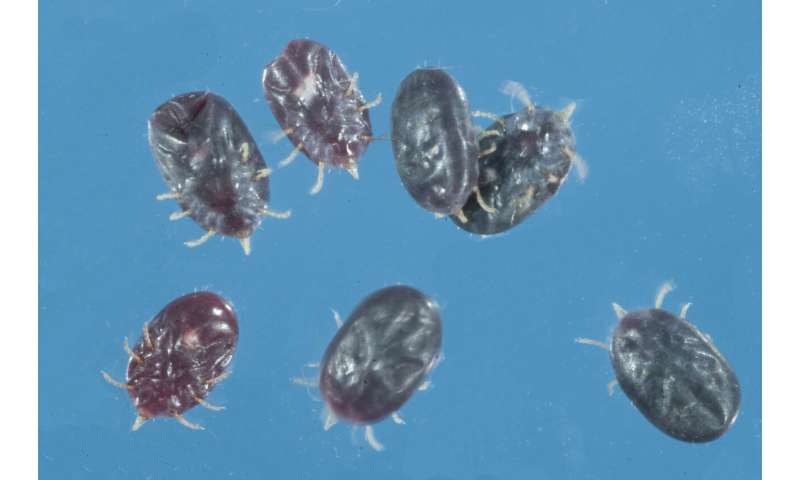
Babesia microti as seen in infected red blood cells via microscope

The tiny parasite Babesia is most commonly transmitted by a tick bite—meaning you can get Lyme and babesiosis, as well as other co-infections, all from the same tick. However, you do not have to have Lyme disease to get Babesiosis. Babesia can also be transmitted via blood transfusion or from mother to fetus. It depletes the red blood cells of oxygen, causing patients to experience air hunger, lightheadedness, weakness, shortness of breath, and post-exertional fatigue akin to what marathon runners describe as “hitting a wall”. Other common symptoms include high fever, night-sweats, headaches, chills, and hypoglycemia. Dr. Horowitz writes that babesiosis can also cause “a hemolytic anemia (due to red blood cells breaking down), jaundice, thrombocytopenia (low platelet count), congestive heart failure, and renal failure.”ii

What does it actually feel like to have babesiosis? While every case is different and not all patients experience every symptom, I can share my own 20+ year battle with this infection. After finding a splotchy red rash on my arm in the summer of 1997, the first symptom I experienced was hypoglycemia. After a busy morning teaching water-skiing, swimming, and canoeing at the summer camp where I worked, I collapsed in the dining hall from what I thought was dehydration but was actually low blood sugar. Beyond testing for diabetes, no one thought to look into the cause of my sudden hypoglycemia or to test for tick-borne infections. Instead, I continued to suffer low blood sugar reactions and sudden lightheadedness for years, and learned to always carry a snack with me.

As the tick-borne infections Lyme, babesiosis, and ehrlichiosis ran through my body unchecked over the next eight years, I developed smashing migraines that left me nauseous and crying on the bathroom floor. I now know that my brain was not getting properly oxygenated, causing my extreme pain. I lived in Colorado at the time, so doctors told me I had altitude sickness.

Babesiosis can exacerbate Lyme and other infections; not knowing I had any of them, they all were getting worse, the symptoms overlapping and manifesting more frequently. Flu-like symptoms, coupled with intense bouts of fatigue, came on-and-off for years. Despite being a gym rat and a life-long skier, I could no longer keep up with my friends on the slopes, experiencing low blood sugar, dehydration, and fatigue that would sometimes send me to bed for a day or two afterwards. By the end of my second year in Colorado, I’d developed asthma and needed to use an inhaler.

In 2003, I got mononucleosis that slipped into chronic Epstein-Barr virus—I couldn’t fight it because of the underlying tick-borne diseases—and in 2005 those diseases were finally diagnosed. By that point I was experiencing fevers that could have been associated with any of those illnesses, and occasional nightsweats.

Once I started treatment for babesiosis (along with antibiotics for Lyme and ehrlichiosis), those nightsweats increased, but that was a good sign. It was a form of Jarisch-Herxheimer reaction; my body was sweating out the dead parasites. I often woke in a puddle, my pajamas fully soaked, and sometimes had to change sheets twice a night. At my worst point, I couldn’t ride thirty seconds on a stationary bike without “hitting a wall”.

While Lyme Literate Medical Doctors (LLMDs) have varying opinions about the treatment and prognosis of babesiosis infections, the general consensus I heard at the International Lyme and Associated Diseases Society (ILADS) conference in 2019 was that there is no cure. Some doctors are having great luck, with patients reporting complete eradication of symptoms for both babesiosis and Lyme disease, with the antimicrobial drug Disulfiram (commonly known as Antabuse); however, more research is needed, and the drug has serious side effects. More commonly, doctors use anti-malarial drugs such as Mepron, Malarone, or Coartem to treat babesiosis, often pulsing these treatments over weeks or even months as the patient’s Babesia load decreases. Still others supplement these medications with homeopathic remedies such as artemisinin or cryptolepsis.

This is not a complete list of babesiosis treatments; Dr. Horowitz talks about others in his book, and your LLMD may have other ideas. I have been on different anti-malarial medications, paced at different intervals, and on different homeopathic drops, throughout my journey. Unfortunately, it doesn’t help for me to share my protocol, because it is ever-changing, and because no two cases of tick-borne illness are alike. Here’s what I can tell you for sure: babesiosis symptoms can get better. If you are being treated for Lyme disease and haven’t been tested for babesiosis or other co-infections, you may only be fighting half the battle. Whether you have a known or suspected case of Lyme, it’s critical that you talk to your doctor about other tick-borne diseases, too.

[i] http://dx.doi.org/10.15585/mmwr.ss6806a1.

[ii] Why Can’t I Get Better? Solving the Mystery of Lyme & Chronic Disease. Horowitz, Richard I., MD. New York: St. Martin’s Press, 2013 (135, 136).

Related Posts:
Differentiating Between Babesia and COVID-19 Air Hunger
New test for Babesia approved by the FDA
What is Air Hunger, Anyway?
Tainted Transfusions: Why Screening Blood is More Important Than Ever


jennifer crystal_2

Opinions expressed by contributors are their own.

Jennifer Crystal is a writer and educator in Boston. Her memoir about her medical journey is forthcoming. Contact her at lymewarriorjennifercrystal@gmail.com.


________________________

**Comment**

Another great example that Lyme is just the “tip of the spear” for many patients and the CDC’s mono therapy of doxycycline will NOT work for many, particularly if you are coinfected and/or have had Lyme for any length of time.

For more on Babesia:  https://madisonarealymesupportgroup.com/2016/01/16/babesia-treatment/

More on Disulfiram:  https://madisonarealymesupportgroup.com/2019/10/15/disulfiram-psychosis-update/

https://madisonarealymesupportgroup.com/2020/06/26/new-treatments-for-lyme-disease-on-the-horizon/

https://madisonarealymesupportgroup.com/2020/05/26/potential-patient-reported-toxicities-with-disulfiram-treatment-in-late-disseminated-lyme-disease/

Human Babesiosis: Recent Advances & Future Challenges

doi: 10.1097/MOH.0000000000000606. Online ahead of print.

Human babesiosis: recent advances and future challenges

Affiliations expand
Abstract

Purpose of review: As human babesiosis caused by apicomplexan parasites of the Babesia genus is associated with transfusion-transmitted illness and relapsing disease in immunosuppressed populations, it is important to report novel findings relating to parasite biology that may be responsible for such pathology. Blood screening tools recently licensed by the FDA are also described to allow understanding of their impact on keeping the blood supply well tolerated.

Recent findings: Reports of tick-borne cases within new geographical regions such as the Pacific Northwest of the USA, through Eastern Europe and into China are also on the rise. Novel features of the parasite lifecycle that underlie the basis of parasite persistence have recently been characterized. These merit consideration in deployment of both detection, treatment and mitigation tools such as pathogen inactivation technology. The impact of new blood donor screening tests in reducing transfusion transmitted babesiosis is discussed.

Summary: New Babesia species have been identified globally, suggesting that the epidemiology of this disease is rapidly changing, making it clear that human babesiosis is a serious public health concern that requires close monitoring and effective intervention measures. Unlike other erythrocytic parasites, Babesia exploits unconventional lifecycle strategies that permit host cycles of different lengths to ensure survival in hostile environments. With the licensure of new blood screening tests, incidence of transfusion transmission babesiosis has decreased.

_____________________

https://www.medscape.com/viewarticle/934602

Rise in Babesiosis Cases, Pennsylvania, USA, 2005–2018

David Ingram; Tonya Crook

Emerging Infectious Diseases. 2020;26(8):1703-1709. 

Abstract

Babesiosis is an emerging infection in the state of Pennsylvania, and clinicians need to be made aware of its clinical manifestations as well as the risk factors associated with severe disease. Before 2010, our tertiary academic center in central Pennsylvania previously saw zero cases of babesiosis. We saw our first confirmed case of Babesia infection acquired in Pennsylvania in 2011; we recorded 2 confirmed cases in 2017 and 4 confirmed cases in 2018. All 4 cases from 2018 were thought to be acquired in southcentral Pennsylvania counties, whereas prior reports of cases were predominately in the southeast and northeast counties of the state.

_________________

**Comment**

Out of 352 patients in the second study, some of which were duplicates, they reviewed patient charts and only identified 8 cases using CDC criteria.  This continues to be a problem as CDC testing misses many cases, and many do not meet the stringent criteria which in many cases is arbitrary.  The study also noted that there were inconsistencies in the way blood smears and PCR testing were ordered.  

Important to note: most were immunocompetent.

Symptoms(numbers in parenthesis show how many patients had it):

  • fever (6/8) 
  • malaise (5/8)
  • myalgias or arthralgias (2/8)
  • anorexia (2/8),
  • rash (1/8),
  • headache (1/8),
  • nausea or vomiting (1/8)
  • diarrhea (1/8)
  • respiratory failure (1/8)

The most common laboratory abnormalities:

  • anemia (seen in all patients)
  • thrombocytopenia (7/8)
  • transaminitis (7/8) – high liver counts can lead to liver damage
  • hyperbilirubinemia (7/8) excess bilirubin can cause jaundice
Importantly: concurrent Lyme disease was noted in half (4/8) of patients.

Patients were screened for Lyme disease by using ELISA; if the result was positive, then a Western blot was performed. Patients had Lyme disease diagnosed if they had positive ELISA results and positive IgM or IgG results on Western blot.

I can guarantee you more patients had Lyme but were omitted due to abysmal testing. This has been going on for over 40 years.

Six of the 8 patients were classified as having severe infection with parasitemia >10%. Four of the 6 patients with severe infection had co-infection with Borrelia burgdorferi (Lyme disease). The 2 nonsevere patients did not have co-infection.

This agrees with previous findings that concurrent infection makes for more severe disease for a longer duration of time:  https://madisonarealymesupportgroup.com/category/babesia-treatment/

  • Most (7/8) patients received a combination of azithromycin and atovaquone 
  • 3 received clindamycin and quinine.  Of these 3 patients, 1 patient received clindamycin and quinine alone for the duration of their therapy, and 2 patients were switched to azithromycin and atovaquone because of persistent parasitemia. Two of the patients who received clindamycin and quinine (1 of whom was switched to azithromycin and atovaquone) also required blood or platelet transfusions. Five patients underwent red cell exchange transfusions.
  • Average duration of treatment was 18.1 days. The average duration of parasitemia was 9 days.
  • They only had exact date of clearance for 3 of the 8 patients

The authors admit that due to focusing on specific Babesia-related codes, they probably missed patients that were co-infected.  

Once again they erroneously bring up the climate as a factor in tick expansion (therefore disease expansion).  This has been proven to be a faulty assumption:  https://madisonarealymesupportgroup.com/2018/11/07/ticks-on-the-move-due-to-migrating-birds-and-photoperiod-not-climate-change/

They correctly state there is a steady rise in Babesia throughout the U.S.  They also state that the geographic spread could be favored by prior establishment of Lyme disease and that coinfection in mouse reservoirs increases Babesia transmission.

They also rightly maintain:

clinicians must maintain a high index of suspicion in patients with a nonspecific febrile syndrome despite absence of tick bite history or lack of an immunocompromising condition. Evaluation for co-infections, particularly co-infection with B. burgdorferi, should be considered given patients with co-infection appear to have more severe disease.

Herein lies the problem.  Testing for all of this remains abysmal.  Without accurate tests most doctors are just going continue to say, “It’s all in your head.”  And they will continue to get away with it.  

Most mainstream doctors are not even considering coinfection and continue to view this through a myopic tunnel-vision where they believe people are only infected with one pathogen.  


Babesia and Tick-borne Encephalitis Diagnosed in England

https://www.gov.uk/government/news/rare-tick-borne-infections-diagnosed-in-england

Rare tick-borne infections diagnosed in England

PHE calls for people to be tick aware as the first case of a babesiosis is diagnosed in England.
Tick on a leaf

Public Health England (PHE) can confirm the diagnosis of a case of babesiosis and a probable case of tick-borne encephalitis (TBE) in England. This is the first record of a UK-acquired case of babesiosis and the second case of TBE being acquired in the UK.

Babesiosis is caused by a parasite which infects red blood cells whilst TBE is a viral infection that affects the central nervous system. Both are rare infections spread by the bite from an infected tick.

Both patients have been transferred to hospital, where they are receiving appropriate treatment and supportive care.

PHE regularly undertakes work to understand the potential risks of tick-borne infections in England. This year, PHE has surveyed sites in Devon close to where the person with babesiosis lives, collecting and testing hundreds of ticks – all tested negative for the parasite which causes babesiosis.

PHE has tested deer blood samples from Hampshire in areas near to where the person with probable TBE lives and they have shown evidence of likely TBE virus infection, which matches similar results found in 2019.

The risk of babesiosis or TBE for the general public is very low. However, a number of infections can develop following a tick bite, including Lyme disease, and there are things we can all do to reduce our risk of being bitten by ticks while enjoying the outdoors this summer.

It is important to ‘be tick aware’ and take precautions to reduce your risk of being bitten by ticks when enjoying green spaces this summer including:

  • keeping to footpaths and avoiding long grass when out walking
  • wearing appropriate clothing such as a long-sleeved shirt, and trousers tucked into your socks makes it less likely that a tick will bite and attach
  • considering the use of repellents containing DEET
  • making it a habit to carry out a tick check regularly when you’re outdoors and when you get home
  • if you have been bitten by a tick, it should be removed as soon as possible using fine tipped tweezers or a tick removal tool which is sold by many outdoor stores, vets and pharmacies. Grasp the tick as close to the skin as possible and pull upwards slowly and firmly. Once removed, wash your skin with water and soap, and apply an antiseptic cream to the skin around the bite
  • contact your GP promptly if you begin to feel unwell, remembering to tell them you were bitten by a tick or recently spent time outdoors

Dr Katherine Russell, Consultant in the Emerging Infections and Zoonoses team at PHE, said:

It is important to emphasise that cases of babesiosis and TBE in England are rare and the risk of being infected remains very low. Lyme disease remains the most common tick-borne infection in England.

Ticks are most active between spring and autumn, so it is sensible to take some precautions to avoid being bitten when enjoying the outdoors. Seek medical advice if you start to feel unwell after a tick bite.

Background

About babesiosis

Most people with babesiosis will have either no symptoms or mild symptoms of infection; people with weakened immune systems can become very ill and present with flu-like symptoms such as fever, chills, muscle ache, fatigue, and jaundice.

About TBE

Around 2 thirds of people with TBE infections will have no symptoms. For those who develop symptoms, there are often 2 phases. The first is associated with flu-like symptoms such as fever, headache and fatigue. This can then progress to a more serious second phase that involves central nervous system, which can lead to meningitis, encephalitis and paralysis.

If you develop flu-like symptoms after being bitten by a tick, visit your GP.

Go to hospital if you:

  • get a stiff neck and a severe headache
  • get pain when looking at bright lights
  • have a seizure (fit)
  • have a change in behaviour – such as sudden confusion
  • develop weakness or loss of movement in part of the body

____________________

**Comment**

Authorities really need to stop saying infection is rare.  Many doctors don’t know what to look for and many cases go undiagnosed, and therefore unreported.  They should just state that it’s been found and refrain from telling people anything about numbers when frankly no one has been keeping track.

And it should be a real heads-up that they do need to start looking for it and recording it when it’s found.

Secondly, Babesia, according to Dr. Horowitz is one of the most tenacious coinfections he deals with and necessitates 9 months to a year of solid treatment.  To say that people with Babesia mostly have no symptoms or mild symptoms is asinine because people bitten by a tick and typically getting Lyme in the process CAUSES a weakened immune system.

We know that those infected with multiple things have more severe illness for a longer duration of time.  Authorities need to quit soft peddling their comments.  

For more:  https://madisonarealymesupportgroup.com/category/babesia-treatment/

Cipro Derivatives Show Promise Against Babesia In Vitro

https://pubmed.ncbi.nlm.nih.gov/32677000/

. 2020 Jul 16.

doi: 10.1007/s00436-020-06796-z. Online ahead of print.

Inhibitory effects of novel ciprofloxacin derivatives on the growth of four Babesia species and Theileria equi

Affiliations expand

Abstract

The problems of parasite resistance, as well as the toxic residues to most of the commercially available antipiroplasmic drugs severely weaken their effective, curative, and environmental safe employment. Therefore, it is clear that the development of treatment options for piroplasmosis is vital for improving disease treatment and control. Ciprofloxacin is a broad-spectrum antibiotic that targets mainly the DNA replication machinery by inhibiting DNA gyrase and topoisomerase enzymes. As a result, ciprofloxacin is used for treating several bacterial and parasitic infections.

In this study, the efficacy of 15 novel ciprofloxacin derivatives (NCD) that had been developed against drug-resistant Mycobacterium tuberculosis was evaluated against piroplasm parasite multiplication in vitro. The half-maximal inhibitory concentration (IC50) values of the most effective five compounds of NCD (No. 3, 5, 10, 14, 15) on Babesia bovis, Babesia bigemina, Babesia caballi, and Theileria equi were 32.9, 13.7, 14.9, and 30.9; 14.9, 25.8, 13.6, and 27.5; 34.9, 33.9, 21.1, and 22.3; 26.7, 28.3, 34.5, and 29.1; and 4.7, 26.6, 33.9, and 29.1 μM, respectively. Possible detrimental effects of tested NCD on host cells were assessed using mouse embryonic fibroblast (NIH/3T3) and Madin-Darby bovine kidney (MDBK) cell lines. Tested NCD did not suppress NIH/3T3 and MDBK cell viability, even at the highest concentration used (500 μM).

Combination treatments of the identified most effective compounds of NCD/diminazene aceturate (DA), /atovaquone (AQ), and /clofazimine (CF) showed mainly synergistic and additive effects. The IC50 values of NCD showed that they are promising future candidates against piroplasmosis. Further in vivo trials are required to evaluate the therapeutic potential of NCD.

__________________

For more:  https://madisonarealymesupportgroup.com/category/babesia-treatment/

Babesia in Dogs – Implications for People

https://danielcameronmd.com/babesia-in-dogs/

BABESIA IN DOGS – IMPLICATIONS FOR PEOPLE

babesia in dogs

A dog can be man’s best friend, particularly when it comes to helping identify the risk of tick-borne diseases for humans. The true spread of Babesia may currently be underestimated, under-reported, and untreated, writes Mahachi and colleagues in the journal Parasites Vectors.¹ But new research indicates that hunting dogs can offer insight into the distribution of Babesia in the Southern and Western USA.

Investigators looked at several tick-transmitted diseases including Babesia, in dogs, to help determine potential risks to humans. Hunting dogs, specifically, were tracked as they are exposed to ticks more often than pet dogs. And they are more likely to be outdoors for long periods in tick habitats and less likely to be groomed for ticks by their owner.

Furthermore,

“A recent occupational study found that those who work with hunting dogs compared to those who work in high-risk tick environments, were 5.83 times more likely to report having found embedded ticks on their bodies,” writes Mahachi. 

The authors examined the incidence of Lyme disease, ehrlichiosis, anaplasmosis, and Babesia in hunting dogs. But they excluded dogs that were symptomatic with Lyme disease, ehrlichiosis, and anaplasmosis.

Study findings

They found,

“Unlike B. burgdorferi and Anaplasma spp., the highest number of seroprevalent dogs with Babesia spp. was in the Midwest (52.5%) and South (50%) and the lowest numbers in the West (32.6%), with high levels across all regions.”

The hunting dogs also had a high rate of co-infection with Borrelia burgdorferi and Anaplasma spp. The presence of co-infections, however, was not a surprise to investigators, given that past studies have found

“up to 40% of patients with Lyme disease experienced concurrent babesiosis infections and 13% experienced concurrent Anaplasma infections.”

The authors also examined seropositivity results over three time periods, January – February, August and November.

“Our results show that Babesia spp., Ba. gibsoni, and B. burgdorferi seropositivity remained elevated across all three time points.”

“It is important for healthcare workers to take note of current region and regions veterinary patients and their owners may have visited when considering tick-borne disease diagnoses,” writes Mahachi.

Unfortunately, the surveillance of tick-borne diseases, such as Babesia, in dogs has been limited due to a lack of centralized federal surveillance or mandate.

But, the authors write,

“given the close interaction between dogs and people, dogs can serve as an important sentinel species to help track vector-borne disease risks by monitoring trends of infection from tick-borne pathogens in dogs.”