Archive for the ‘Babesia’ Category

Lyme Symptoms: Nervous System Inflammation

https://www.globallymealliance.org/blog/lyme-symptoms-nervous-system-inflammation
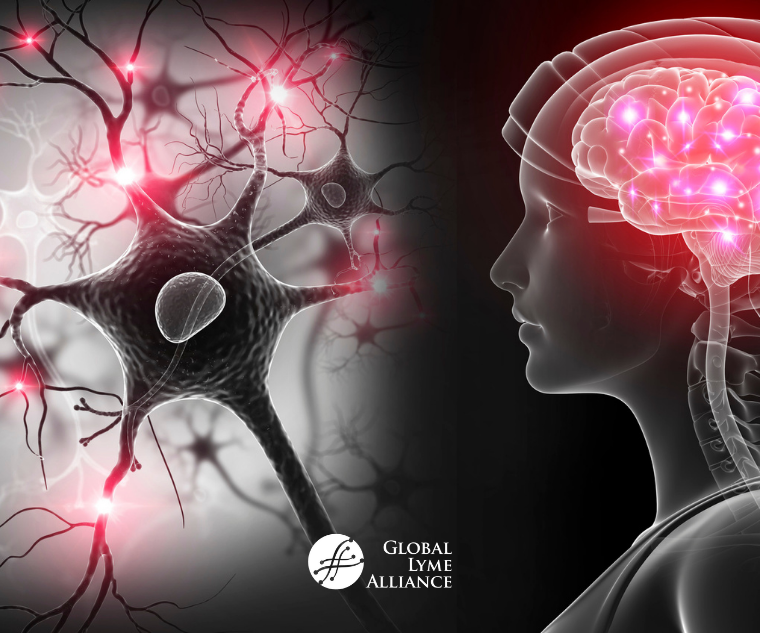
We patients must remember that Lyme is an inflammatory disease. Flare-ups often involve increased inflammation.

by Jennifer Crystal

Last week I had an incredibly busy schedule. I did research, had several long conversations over Zoom, taught a class, and wrote a lot. The work required a good amount of mental energy, or “spoons”. I also happened to have a physically busy week, running around doing errands and going to doctor’s appointments, as well as meeting friends for socially distanced walks.

But what Lyme patients need to do and what we want to do don’t always match up.

By Thursday evening, my brain felt as if it was filling with cotton, a pressure I remember well from my acute days with Lyme disease, ehrlichiosis, and babesiosis. This should have been my cue to stop and rest. What I really needed to do was darken the lights, put on some soft music, and relax. But what Lyme patients need to do and what we want to do don’t always match up. In this case, I wanted to relax by watching a favorite show, something I’d been looking forward to as a reward all week. And so I watched. Big mistake. Halfway through the program, my feet got very hot. They weren’t under a blanket. It was cool in the room. But my feet felt like they were on fire.

Burning extremities are a common manifestation of neurological Lyme disease. While my own infections are in remission, pushing myself physically and mentally can cause flare-ups. The sensory overload of the TV show was the proverbial straw that broke the camel’s back. My nervous system was inflamed, and needed a cool down, stat. What exactly causes nervous system inflammation in tick-borne illness?

As Richard I. Horowitz, MD explains in How Can I Get Better? An Action Plan for Treating Resistant Lyme & Chronic Disease, “Inflammation underlies the symptoms in many neurological diseases. In a study published in 2007 in Lancet Neurology, researchers reported that the neurological syndromes associated with Borrelia burgdorgferi are also associated with inflammation in the central nervous system, in particular amyloid metabolism. Amyloids are proteins that aggregate and change the structure of cells, damaging them.” He goes on to say, “Amyloid is just one of several neurotoxins: substances that can damage or kill off the brain’s neurons that are produced by inflammation and can alter the normal activity of the cells of the central nervous system…Neurotoxins and inflammation both can alter the normal activity of the nervous system.” [i]

For patients, this altered activity can manifest as the peripheral neuropathy (burning extremities, numbness, tingling) and “ brain fog” I experienced, as well as headaches, memory loss, confusion, anxiety, depression, sleep disturbances, and more. We patients must remember that Lyme is an inflammatory disease. Flare-ups often involve increased inflammation. That’s easy to remember when you’re in an acute stage and your entire body hurts or you’re getting systemic hives. For those of us who are doing well, we can easily forget how quickly inflammation can rev back up.

Last week was a sobering reminder for me. After watching my TV show, I had crazy dreams. When I woke up, I texted a friend, “I feel like I’ve been electrocuted.” To quiet my nervous system, I relied on tricks that have helped in the past: I went for an integrative manual therapy appointment, where my practitioner did some cranial sacral massage. I increased my consumption of anti-inflammatory foods. I stayed away from screens and even reading. That weekend, I wanted to go for a walk, but my body was too tired, so instead of pushing it as I had all week, I just stayed home. By Monday, I felt much better.

For those in acute stages of infection, increased inflammation may be a sign of needing additional, or different, antibiotics. Your Lyme Literate Medical Doctor (LLMD) may want to add an anti-inflammatory medication to your regimen. They may recommend certain supplements that can reduce inflammatory cytokines. Only you and your doctor can decide what treatment will work best for your specific case of inflammation, but everyone can benefit from rest, hydration, good sleep hygiene, and an anti-inflammatory diet. I’m glad to report that this past week was much better. My body and brain speak up when I’ve pushed them too far. Though I don’t always heed the messages quickly enough, I do heed them at all, and that’s made recovery from nervous system inflammation faster and better.

[i] Horowitz, Richard I., MD. How Can I Get Better? An Action Plan for Treating Resistant Lyme & Chronic Disease. New York: St. Martin’s Press, 2017 (183-4).

For more blogs, click here

Opinions expressed by contributors are their own. Jennifer Crystal is a writer and educator in Boston. Her memoir about her medical journey is forthcoming. Contact her using her email.

Email: lymewarriorjennifercrystal@gmail.com

______________________

**Comment**

Ms. Crystal wrote about getting the first COVID injection in March, and that she struggled with, “slight nausea and achiness. This feeling continued through the next morning. By about 10:00 a.m. on Tuesday, I felt like I had a mild flu: chills, achiness, headache, and fatigue. I did not run a fever.”

She also stated the symptoms prevented her from working the rest of the day.

If she received the 1st injection in March, that means the second shot,  according to the CDC, would have been given 21, or 28 days or later – but not before.  They also state:

Side effects after your second shot may be more intense than the ones you experienced after your first shot. 

I wonder if she’s considering the fact this injection may be partially or fully to blame for her issues in April.

We’ve been falsely told these injections are “safe and effective,” despite the warnings of numerous doctors and researchers to the contrary.  In previous animal studies utilizing this technology, EVERY SINGLE ANIMAL DIED. We also know people are still contracting COVID-19 after receiving all the injections, clearly demonstrating they don’t stop you from getting it. They also don’t stop you from transmitting it to others – so getting the injections because you visit grandma doesn’t hold any water. A researcher has warned about the unsafe epitopes.

Food for thought.

And please remember the plethora of effective treatments being censored or banned:

Reminder: Lyme Awareness Talk – May 4, 2021

https://madisonarealymesupportgroup.com/2021/04/06/lyme-awareness-talk-in-may-lyme-awareness-month/

LYME DISEASE IN WISCONSIN

When: Tuesday, May 4, 2021 – 7:00pm to 8:00pm
Where: Online

For adults held via Zoom. Registration required and opens April 1.

According to the Centers for Disease Control and Prevention, the average number of cases has more than doubled over the last decade. In this presentation, learn from Alicia Cashman from Madison Lyme Support Group about Lyme Disease, how to protect you and your family, what common symptoms are, and what to do if you have symptoms.

If you have questions or need special accommodations at events contact Kara at (608) 835-6268 or kripley@oregonlibrary.org.

The program is made possible through funding from the Friends of the Oregon Library.

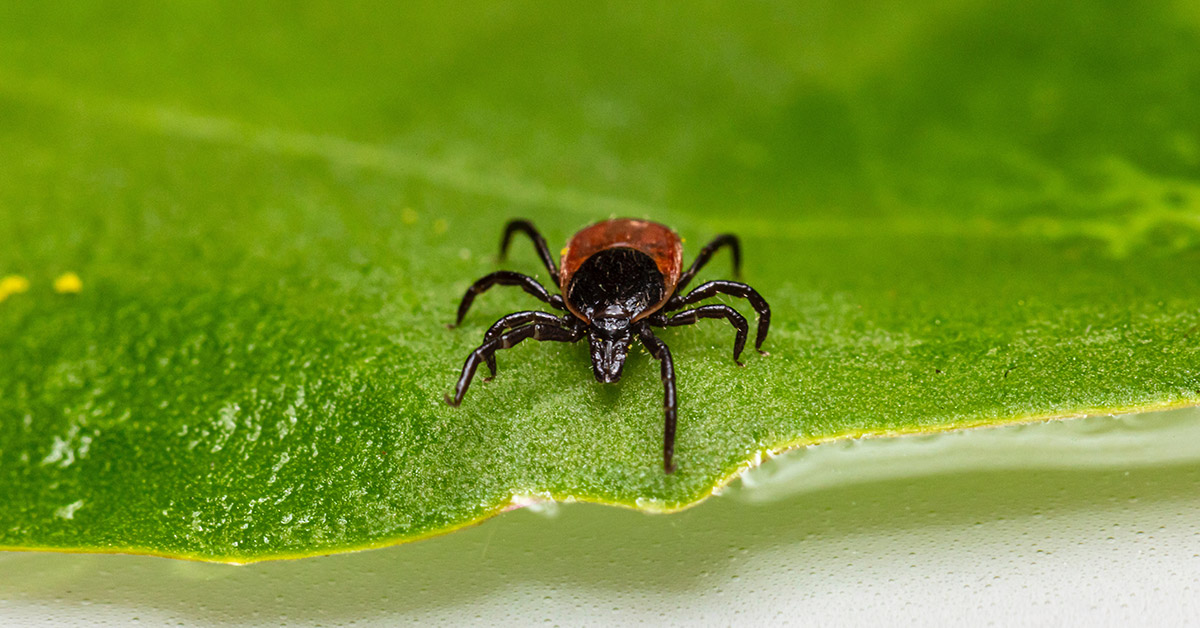
Tick on a green plant

Babesia odocoilei Found in Canadian Black Legged Ticks

https://doi.org/10.3390/pathogens10030327

Detection of Babesia odocoilei in Ixodes scapularis Ticks Collected in Southern Ontario, Canada


Pathogens 2021, 10(3), 327; https://doi.org/10.3390/pathogens10030327
Received: 5 February 2021 / Revised: 2 March 2021 / Accepted: 4 March 2021 / Published: 10 March 2021
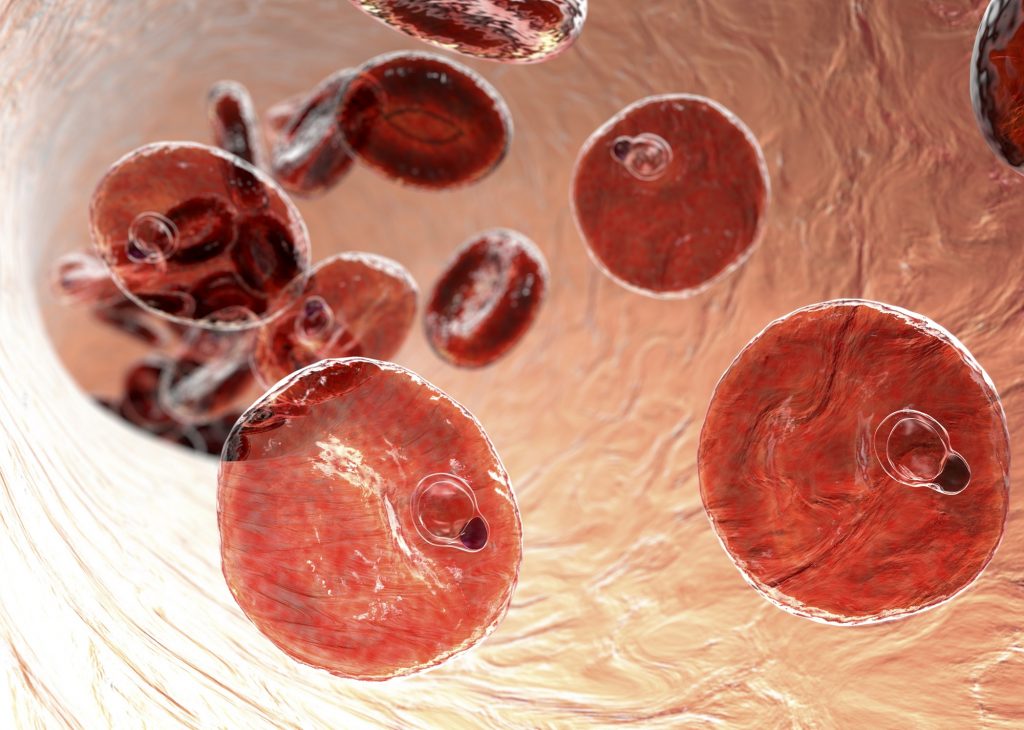
Tick-borne zoonotic diseases have an economic and societal impact on the well-being of people worldwide. In the present study, a high frequency of Babesia odocoilei, a red blood cell parasite, was observed in the Huronia area of Ontario, Canada. Notably, 71% (15/21) blacklegged ticks, Ixodes scapularis, collected from canine and feline hosts were infected with B. odocoilei. Consistent with U.S. studies, 12.5% (4/32) of questing I. scapularis adults collected by flagging in various parts of southwestern Ontario were positive for B. odocoilei. Our data show that all B. odocoilei strains in the present study have consistent genetic identity, and match type strains in the GenBank database. The high incidence of B. odocoilei in the Huronia area indicates that this babesial infection is established, and is cycling enzootically in the natural environment. Our data confirm that B. odocoilei has wide distribution in southern Ontario. View Full-Text
______________________
 
**Comment**
 
Just last year, for the first time, Scott et al. confirmed the transstadial passage of B. odocoilei in black legged ticks molting from larvae to nymphs, showing it is present in all mobile lifestages.  These ticks are widely dispersed from common song-birds.  The question begging to be asked of course is whether Babesia odocoilei is a human pathogen.  Once again it would explain why so many aren’t testing positive for Babesia.
These important transmission studies are ignored but piling up by the week with all the newly discovered strains of coinfections that will never in a thousand years be picked up by current testing.
Transmission isn’t a sexy topic; however, and money for research continues to be driven by the climate agenda.  


Mapping Tick-borne Disease Risk in Wisconsin

https://www.sph.umn.edu/news/mapping-tick-borne-disease-risk-in-wisconsin/

A deer tick on a leaf.

Mapping tick-borne disease risk in Wisconsin

PhD student Austin Rau analyzed the cases of three serious — but lesser-known — tick-borne diseases in Wisconsin and found that they are increasing, moving, and varying over time across the state.

CHARLIE PLAIN | SEPTEMBER 22, 2020

Lyme disease is easily the most well-known type of tick-borne infection, but there are others that make people sick as well. Recently, a new study from the School of Public Health analyzed the cases of three other serious — but lesser-known — tick-borne diseases in Wisconsin and found that they are increasing, moving, and varying over time.

Austin Rau smiling in front of a tree.
Study lead author and PhD student Austin Rau

“Compared to Lyme disease, less research has been completed on non-Lyme tick-borne infections and awareness of these diseases is lower,” says lead author and PhD student Austin Rau. “If you ask most people, they couldn’t name what the second most-common tick-borne disease is.”

The study was published in The International Journal of Environmental Research and Public Health and was co-authored by SPH Assistant Professors Jesse Berman and Jonathan Oliver and Associate Professor Claudia Muñoz-Zanzi.

For the study, Rau and his team examined patient data from the Marshfield Clinic Healthcare System, which serves north and central Wisconsin. They analyzed patient electronic medical records for the period of 2000-2016 for clinic laboratory results confirming or supporting cases of three non-Lyme diseases from ticks: anaplasmosis, babesiosis, and ehrlichiosis. All three diseases are bacterial or parasitic infections from the bite of deer ticks and can be difficult to diagnose. In most cases, the infections produce on-going flu-like symptoms. 

Rau used his specialized training in geographical information systems and spatial analysis to map where the nearly 3,000 patients diagnosed with the diseases lived in order to determine the risk of having a positive laboratory test result in those areas.

Anaplasmosis

  • 2,728 cases of anaplasmosis were identified. 
  • People in northern Wisconsin were at greatest risk for having a positive laboratory test result.
  • The risk area for anaplasmosis shifted from west to east the study years.
  • The years of greatest risk were 2010-2016.
  • June to August were found to be peak months for positive laboratory test results, with a five times greater risk compared to other months.

Babesiosis

  • 213 cases of babesiosis were identified.
  • People in northwest Wisconsin were at greatest risk for having a positive laboratory test result.
  • The area of greatest risk was in the southern part of the clinic’s territory at the start of the study period before shifting north and then west over time.
  • The years of greatest risk were 2011-2013.
  • July to August were peak months for positive laboratory test results, raising the risk for babesiosis by seven times compared to other months.

Ehrlichiosis

  • Only 15 cases of ehrlichiosis were identified.
  • The number of cases were too small to determine any significant trends.

“It’s interesting to see that the two diseases — anaplasmosis and babesiosis — had differentgeographic patterns of risk — why is that,” asks Rau. “It could be due to a difference in infection prevalence among the ticks for these two diseases. It could also be because of the movement of ticks and animals they attach onto, such as white-tailed deer.”

According to the researchers, the behaviors of people likely are an important factor as well, and activities, such as hiking and hunting, could increase their risk of being infected by a tick.

Rau says the study’s methods and findings can help healthcare providers in Wisconsin and other regions where ticks live to determine potential hot spots and better prepare for tick season.

“It’s helpful for physicians and public health workers to know the months and geographic areas that pose the highest risk so that they can expect and be on the lookout for cases,” says Rau. “It’s also good for people to know when and where their risk of possible infection is higher so they can take appropriate measures to prevent tick bites.”

_______________________

**Comment**

Updates:

Warmer temperatures mean that adult deer ticks are now active. Be sure to start tick checks whenever you have been outside.

https://www.wiscontext.org/encountering-backyard-bloodsuckers-tick-app-tracks

**Warning** There are a number of inaccuracies within the article.

Excerpt:

With peak tick season imminent in the upper Midwest, researchers at the University of Wisconsin-Madison are hopeful more people will download and use a free smartphone app that helps track and identify the tiny blood-sucking arachnids.

The Tick App launched in Wisconsin in time for the 2018 tick season, and more than 600 people in the state have downloaded it so far. The app is part of a behavioral study being carried out by researchers at UW-Madison and Columbia University in New York who are seeking to better understand where and how people encounter ticks. They’re particularly interested in finding out what activities people are doing (and where they’re doing them) when they encounter black-legged (or deer) ticks (Ixodes scapularis), which often carry the bacterium that causes Lyme disease.

About 20-30% of deer ticks can be infected with Borrelia burgdorferi, the disease-causing bacterium, explained Lyric Bartholomay, who studies diseases in ticks and other invertebrates in the Department of Pathobiological Sciences at the UW-Madison School of Veterinary Medicine. Bartholomay spoke about the Tick App and tick-borne diseases during a May 29, 2019 interview on Wisconsin Public Radio’s The Morning Show.

For more on Wisconsin ticks.

Five Herbal Medicines Potent Against Babesia Duncan in Test Tube

https://www.lymedisease.org/five-herbal-medicines-babesia/

Five herbal medicines potent against Babesia duncani in test tube