Archive for the ‘Autism’ Category

Case Report: Substantial Improvement of Autism in Child By Using Treatment For Vector Borne Infections

https://www.frontiersin.org/articles/10.3389/fpsyt.2023.1205545/full

Case report: Substantial improvement of autism spectrum disorder in a child with learning disabilities in conjunction with treatment for poly-microbial vector borne infections

CASE REPORT article

Front. Psychiatry, 18 August 2023
Sec. Autism
Volume 14 – 2023 | https://doi.org/10.3389/fpsyt.2023.1205545
  • 1Heart and Soul Integrative Health, Marble Falls, TX, United States
  • 2Intracellular Pathogens Research Laboratory, Department of Clinical Sciences, and the Comparative Medicine Institute, College of Veterinary Medicine, North Carolina State University, Raleigh, NC, United States

Poly-microbial vector-borne infections may have contributed to neuropsychiatric symptoms in a boy diagnosed with autism spectrum disorder. Targeted antimicrobial treatment resulted in substantial improvement in cognitive (such as learning disabilities, focus, concentration) and neurobehavioral (such as oppositional, defiant, anti-social, disordered mood, immaturity, tics) symptoms.

Conclusion

This teenage boy had a drastic improvement in his neuropsychiatric symptoms and in his academic standing, moving from special education services with accommodations to grade level academic standing without accommodations, to college acceptance. Progressive symptomatic improvement occurred only following targeted administration of antimicrobial agents directed at suspected, underlying, chronic infectious pathogens, namely the causative agents of bartonellosis and borreliosis. Further research is clearly needed to define if or the extent to which occult infections can contribute to neuropsychiatric illness, such as ASD.

(See link for full article)

_________________

For more:

When Treating Bartonella Clears Symptoms of Autism, What Next?

https://www.lymedisease.org/when-treating-bartonella-clears-autism/

When treating Bartonella clears symptoms of autism, what next?

By Debbie Kimberg

March 14, 2023

My 16-year-old autistic son’s learning disabilities suddenly resolved after treatment for congenital Bartonella and Lyme infections. (See: After 80% improvement in autism symptoms, he’s going to college.) This turn of events totally shocked our family and left us scrambling to figure out our next steps.

Before beginning treatment for Bartonella, Sammy had a tutor named Annie. This sweet, patient young woman came weekly to our home to help him organize his work and make sure he turned it in.

A few months after starting treatment, Sammy began resisting Annie’s assistance. He’d routinely exclaim, “Mom, I don’t need her help! I’m doing fine by myself!”

At first, I thought his angry behaviors were resurfacing. But then I paid closer attention to his grades and realized that he was right. My son, who had suffered with learning differences and ADHD, could suddenly do his schoolwork with no support from anyone else.

Not only did his ADHD resolve, but his grades in his core classes moved from Cs to As. What a baffling and exciting time for our family!

Learning new words

Concurrently, Sammy began asking me the meaning of all kinds of words. They were words that you would expect a 16-year-old to know, such as tremor, simmer, and immature. With Sammy’s new desire to broaden his vocabulary, we played a word game, though we never called it that.

I deliberately began to speak using larger, more advanced words, coyly embedding the meaning into the sentence to ensure he understood it. Interestingly, he was quick to try to incorporate that same word into conversation to showcase his mastery. He was a sponge! Sammy smiled proudly when he spoke, as he skillfully used a new word in a conversation.

Our vocabulary game reminded me of Forrest Gump running from the school bullies who chased him and how the braces fell off Forrest’s legs and onto the dirt road. It was as if a similar shackle on Sammy’s brain had inhibited his learning. Once it was removed, his ability to learn was remarkable.

Nurturing a new stage in learning

Before, our job as parents had involved helping him get his high school technical diploma (targeted to special education students). Now, we needed to help him catch up on all of the learning he had clearly missed due to this disease and the brain inflammation it caused. Our hope was for him to earn a full high school diploma.

This was uncharted territory.

We believed that a private school would be better equipped to handle his new, unique learning needs. But how could I even begin to explain to a school administrator what had happened, and Sammy’s unusual learning needs?

Although I thought it would be a strange conversation to have, I expected that admissions officers would be supportive and want to work with us. Instead, school after school turned us away, even ones whose mission was to support children with learning differences. Sammy’s diagnosis of autism and his previous IQ and psychological testing didn’t meet the schools’ minimum requirements.

I grew more frustrated as every school that we pursued turned us away. I was at a loss for how to help him.

Then I had an epiphany! A different and potentially better path was needed.

Changing educational gears

Since Sammy was doing well in high school, no longer requiring special education classes and wanting to attend a four-year university, we changed gears. Now, we set our sights on what he needed to learn to take his ACT and be accepted to college. We hoped to leapfrog Sammy to a new level.

This decision turned out to be a great one. A highly regarded college-testing prep school heard what had happened and were eager to help. The owner took an immediate interest in our story and moved Sammy to the top of their long wait list.

Sammy’s ACT tutor was a perfect fit – smart, fun, compassionate—and he loved singing too. Typically, a student would receive private college test prep tutoring for 2-3 months. Sammy received weekly tutoring for 10 months. With the help of this amazing school and its staff, Sammy did well enough on his ACT to gain admission to his first choice of colleges.

The future: rehabilitation from autism

I hope one day that many other families will face the same dilemma of helping their child recover from autism symptoms. With proper screening and treatment for vector-borne infections, our education system will need to redefine its services for these children.

New school programs will be required to help recovering children, a type of rehabilitation, if you will. Much like someone might need intensive occupational therapy to learn to walk again after a car accident, those recovering from autism and brain inflammation will need rehabilitation as well.

Imagine if our country could move away from Applied Behavioral Analysis therapy (ABA – designed to increase social abilities like completing tasks, communicating, and learning new skills). Currently, demand for this therapy is so high that young children must often wait years to learn basic language, coping and hygiene skills. Instead, we could enter a new era in which our children are taught to catch up in their schooling and how to refine more advanced social skills.

Therapists would need to develop new programs and be specially trained to help our recovering autistic children become the adults they were meant to be.

And of course, with proper screening and treatment prior to, or in worst case, during pregnancy, hopefully the rates of autism will see a steady decline.

I look forward to this day with great anticipation. I believe it’s not a matter of if, but a matter of when.

What’s needed

There are important steps needed to make this dream a reality:

1) CDC recognition of this important medical cause of autism symptoms,

2) development of effective diagnostic testing and an extensive, flexible set of criteria for a doctor to make a clinical diagnosis of tick-borne diseases,

3) development of effective, reliable and fast-acting treatments for tick-borne diseases.

We need to call on the CDC and government to treat autism as the public health emergency it is. We must screen the 7 million cases of autism to identify those who’ve been impacted by Bartonella and Lyme-related infections. The CDC needs to work more aggressively, beyond the genetic research, to follow the path of a potential infectious cause of symptoms. Bartonella should be at the top of the list.

And of course, infected parents and siblings would need to be screened and treated too.

I say all of this with much love and acceptance to all on the autism spectrum. To our autistic teens and adults, we accept and appreciate who you are. It is okay to acknowledge that you may be sick through no fault of your own. And it’s okay to get treated, so you feel better. It could change your life.

To find a doctor to screen your child for tick-borne diseases, see LymeDisease.org’s Physician Directory or your state’s Lyme Facebook group.

Debbie Kimberg can be contacted through her website.  You can follow her son’s wellness journey on Instagram and TikTok at @hijackedbrains.

Disclaimer: The author is not a doctor. This article is the opinion of the author and is not intended to dispense medical advice. Please seek a doctor’s advice for diagnosis and treatment.

For more:

Update on Young Man With Autism/Bartonella/Lyme

I love stories like these.  This is an update from this earlier post.

https://www.lymedisease.org/80-percent-improvement-autism/

After 80% improvement in autism symptoms, he’s going to college

By Debbie Kimberg

Sammy, my 18 year old, autistic son, showed an 80% improvement in autism symptoms after being diagnosed with and treated for Bartonella, Babesia, and Lyme–all included under Pediatric Acute Neuropsychiatric Syndrome or PANS.

You can find more details in my previous blog: Treating Bartonella Cleared Most of My Son’s Symptoms of Autism

An amazing event happened during the holidays last month. Sammy was accepted to a four-year university! This would have been unthinkable two years ago when we expected him to go directly on disability after high school.

My husband and I are incredibly grateful to our doctors, this community, and proud of all the hard work Sammy put in to catch up on learning he missed throughout his schooling. I hope you’ll enjoy this short video about his college acceptance! InstagramTikTokYouTube (optimized for mobile).

Looking back on our journey, one of the frustrations that I experienced was how long it took to get the correct diagnosis and treatment.

The search for root causes

When a child develops psychiatric symptoms, it can be hard to find a physician who will explore underlying medical causes such as infections. Instead, doctors are more likely to prescribe a litany of psychiatric medications.

Additionally, even if you have a doctor who is familiar with infectious causes of neuropsychiatric symptoms, it can be extremely difficult to figure out which infections in particular are the source of the problem.

For example, if your child tests positive for strep antibodies, a provider might give a diagnosis of PANS, Pediatric Autoimmune Neuropsychiatric Syndrome. But strep may not be the whole story. If you dig deeper, other infections such as Bartonella and Lyme disease may be causing the immune system to malfunction.

PANS specialists often limit their focus to common childhood infections such as strep, Epstein-Barr virus, mycoplasma pneumonia, HHV-6, cytomegalovirus and coxsackie virus.

Failing to recognize the role of Lyme and other vector-borne diseases may lead to many failed treatments, lost years of childhood, and unnecessary medical expenses.

Vector-borne diseases

For years, we worked with doctors who missed the true underlying cause of my son’s PANS symptoms by focusing primarily on strep and coxsackie infections, due to false negative vector-borne diseases (VBD) test results.

VBDs include Bartonella, Borrelia (Lyme disease), Babesia, Ehrlichia, Anaplasma, and tick-borne relapsing fever, among others. In addition to ticks, Bartonella can be transmitted by the scratch of a cat or other animal, as well as by lice, mites, bed bugs, fleas, and spiders (1). The combination of infections is often referred to as VBDs.

A PANS focus on the simple infections tested by common labs led to many failed treatments and an additional seven lost years for my son.

Unfortunately, many lab tests can give false negative test results for VBDs. That’s when it’s essential to have a knowledgeable practitioner who can give a clinical diagnosis — based on signs, symptoms and medical history.

It wasn’t until we received a clinical diagnosis for Bartonella, Babesia, and Lyme and found effective treatments, that we made true progress. With proper treatment for VBDs, my son’s strep and coxsackie virus titers returned to normal and appeared to cause no symptoms.

Dr. Amy Offutt, the president-elect of ILADS, said,“High antibodies to infections such as strep, EBV, HHV-6 and coxsackie virus can ebb and flow over time, depending on severity of symptoms, and can simply be a sign of immune dysregulation.”

What you should know

1. Congenital Bartonella and other vector-borne diseases can cause PANS symptoms. Bartonella, in particular, can cause many of the neuropsychiatric symptoms associated with PANS (2). For us, Bartonella was the most important, but not the only culprit of this story.

2. VBDs are often difficult to pick up on testing, even from specialty labs. According to Dr. Offutt, “The combination of patient and family history, clinical presentation, high suspicion, and lab results must all be considered in determining a clinical diagnosis. The more children in a family who have symptoms, the more important it is to be screened for VBDs, as well as mycotoxin/mold illness.

3. Frequently, but not always, children with VBDs have chronic illness, and not necessarily an acute presentation. Often children with chronic illness display symptoms by age four. In some adolescents, in particular girls, neuropsychiatric symptoms may not develop until late teens or early twenties (3).

Children may present with chronic symptoms such as headaches, ADHD, autism, tics, learning differences, motor delays, or sensory sensitivity prior to a final insult (i.e. illness, major stressor, or other challenge to the immune system) that can cause a sudden escalation in symptoms.

In other cases, the child has no PANS symptoms prior to an insult to the immune system which brings on an acute onset of neuropsychiatric and physical symptoms. There are reports of acute PANS cases beginning after COVID (4,5) that have been determined to be caused by a latent Bartonella infection becoming active for the first time.

Similarly, it may be possible that other infections such as strep, flu, and EBV may also cause Bartonella and other VBD activation, though research is needed to better understand this. Dr. Offutt advises that “All children suffering with neuropsychiatric issues, whether acute or chronic, should be evaluated for the possibility of a chronic vector-borne disease.”

4. Frequently, children with VBDs also have high antibodies for infections associated with more traditional PANS, such as strep, mycoplasma pneumonia, EBV, HHV-6, cytomegalovirus, influenza, and coxsackie virus. Additionally, these children may also test positive for autoimmune encephalitis, high cytokines, high interleukins, and have positive Cunningham panels. (This is a blood test which measures the levels of circulating autoantibodies associated with certain neurologic and psychiatric symptoms.)

Per Dr. Offutt, “Because high antibodies may actually be a sign of immune dysregulation, treatment for Bartonella, Babesia, Borrelia, and other vector-borne infections, if present, may resolve the immune dysfunction and should be a top priority to treat.”

Moreover, it is critical to note that treatments for VBD are different from treatments for simple PANS infections. To clear chronic VBDs, specific, complex, targeted treatments are required. If treatment for simple PANS infections prove unsuccessful, VBDs should be evaluated and clinically diagnosed, if appropriate.

VBD symptoms in children

Note: the majority of psychiatric symptoms can be caused by Bartonella. In fact, Dr. Edward Breitschwerdt, Dr. Tania Dempsey, and Dr. Daniel Kinderlehrer all have noted in their writing and webinars that Bartonella is a cause of PANS (6,7,8,9).

B – Indicates symptoms caused by Bartonella

B+ – Indicates Bartonella symptoms that may have overlapping symptoms with other VBDs

X – Vector-borne infections other than Bartonella

Symptoms Vector-borne Disease
ADHD B+
Autism Spectrum Disorder (ASD) B+
OCD B+
Oppositional Defiant Disorder (ODD) B+
Anxiety, social anxiety, separation anxiety B+
Depression B+
Antisocial B+
Mood swings/bipolar B+
Panic attacks B+
Explosive temper/irritability B+
Mood swings B+
Fears B+
Emotional lability B+
Psychosis B+
Hallucinations B+
Suicidal ideation B+
Violence B
Learning disability, low reading comprehension B
Brain fog, memory issues B+
Vocal and movement tics B
Baby talk, age regression B
Anorexia/eating disorders B+
Bedwetting/urinary issues B+
Picky eating X
Dilated eyes X
Dysgraphia X
Dyslexia X
Night terrors X
Remitting fever B+
Rashes B+
POTS B+
Digestion issues (i.e Reflux, pain) B+
Constipation or Diarrhea X
Histamine issues/Mast Cell Activation Syndrome (MCAS) B+
Seizures B

But my child wasn’t bitten by a tick or other vector?

Most people infected with VBDs do not recall a tick or insect bite. Additionally, infections can be transmitted congenitally to the child during pregnancy, often by a mother who didn’t know she was infected (10). There are a wide variety of mild to moderate symptoms of VBDs beyond chronic fatigue and pain that get little attention.

To learn more about congenital transmission and symptoms in parents, please read Do Lyme symptoms in mothers lead to ASD? for a discussion on this topic. Note: this article applies to all parents whose children have a PANS diagnosis.

What are the similarities and differences in treatment?

Treatments for strep, EBV, and other non-VBD PANS infections often involve azithromycin, augmentin, amoxicillin, or minocycline. Since these antibiotics are commonly used to treat VBDs in combination with other antibiotics, they may help a patient see some improvement in symptoms.

However, these drugs generally only treat cellular or intracellular infections. Treating VBDs require addressing all forms of the infection: cellular, intracellular, and importantly, biofilm-contained pathogens in order to see long-lasting results. Furthermore, if a child is infected with a parasitic infection such as Babesia, antimalarial drugs may be required.

Without a full understanding of what you are treating, you may experience temporary improvements, but the vector-borne infections may continue to grow and wreak havoc for the patient.

What do I do if my child isn’t improving?

I read posts on the PANDAS/PANS Facebook groups every week. Many moms are frustrated with their children’s lack of progress. They try to crowdsource advice on neuropsychiatric medications and better supplements because their children have flared or aren’t responding to treatments after years of trying. Some children are in dire straits with psychosis, severe oppositional behavior, OCD, suicidal thoughts, or aggression.

Sometimes the child has a VBD diagnosis, but the doctor missed the clinical diagnosis of Bartonella or other infections if the testing was negative. Other times, the child has the correct diagnosis including Bartonella, but is only receiving single antibiotics to treat strep and other simple infections.

In this case, the doctors are not following protocols for the targeted treatment of Bartonella and other VBDs, which may be the primary infections.

And, many other times, the child sees a traditional PANS doctor who missed the most important factors causing their patient’s neuropsychiatric symptoms.

We need all of our PANS doctors to treat VBDs

If you are a doctor who treats PANS infections without considering VBDs, as a parent who suffered through failed treatments, wasted tens of thousands of dollars, and lost years of my son’s life, I recommend two options.

1. Get trained on the full range of infections associated with VBDs, or

2. Be willing to refer PANS patients to providers who know how to screen for and treat VBDs.

We need more doctors who know how to properly diagnose and treat this complex condition!

It’s time to put the focus on Bartonella and VBDs

So many families struggle to make sense of the tests and do their best to follow the complicated treatments. To build consistency in how the disease is diagnosed and treated, doctors should provide a specific, clear, and accurate diagnosis of the primary infections.

A VBD diagnosis should not be muddled with umbrella terms like PANS. It’s time to abandon the term PANS for describing VBD and get serious about the Bartonella, Babesia, Lyme, and related infections that are stealing our children’s lives.

If your child needs an evaluation for VBD, you can find a Lyme specialist on LymeDisease.org or in your state’s Lyme Facebook groups.

If you are a doctor who wants to become a Lyme specialist or to stay abreast of the latest developments in diagnostics and treatment, contact the International Lyme and Associated Disease Society (ILADS) for educational opportunities.

The author can be contacted at debbiekimberg.com. You can follow her son’s wellness journey on Instagram and TikTok at @hijackedbrains.

References

1 Human Bartonellosis: An Underappreciated Public Health Problem?, Mercedes A. Cheslock and Monica E. Embers
2 Recovery from Lyme Disease: An Integrative Medicine Guide to Diagnosing and Treating Tick-borne Illness by Dr. Daniel A. Kinderlehrer, pages 66-77, 122-124, 131-134, 138
3 Jane Marke, MD: Tick-borne disease, Lyme, and Psychiatric Illness
4 Psychology Today: What can Lyme Disease Teach Us About Long-haul COVID, Dr. Daniel A. Kinderlehrer
5 Long COVID or Post-acute Sequelae of COVID-19 (PASC) – An Overview of Biological Factors That May Contribute to Persistent Symptoms
6 Ed Breitschwerdt, DVM; Bartonella Bacteremia and Neuropsychiatric Illnesses. 2021 LDA CME Conf., 2 Oct. 2021.
7 Why Bartonella is the New Lyme Disease, Dr. Tania Dempsey
8 Colorado Lyme and TBD Support Group Dec 5, 2021 meetup, Dr. Daniel Kinderlehrer
9 Project Lyme: Examining Bartonella, Dr. Joseph Burrascano
10 Molecular evidence of Perinatal Transmission of Bartonella vinsonii susp. berkhoffii and Bartonella henselae to a Child

Additional Resources

MothersAgainstLyme.org

Breitschwerdt explains what’s known and unknown about Bartonella, April 3, 2019

Disclaimer: The author is not a doctor. This article is the opinion of the author and is not intended to dispense medical advice. Please seek a doctor’s advice for diagnosis and treatment. 

A Deer, A Cow, And Learning to Heal From Lyme Disease

https://www.lymedisease.org/deer-cow-lyme-disease-bennett/

A deer, a cow, and learning to heal from Lyme disease

Sept. 6, 2022

by Jamie Bennett

What is your health worth to you? If lost, how far would you go to get it back? These are questions I’ve had a lot of time to think about.

I was living the life. Upwardly mobile in my career, a major crimes detective in her prime. Sure, I had the occasional strep throat, flu, or overall yucky day, but nothing that I thought was different from everyone else. Things were under control, predictable, and manageable…until they weren’t.

After moving to a 26-acre farm and getting pregnant with my third child, things started to change. I. Was. Exhausted. I could barely function, and things that we normally don’t even think about became major blocks.

I had to crawl up stairs because my legs burned, I was short of breath, my heart was on its own agenda, and my head wanted to explode. Taking a shower seemed like a marathon, and I would have to rest when I was done.

The doctors assured me that these were just pregnancy side effects. They said these problems would go away when my son, Thomas, was born.

No symptoms resolved

Once I was a stay-at-home mother of three, however, things never got better. In fact, they were worse. None of my symptoms resolved, but I was too focused on my newborn son to make them a priority.

My little man, who never cried when born, began to regress. Each time he was given a vaccination he would “disappear” for a few days. Then, at 19 months, he didn’t bounce back. My son no longer looked at me. He looked through me with glazed-over eyes. He became completely nonverbal and showed no interest in interacting with others. Classic signs of a spectrum disorder.

After my son’s diagnosis of high-functioning autism, I started biomedically treating him. I was living on adrenaline, squeezing every little bit out of my already-depleted reserves to stay up and research. I altered his diet, got him into speech and physical therapy, and eventually put him in the Head Start program in our county.

We traveled for hours, crossed state lines, and stayed overnight in hotels to see specialists. If it was available, we did it. And he improved! Our son went from having a low IQ to one that was above average. We were making progress, but still, it seemed we were missing something.

Meanwhile, my health that had been put on the back burner needed to be addressed. I was getting worse, and I needed to figure out why. I saw primary care physicians, neurologists, endocrinologists, infectious disease specialists, cardiologists, you name it!

They diagnosed me with a million things, from hypoparathyroidism to congenital heart defects, but no one could find the smoking gun—the root cause of all of my health problems.

I had muscle biopsies, EKGs, EMGs, MRIs, SPECT scans, radioactive scans, heart ablations, bones fused, and organs removed. In response, doctors offered narcotics and various speculations about a cause. First, I was being poisoned. Then, it was psychosomatic. From there I had muscle myopathy, rheumatoid arthritis, lupus, early onset Parkinson’s, and ALS. We continued to treat the symptoms without knowing their cause.

The smoking gun–Lyme disease

Eventually, a doctor found my smoking gun—Lyme disease and its many co-infections. Evidently, I had contracted Lyme and other tick-borne diseases before conceiving my son, and then transferred it to him in utero. In addition, my defiant and academically struggling daughter also tested positive for Lyme.

Fast forward through several years of homeschooling, PICC lines, oral antibiotics, herbals, special diets—including the Specific Carbohydrate Diet and the Autoimmune Paleo protocol—and more doctor visits than we could count. Here you will find us chugging along just like everyone else. Unfortunately, we’re not like everyone else.

Every single person in my family has been diagnosed with at least one tick-borne disease, if not several.  Yet, healing is possible. My son is now testing gifted and in a math program two years above his grade. My daughter is climbing the corporate ladder, one of the youngest to have achieved her position at the company where she works.

And me? Well, after researching the effect of nutrition and biomedical intervention on Lyme, autism, inflammation, and autoimmune disease for two decades, I went back to school.

Functional nutrition

I earned a certification as a Functional Nutritional Therapy Practitioner and Autoimmune Paleo coach so I could help others from a nutritional and biomedical standpoint. Emotionally, I’d say we’re not worse for wear, but our health will always keep us on our toes.

Through all of our difficult times, my mother was my rock, biggest cheerleader, and best friend. Three years ago, she encouraged me to share our story, and I took up that challenge.

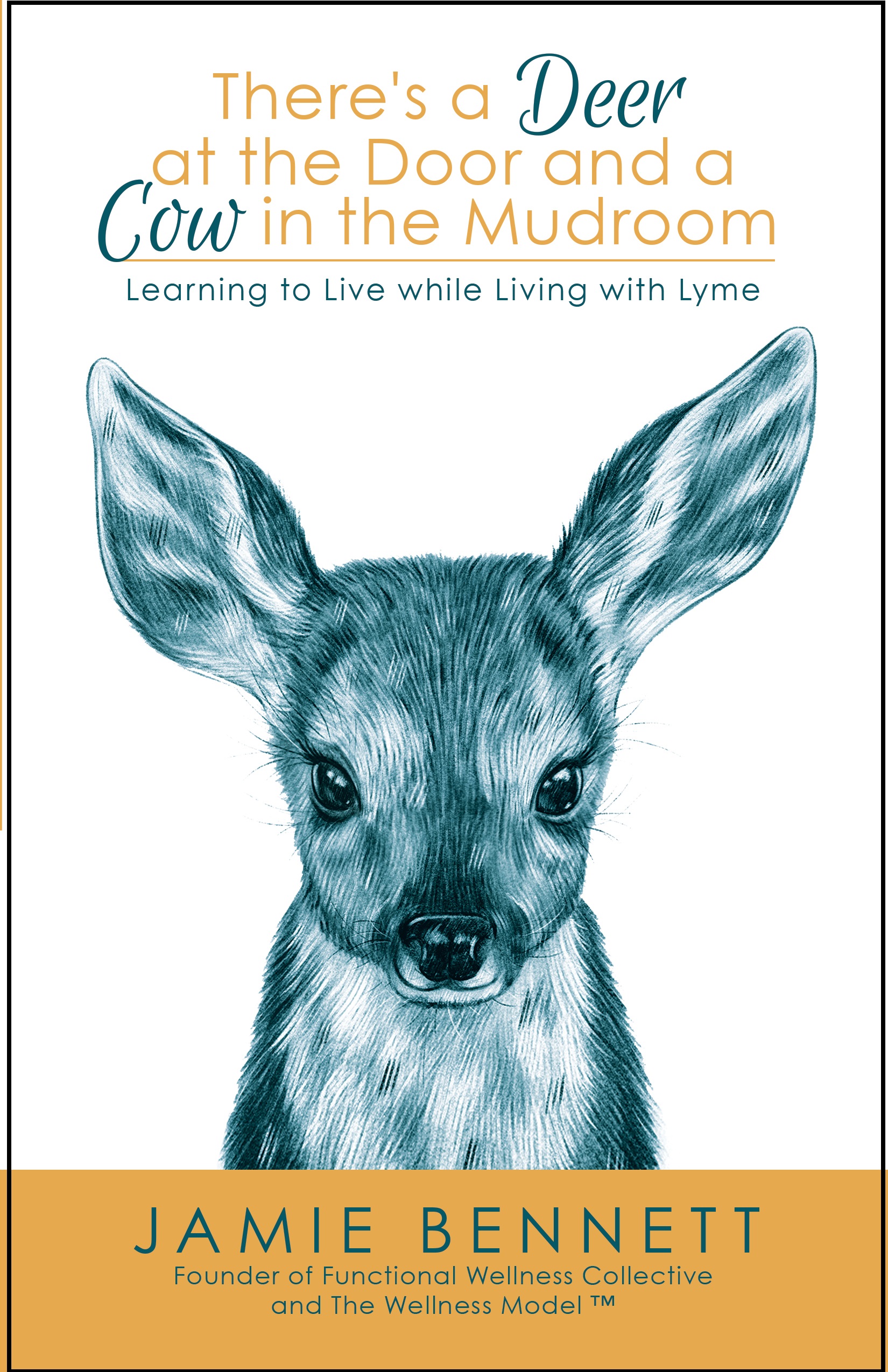
The result is a book called There’s A Deer At The Door And A Cow In The Mudroom: Learning to Live while Living with Lyme. My goal is to help others by sharing what I learned from those dark years. Our family’s transformation through faith, farming, and chronic illness was a roller coaster of emotions and learning lessons but certainly not all bad.

The deer my daughter rehabilitated was as instrumental to her recovery as her medication. Waking to find the deer waiting at the door gave her a reason to get up and continue to fight each day. The calf–it really was in the mudroom. It become one of the many farm lessons that molded my children, teaching them to live each moment as though they were never sick.

My mother didn’t live to see the publication of this book, but she was instrumental in helping to bring it about.

My family healed through our various experiences. I hope that learning about what we did can help you heal, too.

Jamie Bennett maintains a website geared towards helping people obtain optimal health. Click here for more information about her book.

__________________

**Comment**

Great read and the book sounds marvelous.  Notice the little nuggets of truth:

  • A “vaccine” once again seemingly served as a trigger for health problems.  They are not safe and effective for ALL people and the risk/benefit ratio MUST be considered by each person. Medicine is not “one size fits all,” and the COVID debacle set us back to the Dark Ages in this area.  Never allow someone bully you into making a decision that YOU and you alone will have to live with for the rest of your life.
  • Necessity pushed this mother to find answers. There are silver linings in having to deal with poor health if you refuse to quit.  There will be dark days for sure, but keep on chugging.
  • Notice how this woman’s mother was her bulwark.  Be a bulwark for someone.  You will never know how your words could help someone out of a dark pit.  I’ve shared it before but it’s worth repeating: I was told by my children’s martial arts teacher, “Lyme has nothing on you.  You have an indomitable spirit and you will survive this.”  At the time I felt anything but indomitable and was questioning the reason for even trudging on.  But, after those words were uttered, I felt myself revive deep inside.  I will never forget those life-affirming, saving words.
  • Notice all the misdiagnoses.  This is a common theme with Lyme/MSIDS and until the root issue of tick-borne illness is dealt with, you will not fully regain your health; however due to politicization, it is often the last thing dealt with.
  • Notice how ALL the things learned and used had a cumulative effect on health.  While addressing the infection(s) is crucial, there are many other facets that also need addressing such as detoxification, hormones, minerals/vitamins, exercise, sleep, psychological issues including anxiety, PTSD, trauma, and so on – and each patient has different needs requiring different methods and treatments. This illness is highly individualized and takes a savvy approach – again, not a “one size fits all” approach – which allopathic medicine ascribes to.
  • Notice the daughter’s rehabilitation of a deer was as important to her recovery as directed treatment.  This deer helped her get her mind off of herself.  We all need something to help us overcome our own selves!  We can actually stand in our own way in healing.  We need productive, healthy outlets to focus on with what little energy we have.
  • Some of the best ideas come from other patients willing to take the time to share their stories and what helped them.  Even if their ideas don’t work for you, it will nudge you to keep looking.
NEVER EVER QUIT!

Does Unrecognized Lyme in Mothers Lead to Autism Spectrum Disorder?

https://www.lymedisease.org/autism-lyme-disease-in-mothers/

Does unrecognized Lyme in mothers lead to autism spectrum disorder?

July 3, 2022

By Debbie Kimberg

I received many positive responses to my recent blog about my son’s 80% recovery from symptoms that had been diagnosed as autism spectrum disorder (ASD). This was accomplished with long-term antibiotic treatment for congenital tick-borne diseases (TBD).

After reading the article, many parents wrote to me, saying things like, “Thank you for sharing your story. The description of your son sounds just like my child. This gives me hope!” And they went on to ask, “How can I find a doctor to test my child?”

Common symptoms of TBD in parents

Testing the child is only part of what’s needed. When children develop such problems, it’s often because the mother has unknowingly passed along tick-borne diseases during pregnancy. Mothers of children with these problems may not realize that they themselves may have tick-borne diseases—and deserve testing and treatment. And sometimes dads are infected, too.

Here are symptoms that mothers may experience, without knowing that they could be the result of tick-borne diseases, such as Lyme disease and Bartonella1:

  • Psychiatric symptoms: ADHD, anxiety, social anxiety, depression, OCD, temper rages/irritability, mood swings/bipolar, panic attacks, memory issues/brain fog, oppositional, fears, emotional lability, and in severe cases, psychosis, hallucinations, suicidal ideation and violence
  • Autoimmune symptoms: thyroid, arthritis, fatigue, neuropathy/MS, muscle pain/fibromyalgia, inflammatory bowel disease
  • Other: gluten/dairy sensitivity, sleep issues, migraines, urinary issues, eating disorders, day or night sweats, seizures, and some cancers

Symptoms of unrecognized and untreated tick-borne diseases–stealth infections–can slowly worsen over years and decades.

Important clues

Mothers of children with ASD that I corresponded with frequently listed off symptoms they experienced, the doctors they saw, and testing done. Nearly all of these mothers described having psychiatric symptoms, and often had symptoms of one or more autoimmune diseases. These are important clues about a potential TBD transmission during pregnancy2.

Only a few mothers said they were tested for Lyme disease (Borrelia). Of those who were tested, most said they received a negative result on a commonly used lab test, which was potentially a falsely negative result.

One mom had a positive test result for Borrelia, was treated by her doctor with doxycycline for a few weeks and declared cured. However, it is unlikely the mother was cured from this complex disease with just a few weeks of doxycycline, evidenced by her child’s and her own continued symptoms. With the current treatments available, it’s not uncommon for these infections to take years to treat, even with a combination of antibiotics.

Bartonella is known to cause many psychiatric symptoms. That’s the infection that caused 70% of my son’s ASD (and PANS) symptoms. In addition to the many psychiatric issues listed, Bartonella is also known to cause ADHD, memory issues, brain fog, gluten/dairy sensitivity, sleep issues, digestive issues, thyroid, arthritis, neuropathy, muscle pain, inflammatory bowel disease, tumors, and seizures1,3.

If the mother experiences psychiatric or autoimmune issues, this is probably not a coincidence. More likely, it is the smoking gun.

Don’t recall a tick bite?

Most people I’ve heard from say they don’t remember a tick bite. However, it is common for people to be unaware that they were bitten by a tick. Additionally, there’s evidence that these infections can be transmitted sexually5 and during pregnancy6.

Don’t let the lack of a known tick bite deter you from getting screened by a Lyme specialist.

I offer my own history as an example of how these infections can be transmitted within families. As of December 2021, my family has three confirmed generations of TBD.

My mother suffered stealth psychiatric symptoms from Bartonella including OCD, anxiety, social anxiety, emotional lability, night terrors, and night sweats when my sister and I were growing up. My mom has no recollection of a tick bite and no idea when she was infected.

My sister and I first began exhibiting anxiety, fears, oppositional behavior, bedwetting, excessive tantrums, and panic attacks at a young age. It’s likely that we both were infected congenitally, then unsuspectingly passed the infections on to our children during our pregnancies.

Some people mistakenly believe that tick-borne disease is only a problem in the northeastern United States. Wrong! Lyme and other tick-borne diseases have been identified throughout the country.

Why does it matter if you are undiagnosed if the symptoms don’t impact your everyday life?

There are three reasons. First, it matters to our children, our next generation who may be infected during pregnancy and born with autism spectrum disorder, ADHD or psychiatric difficulties8. Second, for your own long-term health, because this is a progressive disease that could affecf any organ in your body over time. And finally, you could transmit the disease to your partner.

Find a knowledgeable doctor

Unfortunately, finding a knowledgeable doctor can be a challenge. The majority of doctors, including infectious disease doctors, are not trained on the latest findings in TBD and rarely consider it at an office visit6. Doctors rarely probe into the full set of psychiatric and physical symptoms of their patients which could indicate TBD.

Additionally, commonly used testing is notoriously inaccurate1 due to the lack of sensitivity of the test. Even with specialty tests, there can be false negative test results as we saw in my family’s testing.

Furthermore, many doctors don’t understand that a person with chronic TBD has a 50% likelihood of having at least two co-infections and a 33% likelihood of having three or more co-infections. If Lyme disease is suspected, the full spectrum of co-infections should be tested for and treated. These factors cause many people to go undiagnosed or improperly diagnosed.

If you do have a positive test, the common practice for doctors is to treat the Borrelia (Lyme) infection with a few weeks of doxycycline10,11. This is insufficient treatment for many. The potentially more impactful co-infections such as Bartonella, Babesia, Rocky Mountain spotted fever, Ehrlichia, and Anaplasma are generally not tested or treated.

Contributing to the problem, the CDC website does not cover the vast array of symptoms that can develop with these complex, multi-faceted chronic diseases. The CDC’s coverage of Bartonella henselae infection is a prime example of scant information that applies only to patients immediately following a tick bite. The CDC does not address the many psychiatric and physical symptoms that can develop over time.

Could stealth infections in mothers be the cause of skyrocketing rates of ASD?

Why are the rates of autism skyrocketing? It’s a perplexing and frustrating question. Might the multi-generational transmission of these stealth infections–especially Bartonella–be a major contributing factor?

If you are pregnant or want to get pregnant and believe you have symptoms, do not hesitate to get tested6. Find a Lyme specialist at the links below.

Remember, testing, even with specialty tests, frequently show falsely negative results. A good Lyme specialist will be able to offer a clinical diagnosis based on your symptoms, if needed.

Dr. Rosalie Greenberg, a child psychiatrist and Lyme expert, says that she sees families like mine in her practice every day because psychiatric symptoms are so common with TBD. She also made an eye-opening comment in her writing, “I’ve been a child psychiatrist for 40 years. The world of tick-borne illness is nothing like I’ve ever experienced before. It makes one really rethink a lot of medicine.”

You can find a Lyme specialist on LymeDisease.org.

To learn about my son’s story, follow me on Instagram @HijackedBrains or visit my website.

On July 12, Debbie Kimberg will take part in a webinar entitled “Co-morbidity of Lyme disease and Autism Spectrum Disorder in Children,” sponsored by Project Lyme. Click here for details.

References

1. Recovery from Lyme Disease: An Integrative Medicine Guide to Diagnosing and Treating Tick-borne Illness, by Dr. Daniel Kinderlehrer, pages 66-77, 122-124, 131-134, 138

2. It’s Time to Recognize Congenital Lyme by Dr. Rosalie Greenberg

3. Bartonella, The Stealth Pathogen That You Can See without a Microscope by Dr. Rosalie Greenberg

4. Schizophrenia and Bartonella spp. Infection: A Pilot Case Control Study

5. Sexual Transmission of Lyme Borreliosis? The Question That Calls for an Answer

6. Molecular evidence of Perinatal Transmission of Bartonella vinsonii susp. berkhoffii and Bartonella henselae to a Child

7. Lyme Disease Data Tables: Historical Data, CDC

Note: These rates are new infections only. The CDC does not take into account a) the known issue with high rates of false negative testing b) the many people who have no known tick bite and stealth symptoms that do not seek testing c) the unknown number of children believed to have a congenital infection

8. Tick-borne Disorders and Mental Illness in Youth: An Unrecognized Connection by Dr. Rosalie Greenberg

9. Lyme Disease Co-Infections, Lonnie Marcum, LymeDisease.org

10. Guidance for Clinicians, Caring for Patients after a Tick Bite, CDC

11. Tick-borne Diseases of the United States: A Reference Manual for Healthcare Providers, CDC
Note: There is no mention of Bartonella, the arguably the most impactful infection in terms of ASD.

Additional Resources

MothersAgainstLyme.org

Breitschwerdt explains what’s known and unknown about Bartonella, April 3, 2019

DISCLAIMER: The author is not a doctor. This writing is an opinion held by the author and is not intended to dispense medical advice. If you have medical questions, please seek the care of a Lyme specialist.

For more: