Archive for the ‘Activism’ Category

Wormser – Wrong Choice for Lyme Panel – Send Letters Now

https://www.lymedisease.org/wormser-wrong-choice-lyme-panel/#comment-24002

Conflicts of interest make Wormser wrong choice for Lyme panel

Gary_Wormser
The federal Tick-Borne Disease Working Group was established by 2016’s 21st Century Cures Act. The idea was to bring together a diverse set of stakeholders, including treating physicians, researchers, patients, advocates and government officials to help inform federal policy regarding Lyme and other tick-borne diseases. The US Department of Health and Human services named members of the Working Group last week.

LymeDisease.org supports the concept of the federal working group. However, we feel HHS made a big mistake by appointing Dr. Gary Wormser, due primarily to his financial conflicts of interest with companies who stand to make money from the panel’s decisions.

LymeDisease.org President and Founder Phyllis Mervine sent the following letter to Dr. Richard Wolitski, Designated Federal Officer of the Tick-Borne Disease Working Group.

Dear Dr. Wolitski:

I am writing on behalf of LymeDisease.org to protest the appointment of Gary Wormser, MD, to the Tick-Borne Disease Working Group and to request that he be replaced.

LymeDisease.org is the largest communications network representing Lyme disease patients in the United States, with over 4 million unique visitors to our website each year. We are the most trusted source of information on Lyme disease for millions of patients.

Conflicts of interest

Dr. Wormser has substantial conflicts of interests with lab companies and other commercial interests. In a recent article he disclosed conflicts of interest with Immunetics, Inc. (the developer of the C6 Lyme test, which he promotes). The C6 Lyme test is known to be highly insensitive, yet the IDSA guidelines require positive lab tests in order for patients to be diagnosed and treated for Lyme disease. This means that patients must obtain repeated blood tests to obtain positive results, which helps drive up the profits of testing companies such as Immunetics.

Dr. Wormser also discloses Lyme-related conflicts of interests with Abbott, Institute for Systems Biology, Rarecyte, Inc, and Quidel Corporation. He also has financial ties to insurance companies, having served as an expert witness in court cases against doctors for treating Lyme disease outside of the IDSA guidelines

Dr. Wormser cannot sit on this panel without these conflicts of interest influencing his messages. He does not represent the interests of an independent, truth-seeking researcher, but rather the commercial interests of profit-making companies. As such, he has no place in this Working Group.

Lyme testing

The fact that Dr. Wormser is the only panel member with a background in Lyme testing is also problematic. Several other professionals who were recommended for the Working Group—including Dr. Raphael Stricker, Dr. Sam Donta, and Dr. Elizabeth Maloney—could fill the lab expertise role without conflicts of interest with laboratory companies. The selection of Dr. Wormser for the Working Group sends a strong signal of commercially motivated bias.

NIH grants

Another major concern is that Dr. Wormser has received a large share of NIH grants for Lyme-related research and is influential in the selection of grant recipients. This will make it difficult for other researchers on the panel to be candid, fearing repercussions on their ability to obtain future grants. Deciding the direction of research and the needs for funding is likely to be an important function of the Working Group. Now-retired UC Davis researcher Stephen Barthold testified before a Congressional committee that Lyme research that doesn’t conform to the IDSA paradigm does not receive funding, for political reasons. We believe that having Dr. Wormser on the Working Group will perpetuate that injustice.

Biased guidelines

As chairman of the Infectious Diseases Society of America (IDSA) Lyme guidelines revision panel, Dr. Wormser was a defendant in the 2006 antitrust investigation of the IDSA by then-Attorney General Richard Blumenthal of Connecticut. The IDSA is a medical specialty society that represents the interests of its members, and the members who deal with Lyme disease are primarily researchers.

AG Blumenthal concluded that the “IDSA’s 2006 Lyme disease guideline panel undercut its credibility by allowing individuals with financial interest—in drug companies, Lyme disease diagnostic tests, patents, and consulting arrangements with insurance companies—to exclude divergent medical evidence and opinion.”

Those guidelines leave many patients chronically ill. Patients do not trust the IDSA and do not want to be treated according to the IDSA guidelines. Yet the IDSA guidelines are influential and are used by state medical boards in disciplinary proceedings against nonconforming physicians and by insurers to deny essential care to patients. This has a chilling effect on the willingness of doctors to stray from the IDSA guidelines or even to accept people with chronic Lyme disease as patients.

Lack of trust

Dr. Wormser is featured in Under Our Skin, a compelling documentary about the ravages of chronic Lyme disease. In the film, he insists that there is no objective evidence that chronic Lyme disease exists and trivializes the effect of the illness on patients. He is likely to be a lightning rod for controversy and his continued presence on the Working Group will undermine all efforts to gain the public trust.

To sum up, LymeDisease.org speaks for a large community of patients in requesting that you remove Dr. Wormser from the Working Group. We urge you to replace him with someone less biased and with fewer financial conflicts of interest. We advance three nominees to replace his position: Dr. Raphael Stricker, Dr. Elizabeth Maloney, and Dr. Sam Donta. We believe materials on these individuals has already been forwarded to you as part of the nomination process.

Thank you for your consideration.

Sincerely yours,

Phyllis Mervine
President and Founder, LymeDisease.org

The first meeting of the Tick-Borne Disease Working Group will be in Washington DC on December 11. LymeDisease.org urges readers to send an email to Dr. Richard Wolitski at the following address: tickbornedisease@hhs.gov . Tell him why you feel Dr. Wormser is a poor choice for this panel.

Sources:

Asher T. Unprecedented Antitrust Investigation into the Lyme Disease Treatment Guidelines Development Process. Gonzaga Law Rev. 2011 Jan;46(1):117-145. Available from: https://www.law.gonzaga.edu/law-review/files/2011/01/Asher.pdf

Institute of Medicine, Committee on Lyme Disease and Other Tick-Borne Diseases: The State of the Science Board on Population Health and Public Health Practice. Critical Needs and Gaps in Understanding Prevention, Amelioration, and Resolution of Lyme and Other Tick-Borne Diseases: The Short-Term and Long-Term Outcomes: Workshop Report. 2011. Available from: https://www.nap.edu/read/13134/chapter/1#ii

Johnson L, Stricker RB. Attorney General forces Infectious Diseases Society of America to redo Lyme guidelines due to flawed development process. J Med Ethics. 2009 May;35(5):283-8. Available from: http://www.ncbi.nlm.nih.gov/pubmed/19407031 http://jme.bmj.com/content/35/5/283.

Pfeiffer MB. Chronic Lyme disease: Is it real? Poughkeepsie Journal, 05/19/2013. Available from: http://www.poughkeepsiejournal.com/story/news/health/lyme-disease/2016/06/24/archive-chronic-lyme-disease-real/86349798/

Wormser GP, Shapiro ED, Strle F. Studies that report unexpected positive blood cultures for Lyme borrelia—are they valid? Diagn Microbiol Infect Dis. 2017 Nov;89(3):178-81. Available from: http://www.ncbi.nlm.nih.gov/pubmed/28918069

_________________

For a list of the panel members:  https://madisonarealymesupportgroup.com/2017/11/22/tbi-working-group-members-named/

For commentary and interview on the panel:  https://madisonarealymesupportgroup.com/2017/11/14/thayer-interview-commentary-on-tick-borne-disease-working-group/

Healing Power of Gratitude

https://www.lymedisease.org/touchedbylyme-gratitude-ornaments-rachel/

TOUCHED BY LYME: The healing power of gratitude ornaments
The following is republished from my blog last year. It has been updated slightly.

Guest blog by Rachel Leland

In November of 2015, I was in month six of what ended up being 13 months of intense mold treatment (on top of Lyme treatment).

I wasn’t allowed to even step foot inside any building that hadn’t been cleared for mold. No shopping malls, no movie theaters, not even a grocery store.

I was a prisoner in my apartment and I didn’t like it one bit. At that time, I could easily list off all the things going wrong in my life—and was hard-pressed to acknowledge anything about it that was good.

One day, I muttered to one of my practitioners that I wasn’t going to hold my breath for any of my various treatments to work. That’s when she gently reminded me how healing it can be to focus on the good, not the bad, in our lives. For days after our conversation, I thought about what she said.

There WERE good things about my life. I was fortunate enough to be living in a mold-free apartment. I had supportive parents. A brother who texted me funny things that happened to him throughout the week to keep my spirits up. A boyfriend who tremendously helped me through the mold treatment and did all the shopping, making it possible for me to stay out of buildings. And friends who came over to keep me company.

And the more I purposely thought about those things, and felt thankful for them, the easier it was to find other positive things about my situation. This all went down at the end of November, and with my new way of thinking, I got an idea of how to decorate my very first Christmas tree away from my parents’ house.

I made what I called “gratitude ornaments,” which were pieces of colored paper with Christmas ribbon attached to them. I made 25 blank ones, and each day leading up to Christmas, I would think about something I was truly grateful for that day, write it on the ornament and place it on the tree. On Day One, for instance, I wrote:

Thankful for my amazing parents who never give up on helping me.

Throughout the month, my tree grew more and more colorful, until by Christmas Day, it was blooming with wonderful, positive aspects about my life. On the good days it filled me with happiness to see all those things I was grateful for. On the bad days, it was a lifeline.

Many times that Christmas season, I found myself standing in front of the tree, re-reading what I was grateful for, to remind me that things weren’t only bad.

On one particularly tough day, I sat at my desk, staring at my blank gratitude ornament, thinking that I couldn’t possibly find a single thing to be thankful for. At this point my food allergies were at their worst, and nearly every week I lost another one of the precious few foods I could still eat. At times, the agony of losing yet another food was unbearable. I contemplated skipping that day and not putting any ornament on the tree.

But I knew that wasn’t how it worked. I had to find something to be grateful for. And finally I knew what it was—I was thankful for stevia. It was something I could still eat and it was the only thing I could use in cooking to make food sweet. So up there on my Christmas tree, along with being thankful for my family, friends, and all these other good things in my life—was stevia.

And I’m still thankful for stevia today!

After Christmas was over, I took down my 25 gratitude ornaments and placed them in a bag labeled Christmas 2015. In 2016, I repeated the process. Now, in 2017, I’ve got my little tree in its place of honor and my blank ornaments are all ready for December 1.

(I’ll give you a hint about something that’s sure to be recorded on an ornament. That boyfriend I mentioned earlier is now my husband!)

I plan to keep all of my gratitude ornaments–forever–so that I can look back each year and see the 25 best things about my life at that moment in time.

And every year, I’ll write down the things I’m thankful for and watch as my little tree gets filled with happiness each day because of it.

Rachel has been dealing with Lyme and related issues since 2005. Now 26, she resides in Arizona. Her blog is Resilently Rachel.

TOUCHED BY LYME is written by Dorothy Kupcha Leland, LymeDisease.org’s VP for Education and Outreach. She is co-author of When Your Child Has Lyme Disease: A Parent’s Survival Guide. Contact her at dleland@lymedisease.org.

________________

**Comment**

Great idea and quite true.  Our attitude is crucial in the healing process.

When upon life’s billows you are tempest tossed,
When you are discouraged, thinking all is lost,
Count your many blessings, name them one by one,
And it will surprise you what the Lord hath done.

Refrain

Count your blessings, name them one by one,
Count your blessings, see what God hath done!
Count your blessings, name them one by one,
And it will surprise you what the Lord hath done.

Are you ever burdened with a load of care?
Does the cross seem heavy you are called to bear?
Count your many blessings, every doubt will fly,
And you will keep singing as the days go by.

Refrain

When you look at others with their lands and gold,
Think that Christ has promised you His wealth untold;
Count your many blessings. Wealth can never buy
Your reward in heaven, nor your home on high.

Refrain

So, amid the conflict whether great or small,
Do not be disheartened, God is over all;
Count your many blessings, angels will attend,
Help and comfort give you to your journey’s end.

Refrain

Words: John­son Oat­man, Jr., Songs for Young Peo­ple, by Ed­win Ex­cell (Chi­ca­go, Il­li­nois: 1897).

Music: Edwin O. Excell (MI­DI, score).

http://www.cyberhymnal.org/htm/c/o/countyou.htm

Biological Mechanisms of Vaccine Injury

Biological Mechanisms of Vaccine Injury

by jameslyonsweiler, Nov, 2017  https://jameslyonsweiler.com/2017/11/23/biological-mechanisms-of-vaccine-injury/

When Dr. Chris Exley and his research team discovered aluminum co-localized with amyloid plaques in the brains of patients who died from Alzheimer’s, it made big news, even though a study in 1985 https://www.ncbi.nlm.nih.gov/pubmed/4065091 discussed the aluminum silicate portion of amyloid. That’s right. We’ve known since 1985 at least that amyloid plaque in the brain is partly aluminum silicate. Now, Exley’s findings completely destroy any hope that aluminum somehow stayed out of the brain,  unnamed
Aluminum, it turns out, plays a critical role in our understanding of the biological mechanisms of vaccine injury. In this article, I will review the scientific evidence of four major ways that vaccines can cause harm. These are (1) Vaccine-Induced Mitopathy; (2) Vaccine-Induced Persistent Gliosis; (3) Vaccine-Induced Endoplasmic Reticulum Damage, and (4) Vaccine-Induced Autoimmunity (to appear as a separate article). My intent and purpose is not and has never been to discourage anyone from accepting vaccines, nor to provide medical advice of any kind; rather, my intent is to make a clear path toward safer routes to artificial immunization and communicate the state of scientific knowledge about mechanisms of the pathophysiology of disease caused by vaccines, and how such human pain and suffering can be mitigated.

unnamed

(1) Vaccine-Induced Mitopathy
Individuals born with mitochondrial disorders have partially disable cellular energetics. Mutations that alter proteins in the various specific mitochondrial pathways lead to a variety of congenital conditions http://www.umdf.org/types/, including encephalomyopathy and seizures. We need mitochondria to work in all of our tissues. However, our brains consume so much energy, any weakening of mitochondrial ATP flux will almost certainly lead to neurological disorders.

Environmental damage to mitochondria is known to occur from exposure to lead and includes depletion of mitochondrial membrane potential (ΔΨ) and intracellular glutathione (GSH), elevation of caspase-3 activity, intracellular reactive oxygen species, and malondialdehyde levels, and inhibition of GSH peroxidase (GSH-Px) activity (Liu et al., 2014).

Why discuss lead-induced mitochondrial toxicity in an article on vaccine injury? In part because many individuals familiar with brain injuries and conditions that lead to brain injuries will recognize the critical role of GSH, the importance of shutting down ROS, and the potential use of malondialdehyde as a screen for brain injury following vaccination. Another reason is that 25% of the homes in Pittsburgh have higher lead levels in the water coming into the homes than the levels found in the water in Flint, MI, and individuals with mitochondrial damage due to lead are likely to be a higher risk of the toxic effects from vaccines.

unnamed
The science of the specific actions and mechanisms of mitochondrial injury from vaccines include some of these events, including recognition of aluminum as an intracellular ROS generator (Han et al., 2013). Aluminum is present in vaccines as an adjuvant in a variety of forms, most commonly aluminum hydroxide (a well-known neurotoxin https://www.ncbi.nlm.nih.gov/pubmed/?term=aluminum+neurotoxicity). Vaccine risk denialists spend a lot of time denying the massive literature on the neurotoxicity of aluminum. Nevertheless, studies show that aluminum also disrupts cytoskeletal dynamics (Lemire et al., 2009).

unnamed-2
Thimerosal also has damaging influences on mitochondria, including direct damage to the mitochondrial genome. Sharpe et al. (2012) found that thimerosal induced a five-fold increase in the levels of oxidant damaged mitochondrial DNA bases and increases in the levels of mtDNA nicks and blunt-ended breaks.

unnamed
Increases in DNA damage to mitochondrial DNA can only increase the likelihood of heteroplasmy (the occurrence of >1 mitotype in a tissue or a person) – and low-energy regions of the brain can result because mitochondria are inherited in soma via cellular division.

unnamed
Repeated exposures to mercury can have myriad ill effects as well. Exposure to Methyl mercury (not the type found in vaccines) shows an increase in total reactive oxygen species (ROS) over time in the brain in autoimmune encephalomyelitis (Kharizi et al., 2016). The same ROS-generating effects, along with mitochondrial DNA damage, are seen due to the exposure of ethyl mercury in thimerosal, found in vaccines (Sharpe et al., 2012).

(2) Vaccine-Induced Persistent Gliosis
Mice injected with aluminum adjuvant doses equivalent to those given to US military service personnel showed both neuroinflammation and cell loss in the spinal cord and motor cortex, with consequent memory deficits (Petrik et al., 2007).

The cause of macrophagic myofascitis (MMF) has since been identified asaluminum hydroxide from vaccines lesions (Gherardi et al., 2001; Authier et al., 2006; Gherardi et al., 2012; Rigolet M et al., 2014). Patients with MMF have an unusually long reaction at the site of injection of aluminum-containing vaccines in their muscle, and biospies show infiltration of muscle tissue by macrophages. (See: https://jameslyonsweiler.com/2015/11/16/paging-dr-offit-your-aluminum-neurotoxicity-reading-assignments-are-ready/).

Here is chilling description of the effect of aluminum when used as an adjuvant:

“…poorly biodegradable aluminum-coated particles injected into muscle are promptly phagocytosed in muscle and the draining lymph nodes, and can disseminate within phagocytic cells throughout the body and slowly accumulate in the brain” (Gherardi et al., 2015).

While reading thousands of studies for “The Environmental and Genetic Causes of Autism”, I was amazed by the number and the high diversity of types of studies that showed that microglia are chronically activated in autism. Microglia are cells in the brain that normally work to help form complex many:many synapses, leaving behind an abundance of 1:1 synapses. This is reflected in the altered Inhibitory/Excitatory ratio found in ASD and other neurodevelopmental disorders. Microglia also play the role of pruners. When there is a physical injury or an infection that damages nerve cells, glutamate is released. This amino acid is a neurotransmitter, and in high concentrations, glutamate is also a signal to microglia that cellular damage exists in the brain. Local microglia respond by changing shape, becoming macrophagic, and they go to work cleaning up cellular debris. They can induce apoptosis (cell death) and destroy both dendrites and neural precursor cells.

When metals such as aluminum and mercury enter the body, they are taken up by macrophages, and they slowly accumulate in the brain. Harm to astrocytes can occur, as we have seen, via direct mutagenesis, ROS species generation, endoplasmic dysfunction, and other mechanisms (including blockage of normal functioning of cytoskeletal dynamics (coordinated actions of actin and microtubule filaments, nucleolar membrane pores). The individual or cumulative effects of these insults reduce astrocytic uptake of glutamate, causing a rise in the brain-wide concentration of glutamate, leading to excitoxicity – the activation of microglia leading to specific types of deficits and surpluses of pruning activity, and unwarranted, unhealthy microglia-mediated apoptosis (cell death). (See the Companion site “Causes”: The Environmental and Genetic Causes of Autism Reference Resource: https://envgencauses.com for relevant references).

unnamed-2
The destruction of dendrites, neural precursor cells and otherwise healthy nerve cells leads to the further release of glutamate – and cytokines – signaling the brain inflammasome. Astrocytic cell death leads to the re-distribution of accumulated metals to new brain cells.

The reactive microglia are induced on a repeated basis – 33 times – over the course of the first 18 months of life (See CDC schedule to 18 mos:  https://www.cdc.gov/vaccines/schedules/downloads/child/0-18yrs-child-combined-schedule.pdf). If any child has a mutation in any number of genes encoding proteins involved in cellular detoxification, downregulation of microglial activation, mitochondrial function or even synaptic transmission, these environmental exposures can lead to devastating encephalopathy. Clearly, vaccine safety science at the population level will be uninformative on the reality of specific risk in certain families.

(3) Vaccine-Induced Endoplasmic Reticulum Damage
Like mutations that reduce a person’s ability to detoxify their brains (and other tissues)

unnamed
normally, both aluminum and mercury have toxic effects on the cell’s garbage removal system – the endoplasmic reticulum. The effects of aluminum are rather dramatic – it causes the ER to “glom-up” against the nuclear membrane. This is due in part to the failure of microtubule functions, which aids in the “unfolding” and movement and function of the ER. This mechanism is independent of the P53 apoptosis pathway (Rizvi et al., 2014) – but neuronal death occurs nevertheless.

A very important study by Stamogiannos et al. (2016) showed that thimerosal specifically inhibits the protein Endoplasmic Reticulum Aminopeptidase 1 protein (ERAP1). ERAP1 is is responsible for the proper shortening of proteins on their way to functioning in the adaptive immune system. From the UNIPROT database entry for ERAP1: http://www.uniprot.org/uniprot/Q9NZ08

“Aminopeptidase … plays a central role in peptide trimming, a step required for the generation of most HLA class I-binding peptides. Peptide trimming is essential to customize longer precursor peptides to fit them to the correct length required for presentation on MHC class I molecules”. ml6b00084  (article here)

The significance of disabling ERAP1 to immunity to pathogens cannot be underestimated. The very proteins that patients are attempting to use to protect themselves against infectious agents that cause disease are prevented from being properly trimmed – thus disrupting proper everyday immunological signaling. This may explain why patients who have received a vaccine against influenza have higher rates of non-influenza respiratory infections (Cowling et al., 2012).

unnamed
The vaccine studied (Vaxigrip) from Sanofi Pasteur includes thimerosal: http://www.wrha.mb.ca/professionals/immunization/files/05_Vaxigrip.pdf

Widespread “anecdotal” experiences by patients reporting “getting the flu” after receiving the flu vaccine are likely due to them becoming immunologically compromised by thimerosal-containing flu vaccine, allowing viruses to which they were immune prior to the vaccine to exert a pathogenic effect.

A study in 2011 found that annual vaccination of children against influenza indeed hampers the development of virus-specific CD8+ T cell immunity (Bodewes et al., 2011). Clearly, vaccination using thimerosal is not benign to human health. Patients who choose to receive vaccination as an attempt to achieve immunity against influenza can opt for the flu vaccine without thimerosal. Quite problematically, however, many doctors are not even aware that they are injecting thimerosal into patients. It is important, therefore, for patients to share all of these findings with their health care providers and their county and state health departments.

unnamed
An exciting new realization is the finding that amyloid plaques may play a direct role in severe autism with self-injury and aggression. Amyloid is made partly of aluminum. The notion that aluminum cannot cross the blood-brain barrier has been known to be false since at least 1985 (Colin et al., 1985).

unnamed
Dr. Exley’s most recent findings of record measurements of aluminum in the brains of people who died from Alzheimer’s confirms the truth: aluminum is at the very core of Alzheimer pathophysiology. The most significant source of aluminum in children from birth to three years of age is vaccination. This is reversed in adults due to increased body weights and higher amounts of aluminum in the diet. Generally speaking, humans absorb 0.2-0.3% of the aluminum present in their water and food. In contrast, every microgram of aluminum injected must be dealt with metabolically. Around 10% aluminum introduced to the body (past an epithelial layer, either by diet or by injection) makes it to the brain and stays there for decades.

unnamed
Children with severe autistic behavior and aggression have increased levels of beta-amyloid precursor protein (Sokol et al., 2006). Aluminum from all sources in their brains (water, food, vaccines) would foster the development of amyloid plaques, and should be avoided.

This knowledge is also exciting for families with loved ones with ASD who are suffering from self-injurious behavior and aggressive behavior because intranasal insulin is known to activate the enzymatic pathway that clears amyloid plaques:  https://www.ncbi.nlm.nih.gov/pubmed/27457264. Research studies on the efficacy – and safety – of intranasal insulin in ASD are needed.

It is very important to reduce the total aluminum and toxin exposures to children being vaccinated. Some water filters such as Zero Water reduce aluminum absorption from the diet; silica drops and high-silica mineral water both cause aluminum in the diet to become bound as aluminum silicate and thus pass through the digestive tract unabsorbed.

Part (4) Vaccine-Induced Autoimmunity
This section will be published in a separate article.

Solutions
Allegheny County Health Department dropped the ball on lead in the drinking water: https://jameslyonsweiler.com/2017/07/23/allegheny-county-board-of-health-flops-on-pittsburgh-water-lead-issue/, calling on a vaccine risk apologist to distract from the lead in the water coming into their homes. In a press conference, the individual pointed out that there was more lead in the soil and paint in these homes than in the water the occupants consume: https://jameslyonsweiler.com/2017/07/25/allegheny-county-sticks-their-heads-further-in-the-sand/. This was a move to try to (but failed to) deflect responsibility away from the Allegheny County Board of Health’s (ACBH) failure to address the issue of lead in the water in homes in and around Pittsburgh. However, as discussed elsewhere, ACBH should have been more, not less concerned about lead exposure from the water due to the presence of lead in the soil and paint, because toxicity is dose-related. Risk of neurodevelopmental disorder cannot be siloized by mere mention of sources of toxins that have accumulative effects and that interact with other toxins.

The ill effects of lead on the mitochondria should therefore also cause ACBH and health care workers everywhere to pause when recommending vaccination for children known to have high lead levels. Children in urban areas should be tested for lead prior to vaccinations – and those with high lead levels should be recommended to avoid vaccines with thimerosal and aluminum. The ACBH knows where these children live, and who they are. Will they alert the parents of these children to the potential for increased risk of vaccine injury due to their lead exposures?

My most ardent supporters, many of who are completely against vaccines because, in part, they see the future of immunity as stemming from healthy societies instead of artificial immunization, understand that I will never call for an end to improving means of artificial vaccination, for to do so would to be lock into place the specific vaccines that currently are causing millions to suffer from autoimmune and neurological disorders across the globe. Many of them disagree with me on this point, some quite vigorously. Vaccine industrialists take note: the flaws in your products are putting the entire immunization paradigm at risk. Those who develop the next-generation of infection-protection products should be aware that as long as you shield yourselves from liability, they will remain unacceptable to a growing segment of the general population. The public correctly believes that it is immoral to indemnify anyone against liability for flawed products, medical or otherwise. Removing the protections of yourselves and products from liability will be one gesture that could possibly restore some confidence. Conducting randomized double-blinded clinical trials large enough to detect rare adverse events, designed to include and report on those likely to suffer adverse events (at least in the math, preferably in the study design), avoiding the use of confidence intervals, not over-correcting your analyses, defining, publishing and sticking to a data analysis plan prior to conducting any analyses, reporting NNT (numbers needed to treat) and related measures (numbers needed to invite) and providing a fully transparent report of the fate all patients enrolled in the study will help restore confidence.

I join many voices from around the globe calling for the ban on the use of thimerosal at any stage of vaccine development. We have forthcoming results that show that aluminum dosing in pediatric vaccines is too high, and was not determined by dosage escalation trials in which aluminum was injected into animals. I also strongly recommend that unsafe epitopes should be identified, and excluded from all vaccines. Legislation from the people at the state level banning the sale or distribution of vaccines with mercury, aluminum and unsafe epitopes could prove to be an effective means for the people to gain control of what goes into their bodies.

unnamed
The NVCIA (42 U.S.C. §§ 300aa-1 to 300aa-34) mandated safer vaccines. I am grateful to Informed Choice Washington for this info, esp. Bernadette Pajer)

I’ve also called for biomarkers to screen people away from vaccines due to increased risk. This is consistent with the legislation that mandated the identification of individuals most susceptible to risks from vaccines.

unnamed
Doubly grateful for Informed Choice Washington for sending this information (esp. Bernadette Pajer)

Specifically, the Act mandated the identification of “the groups, categories, or characteristics of potential recipients of such vaccine who may be at significantly higher risk of major adverse reactions to such vaccine than the general population“.

Not only has that not happened, the CDC has actually taken action to weaken the available information – and for that, last December (2016), Bernadette Pajer and my joint public comments were censored: https://www.linkedin.com/pulse/cdc-censored-my-public-comment-12232016-welcome-james-lyons-weiler/, along with hundreds of other public comments. Our redacted comments and hundreds of others were made public after a brief consultation with my lawyer.

In my view, and in the view of thousands of parents, the National Childhood Vaccine Injury Act has been abrogated due to the failure of our government, vaccine manufacturers, and the medical community to do their part. They are now pushing mandates at the State level at frenzied pace with legislation designed to strip citizens of their existing liberties to opt out of vaccination. Exemptions exist in 48/50 states, and they must be defended so people who have reason to believe they, or their children are at risk of vaccine injury, can opt out.

unnamed-2
Under any other area of biomedical inquiry, these rational moves would come as recommendations. Under the current likely rates of vaccine injury, these steps are not mere recommendations. Under the National Childhood Vaccine Injury Act (NCVIA) of 1986 (42 U.S.C. §§ 300aa-1 to 300aa-34), they are mandated by Congress.

Religious exemptions must also be respected, in part due to the use of aborted fetal cells in the production of vaccines:  http://www.nature.com/news/medical-research-cell-division-1.13273.

The rate of death on the first day of life in the US is highest among all rich nations. Maternal deaths during pregnancy are at an all-time high, and yet CDC is still recommending Tdap vaccination, against FDA label, every pregnancy, every time. This recommendation was made with no safety studies – and the safety studies conducted since left out mothers who were at risk of complicated pregnancies, or simply excluded fetal deaths due to a lack of scientific ability to know the date of a spontaneous abortion. See the first #braintrust episode on this topic here:  https://www.facebook.com/wearevaxxed/videos/550017128678901/.

The not-for-profit I founded, IPAK, has called for a ban on vaccination in the NICU (see #nicuchallenge on social media) until studies are produced that demonstrate that vaccination in the NICU is safe. Many people don’t know that NICU’s vaccinate all of their patients at once, and have crash teams that stand by for respiratory distress, seizures, and other serious adverse events that occur due to the vaccination of low birthweight infants with 250 mcg of aluminum in the HepB vaccine. IPAK has also published a major report: http://ipaknowledge.org/NDRR-IPAK-Tech-Report-20171.php on the potential role that vaccination against HepB on the first day of life has played in preventing the bankruptcy of the medical industry in the US, Canada and the UK. It includes a call for screening programs to keep those most at risk out of harm’s way.

Reform Must Happen
I join many other voices in calls to mandate reporting of vaccine adverse events with fines for failing to report. VAERS is a failed system, capturing only between 1% and 10% of adverse events from vaccination, and users are required to acknowledge that the data are so poor they cannot be used to determine causality. The legendary VSD of CDC folklore is not available for public review and use. Professional obfuscationists currently inhabit high-ranking offices at the CDC, the NIAID, and the NIH. Their continued involvement in the areas of infectious disease, and public health insures that no reform can take place, in spite of the overwhelming evidence that vaccines are making many – if not most – recipients sick. They need to resign, accept early retirement, or get behind the movement sweeping the nation to protect our children – and ourselves – from serious adverse events and injuries. The misinformation campaign based on fear that people will stop vaccinating must be replaced by science.

As a scientist and a citizen, I am calling on every citizen, vaccine manufacturer, ACIP, the CDC and independent researchers to request funding from Congress for $1Billion in funding to be distributed to Universities to conduct immediate prospective RCTs on the safety of all vaccines currently on the market to determine if we can predict who will experience immediate, short-term and long-term adverse events and injuries from vaccines. CDC cannot be trusted, and won’t be trusted. Vaccine manufacturers have lost all credibility to a fast-growing portion of the American public, and other than joining their fellow citizens in a call for science, they should step aside and let vaccine safety science occur. Only a bought press and captured regulatory agencies are keeping the vaccine house of cards from falling apart. Moves to make the vaccination a police action are happening around the world. Dishonest moves by the likes of State Senator Richard Pan leading to the persecution of his former colleagues – medical doctors who honor requests for exemptions – show a true lack of personal character. The entire medical industry ignores the right of patients to refuse to participate in clinical trials – fully aware that the vaccines they are administering are subject to ongoing clinical safety trials.

A clause in the 21st Century Cures Act: https://www.congress.gov/bill/114th-congress/house-bill/34/ allows doctors to enroll their patients in clinical trials as long as the IRB overseeing the trial has determined that the risk to those enrolled is minimal. Clearly this act cannot possibly be relevant for vaccines, for which post-market surveillance studies are needed to determine long-term risk – the very information needed to allow this clause to be invoked. Citizens can opt out of vaccination on the basis of their refusal to be enrolled in the ongoing post-market safety studies. Citizen groups can also consider challenging and educating individual medical doctors who enroll patients in the ongoing clinical safety trials without securing informed consent.

We need outcome studies of injured vs. non-injured, and studies of rates of vaccine adverse events in genetic groups defined by the basic and translational science conducted that points to increased genetic risk of mysterious diseases with no known cause but many suspected environmental triggers. It is morally wrong to hide specific risk to identifiable subgroups in whole-population comparisons. Where is the study to determine if people with HLA genotypes with high risk of RA are at higher risk of RA due to vaccines than people with HLA genotypes with low risk of RA?

In part two of this article, I will review the evidence of autoimmunity from vaccines as the fourth mechanism of vaccine injury.

Citations

Bodewes et al., 2011. Annual Vaccination against Influenza Virus Hampers Development of Virus-Specific CD8+ T Cell Immunity in Children J Virol 85:11995-12000.

Cowling, BJ et al., 2012. Increased risk of noninfluenza respiratory virus infections associated with receipt of inactivated influenza vaccine. Clin Infect Dis. 54(12):1778-83. doi: 10.1093/cid/cis307.

Gherardi RK et al., 2015. Biopersistence and brain translocation of aluminum adjuvants of vaccines. Front Neurol. 2015 Feb 5;6:4. doi: 10.3389/fneur.2015.00004. eCollection 2015.

Han, S. 2013. How aluminum, an intracellular ROS generator promotes hepatic and neurological diseases: the metabolic tale. Cell Biol Toxicol. 29:75-84.

Kahrizi F 2016. Repeated Administration of Mercury Intensifies Brain Damage in Multiple Sclerosis through Mitochondrial Dysfunction. Iran J Pharm Res. 15:834-841.

Lemire et al., 2009. Aluminum-induced defective mitochondrial metabolism perturbs cytoskeletal dynamics in human astrocytoma cells. J. Neurosci Res 87:1474-83

Liu G et al., 2014. Puerarin protects against lead-induced cytotoxicity in cultured primary rat proximal tubular cells. Hum Exp Toxicol. 33(10):1071-80. doi: 10.1177/0960327114521048.

Mizra et al., 2017. Aluminium in brain tissue in familial Alzheimer’s disease. Journal of Trace Elements in Medicine and Biology 40:30 – 36.

Petrik MS et al., 2007. Aluminum adjuvant linked to Gulf War illness induces motor neuron death in mice. Neuromolecular Med 9:83–100.

Sharpe, MA et al., 2012. Thimerosal-Derived Ethylmercury Is a Mitochondrial Toxin in Human Astrocytes: Possible Role of Fenton Chemistry in the Oxidation and Breakage of mtDNA Journal of Toxicology Volume 2012 Article ID 373678, 12 pages

Stamogiannos, A et al., 2016. Screening Identifies Thimerosal as a Selective Inhibitor of Endoplasmic Reticulum Aminopeptidase 1 ACS Med. Chem. Lett. 7:681–685.

_____________

Part II on mechanisms of vaccine injury.

Go here for more on how vaccines cause autism.

For more on vaccines:

Lyme Vaccine:

Feel Helplessly Predestined for Disease? Listen to This

This great Tedx Talk reminds us we have far more control over the destiny of our health than we realize.  If you need encouragement to change your health habits – this is it.  

 Approx. 10 Min

What’s with Wheat? | Cyndi O’Meara | TEDxWilmington

In this talk Cyndi O’Meara discusses challenges with wheat.

Cyndi O’Meara is a nutritionist, film maker – ‘What’s With Wheat?’, best-selling author, international speaker and founder of Changing Habits. Cyndi graduated with a BSc majoring in Nutrition in 1984, her special interest was ancestral foods. After graduating, she became disillusioned by the global ‘standard’ nutritional guidelines that she paved her own path. Cyndi started Changing Habits in 1990, from her regular newspaper column on nutrition. Her ground breaking book Changing Habits Changing Lives (1998) became an instant best seller and from there she has grown a successful organic food company, certified online education program, a ground breaking documentary and is currently building a 60-acre organic food bowl which will be used as an education centre for sustainable farming practices. This talk was given at a TEDx event using the TED conference format but independently organized by a local community. Learn more at https://www.ted.com/tedx

______________

**Comment**

Being a native Iowan myself, I found O’Meara’s brief family history interesting. Spraying arsenic, lead & DDT on corn & wheat due to a locust plague was not too shocking considering I lived on the Mississippi River where Dupont and Clinton Corn were huge manufacturing plants employing many of the town folk. Today, all my old girlfriends have thyroid and endocrine disease and there is a lot of cancer.

The micro biome of the soil is just as important as the micro biome of the human body.  When farmers use things that disrupt the soil – beware.  It’s just a matter of time before the human body micro biome gets trashed.

Being a Lyme/MSIDS patient myself and understanding the challenges, this talk will give you simple and practical steps you can actively take to help regain your health.  If it’s overwhelming, do 1 thing until you are able to take on more. Remember – no guilt.  Just start somewhere and feel happy about it, knowing you are making life-long changes that will make a difference.

  1. When able, get to know the farmers at the local market and develop a relationship with them.  Raising crops in a healthy way is what these folks have devoted their lives to.  They are springs of information and are quite willing to share it.
  2. If you suspect wheat, go off it for 6 weeks and see if symptoms improve.  Many have found this one step to be a turning point.  My PT, after listening to my symptoms one day, asked, “Have you considered gluten?  I have nearly every symptom you just mentioned and when my wife, who’s a nutritionist, put me on a gluten-free diet, every symptom disappeared.”  Interestingly, he was so reactive that he had to use his own eating utensils and keep them separate from the family’s as he reacted even to microscopic amounts of gluten remaining on washed utensils others used to eat gluten with.  This shows that for many Lyme/MSIDS looks an awful lot like Lyme/MSIDS.  It can cause joint pain, brain fog, and many other similar symptoms.
  3. Be a label reader.  Find out what’s inside and what is being sprayed on your food.
  4. When you shop, stay on the perimeter of the store where the real food is.
  5. Get back in the kitchen and make your own food.

For another straight-forward talk on how to change your body and health with food:  https://madisonarealymesupportgroup.com/2017/05/20/minding-your-mitochondria/  Diagnosed with MS, Dr. Terry Wahls received the best standard medicine had to offer. After declining to the point of being in a wheel chair, she took matters into her own hands and learned how to properly fuel her body. Using the lessons she learned at the subcellular level, she used diet to cure her MS and get out of her wheelchair.

TBI Working Group Members Named

https://www.lymedisease.org/members-named-federal-working-group/

Members named for federal Tick-Borne Disease Working Group

HHS-seal-300x300

The United States Department of Health and Human Services has finally named members of the TBD Working Group that was established by the 21st Century Cures Act in 2016.

The law called for appointments to include a diversity of viewpoints and specialties regarding Lyme disease.

The HHS website lists the following 14 individuals as members on the Tick-Borne Disease Working Group.

John Aucott_5  John N. Aucott, M.D. (Chair)

Assistant Professor, Division of Rheumatology,
Johns Hopkins University School of Medicine;
Director, Johns Hopkins Lyme Disease Clinical Research Center

Dr. Aucott is an Assistant Professor in the Division of Rheumatology at The Johns Hopkins University School of Medicine and an attending physician at The Johns Hopkins Hospital. He has three decades of academic and clinical experience in infectious disease and is renowned for his expertise in translational research on Lyme disease and post-treatment Lyme disease syndrome. In addition to his work as a practitioner and an educator, Dr. Aucott is the Director of the Johns Hopkins Lyme Disease Clinical Research Center, where he leads a major research program focusing on both the acute and chronic manifestations of Lyme disease.

Dr. Aucott has been awarded numerous research grants from federal agencies and private organizations, and has more than 20 peer-reviewed publications on tick-borne diseases. For his pioneering work in the field, Dr. Aucott received both the 2015 Lauren F. Brooks Hope Award from the Global Lyme Alliance and the 2015 Research Achievement Award from the National Capital Lyme Disease Association.

In His Own Words: “My hope is to accomplish many of the goals set out in the 2010 Institute of Medicine report that called for a reframing and refocusing of research with the goal of generating new ways to reduce the burden of tick-borne diseases. Specifically, improved diagnostic testing for both acute disease and response to therapy, and the identification of markers for those who have persistent symptoms will be key factors in this shift. I believe that high-quality science could emerge as a mediating common ground to reduce the polarity between groups, and to refocus on areas of agreement and opportunity for the creation of better care and treatment paradigms going forward.”

Vanila Singh  Kristen Honey, Ph.D., P.M.P. (Vice-Chair)

Senior Policy Analyst, Office of Management and Budget, Executive Office of the President; Senior Research Scholar, Stanford University; Member, Stanford University Lyme Disease Working Group
Dr. Honey is a Senior Policy Analyst in the White House Office of Management and Budget, Executive Office of the President, Washington D.C. She is also a Senior Research Scholar at Stanford University and member of the Stanford University Lyme Disease Working Group. As a broadly trained biologist and ecologist with a passion for real-world challenges, she gravitates to “wicked problems” like tick-borne diseases. She transforms scientific methods through open data, open science, open source, and open innovation (e.g., crowdsourcing, citizen science, prizes, challenges, and public-private collaborations). In 2015 to 2016, Dr. Honey co-founded Lyme Innovation and led data-driven innovations for invisible illness, mental health, and suicide prevention from the White House Office of Science and Technology Policy. She was a 2013–2015 Science and Technology Policy Fellow with the American Association for the Advancement of Science.

Dr. Honey earned her Ph.D. at Stanford University in the Emmett Interdisciplinary Program in the Environment and Resources, School of Earth Sciences, while simultaneously earning a Ph.D. minor in Civil and Environmental Engineering. She holds an M.A. in Environmental Studies from the University of California, Santa Cruz, and a B.A. in Human Biology with Honors from Stanford University. She is originally from Portland, Maine, and the small island town of Long Island in Casco Bay, Maine, and is a late-stage Lyme disease survivor.

In Her Own Words: “I am a late-stage Lyme disease survivor. My personal Lyme healing journey is one of grit, courage, and inspiring recovery.”

Wendy Adams_0  Wendy Adams, M.B.A.

Research Grant Director, Bay Area Lyme (BAL) Foundation
Ms. Adams is the Research Grant Director for the Bay Area Lyme Foundation, and a founding board member of the Lyme Disease Biobank, an initiative to collect well-characterized Lyme disease samples to facilitate research on Lyme disease and other tick-borne infections. She also conceived of and instituted BAL’s Emerging Leader Award, which aims to foster a new generation of research by funding early career scientists who are working on Lyme disease diagnostic and therapeutic research.

Ms. Adams previously served as Chief Business Officer at Full Spectrum Genetics, Inc., an antibody-engineering company pursuing programs in immuno-oncology and autoimmune disease. She is also a fully recovered Lyme patient whose personal experience inspired her to actively pursue a cure for tick-borne diseases.

In Her Own Words: “Tick-borne disease diagnosis and treatment have not progressed with the same speed as other diseases like cancer and diabetes. We are still using drugs from the 1960s and a test from the 1980s. Physicians want nothing more than to diagnose and treat people appropriately, but with insensitive tests and ineffective drugs, their toolkit is limited. In the near term, I believe the linchpin of sound tick-borne disease policy is a sensitive, specific test for early B. burgdorferi infection. Giving doctors that tool, in and of itself, could stem the tide of patients who go on to experience chronic symptoms.”

Ben Beard_0  Charles Benjamin (Ben) Beard, Ph.D.

Acting Deputy Director, Division of Vector-Borne Diseases,
Centers for Disease Control and Prevention,
U.S. Department of Health and Human Services;
Associate Editor, Emerging Infectious Diseases

Dr. Beard earned a B.S. in 1980 at Auburn University, a M.S. in 1983 at the Louisiana State University School of Medicine, and a Ph.D. in 1987 at the University of Florida. He was a post-doctoral fellow and associate research scientist at the Yale University School of Medicine from 1987 to 1991. In 1991, he joined CDC’s Division of Parasitic Diseases, where he served as Chief of the Vector Genetics Section from 1999 to 2003. In 2003, he moved to CDC’s Division of Vector-Borne Diseases in Fort Collins, CO to become Chief of the Bacterial Diseases Branch. In this capacity, he coordinated CDC’s programs on Lyme borreliosis, tick-borne relapsing fever, Bartonella, plague, and tularemia. During his tenure at CDC, Dr. Beard has worked in the prevention of vector-borne diseases, both in the domestic and global arenas. In addition to his work as Chief of the Bacterial Diseases Branch, in 2011 Dr. Beard was appointed as the Associate Director for Climate Change in CDC’s National Center for Emerging and Zoonotic Infectious Diseases, where he coordinated CDC’s efforts to mitigate the potential impact of climate variability and disruption on infectious diseases in humans. In 2017, he was appointed as the Acting Deputy Director of CDC’s Division of Vector-Borne Diseases. He has published over 125 scientific papers, books, and book chapters collectively, and has served on a variety of committees and panels both inside and outside of CDC, including working groups or advisory panels for the World Health Organization, the Bill & Melinda Gates Foundation, and the American Meteorological Society. He is an Associate Editor for Emerging Infectious Diseases and past president of the Society for Vector Ecology and served as Deputy Incident Manager for CDC’s Zika virus outbreak response.

Scott Cooper  Commander Scott Cooper, P.A., M.M.S.

Senior Technical Advisor and Lead Officer for Medicare Hospital Health and Safety Regulations,
Centers for Medicare and Medicaid Services,
U.S. Department of Health and Human Services

Commander Cooper is a physician assistant (PA) officer in the United States Public Health Service (USPHS). Since 2003, he has been assigned to the Centers for Medicare & Medicaid Services, where he is the senior technical advisor and the lead officer responsible for the Medicare health and safety regulations for the nation’s nearly 5,000 hospitals. During this time, he has been responsible for the publication of numerous national hospital rules aimed at improving patient safety and care, but which still allow hospitals the flexibility to employ evidence-based “best practices” in their efforts to provide higher quality patient care at a reasonable cost.

In 2013, Commander Cooper completed a long-term special assignment to the Commonwealth of the Northern Mariana Islands where he served as the first compliance officer and special advisor for the Commonwealth’s only hospital, which was struggling to address significant patient safety and quality of care issues. Additionally, Commander Cooper has over a decade of experience responding to various public health emergencies throughout the nation; most recently, he was part of the USPHS response to Hurricane Harvey in Texas and prior to that he served as the mission chief for a team that responded to a suicide epidemic on an Indian reservation in South Dakota in 2015.

In addition to being stationed with the Federal Bureau of Prisons early in his public health career, Commander Cooper also has extensive clinical experience working with patients in private sector hospitals, primarily in the specialty of cardiac surgery, with over 20 years of experience as a PA. He graduated from the Emory University School of Medicine Physician Assistant Program in 1996 with a Master of Medical Science degree.

In His Own Words: “Through my work at CMS, I have had the opportunity to become involved in many issues surrounding infection prevention and control. Part of that work has been looking at the potential use of antimicrobial stewardship programs to combat antimicrobial resistance and its dangers to public health. My participation in the federal steering committees for both the HHS Action Plan to Prevent Health Care-Associated Infections and the National Action Plan for Combating Antibiotic-Resistant Bacteria has made me keenly aware of the need for medical science and government to address emerging and growing infectious disease threats, including those where organisms have developed resistance to drugs that were once effective against them.

I believe that a coordinated and evidence-based approach to Tick-Borne Disease (TBD) will be an important part of these larger efforts. I am encouraged by the fact that the TBD Working Group has been established and believe that it is needed to address this specific area of infectious disease and public health. Since there appear to be areas of disagreement over tick-borne disease research, prevention, diagnosis, treatment, sequelae, etc., a working group focused on tick-borne disease is a crucial first step toward finding ways to effectively and safely care for patients living with tick-borne disease now and to eliminate the threat of living with TBD for those in the future.”

Dennis Dixon  Dennis M. Dixon, Ph.D.

Chief, Bacteriology and Mycology Branch,
National Institute of Allergy and Infectious Diseases,
National Institutes of Health,
U.S. Department of Health and Human Services

Dr. Dixon is Chief of the Bacteriology and Mycology Branch, NIAID, NIH. He serves on numerous advisory panels on dangerous pathogens such as Select Agents and Dual Use Research and also antimicrobial resistance, including the Trans-Atlantic Task Force on Antimicrobial Resistance (TATFAR) and the Presidential Advisory Committee for Combatting Antibiotic Resistant Bacteria (PACCARB). He also serves on the Joint Oversight Committee for the Combatting Antibacterial Resistance Accelerator (CARB-X). His doctorate in microbiology is from the Medical College of Virginia. He held academic positions at Loyola College in Baltimore, the University of Maryland Medical School and Albany Medical College. He was a Visiting Scientist at Hoffman LaRoche, Switzerland, and was Director for the Mycology Reference Laboratory, New York State Department of Health. He is a member of the American Academy of Microbiology. His areas of expertise and leadership oversight in addition to the preceding policy issues are: all fungal diseases of humans and many bacterial infections in humans including Lyme disease, other zoonotic diseases including biodefense pathogens, and most “hospital acquired” bacterial pathogens.

Richard Horowitz  Richard Horowitz, M.D.

Member, World Health Organization’s Ad Hoc Committee for Health Equity
Dr. Horowitz has over 30 years’ experience in medicine as a board-certified internist. He has treated over 12,000 patients with tick-borne diseases, and he is past president of the International Lyme and Associated Diseases Educational Foundation. He co-authored peer-reviewed Lyme guidelines, and has trained over 100 healthcare providers in diagnosing and caring for patients with treatment-resistant tick-borne disorders. He is also the author of two best-selling books on Lyme disease, Why Can’t I Get Better? Solving the Mystery of Lyme and Chronic Disease (2013) and How Can I Get Better? An Action Plan for Treating Resistant Lyme and Chronic Disease (2017). These books incorporate recent scientific advances and explain in detail how healthcare providers can effectively diagnose and treat resistant illness.

He is a member of the World Health Organization’s Ad Hoc Committee for Health Equity, which engages in work to help improve Lyme diagnostics and treatment, and he has served as a consultant to governmental agencies around the world, including those in China, Australia, Belgium, France, the United Kingdom, and the United States. He assisted members of Congress with drafting portions of the 21st Century Cures Act, which created the Federal Tick-Borne Disease Working Group, and has actively worked with local, state, and federal representatives over the past 30 years to improve the diagnosis and treatment of tick-borne disorders.

In His Own Words: “I anticipate that by serving on the Federal Tick-Borne Disease Working Group, I can provide solutions for improving the diagnosis and treatment of tick-borne diseases, and recommend a new paradigm to prevent, diagnose, and treat chronic illness. My expectation for the group is that we will work together in a productive manner to solve some of the most difficult healthcare challenges facing the American people.”

Estella Jones  Captain Estella Jones, D.V.M.

Director, Medical Countermeasure Regulatory Science and Senior Regulatory Veterinarian,
Office of Counterterrorism and Emerging Threats,
Food and Drug Administration,
U.S. Department of Health and Human Services

Captain Jones serves as Director for Medical Countermeasure Regulatory Science and as Senior Regulatory Veterinarian in the Office of Counterterrorism and Emerging Threats in the Office of the Commissioner at the Food and Drug Administration (FDA). She currently serves as Chairperson for the NIAID Integrated Research Facility Animal Care and Use Committee at Fort Detrick and represents the FDA on the National Interagency Confederation for Biological Research (NICBR) Fort Detrick Interagency Coordinating Committee (FDICC). She previously worked at the World Health Organization at the Institute for Primate Research in Nairobi, Kenya and held a faculty appointment in Comparative Medicine and Anesthesiology at Baylor College of Medicine in Houston, Texas. Captain Jones served at the National Institutes of Health for 10 years and at the FDA for 14 years. She has also served as Director of Workforce Policy in the Office of the Assistant Secretary for HHS, working with DoD’s Secretary of Defense for Health Affairs and the Pentagon. She concurrently serves on the White House Subcommittee for Disaster Reduction, which advises the White House Office of Science and Technology Policy.

Lise Nigrovic  Lise E. Nigrovic, M.D., M.P.H.

Director, Population Health Sciences and Health Services Research Center
of the Institutional Centers for Clinical and Translational Research, Boston Children’s Hospital;
Chair, Pediatric Emergency Medicine Collaborative Research Committee, American Academy of Pediatrics

Dr. Nigrovic is an attending physician in pediatric emergency medicine at Boston Children’s Hospital, where she provides care for acutely ill and injured children, including those with tick-borne infections. She also directs the hospital-wide Population Health Sciences and Health Services Research Center of the Institutional Centers for Clinical and Translational Research, and serves as the current chair of the Pediatric Emergency Medicine Collaborative Research Committee of the American Academy of Pediatrics.

Recognizing both the limitations in current Lyme disease diagnostics as well as the relative underrepresentation of children in clinical studies of tick-borne infections, Dr. Nigrovic founded and directs Pedi Lyme Net, a six-center pediatric clinical research network with an associated Pediatric Lyme Disease Biobank. The network’s primary goal is to evaluate new approaches to Lyme disease in children. To date, it has enrolled more than 1,200 children.

Dr. Nigrovic has received grant funding from Boston Children’s Hospital, Harvard Catalyst, the Milton Foundation, the Bay Area Lyme Foundation, and the Centers for Disease Control, and has published widely on pediatric Lyme disease. She speaks nationally and internationally about the evaluation and treatment of acute Lyme disease in children, and she is an active member of the Infectious Disease Society of America (IDSA) Lyme disease guideline panel and chairs the geography section.

In Her Own Words: “Approximately half of the new cases of Lyme disease occur in children who spend disproportionately more time outside. However, available serologic assays for Lyme disease have been tested primarily with adults. Clinicians need to make initial management decisions before results of Lyme disease testing are available, so we need better diagnostic tools to predict the risk of Lyme disease in children.”

Allen Richards  Allen L. Richards, Ph.D.

Director, Rickettsial Diseases Research Program,
Naval Medical Research Center,
U.S. Department of Defense (DoD)

Dr. Richards has more than 25 years of experience in studying rickettsiae and rickettsial diseases with extensive experience in developing and evaluating O. tsutsugamushi vaccine candidates, diagnostics, genomics, and biology in Leptrombidium mites, and murine and non-human primate models of scrub typhus, and surveillance studies throughout the world including tick-, mite-, flea-, louse-, and mosquito-borne rickettsiae. He began his work in the field of rickettsiology at the Naval Medical Research Institute (NMRI) in 1989. Subsequently, he worked at the Naval Medical Research Unit No. 2 in Jakarta where he was in charge of the immunology department and the rickettsial diseases research program. He is now heads the DoD’s Rickettsial Diseases Research Program at the Naval Medical Research Center, where he is involved in research on rickettsial epidemiology, pathogenesis, and immunology as well as in the development and evaluation of rickettsial diagnostic assays and vaccine candidates.

In His Own Words: “Tick-borne diseases are an expanding set of diseases that are of concern worldwide as well as in the U.S. and to our military. It is essential that we work together to ensure that appropriate diagnostics, surveillance, and mitigation processes are utilize and develop to lessen the impact of TBD. Hopefully, within the 6-year period of the Tick-Borne Disease Working Group, we will have transitioned from individual diagnostic assays to TBD panels or syndromic panels that will allow for the efficient, sensitive and specific diagnosis of tick-borne disease. Moreover, studies in host-pathogen-vector interaction will allow us to more specifically interfere with disease transfer at the pathogen and vector level. Last, vaccines will hopefully be developed to one or more tick-borne disease during the 6-year period.”

Kristen Honey  Vanila M. Singh, M.D., M.A.C.M.

Chief Medical Officer, Office of the Assistant Secretary for Health,
U.S. Department of Health and Human Services

Dr. Singh is the Chief Medical Officer for the Office of the Assistant Secretary for Health at the U.S. Department of Health and Human Services (HHS). She serves as the primary medical advisor to the Assistant Secretary for Health on the development and implementation of HHS-wide public health policy recommendations. She is also a clinical associate professor of anesthesiology, perioperative and pain medicine at Stanford University School of Medicine. Dr. Singh is board-certified in both anesthesiology and pain medicine, and she specializes in treating patients with complex chronic pain issues. Her practice focuses on regional anesthesia with a specialty in advanced ultrasound-guided procedures for pain management and anesthesia medicine.

She graduated from the University of California at Berkeley with a bachelor of science degree in both molecular and cell biology and economics. She earned her medical degree from the George Washington University School of Medicine & Health Sciences. Dr. Singh completed her internal medicine internship at Yale University School of Medicine and her anesthesiology residency and pain medicine fellowship at Cornell-Weill New York Hospital, which included training at Memorial Sloan Kettering and the Hospital for Special Surgery. She earned a master’s degree in academic medicine through the University of Southern California’s Keck School of Medicine in 2016.
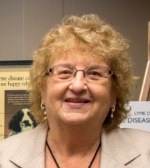
Patricia Smith  Patricia V. Smith

President, Lyme Disease Association
Ms. Smith is in her 20th year as president of the national nonprofit Lyme Disease Association (LDA), and a member and former officer of the International Lyme & Associated Diseases Society. Under her leadership, the LDA helped to endow the Columbia University Lyme & Tick-Borne Diseases Research Center, which opened in 2007. In 2016, she was appointed to the U.S. Department of Defense’s Programmatic Panel for the Tick-Borne Disease Research Program. She is also a member of the Food & Drug Administration’s Pesticide Environment Stewardship Program (PESP) Partnership to prevent tick exposure, and the Integrated Pest Management (IPM) Institute of North America’s Tick IPM Working Group, a public-private partnership to eradicate tick-borne diseases.

Ms. Smith has helped secure passage of state and federal bills for Lyme research and physicians’ right to treat, and worked with members of Congress to develop the 21st Century Cures Act. She has worked to increase research funding for tick-borne diseases—leading to the award of more than 100 research grants and findings that have been published in 42 scientific journals. She has also organized 18 continuing medical education conferences on Lyme disease for doctors and researchers, and developed materials that have been distributed to more than 2.5 million people, including: an ABCs of Lyme Disease pamphlet for parents and educators; the LymeR Primer brochure, which has information on 20 U.S. tick-borne diseases; the Tick Mark bookmark; and Tick Awareness cards.

In Her Own Words: “I have a diverse background on tick-borne diseases, which includes being the parent of two children with Lyme disease, and devoting more than three decades to educating the public, policy makers, businesses, and schools about tick-borne diseases. My work has been informed by the TBD experiences of my own family and people I’ve met across the nation, and this has given me a perspective on what patients really experience—both with tick-borne diseases and with the healthcare system that has not always been friendly to Lyme patients. Currently, there are tremendous gaps in research in all areas, but, in particular, in diagnosis, treatment, and controlling tick vectors. It has been my life’s work as a non-scientist to close those gaps for people living with tick-borne diseases.”

Karen Forschner  Karen Vanderhoof-Forschner, J.D., M.B.A.

Co-founder, Lyme Disease Foundation (LDF)
Ms. Vanderhood-Forschner became involved in the response to Lyme disease after contracting it during pregnancy. Her son, Jamie, who was infected perinatally, died of the disease in 1991 at age 5. With intensive treatment, Ms. Vanderhood-Forschner was able to have a healthy child in 1994, and she has remained symptom-free for 20 years.

For 24 years, Ms. Vanderhoof-Forschner oversaw the LDF’s daily operations, and led its fundraising and outreach activities. She managed $500,000 in external grants which led to the publication of 130 scientific articles on tick-borne disease, and she founded a peer-reviewed scientific journal, the Journal of Spirochetal and Tick-Borne Disorders. Her education efforts included designing and distributing 10 million brochures and tick cards, and producing nine award-winning television programs and videos. She also launched a high-profile media campaign that raised national awareness about Lyme disease in 1988. This feat gained the attention of TIME Magazine, which called it the “most successful awareness campaign” among advocates trying to call attention to little-known illnesses.

Through her leadership, the LDF obtained the first federal funds to establish a research unit for tick-borne disease. She has also worked closely with members of Congress and state legislatures to analyze and develop legislation to support people living with tick-borne disease.

In Her Own Words: “Lyme disease handicapped and killed my son. The time for definitive solutions was years ago. I am determined not to leave this medical conundrum for the next generation. When I first conceived of this committee years ago, it was a team of experts looking for scientific solutions that would stop Lyme disease from wrecking lives. I know there are 14 people in the United States who can work together to develop an action plan—not only to stop the spread of tick-borne diseases, but also to find solutions for those individuals who are currently suffering from them. Now is the time to assemble a team, roll up our sleeves, and get to work!”

Gary Wormser  Gary Wormser, M.D.

Professor of Medicine, Microbiology and Immunology, and Pharmacology;
Vice Chairman, Department of Medicine,New York Medical College

Dr. Wormser is a world authority on infections transmitted by the black-legged (deer) tick (Ixodes scapularis), including Lyme disease, human granulocytic anaplasmosis (HGA), and babesiosis. He is Professor of Medicine, Microbiology and Immunology, and Pharmacology at New York Medical College, where he has also served as Vice Chairman of the Department of Medicine for the past decade. He has done seminal studies on the prevention, clinical manifestations, pathogenesis, laboratory diagnosis, and treatment of infections tick-borne diseases, and was the first to document the development of drug-resistant strains of Babesia microti in humans. He is currently the principal investigator for a National Institutes of Health study to identify small molecule biosignatures that can be used for the primary diagnosis of Lyme disease, as well as to monitor disease progression or cure.

In addition to his research on tick-borne diseases, Dr. Wormser currently serves on the editorial board of Ticks and Tick-borne Diseases, Vector Borne and Zoonotic Diseases, Clinical Infectious Diseases, the Archives of Medical Science, and PLOS ONE, and has written over 500 publications—many on tick-borne diseases.

In His Own Words: “I have published over 200 articles on Lyme disease and am interested in improving methods for diagnosing active infection and for prevention of infection. I have had a long-standing interest in better defining the cause(s) of post-treatment symptoms. I was the lead author of the two prior Lyme disease treatment guidelines by the Infectious Disease Society of America (IDSA). My goal is to promote evidence-based medicine as it relates to Lyme disease and other tick-transmitted infections.”

For more information about the federal Tick-Borne Disease Working Group, see the HHS website.  https://www.hhs.gov/ash/advisory-committees/tickbornedisease/members/index.html

Initial meetings of the working group will be held in Washington DC on December 11 and 12. Click here for information about how the public can attend, either in person and via webinar.  https://www.hhs.gov/ash/advisory-committees/tickbornedisease/meetings/2017-12-11/index.html