Please see the letter below addressed to the Co-Chair of the Tick-Borne Disease Working Group which will hold its first meeting TODAY June 4th per the following link:
WAKE UP AMERICA!
———- Original Message ———-
From: CARL TUTTLE <runagain@comcast.net>
To: dwalker@utmb.edu
Cc: James.Berger@hhs.gov, tickbornedisease@hhs.gov, Las@silverleafconsulting.net, Sylvia.Trent-Adams@hhs.gov
Bcc: (98 indusclosed recipients)
Date: June 3, 2019 at 9:42 AM
Subject: June 4, 2019, TBDWG Meeting
June 3, 2019
University of Texas Medical Branch
301 University Boulevard,
Galveston, TX 77555-0419 Attn: David H. Walker, MD, Director, UTMB Center for Biodefense and Emerging Infectious Disease
Dear Dr. Walker,
As a doctor of pathology and Co-Chair of the Tick-Borne Disease Working Group I would like to share a seven page pathology report for Lyme patient Vicki Logan which is included in the attached letter to past CDC Director Brenda Fitzgerald, MD.
“In 1991 the Lyme disease organism, Borrelia burgdorferi, was grown from the cerebrospinal fluid of my patient Vicki Logan at the Centers for Disease Control in Fort Collins, Colorado despite prior treatment with intravenous antibiotics. Her case made the front page of the New York Times Science Times in August of 1993.” -Kenneth Liegner, MD
The destructive nature of Borrelia is evident in Vicki Logan’s liver (nutmeg liver), kidneys, heart, lungs and brain. The patient died after the insurer refused additional IV antibiotic therapy.
Links to the seven page autopsy results of patient Vicki Logan show histopathologic findings consistent with neurologic manifestations of chronic Lyme disease.
Lyme patient Vicki Logan’s 1991 positive culture test performed by the Centers for Disease Control should have set off a red flag but was ignored while the focus remained on discrediting the sick and disabled Lyme patient population. [1]
There are rumors that Dr. Eugene Shapiro has been selected to participate as a member of the Tick-borne Disease Working Group. Shapiro has spent a career discrediting the sick and disabled along with the courageous clinicians attempting to help these patients as he coauthored the deplorable Lancet article referenced below. There is no place for Shapiro on the TBDWG as he is a disgrace to the medical profession.
In contrast, Dr. Kenneth Liegner has spent his career helping the sick and disabled and recently published his results using Disulfiram in the treatment of chronic Lyme disease. I recommend that you read his Open Access article:
Disulfiram (Tetraethylthiuram Disulfide) in the Treatment of Lyme Disease and Babesiosis: Report of Experience in Three Cases Kenneth B. Liegner
Shapiro on TBD Working Group; other controversial choices too
Less than 24 hours before the Tick-Borne Disease Working Group (TBDWG) holds its June 4 meeting, the Department of Health and Human Services (HHS) has finally named its selections for the newest incarnation of the panel.
Among the controversial choices is Dr. Eugene Shapiro. Within the last few weeks, more than 19,000 people have signed a petition to keep Shapiro off the working group, because he’s widely seen as working against the interests of Lyme patients.
After the first session of the TBDWG issued its report to Congress in late 2018, HHS solicited nominations for the second session of the group. At that time, officials said the panel would be named in April.
That month came and went, however, with no word about the new Working Group. Finally, on May 15, the Infectious Diseases Society of America announced on its website that Shapiro had been named to the group. In response to our inquiries, HHS said only that no decision had been made.
Finally, after close of business on the eve of the June 4 meeting, HHS announced its choices.
Other troubling choices
In addition to Shapiro, there are some other choices that the Lyme community may find troubling. New co-chairs of the panel are Dr. David Walker -and Leigh Ann Soltysiak.
Dr. Walker is an expert in rickettsial infections, not Lyme disease. Since 80% of tick-borne disease cases in the US are Lyme disease, many people feel that such an important position should be filled by someone whose expertise is Lyme disease.
Ms. Soltysiak has personal experience with Lyme disease. However, she served last time as the only patient representative on the vaccines subcommittee. Many Lyme patients expressed dismay that the subcommittee exhibited a unanimous pro-vaccine stance, with no committee members raising safety issues that are important to the Lyme community.
Here’s the announcement from HHS:
The U.S. Department of Health and Human Services announces today the appointment of new members to fill vacant positions on the Tick-Borne Disease Working Group (Working Group). These new members include five Special Government Employees and four Regular Government Employees (RGEs). The Working Group also announces six alternate RGE members, should the RGE members not be able to attend meetings.
The Working Group will hold its next public meeting on June 4, 2019, from 8:30 a.m. to 5:00 p.m. ET, at the Holiday Inn Washington-Capitol, 550 C Street S.W., Washington, D.C. Members of the public may attend the meeting in person or via webcast. For more information, visit the Working Group’s website here.
The Tick-Borne Disease Working Group was established on August 10, 2017, as required by the 21st Century Cures Act, to provide expertise and to review all efforts within the Department of Health and Human Services related to all tick-borne diseases, to examine research priorities and to help ensure interagency coordination and minimize overlap. The Working Group is required to submit a report to the HHS Secretary and Congress on their findings and any recommendations for the federal response to tick-borne disease every two years. It issued its first report in November 2018.
The Working Group will be chaired by David Hughes Walker, M.D., Professor of Pathology and Executive Director, University of Texas Medical Branch Center for Biodefense and Emerging Infectious Diseases; and Leigh Ann Soltysiak, Owner, Principal, Silverleaf Consulting, LLC.
The Working Group members are as follows:
SPECIAL GOVERNMENT EMPLOYEES (PUBLIC MEMBERS)
Leigh Ann Soltysiak* (Co-Chair): Owner, Principal, Silverleaf Consulting, LLC; Adjunct Professor, Entrepreneurship Thinking, Stevens Institute of Technology (New Providence, New Jersey). She brings a valuable perspective to the Working Group as a former Lyme disease patient who speaks honestly about the physical, financial and psychosocial issues caused by the disease. She was a valued member of the 2018 Working Group’s Vaccines/Therapeutics subcommittee.
David Hughes Walker, M.D.* (Co-Chair): Professor of Pathology, The Carnage and Martha Walls Distinguished University Chair in Tropical Diseases; and Executive Director, University of Texas Medical Branch Center for Biodefense and Emerging Infectious Diseases. (Galveston, Texas). His work currently focuses heavily on tick-borne diseases. Dr. Walker brings with him significant experience with committee work, as the current chair of the Tick-Borne Disease Research Program’s Programmatic Panel, as well as past membership in seven federal advisory committees.
Scott Palmer Commins,*BS, M.D., Ph.D.: Associate Professor of Medicine & Pediatrics, University of North Carolina at Chapel Hill; Member, UNC Food Allergy Initiative, Thurston Research Center (Chapel Hill, North Carolina)
Sam T. Donta, M.D.*: Infectious Disease Consultant, Falmouth Hospital; and Former Member, U.S. Department of Defense Tick Borne Disease Research Programmatic Review Panel (Falmouth, Massachusetts)
Robert Sabatino: Founder and Executive Director, Lyme Society Inc. (Staten Island, New York)
Eugene David Shapiro*, M.D.: Professor of Pediatrics, Epidemiology, and Investigative Medicine, Yale University School of Medicine; Vice Chair for Research of the Department of Pediatrics; Co-Director of Education for the Yale Center for Clinical Investigation; and Deputy Director of Yale’s PhD Program in Investigative Medicine (New Haven, Connecticut)
Patricia V. Smith: President, Lyme Disease Association (Wall, New Jersey)
REGULAR GOVERNMENT EMPLOYEES (FEDERAL MEMBERS)
Charles Benjamin (Ben) Beard, Ph.D.: Deputy Director, Division of Vector-Borne Diseases, National Center for Emerging and Zoonotic Infectious Diseases, Centers for Disease Control and Prevention
Commander Rebecca Bunnell*, MPAS, PA-C: Senior Advisor, Learning and Diffusion Group, Innovation Center, Centers for Medicare and Medicaid Services
Angel M. Davey, Ph.D.*: Program Manager, Tick-Borne Disease Research Program, Congressionally Directed Medical Research Programs, U.S. Department of Defense
Dennis M. Dixon, Ph.D.: Chief, Bacteriology and Mycology Branch, National Institute of Allergy and Infectious Diseases, National Institutes of Health
Captain Estella Jones, DVM: Deputy Director, Office of Counterterrorism and Emerging Threats, Food and Drug Administration
Leith Jason States, M.D.*, MPH (FMF): Deputy Chief Medical Officer, Office of the Assistant Secretary for Health, U.S. Department of Health and Human Services
Adalberto (Beto) Pérez de León*, M.D.: Director, Knipling-Bushland U.S. Livestock Insects Research Laboratory, Agricultural Research Service, U.S. Department of Agriculture
ALTERNATE REGULAR GOVERNMENT EMPLOYEES (FEDERAL MEMBERS)
Chien-Chung Chao*, Ph.D.: Research Chemist, Viral and Rickettsial Diseases Department Infectious Diseases Directorate, Naval Medical Research Center, U.S. Department of Defense
Captain Scott J. Cooper, MMSc, PA-C: Senior Technical Advisor and Lead Officer for Medicare Hospital Health and Safety Regulations, Centers for Medicare and Medicaid Services
Shahla Jilani, M.D.*: Deputy Chief Medical Officer, Office of the Assistant Secretary for Health, U.S. Department of Health and Human Services
David A. Leiby, Ph.D.: Chief, Product Review Branch, Division of Emerging & Transfusion-Transmitted Diseases, Office of Blood Research & Review, Center for Biologics Evaluation & Research, Food and Drug Administration
Commander Todd Myers, Ph.D.: Scientist, Office of the Chief Scientist, Office of Counter Terrorism and Emerging Threats, Food and Drug Administration
Samuel S. Perdue, Ph.D.: Section Chief, Basic Sciences and Program Officer, Rickettsial and Related Diseases, Bacteriology and Mycology Branch, National Institute of Allergy and Infectious Diseases), National Institutes of Health
Susanna N. Visser, Dr.PH,: Associate Director for Policy, Division of Vector-Borne Diseases, National Center for Emerging and Zoonotic Infectious Diseases, Centers for Disease Control and Prevention
This does not surprise me at all. Crawl in bed to do business with the devil and he will invite his buddies along. The very people behind this plague are still involved. It’s a ‘good old boy’ club known as The Cabal. They’ve been doing the same ineffective work for over 40 years.
Hear Willy Burgdorfer say this in his own words. Scroll to 2:40:
Willy is far from innocent yet he admitted the entire thing is politically tainted and that the money goes to same people who have done nothing. This interview was done 5 years ago and nothing’s changed.
To activate and view hyperlinked references, please click here once and then click any superscripted number below to access a hyperlinked reference, or scroll down to the bottom of the article to view all hyperlinked references.
This year, the fear mongering about measles has reached epidemic proportions in America. A day doesn’t go by without media outlets publishing angry articles and editorials spewing hatred toward a tiny minority of parents with unvaccinated children, who are being blamed for measles outbreaks. 1 2 3 The remedy is always a call to track down, persecute and punish any parent whose child is not vaccinated. 4 5 6
Some state and federal lawmakers are reacting to the relentless fear mongering by proposing to severely restrict the medical vaccine exemption and eliminate all religious and conscientious belief exemptions in state vaccine laws. 7 8 9 10 These exemptions, which help prevent vaccine injuries and deaths, also protect parental rights, civil liberties and the ethical principle of informed consent to medical risk taking. 11
Government, WHO, Medical Trade, Pharma, Media Say MMR Vaccine Is Safe & Effective
The U.S. government, the World Health Organization, medical trade associations, the pharmaceutical industry and multi-national communications corporations all agree that the measles virus is extremely dangerous, the MMR vaccine is very safe and effective, and all children must get two doses of MMR vaccine to meet the goal of eradicating measles from the world by 2020. 12 13 14 15
While most of the public conversation in the past two decades has been focused on children, who have suffered convulsions, encephalitis and encephalopathy after MMR vaccine reactions and become chronically ill and disabled, 16 17 18 19 20 21 22 there hasn’t been much discussion about measles vaccine effectiveness or what measles was like before and after the vaccine was licensed in the mid-20th century.
This is a special report on measles vaccine failures based on evidence published in the scientific and medical literature that is not being discussed in public conversations about measles vaccine policies and mandatory vaccination laws.
Measles in U.S. in 1950s: Mild and 90 Percent Not Reported
I had measles in the 1950s, along with my sister and half the kids in my class. I remember staying home from school, wearing dark glasses in the house and eating chicken noodle soup and orange popsicles, while waiting impatiently for the spots to disappear so I could go back to school and see my friends again. The same thing happened with chickenpox but that was way more uncomfortable because, even with calamine lotion, I kept itching when I shouldn’t have.
There were 555,000 reported cases of measles in 1955 with 345 associated deaths in a US population of 165 million people that year. 23 24 Actually, though, an estimated three to five million Americans every year got wild type measles, usually before age 15. 25 26 27 If 3.5 million Americans got measles in 1955 and 345 died, the measles death rate was about 1 in 10,000.
Most cases like mine were mild with a fever, sore throat and rash that went away in a week. Back then, few mothers called a doctor for a common childhood infection every child got, and 90 percent of cases were not reported to the government.28 In fact, if you look at vital statistics data from the early 20th century, although measles can cause complications like pneumonia, ear infections, and brain inflammation, measles infections have never been a leading cause of death or disability in this country. 29 By the mid-20th century there were antibiotics to address many complications and measles was not considered a big problem by most parents and clinicians in the U.S. or Europe, especially in healthy children.30
1962: “Moderate Severity and Low Fatality” But Let’s Eradicate It
In 1962, famous microbe hunters Drs. Alexander Langmuir and DA Henderson, who designed smallpox eradication campaigns, contemporaneously described measles as a “self-limiting infection of short duration, moderate severity and low fatality” that has “maintained a remarkably stable biological balance over the centuries. ” 31
Dr. Langmuir calmly observed that, “the decline in measles mortality demonstrates the degree to which we have adapted to this balance and have learned to live with this parasite.” But then, boldly, proudly and with absolute confidence, he proclaimed:
To those who ask me, “Why do you wish to eradicate measles, I reply with the same answer that Hillary used when asked why he wished to climb Mt. Everest. He said, “Because it is there.” To this may be added, “…. and it can be done.”
Drs. Langmuir and Henderson were giving a heads up to the medical community that a measles vaccine was coming out soon and that public health officials were going to use it to not just control measles, but to eradicate the virus from the earth.
The “because we can” eradication action plan would apply the same search and destroy strategies used against the smallpox virus to wipe out the much less deadly but far more contagious measles virus. Like with smallpox, that action plan hinged on using the bodies of infants and children injected with a vaccine to try to drive the virus into extinction. Public health officials, pharmaceutical companies and politicians were well aware that for a century they had convinced parents to offer their children for conscription in a war on smallpox and polio, and it was logical to assume they could wage the same kind of war on the measles virus, too.
In 1962, Congress passed and President John F. Kennedy signed the Vaccination Assistance Act (PL 87-868), known today as the Section 317 grant program. The Act, which was part of a broader federal government initiative to provide health care to underserved communities, gave money to the states to wage intensive polio and DPT vaccination campaigns targeting young children. The Act was amended in 1965 under President Lyndon B. Johnson to include money for measles vaccine campaigns. 32 33
In March 1963, the U.S. Surgeon General announced two measles vaccines had been approved for licensure, an inactivated measles vaccine developed by Pfizer and a live virus vaccine developed by Merck. 34 In that statement, the Surgeon General once again admitted there was a low death rate for measles in the US. compared to underdeveloped countries. He reassured the nation that “rarely would there appear to be a need in the United States for mass community immunization programs.” He urged doctors to simply offer the new measles vaccines at well baby visits.
Before Vaccine, Mothers Transferred Measles Antibodies to Fetus
At the time, doctors knew that women, who had recovered from wild type measles as children, passively transferred measles antibodies to a developing fetus when they were pregnant so newborns were protected from measles during the first year or more of life. 35 36 Back then, most children did not get measles until they were between three and 10 years old and that gave them durable, long lasting immunity to the disease. 37 38
The immune systems of infants do not function the same way as for older children and adults. 39 From the very beginning, vaccine makers could not get the measles vaccine to override infants’ natural maternal measles antibodies that block the acquisition of vaccine strain antibodies. 40Today, because most women have been vaccinated as children, they don’t have the same kind of robust maternal measles antibodies to pass on to their newborns like mothers in past generations.
Today, most newborns are susceptible to measles infections from birth, when complications can be more severe. 41 42 And adults, including pregnant women, today can also be more susceptible to measles infections if their vaccine acquired antibodies have waned and they are no longer protected. 43
This taking away of measles maternal immunity from newborns was the first major alteration in the “remarkably stable biological balance” between the measles virus and humans that Dr. Langmuir and his colleagues described a year before measles vaccines were licensed and given to babies as young as nine months old.
The recommendation for the first dose of measles vaccine was raised to 12 months old in 1965. In 1976, the age had to be raised again to 15 months because the younger the infant, the less likely the measles vaccine will be effective. 44
First Inactivated Measles Vaccine Lethal, Ineffective
The first inactivated measles virus vaccine turned out to be pretty lethal, as well as marginally effective. 45 46Three doses of that vaccine set children up for a more severe type of atypical measles, which increased the risk of chronic illness and death if, years later, they got infected with wild-type measles. 47 48 The inactivated measles vaccine was taken off the market in 1967.
First Attenuated Live Measles Vaccine Very Reactive
Merck’s first attenuated live measles virus vaccine was given in one dose that was supposed to confer lifelong immunity. 49 It was described by the Surgeon General in 1963 as producing a “mild or inapparent, non-communicable measles infection.” 50 It was pretty reactive too: 30 to 60 percent of children experienced high fevers or a modified measles rash along with cough and cold symptoms, similar to wild type measles.
Attenuated live vaccines contain lab altered, weakened viruses that infect and replicate in the body to stimulate artificial immunity without causing the wild type viral disease. However, there is always a possibility that vaccine viruses may revert to a more pathogenic form, which is why just the right amount of attenuation is so important. 51 To make the live measles vaccine less reactive, it had to be further attenuated in 1965 and, then again, in 1968. 52 53
Estimated 55 Percent Vaccine “Herd Immunity” to Eradicate Measles by 1967
In March 1967 Dr. Langmuir and other CDC officials published a paper in the medical literature, once again describing measles virus as one that “has maintained a remarkably stable ecological relationship with man.” 54Measles “complications are infrequent,” they said, and “with adequate medical care, fatality is rare” and “immunity following recovery is solid and lifelong in duration.” They said a 55 percent herd immunity threshold or more may be needed to prevent measles epidemics that cycle in communities every two to three years but that, “there is no reason to question that…the immune threshold is considerably less than 100 percent.”
These disease control experts ended their article by stating confidently that if a good number of children – but clearly not all children – were vaccinated during the winter and spring that year, then “the eradication of measles from the United States in 1967” would be accomplished.
1973: Vaccinated Children Can Still Get Measles
In 1973, Dr. Stanley Plotkin warned that vaccinated children could still get measles and that “a history of previous vaccination cannot be assumed to exclude measles as the cause of an exanthum rash, whether typical or atypical.” He said that, “about 5 percent of vacinees do not respond and presumably remain susceptible,” which he described as “primary vaccine failures.” Dr. Plotkin also said there was evidence that some previously vaccinated children exposed to wild type measles could “develop modified illness and a secondary type of antibody response,” which he described as “secondary vaccine failures.” 55
In other words, vaccine makers and public health officials knew in 1973 that getting a dose of the live virus measles vaccine does not guarantee that a vaccinated person won’t get infected with wild type measles and they also were not sure about whether some vaccinated children could still transmit wild type measles to others.
1 Death in 1,000 REPORTED Measles Cases?
Between 1971 and 1975, an average of 35 measles-related deaths were recorded each year in the U.S., which CDC officials said equaled a measles mortality rate of 1 death in 1,000 reported cases, 56 although in Great Britain the estimate was 1 death in 5,000 reported measles cases. 57 Relying on reported cases to make the measles mortality estimate for the U.S. was not entirely accurate because the majority of measles cases were mild and not reported to the government.
Today, CDC officials still use the 1 death in 1,000 figure to reinforce the need to eradicate the virus using every means possible, including by excluding all unvaccinated children from schools. 58
Measles Vaccine Herd Immunity Raised To Above 90 Percent Level
By 1971, about 72 percent of children had gotten a dose of measles vaccine and government health officials published a paper blaming the continuing failure to eradicate measles on the failure to get every child vaccinated at age one and the failure of more than half the states to require measles vaccine for children entering school. 59 They raised the measles vaccine acquired ‘herd immunity’ threshold from more than 55 percent to “somewhere above the 90 percent level,” but added the interesting caveat – “ if it exists at all.” They said many unanswered questions remained, including the role that vaccinated persons may play “in the transmission of wild-type measles virus to susceptibles.”
1973 MMR Eradication Campaign Fails, Measles Cases Increase in Older Children Despite 96 Percent Vaccination Rate
Regardless, in 1973, Merck was given a license to combine the live measles vaccine with live mumps and rubella vaccines in the attenuated MMR vaccine. Two years later, CDC officials tried to use MMR to eradicate measles by employing surveillance and containment strategies that worked to eradicate smallpox, even though they knew the highly contagious measles virus was quite different from the less contagious smallpox virus. The MMR eradication campaign in 1973 was a miserable failure. 60
Three years later, there was an unexplained resurgence of measles in the U.S. in children 10 to 19 years old. 61 Public health officials in the City of Los Angeles responded by declaring an emergency and, rather than quarantining sick children until they were well, 50,000 unvaccinated healthy children were excluded from schools until they got vaccinated.
This set the stage for state governments to institute “no shots, no school” laws 62 that, today, are the subject of much debate in state legislatures. 63 64 65
96 Percent Child Vaccination Rate and New 1982 Eradication Goal
By 1978, CDC officials announced that 96 percent of children entering schools in America had gotten a dose of measles vaccine, and said it was likely that measles would be eliminated from the U.S. by 1982. 66
Measles Sweeps Through Schools in Mid-1980s with Nearly 100 Percent Vaccination Rates Among Students
In 1983, there were only about 1500 reported cases of measles, 67 but there was a red flag: infants vaccinated in the first year of life were not protected from measles, even when they got more doses of the vaccine. 68 From 1985 to 1988, there were between 55 and 110 measles outbreaks every year in the U.S., primarily in highly vaccinated school-aged populations. 69 Measles swept through a middle school in Texas, where 99 percent of the students were vaccinated, and in a Massachusetts high school with a 98 percent vaccination rate. 70 71
The CDC did not get the science right in 1967 or 1978 and neither did Merck. The vaccine they said would eradicate measles by 1967 was not getting the job done. Twenty years later, vaccination rates among children in many schools were approaching 100 percent and vaccinated children were still getting and transmitting measles.
1989-1990 – Measles Cases Explode in North and Central America with Vaccinated and Unvaccinated Children Hit Hard in U.S.
Then, in 1989-1990, measles cases exploded in North and Central America, including in the U.S. and were associated with unusually high morbidity and mortality. The CDC said they didn’t know why there were increases in measles but insisted that “measles vaccines appear to be as effective today as in the past,” while quietly admitting that “analysis of contemporary strains of measles virus suggest that circulating viruses may have changed somewhat from past strains. “ 72
There were more than 45,000 measles cases reported in the U.S. during 1989 and 1990, and over 100 deaths. Vaccinated school children were hit hard. A large number of cases also occurred in babies less than 15 months old and in unvaccinated toddlers, as well as in college students. 73
CDC: All Children Must Get TWO Doses of MMR Vaccine
By the end of 1989, the CDC recommended that children should get their first dose of MMR vaccine at age 15 months and all children should get a booster dose before entering kindergarten. “When fully implemented,” CDC officials said, “this schedule should lead to the elimination of measles among school aged children and college students.” They reassured physicians, parents and politicians that:
”Although the titers of vaccine-induced antibodies are lower than those following natural disease, both serologic and epidemiologic evidence indicate that vaccine-induced protection appears to be long lasting in most individuals.”74
Why Was Measles Suddenly More Virulent?
I was a consumer member of the National Vaccine Advisory Committee (NVAC) during the 1989-1990 measles outbreak, when a high number of vaccinated school children were getting measles and so were unvaccinated pre-school age children living in minority communities in inner city Los Angeles, New York, Chicago, Dallas and other urban areas. 75 An FDA scientist made a presentation to the committee revealing that the type of measles circulating appeared to be unusually virulent and associated with unexpected morbidity and mortality for unvaccinated infants under age one and also in vaccinated and unvaccinated children under age five. I thought that fact was worth exploring further, along with a need to analyze the biological mechanisms for vaccine failure before any conclusions were drawn or recommendations were made.
In 1991, I refused to sign a highly political white paper the committee published that stated, “The principal cause for the measles epidemic is failure to provide vaccine to children at the recommended age.” It rubber-stamped the CDC’s knee-jerk response to a long-standing problem with MMR vaccine failures, which was a new recommendation to give every child in America two doses of MMR vaccine. 76
1993: CDC Says Measles Is Deadly, Unvaccinated Children Cause Outbreaks
In 1993, President Clinton announced the Children’s Immunization Initiative to ensure that all children, especially those under age two, would be vaccinated according to the CDC’s recommended childhood vaccine schedule. 77 CDC officials published a paper pointing to the costs associated with the measles epidemic of 1989-1991 as a reason that more aggressive efforts were needed to give all children two doses of MMR vaccine. They also announced a plan to create a national vaccine tracking system to electronically monitor the vaccination status of all children from birth. They reminded everyone of the danger of measles and “the full magnitude of the harm that can be done by a so-called “mild” children’s disease,” which they said was mistakenly regarded for a long time by the public and many health professionals as “an unpleasant but not very dangerous part of life.”
The government’s message to the public in 1993 was: measles is deadly, outbreaks are caused by a failure to vaccinate enough children on time, and the solution is to spend more money to give more children more vaccine. One part of the 1993 children’s vaccine initiative – the federal Vaccines for Children program – today spends 4 billion dollars to buy vaccines for the states to administer to children. 78
Nobody wanted to talk about studies published in the medical literature investigating what Dr. Plotkin had described in 1973 as “secondary vaccine failures.”
MMR Vaccine Failures and Asymptomatic Infections Revealed
One U.S. study of a prolonged school-based outbreak of measles found that secondary vaccine failure and vaccine modified measles “may lead to underreporting of measles cases and result in overestimation of vaccine efficacy in highly vaccinated populations.” 79
In 1992, Canadian researchers had discovered that, “…contact with wild measles virus may act as a booster to the immune system in vaccinated subjects without causing any symptoms,” and that “secondary vaccine failure (SVF) might play a role in vaccinated populations during measles outbreaks.” 80
In 1993, there was enough evidence that vitamin A deficiency plays a big role in measles morbidity and mortality for the World Health Organization to issue a recommendation that vitamin A supplements should be given to children diagnosed with measles in developing countries. 81
In 1994, researchers analyzed school-based measles outbreaks in the U.S. and Canada and devised a hypothetical model to calculate vaccine failure rates and the percentage of measles cases occurring in vaccinated students if more than 95 percent of school children are vaccinated. They concluded:
“The apparent paradox is that as measles immunization rates rise to high levels in a population, measles becomes a disease of immunized persons. Because of the failure rate of the vaccine and the unique transmissibility of measles virus, the currently available measles vaccine, used in a single dose strategy, is unlikely to completely eliminate measles. The long term success of a two-dose strategy to eliminate measles remains to be determined.”82
PCR Testing Reveals Mild and Subclinical Measles After MMR Vaccination
In 1995, new reverse transcriptase PCR (RT-PCR) lab test technology was used to detect and differentiate between the presence of wild type and vaccine strain measles virus in children with symptoms of measles. Japanese scientists isolated measles virus from children, who developed clinical signs of fever and rash three to nine days after they were given measles vaccine, and found that “one strain was of the vaccine type and the remaining six were the wild-type.” 83
That same year, CDC virologists used PCR technology to identify measles virus RNA in the urine of 15-month old children and young adults between one and 14 days after vaccination. They said;
“The changing epidemiology of measles in the form of mild measles cases in previously vaccinated individuals suggests that more asymptomatic or subclinical cases might be occurring. The frequency of such infections, which would not meet the standard case definition of the Centers for Disease Control and Prevention, is not known.”84
New CDC Goal for Measles Elimination in U.S. – Year 2000
Even as measles outbreaks among infants, vaccinated school children and college students were raising serious questions about MMR vaccine failures, in 1998 CDC officials declared, “interruption of indigenous measles transmission appears to have occurred for the first time throughout the United States in 1993.” They set yet another goal to declare measles eliminated in the U.S., this time by the year 2000. 85
Measles Viruses “genetically distinct from vaccine strains” in 1989-1990
But 1998 was also the year that CDC officials confirmed that the 1989-1990 measles outbreak, which caused a higher number of hospitalizations and deaths, was associated with circulation of Group 2 measles viruses, particularly D3, that were “genetically distinct from vaccine strains.” 86 87
Newborn Infants More Susceptible to Measles, Lack Maternal Antibodies
In the meantime, a group of researchers at Stanford University found that “humoral immunity was deficient in 6-month old infants given measles vaccine…” They admitted that, “little is known about the maturation of the virus-specific immune responses in healthy infants following infection or immunization.” 88
A year later, CDC officials confirmed that, “infants whose mothers were born after 1963 are more susceptible to measles than are infants of older mothers.” Rather than reflect upon the ecological imbalance the measles vaccine campaign had created, they pressed forward with their “because we can” action plan and said, “this potential increase in infant mortality should provide additional impetus to strengthen efforts toward global eradication of measles disease” with intensive campaigns to vaccinate older children. 89
Mild or Asymptomatic Measles Infections “Common” In Fully Vaccinated Populations: Exposure to Wild Type Virus Boosts Immunity
At the same time, more scientific evidence was mounting that vaccinated persons could be asymptomatically infected with wild type measles and that an unknown number of people were experiencing subclinical measles infections that were not being identified or reported to the government. In published papers, CDC officials acknowledged that:
“Mild or asymptomatic measles infections are probably very common among measles-immune persons exposed to measles cases and may be the most common manifestation of measles during outbreaks in highly immune populations.”90
German virologists agreed that:
“…measles virus (MV) could circulate in seropositive fully protected populations. Among individuals fully protected against disease, those prone to asymptomatic secondary immune response are the most likely to support subclinical MV transmission.”91
In 1999, European researchers observed that:
“…a substantial proportion of individuals who respond to measles vaccine display an antibody boost accompanied by mild or no symptoms on exposure to wild virus.”
In addition, they said that in highly vaccinated populations, “neutralizing antibodies are decaying significantly in absence of circulating virus.” They estimated “the mean duration of vaccine induced protection in absence of re-exposure to be 25 years,” warning that, “there is a need to establish the intensity and duration of infectiousness in vaccinated individuals.” 92
Is Measles Herd Immunity Now A Combination of Natural and Vaccine Acquired Immunity?
So the question that was hanging in the air at the turn of the 21st century is one that is still relevant today:
If an unknown number of people with natural or vaccine acquired immunity are experiencing subclinical measles infections that are not being identified or reported to the government, has a certain level of herd immunity been maintained in the past because human populations are asymptomatically boosted through periodic exposure to the wild-type measles virus?
CDC Declares Measles Eliminated from U.S. in 2000
By the year 2000, more than 90 percent of 19 to 35 month old children and 98 percent of children entering school had received at least one dose of MMR vaccine. That year, the World Health Organization also reported that 80 percent of the world’s infants had gotten a dose of measles vaccine. 93
In the spring of 2000, the CDC held a meeting with 12 consultants and 10 resource specialists to talk about measles in the U.S. 94 Estimating that “at least 92 to 93 percent of the US population is immune to measles,” at the end of the meeting, participants concluded that “measles is not endemic in the United States at present.” This meeting is the source of the statements made by CDC officials today that, “Measles was declared eliminated (absence of continuous disease transmission for greater than 12 months) from the United States in 2000.” 95
WHO Sets Global Measles Eradication Goal for 2020
In 2001, the World Health Organization launched a global measles and rubella elimination plan, which was renewed in 2010 and again in 2012. Currently, 2020 is the target date for global eradication of measles through mass vaccination campaigns that will deliver two doses of MMR to every child in the world. 96
Measles Can Infect Previously Immune People and Cause Typical, Mild and Asymptomatic Infections
In 2002, more scientific evidence was published, this time out of Japan, to confirm that “measles virus can infect previously immune individuals,” both those who are naturally immune and those who have been vaccinated, and that the reinfection can produce “a wide range of illnesses: typical measles, mild modified measles and asymptomatic infection.” Researchers concluded that, “…the number of cases of measles among previously immunized individuals has increased, probably caused by waning of vaccine-induced immunity” and they suggested that: 97
“…asymptomatic measles infections occur even in the adult population with unexpectedly high frequency and this supports the preservation of measles immunity.”
Between 2000 and 2005, it appeared measles had all but disappeared from the U.S. with historically low numbers of reported cases – only 37 cases in 2004 – the lowest for any year on record. The CDC said most measles cases were imported from outside the country. 98
2008-2018: Measles Cases Increase in U.S, Unvaccinated Children Blamed
Then, between 2008 99 and 2018, 100 measles cases in the US started to increase. Even though less than two percent of children were attending school with a vaccine exemption, the explanation coming from public health officials was that measles outbreaks were caused by unvaccinated children. 101
In 2015, there was a highly publicized outbreak of measles in the U.S. that the CDC said began in California’s Disneyland and unvaccinated children were to blame. 102 103 Later it was revealed that that 30 percent of measles cases in California with vaccine records had been vaccinated, over half the cases were in adults, only 18 percent were school children, and a large number of suspected cases were not wild type measles but vaccine strain measles infections. 104 105
By that time, more than a decade of articles had been published in the medical literature calling for an end to religious and conscientious belief exemptions and restriction of the medical vaccine exemption for children. 106 107 108 109 110 111 112 113
2019: Measles Outbreaks in U.S. and World
In January 2019, the World Health Organization announced that “vaccine hesitancy” is one of the top ten global health threats. 114 By March 2019, about 2,000 cases of measles had been reported in a European Union population of 512 million people. 115 By mid-April, the World Health Organization reported a worldwide resurgence of measles with 112,000 cases reported in 170 countries, which WHO officials said reflected about 10 percent of all cases. 116 117
By May 13, 2019, the CDC had confirmed 839 cases of measles in 23 states in a U.S. population of 328 million people. 118
Unprecedented Response by Public Health Officials and Media
The government and media response to measles outbreaks has been both unprecedented and uniform. 119 In Rockland County, New York instead of quarantining people infected with measles, government officials threatened parents of healthy unvaccinated children with fines and imprisonment if their children appeared in public spaces – the first time that has been done in American history. 120 121 122 It wasn’t done for smallpox or polio. But it has been done for measles.
Unvaccinated children and adults living, working or visiting in neighborhoods with certain zip codes in Brooklyn have been threatened with steep fines if they are found to have been in contact with someone with measles. 123 124 An entire cruise ship was quarantined for weeks because passengers had been exposed to a crewmember, who tested positive for measles. 125
The response to measles outbreaks by public health officials and the media this year is so over-the-top, you would think the human race is hovering on the brink of extinction. 126 127 128 129 A friend of a certain age who also had measles as a child, said the hysteria reminds her of an old government propaganda film from the 1940’s, “Reefer Madness,” where every person who smokes marijuana turns into a raving lunatic. 130
But for post-baby boomer generations who cut their teeth on Zombie Apocalypse movies, the propaganda message of choice appears to be one that teaches people to be afraid, be very afraid of the unvaccinated, who are going to turn our planet into the Night of the Living Dead, 131 132 133 134 and should be publicly identified, shamed, hunted down and – what?
Taking a look at the science is useful to get a grip on an over-publicized fear campaign that is turning Americans against each other: parents against parents, doctors against patients, sons against mothers, friends against friends. 135 136 137 138 139 140 141 142 It is a shameful display of ignorance, prejudice and discrimination being promoted by individuals in academia, the medical community, public health and journalism and it should not be happening in a society that has historically valued equality and freedom of thought, speech, and conscience. 143 144 145 146 147
What the Science Says About Measles and Vaccine Failures
Here is what scientists have been saying recently about what they do and don’t know about measles and measles vaccine failures:
From the Vaccine Research Group at Minnesota’s Mayo Clinic:
“While the current vaccine used in the USA and many other countries is safe and effective, paradoxically in the unique case of measles, it appears to insufficiently induce herd immunity in the population;“ 148
Even with two doses of MMR vaccine, an individual can fail to either mount or sustain a protective immune response. Up to 10 percent of those given two doses “fail to develop protective humoral immunity and thoseantibody levels wane over time, which can result in infection;” 149
Individuals respond differently to vaccination and each individual’s genes play a role in controlling measles vaccine-induced immune responses. Scientists still do not completely understand “how the immune response is generated” or “how host genetic and epigenetic variations change and impact vaccine immune responses,” or “how pathogens interact with the immune system.” 150
“The importance of cellular immunity to vaccine-induced protection is not completely understood.”Some children with no detectible measles antibodies may still be protected against measles, which supports the “involvement of cellular immunity.” 151
Scientists do not have “a detailed understanding of the pathogenesis of the measles virus” or of vaccine-induced innate and adaptive (humoral) immunity. Better correlates of protection “that go beyond measuring antibody titers” are needed. There is not enough information about what drives a vaccine response, a vaccine non-response, adverse events following vaccination and the many complex interactions between immune function-related components. 152
Genetic ancestry is a significant determinant of vaccine responses. In one cohort study, Caucasians and most Hispanics, ethnic groups, which represent nearly 80 percent of the U.S. population, showed significantly lower humoral and cellular responses to MMR vaccination than African Americans. 153
From microbiologists at the College Medical Sciences in India:
“The measles virus (MeV) is serologically monotypic but genotyping confirms eight clades (A-H). The clades are further subdivided into 23 genotypes….Although sera from vaccinated individuals neutralize all the clades, the efficacy varies from clade to clade. It may be said that the level of protection offered by this vaccine varies from genotype to genotype. ” 154
“The present vaccine does not offer complete protection assurance and the limitations are evident now. Newer strains show epitopes that are not shared by vaccine strains. Variations in the efficacy of neutralization in the vaccinated individuals against wild MeV has been reported.” 155
From a virologist with Johns Hopkins Bloomberg School of Public Health:
“The original Edmonston strain of MeV is not available and genotype A viruses are extinct, so it is not possible to directly compare attenuated vaccine viruses with the original WT virus from which they were derived….sequences ofvaccine strains compared with current WT strains reveal differences in most viral proteins, any of which may contribute to attenuation and no one change or combination of changes has been identified as responsible for attenuation;” 156
“Despite long use of measles vaccine, neither the determinants of attenuation nor of protective immunity have been identified and deserve investigation. The reasons for failures of the formalin-inactivated vaccine and the high titer live virus vaccine are only partially understood and provide cautionary tales for development of other vaccines.” 157
Just out of Australia, scientists reported in May 2019 that there is evidence for “waning measles immunity among vaccinated individuals” that is “associated with secondary vaccine failure and modified clinical illness” with “transmission potential.” 158
This finding confirms the scientific evidence coming from Berlin, Germany in April that: 159
“Although measles cases have gradually declined globally since the 1980s together with an increase in vaccination coverage, there has been a resurgence of measles in the European Union and European Economic Area starting in 2017 with adults aged over 20 years comprising more than a third of all cases.”
“The impact of waning immunity to measles will likely become more apparent over the coming yearsand may increase in the future, as the vaccinated population (with hardly any exposure to measles) will grow older and the time since vaccination increases. It is worth noting that the median age of measles cases has been increasing over the past 15 years in Berlin and the extent of waning immunity may increase further. Vaccinated cases have a lower viraemia and have rarely been observed to contribute to transmission. However, with the vaccinated population turning older and titres possibly decreasing further, this observation has to be re-evaluated.”
There are unanswered questions that need to be answered, such as:
How many unvaccinated children are being diagnosed with measles because they are fully expressing symptoms and are more easily identified and reported, while vaccinated children and adults are being asymptomatically infected or are only experiencing mild symptoms that are never identified or reported?
And how will waning vaccine immunity and the emergence of new measles strains impact the lives of pregnant women and their newborn infants, who no longer have measles maternal antibodies, and the immune-compromised, who have been told that forcing everyone else to get vaccinated will create herd immunity and protect them?
1984 Prediction: More Measles After Vaccination Campaign
In 1984, an article was published in the American Journal of Epidemiology. The author made a prediction of what the impact of giving all children measles vaccine would have by the year 2050 in the U.S. 160 A computer model simulation revealed that during the prevaccine era, approximately 10.6 percent of the population was susceptible to measles, most being children under 10 years old. After the institution of the measles vaccine program, the proportion of susceptibles fell to 3.1 percent from 1978 to 1981 but then began to incrementally rise every year.
The prediction was that, by the year 2050, about 10.9 percent of the population would be susceptible to measles and, instead of measles primarily infecting children under age 10, the cases would be distributed evenly among all age groups. The conclusion was that measles elimination in the U.S. being achieved in the late 20th century was a combination of vaccinating young susceptibles combined with the presence of a highly immune adult population that had natural immunity. However, there was a prophetic warning about measles for those living in 21st century America:
“Despite short-term success in eliminating the disease, long range projections demonstrate that the proportion of susceptibles in the year 2050 may be greater than in the prevaccine era.”161
Scapegoating Parents to Explain Failed Measles Eradication Program
As the 72 million adults of the baby boomer generation come to the end of their lives, 162 163the last generation with robust natural measles immunity from childhood, which has greatly contributed to herd immunity in this population – it is long past time for public health officials to reevaluate what they are doing. Because, for more than 55 years, they have stubbornly ignored persistent signs that the hypothesis of the medical experiment they have been conducting was fundamentally flawed. Instead, their answer to measles outbreaks, always, has been to simplistically order children to get more MMR vaccine and to scapegoat parents of unvaccinated children for a problem parents did not create and do not own. 164 165 166 167
When vaccine policy and law precedes the science, we all pay the price. People should not be forced to use vaccines that not only cause harm but also, clearly, fail to work as advertised. 168 169 170 171
Go to NVIC.org and read this report. Look at the references documenting the information. Share it with others. Educate your legislators.
Knowledge is power. Be the one who never has to say that you did not do today what you could have done to change tomorrow.
It’s your health, your family, your choice.
Note: This commentary provides referenced information and perspective on a topic related to vaccine science, policy, law or ethics being discussed in public forums and by U.S. lawmakers. The websites of the U.S. Department of Health and Human Services (DHHS) provide information and perspective of federal agencies responsible for vaccine research, development, regulation and policymaking.
With 100% vaccination rate, they still got ill. Do the math.
Former Merck scientists sued Merck Alleging MMR Vaccine Efficacy Fraud back in 2010. These whistleblowers were threatened with jail if they alerted the FDA that they were forced to add rabbit antibodies to human samples to increase efficacy of Merck’s mumps vaccine(which is currently only available in the combination MMR vaccine and conveniently the ONLY manufacturer licensed by the FDA to sell it in the U.S.). This addition increased pre-vaccine blood from 10% positive to 80% positive: https://ahrp.org/former-merck-scientists-sue-merck-alleging-mmr-vaccine-efficacy-fraud/
Mainstream media failed to report that in 2014 a judge ruled in favor of the whistleblowers.
OOPS, WELL THAT’S AN INCONVENIENT TRUTH.
When The Wall Street Journal did cover it in 2012, it was removed 3 days later.
A FEDERAL JUDGE HAS RULED THE CASE WILL PROCEED DESPITE THE MEDIA NOT TOUCHING THIS WITH A 10 FOOT POLE.
Our military is in harm’s way and I’m not talking about bullets. They are required to receive a number of vaccines, yet the U.S. military does not track any vaccine-related side effects or injuries.
The contaminated vaccine caused sepsis, a blood infection. Human errors contributed to the unfortunate deaths of the children and, namely, the use of unskilled and untrained personnel:
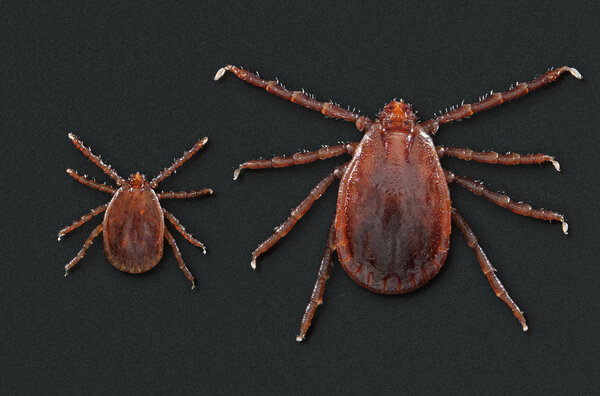
This photo depicts two Haemaphysalis longicornis ticks, commonly known as the longhorned tick. It has been linked to the spread of a hemorrhagic fever in China. The smaller of the two ticks on the left is a nymph. The larger tick is an adult female.
Science Source
When a tick bores into your skin, anchoring itself for what can be a leisurely meal while often spreading germs, it isn’t just Lyme disease that you have to worry about.
Various kinds of ticks have been shown to carry at least 16 diseases in the U.S alone that can infect humans, according to the Centers for Disease Control and Prevention. Now add one more to the global list of ills that a tick bite can bring about, according to a study in the May 30 New England Journal of Medicine.
The study, identifying a new tick-borne disease, shows that we still don’t know how many more diseases ticks can carry. “We continue to discover new viruses,” says Dr. Bobbi Pritt, director of the Clinical Parasitology Laboratory and co-director of the Vector-Borne Disease Lab Services at Mayo Clinic. She was not involved in the study.
The newly discovered disease was found in Inner Mongolia, an autonomous region of China. In April 2017, a 42-year-old female farmer from the Mongolian town Alongshan went to a county hospital complaining of fever and headache. She had a history of tick bites. In searching for the cause of the patient’s fever, researchers ruled out the usual tick-borne diseases found in the area. Using genome sequencing, a process of determining the makeup of an organism’s DNA, they isolated a new disease-causing agent, which they called Alongshan virus, or ALSV, after the patient’s hometown.
Further testing found 86 additional patients in the same Inner Mongolia region who were infected with ALSV. “Neither permanent clinical complications nor death occurred among patients with confirmed infection,” wrote the authors, from various universities and laboratories in China, in the journal article.
The patients in the study had symptoms of headache and fever coming an average of three to seven days after a tick bite, according to an email response to questions from Quan Liu, an author of the study from the School of Life Sciences and Engineering at Foshan University in Foshan, China. They were treated with ribavirin, an antiviral, and benzylpenicillin sodium, an antibiotic, for three to five days, he wrote.
“The symptoms usually resolved after six to eight days of treatment, and all patients had complete recovery.”
Diseases from a variety of ticks are seen around the world, but there are regional differences depending on the virus or bacteria carried by the ticks in the area. So far, ASLV has been found only in Inner Mongolia, in Ixodes persulcatus ticks, according to the study. It has also been found in mosquitoes in the same area, so researchers can’t be certain whether the patients got sick from a tick bite or a mosquito bite.
Like the victims of ASLV, most patients recover from the diseases caused by tick bites — although some tick-borne diseases can result in enduring joint pain, impaired muscle movements and fatigue.
Finding a new disease can only reinforce the need for people to take precautions to avoid tick bites.
In the U.S., where more than 59,000 cases of tick-borne diseases were reported in 2017, tick season is just beginning.
“Once the snow melts, the ticks come out. Stay away from tall grasses and forested areas,” says Pritt. “If you go into those areas, wear protective clothing and use an insect repellent with DEET.”
The CDC also suggests treating clothing and camping gear with the repellent permethrin, walking in the center of paths to avoid brushing against plants and leaves, and bathing and checking your body for ticks after an outdoor excursion.
And if you do come down with a fever that isn’t easily explained or diagnosed, make sure you tell your physician about any travel or recent outdoor experiences, says Pritt.
“The overarching theme is the more we look at ticks, the more we find,” says Wendy Adams, research grant director, Bay Area Lyme Foundation, who was not involved in the study. “We find parasites, viruses, bacteria. We just found worms in ticks in New York.”
It means that when humans are bitten by ticks, there are many diseases and infections they can contract — even a disease carried by a parasite within a tick.
Susan Brink is a freelance writer who covers health and medicine. She is the author of The Fourth Trimester: Understanding, Protecting, and Nurturing an Infant through the First Three Months, and co-author of A Change of Heart.
CorrectionJune 1, 2019
A previous version of this story incorrectly referred to the Centers for Disease Control and Prevention as the Centers for Disease Control and Infection.
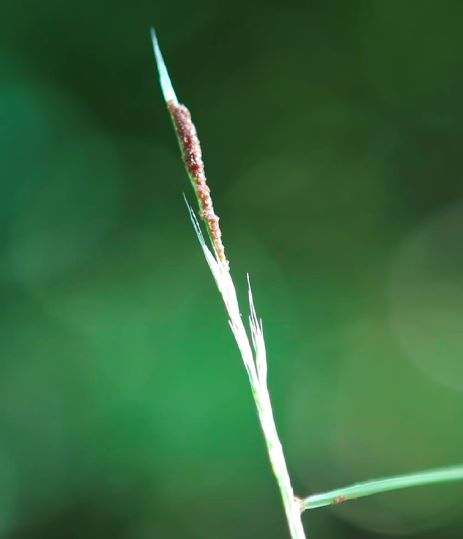
To date this tick which causes significant havoc in Asia, has not transmitted any diseases in the U.S. yet, but the concern is palpable due to its ability to clone itself and replicate quickly. It also lines up on a stalk of grass like a cluster bomb waiting to be touched by something to detonate. When you study this tick for 5 min. it becomes clear why this particular tick infestation can drain cattle of their blood. https://madisonarealymesupportgroup.com/2018/09/12/three-surprising-things-i-learned-about-asian-longhorned-ticks-the-tick-guy-tom-mather/
New research examines risk factors for Rocky Mountain spotted fever, one of the deadliest tick-borne diseases in the Americas, in Mexicali, Mexico.
In Mexicali, an uncontrolled epidemic of Rocky Mountain spotted fever has affected more than 1,000 people since 2008.
Researchers examined dogs, ticks, and surveyed households in 200 neighborhoods. Half of the neighborhoods in the study had diagnosed human cases of the disease. The team discovered that even though citywide only one in 1,000 ticks were infected, there were neighborhoods at very high risk where almost one in 10 ticks were infected.
“If you live in one of these high-risk neighborhoods and you get five brown dog tick bites, that means you have a pretty good chance of being exposed to Rocky Mountain spotted fever,” says lead author Janet Foley, with the department of medicine and epidemiology at the University of California, Davis, School of Veterinary Medicine.
The brown dog tick, which feeds on dogs and people, spreads Rocky Mountain spotted fever. The insect thrives in hot, arid climates. Previous studies have shown that poverty, numerous stray dogs, and brown dog ticks increased the risk of getting Rocky Mountain spotted fever. In Mexicali, risks were higher along the edges of poorer neighborhoods or outside of the city in rural areas.
Half of the 284 dogs the researchers examined were infested with ticks. Some dogs carried thousands of ticks.
“Almost three-quarters of the dogs we tested had been infected with the agent of Rocky Mountain spotted fever at some point in their life,” says Foley. “That’s astronomical.”
People with Rocky Mountain spotted fever typically develop symptoms one to two weeks after an infected tick bites them. They can develop fever, nausea, headache, and muscle pain. As the bacteria infect blood vessel linings, blood begins to pool under the skin, resulting in a rash that can look like red splotches or spots. The longer people wait before seeing a doctor and starting treatment with antibiotics, the greater the chance of death.
The study, which appears in the American Journal of Tropical Medicine and Hygiene, also gauged people’s knowledge about Rocky Mountain spotted fever. It found 80 percent of residents had heard of the disease, but fewer than half used pesticides to prevent bites.
Foley says a Rocky Mountain spotted fever epidemic on the scale of that in Mexicali is not as likely in the United States as long as dog ticks are well managed. But as temperatures warm with climate change, there are concerns that the particular human-feeding brown dog tick strain will continue to move north, resulting in more human cases. Some studies have suggested the hotter it gets, the more active and aggressive the ticks become.
The binational research team included academic researchers, health workers, epidemiologists, veterinarians, agency officials, medical doctors and students, who aided in the need to communicate in Spanish and English, address canine and human disease, understand fundamental epidemiological patterns, and protect public health. The US Centers for Disease Control and Prevention, the UC Davis School of Veterinary Medicine, and the Autonomous University of Baja California funded the work.