
HHS Request for Information (RFI) Diagnostic Testing for Lyme
HHS Request for Information (RFI) Diagnostic Testing for Lyme
 As part of the LymeX public-private partnership between Health & Human Services (HHS) and the Cohen Foundation, HHS has published an RFI in the Federal Register, 2.11.21 that seeks information on the current state of the science and technology to accelerate “innovative solutions” for Lyme disease diagnosis.
The RFI contains a series of questions it encourages responders to answer including the types of technologies being developed, any emerging technologies that could be used to characterized stages of Lyme, what sample type optimum for a detection test, and challenges in clinical practice.
Responses need to be submitted no later than 5:00 PM ET, March 15, 2021.
See the Federal Register for all details:
Request for Information (RFI): Accelerating Innovation in Diagnostic Testing for Lyme Disease
See LDA website: HHS, Steven & Alexandra Cohen Foundation Announce “LymeX” Partnership
__________________
From the HHS website (please go to link for more info):
We encourage responders to answer the following questions:
- What challenges/barriers exist for the development and validation of innovative diagnostic tests for Lyme disease?
- What types of diagnostic technologies are being developed (or could be developed or adapted) to detect Lyme disease, including technologies and breakthroughs adapted from COVID-19 diagnostics with potential applications for Lyme disease (e.g., highly sensitive nucleic acid amplification testing [NAAT])?
- What emerging technologies (e.g., epigenetic mapping, inflammatory markers, gene arrays, NAAT, or others) might be developed or adapted to characterize different stages of Lyme disease, including Post-Treatment Lyme Disease Syndrome (PTLDS), etc.?
- What analyte (e.g., DNA, RNA, protein, metabolite) does existing or developing Lyme disease diagnostic tests detect?
- What is the optimal sample type (e.g., whole blood, plasma) for the detection of a test analyte in patients with Lyme disease? The optimal sample type can be generally defined as the one where the analyte can be best detected.
- What challenges exist in the implementation and use of Lyme disease diagnostic testing in clinical practice?
- What role can or should public-private partnerships play in accelerating Start Printed Page 9077development, validation, or appropriate use of innovative Lyme disease diagnostic tests, and what factors are most critical to ensure their success?
For more on testing:
- https://madisonarealymesupportgroup.com/2020/03/01/study-cdcs-2-tier-lyme-testing-inaccurate-in-more-than-70-of-cases/
- https://madisonarealymesupportgroup.com/2018/01/16/2-tier-lyme-testing-missed-85-7-of-patients-milford-hospital/
- https://madisonarealymesupportgroup.com/2021/02/23/tuttles-letter-to-the-nh-lyme-disease-study-commission-on-the-limitations-of-blood-testing/ (Many more links after Tuttle’s letter)
- https://madisonarealymesupportgroup.com/2020/11/02/study-finds-two-ways-to-improve-lyme-testing/
- https://madisonarealymesupportgroup.com/2020/12/31/lyme-disease-are-we-looking-for-the-wrong-culprit/
- https://madisonarealymesupportgroup.com/2020/12/14/how-many-negative-lyme-tests-are-due-to-b-miyamotoi/ It was recently discovered that:
- Among positive ticks, 60% were for B. miyamotoi.
- Testing on over 2,000 humans (mainly late stage/chronic patients) showed 30% negative results and 70% positive, among which over 60% indicated the presence of specific Borrelia miyamotoi phages. https://madisonarealymesupportgroup.com/2020/11/30/neglected-infections-gastrointestinal-issues-in-patients-with-late-vector-borne-infections/




 Poor diet: Did I mention that all my long hours of delivering babies had me living out of the hospital vending machine and constantly eating processed and fast foods on the run? All of those
 Chronic stress: I know I’m not alone here when I say that constant low-grade tension and stress had become the norm. Unfortunately, when the body exists in a constant state of alert, all of its systems, and especially immune function, become overly taxed.
 Sedentary lifestyle: I truly love to exercise, but most days I felt too crappy to move much at all, so regular activity was put on hiatus. Prolonged inactivity is stressful to the body: It’s associated with decreased blood flow,
 Toxic environment: The modern world is saturated with hidden toxins — plastics, pesticides, food additives, etc. — that act like free radicals and cause systemic inflammation, further compromising immune function. Without actively trying to avoid them, I was undoubtedly surrounded by them.
 Microbes: Borrelia might have been at the top of my hit list, but by now I knew it wasn’t just one microbe I had to worry about. With my immune system down, the floodgates were open, and that strong prevalence of normal flora I needed to support my immune defenses was getting overrun by potential pathogens.

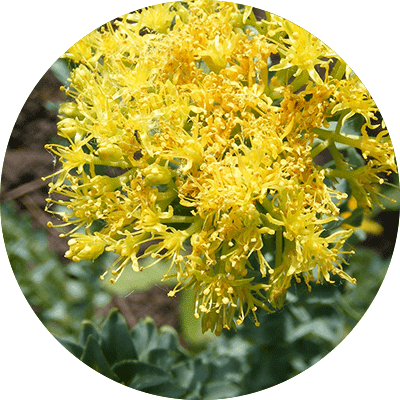 Rhodiola: One of the first herbs defined as an adaptogen and studied by modern scientists,
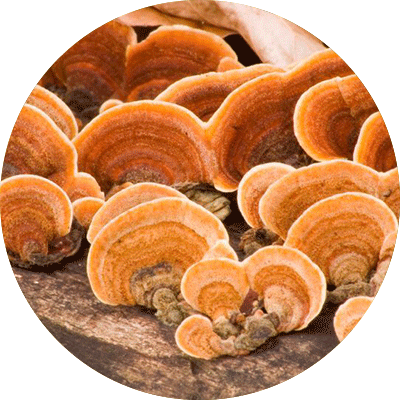 Reishi mushrooms: This mushroom’s main claim to fame is its ability to help regulate the immune system, improving how it works.
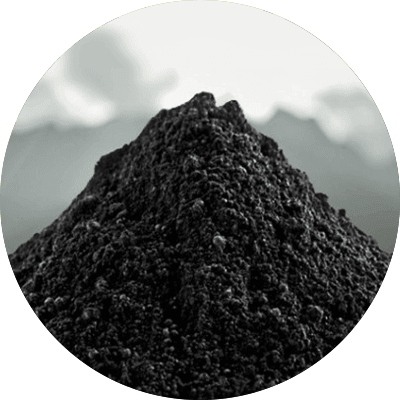 Shilajit: This isn’t technically an herb, but more like primordial ooze — a byproduct of plant materials that have been compressed into the earth in the Himalayas and seeps out of the rocks.
 Turmeric: This adaptogen companion has potent anti-inflammatory powers. The compounds in
 Gotu Kola: A calming, anti-inflammatory and antioxidant adaptogen companion that’s part of the parsley family,


