
Despite the fact the COVID mRNA gene therapy injections developed by the military as “counter measures” and “prototypes,” followed NONE of the regulations that are put in place to protect us from harmful medical products, they are still being promoted and given.
- Data from Health New Zealand confirms that the clot shots have killed over 10 MILLION worldwide
- Excess deaths are off the charts
- Cardiac events are off the charts
- VAERS shows one and a half MILLION experiencing adverse events.
- The shots get to and through the placenta affecting fetuses at all stages of development leading to still-births
- The shots are “off the charts” contaminated with toxic graphene, parasites and their eggs, glass shards, Green Monkey DNA, nanotechnology, numerous metals, moving “self aware” organisms, PEG, lipid nanoparticles, black particles, white floating matter, impurities from human fetal cell lines, hexagonal crystalline structures with spaced dots in a grid pattern, genetic material and plasmids with bacterial origins that can replicate in cells and are resistant to antibiotics,
- Worldwide investigations are showing concealment of injection deaths
But the FDA is doing what the FDA does best – attacks anything it views as a threat:
https://anh-usa.org/fda-launches-homeopathy-broadside/
FDA Launches Homeopathy Broadside
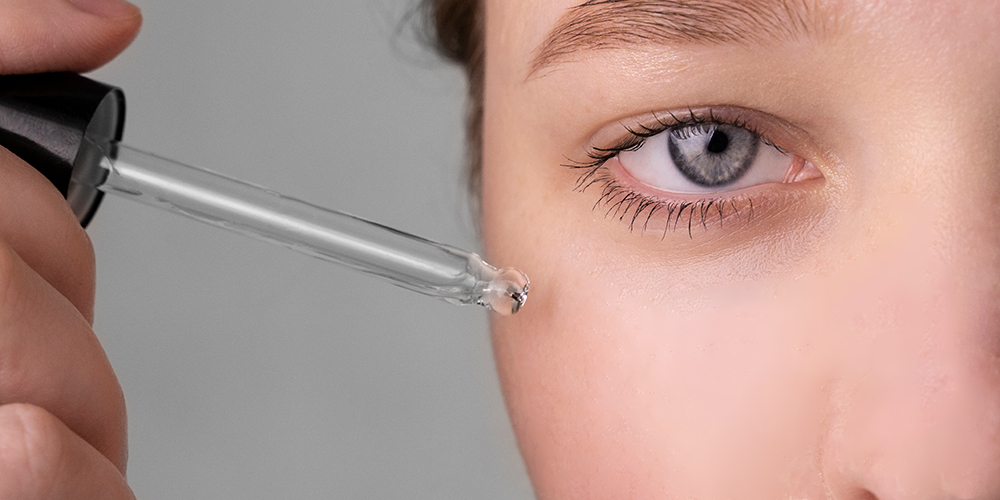
As we predicted, the agency has targeted the next group of homeopathic products for elimination. Action Alert!
The FDA is pressing forward in its plan to win its century long battle to eliminate homeopathic products from the medicine cabinets of Americans—a battle that was started with the Flexner report of 1910. The agency sent warning letters to several manufacturers of homeopathic eye care products in addition to Amazon for selling the products. These letters rely on the change in policy the FDA announced in 2018 that essentially made all homeopathic products illegal. Unless the FDA is held in check, we will continue to lose access to homeopathic medicine bit by bit until there is nothing left. We cannot let that happen.
The FDA indicates in these letters that it is going after eye drops because that route of administration is particularly dangerous from a public health perspective: “these products… in general pose a greater risk of harm to users because the route of administration for these products bypasses some of the body’s natural defenses.” Companies receiving these letters include Boiron, Similasan, Walgreens, and CVS. Some of the letters mention issues with manufacturing and product sterility. Like allopathic drugs, homeopathic products are required to follow good manufacturing practices.
This is in line with the approach outlined in the FDA’s guidance that stipulates certain categories of homeopathic medicines will be targets for enforcement actions. In 2020, the agency went after injectable homeopathic products on similar grounds.
As ever, this has almost nothing to do with safety and everything to do with control. We see this with pharmacy compounding, too, which are medicines that do not need to go through the FDA approval process. The FDA does not like that there are medicines out there that it does not have authority over, so it does everything in its power to eliminate them, using safety as a justification—as if FDA approval was any guarantee of safety! New prescription drugs have a 20 percent chance of causing a serious adverse reaction after being approved; properly prescribed drugs cause 1.9 million hospitalizations a year, and 128,000 people die from drugs prescribed to them.
Meanwhile, Similasan, one of the homeopathic products that generated an FDA warning letter, has a total of five adverse events listed in the FDA’s database. The letter sent to Boiron for its Optique 1 Eye Drops makes no mention of any safety issues whatsoever. The same was true of some of the injectable homeopathic products that were targeted. This comports with other data showing a vanishingly small rate of adverse events from homeopathic medicines.
As Similasan was among the products cited by the FDA for not following good manufacturing practices, the company has voluntarily suspended sale of its eye drops in the US as it resolves the issues raised by the FDA. For those seeking alternative medicines for dry eyes, blepharitis, and related conditions, we like medicines with hyaluronic acid (available, for example, as Hycosan) or carmellose sodium (including Optase).
This all supports the idea that the FDA’s issue is not that these medicines are a threat to consumer safety; they simply haven’t kissed the FDA’s ring, by which we mean paying exorbitant sums to go through the agency’s drug approval process.
Remember: The FDA gets a large part of its funding from drug company user fees, and for this reason sees Big Pharma as its client. Homeopathic medicines, like supplements and other natural products, compete with pharmaceutical drugs, so the FDA uses its enormous power to tilt the scales in favor of the drug companies. And because natural products and homeopathic medicines generally cannot be patent protected like drugs can, they can’t afford FDA approval and so cannot make disease claims. It is one among many ways cronyism is undermining healthcare in this country.
Action Alert! Write to Congress in support of a legislative fix to protect access to homeopathic medicines. Please send your message immediately. (Go to top link to take action against FDA extortion)
____________
https://anh-usa.org/fda-targets-peptides/
FDA Targets Peptides
Peptides represent an exciting and rapidly developing new frontier in disease treatment and prevention as well as anti-aging, so naturally the FDA is swooping in…to make sure Big Pharma has a monopoly. Action Alert!
Do you want to increase your lifespan by 30 percent? Heal from injuries that conventional medicine has no answers for? Investigations into the use of peptide bioregulators are showing these kinds of promising results, but the FDA is working to make sure patients and doctors cannot access these medicines unless they are approved as drugs. We need a major grassroots response to make sure this doesn’t happen to these natural miracle molecules made from amino acids.
Peptides in peril: What happened?
Simply put, the FDA’s new guidance is prohibiting the compounding of a group of peptides, including many comprised of essential and conditionally-essential amino acids, like BPC-157, epitalon, LL-37, thymosin alpha-1 (Ta1), Kisspeptin-10, and more. The FDA’s justification for “taking action against a compounder or outsourcing facility” for producing these peptides is based on safety concerns. These safety concerns are, in our view, largely spurious, with the FDA generally claiming lack of safety data, the presence of impurities, or suggesting ‘immunogenicity.’ Lack of data certainly doesn’t imply risk, impurities can be eliminated with good manufacturing practice, and immunogenicity simply means the peptide primes or enhances the immune system, a property that could be regarded as beneficial, not harmful.
The FDA hasn’t instigated a permanent ban; it is an interim policy on these compounds, but this is a deeply concerning sign for future access, particularly because the FDA is using the safety risk as its justification to get these products out of compounding. If they’re not safe enough in compounding, how will the FDA respond to these peptides being sold in dietary supplements? Go figure. Currently, not many peptides are available as supplements, and few have yet to be approved as drugs. This means that patients and others who are dependent on these peptides as compounded medicines will lose access to them. Once again, the FDA is standing in the way of patients utilizing cutting edge natural therapies to help them live long, healthy lives.
Background: War on Compounding
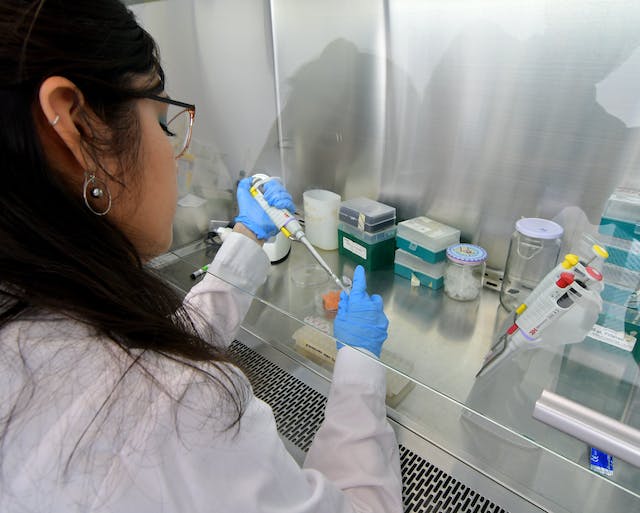
This a new step in the FDA’s war on pharmacy compounding, a war that we’ve been drawing public attention to for years. These are specialist pharmacies that create customized medicines for patients with special needs, such as an alternative dosage forms, delivery mechanisms, or preparations that aren’t commercially available. They have, for example, been vital in the supply of bioidentical hormones for women looking for natural alternatives to synthetic hormone replacement therapy.
According to the law, to be eligible to be made at a compounding pharmacy, a medicine must either: 1) be a component of an FDA-approved drug, 2) have a USP monograph, or 3) appear on a list (referred to as the Bulk Drug List) developed through regulation by the FDA.
The agency elicited nominations to the Bulk Drug List and has, for years, been reviewing these nominations to determine which will be added to the List and which will be banned. As the peptides in question do not satisfy conditions 1 or 2 above, they were nominated for inclusion on the Bulk Drug List.
The FDA’s review process has been extremely slow, but the track record is not good, with a number of nominated natural products being banned, such as curcumin, acetyl-L-carnitine, aloe vera, artemisinin, astralagus, and more.
As the FDA goes through its process, it has released an interim policy covering whether substances that have been nominated to the Bulks List can continue to be compounded while the FDA reviews nominations. There are three categories. Substances added to Category 1 can continue to be compounded. Category 2 substances cannot be compounded in the interim due to “safety risks” identified by the FDA (and it’s in this category that the 17 peptides we’re drawing attention to in this article have found themselves listed). Category 3 substances need to be renominated because the FDA did not receive enough information to make an evaluation.
The FDA, in our view, could have — and should have — added these peptides to Category 1 and not disrupted patient access to clinically effective therapies with a strong safety profile. Peptides could theoretically be moved to Category 1, or even better, added to the Bulk List at some point, but the fact that the FDA is citing safety concerns is a clear indication of its intention to move to a ban in compounding and as dietary supplements.
Big Pharma Giveaway
By starting us down the road of a compounded peptide ban, the agency is clearing the market and preparing the way for the drug industry to come in and claim monopolies on crucial peptides used medicinally.
For example, one of the now-banned compounded peptides is thymosin alpha-1, or Ta1, a naturally-occurring peptide in the thymus. The synthetic version of Ta1 is approved as a drug in over 30 countries, though not in the US, to treat chronic hepatitis B and C as well as having an orphan drug indication for cancer treatment. Ta1 has, in fact, far-ranging applications that have yet to be tapped—no wonder there have been dozens of clinical trials looking at Ta1 for the treatment of a variety of diseases. Another of the targeted peptides is BPC-157, which has shown promise in a wide range of central nervous system disorders and other diseases.
We believe the FDA’s overarching goal is to preserve these and other useful, natural peptides for the pharmaceutical industry and shut down competition from compounders.
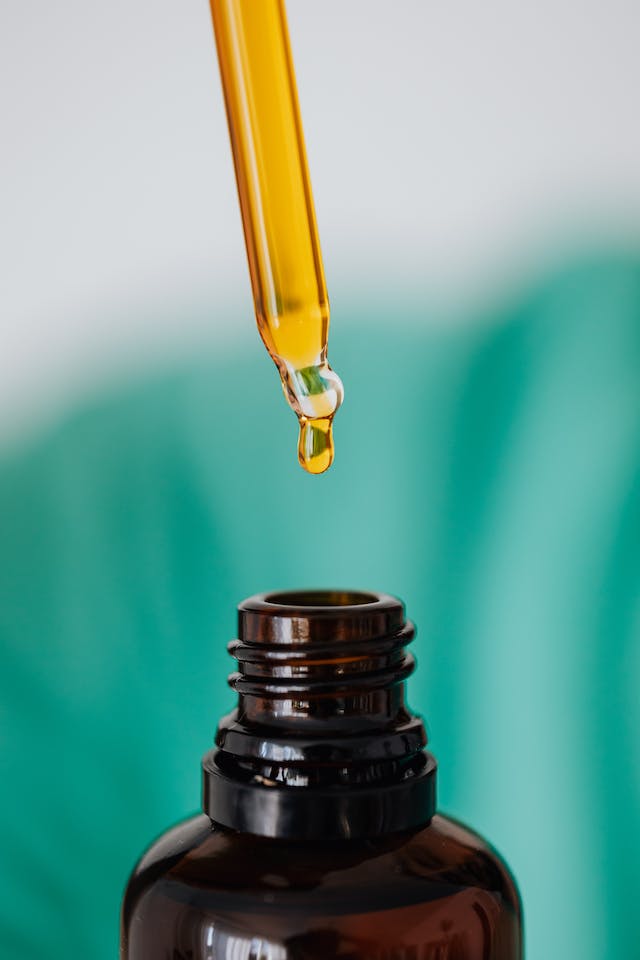
The main point is, natural peptides—as well as their synthetic versions that are chemically identical—are very clearly both on Big Pharma and the FDA’s radar. That means we must be vigilant in protecting access, lest they become monopoly drugs and harder to access for patients who want to use these peptides to heal themselves, enhance their health, reduce their biological age, or reduce their risk of future disease.
Cutting edge medicine in peril
Losing access to these compounded peptides would be a huge blow for patients and healthcare providers. We will delve further into these issues in future coverage, but research on peptides and their ability to help us heal and extend life is incredibly promising. Peptides are quite simply specific combinations of amino acids which are the building blocks of proteins. Most of the amino acids used in the peptides that have now found their way onto the FDA’s Category 2 list are bioidentical – meaning they are chemically identical to ones found in nature – especially in foods, and in healthy humans and animals.
For example, epitalon, also referred to as Epithalamin, is an extract of the pineal gland. Animal and human research has shown that it can extend life and decrease mortality by, among other things, improving the immune system, stimulating antioxidant defenses, and producing anticarcinogenic effects. Ta1, which we discussed above, is a thymus peptide that has immune-modulating effects. Peptide preparations of the cerebral cortex have been shown to exert neuroprotective effects. The administration of these peptides in animal studies has resulted in 25-40 percent increases in lifespan compared to controls.
We must protect access to these vital compounded peptides.
Action Alert! Write to Congress and the FDA, telling them to retain consumer access to natural peptide medicines! Please send your message immediately. (Go to link to take action)
 Madison Area Lyme Support Group