Archive for July, 2018

What the Mystery of the Tick-Borne Meat Allergy Could Reveal

https://www.nytimes.com/2018/07/24/magazine/what-the-mystery-of-the-tick-borne-meat-allergy-could-reveal.html

His wife wasn’t home, so he drove himself to the university hospital emergency room near where he lived in Chapel Hill, N.C. As he explained his symptoms at the check-in counter, he began to feel faint, then fell to one knee. An orderly offered a wheelchair. He sat down — and promptly lost consciousness.  (See link for article)

______________

**Comment**

I find it interesting that no one is mentioning the fact ticks have been tweaked in a lab for biowarfare purposes.  

https://madisonarealymesupportgroup.com/2018/03/07/hantavirus-tularemia-warnings-issued-in-san-diego-county/  Tularemia, brucella, certain Rickettsia’s, numerous viruses, some chlamydia’s, and of course mycoplasma have all been weaponized.  https://madisonarealymesupportgroup.com/2015/08/12/connecting-dots-mycoplasma/

http://www.immed.org/infectious%20disease%20reports/InfectDiseaseReport06.11.09update/PHA_Nicolson_0709_v4.07.pdf

“According to Dr. Nicolson, some of the experiments used Mycoplasma while others utilized various “cocktails of microbial agents” such as Mycoplasma, Brucella, and DNA viruses such as Parvovirus B19. This project later become the topic of a book by Dr. Nicolson entitled Project Day Lily.

Dr. Nicolson believes that Mycoplasma fermentans is a naturally occurring microbe. However, some of the strains that exist today have been weaponized. Dr. Nicolson’s research found unusual genes in M. fermentans incognitus that were consistent with a weaponized form of the organism. Weaponzing of an organism is done in an attempt to make a germ more pathogenic, immunosuppressive, resistant to heat and dryness, and to increase its survival rate such that the germ could be used in various types of weapons. Genes which were part of the HIV‐1 envelope gene were found in these Mycoplasma. This means that the infection may not give someone HIV, but that it may result in some of the debilitating symptoms of the HIV disease.”

Regarding the weaponization of tick pathogens:  https://www.lymedisease.org/lymepolicywonk-questioning-governments-role-lyme-disease-make-conspiracy-theorist/  (Go here to read excerpts of an interview with a biologist who acknowledged doing biowarfare work on ticks and mosquitoes.  He admits every time he has a strange illness his physician says it’s probably a rickettsia – an idiopathic condition that never tests positive but symptoms indicate it.)

‘The interview suggests to me that the reason we have such a large problem with our tick population today may be related to military experiments in the 50s. They were part of a biological warfare effort against the Russians. One goal was to figure out how to get ticks to reproduce quickly and abundantly, as well as how to distribute ticks to targeted areas.”

For a lengthy but informative read on the Lyme-Biowarfare connections:  CitizensAlert_Bob13  (Scroll to page 44 to see an executive summary.  Please notice the names of Steere, Barbour, Shapiro, Klempner, and Wormser, the first four are affiliated with the CDC Epidemic Intelligence Service (EIS).  Wormser, lead author of the fraudulent Lyme treatment guidelines, lectures as an expert on biowarefare agents and treatments).  The author of the pdf believes borrelia (Lyme) has been bioweaponized due to (excerpt from pdf footnote):

226 An article was put out by the Associated Press mentioning the study of Lyme disease at a new biowarfare lab at the University of Texas, San Antonio. The article was quickly retracted and mention of Lyme disease was scrubbed from the article. Here is the text of the original article: “A new research lab for bioterrorism opened Monday at the University of Texas at San Antonio. The $10.6 million Margaret Batts Tobin Laboratory Building will provide a 22,000-square-foot facility to study such diseases as anthrax, tularemia, cholera, lyme disease, desert valley fever and other parasitic and fungal diseases. The Centers for Disease Control and Prevention identified these diseases as potential bioterrorism agents.” MSNBC, 11/21/2005. For a comparison of the censored and uncensored articles, see: http://members.iconn.net/~marlae/lyme/featurearticle02.htm

So you tell me.  Could all this lab tweaking have something to do with tick borne illness and allergies?

Herpes Viruses Implicated in Alzheimer’s Disease

https://www.the-scientist.com/news-opinion/herpes-viruses-implicated-in-alzheimer-s-disease-64246#.W1VYqg-Tels.linkedin

Herpes Viruses Implicated in Alzheimer’s Disease

SAM GANDY, ICAHN SCHOOL OF MEDICINE AT MOUNT SINAI

Herpes Viruses Implicated in Alzheimer’s Disease

A new study shows that the brains of Alzheimer’s disease patients have a greater viral load, while another study in mice shows infection leads to amyloid-β build up.

Jun 21, 2018, Anna Azvolinsky


The brains of Alzheimer’s disease patients have an abnormal build up of amyloid-β proteins and tau tangles, which, according to many researchers, drives the ultimately fatal cognitive disease. This theory is being challenged by a newer one, which posits that microbes may trigger Alzheimer’s pathology.

Two new studies, using different approaches, further bolster this pathogen theory. Analyzing the transcriptomes of post-mortem brain samples from patients with Alzheimer’s disease, one group of researchers finds that two strains of human herpesvirus are significantly more abundant than in the brains of people of the same age without Alzheimer’s disease. Gene networks in the brains of Alzheimer’s patients with these strains are also rewired such that disease-related genes are differentially expressed compared to controls.

In the other study, another team of investigators observed in mouse models and in a three-dimensional human neuronal cell culture that a Herpseviridae infection could seed amyloid-β plaques. 

“These two papers add to a weight of evidence that viruses—and pathogens in general—must now be seriously considered as causal agents in Alzheimer’s disease,” Chris Carter, who studies the genetics and epidemiology of Alzheimer’s and other neurological disorders at Polygenic Pathways in the U.K., tells The Scientist.

Over three decades, there have been accumulating data from human studies suggesting that certain microbes, namely, viruses bacteria and fungi, may trigger or promote Alzheimer’s pathology in the aging brain. 

See “Do Microbes Trigger Alzheimer’s Disease?

The Mount Sinai group initially set out to mine their RNA and DNA sequencing data from Alzheimer’s brain samples for drug targets. Then they found these viral sequences that were difficult to ignore. “I recently gave a talk that I titled, ‘I went looking for drugs but all I found was these viruses,’” study coauthor Joel Dudley, a genomics researcher at the Icahn School of Medicine at Mount Sinai, tells The Scientist.

In their study of elderly human brains, Dudley and the team from Mount Sinai sequenced more than 1,400 post-mortem brain samples, finding the first evidence that human herpesviruses 6A (HHV-6A) and 7 (HHV-7) are in greater abundance in regions of the brain including the superior temporal gyrus, anterior prefrontal cortex, and dorsolateral prefrontal cortex.

These data suggest that multiple pathogens, and not just these viruses, likely contribute to Alzheimer’s disease. 

—Chris Carter, Polygenic Pathways

Using RNA and DNA sequencing data, the team computationally generated regulatory network models that implicated the presence these viruses in altering the activity of genes linked to Alzheimer’s risk.

The researchers turned to one of the microRNAs, miR-155, found in their analysis to be suppressed by HHV-6A in the human samples, to see what the functional consequence is of this interaction. They homed in on miR-155 because it was a novel microRNA and because it had been previously linked to herpes viruses. When they knocked out the gene for miR-155 in a mouse model of Alzheimer’s disease, the animals’ brains had larger amyloid plaques and higher levels of amyloid-β compared to the mouse model with a wildtype MIR155 gene.

“Conceivably, the viral proteins are acting as transcription factors that control expression of Alzheimer’s risk genes,” coauthor Sam Gandy, a professor of neurology who specializes in Alzheimer’s disease at Mount Sinai, writes in an email to The Scientist. “Perhaps this viral dysregulation of Alzheimer’s genes that we see promotes the Alzheimer’s pathology of amyloid beta aggregation, inflammation and tau tangles,” he says.

The results, published today (June 21) in Neuron, could pave the way to new intervention strategies. “If established that these viruses indeed play a role in the development of Alzheimer’s, retroviral agents should be tested as a potential therapy,” says Dudley.

In the other study, available as a preprint on the Cell website and in Neuron July 11, Rudolph Tanzi and Robert Moir, both researchers at Harvard Medical School and Massachusetts General Hospital, and their colleagues tested how amyloid-β in the brain—which these labs previously found to be an antimicrobial—reacts to herpes simplex virus 1 (HSV1), HHV6A, and HHV6B. These strains all tend to integrate into the genomes of neurons. They found that in a culture of human neuronal cells, amyloid-β could prevent HSV1 infection and can bind and aggregate the HSV1 and HHV6 viruses. Mice infected with HSV1—which can cause encephalitis—that also had genetically elevated amyloid-β expression were protected against encephalitis, but also had increased amyloid deposits.

“These studies further add to the steadily increasing number of papers that support a microbial role in Alzheimer’s disease,” Ruth Itzhaki, a molecular neurobiologist at the University of Manchester in the U.K. who studies the link between viruses and the development of Alzheimer’s disease, writes in an email to The Scientist.

A recent epidemiology study adds real-world credence to the microbial link to Alzheimer’s. A population study in Taiwan examined more than 33,000 individuals and found that those with a herpes simplex virus infection had a 2.5-fold greater risk of developing Alzheimer’s disease. The study authors found that in those people treated with antiherpes medications, the 2.5-fold risk dropped back down to baseline. 

“The conclusion you can draw is that the antiherpes medication reduced the risk of Alzheimer’s by keeping the herpes infection in check,” says Moir.

Itzhaki agrees. This study and two others, also from Taiwan, appear to link HSV1 causally to Alzheimer’s disease, she writes. “Despite various shortcomings, these Taiwan studies are the essential first steps to a proof that a microbe could be the cause of a non-infectious disease, in this case, Alzheimer’s.” Itzhaki and a colleague wrote about these studies recently in a commentary, which aimed to interpret the “important and surprising Taiwan data” on the effectiveness of the antiviral treatment, Itzhaki tells The Scientist.

Carter cautions that the new reports should not be interpreted to mean that there is likely a single, unique Alzheimer’s pathogen, if there is one at all. “These data suggest that multiple pathogens, and not just these viruses, likely contribute to Alzheimer’s disease. It is also likely that the pathogens may vary between Alzheimer’s patients.”

The Mount Sinai team will now be verifying whether HHV6 and HHV7 are actually integrated into the genomes of Alzheimer’s patients’ brains and testing for the presence of HHV6 and HHV7 in the bloodstream and central nervous system of Alzheimer’s patients. They would like to do a study comparing living patients and controls to see if the link they observed between the viruses’ presence and changes in gene regulation related to Alzheimer’s holds up.

Tanzi’s and Moir’s labs are focusing on the role of the brain microbiome in Alzheimer’s disease. Comparing the brains of older and younger individuals, including those with Alzheimer’s, their preliminary evidence shows that the brain microbiome—which contains hundreds of bacterial and fungal species—is shifted and linked to pro-inflammatory activity. “It’s analogous to what happens with the gut microbiome in individuals with irritable bowel syndrome,” says Moir. “Our model right now is that it’s not just a single microbe, but a disturbance in the brain microbiome that can lead to Alzheimer’s disease.”

B. Readhead et al., “Multi-scale analysis of independent Alzheimer’s cohorts finds disruption of molecular, genetic, and clinical networks by human herpesvirus,” Neurondoi.org/10.1016/j.neuron.2018.05.023, 2018.

W.A. Eimer et al. “Alzheimer’s disease-associated β-amyloid is rapidly seeded by herpesviridae to protect against brain infection,” Neuron, in press, July 12, 2018.

Correction (June 21): We removed two sentences in paragraph seven. One noted the prevalence of virus in diseased brains, but did not note that the prevalence is the same in control brains. The other sentence misstated the regions of the brain where the viruses were in greater abundance compared to control brains and stated these brain regions were linked to Alzheimer’s disease. The Scientist regrets the error.

________________

**Comment**

  1.  Lyme/MSIDS patients often have viral involvement – particularly herpes strains
  2. The role of bacteria, viruses, and fungus is important and likely includes the very things Lyme/MSIDS patients have and are being treated for.
  3. This article points out another reason to take treatment for Lyme/MSIDS seriously.  If left unchecked, Lyme/MSIDS can possibly be a perfect storm for Alzheimer’s later.

For more:  https://madisonarealymesupportgroup.com/2017/01/18/a-bug-for-alzheimers/

https://madisonarealymesupportgroup.com/2016/06/09/alzheimers-byproduct-of-infection/

https://madisonarealymesupportgroup.com/2016/11/17/antibiotics-and-alzheimers/

https://madisonarealymesupportgroup.com/2016/06/03/borrelia-hiding-in-worms-causing-chronic-brain-diseases/

https://madisonarealymesupportgroup.com/2018/03/25/a-brief-history-of-neuroborreliosis-research-dementia-an-inside-look-at-two-researchers/

https://madisonarealymesupportgroup.com/2017/06/10/the-coming-pandemic-of-lyme-dementia/

https://madisonarealymesupportgroup.com/2016/11/17/alzheimers-lyme/

Dr. David Baewer discusses arboviruses & Lyme:  https://madisonarealymesupportgroup.com/2016/06/07/dr-david-baewer-coppe-labs/ Coppe Labs, in Wisconsin, provides advanced testing for leukotropic herpesviruses: EBV, CMV, HHV-6A and HHV-6B, as well as tick-borne pathogens, and their tests distinguish between latent and active infections.


Rattlesnakes Fighting Lyme

https://www.mytwintiers.com/news/local-news/how-rattlesnakes-are-helping-to-fight-lyme-disease/1299008577

News story here:

https://w3.cdn.anvato.net/player/prod/v3/anvload.html?key=eyJtIjoiTElOIiwicCI6IiIsInYiOiIyNjc3Nzg0IiwiYW52YWNrIjoiZ3JEN3pRTjdxeDFKMlVYRzhlVWttU28zbFAxQVJCYW8iLCJwbHVnaW5zIjp7ImRmcCI6eyJjbGllbnRTaWRlIjp7ImFkVGFnVXJsIjoiaHR0cHM6Ly9wdWJhZHMuZy5kb3VibGVjbGljay5uZXQvZ2FtcGFkL2Fkcz9zej0xeDEwMDAmaXU9LzU2Nzgvbngud2V0bS9uZXdzL2xvY2FsX25ld3MmY3VzdF9wYXJhbXM9Y29pZCUzRDEyOTkwNjYyMTklMjZ2aWRjYXQlM0RuZXdzL2xvY2FsX25ld3MmaW1wbD1zJmdkZnBfcmVxPTEmZW52PXZwJm91dHB1dD12YXN0JnVudmlld2VkX3Bvc2l0aW9uX3N0YXJ0PTEmdmlkPTI2Nzc3ODQmY21zaWQ9JnVybD1bcmVmZXJyZXJfdXJsXSZkZXNjcmlwdGlvbl91cmw9aHR0cHM6Ly93d3cubXl0d2ludGllcnMuY29tL25ld3MvbG9jYWwtbmV3cy9ob3ctcmF0dGxlc25ha2VzLWFyZS1oZWxwaW5nLXRvLWZpZ2h0LWx5bWUtZGlzZWFzZS8xMjk5MDA4NTc3JmNpdV9zenM9NzI4eDkwLDMwMHgyNTAmYWRfcnVsZT0wJnZwb3M9cHJlcm9sbCZjb2lkPTEyOTkwNjYyMTkmcGdpZD0xMjk5MDA4NTc3JmNvcnJlbGF0b3I9W3RpbWVzdGFtcF0ifX0sImNvbXNjb3JlIjp7ImNsaWVudElkIjoiNjAzNjQzOSIsIm5zX3N0X2NpIjoiMjY3Nzc4NCIsIm5zX3N0X2NsIjoiMTIxMDAwIiwibnNfc3RfZ2UiOiJ2aWRlbyxsb2NhbCBuZXdzLG5ld3MsTG9jYWwgTmV3cyxUb3AgVmlkZW8sVmlkZW8iLCJuc19zdF9zdCI6IldFVE0iLCJjMyI6Imh0dHBzOi8vd3d3Lm15dHdpbnRpZXJzLmNvbSIsImM0IjoiKm51bGwiLCJjNiI6IipudWxsIn19LCJodG1sNSI6dHJ1ZSwidG9rZW4iOiIgIn0%3D“>https://w3.cdn.anvato.net/player/prod/v3/anvload.html?key=eyJtIjoiTElOIiwicCI6IiIsInYiOiIyNjc3Nzg0IiwiYW52YWNrIjoiZ3JEN3pRTjdxeDFKMlVYRzhlVWttU28zbFAxQVJCYW8iLCJwbHVnaW5zIjp7ImRmcCI6eyJjbGllbnRTaWRlIjp7ImFkVGFnVXJsIjoiaHR0cHM6Ly9wdWJhZHMuZy5kb3VibGVjbGljay5uZXQvZ2FtcGFkL2Fkcz9zej0xeDEwMDAmaXU9LzU2Nzgvbngud2V0bS9uZXdzL2xvY2FsX25ld3MmY3VzdF9wYXJhbXM9Y29pZCUzRDEyOTkwNjYyMTklMjZ2aWRjYXQlM0RuZXdzL2xvY2FsX25ld3MmaW1wbD1zJmdkZnBfcmVxPTEmZW52PXZwJm91dHB1dD12YXN0JnVudmlld2VkX3Bvc2l0aW9uX3N0YXJ0PTEmdmlkPTI2Nzc3ODQmY21zaWQ9JnVybD1bcmVmZXJyZXJfdXJsXSZkZXNjcmlwdGlvbl91cmw9aHR0cHM6Ly93d3cubXl0d2ludGllcnMuY29tL25ld3MvbG9jYWwtbmV3cy9ob3ctcmF0dGxlc25ha2VzLWFyZS1oZWxwaW5nLXRvLWZpZ2h0LWx5bWUtZGlzZWFzZS8xMjk5MDA4NTc3JmNpdV9zenM9NzI4eDkwLDMwMHgyNTAmYWRfcnVsZT0wJnZwb3M9cHJlcm9sbCZjb2lkPTEyOTkwNjYyMTkmcGdpZD0xMjk5MDA4NTc3JmNvcnJlbGF0b3I9W3RpbWVzdGFtcF0ifX0sImNvbXNjb3JlIjp7ImNsaWVudElkIjoiNjAzNjQzOSIsIm5zX3N0X2NpIjoiMjY3Nzc4NCIsIm5zX3N0X2NsIjoiMTIxMDAwIiwibnNfc3RfZ2UiOiJ2aWRlbyxsb2NhbCBuZXdzLG5ld3MsTG9jYWwgTmV3cyxUb3AgVmlkZW8sVmlkZW8iLCJuc19zdF9zdCI6IldFVE0iLCJjMyI6Imh0dHBzOi8vd3d3Lm15dHdpbnRpZXJzLmNvbSIsImM0IjoiKm51bGwiLCJjNiI6IipudWxsIn19LCJodG1sNSI6dHJ1ZSwidG9rZW4iOiIgIn0%3D

How Rattlesnakes are Helping to Fight Lyme Disease


BIG FLATS, N.Y. (18 NEWS) – The Timber Rattlesnake…There’s hundreds of them here in the Twin Tiers and thanks to the warmer weather, we’ve been seeing more of them. Despite recent sightings the species is actually decreasing in numbers. The Timber Rattlesnake is listed as threatened in New York State meaning Rattlesnakes could face extinction in the future. That may not sound so bad to some, but it turns out we need them more than you think.

“It’s a pretty fragile population but we need the snakes especially with the problem with ticks that we’re having,” Polly Smith-Blackwell, a local certified handler said.

New York has some of the highest rates of Lyme Disease in the country. The disease can have severe side effects including neurological and cardiac disorders and is caused by bacteria that’s transmitted by ticks.

“Their diet consists of chipmunks and mice both of which are carriers of the ticks so the more mice and chipmunks they eat the less ticks you have,” Smith-Blackwell said.

According to the University of Maryland, one Timber Rattlesnake can consume nearly 5 thousand ticks a summer. Polly says the den in Big Flats is home to about 100 snakes. If you do the math, that’s about 500 thousand ticks that aren’t crawling on you and me. So they next time you’re thinking about killing one of these snakes, think twice! You could also be facing hundreds of dollars in fines from the Department of Environmental Conservation.

For more information click here. 

Stories of PANDAS

https://abcnews.go.com/video/embed?id=56729630“>https://abcnews.go.com/video/embed?id=56729630  (Go here for News Story.  There are two parts.)  

What is PANDAS, the disorder some doctors say can cause extreme behavioral changes in kids?

Alexia Baier was an eager-to-learn, 4-year-old girl beginning pre-K in a suburb outside of Chicago. She thrived academically — counting, painting and playing with other children.
But five months after starting pre-K, she was infected with a bacteria that several millions of people get every year, according to the Centers for Disease Control and Prevention. The bacteria, group A strep, caused Alexia to get strep throat, a condition children usually recover from easily with treatment.
After 10 days of antibiotics, the infection disappeared but so did Alexia’s bubbly personality. Within two days after completing antibiotics, Alexia began showing behavioral changes at home and eventually at school. She suddenly became defiant and explosive.
“It was a lot of screaming, a lot of hitting and kicking adults,” said school principal AJ McCree. “When we would try and keep her safe in an isolated area, she would continue to elevate and elevate.”

Alexia’s mother, Vanessa Baier, couldn’t believe the shocking change.

“They had to call in the social worker, the psychologist, the principal. It was like a Tasmanian devil running through the classroom,” she said.

Holding back tears, Baier said she wondered: “What am I doing wrong?”

It was a four-month-long emotional roller coaster dealing with the toll on the family’s personal life and a lack of answers from the medical community until Alexia started threatening violence against others, including herself. She even attacked her mother.

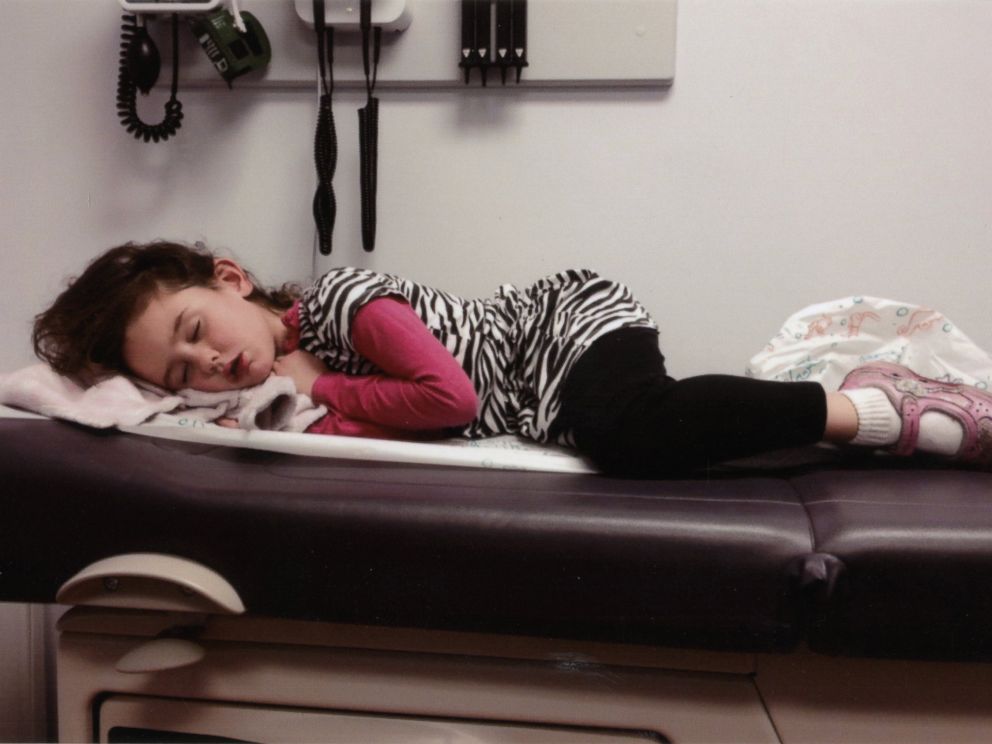
Alexia Baier is seen here during a doctors visit. Vanessa Baier
Alexia Baier is seen here during a doctor’s visit.

While Baier was driving, Alexia became violent toward her mother during a trip to get milkshakes. Baier said that Alexia began asking for a second milkshake. When Baier refused, she said, she heard Alexia unbuckle her seat belt.

“I pulled over and I turned to her. As I picked my head up, she was stabbing me in the eye with my mascara wand,” Baier said.

Baier said that between the threat of self-harm and the increased violence she realized she needed to take extreme measures.

At 4 years old, Alexia was admitted to residential treatment. After nine days of observation, Baier wasn’t convinced that Alexia was getting the help she needed. She said that the doctors’ diagnosis of bipolar disorder didn’t seem right to her and that Alexia was sent home with prescriptions for stimulant and antipsychotic medications that didn’t seem to be working.

Baier said the medication made her daughter a zombie and she was still having explosive moments.

“I was not in denial. The only thing that I kept questioning is, ‘But why did this suddenly come on? Wouldn’t I have seen signs? Or does bipolar just … come out of nowhere like this? And what about that strep?'” she said.

Eventually, a neuropsychologist connected the timing of the strep and immediate onset of behavioral symptoms.

Baier said that’s when the doctor asked: “‘OK, have you ever heard of PANDAS?’ [I was] definitely relieved to have some sort of diagnosis that made sense.”

Pediatric Autoimmune Neuropsychiatric Disorders Associated with Streptococcal Infections (PANDAS)

Some physicians believe PANDAS is the sudden onset of tics, Obsessive Compulsive Disorder-like behavior or other behavioral changes as a result of a streptococcal infection like strep throat. After a child gets strep throat, the immune system produces proteins, like antibodies, to protect itself.

However, some doctors think that in some cases, these antibodies may mistake its own immune system as foreign and actually attack the child’s own body, including the brain, triggering inflammation as a result of the misguided immune response. They say this “autoimmune” attack causes neuropsychiatric changes in the child, presenting as behavioral changes, like OCD and tic disorders. There is a wide range and severity of symptoms, with Alexia’s case on the more extreme end.

There is also the emergence of a broader umbrella term called Pediatric Acute-onset Neuropsychiatric Syndrome (PANS), which includes not only PANDAS but also symptoms thought to be caused by non-strep infections or other inflammatory disturbances to the system.

These non-strep infections include bacteria and viruses like Lyme disease, mycoplasma pneumonia or walking pneumonia, herpes simplex viruses and the common cold, according to the National Institutes of Health.

The thought is that this whole set of conditions boils down to one presumed cause: an overly active immune response that is sudden in onset but looks like OCD or behavioral problems. It’s no longer thought to be just about the strep. Experts caution, however, that many children will get strep and other infections with no resulting behavioral changes, while others experience behavioral changes without a prior infection.

Some doctors say the presentation of PANDAS is broad and can vary. The diagnosis requires two of the following symptoms, according to the National Institute of Mental Health: anxiety, emotional instability/depression, oppositional behavior like aggression, losing development in behavior, worsening of school performance, disabilities in sensory or motor capabilities as well as signs and symptoms like sleep or urinary problems or eating restrictions. A collaborative effort among different PANDAS researchers has resulted in this set of criteria.

Dr. Susan Swedo, senior investigator in pediatrics behavior and Chief of the Pediatrics and Developmental Neuroscience Branch with the National Institute of Health, has been studying PANDAS for decades and was the first, with her team, to identify PANDAS. Although she said the disorder is uncommon, she estimates it affects one in 200 or one in 500 children.

She also said that far too many of her fellow doctors don’t think PANDAS is real.

“They dismiss it. We don’t have an argument with people that think this exists and it might be rare. The argument is with people who are literally PANDAS deniers,” she said.

There is controversy over whether the streptococcal infection of PANDAS is really what causes persistent behavioral changes. Some doctors believe the sequential onset of strep throat and these changes could be coincidental.

Dr. Donald Gilbert, professor of child neurology at the University of Cincinnati and the director of two clinics at Cincinnati’s Children Medical Center, told ABC he believes “the majority of those who believe they have PANDAS just have regular OCD or regular old tics.”

Gilbert said that even if PANDAS is a legitimate diagnosis, it is most likely extremely rare and overdiagnosed. He is not alone in those beliefs.

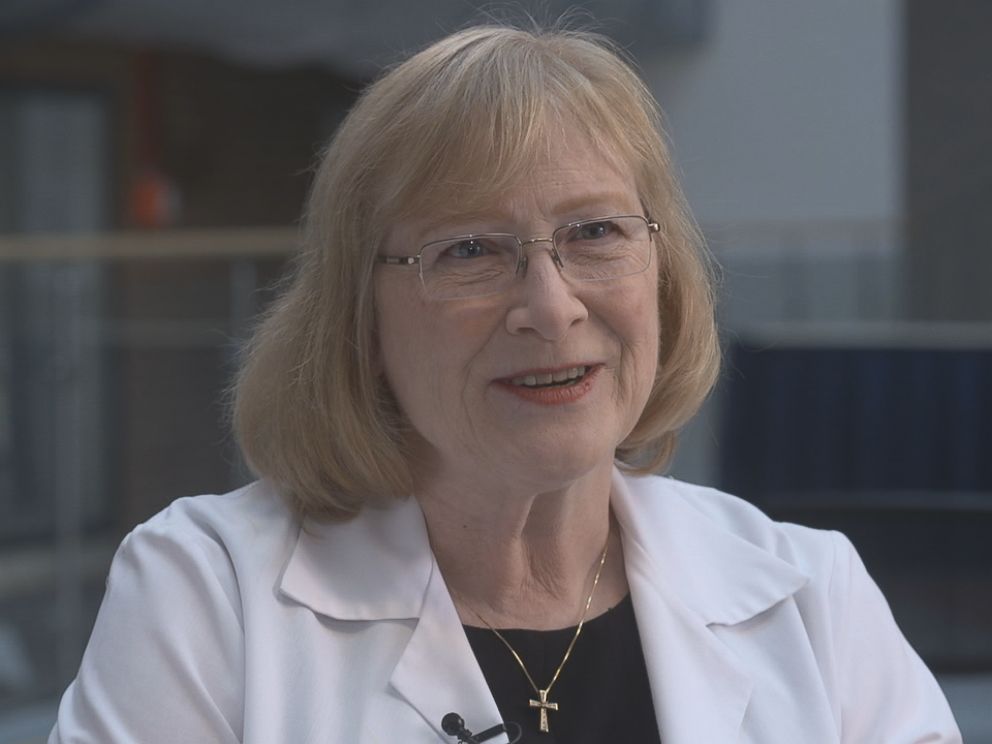
PHOTO: Dr. Susan Swedo of the National Institute of Mental Health first identified PANDAS as a behavior disorder in children 20 years ago.
ABC News
Dr. Susan Swedo of the National Institute of Mental Health first identified “PANDAS” as a behavior disorder in children 20 years ago.

Swedo acknowledged that some doctors may be over-treating but said on a whole the disorder is underdiagnosed countrywide. She said that’s in part because of the number of fellow physicians who do not believe in the diagnosis of PANDAS. This makes it hard, she said, for families to find physicians willing to treat the condition.

However, some national medical organizations remain unconvinced that PANDAS is real, citing the lack of unduplicated or quality studies.

The American Academy of Pediatrics “Red Book,” a guide used by many pediatricians for infectious diseases like streptococcus, contains its stance on PANDAS.

According to the AAP Red Book, the evidence for PANDAS has relied on only a small number of patients and the authors have concluded that there is not a specific enough relationship between group A strep and the neuropsychiatric disorders to suggest treatment with antibiotics or any other therapy.

The American Academy of Pediatrics suggests management not by pediatricians, but by specialists like child psychiatrists, behavioral and developmental pediatricians or child neurologists.

The AAP states that management of any specific symptoms of OCD and tic disorders should be left to the specialists. Although some researchers and clinicians believe that treatments including antibiotics and certain immunotherapy may help “children with symptoms suggestive of PANDAS or PANS”, the AAP says there aren’t enough studies to prove this yet.

Alexia Baier is awarded ‘Student of the Month’

Today, Alexia is 8 and, her parents say, doing a lot better. After receiving the diagnosis of PANDAS from a neurologist three years ago, she was placed on different antibiotics for the streptococcus bacteria, took steroids and had her tonsils and adenoids removed.

She does have occasional flare-ups but they are quickly treated with antibiotics, according to the family. Alexia improved behaviorally and was even awarded “Student of the Month” out of her entire school. With the return to a sense of normalcy, the family decided to turn their scary experience into an opportunity for advocacy.

For Alexia and her family, their experience with PANDAS was enough for them to join the fight with other families to pressure Illinois to become the first and only state so far requiring insurance companies to financially support PANDAS treatment. The law was passed and signed into law in Illinois in July 2017.

Constant research continues and supporters of PANDAS hope that the policy, financial support and health-care stance on this issue will shift and improve along with understanding. They say this will require the collaborative work of both critics and supporters of PANDAS.

To learn more about PANDAS, click here for more information.

ABC News’ Neha Chaudhary contributed to this story.

______________

For more on PANDAS/PANS:  

https://madisonarealymesupportgroup.com/2018/01/05/scary-side-of-childhood-strep/

https://madisonarealymesupportgroup.com/2017/06/30/child-with-lymemsidspans-told-by-doctors-she-made-it-all-up/

https://madisonarealymesupportgroup.com/2017/10/09/today-is-panspandas-awareness-day/

https://madisonarealymesupportgroup.com/2017/04/11/hidden-invaders-infections-can-trigger-immune-attacks-on-kids-brains-provoking-devastating-psychiatric-disorders/

https://madisonarealymesupportgroup.com/2017/10/08/misdiagnosed-how-children-with-treatable-medical-issues-are-mistakenly-labeled-as-mentally-ill/

https://madisonarealymesupportgroup.com/2018/02/21/why-therapy-isnt-enough-when-you-have-ocd-and-pans-pandas/

https://madisonarealymesupportgroup.com/2017/10/01/panspandas-steroids-autoimmune-disease-lymemsids-the-need-for-medical-collaboration/

https://madisonarealymesupportgroup.com/2018/03/14/dr-frid-children-lyme/

https://madisonarealymesupportgroup.com/2015/10/06/november-dr-brown-on-msids-pandas-pans/  (According to Dr. Brown, 80% of his PANS & Autistic patients have Lyme/MSIDS)

Misdiagnosed with bipolar disorder, girl had PANS:  https://www.mercurynews.com/2014/04/19/misdiagnosed-bipolar-one-girls-struggle-through-psych-wards-before-stanford-doctors-make-bold-diagnosis-and-treatment/


Gardasil Vaccine Legal Victory: Canadian Federal Court Rules to Release Clinical Trial Data to American Researcher

http://vaccineimpact.com/2018/gardasil-vaccine-legal-victory-canada-federal-court-rules-to-release-clinical-trial-data-to-american-researcher/

Gardasil Vaccine Legal Victory: Canada Federal Court Rules to Release Clinical Trial Data to American Researcher

by Brian Shilhavy
Editor, Health Impact News

peter_doshiPeter Doshi is an associate editor at The BMJ and on the News & Views team. Based in Baltimore, he is also an assistant professor of pharmaceutical health services research at the University of Maryland School of Pharmacy. Image courtesy of The BMJ.

CBC News and the British Medical Journal (BMJ) are reporting that Professor Peter Doshi has won a major legal victory against pharmaceutical companies trying to hide clinical trial data from the public due to “confidential agreements” for 5 pharmaceutical products.

Doshi sued Health Canada to release clinical trial data submitted to Health Canada by the manufacturers of the HPV vaccines Gardasil, Gardasil 9 and Cervarix, and the anti-viral flu medications, Tamiflu and Relenza.

A Canadian Federal Court judge ordered Health Canada to release the pharmaceutical clinical trial data, undercutting the Canadian government’s attempts to keep the information confidential.

As far as I can determine, this landmark court ruling out of Canada has been completely censored in the U.S. corporate-sponsored “mainstream” media.

This appears to be a brilliant legal strategy by Doshi and his attorneys, since they had little to no chance of obtaining this clinical trial data from any court in the U.S., where pharmaceutical companies enjoy legal immunity from most lawsuits.

The importance of receiving this data, particularly on Merck’s Gardasil vaccine, cannot be overstated.

As we have reported many times here at Health Impact News, the entire medical approval process to bring the HPV vaccine into the U.S. market is full of scandals and cover-ups, which has resulted in the injuries and deaths of many young people, particularly young women aged 12 to 26, many of whom can no longer bear children due to the vaccine making them infertile.

“I hope my case sets a precedent and allows researchers, clinicians, and the public easy access to clinical trial data,” Doshi reportedly stated in an email to CBC News.

Regulators shouldn’t have a monopoly on judging the risks and benefits of medicines or hinder others from doing the same via confidentiality agreements.”

The ruling by Canadian Federal Court Justice Sébastien Grammond, who called Health Canada’s stance “unreasonable,” was welcomed by other legal experts in Canada. According to CBC News:

“The court said very clearly the public interest in ensuring access to this information, so that independent researchers can scrutinize it, fundamentally outweighs any sort of interest in terms of protecting commercial interests,” said Matthew Herder, director of the Health Law Institute at Dalhousie University in Halifax.

Herder has watched the case closely and said he hopes the ruling will encourage researchers, even those outside Canada, to start requesting data on other current drugs on the market.

Read the decision here.

Dr. Peter Doshi has been a public and vocal critic of pharmaceutical companies and government polices that mislead the public regarding drug safety by concealing clinical trial data under the guise of “trade secrets.”

A 2013 article about him that appeared in the New York Times, when Doshi was completing a postdoctoral fellowship at Johns Hopkins University, profiled his efforts to make clinical drug trial data accessible to the public and independent researchers:

Dr. Doshi’s renown comes not from solving the puzzles of cancer or discovering the next blockbuster drug, but from pushing the world’s biggest pharmaceutical companies to open their records to outsiders in an effort to better understand the benefits and potential harms of the drugs that billions of people take every day. Together, with a band of far-flung researchers and activists, he is trying to unearth data from clinical trials — complex studies that last for years and often involve thousands of patients across many countries — and make it public.

The current system, the activists say, is one in which the meager details of clinical trials published in medical journals, often by authors with financial ties to the companies whose drugs they are writing about, is insufficient to the point of being misleading.

This ruling in Canada is a major victory for Doshi, and will hopefully lead to more transparency in clinical drug trials and, potentially, lawsuits against pharmaceutical companies that have acted unethically by bringing dangerous products to market, such as the annual flu vaccine and the HPV vaccines.

______________

Please see link at top of page for many more links regarding Gardasil.

Gardasil has reactivated latent Lyme & Bartonella infections:  https://madisonarealymesupportgroup.com/2017/12/02/scottish-doctor-gives-insight-on-lyme-msids/

https://madisonarealymesupportgroup.com/2016/04/24/gardasil-and-bartonella/

https://madisonarealymesupportgroup.com/2017/02/16/gardasil-vasculitis-msids/  Cerebral vasculitis in the brain tissue of two young women who suddenly died after receiving the HPV vaccine Gardasil.

https://madisonarealymesupportgroup.com/2017/04/14/gardasil-and-female-reproduction/  According to Walia, original rat safety studies and human vaccine trials did not assess long term ovarian function, and since licensure of Gardisil in 2006 there have been around 213 VAERS adverse reaction reports including premature menopause and amenorrhea – 88% of which are associated directly with Gardasil.

https://madisonarealymesupportgroup.com/2018/04/28/merck-accused-of-fraud-deceit-and-negligence-in-u-s-gardasil-case/

https://madisonarealymesupportgroup.com/2017/10/02/sacrificial-virgins-hpv-vaccine/

https://madisonarealymesupportgroup.com/2017/07/02/hpv-after-vaccines/

According to Dr. Lapenta, the vaccine only works on 7 out of 15 types of cancer causing HPV (less than 50%).  And, the vaccine protects only 2 out of 12 types of low-risk HPV (or 16%).  The numbers do not warrant the extremely serious side-effects and deaths.