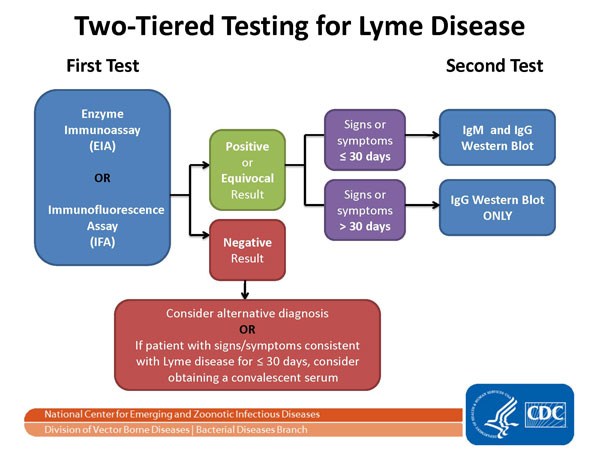
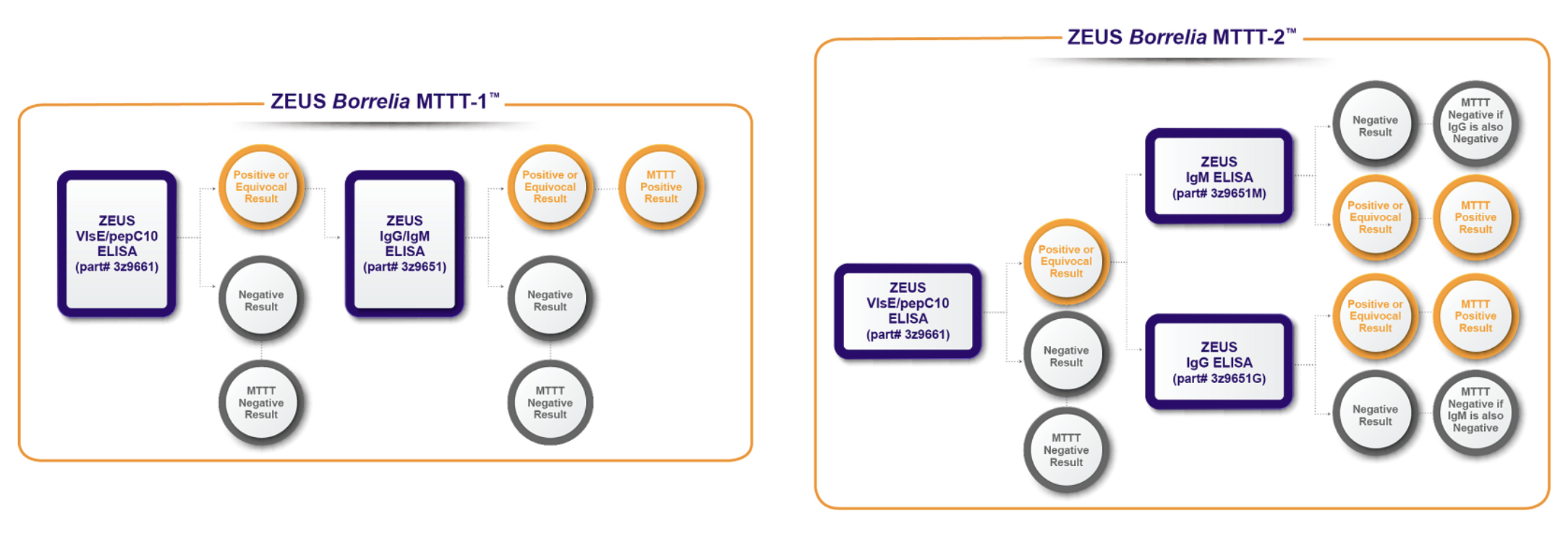
https://www.lymedisease.org/lyme-sci-want-to-solve-the-lyme-wars-how-about-an-accurate-test/

LYME SCI: Want to solve the Lyme wars? How about an accurate test?
___________________

**Comment**

Please remember that Lyme is the tip of the spear. There are many other pathogens at play and testing for those is just as abysmal as for Lyme. There are studies that show that coinfected patients have more severe illness for a longer duration of time but nobody, including the CDC, really talks about it.

There has been a widespread suppression of microscopy or direct testing of Lyme for decades. This approach looks for the organism directly: https://madisonarealymesupportgroup.com/2017/12/13/suppression-of-microscopy-for-lyme-diagnostics-professor-laane/

There is a current lawsuit due to this suppression: https://madisonarealymesupportgroup.com/2018/05/15/news-release-on-57-1-million-lyme-disease-lawsuit-filed-against-cdc/

This article also reveals how Lida Mattman’s Gold Standard Culture Method has disappeared thanks to this concerted suppression:  https://madisonarealymesupportgroup.com/2019/04/02/transmission-of-lyme-disease-lida-mattman-phd/

Never forget that the very folks at the table making decisions for patients have their hands in pharmaceutical coffers with patents on testing for Lyme: ConflictReport

There is NO foolproof diagnostic device or test for this, but there IS a validated questionnaire that doctors should be utilizing: https://madisonarealymesupportgroup.com/2017/09/05/empirical-validation-of-the-horowitz-questionnaire-for-suspected-lyme-disease/

Questionnaire here:  https://madisonarealymesupportgroup.com/wp-content/uploads/2016/01/symptomlist.pdf  Print & fill this out, and take to your doctor.  Educate them about this.

“If false results are to be feared, it is the false negative result which holds the greatest peril for the patient.” –Alan McDonald, Pathologist

DIAGNOSIS FOR LYME/MSIDS HAS ALWAYS BEEN AND CONTINUES TO BE A CLINICAL DIAGNOSIS.  PERIOD.

https://neurosciencenews.com/inflammation-mental-sluggishness

Link between inflammation and mental sluggishness shown

Summary: Inflammation appears to have a negative impact on attention and cognition.

Source: University of Birmingham

Scientists at the University of Birmingham in collaboration with the University of Amsterdam have uncovered a possible explanation for the mental sluggishness that often accompanies illness.

An estimated 12M UK citizens have a chronic medical condition, and many of them report severe mental fatigue that they characterize as ‘sluggishness’ or ‘brain fog’. This condition is often as debilitating as the disease itself.

A team in the University’s Centre for Human Brain Health investigated the link between this mental fog and inflammation – the body’s response to illness. In a study published in Neuroimage, they show that inflammation appears to have a particular negative impact on the brain’s readiness to reach and maintain an alert state.

Dr Ali Mazaheri and Professor Jane Raymond of the University’s Centre for Human Brain Health, are the senior authors of the study. Dr Mazaheri says:

“Scientists have long suspected a link between inflammation and cognition, but it is very difficult to be clear about the cause and effect. For example, people living with a medical condition or being very overweight might complain of cognitive impairment, but it’s hard to tell if that’s due to the inflammation associated with these conditions or if there are other reasons.”

“Our research has identified a specific critical process within the brain that is clearly affected when inflammation is present.”

The study focussed specifically on an area of the brain which is responsible for visual attention. A group of 20 young male volunteers took part and received a salmonella typhoid vaccine that causes temporary inflammation but has few other side effects. They were tested for cognitive responses to simple images on a computer screen a few hours after the injection so that their ability to control attention could be measured. Brain activity was measured while they performed the attention tests.

On a different day, either before or after, they received an injection with water (a placebo) and did the same attention tests. On each test day, they were unaware of which injection they had received. Their inflammation state was measured by analyzing blood taken on each day.

The tests used in the study assessed three separate attention processes, each involving distinct parts of the brain. These processes are: “alerting” which involves reaching and maintaining an alert state; “orienting” which involves selecting and prioritizing useful sensory information; and “executive control” used to resolving what to pay attention to when available information is conflicting.

The results showed that inflammation specifically affected brain activity related to staying alert, while the other attention processes appeared unaffected by inflammation.

This shows a red brain

“These results show quite clearly that there’s a very specific part of the brain network that’s affected by inflammation,” says Dr Mazaheri. “This could explain ‘brain fog’.”

Professor Raymond says,

“This research finding is a major step forward in understanding the links between physical, cognitive, and mental health and tells us that even the mildest of illnesses may reduce alertness.”

Dr Leonie Balter the first author of the study which was completed as part of her PhD, concluded:

“Getting a better understanding of the relationships between inflammation and brain function will help us investigate other ways to treat some of these conditions. For example, further research might show that patients with conditions associated with chronic inflammation, such as obesity, kidney disease or Alzheimer’s, could benefit from taking anti-inflammatory drugs to help preserve or improve cognitive function.”

“Furthermore, subtle changes in brain function may be used as an early marker cognitive deterioration in patients with inflammatory diseases.”

The next step for the team will be to test the effects of inflammation on other areas of brain function such as memory.

ABOUT THIS NEUROSCIENCE RESEARCH ARTICLE

Source:
University of Birmingham
Media Contacts:
Beck Lockwood – University of Birmingham
Image Source:
The image is in the public domain.

Original Research: Open access
“Selective effects of acute low-grade inflammation on human visual attention”. Ali Mazaheri et al.
NeuroImage doi:10.1016/j.neuroimage.2019.116098.

Abstract

Selective effects of acute low-grade inflammation on human visual attention

Illness is often accompanied by perceived cognitive sluggishness, a symptom that may stem from immune system activation. The current study used electroencephalography (EEG) to assess how inflammation affected three different distinct attentional processes: alerting, orienting and executive control. In a double-blinded placebo-controlled within-subjects design (20 healthy males, mean age = 24.5, SD = 3.4), Salmonella typhoid vaccination (0.025 mg; Typhim Vi, Sanofi Pasteur) was used to induce transient mild inflammation, while a saline injection served as a placebo-control. Participants completed the Attention Network Test with concurrent EEG recorded 6 h post-injection. Analyses focused on behavioral task performance and on modulation of oscillatory EEG activity in the alpha band (9–12 Hz) for alerting as well as orienting attention and frontal theta band (4–8 Hz) for executive control. Vaccination induced mild systemic inflammation, as assessed by interleukin-6 (IL-6) levels. While no behavioral task performance differences between the inflammation and placebo condition were evident, inflammation caused significant alterations to task-related brain activity. Specifically, inflammation produced greater cue-induced suppression of alpha power in the alerting aspect of attention and individual variation in the inflammatory response was significantly correlated with the degree of alpha power suppression. Notably, inflammation did not affect orienting (i.e., alpha lateralization) or executive control (i.e., frontal theta activity). These results reveal a unique neurophysiological sensitivity to acute mild inflammation of the neural network that underpins attentional alerting functions. Observed in the absence of performance decrements, these novel findings suggest that acute inflammation requires individuals to exert greater cognitive effort when preparing for a task in order to maintain adequate behavioral performance.

___________________

**Comment**

As most of you are aware, Lyme/MSIDS patients suffer with infection, inflammation, insomnia, and quite often – brain fog. Finding successful ways of treating each of these issues is part of treatment success.  Personally, I’ve found a number of things to help with these issues.  One is an inexpensive supplement called MSM:  https://madisonarealymesupportgroup.com/2018/03/02/dmso-msm-for-lyme-msids/  Another is called systemic or proteolytic enzymes:  https://madisonarealymesupportgroup.com/2016/04/22/systemic-enzymes/ and https://madisonarealymesupportgroup.com/2018/03/05/how-proteolytic-enzymes-may-help-lyme-msids/.  Even though I am done with Lyme/MSIDS treatment, I still take both substances as they do so many good things for the body including:

  • Control inflammation throughout the body, not just in your joints.
  • Repair and rebuild the cardiovascular system.
  • Optimize blood flow & cleanses blood of debris
  • Prevent and dissolve blood clots by dissolving fibrin
  • Dissolve plaque in your arteries and dental plaque in your mouth.
  • Clean up your immune system.
  • Minimize the impact of allergies but breaking down and removing circulating immune complexes.
  • Improve the ability to exercise and speed up recovery times.
  • Kill bacteria, viruses, and other pathogens.
  • Accelerate recovery from sprains, strains, fractures, bruises & surgery
  • Help with arthritis
  • Help with detoxification
  • Improve body alkalinity
  • Help with sinusitis and asthma
  • Help reduce MS symptoms

Another supplement I’ve taken for years is melatonin, which according to Dr. Mercola, also reduces inflammation and is neuroprotective by strengthening the blood-brain barrier.

https://articles.mercola.com/sites/articles/archive/2019/11/18/melatonin-reduces-inflammation

Melatonin Has Anti-Inflammatory and Metabolic Effects

Analysis by Dr. Joseph Mercola
melatonin benefits

STORY AT-A-GLANCE

  • Melatonin is responsible for your sleep/wake cycle and it plays an important role in fighting inflammation and weight gain
  • It affects your immune system, gut health, pain level, blood pressure and recovery from stroke and traumatic brain injury
  • You can naturally boost your melatonin levels by getting at least 15 minutes of sun exposure in the morning, among other ways
  • Melatonin has a safe track record with few adverse reactions, but its long-term effects are unknown; supplementation may not be safe for those taking certain medications or dealing with specific health conditions

Your body is a complex organism requiring quality sleep to function optimally. Your body’s circadian rhythms are a combination of biological clocks regulating everything from your metabolism to psychological functioning. One sure way to cause dysregulation of your biological clock is to skimp on sleep.

Although you have a master clock in your brain to synchronize bodily functions, every organ and cell has its own biological clock as well. In a stunning discovery published in 2017, researchers found half your genes are controlled by circadian rhythms that turn them on and off in a cyclical wave.

The whole-body circadian rhythm is largely dictated by your pineal gland, which is responsible for secreting melatonin or N-acetyl-5-methoxytryptamine. This hormone normalizes your circadian rhythm as it signals your body it’s time for sleep. The production of melatonin will depend on how much and when your body absorbs light.

The gland is located near the center of your brain and usually starts secreting melatonin near 9 p.m. Without an adequate amount of sleep and exposure to sunlight, your levels will naturally drop. Researchers have found an association between melatonin and rising levels of inflammation.

Melatonin Reduced Inflammation and Obesity Markers in Mice

In a combined effort, scientists from universities in Brazil and Italy1 sought to identify the role melatonin may have in improving disorders commonly found in those who are obese. The researchers used mice who were induced to become obese and treated them for 10 weeks with melatonin.

The objective was to determine if the hormone could effectively delay or block the damage from eating too much. The researchers found multiple results supporting their theory that melatonin supplementation could have a significant effect on the animals, including reducing triglyceride levels and total and LDL cholesterol levels.

They also found that supplementation prevented larger weight gain by reducing the formation of fat tissue and increasing the capacity to break down white fat. This combination of effects helped to prevent the hypertrophy of fat cells caused by excessive eating.

Additionally, the researchers noted the supplementation reduced a characteristic inflammatory process found in obese subjects where macrophages infiltrate adipose tissue. The mice also experienced a reduction in inflammatory related factors through a decrease in gene expression.

Overall, at the end of the 10-week trial, the group of mice eating an excessive amount without melatonin gained 49% body mass over the control group that ate a normal diet. The group of mice supplemented with melatonin increased their body mass 28% over the control group, but 13% lower than the group eating excess food without melatonin.

The researchers believe the data suggest that melatonin could be considered as a therapeutic agent to help mitigate the metabolic and inflammatory conditions triggered in those who are obese.

The Importance of Melatonin to Sleep/Wake Cycles

As with many hormones and chemicals in the body, melatonin has more than one function. The best known role it plays is in controlling your sleep/wake cycle. This well-publicized function may be due to the fact that sleep plays a significant role in your overall physical and mental health.

An estimated 40% of Americans are sleep deprived every day, with many people getting less than 5 hours of sleep per night. Millions struggle to fall asleep and others find it challenging to stay asleep. Some wake up too early in the morning.

There are a number of hazards associated with sleep deprivation; you can read about these in my past article, “Nobel Prize-Winning Science Highlights Importance of Good Sleep for Health.”

Melatonin is a marker your body uses to influence what time of day or night it thinks it is. This happens regardless of the actual time. During a normal night of sleep, levels stay elevated for about 12 hours. As the sun rises, the pineal gland reduces production until the level in your blood is hardly measurable.

If you experience disruption to your circadian rhythms, your body will produce less melatonin and you will experience poor quality sleep. This can happen to those who work the night shift, have jet lag or are exposed to light during the night.

Melatonin Benefits More Than Sleep

A deficiency in this hormone may come with profound biological risks, such as potentially having higher levels of inflammation, a weaker immune system and an increased chance of developing cancer. The hormone interacts with receptor proteins that help control the different stages of sleep and are present in other organs and immune cells.2,3

Additionally, melatonin is a potent antioxidant that can raise the levels of other antioxidants, such as glutathione. Melatonin plays a role in the health and survival of mitochondria,4 your body’s powerhouse, where energy production takes place at a cellular level.

Melatonin has shown some promise for pain control in those suffering from endometriosis. In one study,5 10 mg per day decreased pain by 39.8% and dysmenorrhea by 38.01%. Topical application may help prevent sunburn,6 while oral supplementation was 150 times more effective at treating tinnitus as compared to other drugs. Melatonin may also play a protective role in:7

Delayed sleep phase syndrome Strengthening the blood-brain barrier Amyotrophic lateral sclerosis (ALS)
Reducing transplant complications Recovery from stroke and traumatic brain injury Diabetes
Vision and eye health Parkinson’s disease Thrombocytopenia
Gut health Jet lag Blood pressure and heart health
Acid reflux Aging Fertility

Boost Your Melatonin Naturally

Melatonin does come in supplemental form, but it’s also possible to raise your levels naturally. Researchers recognize nonpharmacological approaches to insomnia include better sleep hygiene, physical exercise and mindfulness meditation.

It makes sense to engage in simple habits to increase your natural production and improve your overall health and sleep without adding supplements. Four simple strategies include:

• Sunshine during the morning — Melatonin is affected by your exposure to light and dark. When it’s light, production of melatonin naturally drops. Getting at least 15 minutes of sunlight in the morning hours helps to regulate the production of melatonin, dropping it to normal daytime levels, so you feel awake during the day and sleep better at night.

• Sleep in the dark — Your body produces and secretes melatonin in the dark, helping you to go to sleep and stay asleep. Sleeping in a completely darkened room, without lights from alarm clocks, televisions or other sources will improve your sleep quality.

If you get up during the night to use the bathroom, it’s important to keep the lights off so you don’t shut off your production of melatonin. Also, wear blue-light blocking glasses after sunset to avoid blue-light exposure.

• Lower your stress level and your cortisol level — The release of melatonin is dependent on the release of another hormone, norepinephrine. Excess stress and the resulting release of cortisol inhibits the release of norepinephrine, and therefore the release of melatonin. Stress-reducing strategies you may find helpful before bed include yoga, stretching, meditation and prayer.

• Increase foods high in magnesium — Magnesium plays a role in reducing brain activity at night, helping you to relax and fall asleep more easily. It works in tandem with melatonin. Foods containing higher levels of magnesium include almonds, avocados, pumpkin seeds and green, leafy vegetables.

Supplementation and Potential Negative Effects

The beneficial effects associated with melatonin suggest it may primarily have a function as an antioxidant. In speaking with Time magazine, Helen Burgess, co-director of the Sleep and Circadian Research Laboratory at the University of Michigan, said:8

“Some of the emerging science is showing that in people with higher levels of inflammation — which could be because they’re obese, or because they’re in the [intensive care unit] for a transplant — melatonin in the range of 6 mg to 10 mg may decrease markers of inflammation.”

The authors of past studies have associated a deficiency in melatonin with obesity. It also may address inflammation, as supplementation has been associated with lowering oxidative stress and regulating adipokines involved in the inflammatory process. While believed to be relatively safe for up to 18 months, the long-term effects are largely unknown.

Possible negative interactions have been suggested for those with epilepsy or those taking Warfarin, a blood thinner. Melatonin is sometimes used in children to benefit those with sleep disorders, but long-term effects in children are also unknown. There has been some research suggesting that using melatonin during puberty may interfere with natural production of the hormone.

Researchers leading one study cautioned that supplementation should be limited in those with attention deficit hyperactivity disorder. They suggest considering the supplement only for those who also have chronic insomnia. It’s crucial to remember that melatonin is a hormone, and long-term supplementation with hormones can have unknown effects on the body.

In addition to the strategies listed above to boost your natural production, you may benefit from sleep habits information in my past article, “Top 33 Tips to Optimize Your Sleep Routine.”


http://www.startribune.com/minnesota-medical-board-reinstates-sanctions-on-controversial-lyme-disease-treatment/

Research suggests long-term antibiotics are no better than short term.

JAMES GATHANY – CDC VIA AP  Minnesota is a Lyme hot spot due to the prevalence of black-legged (or deer) ticks that carry the bacteria that causes it.

Doctors who prescribe long-term antibiotic therapy for tick-borne Lyme disease are now at risk for licensing sanctions in Minnesota, a sign that many leaders in the profession regard the therapy as discredited.

The Minnesota Board of Medical Practice earlier this week lifted its decade long moratorium on such actions because of research suggesting that long-term antibiotic therapy offers no benefits over the short-term therapy that most patients receive when their Lyme cases are diagnosed.

Whether the change will result in a wave of disciplinary actions is unclear, because the board only investigates complaints and some doctors might have dropped this form of treatment, said Ruth Martinez, the board’s executive director.
“It’s kind of hard to know because we’re a complaint-driven process,” she said.

Antibiotic therapy for chronic Lyme symptoms became a medical and political controversy in Minnesota in 2010, after the Infectious Diseases Society of America discouraged the practice. The society cited a lack of evidence that it helps, as well as concern that overuse of antibiotics would give rise to drug-resistant bacteria strains.

Some Lyme experts sought legislation to protect the practice because they worried that the society’s stance would give the medical board justification to penalize doctors who believed the treatment worked. The compromise was the board’s moratorium, which it reviewed and extended in 2014, until research adequately addressed the question.

The board this week decided to lift the moratorium based largely on a Dutch study published in 2016 in the New England Journal of Medicine that showed that long-term antibiotic therapy offered no more relief from chronic Lyme symptoms than placebo pills.

Minnesota is a Lyme hot spot due to the prevalence of black-legged (or deer) ticks that carry the bacteria that causes it. The state reported 950 cases last year, plus another 591 probable cases that weren’t confirmed by lab tests.

Known for the bull’s-eye rash that often appears at the infection site, Lyme disease causes fatigue, joint pain and other symptoms. Most patients recover with standard antibiotics within a few weeks, but some suffer lingering symptoms.

The U.S. Centers for Disease Control and Prevention also discourage long-term antibiotic therapy for treatment of these chronic symptoms, noting research that it can cause complications, including an increased risk of future infectious diseases.

While no one spoke in opposition to the board’s decision at its latest meeting, the decision upset some Lyme advocates.

Dr. Elizabeth Maloney of Wyoming, Minn., has created online training for physicians regarding Lyme disease and serves on the treatment subcommittee of the federal Tick-Borne Disease Working Group. She pointed to a separate study showing that long-term antibiotics at least offered benefits to a subgroup of Lyme patients with persistent fatigue.

Doctors with experience in treating Lyme should still be able to use this treatment option when others aren’t working, she said, but she worries that they will now be afraid to do so.

“It becomes an access-to-care issue,” she said, “for these very sick patients.”

Recently, Dr. Cameron asks a very important question about the potential of antibiotic stewardship on delaying treatment for Lyme/MSIDS patients:  https://danielcameronmd.com/consequences-antibiotic-stewardship-lyme-disease/
Excerpt:

“In elderly patients with a diagnosis of UTI in primary care, no antibiotics and deferred antibiotics were associated with a significant increase in bloodstream infection and all-cause mortality compared with immediate antibiotics,” writes Gharbi.

While this study examines the effect of antibiotic stewardship on elderly patients with a UTI, it also raises the question as to the impact of such stewardship programs on treatment delays for patients with Lyme disease.

https://www.uprootinglyme.com/liposomal-essential-oil-remedies/?

Liposomal Essential Oil Remedies: A Breakthrough in Natural Lyme Treatment

Over the past 12 years of treating many hundreds of cases of Lyme and Lyme-like illness, I have often wished for something even stronger than the sophisticated herbal decoctions, tinctures and supplement combinations that I used to treat the multi-layered microbial infections and toxins that my patients suffer from.

Through the encouragement of new ground-breaking research from John’s Hopkins University, liposomal expert Greg Lee, and patients who desperately wanted to get better without more pharmaceuticals, I began to design and prescribe custom liposomal essential oil remedies for nearly all of my patients with chronic inflammation, Lyme, parasites, yeast, mold illness and the like.

Then I held my breath and awaited the results…

What I discovered was the following:

Simply put, more often than not the addition of the liposomal EO remedy to the treatment plan led to a breakthrough.  Often this manifested as a significant reduction or disappearance of one or more of their top symptoms – everything from severe headaches to bleeding colitis to a disabling neuropathy of the feet.

As a result of witnessing impressive clinical results, these remedies have become an essential component of treatment plans that successfully and efficiently treat complex infections and inflammatory illness.

What are Liposomal Essential Oil Remedies?

A liposome is a round liquid-filled bubble that has at least 1 fatty double-layer membrane.  It can be used to deliver herbals, nutrients or pharmaceuticals into the body. Because the liposome is composed similarly to cell membranes, the body’s cells perceive liposomes as friendly which makes for easier absorption into the bloodstream and into the cells where toxins and infection wreak havoc.

In addition, the liposome protects what’s on the inside from break down or degradation by enzymes and acids in the digestive tract.

Essential oils are highly concentrated extracts from certain fruits, flowers, woods, resins, and leaves.  They are generally very safe and non-toxic when used in appropriate dosages. Essential oils are produced by the plant to protect it and attract pollinators.  Compounds such as terpenes, phenols, aldehydes, ketones and esters are some of the constituents of essential oils that are potent antimicrobials and neutralizers of toxicity and inflammation.

A liposomal EO remedy is a safe, well-tolerated way to receive the medicinal benefits of organic essential oils and to target inflammation, infection and toxicity in hard to reach places such as the collagen, blood cells, joints, central nervous system, and inside biofilms.

Liposomal essential oil remedies are perhaps the most effective natural way to reduce the load of bacteria, parasites, viruses, mycotoxin and fungi that plague the chronically ill body.

Where Can I Get Some?

Liposomal EO remedies are a new innovation in holistic Lyme treatment.  Our clinic is among the first to produce and utilize them clinically. We make custom formulations for our patients and also have expert-designed formulations that are available for ordering from our online shop.

Rapid Recovery – for acute tick-borne infection up to 4 months

Lasting Recovery – for chronic Lyme-borreliosis and Bartonella infection

Para-dice – for worms, flukes, helminths + bacterial in egg and larval stages

Toxin Neutralizer – to reduce mycotoxin load

Defungify – for fungal and yeast overgrowth

Gu-Bye – biofilm dissolver

Vi-Rid – for acute or chronic Herpes and viral infection

Bab-Boo – effective against Babesia infection

Living Waters – cleanses and decongests the lymph

What’s the dose and how do I take it?

We recommend starting at 1 tablespoon / 2x / day for 1 week.  Week 2 increase to 2 tablespoons / 2x / day. Week 3 increase to 3 tablespoons / 2x / day, and week 4 increase to 4 tablespoons / 2x / day.  Some people find increased effectiveness with a higher dose, but in general the average adult dose is 4 tablespoons / 2x / day.

Liposomal EO remedies may be taken up to 15 minutes before or at least 30 minutes following food.  They may be taken with other herbal and nutritional supplements and teas.

If the taste is too strong to be tolerable, add the dose to some almond milk, smoothie, or other fatty beverage.

Please keep in mind that nothing is a panacea, and we can make no guarantees about results.  In our clinic we always recommend the liposomal EO remedies as part of a larger treatment plan that includes detoxification, gut restoration, immune system repair and more depending on the individual presentation.  

That being said, based on my clinical experience I highly recommend using the liposomal EO remedies to support an effective, efficient recovery from chronic Lyme and Lyme-like diseases.

Do you have questions or a liposomal EO success story?  Please share your thoughts, concerns and experiences below!

________________

For more on Lyme disease treatment:  https://madisonarealymesupportgroup.com/2016/02/13/lyme-disease-treatment/

https://livingwithlyme.us/episode-93-essential-oils-for-health/

Episode 93: Essential Oils for Health

Cindy Kennedy, FNP, is joined by Debbie Jodoin, an essential oil educator, who describes the history and use of essential oils. She discusses a healing technique called “The Raindrop Technique” that she uses with Lyme sufferers.

Debbie was an energetic, twenty-something wife and mother with a bright future when she was diagnosed with a debilitating, chronic digestive illness. When nothing seemed to work as it should she researched and then turned to essential oils.Debbie believes that essential oil therapy can help to activate an innate healing response and return your mind and body to its natural state of wholeness.

She believes that emotional and physical wellbeing are inextricably bound, and that the amazing benefits of pure essential oils and human touch can be a powerful means to achieving the lasting, overall wellness you were meant to have.

Her website is available at. https://oilsofeden.us/about-us/

Get more Lyme resources at: https://livingwithlyme.us/

Join our Facebook group: https://www.facebook.com/Livingwithlyme.us

Check out Pursue Wellness: https://pursuewellness.us/

SHOW NOTES

What are essential oils?
Where do they come from?
How long have they been used?
Important facts about purity and safety
Use of oils-body-ingestion-personal recipes
Frequency of oils’ usage
Can oils work as detox bodywork?
Where do you help people? Detox spa