
Awkward Flu Jabs Attempted at Golden Globes
https://articles.mercola.com/sites/articles/archive/2019/01/29/golden-globes-flu-shot-stunt.aspx?
Jan. 29, 2019
By Dr. Mercola
STORY AT-A-GLANCE
- Hosts Andy Samberg and Sandra Oh featured a flu shot stunt during the 76th Golden Globe Awards ceremony
- They told the audience to roll up their sleeves, as they would all be getting flu shots, while people in white coats stormed down the aisles, syringes in hand
- Samberg added that anti-vaxxers could put a napkin over their head if they wanted to be skipped
- The stunt only serves as a seemingly desperate attempt to make flu shots relevant and in vogue
- During the 2017 to 2018 flu season, only 37 percent of U.S. adults received a flu shot, and the overall adjusted vaccine effectiveness against influenza A and B virus infection was just 36 percent
In what can only be described as a new level of propaganda, hosts Andy Samberg and Sandra Oh featured a flu shot stunt during the 76th Golden Globe Awards ceremony. They told the audience to roll up their sleeves, as they would all be getting flu shots, while people in white coats stormed down the aisles, syringes in hand.
Most of the audience looked thoroughly uneasy at the prospect of having a stranger stick them with a needle in the middle of an awards show. But perhaps the worst part of the scene was when Samberg added that anti-vaxxers could put a napkin over their head if they wanted to be skipped, basically suggesting that anyone opposed to a flu shot deserved to be branded with a proverbial scarlet letter.
The flu shots, for the record, were reportedly fake,1 nothing more than a bizarre gag that left many people stunned by the Globe’s poor taste in turning a serious medical choice into a publicity gimmick.
Flu Shot Stunt Reeks of Desperation
Whoever came up with the idea to turn the Golden Globes into a platform for a public health message probably thought it was ingenious, but the stunt only serves as a seemingly desperate attempt to make flu shots relevant and in vogue. During the 2017 to 2018 flu season, only 37 percent of U.S. adults received a flu shot, a 6 percent drop from the prior season.2
“To improve flu vaccination coverage for the 2018-19 flu season, health care providers are encouraged to strongly recommend and offer flu vaccination to all of their patients,” the U.S. Centers for Disease Control and Prevention (CDC) wrote. “People not visiting a provider during the flu season have many convenient places they can go for a flu vaccination.”3
Yet, perhaps the decline in people choosing to get vaccinated has nothing to do with convenience and everything to do with their dismal rates of efficacy. In the decade between 2005 and 2015, the influenza vaccine was less than 50 percent effective more than half of the time.4
The 2017/2018 flu vaccine was a perfect example of this trend. The overall adjusted vaccine effectiveness against influenza A and B virus infection was just 36 percent.5
Health officials blamed the flu season’s severity on the dip in vaccination rates, but as Dr. Paul Auwaerter, clinical director of the division of infectious diseases at Johns Hopkins University School of Medicine, told USA Today, “[I]t is also true that the vaccine was not as well matched against the strains that circulated.”6
But bringing flu shots to the Golden Globes, and calling out “anti-vaxxers,” is nothing more than “medical care, by shame,” noted Dr. Don Harte, a chiropractic activist in California. “But it was entertaining, in a very weird way, including the shock and disgust of some of the intended victims, notably [Willem Dafoe],” he said, adding:7
“This Hollywood publicity stunt for the flu vaccine is one of the stupidest things I’ve ever seen from celebrities. But it does go with the flu shot itself, which is, perhaps, the stupidest of all the vaccines available.”
Did 80,000 People Really Die From the Flu Last Year?
The CDC reported that 79,400 people died from influenza during the 2017/2018 season, which they said “serves as a reminder of how severe seasonal influenza can be.”8 It’s important to remember, however, that the 80,000 deaths figure being widely reported in the media is not actually all “flu deaths.”
According to the CDC, “We look at death certificates that have pneumonia or influenza causes (P&I), other respiratory and circulatory causes (R&C), or other nonrespiratory, noncirculatory causes of death, because deaths related to flu may not have influenza listed as a cause of death.”9
As for why the CDC doesn’t base flu mortality estimates only on death certificates that list influenza, they noted, “Seasonal influenza may lead to death from other causes, such as pneumonia, congestive heart failure or chronic obstructive pulmonary disease … Additionally, some deaths — particularly among the elderly — are associated with secondary complications of seasonal influenza (including bacterial pneumonias).”10
In other words, “flu deaths” are not just deaths directly caused by the influenza virus, but also secondary infections such as pneumonia and other respiratory diseases, as well as sepsis.11
According to the CDC, most of the deaths occurred among those aged 65 years and over, a population that may already have preexisting conditions that makes them more susceptible to infectious diseases. As Harte said of annual flu deaths, “[M]ost if not all, I would assume, are of people who are already in very bad shape.12
CDC Claims Flu Vaccine Reduces Flu Deaths in the Elderly — But Does It?
Since people aged 65 and over are those most at risk from flu complications and death, the CDC has been vocal in their claims that the flu shot significantly reduces flu-related deaths among this population. The research, however, says otherwise.
Research published in 2005 found no correlation between increased vaccination rates among the elderly and reduced mortality. According to the authors, “Because fewer than 10 percent of all winter deaths were attributable to influenza in any season, we conclude that observational studies substantially overestimate vaccination benefit.”13
A 2006 study also showed that even though seniors vaccinated against influenza had a 44 percent reduced risk of dying during flu season than unvaccinated seniors, those who were vaccinated were also 61 percent less like to die before the flu season ever started.14
This finding has since been attributed to a “healthy user effect,” which suggests that older people who get vaccinated against influenza are already healthier and, therefore, less likely to die anyway, whereas those who do not get the shot have suffered a decline in health in recent months.
Journalist Jeremy Hammond summed up the CDC’s continued spreading of misinformation regarding the flu vaccine’s effectiveness in the elderly, as they continue to claim it’s the best way to prevent the flu:15
“[T]here is no good scientific evidence to support the CDC’s claim that the influenza vaccine reduces hospitalizations or deaths among the elderly.
The types of studies the CDC has relied on to support this claim have been thoroughly discredited due to their systemic ‘healthy user’ selection bias, and the mortality rate has observably increased along with the increase in vaccine uptake — which the CDC has encouraged with its unevidenced claims about the vaccine’s benefits, downplaying of its risks, and a marketing strategy of trying to frighten people into getting the flu shot for themselves and their family.”
Death of Vaccinated Child Blamed on Not Getting Second Dose
In January 2019, the state of Colorado reported the first child flu death of the 2018/2019 flu season — a child who had received influenza vaccination. But instead of highlighting the vaccine’s failure and clear limitations, the Colorado Department of Public Health and Environment blamed the death on the child being only “partially vaccinated.”
“It’s an unfortunate but important reminder of the importance of two doses of influenza vaccine for young children who are receiving influenza vaccine for the first time,” Dr. Rachel Herlihy, who is the state communicable disease epidemiologist, said in a news release.16 For those who aren’t aware, the CDC notes that one dose of flu shot may not be enough to protect against the flu. Instead, they state:17
“Children 6 months through 8 years getting vaccinated for the first time, and those who have only previously gotten one dose of vaccine, should get two doses of vaccine this season …
The first dose ‘primes’ the immune system; the second dose provides immune protection. Children who only get one dose but need two doses can have reduced or no protection from a single dose of flu vaccine.”
Not only may the flu vaccine fail to provide protection against the flu, but many people are not aware that other types of viruses are responsible for about 80 percent of all respiratory infections during any given flu season.18 The flu vaccine does not protect against or prevent any of these other types of respiratory infections causing influenza-like illness (ILI) symptoms.
The chance of contracting actual type A or B influenza, caused by one of the three or four influenza virus strains included in the vaccine, is much lower compared to getting sick with another type of viral or bacterial infection during the flu season.
Does Flu Vaccine Increase the Risk of Influenza Infection, Contribute to Vaccine Shedding?
There are serious adverse effects that can come along with annual flu vaccination, including potentially lifelong side effects such as Guillain Barré syndrome and chronic shoulder injury related to vaccine administration (SIRVA). They may also increase your risk of contracting more serious flu infections, as research suggests those who have been vaccinated annually may be less protected than those with no prior flu vaccination history.19
Research presented at the 105th International Conference of the American Thoracic Society in San Diego also revealed that children who get seasonal flu shots are more at risk of hospitalization than children who do not. Children who had received the flu vaccine had three times the risk of hospitalization as children who had not. Among children with asthma, the risk was even higher.20
There’s also the potential for vaccine shedding, which has taken on renewed importance with the reintroduction of the live virus vaccine FluMist during the 2018/2019 season. While the CDC states that the live flu virus in FluMist is too weak to actually give recipients the flu, research has raised some serious doubts that this is the case.
One recent study revealed not only that influenza virus may be spread via simple breathing (i.e., no sneezing or coughing required) but also that repeated vaccination increases the amount of virus released into the air.21
MedImmune, the company that developed FluMist, is aware that the vaccine sheds vaccine-strain virus. In its prescribing information, they describe a study on the transmission of vaccine-strain viruses from vaccinated children to nonvaccinated children in a day care setting.
In 80 percent of the FluMist recipients, at least one vaccine-strain virus was isolated anywhere from one to 21 days following vaccination. They further noted, “One placebo subject had mild symptomatic Type B virus infection confirmed as a transmitted vaccine virus by a FluMist recipient in the same playgroup.”22
Are There Other Ways to Stay Healthy During Flu Season?
Contrary to the CDC’s and Golden Globe’s claims that flu vaccinations are a great way to prevent flu, other methods exist to help you stay healthy during the flu season and all year, and they’re far safer than annual flu vaccination. Vitamin D testing and optimization have been shown to cut your risk of respiratory infections, including colds and flu, in half if you are vitamin D deficient, for instance.23,24
In my view, optimizing your vitamin D levels is one of the absolute best respiratory illness prevention and optimal health strategies available. Influenza has also been treated with high-dose vitamin C,25and taking zinc lozenges at the first sign of respiratory illness can also be helpful.
Following other basic tenets of health, like eating right, getting sound sleep, exercising and addressing stress are also important, as is regularly washing your hands.
___________________
**Comment**
It is absolute hypocrisy that the CDC will consider numerous secondary illnesses (pneumonia, respiratory diseases, sepsis, etc) in the mortality rate for the flu but will not consider the complexity of Lyme/MSIDS and the plethora of illnesses it can cause. I guess it all boils down to the ability to make a buck and since Lyme/MSIDS isn’t a big cash cow, it’s ignored to the devastation of millions worldwide.
For more on the devastation the flu shot has caused: https://madisonarealymesupportgroup.com/2018/12/11/ny-senator-passes-away-at-47-after-linking-illness-to-flu-shot-symptoms/
https://madisonarealymesupportgroup.com/2018/10/23/influenza-vaccines-dengue-like-disease/
Great read on all aspects of the flu-vaccine: https://www.nvic.org/Vaccines-and-Diseases/Influenza.aspx
The Cochrane review also concluded that recommendations for routine use of influenza vaccine as a routine public health measure was not supported by the published evidence base and stated,
“The results of this review provide no evidence for the utilisation of vaccination against influenza in healthy adults as a routine public health measure. As healthy adults have a low risk of complications due to respiratory disease, the use of the vaccine may only be advised as an individual protective measure.” 13
disabilities.https://madisonarealymesupportgroup.com/2017/03/24/vaccines-revealed-5/ Focuses on the flu vaccine and vaccination in pregnancy.
https://articles.mercola.com/sites/articles/archive/2017/09/26/flu-vaccination-miscarriage- Vaccinating pregnant women Has NO BASIS in SCIENCE. In this link, a study reports that women receiving the flu vaccine two years in a row were more likely to suffer miscarriage within the following 28 days.
https://madisonarealymesupportgroup.com/2017/03/28/vaccines-revealed-9/ Brian Hooker on Gardasil & the flu vaccines, Dr. Heather Wolfson, Chiropractor & Holistic Family Care Expert, and husband, Dr. Jack Wolfson – a Board-Certified Cardiologist, and lastly, Dr. Dan Pompa, a Cellular Detox Expert, author of From Pain to Purpose.

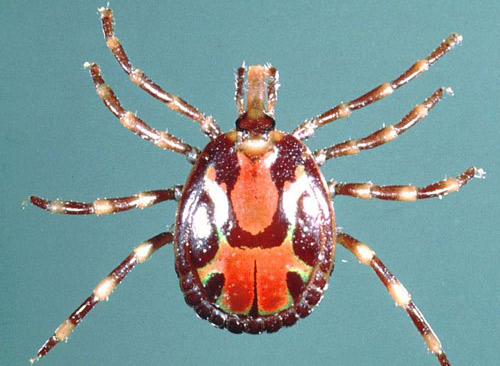 Adult male tropical bont tick, Amblyomma variegatum Fabricius. Photograph by Alan Walker, University of Edinburgh.
 Adult female tropical bont tick, Amblyomma variegatum Fabricius. Photograph by Richard Matthews and Alan Walker, University of Edinburgh.

