Archive for the ‘Uncategorized’ Category

POTS Patients With Brain Fog Have Neurocognitive Deficits

https://danielcameronmd.com/pots-brain-fog/

POTS PATIENTS WITH BRAIN FOG HAVE NEUROCOGNITIVE DEFICITS
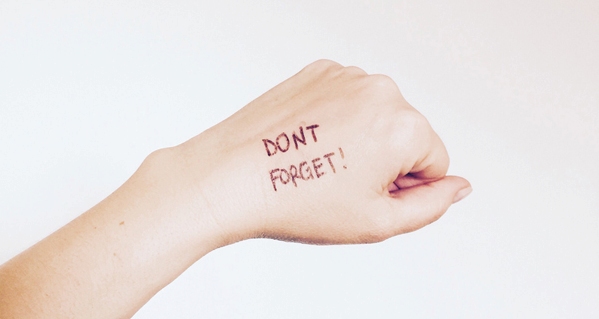
Patient with POTS and brain fog writing on hand "don't forget"

Individuals with POTS, or postural orthostatic tachycardia syndrome, often complain of cognitive problems, like the inability to focus, difficulty concentrating and forgetfulness. These cognitive symptoms are often referred to as “brain fog” and are commonly seen in POTS patients and other illnesses, including Lyme disease.


A recent study by Wells and colleagues ¹ confirms findings from previous studies which demonstrated that POTS patients with brain fog have impaired short-term memory and diminished alertness.

POTS is characterized by a substantial increase in heart rate and sometimes a drop in blood pressure when the individual stands up. This can cause lightheadedness, heart palpitations and in some cases, a loss of consciousness.

The authors measured short-term memory problems and alertness in 11 POTS patients with brain fog using neurocognitive testing and compared them with 8 healthy controls.

They found that “POTS patients demonstrated significantly longer latency in delayed match to sample response time and greater errors in attention switching task.”

While previous studies have shown neurocognitive deficits in POTS patients with evidence of impaired cerebral blood flow, Wells and colleagues report that such deficits can occur in patients with POTS “even in the absence of impaired cerebral blood flow.”

Editor’s note: I have seen individuals with Lyme disease who suffer from “brain fog” and POTS. I would appreciate a study to determine how often brain fog occurs in Lyme disease patients presenting with POTS.

References:
  1. Wells R, Paterson F, Bacchi S, Page A, Baumert M, Lau DH. Brain fog in postural tachycardia syndrome: An objective cerebral blood flow and neurocognitive analysis. J Arrhythm. 2020;36(3):549-552.

______________________

**Comment**

Great example of how Dr. Fauci’s “Big Science” has continued to fail Lyme/MSIDS patients.  We either don’t have any studies OR we have studies that are rigged for a predetermined outcome.  They utilize flawed testing and severely narrow entrance criteria leaving out the sickest patients.

The “Eye or Mordor” has swung to COVID, meanwhile people are still becoming infected with tick-borne illnesess that will be misdiagnosed or undiagnosed.  Even IF they manage to test positive, they will be treated with the unscientific and antiquated mono therapy of 21 days of doxycycline – no matter what their symptoms are and if they are coinfected with other pathogens.

Lyme/MSIDS patients, after 40 years, continue to be caught in a Catch-22.

For more on POTS:  https://madisonarealymesupportgroup.com/2019/09/17/the-lyme-pots-connection-what-you-should-know/

https://madisonarealymesupportgroup.com/2018/02/07/qbs-wife-has-lyme/


Schmid Shot at Smith’s Lyme disease Amendment Doesn’t Help Her, Experts Say

https://newjerseyglobe.com/congress/schmid-shot-at-smiths-lyme-disease-amendment-doesnt-help-her-experts-say/


House Candidate Stephanie Schmid. Photo by Kevin Sanders for the New Jersey Globe

Schmid shot at Smith’s Lyme disease amendment doesn’t help her, experts say

Democratic-controlled House unanimously passed Smith call for probe into origin of Lyme disease

By David Wildstein, July 22 2020

After Rep. Christopher Smith (R-Hamilton) got the U.S. House of Representatives to agree to probe whether the U.S. government ever weaponized ticks with Lyme disease on Monday evening, Democrat Stephanie Schmid may have walked right into a political buzz saw.

Schmid pounced on Smith, accusing him of wasting tax dollars and “promoting debunked conspiracy theories.”

(See link for article)

___________________

**Comment**

The ignorant one here is Schmid who obviously doesn’t know her history.  

For more:  https://madisonarealymesupportgroup.com/2019/07/31/tick-expert-admits-to-working-on-ticks-dropping-them-out-of-airplanes/

In this eye-opening interview with entomologist James Oliver, we learn he went to Fort Detrick and did distribution tests on ticks after they released them from airplanes.  He explains that members of the army and civil service people had special training and aptitude, and were working on biological warfare in crops and bacteriology.

“Everything was very hush-hush, very secret.  I’m still leery talking about it, because I think they might put me in jail because I’m delivering secrets.  It was a crazy time.” James Oliver

Does that sound like conspiracy “theory” to you?  Me either.

Further, we learn it was shut down in 2019 after a failed safety inspection.  It housed frightening pathogens like Ebola & Tularemia:  https://madisonarealymesupportgroup.com/2019/08/07/fort-detrick-lab-shut-down-after-failed-safety-inspection-all-research-halted-indefinitely/

Then there’s that little nagging fact that the “discoverer” of Lyme disease, Willy Burgdorfer, worked at a biowarfare lab and partnered with Oliver:  https://madisonarealymesupportgroup.com/2019/08/06/kris-newby-responds-to-telfords-criticism-of-bitten/  In this link, investigative journalist Kris Newby tells the history:

The Army explained: “In 1953, the Biological Warfare Laboratories at Fort Detrick established a program to study the use of arthropods for spreading anti-personnel BW agents. The advantages of arthropods as BW carriers are these: they inject the agent directly into the body, so that a mask is no protection to a soldier, and they will remain alive for some time, keeping an area constantly dangerous.” Source: U.S. Army Chemical Corps, “Summary of Major Events and Problems (Fiscal Year 1959),” Rocky Mountain Arsenal Archive.

Burgdorfer, the discoverer of the Lyme bacterium, was a key member of this project team. He worked on weaponizing ticks and teamed up with fellow tick expert James Oliver at the Ft. Detrick bioweapons headquarters to develop ways to mass produce infected ticks so that they could be dropped from airplanes on enemy territory. These claims are backed up by interviews with these scientists, as well as with extensive government documentation from multiple reliable sources, all listed in BITTEN…

And after my interview, I verified his claims with recently released documents, including a 1962 Memorandum to the NIH Director that says that Dr. Burgdorfer, “was engaged for 3 years on classified projects (Army) from which findings could not be published because of their impact on national defense.”

So much for conspiracy “theory.”

Then there’s Lab 257 on Plum Island (another biowarfare lab), right off the coast of Connecticut where the first outbreak occurred:  https://madisonarealymesupportgroup.com/2019/07/21/got-15-minutes-the-officially-ignored-link-between-lyme-plum-island/  Within this link another entomologist explains that ticks have been experimented on due to their ability to spread disease.  He admits ticks have been genetically engineered, have become more ‘potent’ and that scientists can create human disease almost at will.

The Plum Island biowarfare lab relocated to KU:  https://madisonarealymesupportgroup.com/2015/07/07/plum-island-research-center-moved-to-ku/

Another chronological timeline of events complete with FOIA documents and studies:  https://galacticconnection.com/lyme-disease-mycoplasma-and-bioweapons-development-timeline/  Of particular interest is the Burgdorfer’s involvement with infecting the relapsing fever tick with Borrelia latychevi, a close relative to Lyme, at the NIH Rocky Mountains Lab, demonstrating they were working on infecting ticks with borrelia in bioweapons labs well before the 1975 Plum Island outbreak. A few years later Burgdorfer studies the artificial feeding of black-legged ticks for the transmission of disease agents, again showing they were infecting ticks with diseases to use in research experiments by those involved with bioweaponry. He also infected ticks with leptospirosis, another spirochete similar to Lyme that infects humans. 

In later research they state that these spirochetes persist in the body and when infected cows develop the “chronic form” it is associated with abortion, stillbirth, infertility, loss of milk production or premature birth in weak an infected calves. http://www.ivis.org/proceedings/navc/2005/LA/001.pdf?LA=1

This link https://sites.google.com/site/jerryleonard999/home/burgdorfer shows that a highly pathogenic “clone”of borrelia found in Ixodid ticks “dispersed rapidly and widely in the recent past” and caused an epidemic Lyme disease centered around a biowarfare lab. 

One of the best reads is by Jerry Leonard, a tireless and knowledgable researcher on this topic:  https://madisonarealymesupportgroup.com/2019/07/19/biological-warfare-experiment-on-american-citizens-results-in-spreading-pandemic/

Coming around full circle to the COVID fiasco, Gates Foundation monies via CEPI are financing the messengerRNA Moderna SARS-CoV-2 vaccine. Moderna’s other partner is the US National Institute of Allergy and Infectious Diseases (NIAID), which Dr Fauci heads and who is front and center of the Trump Administration virus emergency response.  The experimental vaccine was sent to Fauci’s NIH for tests on human guinea pigs, not on mice. 

Time for people to get their heads out of the sand and wake up.  They’ve been experimenting with ticks & spreading them for a long, long time.


Melatonin As An Antioxidant: Under Promises But Over Delivers

https://onlinelibrary.wiley.com/doi/epdf/10.1111/jpi.12360  (Full article here)

Melatonin as an antioxidant: under promises but over delivers

Russel J. Reiter, Juan C. Mayo*, Dun-Xian Tan, Rosa M. Sainz*, Moises Alatorre-Jimenez, Lilan Qin

Accepted August 5, 2016

Abstract
Melatonin is uncommonly effective in reducing oxidative stress under a remarkably
large number of circumstances. It achieves this action via a variety of means: direct
detoxification of reactive oxygen and reactive nitrogen species and indirectly by
stimulating antioxidant enzymes while suppressing the activity of pro- oxidant en–
zymes. In addition to these well- described actions, melatonin also reportedly che–
lates transition metals, which are involved in the Fenton/Haber–Weiss reactions; in
doing so, melatonin reduces the formation of the devastatingly toxic hydroxyl radical
resulting in the reduction of oxidative stress. Melatonin’s ubiquitous but unequal
intracellular distribution, including its high concentrations in mitochondria, likely
aid in its capacity to resist oxidative stress and cellular apoptosis. There is credible
evidence to suggest that melatonin should be classified as a mitochondria- targeted
antioxidant. Melatonin’s capacity to prevent oxidative damage and the associated
physiological debilitation is well documented in numerous experimental ischemia/
reperfusion (hypoxia/reoxygenation) studies especially in the brain (stroke) and in
the heart (heart attack). Melatonin, via its antiradical mechanisms, also reduces the
toxicity of noxious prescription drugs and of methamphetamine, a drug of abuse.
Experimental findings also indicate that melatonin renders treatment-resistant can–
cers sensitive to various therapeutic agents and may be useful, due to its multiple
antioxidant actions, in especially delaying and perhaps treating a variety of age-
related diseases and dehumanizing conditions. Melatonin has been effectively used
to combat oxidative stress, inflammation and cellular apoptosis and to restore tissue
function in a number of human trials; its efficacy supports its more extensive use in a
wider variety of human studies. The uncommonly high- safety profile of melatonin
also bolsters this conclusion. It is the current feeling of the authors that, in view of
the widely diverse beneficial functions that have been reported for melatonin, these
may be merely epiphenomena of the more fundamental, yet- to- be identified basic
action(s) of this ancient molecule
____________________
**Comment**
Melatonin, normally thought of as the “sleep hormone,” does so much and may help Lyme/MSIDS patients particularly due to the amount of inflammation they struggle with, as well as oxidative stress, sleep issues, and the need to detoxify due to harsh antimicrobial treatment.  When I heard about it’s ability to detoxify the brain, I knew I had to read up on it.  I’ve been using it ever since.


$5 Million Gift Aims to Propel Lyme Disease Research & Education

https://www.news-medical.net/news/20200706/245-million-gift-aims-to-propel-Lyme-disease-research-and-education.aspx

$5 million gift aims to propel Lyme disease research and education

To the Fairbairns, the symptoms–debilitating fatigue, joint pain, cognitive problems–were as worrisome as they were mystifying. All four members of the family had them.

Eventually, all four tested positive for the bacterium that causes Lyme disease. After months of hitting diagnostic brick walls, the family had a unifying explanation for their symptoms, yet getting them under control took a year. Their conditions are now chronic, with recurrent flare-ups that require ongoing medical management.

The family’s experience is not uncommon. In an effort to help spare others with the disease a similar odyssey of pain, worry and confusion, the Fairbairns have made a $5 million donation to Harvard Medical School.

The gift, which will fund three tracks, is aimed at propelling research into Lyme disease and improving public understanding of the most common vector-borne disease in the United States. Even though official reports put the annual number of Lyme disease cases at around 300,000 people per year, that number likely underestimates the true magnitude of infections and the spread of the disease. The National Institutes of Health estimates that the actual number of Lyme disease cases occurring every year is much higher.

The gift will fund the following areas:

  • The neuroimmunology track ($2 million) will attempt to elucidate how the bacterial pathogen behind Lyme disease may influence the interplay between immunity, inflammation and the nervous system during infection.
  • The mechanisms of Lyme disease track ($2 million) will study the fundamental processes that underlie the development of disease following infection with disease-causing bacteria (most commonly, Borrelia burgdorferi, and more rarely other organisms).
  • The education track ($1 million) will support efforts to empower the lay public through improved public understanding and prevention of the disease.

“There is growing evidence that in the setting of infection, the immune system and the nervous system engage in a complex interaction,” said Isaac Chiu, who will lead the neuroimmunology research arm with colleague Jun Huh, both assistant professors of immunology in the Blavatnik Institute at HMS.

The disease-mechanisms research track will investigate more broadly how the bacteria that cause Lyme disease interact with cells, tissues, and organs and can result in acute and chronic disease--knowledge that can inform new and more effective diagnostics and therapies and could help propel vaccine research. Over the next five years, this funding will support grants awarded to researchers looking at different aspects of Lyme disease at Harvard Medical School and its affiliated hospitals.

“These grants will facilitate cutting-edge, adventurous science and the ability to ask questions that are going to move the field forward in jumps instead of incremental steps,” said Mark Namchuk, executive director of therapeutics translation at HMS, who will administer the disease-mechanism fund.

The education track will support efforts to inform the public about ways to prevent Lyme disease and about the latest research on the pathophysiology of the condition.

Most of the funding in the education arm will be used to develop new content for Harvard Health Publishing, which provides health information to people around the world, drawing upon the expertise of more than 11,000 Harvard Medical School faculty physicians.

“One of Harvard Medical School’s core tenets is generating knowledge and disseminating it to the public,” said David Roberts, dean for External Education at HMS, who will administer the education fund. “Using this far-reaching educational platform, we hope to improve the understanding of this disease and offer information that can help improve the lives of those affected.”

Lyme disease is a confounding disorder. Its presentation can vary from person to person, and a diagnosis is rarely straightforward. A single tick bite can transmit multiple disease-causing organisms. Infections with more than one organism can result in widely ranging disease presentation and may alter how the immune system responds to the infection. Exactly how these coinfections affect disease presentation, symptoms and the short-term and long-term course of the disease remains largely unknown.

There are no consistently accurate tests, and most diagnoses require complex clinical assessment and astute clinical judgment in addition to testing for the causative organisms. A negative test for bacterial infection does not necessarily rule out the presence of disease. The accuracy and speed of diagnosis are further complicated by the varying range and presentation of symptoms. For people who develop lingering symptoms and chronic forms of this disease, there is no established cure and the most common treatment–several classes of oral or intravenous antibiotics–do not work reliably for everyone.

These are all areas of research that require unwavering scientific attention and sustained research efforts enabled by a steady stream of funding, the Fairbairns said.

“Historically, Lyme disease research has been woefully underfunded, and much more needs to be done to better understand this complex disease and its devastating consequences,” said Emily Fairbairn, whose husband Malcolm and daughter, Nina, are both Harvard University alumni. The youngest family member, Grant, is expected to graduate from Harvard College in 2021.

“Per-patient NIH funding for Lyme disease research amounts to less than $90 per newly diagnosed patient per year, and this is precisely why private philanthropy is crucial,” Emily Fairbairn added. “This disease needs billions of dollars, not millions. We are hoping that this investment will make strides that will attract even more funding to better understand, prevent and treat this important disease.”

The Fairbairn family previously donated $1 million to the laboratory of geneticist George Church to support research into the genomics of Lyme disease.

Source:

Harvard Medical School

___________________

**Comment**

And this, right here, is how Lyme/MSIDS research makes any progress at all – by private donations and often research done by people who are infected themselves.  Sad but true. Our government and major institutions have by and large tossed tick-borne illness off to the side OR they follow an extremely myopic narrative which completely denies chronic/persistent infection.

Let’s pray this newly funded work yields some badly needed answers.

FREE: Chronic Lyme Disease Summit Online July 27-Aug 2

https://chroniclymediseasesummit4.com/

LYME20_banner_attend_600x600

Don’t miss The Chronic Lyme Disease Summit 4

Now considered to be a dysfunction of the immune system, Lyme disease can mimic other chronic conditions; it can manifest in autoimmunity… along with other misunderstood chronic conditions, Lyme disease has destroyed people’s lives. 

Lyme disease can be a devastating (and sometimes hidden) condition, but it doesn’t have to be! Known as “The Great Imitator,” Lyme disease may mimic other chronic health conditions: arthritis, fibromyalgia, chronic fatigue syndrome, MS, depression…

But the sooner it’s detected, the easier it is to address!

—>>Gain a deeper understanding of Lyme disease when you attend this complimentary, online event!

Lyme disease is difficult to diagnose and treat and has over 150 different possible symptoms: fatigue, mood problems, insomnia, neurological impairments, brain fog, migraines, gut issues, neuropathy, joint pain and others. If not properly treated, over time Lyme disease becomes chronic and can manifest in autoimmunity or a number of other degenerative, debilitating health issues.

Some people live in a cycle of symptom management while remaining extremely ill.
Many doctors don’t know which medications to give people, so many have to find their own solutions.

The fact is: if you don’t know the root cause of your health issues, it’s so much harder to heal.

WHY ATTEND?
Your host, Dr. Jay Davidson, nearly lost his wife to chronic Lyme disease, which prompted him to undergo years of research to help her heal. He’ll share that wisdom with you during this summit.

Lean on the wisdom of our health experts to help with:
+ Testing methods and treatment protocols
+ Steps to take before addressing Lyme
+ Staying empowered in the doctor/patient relationship
+ Supporting mitochondrial health and drainage
+ Detox and diet protocols
+ Nutrition, exercise and mindset strategies
+ And so much more!

Register for free

or

Order Presentation to gift someone else or watch at your own convenience.

If you’ve been diagnosed with or suspect you’ve been misdiagnosed, it’s time to gain a deeper understanding of Lyme disease!

Join us at this important event to discover current research and novel approaches to testing and treating chronic Lyme disease and what you can do to boost your immune system health.

You’re not alone. There are answers. We can heal together.

P.S. When you register for The Chronic Lyme Disease Summit 4k, you’ll also unlock early-access interviews, complimentary guides and helpful eBooksabout living your most resilient life!


___________________

**Comment**

Just for clarification: ALL disease is basically due to an impaired immune system from the standpoint of if the immune system was working at 100% it would be able to fight off disease.  Tick-borne illness by nature causes immune dysfunction as these are pathogens who work synergistically together and literally feast upon the human body, depriving it of vital nutrients.  Of course replacing those nutrients and building blocks is essential but in my opinion only one prong of treatment.  Detoxification is another prong, and antimicrobial treatment is the third important prong.

When we only focus on the immune system we miss a key of the puzzle and that is the pathogens themselves – which typically means antimicrobial treatment of one form or another.

From my experience, when the pathogens are dealt with, many if not most symptoms just disappear.

There’s always exceptions.  I’ve personally heard stories of people getting well on nothing but supportive things like diet and supplements; however, they are in the minority.  I get excited over each and every person who finds wholeness – no matter how it comes, but at the end of the day we all must make informed choices and nobody knows your body better than you do. You must gather all the information you can and choose for yourself your course of action.  All I can say is “God speed” on whatever you choose and may you reach the other side.

For more on treatment:  https://madisonarealymesupportgroup.com/2016/02/13/lyme-disease-treatment/

https://madisonarealymesupportgroup.com/2020/06/26/new-treatments-for-lyme-disease-on-the-horizon/

https://madisonarealymesupportgroup.com/2019/02/22/why-mainstream-lyme-msids-research-remains-in-the-dark-ages/ This article is based upon an important video Dr. Burrascano did where he shares nuances of successful treatment. Blood levels of antimicrobials are important (dosage) as well as cycling (going off treatment when you’ve been symptom-free for 2-3 months and then hitting it hard with antimicrobials if and when you relapse.  He’s found that doing 3-4 cycles has brought people to remission).

Some of the sickest patients I’ve seen are 1) those who have had it for decades 2) used antimicrobials (typically antibiotics) indiscriminately.  It takes a trained eye and know-how to treat this.  You can NOT just throw more and more doxycycline at this.  It takes many antimicrobials and varying dosages (depending upon the person) in a layered fashion.  You have to deal with all forms of Bb (borrelia or Lyme) as well as every coinfection, which can include worms.