Archive for the ‘Treatment’ Category

Today is PANS/PANDAS Awareness Day

https://www.facebook.com/pandasawarenessday/  October 9, 2017

The following article is just one example of how children are affected by a hard to diagnose complex illness called PANDAS or PANS.  Infections such as Lyme/MSIDS can trigger it and one prominent Wisconsin LLMD states that 80% of his PANS patients have it.  

http://www.charlotteobserver.com/news/local/community/lake-norman-mooresville/article172666411.html
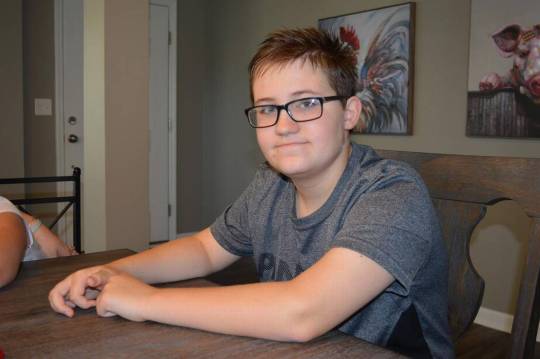
carsonCarson Spears, 11, has PANS, a disorder where his body’s antibodies attack his brain instead of foreign pathogens. Homeopathic treatment has helped him, however. Kate Stevens

It started with strep throat. Then ‘it’s like your kid died but they’re still there’

BY KATE STEVENS

SEPTEMBER 11, 2017 3:16 PM

Carson Spears was just like the other pupils in kindergarten. The bubbly little boy loved to play outside and had plenty of friends.

Then, Carson came down with his first case of strep throat.

He didn’t respond to antibiotics and his sore throat and fever worsened, said Carson’s mother, Melissa Spears.

After changing antibiotics three times over a two-week period, Carson seemed to improve.

But on Sept. 24, 2011 — his mother remembers the date — the Spears family’s only son came downstairs a changed boy.

Carson had developed an unusual and noticeable eye tic seemingly overnight.

Her son’s eyes were traveling back and forth as if to the 10 and two position on a clock over and over, said Melissa Spears, 37.

By the time she returned home from work that afternoon, she counted Carson’s eyes tics at about 80 per minute, she said.

Cory Spears said his son’s obsessive tics reminded him of an android in a science-fiction movie.

“You ask him a question and he can’t compute,” Cory Spears recalled. “That’s what I relate it to. Everything reset.”

This initial symptom of uncontrollable eye tics began the Spears’ journey into learning about Pediatric Acute-onset Neuropsychiatric Syndrome, or PANS, a disorder resulting from an infection or environmental trigger causing abnormal activation of the immune system.

The Spears family of Mooresville has fought for the past six years to bring back Carson from this disorder that nearly robbed him of his personality.

“It’s like your kid died but they’re still there,” said Cory Spears, 39.

The Spears family hopes to educate others about PANS on Sept. 16 when they will participate in the PRAI for 100K 5K fundraiser at Marvin Ridge High School in Waxhaw.

The fundraiser is held by the Pediatric Research & Advocacy Initiative, or PRAI, a nonprofit organization whose mission is to find answers for children affected with neuroimmune disorders.

The disorders could affect as many as one in 200 children, most of whom are misdiagnosed or undiagnosed, according to PRAI statistics.

Awareness events like these fundraisers help educate people who may not have even heard of PANS and helps those diagnosed with PANS to realize there are others like them.

“The biggest thing that worries me about families with PANS kids is they think they’re alone,” said Cory Spears.

Carson’s eye tics were the first symptoms that eventually led to an unofficial diagnosis of PANDAS six years ago by his eye specialist.

Pediatric Autoimmune Neuropsychiatric Disorders Associated with Streptococcal Infections, or PANDAS, is a subset of PANS and is linked to a recent streptococcal infection, according to PRAI.

“We are very, very, very fortunate that we had an unofficial diagnosis within 24 hours of onset symptoms,” said Melissa Spears. “Some parents go years.”

‘It hurts worse than average’

PANS is related to other bacterial or viral infections, including strep but other co-diseases, as well, Melissa Spears said.

Antibodies in a healthy person will attack a foreign antigen like a virus or bacteria once it enters the body to prevent illness, said Melissa Spears. For a person with PANS or PANDAS, the antibodies will instead attack the person’s brain instead of the foreign antigen, she said.

The inflammation of the brain can cause symptoms including terrible headaches, obsessive compulsive disorder, anxiety, sleep disturbances and aggression in children with PANS or PANDAS, Melissa Spears said.

When Carson has a “flare,” as the Spears family calls it, he says it feels like “his brain is on fire,” Melissa Spears said.

“It sort of feels worse than other people would think it would,” said Carson, now 11. “Other people are like, they’re thinking that I’ll be OK over time but it hurts worse than average.”

After Carson’s unofficial diagnosis in 2011, the family was left on its own to discover who could treat their son.

Meanwhile, Carson’s symptoms multiplied. He became withdrawn and began having issues focusing and completing tasks. He would leave lights on all over the house and leave cabinet doors open. He developed a life-changing fear of anything that flew, including insects and birds.

Carson developed severe separation anxiety from his parents and refused to go into a room alone or sleep in his own bed.

“He didn’t leave the house one summer,” Melissa Spears said.

Treatment trail

Over the next two years, the family took Carson to five doctors from Greensboro to Charlotte to Matthews where the Spears experienced backlash from physicians.

Doctors didn’t believe the disorder was real or thought Carson’s problems were psychiatric, said Melissa Spears.

The family spent $17,000 seeking medical answers the first year after Carson was diagnosed, Melissa Spears said.

After trying different medicines and going to local doctors “that didn’t listen to us as parents,” Melissa Spears turned to Dr. Rosario Trifiletti, a New Jersey neurologist who, at the time, was one of the few in the world who specialized in PANS/PANDAS cases.

During a phone appointment, Trifiletti listened to the Spears’ story and ordered lab work for all the family members, including Carson’s younger sister, Braxtynn.

Lab technicians took 17 vials of blood from Carson, then just 7 years old.

Trifiletti officially diagnosed Carson with PANS, not PANDAS, due to the active co-infections found in his blood work: mycoplasma, the bacteria that causes pneumonia; coxsackie — the virus causing Hand, Foot and Mouth disease; streptococcus, the bacteria causing strep throat; bartonella and babesia — a bacteria and parasite related to Lyme disease; and yeast, Melissa Spears said.

Instead of attacking these infections, Carson’s antibodies were instead going after his brain.

Carson began taking antibiotics daily for two years, as well as Tylenol and Ibuprofen, but his symptoms, although better, persisted. His parents began worrying how the treatment was affecting his already fragile body.

They decided something new had to be done.

‘Changed our lives’

At a crossroad, Melissa and Cory Spears could either commit to a $25,000 intravenous immunoglobin treatment commonly used for cancer patients to reset their immune systems or try integrative medicine and homeopathy.

The family found Dr. Angelica Lemke, a naturopathic doctor or ND, online.

After a 3 1/2 hour initial Skype consultation, Lemke asked for 30 days to see if her remedies would make a difference in their lives.

“My experience is that for the rapidly growing group of kids like Carson who have been diagnosed with PANS, and who often tend to have significant sensitivity, damage or imbalance in their immune system, homeopathy is a very excellent tool because it is specific enough to be tailored to each individual, gentle enough to not cause more harm than good, and when used correctly is particularly well-suited for improving or balancing children’s immune response to infections,” said Lemke through an email interview.

Three weeks in, Lemke’s treatment “changed our lives,” Cory Spears said.

Carson stopped waking in the middle of the night and he would actually go into a room alone, Melissa Spears said.

Instead of antibiotics, Melissa Spears picks from a number of paper packets containing nosodes, a diluted form of a disease used to treat that same disease.

Carson then drinks the nosode after it is dissolved in a small amount of water.

The nosodes teach the body to recognize the disease and then push it out, said Melissa Spears.

The family also diffuses essential oils and applies them topically to aid Carson’s immune system as well as purifies the air inside the home since toxins can make him sick. No one wear shoes inside the house to keep germs from getting inside.

Carson also avoids cow’s milk, which affects his ability to focus.

The homeopathic treatments have worked miracles and for that they are grateful.

“Our goal is to heal his immune system so that he will no longer have to battle this disorder on a daily basis,” said Melissa Spears.

The homeopathic treatments cost less than $500 annually, substantially less than some western medical treatments, the Spears family said.

A new Carson

The family feels they pretty much got Carson back about two and a half years ago, thanks to Lemke’s homeopathic treatments.

Today, Carson is a sixth-grade student in the gifted program at Mooresville Intermediate School.

He communicates his needs with his teachers and will work in the hallway quietly if he needs a break from the noisy group work that comes with some of his lessons, Melissa Spears said.

He enjoys playing Xbox, collecting and sorting his Pokemon trading cards and playing basketball with friends down the street, he said.

“Over the years it will get better if you have it,” said Carson. “I’ve gone through hard times with it and I’ve been healed from it. I hope other people are able to heal from it too.”

Kate Stevens is a freelance writer: katebethstevens@icloud.com

LEARN MORE
For information about PANS/PANDAS, please contact Melissa Spears at melissajspears@gmail.com or Cory Spears at coryaspears@gmail.com

____________________________________________________________________________________________

For more:  https://madisonarealymesupportgroup.com/2017/10/01/panspandas-steroids-autoimmune-disease-lymemsids-the-need-for-medical-collaboration/

https://madisonarealymesupportgroup.com/2017/10/08/misdiagnosed-how-children-with-treatable-medical-issues-are-mistakenly-labeled-as-mentally-ill/

https://madisonarealymesupportgroup.com/2017/06/30/child-with-lymemsidspans-told-by-doctors-she-made-it-all-up/

https://madisonarealymesupportgroup.com/2017/09/19/three-things-for-parents-to-watch-for-regarding-tbis/

https://madisonarealymesupportgroup.com/2017/09/05/when-lyme-isnt-caught-early/

Bartonella:  https://madisonarealymesupportgroup.com/2016/01/03/bartonella-treatment/

Babesia:  https://madisonarealymesupportgroup.com/2016/01/16/babesia-treatment/

Mycoplasma:  https://madisonarealymesupportgroup.com/2016/02/07/mycoplasma-treatment/

Viruses:  https://madisonarealymesupportgroup.com/2016/03/28/combating-viruses/

Some LLMD’s are using a treatment called LDA/LDI to treat immune dysfunction:  https://madisonarealymesupportgroup.com/2016/05/30/new-kids-on-the-block-ldaldi/  In short, it is transdermal injections every two months with substances that a person reacts to and can include anything from mold to dust, to Bartonella and Lyme.  The principle is somewhat like homeopathy as mentioned in the article.
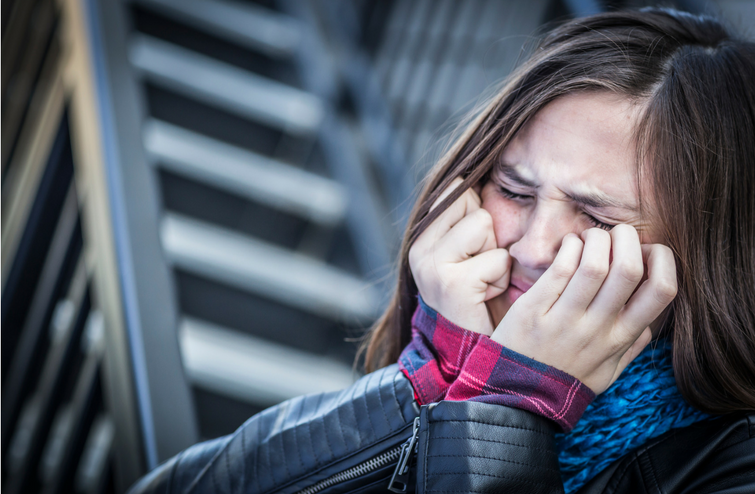
 

Misdiagnosed: How Children With Treatable Medical Issues Are Mistakenly Labeled as Mentally Ill

https://www.huffingtonpost.com/entry/misdiagnosed-how-children-with-treatable-medical-issues_us_59d6b302e4b0705dc79aa68f by A. Elizabeth Washington, Writer, Advocate, Mother

Misdiagnosed: How Children With Treatable Medical Issues Are Mistakenly Labeled as Mentally Ill

10/05/2017 

In the fall of 2015, eleven-year-old Sophia Cahill* began blinking her eyes. Though an eye doctor dismissed the blinking as a symptom of dry eyes, her parents would look back later and realize the blinking was a tic. Sophia was otherwise healthy and unbothered by the blinking so life carried on as usual. The simple tic would unfortunately foreshadow much darker days to come.

As Sophia entered seventh grade the following year, she enjoyed spending time with friends and family, performed well academically, and excelled in several sports. She played softball and skied black-diamond slopes with ease. With a love of horseback riding, she had spent two weeks the prior summer at an overnight riding camp. Independent and responsible, she had flown alone across the country to see her cousins and was a trustworthy babysitter for her siblings. Sophia was happy and healthy, with a precocious sense of humor and an easygoing demeanor. Sophia’s parents, both medical doctors, had no concerns about her behavior or health that could have predicted that her life would soon be dramatically and abruptly turned upside down.

Shortly after the school year started, Sophia became sick with a virus and then pneumonia. The illnesses would have been easily forgotten were it not for the troubling episodes that began the following month. Out of the blue and generally in the evenings, Sophia would become extremely distressed and inconsolable, crying for hours at a time. In a state of extreme anguish, she’d rip up boxes of Kleenex, pound her fists on the bed, and repeat bizarre and senseless phrases. Her pupils would dilate and with sheer terror in her eyes and panic on her face, she would scream “Mommy! Mommy, help me!” but no amount of consoling could ease her suffering. Eventually, her hysterical sobbing was punctuated with the disturbing sight and sound of the usually calm twelve-year-old banging her head against the wall. By the wee hours of the morning, she would collapse from utter exhaustion and fall sleep.

The morning after each episode, Sophia would awake in good spirits showing no signs of the turmoil that had transpired the night before. A few nights would pass before another episode would occur. Gradually the episodes became more frequent and began lasting longer. Within three months, she had racked up a number of mental health diagnoses from several different doctors and had started an SSRI, yet her mental health continued to deteriorate.

Shortly after the New Year, the distressing symptoms that Sophia had exhibited only intermittently in the prior months turned into an around-the-clock nightmare for her and her family. With the addition of peculiar involuntary movements and constant moaning that would later be recognized as a vocal tic, Sophia was admitted into the hospital.

While hospitalized, her mother received a call from the pediatrician. The strep titers that she had asked the pediatrician to order were positive. This indicated that Sophia had likely had a fairly recent strep infection. Coupled with her dramatic neuropsychiatric deterioration, the pediatrician believed her mother’s suggestion that Sophia might have pediatric autoimmune neuropsychiatric disorders associated with streptococcal infections, commonly referred to as PANDAS, was likely accurate. She asked that Sophia’s mother discuss the possibility with the doctors at the hospital. Because Sophia also had a virus and pneumonia in the month before her symptoms began, pediatric acute-onset neuropsychiatric syndrome, or PANS, was also a consideration. PANDAS, a subset of PANS, requires documentation of previous strep infection. Diagnosis of PANS does not require identification of a specific trigger.

Sophia’s parents shared the labs and their suspicions with the hospital, but the attending physicians were adamant that Sophia did not have PANS. Relentlessly symptomatic, Sophia was transferred to an inpatient child and adolescent unit at another hospital with a diagnosis of anxiety. Here too, her symptoms continued to worsen and she developed an extreme startle response, jerking violently at the slightest sound. One week passed and high doses of anti-psychotics, beta-blockers, and other medications as well as additional investigation into medical causes produced no relief. Desperate for help, Sophia’s parents brought her back to the first hospital.

An MRI, EEG, and lumbar puncture provided no insight into what might be wrong and a neurologist reported she could find nothing amiss neurologically. After seeing another psychiatrist, Sophia picked up yet another diagnosis. This time her parents were told she had a conversion disorder and that they were to bring her home and behave as though nothing was wrong with her. With that, Sophia was discharged from the hospital.

At home, she continued to moan around the clock, jerked her arms uncontrollably, screamed hysterically, and was frequently catatonic. Frantic for answers, Sophia’s parents took her to yet another psychiatrist. This time she was diagnosed with a panic disorder, and though the psychiatrist admitted he honestly was not sure what was wrong with her, he prescribed two different anti-psychotics in an effort to stabilize her.

The attempt failed and by February, Sophia had refused to eat or drink for a full week. Treated for dehydration and released by the hospital, she was sent to an in-patient psychiatric facility. She was initially placed on an eating disorder unit and then moved to the OCD and anxiety unit. The two psychiatrists who evaluated her quickly encouraged her parents to have Sophia evaluated by a doctor who specialized in PANS and PANDAS. Sophia and her parents traveled out of state to see a specialist. With a virus and pneumonia preceding her initial neuropsychiatric symptoms, as well as positive streptococcus titers, the specialist confidently diagnosed Sophia with PANS and its subset PANDAS. Returning to the psychiatric facility with a proper diagnosis and treatment plan in place, Sophia was discharged.

Still suffering horrifically, Sophia tried to end her own life two days later. She was rushed back to the same hospital that had encouraged her parents to take her home and behave as though nothing was wrong the month before.

Now open to the possibility of PANS, hospital physicians agreed to treat her with intravenous immunoglobulin, or IVIG. Derived from the plasma of over a thousand donors, IVIG is used to treat a number of serious and life threatening medical conditions, including PANS. Sophia also underwent plasmapheresis, a procedure in which the plasma is separated from the blood cells, treated to remove auto-antibodies that may be attacking the body, and then returned to the body. Next she received Rituximab, a medication that halts autoimmune disorders by targeting and destroying B-cells, a type of blood cell responsible for antibody production

Though patients receiving these treatments often wait eight or more weeks for relief, Sophia was well enough to leave the hospital by the end of the month. Just as she was beginning to resume a few normal activities, pharyngitis caused relapse and she was readmitted to the hospital for an additional six weeks of aggressive immunomodulatory therapies, antibiotics, tonsillectomy and adenoidectomy. This time, the treatment would provide complete remission.

Four months after her final release from the hospital, Sophia is functioning just as well today as she had been prior to the onset of PANS. She is content, doing well academically, and on the school volleyball team. Surrounded by friends to celebrate her thirteenth birthday last month, Sophia showed no evidence of the year-long nightmare she had endured.

To understand how the physicians of a highly regarded hospital system could repeatedly misdiagnose Sophia, it is helpful to understand the history of PANS and PANDAS. National Institute of Mental Health researcher, Dr. Susan Swedo, first recognized what would come to be called PANDAS more than 25 years ago. While researching Sydenham’s chorea and obsessive-compulsive disorder (OCD), the mother of a patient with severe OCD and tics mentioned that her son had strep throat less than two weeks before his onset of symptoms. She had also noticed her older son’s tics would worsen a couple days before the start of a sore throat and positive strep test. As Dr. Swedo investigated further, she became aware that other infections also triggered OCD, tics, psychiatric issues, and behavioral problems in certain children.

Focusing early research on strep-triggered cases of obsessive-compulsive and tic disorders, Dr. Swedo published a paper in 1998 that provided clinical description of the first 50 children she had observed with PANDAS. All cases were characterized by an abrupt onset of OCD or tics following a strep infection. Many of the children also suffered from emotional lability, changes in school performance, personality changes, bedtime fears, separation anxiety, irritability, sensory defensiveness, impulsivity, distractibility, deterioration in handwriting and math skills, oppositional defiant behaviors, and nightmares (1).

A small handful of neurologists were swift to criticize the research. Quickly labeled as controversial, Dr. Swedo and other researchers would find themselves defending the concept of PANS for decades to come. Ruthless in their attack of PANS and PANDAS, several critics published a paper in 2012 in the Journal of Pediatrics titled “Moving From PANDAS to CANS (2).” Despite a large body of evidence to the contrary, they again called into question the scientific evidence for its existence. They also criticized the use of antibiotics to treat children with abrupt onset OCD and tics despite evidence that the health of many children with PANS was restored with antibiotic treatment.

After the paper was published, it was revealed that three of the authors, Dr. Roger Kurlan, Dr. Harvey Singer, and Dr. Donald Gilbert, failed to disclose that they had received financial support from the pharmaceutical company Psyadon (3). The company manufactures a medication for tics, providing a possible motive for their persistent criticism of the concept of PANS and use of inexpensive antibiotics to treat it.

Despite the frequent negative publicity, significant progress has been made in the understanding and treatment of PANS. In 2012, Lucile Packard Children’s Hospital at Stanford started a program treating children with PANS. In 2013, they hosted a conference with a number of experts from prestigious medical institutions and published a paper with clear diagnostic guidelines (4). In February 2015, an entire edition of the Journal of Child and Adolescent Psychopharmacology (5) was dedicated to PANS and PANDAS and in 2017, the same journal published three articles detailing full treatment guidelines (6). The articles were co-authored by an incredible team of experts like Dr. James Leckman, Professor of Child Psychiatry at Yale University, who served as the Director of Research for the Yale Child Study Center for more than twenty years; Dr. Mark Pasternack, infectious disease doctor and Associate Professor of Pediatrics at Harvard University; Dr. Jennifer Frankovich, PANS rheumatologist and Director of the PANS Program at Stanford; and more than two dozen other experts from prominent institutions.

Though experts consider the controversy to be resolved, the vast majority of pediatricians, child psychiatrists, and neurologists are unapprised of the latest research and continue to misdiagnose children who have PANS with any number of mental health disorders. The PANDAS Physician Network, an organization that educates medical professionals and sponsors research of the disorder, lists only one or two physicians who treat PANS in many states. Considering that by National Institute of Mental Health estimates, at least 350,000 children in the United States have PANS, the number of doctors who recognize and treat it is woefully inadequate to meet the needs of suffering children.

For now, many children with PANS continue to wait for the medical community to catch up to what experts have known for decades. We can only hope they’ll be as lucky as Sophia and receive proper medical attention before it’s too late.


*Name has been changed to protect privacy.


References

1. Swedo, Susan E., et al. “Pediatric autoimmune neuropsychiatric disorders associated with streptococcal infections: clinical description of the first 50 cases.” American Journal of Psychiatry 155.2 (1998): 264-271.

2. Singer, Harvey S., et al. “Moving from PANDAS to CANS.” The Journal of pediatrics 160.5 (2012): 725-731.

3. Singer, Harvey S., et al. “Moving from PANDAS to CANS.” The Journal of pediatrics 160.5 (2012): 725-731. (see correction)

4. Chang, Kiki, et al. “Clinical evaluation of youth with pediatric acute-onset neuropsychiatric syndrome (PANS): Recommendations from the 2013 PANS Consensus Conference.” Journal of Child and Adolescent Psychopharmacology 25.1 (2015): 3-13.

5. Chang, Kiki, Harold S. Koplewicz, and Ron Steingard. “Special issue on pediatric acute-onset neuropsychiatric syndrome.” Journal of child and adolescent psychopharmacology 25.1 (2015): 1-2.

Marijuana & Chronic Pain: Q & A With Dr. David Barton

https://www.healthcentral.com/article/marijuana-and-chronic-pain-qa-with-dr-david-barton
Marijuana and Chronic Pain: Q&A with Dr. David Barton
Celeste Cooper, RN / @FibroCFSWarrior, Health Professional

marijuana         Credit:  Thinkstock

Dr. David J. Barton (AKA Dr. B), a conservative physician by personality and training, says it required an evolutionary process to arrive at his present clinical outlook on medical marijuana.

What is your medical background?**

Dr. B**: I was a double-boarded general surgery trained plastic surgeon until I became disabled and retrained in Pain Medicine at the University of Utah. I hold memberships in the American Academy of Pain Medicine, the International Cannabinoid Research Society and the Hawaii Medical Society.

How did your opinion on cannabis medicine evolve?**

Dr. B**: I was hindered from a career in surgery, causing a neck and arm condition that lead to chronic pain. That led me to where I am today. Much of my philosophy is guided by my personal experiences with severe pain and the failed treatments.

I became frustrated by poor treatment outcomes. For many pain conditions, traditional medicine included aggressive treatments and dangerous levels of medicines. Having no personal experience with marijuana use, I learned by listening to patients who found significant relief using cannabis. With further study, I realized the truth about cannabis and its potential to relieve suffering in a safe and effective manner.

What is cannabis medicine?**

Dr. B**: For the Pain Doc, cannabis medicine represents a naturopathic, legitimate alternative for treating chronic neuropathic pain and muscular conditions using a variety of cannabis based medicines.

The U.S. National Institutes of Health/National Cancer Institute states the known benefits include:

Antiemetic effects (effective against vomiting and nausea)
Appetite stimulation
Pain relief
Improved sleep
Symptom management
Direct antitumor effect
End of life care
Cannabis medicine focuses on treating a variety of medical conditions.

Are there risks?**

Dr. B**: There are risks to any treatment. Seldom headlined are the consequences of undertreated or untreated pain. According to the American Osteopathic Association, chronic pain “affects more Americans than cancer, diabetes, and heart disease combined.”

Patients and physicians should discuss potential negative effects. About 90 percent of my patients use very small amounts of cannabis, and learn quickly how to avoid problems. And like with any medication, I screen for the small minority of those who may be prone to misuse and addiction.

When an individual’s health problems are addressed by a qualified healthcare provider, risks, significantly less than traditional medications, are minimized.

Many say THC and CBD** transform pain signals between peripheral nerves, the spinal cord and brain. Do you agree?**

Dr. B**: Yes. At the 2013 American Academy of Pain Medicine meeting, Dr. Michael Moskowitz said, “preclinical studies, surveys, case studies and randomized double-blind placebo-controlled trials with cannabis have all shown its effectiveness in chronic pain conditions … Cannabis works to settle down the processing of wind-up (centralization) and is the only drug known to do so. It reduces inflammatory pain in the peripheral nerves, and has a unique mechanism for pain reduction unlike any other medicine.”

The complex interaction between innate opioid and cannabinoid systems is not well understood. But with effort and opportunity, we can unravel the mysteries of cannabis science.

How does MMJ stack up against other painkillers?**

Dr. B**: Studies show MMJ can be as effective as opioids. Many people are able to eliminate or significantly reduce their use of opioid pain pills. Cannabis also treats other problems associated with chronic pain, such as sleep, mood disorders, and myofascial spasms and pain, thereby reducing the need for additional medications that have potential side effects or drug interactions.

Is there a cultural transformation regarding MMJ?**

Dr. B**: Yes. This was most evident at a recent NIH symposium (Marijuana and Cannabinoids: A Neuroscience Research Summit) that took place in Bethesda this past spring, wherein, the medical use of cannabis was clearly discussed.

Over the past few years, we have all seen the direct medicinal effects of cannabis in the media by high profile people and entities. The most dramatic have been children with intractable seizures whose parents are directly challenging hostile politicians. The second group is our veterans with service-related conditions who find relief with medical cannabis use.

Patients, their love ones, and organizations have teamed up with activist physicians and political allies to challenge the status quo of government. The tsunami of change in every state has been accelerated by opioid related deaths.

How do you counsel patients?**

Dr. B**: The patient must have a qualifying condition according to the laws of Hawaii, where I practice. I expect patients to act responsibly and follow the laws that govern MMJ access and use. I discuss various delivery systems with my patients. The majority use inhalation delivery. Oils, edibles, and topical ointments are in strong demand. I have seen great results for autoimmune conditions using high CBD low THC cannabis based juice, which provides pain relieving, strong anti-inflammatory effects without psychogenic effects.

Our goal is to combine traditional multi-disciplinary therapies with our patient’s right to use medicinal cannabis to improve their outcome. (See An Elephant Called Pain.)

David J. Barton, MD is a clinician in Pain Medicine and a Medical Political Activist with more than 31 years of experience as a physician. He is fellowship trained in Pain Medicine, and became board certified in Pain Medicine by the American Board of Pain Medicine in 2005. Past board certifications include General Surgery (1992) and Plastic Surgery (1995). He is owner and founder of Hawaiian-Pacific Pain and Palliative Care and focuses his practice on chronic pain and end of life care. Dr. Barton has personally lived in the “Pain World” for nearly 20 years.

Celeste Cooper, RN, is a chronic pain patient, freelance writer, and contributor to the Health Central Community. She is also lead author of five published self-help books and enjoys writing and advocating for people living with chronic pain as a participant in a local patient leadership group and the PAINS Project. She is lead author of Integrative therapies for Fibromyalgia, Chronic Fatigue Syndrome, and Myofascial Pain and the Broken Body, Wounded Spirit: Balancing the See-Saw of Chronic Pain book series.  Connect with Celeste through her website CelesteCooper.com, Twitter @FibroCFSWarrior, or follow her FB page:
https://www.facebook.com/Chronic.pain.therapies.advocacy/
Published On: Aug 1st 2016


For more on medical cannabis:

https://madisonarealymesupportgroup.com/2017/01/23/nasem-report-on-cannabis/

https://madisonarealymesupportgroup.com/2017/09/28/cbd-for-pain/

https://madisonarealymesupportgroup.com/2015/05/19/marijuana-the-miracle-herb/

Dr. Steven Phillips Writing Book on Lyme and Bartonella Treatment

https://www.linkedin.com/pulse/i-came-up-what-think-may-durable-treatment-lyme-were-book-steven/

22141057_678945278977521_5522604736941259639_n

Dr. Phillips has closed his practice to new patients as the waiting list was 1.5 years long.  Wanting to focus on broader issues he hired a nurse practitioner and another doctor.

The important news for patients is he has come upon a treatment he feels is a durable remedy for late stage Lyme and bartonella and is raising money to study it in mice for proof.  After that he plans on writing a book about the process.

Dr. Phillips

He and Dana Parish have started a Q & A video series on Facebook to answer questions about Lyme, bartonella, and other co-infections.

https://www.facebook.com/lymebook/videos/679186688953380/  Video 1

If you haven’t seen Dr. Phillips in action before, you are missing a real treat.  This man I can level the CDC in mere minutes.  https://madisonarealymesupportgroup.com/2016/07/01/unedited-interview-with-dr-phillips-fox-5-ny/

https://madisonarealymesupportgroup.com/2016/04/03/dr-phillips-does-it-again/

https://madisonarealymesupportgroup.com/2016/07/11/dr-phillips-completely-trounces-cdc/

Removing Parasites to Fix Lyme & Chronic Illnesses – Dr. Jay Davidson & More

http://drjaydavidson.com/removing-parasites-fix-lyme/  Sept. 2017

REMOVING PARASITES TO FIX LYME AND CHRONIC ILLNESSES
by Dr. Jay Davidson

Article Summary

  • Parasites are more common than you might think. About 50% of the western world has parasites. Importantly, parasites can play a part in almost every common illness, and they can prevent the effective treatment of chronic disease.
  • Parasites can range from microscopic creatures, to huge tapeworms. Anyone can be affected by parasites, but there are some patients, such as those with poor immune systems and Lyme sufferers, who are more risk-prone.
  • The symptoms of parasites and Lyme are often very similar. It may be easy for many people to overlook the presence of a parasite in their body. Common symptoms range from insomnia and bruxism, to anemia, skin conditions, and more.
  • Parasites and Lyme disease go hand in hand. When parasites are within your system, it is impossible to remove Lyme. Some studies have even found that parasites can protect the bacteria of Lyme inside themselves.
  • Treating parasites can also mean treating chronic illness. Often, treatment for parasitic infections will begin with a careful consideration of diet. Make sure to remove grains, sugars, and pork from your diet. You should also consider adding substances like garlic, diatomaceous earth, and coconut oil.
  • One of the most powerful treatments for Lyme and parasites is Mimosa Pudica. This substance paralyzes parasites and flushes them from the system.
  • Management for parasite die-off will be necessary during a cleanse. Removing Lyme and parasites from your body can be an exhausting process.

DO YOU HAVE PARASITES?

It is difficult to think that there might be parasites crawling around inside you. The concept is nerve-wracking, and just plain disgusting. Experts believe that more than 50% of people in the Western world will suffer from a parasitic infection in their lifetime. It is easy to understand why this is the case when the human body is crawling with bacteria. The digestive tract holds more than three pounds of bacteria alone.

Although some bacteria can be good for your body, improving nutrient absorption and digestion, other bacteria can be devastating. When the bacteria in your system gets out of balance it creates a perfect place for parasites to thrive.

Parasites can enter your body in many ways and eating lot of fructose and glucose feeds the parasites helping them multiply. Pharmaceuticals, such as antibiotics, can also deplete the digestion system of bacteria and encourage parasitic growth.

For people with chronic Lyme, the problem is that they may not know they have a parasitic infection. This can mean that you are attempting to rid the body of disease while the parasites inside you are still acting as a host for Lyme disease itself. Researchers believe that parasites could play a part in every common illness. If you want to get rid of a chronic disease, you need to start by killing parasites.

The first step, of course, is recognizing that you have parasites in your body. The disturbing truth is that you probably do. Studies indicate that most people have parasites – especially those with chronic illnesses like Lyme.

The Symptoms of Parasites: What to Watch For

Remove-Parasite-Lyme-2

Parasites are complex creatures. Almost always associated with inflammatory diseases, including chronic Lyme, they actively prevent good health. A parasitic infection can range all the way from tiny microscopic organisms, to tapeworms that are several feet long. A parasite can enter your body through water, food, or even just skin contact.

The key thing to remember is that anyone can have a parasites. These creatures are not just common for impoverished countries and unhygienic environments. Parasites are a common all over the world, including the United States.There are factors that can mean you have a greater level of risk.

Factors that can increase your risk of parasite infection include:

  • You frequently swallow water from ponds, lakes, rivers, or other unhygienic sources.
  • Your immune system is compromised, perhaps because you’re suffering from chronic Lyme.
  • You work in a medical environment that might include direct contact with feces and bodily fluids
  • You travel frequently to tropical regions where parasitic infections are more common.

The symptoms involved with parasitic infections are varied. Many involve skin problems, such as hives, rashes, eczema, and psoriasis. According to Parasite expert, Dr. Todd Watts, one of the most common problems links back to trouble sleeping. Many of his patients suffer from insomnia and “bruxism”.

Bruxism, or the grinding of teeth, can happen because parasites are more active at night. Additionally, parasites can also be responsible for anemia and blood sugar problems. Before you begin treating your parasites, you may need to come to terms with some of the common symptoms. For chronic Lyme sufferers, pinpointing symptoms can be particularly difficult. Lyme symptoms and the signs of parasites are often very similar.

Some signs that you may have a parasitic problem include:

  • Insomnia, consistent fatigue, and poor sleeping habits
  • Lowered immune systems, the appearance of new allergies, and constant illness
  • Rashes, itching, and skin problems such as sores, or eczema and Psoriasis
  • Mental problems such as brain fog, anxiety, or depression
    Food cravings
  • Joint and muscle pains
  • Eye spots or difficulties with sight
  • Anemia, low blood sugar, or adrenal fatigue
    Parasites and Chronic Lyme Disease

It is an uncomfortable truth that the human body is crawling with hundreds of strains of bacteria. When properly balanced, the right bacteria can be beneficial. However, when bacteria falls out of balance, problems begin to occur. In chronic Lyme disease patients, imbalance is a significant problem. Ongoing inflammation within the body, and issues with the immune system can throw the entire system into chaos.

In many circumstances, parasites enter the body because we create the ideal environment for them. With a compromised immune system from Lyme disease, consistent gut problems, and exposure to various chemicals, we are welcoming parasites in. Experts, like Dr. Watts, believe that to overcome chronic infections such as Lyme, we need to first address parasites.

Interestingly, it is also worth noting that some parasites can house Lyme disease. In other words, if you do not remove the parasites from your system before treatment, you’ll still have protected Lyme bacteria in your system living inside of the parasites. One study, which examined the brain tissue of patients who died due to serious neurological conditions, revealed that Lyme can thrive within nematode worms.  https://madisonarealymesupportgroup.com/2016/06/03/borrelia-hiding-in-worms-causing-chronic-brain-diseases/, and https://madisonarealymesupportgroup.com/2016/08/09/dr-paul-duray-research-fellowship-foundation-some-great-research-being-done-on-lyme-disease/

Without a protocol that takes parasites into consideration, treatments for Lyme disease may be temporary, or completely ineffective. While it is possible that treatments that do not engage parasites might lead to some improvements in your symptoms, many problems will remain or return later on. This is because parasites allow Lyme disease to persist within the body, inside the parasites, even after treatment.

On top of the problems that parasites impose when it comes to Lyme, they also cause a range of problems in general with your health. Simply ignoring the presence of parasites in your body could mean overlooking solutions that could allow you to achieve optimum health.

Treating Parasitic Infections to Treat Chronic Illness

Treatment for parasitic infection can come in numerous forms. There are a range of natural treatments that can help to eliminate parasites and prepare the body for better health. Most of the time the best solutions for parasitic infections involve changing your diet and using the right supplement at the right time.

People suffering from parasitic problems in combination with Lyme can make the problem worse by consuming sugars. It is often recommended that you remove all sugars and grains from your diet during a parasitic removal so you are not feeding the parasites as you try to eliminate them. Dairy can also present problems for some patients, although you should seek out guidance from a professional.

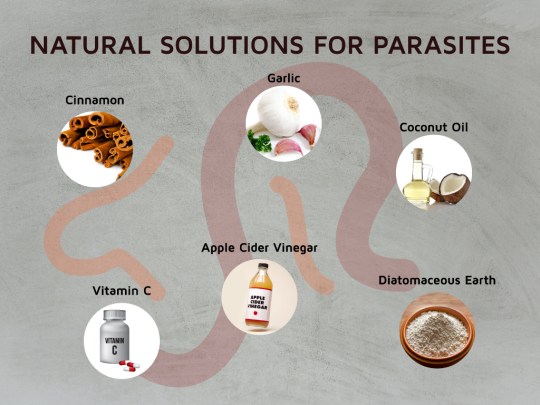
Natural Solutions For Parasites:

Just as there are foods that can worsen parasitic infections, there are other foods that can help your circumstances. For instance, pumpkin seeds help to fight off parasitic infections. There are also a range of other solutions that are commonly recommended, including:

  • Garlic: Garlic can be a powerful solution when removing yeast and parasites. It is a natural source of health-boosting nutrients. To use garlic, simply mince two cloves into a glass of water.
  • Cinnamon: Cinnamon can be a fantastic remedy for a range of different illnesses. Cinnamon can break down a parasite infestation and kill fungus in the body.
  • Vitamin C: Vitamin C is wonderful for boosting your immune system. While fighting Lyme disease, Vitamin C can give your body the antioxidants it needs to thrive. For the purpose of parasite removal, it is best to take around 5,000mg per day.
  • Coconut oil: Coconut oil is a naturally nourishing anti-fungal substance. You can consume coconut oil throughout the day to support parasitic removal and soothe your gut.
  • Apple cider Vinegar: A rich source of B-vitamins, apple cider vinegar is useful for neutralizing the pH in your gut, which can help to make the intestines healthier. By boosting your microbiome health, you can improve digestion, and remove parasites at the same time.
  • Diatomaceous Earth: Effective at killing parasitic eggs, and parasites, Diatomaceous earth is great for improving your digestive tract.

Natural solutions

Foods To Avoid:
Banishing parasitic infections is a complicated process. Generally, you’ll need to focus on introducing positive substances into your diet, while removing dangerous substances. There are some foods that will naturally help parasites to thrive. Since your aim will be to remove parasites at all costs, stay away from:

  • Pork: Pork is one of the most common sources of parasites. Because pigs consume and process food differently to humans, there are toxins present within the flesh of the animal. It is crucial to avoid pork when cleansing your body of parasites.
  • Grains: Wheat and many other grains containing gluten can quickly break down into sugar. Sugar not only feeds parasites, but also leads to intestinal inflammation.
  • Processed foods: Processed foods are bad for your health because they contain a lack of nutrition. However, it is worth noting that these foods also contain a great deal of sugar.
  • Alcohol: Alcohol impairs the immune system and many other elements in the body. To improve your body functioning during a parasite cleanse, avoid alcohol.
  • Sugar: Sugar reduces the functioning of the immune system, and feeds parasites.

MIMOSA PUDICA AND KILLING PARASITES
One of the best treatment solutions for removing parasites is a Mimosa Pudica (Para 1) protocol. The best supplier of premier, fat soluble, additive free Mimosa Pudica, is Microbe Formulas. Importantly, while there are other Mimosa Pudica options on the market, the Organic Mimosa Pudica offered by Microbe Formulas is the most pure form for treating parasitic infections.  https://microbeformulas.com/collections/frontpage/products/microbe-formulas-mimosa-pudica

Mimosa Pudica actively paralyzes parasites and forces them to fall away from their position on intestine walls. This means that parasites can be effectively flushed from your system.

With Mimosa Pudica, patients have seen huge improvements in their lives, thanks to the removal of parasitic infections. The good news about this substance, is that it is a powerful tool to include in any parasite protocol. This means that regardless of what your parasitic treatment includes, Mimosa Pudica (Para 1) could enhance your protocol.

The system fits into every GI and GAP protocol, because it helps to create a healthier gut microbiome. To make the gut system more effective, it is crucial to get all the mucus, parasites, and other dangerous substances out of your stomach and intestines. Whether mucoid plaque or parasites, you need to begin by clearing out your microbiome.

Mimosa Pudica supplements should be used for at least six months. The supplement mentioned above is particularly effective because it plays multiple parts in recovery. Not only does it bind the toxins in the body, but it also repairs cell membranes. On top of that, it delivers positive nutrients into the blood and digestive system.

Importantly, if you are considering using Mimosa Pudica, you will need to deal with issues of constipation first. If you’re struggling to pass bowel movements, this can be a serious problem for any parasite or detox program. Although the substance itself can cause a little constipation at first by releasing things throughout the body, it is important for patients to manage their bowel movements. Make sure that you use enemas, magnesium, and frequent water consumption to push your bowel movements through.

Managing Parasite Die-Off
As we bring this conversation about parasites and Lyme disease to a close, one important thing to mention is parasite die-off. Crucially, as you move forward with your parasite cleanse, you may notice that you begin to suffer from a range of symptoms caused by the death of parasites in your system.

Regardless of the cleanse you choose, the process of removing parasites and Lyme from your body is exhausting. It is crucial to make sure that you get plenty of rest. Sometimes its best to take some time off of work if possible to reduce stress and recover faster. On the other hand, you might consider using a gentler cleanse to help acclimatize your body. Some of the symptoms you might expect during die-off include:

  • Headaches: Pain and headaches are common with parasite die-off. Sometimes, these pains are a result of a change in your internal environment. In some cases, headaches can also be a result of parasites moving around in your head.
  • Crawling sensations: A parasite cleanse is an uncomfortable experience for your unwanted guests. This means that the parasites might begin to move around in your body. The truth is that many patients will not be able to feel this movement. However, you may convince yourself that you can notice a crawling sensation.
    Issues with digestion: When parasites are living in your body, digestive problems are common. In some cases, as you begin to rid the parasites from your body, you might find that the symptoms appear to get worse. You may experience issues like diarrhea and bloating as your body eliminates toxins.
  • Skin sores: As mentioned above, skin problems are a symptom of parasites. However, sores can also occur when the body tries to remove toxins and parasites too fast. The skin can suffer from breakages and sores over time.
  • Problems with emotional stability: Parasites thrive on your nutritional income. A parasite can also steal away the nutrients and minerals that you need to enjoy good mental health. You might struggle from periods of anxiety and depression during die-off.
  • Cravings: As mentioned above, parasites thrive on sugars and other types of food. It is important to remove these foods from your diet during a parasite cleanse. However, doing so could leave you with specific cravings. Make sure that you do not give in to them!
  • Respiratory effects: Killing parasites in the body can mean that your system takes drastic measures to rid you of the infection. Increasing the flow of mucous is a common way to respond to contaminants. There’s a chance that you’ll experience respiratory symptoms similar to the common cold.
  • Frequent bruising: When parasites begin to feel threatened, they can move around. Sometimes, the restlessness of parasites in your body can cause them to move closer to the skin. When this happens, you might find that you see more bruises on your body.
    Ultimately, it is fair to say that removing parasites from your body can be a difficult and uncomfortable process. However, if you want to overcome Lyme for good, it is essential to start by killing parasites.

If you leave parasites unattended in your body, they can contribute to a range of illnesses and diseases, including chronic Lyme. On top of that, it is simply impossible to live in good health with a buildup of parasites in your body.

Join me for live Q and A’s at www.ParasiteGroup.com, every Wednesday at 3pm EST

_______________________________________________________________________________

More on Parasite treatment:

Dr. D. KLINGHARDT PROTOCOL – To be used only under the direct supervision of qualified medical practitioners.  

The following represents only PART of Dr. K.’s protocol. Other herbs and therapies comprise the complete protocol. They can be found in the “A Deep Look Beyond Lyme” in the note book. That information is from 2011 and is being updated as Dr. K and other physicians learn more.

The following drugs are used for a year in rotation to kill parasites.

  1. Biltricide 600 mg – twice daily (q. 12 hours) for two days
    Absorption increases most when taken with a high carb meal. A high fat meal increases it almost as much. Take with grapefruit juice to increase absorption also.
  2. Ivermectin 12 mg – one 12 mg (or four 3 mg) tablet(s) four times per day for fourteen days (take at the same time as Pyrantel Pamoate) on an EMPTY stomach.
  3. Pyrantel pamoate (liquid – 4 teaspoons) 1000 mg per day at bedtime for fourteen days.
  4. Albenza 400 mg – Two 200 mg tablets twice per day for fourteen days (after completing fourteen days on Ivermectin and Pyrantel). Take with food. (every 12 hours)
  5. Alinia 1000 mg – Two 500 mg tablets twice per day for fourteen days (after completing Albenza) every 12 hours

(A’s addition from Dr. Clark’s Book – Levimasole 100 mg (3 times/day) before meals)

THEN 2 HERBS:

  1. Mimosa Pudica (Biopure) – ½ teaspoon 2x/day for fourteen days mixed drink, milk or juice
  2. Arteminisin (Biopure) – 200mgs 2x/day for fourteen days.

ALWAYS take with 4 oz. of grapefruit juice 30 minutes before meals.

REPEAT ENTIRE SEQUENCE 4 TIMES.

_____________

According to Dr. Lee Merritt, parasites are what we call cancer.
  1. Go here for Dr. Lee Merritt’s parasite guide. She mentions pathologist Dr. Alan McDonald, an outspoken supporter of chronic/persistent Lyme/MSIDS, and his autopsies of MS patients.  100% had parasites in the brain and spinal cord.
  2. Her website:  https://drleemerritt.com/
  3. Merritt’s MMS1 guide:  https://drleemerritt.com/media/Chloprine_Dioxide_Protocol_updated_30_Oct_2024.pdf
  4. https://rumble.com/v5jr3v8-chlorine-dioxide-a-basic-guide-to-get-started..html?mref=8nn9r&mc=3nyri  In one half hour Dr. Merrit explains how she uses MMS1.

______________

https://madisonarealymesupportgroup.com/2017/03/23/rebecca-keith-on-mcas-parasites-lymemsids/  Nurse practitioner Rebecca Keith on Parasites and MCAS.

For another take please read this by Susan Luschas, PhD, and mom who has done a lot of footwork for her family:  http://www.debugyourhealth.com/parasites-in-humans/#Kalcker-Protocol

http://

“Dr. Klinghardt has suggested that when it comes to parasites, this is where some of the pharmaceutical options really shine and are often necessary.” –Quote from Better Health Guy.com. Our family had to learn this the very hard way (See 5 years and thousands of dollars in the previous section).

I no longer believe that you can get rid of parasites in humans without prescription medications. If I could do it all over again, here is a list of what I would do, in order from first to last:

http://www.preventionandhealing.com/articles/Parasites_Often_Hidden_and_Undiagnosed.pdf  and http://www.preventionandhealing.com/articles/Lyme-Disease-Autism-and-Beyond.pdf  Excellent articles, both by Dr. Simon Yu, M.D.

http://www.wormbook.org/chapters/www_anthelminticdrugs/anthelminticdrugs.html  Here we learn an inconvenient truth about nearly ALL coinfections including nematodes: Despite the prevalence of parasitic worms, anthelmintic drug discovery is the poor relation of the pharmaceutical industry. The simple reason is that the nations which suffer most from these tropical diseases have little money to invest in drug discovery or therapy. It comes as no surprise therefore that the drugs available for human treatment were first developed as veterinary medicines. There is thus a pitifully small repertoire of chemotherapeutic agents available for treatment (see Table 1). In some respects, this situation has been exacerbated by the remarkable success of ivermectin over the last twenty years (Geary, 2005), which has decreased motivation for anthelmintic drug discovery programmes (Geary, Sangster and Thompson, 1999). This prompts concern, as anthelmintic resistance has been widely reported in livestock and it may also only be a matter of time before this phenomenon occurs in parasites of humans.

The drug industry just isn’t attracted to these pathogens.  Frankly, treatment is in the stone ages on all things TBI.

For more on detoxing: