Archive for the ‘Treatment’ Category

Viruses & Immunity – Dr. Waters “Fix Your Soil and the Seeds Can’t Grow”

Picture

From Dr. Waters…

VIRUSES AND IMMUNITY

The human immune system is designed to recognize and protect us against numerous pathogens and other foreign substances. However to be effective, like any other body system, it must have the necessary raw materials to orchestrate that process. The current virus infection dominates the news and the advice we are receiving to protect ourselves from the virus. We have been told to wash our hands, stay at least 6 feet away from other people and only go out for essential purposes – to get food, medicine or to perform jobs that the government has deemed necessary or essential. Very little has been offered beyond those measures.

Louis Pasteur has been credited for bringing attention to microorganisms as the cause of disease. His contemporary, Antoine Beauchamp, had a different position in this regard. The difference between their views of human illness can be summarized as resulting from “The Seed” (Pasteur) vs. “The Soil” (Beachamp). Pasteur supposedly, while on his deathbed from pneumonia, conceded that Beauchamp was correct – he was dying not from the germ that causes pneumonia but rather the condition of his body, his soil. We can think of the soil as the general health of the body and its immune system. A germ can only grow in a body whose soil was fertile for the germs growth – a body whose immune system was impaired. This is obvious to anyone who gives it some thought. If this were not true, EVERYBODY would get a cold or the flu when such viral diseases appear in a community.

Beyond isolation and handwashing as the only answers for addressing the present virus problem, there have been other voices recommending both prevention and treatment for viral and other infections. Dr. Thomas Frieden, the chief of the Center for Disease under President Obama, wrote an editorial describing the importance and recommending the use of vitamin D to both prevent and improve the outcome of people infected. He even explained how vitamin D can dampen the cytokine storm that is the real cause of death in infected patients.

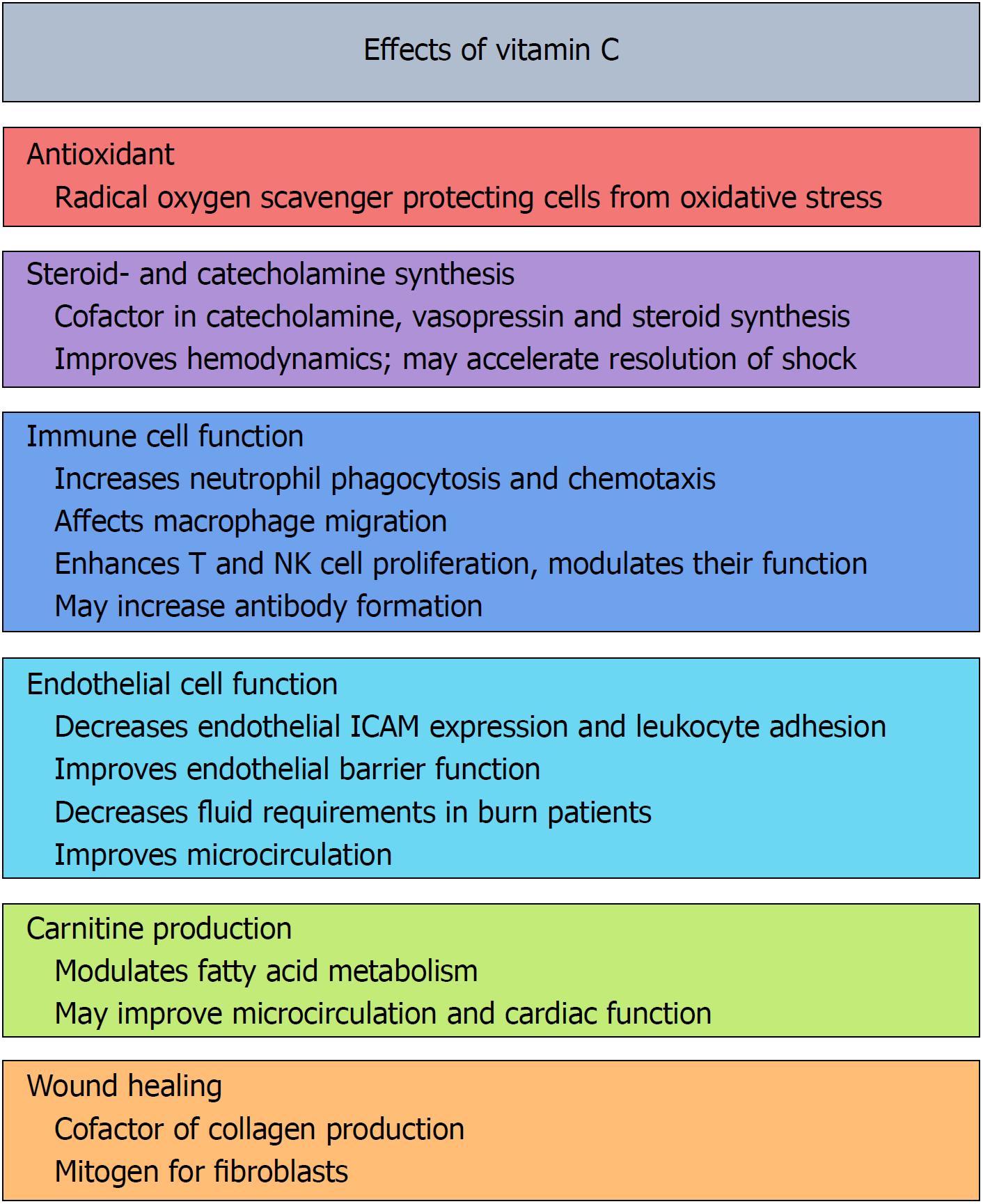
Second, the Shanghai Medical Society released a protocol recommending the use of high dose intravenous ascorbic acid, vitamin C, for the treatment of this virus. This treatment has been effective for a variety of infectious diseases since it was applied in the late 1940’s here in the United States. It has proven antimicrobial effects as well as cell-protective effects during viral and bacterial infections. I have been utilizing intravenous ascorbic acid treatment successfully for 35 years, for viral infections such as upper respiratory infections, mononucleosis, shingles and influenza. IV vitamin C is being used in China and even in some emergency rooms in New York City to treat the current virus. To reiterate, the actual reason why a person with the the current virus gets so ill that they may need a respirator or even dies, is that their body gets so inflamed in the process of attempting to control the virus that their cells and tissues get irreversibly damaged.

You might have learned that the antimalarial drug hydroxychloroquine has been used to treat patients. This had originally been rejected by the mainstream media. Why? There is a well-known explanation for why this agent is effective – it reduces the hyper inflammation generated by the cytokine storm that Dr. Frieden talked about in reference to the ability of vitamin D to help the body deal with the infection. In fact, hydroxychloroquine also alters the pH in compartments of certain white cells called macrophages. Many viruses invade our body and multiply in small chambers in the macrophages known as lysosomes. Viruses require the lysosomes to have an acidic pH in order to multiply. Hydroxychloroquine blocks acid production in these lysosomes and thus the viruses cannot multiply.

We may ALL get exposed to the current virus, the question is how our bodies will be able to deal with it without becoming gravely ill or dead. This brings us back to the argument between Pasteur and Beauchamp. Is it the seed or the soil? You can control the soil and use your own intelligence to avoid the seed, especially if you are immune compromised. If your soil is deficient in its ability to handle the fight with the seed, the virus itself, you are more likely to become gravely ill rather than just experience a form of the common cold. But the truth is you CAN improve your soil, your immune system and its ability to protect you against the virus.

The actions to accomplish this include:

  • Eating a wholesome diet. Unprocessed and organic. Animal products, vegetables, fruits and nuts. Avoid all processed food and especially sugar.
  • Get some sunshine and physical activity every day.
  • Replace nutrients that are known to be deficient in most people based on the federal government surveys. This means, along with Dr. Frieden’s recommendations, the following:
    • Vitamin D 5000 units daily
    • Vitamin C 2000 mg daily
    • Zinc 25 to 50 mg daily
    • Fish oil derived vitamin A 5000 units daily

Most people are also deficient in magnesium and the longchain omega-3 fatty acids. These should be added if you’re not already on them and, as Dr. Frieden said in his editorial, take a good multiple vitamin and mineral. I would also suggest you take one without iron as many of us are overloaded with this metal.

If the person still becomes very ill, find an MD who can prescribe hydroxychloroquine along with azithromycin. Studies overseas in France and elsewhere have shown that this combination can ameliorate or stop the infection. These are inexpensive, readily available drugs. The FDA has already released hydroxychloroquine for use in the treatment of the current virus. Azithromycin is already widely available and used to treat many infections.

In my opinion soil is of the utmost importance. The seed cannot grow if your immune system is resilient. If you believe you are compromised and may be unable to fight off the virus, stay home and do the things that I have indicated. Ask people to bring you good food and the supplements I have listed. If you get ill ask a doctor to prescribe hydroxychloroquine and azithromycin and if it all possible intravenous vitamin C.

Even if you contract the virus, you can mitigate its effects on your body. Hopefully you can change the outcome from the need for a respirator to a condition similar to a common cold. Fix your soil and the seeds can’t grow.


Stay well!

For Dr. Waters’ presentation to the support group which goes far deeper into the topic:  https://madisonarealymesupportgroup.com/2015/04/18/dr-waters-presentation/

For more:  https://madisonarealymesupportgroup.com/2020/04/07/covid-19-integrative-support-in-prevention-early-interventions/

https://madisonarealymesupportgroup.com/2020/03/27/the-truth-about-hydroxychloroquine-plaquenil-in-the-treatment-of-covid-19/

https://madisonarealymesupportgroup.com/2020/03/12/convalescent-plasma-therapy-tested-on-critically-ill-covid-19-patients/

https://madisonarealymesupportgroup.com/2020/02/13/washington-doctors-successfully-treat-coronavirus/ using the anti-viral remdesivir.

https://madisonarealymesupportgroup.com/2020/04/10/new-york-hospitals-treating-coronavirus-patients-with-vitamin-c/

https://madisonarealymesupportgroup.com/2020/04/11/world-first-trial-to-test-benefit-of-intravenous-zinc-in-covid-19-fight/


Dr. Rand Paul Had ZERO Symptoms with COVID-19

https://www.foxnews.com/media/rand-paul-gives-first-interview-since-recovering-from-covid-19?  Video Interview Here

Rand Paul gives first interview since recovering from COVID-19, says he had no symptoms

By Talia Kaplan | Fox News

In his first interview since recovering from COVID-19, Sen. Rand Paul, R-Ky., described what it was like to contract the new coronavirus.

“I had an extraordinarily mild case,” Paul, who is also a doctor, said on “Fox & Friends” on Monday. “I had no symptoms, never had a headache, never had a body ache, never had a fever, never had a cough.”

He added that he would not have gone to the hospital or the doctor’s office if he didn’t know it was going around and if he hadn’t been traveling so much.

“It’s a bizarre sort of situation that some people get very, very sick, even die from this and some people get no symptoms,” Paul said.

___________________

**Comment**

This is important because the media is pushing the idea that everyone is getting severely sick and dying from this.  Please remember that the vast majority get a mild case or as in this situation, no symptoms at all, and go on with life.

He states that he has immunity to COVID-19 now “presumably” and therefore can attend and treat those with it.

Again, this immunity issue is completely avoided by mainstream media but is extremely important. By holing up and avoiding each other, we are not allowing nature to run its course. Of course those who are ill should take proper measures but the world – wide quarantining we are experiencing defies all that is known about viruses.

For more:  https://madisonarealymesupportgroup.com/2020/04/15/covid-19-testing-in-chicago-30-50-already-have-antibodies-milwaukee-man-given-plasma-transfusion-from-recovered-patient/

https://madisonarealymesupportgroup.com/2020/04/09/epidemiologist-coronavirus-could-be-exterminated-if-lockdowns-lifted/

Lyme Podcast: Boy With Severe Cardiac Lyme Disease

https://danielcameronmd.com/boy-with-severe-cardiac-lyme-disease/

LYME PODCAST: A BOY WITH SEVERE CARDIAC LYME DISEASE

A 15-year-old boy with severe cardiac Lyme disease

I will be discussing a 15-year-old boy with severe cardiac Lyme disease in this Inside Lyme podcast.
See link for Podcast

Nawrocki and his colleague first discussed this case in the Air Medical Journal  in 2018.

A 15-year-old boy experienced an episode of exertional syncope while at a trampoline park. Syncope is a temporary loss of consciousness.

He had a history of an attention-deficit/hyperactivity disorder.

His friends immediately called 911. They were not sure how long he was unconscious.

The boy was pale with a heart rate of 300 beats per minute, according to the medics. His EKG showed a wide complex tachyarrhythmia. That means that the heart is fast, and the QRS parts of his EKG were wide.

He was given a dose of amiodarone, but the ventricular tachycardia remained a problem. Amiodarone is a medicine used to treat and prevent irregular heartbeats.

At the hospital, he was dizzy and was short of breath. His heart rate remained between 290 and 300. His blood pressure dropped to 66/30 mm Hg.

He required synchronized cardioversion. Synchronized cardioversion is a procedure similar to electrical defibrillation. Synchronized cardioversion uses low energy synchronized with the heart.

His EKG changed to a third-degree heart block. That occurs when there is a complete block of impulses from the atrium to the ventricle. The atrium is the top of the heart, and the ventricle is the bottom. He had pacing pads placed.

He was flown to a cardiac intensive care unit (ICU) at a children’s tertiary care hospital via rotary-wing aircraft staffed with two flight nurses.

He continued to have a complete heart block with a fast rhythm.

CARDIAC LYME DISEASE

Doctors suspected Lyme disease and prescribed intravenous ceftriaxone. The diagnosis of Lyme disease was confirmed by “anti-Lyme titers” and Western blot tests.

His low heart rate and low pressure continued. The doctors inserted a transvenous pacemaker to control the heart rate.

He had three additional episodes of ventricular tachycardia. He was cardioverted twice.

But after several days of intravenous antibiotics, the boy’s heart block gradually resolved, and the pacemaker was removed.
He completed 28-days of IV treatment. He remains well on a one-year follow-up, according to the authors.

The authors note that conduction problems have been reported previously in untreated Lyme disease. The list of conduction abnormalities includes first and second-degree AV block, ST and T wave changes, prolonged QT, junctional tachycardia, and complete heart block.

There was no mention of conduction problems in patients who have been treated. I have not seen conduction problems in patients I have treated.

What can we learn from these cases?

  1. Cardiac Lyme disease or more commonly known as Lyme carditis, can lead to life-threatening rhythm disturbances.
  2. The conduction problems with cardiac Lyme disease can rapidly change.
  3. Antibiotic treatment was helpful.
  4. A pacemaker was necessary in this case. The doctor was able to remove the pacemaker after treatment with antibiotics.

What questions do these cases raise?

  1. How often does cardiac Lyme disease occur?
  2. Are there cases of cardiac Lyme disease cases that are not diagnosed?
  3. Were there any warning signs of cardiac Lyme disease that would have allowed treatment before the young man collapsed?
  4. 4. Would the doctors have been able to recognize cardiac Lyme disease early before the need for hospitalization, air transport, and cardioversion?

TREATING TICK-BORNE DISEASE IN MY PRACTICE

In my practice, each individual requires a careful assessment. That is why I order a broad range of blood tests for other illnesses in addition to tick-borne infections. I also arrange consultations with specialists as needed.

Many patients are complex, as highlighted in this Inside Lyme Podcast series.

We need more doctors with skills recognizing Lyme carditis. We hope that professionals evaluating individuals with Lyme carditis can use this case to remind them to look for tick-borne illnesses and treat accordingly.

Inside Lyme Podcast Series

This Inside Lyme case series will be discussed on my Facebook and made available on podcast and YouTube.  As always, it is your likes, comments, and shares that help spread the word about this series and our work. If you can, please leave a review on iTunes or wherever else you get your podcasts.

Sign up for our newsletter to keep up with our cases.

World-first Trial To Test Benefit of Intravenous Zinc in COVID-19 Fight

https://neurosciencenews.com/zinc-coronavirus-16121/

World-first trial to test benefit of intravenous zinc in COVID-19 fight

Previous studies have shown zinc is effective at slowing the rate of other respiratory infections, such as SARS.

Summary: University of Melbourne researchers are conducting trials to see if intravenous administration of zinc chloride will help combat some of the effects of COVID-19. Previous studies have shown zinc is effective at slowing the rate of other respiratory infections, such as SARS.

Source: University of Melbourne

A world-first trial will see researchers from Austin Health and the University of Melbourne use intravenous zinc to fight the symptoms of coronavirus (COVID-19).

The trial will be led by Dr Joseph Ischia from Austin Health, along with Dr Oneel Patel from the Department of Surgery at the University of Melbourne, who has a long history of investigating the protective effects of intravenous zinc against organ damage induced by lack of oxygen.

Dr Ischia said COVID-19 is especially dangerous because it replicates inside a patient’s body which can lead to respiratory conditions like bronchitis and pneumonia.

“If COVID-19 enters a patient’s lungs then they often need to be placed on a ventilator to help their breathing and, in severe cases, COVID-19 can cause multiple organ failure and brain injury due to a lack of oxygen,” Dr Ischia said.

Dr Patel said studies have shown that zinc is very effective at slowing the rate that similar viruses such as SARS (Severe Acute Respiratory Syndrome) and common cold (a type of coronavirus) replicate in the body.

“Our published studies have also shown that high doses of zinc can protect vital organs such as the heart, kidneys and liver against the damage caused by a lack of oxygen,” Dr Patel said.

The clinical trial has been fast-tracked to test whether receiving a daily injection of zinc chloride will benefit patients with coronavirus.

“There is currently no specific treatment available for patients who have COVID-19 and are at high risk of respiratory failure, which means this study has the potential to have an enormous positive impact on their clinical outcomes,” Dr Ischia said.

“Importantly, we hope to show that we can save lives by limiting the impact of the symptoms. We are expecting to have preliminary results of the trial available after only seven days so we will know very quickly how effective this treatment is.”

The trial is the culmination of a rapid collaboration between surgeon scientists as well as intensive care, infectious diseases and respiratory medicine doctors at Austin Health, working with the Australian pharmaceutical firm, Phebra.

This shows an IV bag
The clinical trial has been fast-tracked to test whether receiving a daily injection of zinc chloride will benefit patients with coronavirus. The image is adapted from the University of Melbourne news release.

Phebra Chief Executive Officer Dr Mal Eutick said intravenous (IV) zinc injections, manufactured at Phebra’s multi-purpose sterile injectables plant in Sydney, would be used in the trial.

“Zinc has been proven to be effective in treating severe pneumonia and other viruses although not COVID-19 to date. This trial is an extraordinary opportunity to discover if IV zinc can help us respond to the current pandemic,” Dr Eutick said

“If successful this could save lives and with this trial we should know in a short time frame. In particular, it could be very important for those high risk elderly patients and also help reduce the level of general anxiety in the community.”

However, both Dr Ischia and Dr Eutick warned of the need to manage the risk of zinc overdose for patients.

“Zinc can be toxic and it will be carefully administered as part of the trial to ensure patients are safe,” Dr Ischia explained.

About this COVID-19 research article

Source:
University of Melbourne
Media Contacts:
Media team – University of Melbourne
Image Source:
The image is adapted from the University of Melbourne news release.

Feel Free To Share This Coronavirus News.


Lyme in the South: 4 Kids Infected at 1 Camp

https://danielcameronmd.com/lyme-in-the-south-children-infected-camp/

LYME DISEASE IN THE SOUTH: 4 CHILDREN INFECTED AT ONE CAMP

lyme in the south

Some doctors have questioned the existence of Lyme disease in the south, but in their “Morbidity and Mortality Weekly Report,” published January 2020, the Centers for Disease Control and Prevention (CDC) describe 4 cases of Lyme disease in young children who attended a wilderness day camp in North Carolina. [1]

The number of tick-borne diseases, including Lyme, has been steadily rising in the South as tick populations expand into new territories. One study reports, “The trends in these data paint a clear picture of southward expansion of Lyme disease.” As a result, communities once considered non-endemic for Lyme disease will be at risk, including those in the south, the study warns. [2]

The CDC recently reported several children infected with Lyme disease at a single camp, located in the south. The children, who were between the ages of 6 and 8, attended the wilderness day camp at least 1 day a week in the Fall and Spring. Three of the four children were homeschooled but attended the camp. Three children had ticks removed.

“Further investigation identified an earlier camp participant who had received a diagnosis of Lyme disease in 2017,” the authors explain.

READ MORE: Culture Evidence of Lyme disease in antibiotic-treated patients living in the Southeast

Using a “flagging and dragging” method across 0.27 acres of the camp, investigators collected 37 Ixodes Scapularis ticks, commonly called deer ticks.

Study Results

Out of 35 ticks tested, 6 were positive for B. burgdorferi sensu stricto, the causative agent of Lyme disease.

“Results indicated that nymphal ticks collected at the campsite had a B. burgdorferi infection prevalence of 17%,” the authors write.

Additionally, 1 of the 6 ticks tested positive for Borrelia miyamotoi.

None of the ticks tested positive for the pathogens responsible for Anaplasmosis or Babesia microti.

In 3 of the 4 children, blood tests confirmed a Lyme disease diagnosis. Two of the children had an erythema migrans (bull’s eye) rash. One was considered probable because the test was positive by ELISA and IgM Western blot but not IgG Western blot.

Symptoms and Treatment

The clinical presentations included brief, recurrent attacks of joint swelling, arthralgia, fever, headaches, loss of appetite, and fatigue. One had radiculoneuropathy and Bell’s palsy.

All were treated with doxycycline. The authors did not indicate how long they treated the young children or the outcome of treatment.

Authors Conclude

“Clinicians should be aware of the risk for transmission of Lyme disease in North Carolina and consider recommended diagnostic testing and treatment.”

Other studies have also identified ticks infected with the causative agent of Lyme disease in the south. One study reports, “The trends in these data paint a clear picture of southward expansion of Lyme disease.” As a result, communities once considered non-endemic for Lyme disease will be at risk, including the southeastern United States, the study warns. [2]

Editor’s note: I hope this cluster of cases in children attending a single camp in North Carolina will remind doctors of the tick-borne problems in the Southeastern USA.
References:
  1. Barbarin AM, Seagle SW, Creede S. Notes from the Field: Four Cases of Lyme Disease at an Outdoor Wilderness Camp — North Carolina, 2017 and 2019. MMWR Morb Mortal Wkly Rep. 2020 Jan 31; 69(4): 114–115.
  2. Lantos PM, Nigrovic LE, Auwaerter PG, et al. Geographic Expansion of Lyme Disease in the Southeastern United States, 2000–2014. Open Forum Infectious Diseases. 2015;2(4):ofv143. doi:10.1093/ofid/ofv143. Available at https://www.ncbi.nlm.nih.gov/pmc/articles/PMC4629694/

_________________

**Comment**

Lyme disease still is not recognized for the pandemic it truly is. This study demonstrates how authorities are still hanging on to ancient data that never was accurate to begin with.

  1. It demonstrates a Southerly tick expansion.  We’ve been told ad nauseam that ticks are expanding Northward due to climate change. Well, it’s already hot in the South so there goes that theory.  Also, independent research has already blown that theory out of the water some time ago, yet it isn’t accepted because it doesn’t fit the narrative: https://madisonarealymesupportgroup.com/2018/11/07/ticks-on-the-move-due-to-migrating-birds-and-photoperiod-not-climate-change/ This researcher claims the narrative is widely held because researchers working at institutions need ‘accepted’ topics to receive funding for their work.  In essence, those with little research experience call the shots. Ticks laugh at the weather. They just don’t care. They will find a way to survive.  https://madisonarealymesupportgroup.com/2019/06/17/ontario-public-health-officials-called-out-on-shoddy-biased-research-utilizing-an-erroneous-climate-change-model-to-program-a-futuristic-tick-problem/
  2. Lyme disease STILL isn’t widely accepted and treated appropriately.  It’s even worse in the South: https://madisonarealymesupportgroup.com/2019/04/22/its-just-crazy-why-is-lyme-disease-treatment-so-difficult-to-find-in-mississippi/https://madisonarealymesupportgroup.com/2016/09/24/arkansas-kids-denied-lyme-treatment/https://madisonarealymesupportgroup.com/2018/05/31/no-lyme-in-the-south-guess-again/
  3. Even with a 17% tick infection rate with Bb, 4 kids got infected. It isn’t always a linear connection between tick infection rates and human infection rates. Trust me, if you’re the sorry sucker who gets infected – it matters!
  4. Notice not all found ticks, got the EM rash, and tested positive on serology – yet those parameters are still held like an iron curtain in mainstream medicine to prove infectivity.
  5. The symptoms these kids had are hallmark Lyme symptoms.