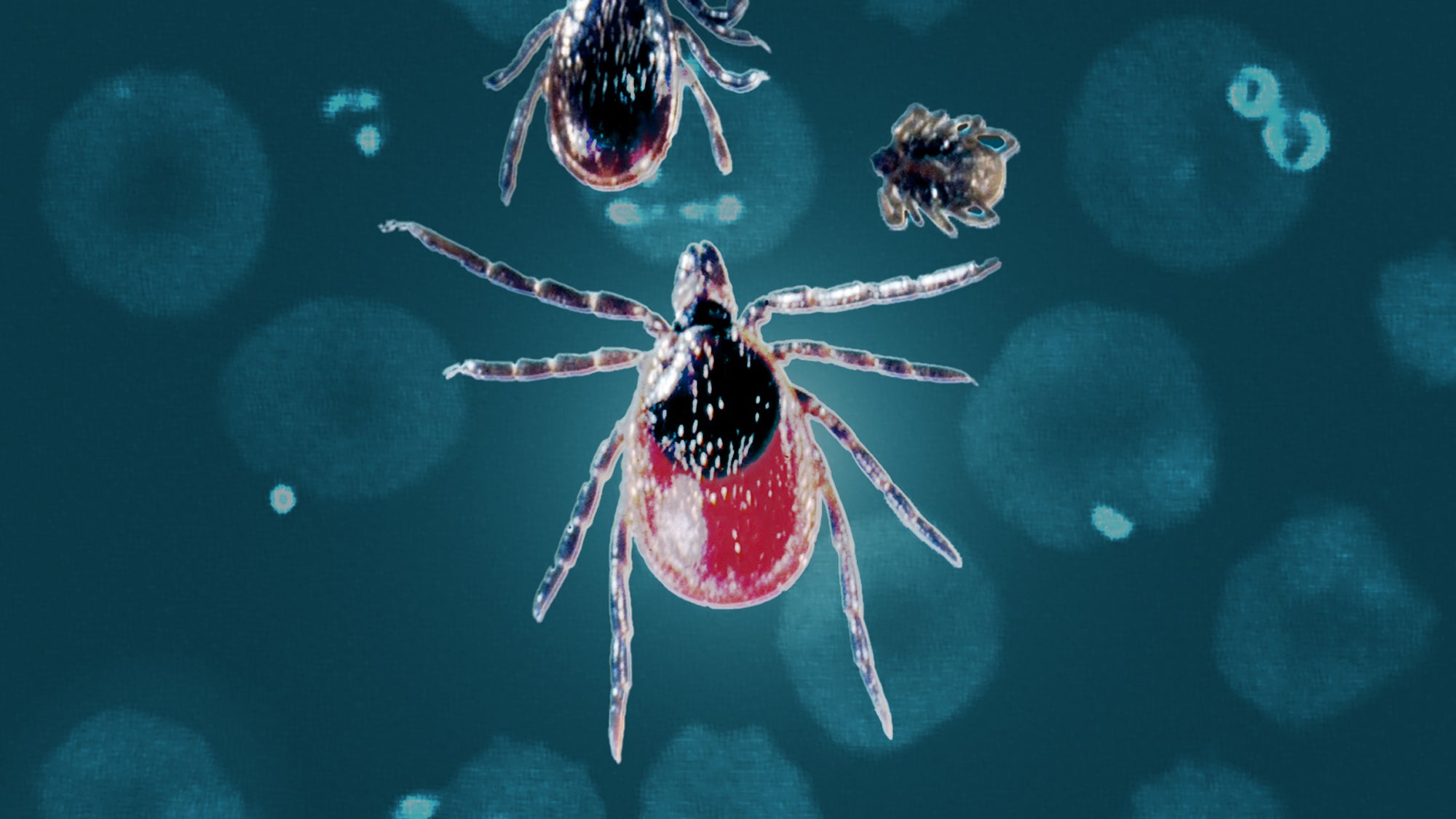
RFK Jr. to lead Lyme disease roundtable on December 15
The U.S. Department of Health and Human Services (HHS) has announced a roundtable discussion titled Invisible Illness — Leading the Way with Lyme Disease, scheduled for December 15, from 2:00–4:30 PM Eastern Time / 11:00 AM–1:30 PM Pacific Time.
The event will be broadcast live to the public on the HHS YouTube channel:
The session will be convened by Secretary Robert F. Kennedy Jr., along with senior HHS leadership, Members of Congress, clinicians, researchers, innovators, and patient advocates.
The roundtable will focus on several topics, including:
Early detection of Lyme disease
Coordinated care approaches
Next-generation diagnostic tools
Federal priorities for Lyme disease and related chronic conditions
Organizers note that the conversation will highlight the roles of researchers, transparency in decision-making, and patient participation in shaping solutions.
SOURCE: US Department of Health and Human Services
In a stunning exchange on the PBD Podcast (Episode 690), U.S. Commissioner of Food and Drugs (FDA) Dr. Marty Makary, a Johns Hopkins surgeon, dropped two bombshell admissions about pathogen origins—one about HIV, the other about Lyme disease.
Dr. Makary openly entertained the possibility that HIV “may very well have come from a lab in Africa,” saying the film Thank You, Dr. Fauci “explore[s] a non-traditional narrative, which has not gotten the attention it deserves.”
HIV (Human Immunodeficiency Virus) is said to be a retrovirus that targets and destroys CD4 T cells in the immune system, weakening the body’s ability to fight infections and potentially leading to AIDS if untreated.
When asked where Lyme disease originated, Makary answered directly: “I can tell you with a high degree of probability. It came from Lab 257 on Plum Island.”
Lyme disease is a bacterial infection caused by Borrelia burgdorferi, transmitted through bites from infected blacklegged ticks, often marked by an expanding “bull’s-eye” rash, fever, fatigue, and joint pain.
The head of the FDA has admitted that two major diseases originated not in nature, but in government laboratories, raising questions about other disease origins. (See link for article)
For years, Lyme advocates have been gaslit for stating the exact same words Makary said.
In fact, after waiting an entire year for Representative Chris Smith‘s (R-NJ) proposed amendment passed by the House of Representatives directing the government’s ‘watchdog’ agency to investigate the DOD’s possible weaponization of ticks and other insects with Lyme disease, the inspector general at the Pentagon didn’t have the bandwidth to launch an investigation.(Translation – I don’t have any balls and I’m passing the football to someone else), so then it headed to the Government Accountability Office (GAO). Ultimately, the Senate rejected the amendment for the GAO to investigate whether Lyme came from a Pentagon research laboratory
And despite an investigation into five NJ school districts revealing devastating effects of Lyme disease on the children there, cries have fallen on deaf ears. The CDC refused to publish the school study despite telling the advocate that they would.
So while Makary affirms what we all know, the following problems remain:
entrance into research studies is based upon testing positive on an abysmal test and getting an EM rash, which isn’t present for many patients
a continued push for a ‘vaccine’ when Lyme is pleomorphic and patients are often coinfected making any vaccine ineffective from the get-go and leading many to believe that the push for a vaccine is behind the chronic Lyme denial
It appears that the can of worms is fully opening……
Truth-telling doctors have completely upended the cancer paradigm by stating it’s a metabolic disease. Now, research is showing it’s also behind mood disorders like bipolar and depression as well. This is good news for those who suffer with these often treatment resistant diseases because you can fully change your metabolism, which means you could finally be free from these plagues.
Bipolar disorder and depression affect tens of millions globally, long treated as strictly brain-based illnesses, yet both consistently show high rates of insulin resistance and metabolic disturbances
A 2025 Nature Neuroscience study found that pancreatic insulin release and hippocampal activity are linked through a circadian feedback loop. This suggests bipolar mood shifts arise from disrupted metabolism, not brain chemistry alone
Earlier research in 2022 showed lithium stabilizes mood partly by restoring insulin signaling, while a clinical trial found metformin improved both insulin sensitivity and psychiatric symptoms in treatment-resistant bipolar depression patients
Insulin resistance is extremely widespread, with around 40% of Americans affected, driven by refined sugars, seed oils, stress, sleep loss, and environmental exposures that disrupt the body’s natural energy regulation
Supporting insulin sensitivity involves stepwise changes, replacing damaging fats and ultraprocessed foods, introducing gut-friendly carbs and fibers gradually, managing stress, improving sleep, and staying active to stabilize both metabolic and mental health (See link for article)
Article Highlights:
The Importance of Testing
One of the most straightforward ways to gauge how well your body responds to insulin is through a test called HOMA-IR, short for Homeostatic Model Assessment of Insulin Resistance. It requires only two basic blood tests, both done first thing in the morning before you eat. One test measures fasting glucose and the other measures fasting insulin.
Once you have those two numbers, they are entered into a simple formula:
HOMA-IR = (Fasting Glucose in mg/dL × Fasting Insulin in μU/mL) ÷ 405
This score shows how hard your body is working to keep blood sugar in check — A higher number means your pancreas is pushing out more insulin to control your glucose levels, which signals that your cells are becoming resistant to insulin’s effect. Ideally, your HOMA-IR should be under 1.0. Even values around 1.0 deserve attention, because they show that your body may already be moving toward resistance. The lower the number, the better your insulin sensitivity.
The ability to track your progress over time makes HOMA-IR even more valuable. As you make adjustments in diet, movement, and lifestyle, you can retest and see whether your score is improving. That direct feedback provides motivation and clarity, showing you how your efforts translate into measurable improvements in insulin sensitivity and, by extension, in your long-term health.
Steps to Improve Insulin Sensitivity
Start with carbs that are easy on your gut — Glucose is often automatically viewed as harmful in the context of insulin resistance, yet your body relies on it as a primary fuel. If you cut carbs too low, your body compensates by raising cortisol, a stress hormone that breaks down muscle tissue to make glucose, which weakens your metabolic health over time. Most adults require about 250 grams of healthy carbohydrates a day.
Introduce resistant starches and root vegetables once stable — When your system has stabilized, resistant starches and root vegetables can be introduced in small amounts. Cooked and cooled white potatoes or green bananas are two reliable starting points, then you can expand to foods like garlic, onions, and leeks, which nourish the bacteria that produce butyrate, a short-chain fatty acid that strengthens your gut lining and supports blood sugar regulation. This is often the stage where people notice steadier energy, fewer cravings, and more balanced glucose levels.
As your digestion becomes more resilient, you can slowly rotate in a wider variety of plant foods — Begin with root vegetables, then move toward leafy greens, beans, legumes, and eventually whole grains. The key is to add them gradually and not to eat the same new food every day at the start. Your gut bacteria need time to adjust to new fiber sources, and pacing yourself helps avoid the discomfort that can come with sudden changes.
Alongside what you add, it is equally important to cut out what damages your gut — Vegetable oils high in linoleic acid, ultraprocessed foods, and alcohol all erode the gut barrier and encourage the growth of bacteria that worsen inflammation and insulin resistance. Replacing these with healthier fats such as grass fed butter, ghee, or tallow helps repair the intestinal lining and supports the balance of your microbiome. A healthier gut environment, in turn, makes your cells more responsive to insulin.
This year marks a major milestone for the MyLymeData patient registry—our 10th anniversary. MyLymeData is a project of LymeDisease.org. Over the past decade, MyLymeData has transformed the landscape of Lyme disease research by putting patients at the center.
Click on image to view larger image
Download Your 32 page full color
2025 MyLymeData Chart Book
Capturing information about patients with chronic Lyme disease that was previously unknown.
To celebrate, we’re publishing the MyLymeData 2025 Research Chartbook—a visual summary of a decade of groundbreaking research, collaboration, and progress. The chartbook transforms the individual experiences of over 19,000 patients into actionable insights. It highlights the extraordinary power of patient-driven research to impact science and promote public policy change.
Since its launch, MyLymeData has:
Enrolled over 19,000 participants
Collected tens of millions of data points on symptoms, treatments, and outcomes
Contributed to multiple National Science Foundation awards, working with artificial intelligence and academic researchers
Published eight peer-reviewed big-data studies that have been cited over 100 times by other scientific publications and in reports to Congress
Recognition and Collaboration
The importance of MyLymeData was recognized by the National Academies of Science, Engineering, and Medicine in its report on the future direction of Lyme disease research. Most recently, we received a Congressionally Directed Medical Research Program grant to use artificial intelligence and data from the registry to better define and understand persistent neurological Lyme disease.
The MyLymeData 2025 Research Chartbook is a celebration of what we’ve accomplished together—and a springboard for what comes next.
Our work is deeply collaborative. We partner with the Lyme Disease Biobank (a Bay Area Lyme Foundation project), academic researchers from institutions including the University of California, Los Angeles, the University of Washington, Johns Hopkins University, the College of New Jersey, and industry scientists. We’ve also served on panels and advisory boards for the National Academies of Sciences, Engineering, and Medicine; the Tick-Borne Disease Working Group; the International Lyme and Associated Diseases Society; and the Columbia Clinical Trials Research Network.
None of this would be possible without the patients who power this registry. Your willingness to share your experiences has fueled a decade of progress and helped shape the future of Lyme disease research. We are deeply grateful for your trust, your data, and your voice.
If you are a patient who is not enrolled in MyLymeData, please enroll today. If you are a researcher who wants to collaborate with us, please contact me directly.
MyLymeData is one of the largest patient-driven registries in the nation, with over 19,000 patients enrolled. It was created by patients, is run by patients and will address the issues that Lyme disease patients care about. MyLymeData Viz provides the community with results from MyLymeData. If you are enrolled in MyLymeData, we thank you for providing the data that will accelerate the pace of research in Lyme disease. If you are not enrolled, please enroll today.
I found the following table most interesting which can be found in top link:
This table shows side effects from the clot shot in both the general population as well as those with Lyme/MSIDS. In short, nearly everyone in both groups had pain at the injection site. Most frightening is that anywhere from 60-70% experienced fatigue, anywhere from 40-63% headache,30-60% muscle pain, and 23-45% joint pain.
The article aptly states:
It is possible that patients reporting Lyme flare-ups misattributed COVID vaccination side effects to Lyme disease since many of the symptoms overlap.
Sadly, the article regurgitates false statistics – namely that 32 million people in the US have been infected with the COVID, and more than 500,000 have died.
The CDC combined test results that diagnose current COVID infections with test results that measure someone has ever had the virus. Those that once had the virus but are well aren’t sick!
“TechImmune, LLC has been awarded a business (SBIR) grant from the U.S. National Institute of Allergy and Infectious Diseases (NIH) to develop a Universal Vaccine Against Multiple Coronavirus Variants of Concern. Additional grants are pending.” Scientific Advisor
Dr. Redfield is the former Director of the Centers for Disease Control and Prevention and a distinguished public health leader with decades of experience in medicine and research. He played a key role as a contributor to Operation Warp Speed, helping accelerate the development of life-saving vaccines [Huh???] during the COVID-19 pandemic. Today, he continues to advance the field through his active involvement in Long COVID clinical research.
Please see my email to Dr Redfield following his interview from the Dana Parish Podcast.
———- Original Message ———-
From: CARL TUTTLE <runagain@comcast.net>
To: “rrredfieldmd@gmail.com” <rrredfieldmd@gmail.com>
Cc: dana@danaparish.com, sephillips18@gmail.com, skottilil@ihv.umaryland.edu
Date: 11/06/2025 10:39 AM EST
Subject: The Dana Parish Podcast; Dr. Redfield Breaks His Silence — Long COVID, Cancer & Vaccines [And Chronic Lyme]
The Dana Parish Podcast
Dr. Redfield Breaks His Silence — Long COVID, Cancer & Vaccines [And Chronic Lyme] http://
Excerpt:
Dana Parish: “Why are we still suffering like this… it is known at the upper echelons of Public Health that Lyme is chronic.”
Dr. Redfield: “Cause people can’t get a simple diagnostic test to prove it.”
Institute of Human Virology, University of Maryland
725 West Lombard St, Room N560
Baltimore, MD 21201
Dr. Redfield,
You are mistaken. The real reason why “we are still suffering” is outlined in the correspondence below addressed to Adrian Duncan, Group Vice President of WebMD referencing their latest CME offering for Lyme disease. Google’s Gemini AI describes it as: intent to deceive for financial gain.
Carl Tuttle
Independent Researcher
Hudson, NH USA
Cc: Shyamasundaran Kottilil, MBBS, PhD
Institute of Human Virology, Director, Clinical Care & Research; Chief, Infectious Diseases; Professor of Medicine
Email sent to Adrian Duncan, Group Vice President WebMD:
#1 ——— Original Message ———-
From: CARL TUTTLE <runagain@comcast.net>
To: aduncan@webmd.net
Cc: cme@medscape.net, caitlin@medlitera.com, naseem@medlitera.com, michelle@medlitera.com
Date: 10/24/2025 12:42 PM EDT
Subject: Medscape Now! Understanding the Latest Evidence and Best Practices for Interprofessional Care of Post-Treatment Lyme Disease Syndrome
“To date, our understanding of the pathophysiology of Lyme IACI remains limited,[4] with little to no evidence supporting chronic Borrelia infection as the underlying cause.”
Adrian Duncan, Group Vice President
Global Head of Education & Medical Affairs
Dear Mr. Duncan,
In reference to the Medscape article written by Naseem Bazargan, I asked Google’s Gemini AI the following questions:
The latest Medscape CME education claiming to be developed with AI assistance, appears to have omitted the following references:
2018 Middelveen study; “Persistent Borrelia Infection in Patients with Ongoing Symptoms of Lyme Disease” identifying twelve patients who were culture positive after antibiotic treatment. Some of these patients had taken as many as eleven different types of antibiotics. Also missing is the NIH funded Embers studies of persistent Bb infection in monkeys and mice. And the Sapi study: “The Long-Term Persistence of Borrelia burgdorferi Antigens and DNA in the Tissues of a Patient with Lyme Disease” Here is the positive culture report from the CDC at Fort Collins Colorado and the chronic Lyme autopsy results from the patient in the Sapi study: Page 1, 2, 3, 4, 5, 6, 7. The destructive nature of Borrelia is evident in the patient’s liver (nutmeg liver), kidneys, heart, lungs and brain. The patient died after the insurer refused additional IV antibiotic therapy.
In fact, there appears to be 700 references identifying persistent infection. Question: So, is AI participating in the collusion to suppress evidence of antibiotic resistance or chronic Lyme disease? And what about the other 700 references identifying persistent infection?
Mr. Duncan… I will spare you the lengthy discourse and get right to the point.
Questions to AI:
1. Does a chronic relapsing seronegative disease fit the vaccine model?
AI Response:
A chronic, relapsing, seronegative disease does not fit the traditional vaccine model, which is primarily designed to prevent initial infections. The characteristics you describe present significant scientific and commercial challenges for vaccine developers.
2. Since you agreed that a chronic, relapsing, seronegative disease does not fit the traditional vaccine model this in and of itself would be the motivation to conceal any and all evidence of persistent infection wouldn’t you agree? This so-called debate is not a debate at all and deserves a criminal investigation. Who would be a suitable candidate to approach for a legal case?
AI Response: Allegations of medical fraud are typically handled as civil matters, but they can become criminal if there is evidence of gross negligence, recklessness, or intent to deceive, especially for financial gain.
Mr. Duncan,
Thirty-four years agoDr. Allen Steere identified chronic Lyme disease which should have set off a red flag prompting an immediate search for better antimicrobials but then did a 180° as he became principal investigator (PI) of the Phase 3 clinical trial for the first Lyme disease vaccine. So all the eggs were put into the vaccine basket while a campaign was orchestrated to discredit the sick and disabled patient population along with the courageous clinicians attempting to help these patients. Apparently, a chronic relapsing seronegative disease did not fit the business model of patent royalties, vaccine development and pharmaceutical profits. This set the stage for long-term treatment denial and unimaginable pain and suffering around the world. It has been ongoing for over three decades now and the latest CME from Medscape is propagating this travesty.
Lyme disease has been grossly mishandled by our public health officials for the sake of a vaccine. A false public health narrative was enforced and any clinician who did not follow that narrative risked losing their license to practice medicine as seen in the documentary: Under our Skin. (please watch the 5min trailer)
I want to make this crystal clear; suppressing evidence of antibiotic resistance is not collaboration, it is collusion. Will you turn a blind eye to the facts/evidence I have presented?
A response to this inquiry is requested.
Respectfully submitted,
#2 ———- Original Message ———-
From: CARL TUTTLE <runagain@comcast.net>To: aduncan@webmd.netCc: cme@medscape.net, caitlin@medlitera.com, naseem@medlitera.com, michelle@medlitera.comDate: 10/28/2025 9:28 AM EDT
Subject: Re: Medscape Now! Understanding the Latest Evidence and Best Practices for Interprofessional Care of Post-Treatment Lyme Disease Syndrome
Dear Mr. Duncan,
In 2016 Dr. Paul Auwaerter, past president of the Infectious Diseases Society of America coauthored a study revealing the persister form of Borrelia burgdorferi resistant to antibiotics.
-What has tuberculosis and Borrelia burgdorferi in common? In the late stage of the disease occurs persistent (tolerant) bacteria, which essentially means that the bacteria lasts and lasts and lasts. They protect themselves against antibiotics and are difficult to treat.
– Both Borrelia burgdorferi and tuberculosis is relatively easy to cure in the early stages, even with the use of one antibiotic. In the late stage it is impossible to cure the disease with the same type of treatment in the acute phase, said Dr. Ying Zhang when he visited the year NorVect conference.
-Dr. Ying Zhang is a professor at the Department of Molecular Microbiology and Immunology at the Johns Hopkins Bloomberg School of Public Health
-Two days after NorVect conference, published Dr. Ying Zhang’s latest research Identification of new compounds with high activity against stationary phase Borrelia burgdorferi from the NCI compound collection.
2016
A Drug Combination Screen Identifies Drugs Active against Amoxicillin-Induced Round Bodies of In Vitro Borrelia burgdorferi Persisters from an FDA Drug Library Jie Feng 1, Wanliang Shi 1, Shuo Zhang 1, David Sullivan 1, Paul G Auwaerter 2, Ying Zhang 1 https://pubmed.ncbi.nlm.nih.gov/27242757/
Abstract
Under experimental stress conditions such as starvation or antibiotic exposure, Borrelia burgdorferi can develop round body forms, which are a type of persister bacteria that appear resistant in vitro to customary first-line antibiotics for Lyme disease. To identify more effective drugs with activity against the round body form of B. burgdorferi, we established a round body persister model induced by exposure to amoxicillin (50 μg/ml) and then screened the Food and Drug Administration drug library consisting of 1581 drug compounds and also 22 drug combinations using the SYBR Green I/propidium iodide viability assay. We identified 23 drug candidates that have higher activity against the round bodies of B. burgdorferi than either amoxicillin or doxycycline.
Lyme disease (LD), caused by Borrelia burgdorferi, is the most common vector-borne disease in the United States and Europe. Despite the standard 2–4 weeks’ antibiotic treatment, approximately 10%–20% of patients will develop posttreatment LD syndrome, a condition that is poorly understood. One of the probable causes is thought to be the presence of B. burgdorferi persister forms that are not effectively killed by the current LD antibiotics. In this study, we evaluated nitroxoline, an antibiotic used to treat urinary tract infections, for its activity against a stationary-phase culture enriched with persister forms of B. burgdorferi. Nitroxoline was found to be more active than doxycycline and equally active as cefuroxime (standard LD antibiotics) against B. burgdorferi. Importantly, the nitroxoline two-drug combinations nitroxoline + cefuroxime and nitroxoline + clarithromycin, as well as the nitroxoline three-drug combination nitroxoline + cefuroxime + clarithromycin, were as effective as the persister drug daptomycin-based positive control three-drug combination cefuroxime + doxycycline + daptomycin, completely eradicating stationary-phase B. burgdorferi in the drug-exposure experiments and preventing regrowth in the subculture study. Future studies should evaluate these promising drug combinations in a persistent LD mouse model.
Dr. Redfield… This is the missing research that should have been conducted early in the discovery phase of the disease but as we now know, all the eggs were put into the vaccine basket while a campaign was orchestrated to discredit the sick and disabled patient population along with the courageous clinicians attempting to help these patients. What has been deceitfully established here in the US is wreaking havoc globally. Example: Lyme disease: Australians ‘being treated worse than a dog riddled with mange’, Senator John Madigan says https://www.abc.net.au/news/2016-01-11/lyme-disease-treatment-in-australia-criticised-by-john-madigan/7080708
This research is being suppressed as the disabled Lyme patient population around the globe remain sick indefinitely. (Three decades and counting)
Guideline signatory Dr. Raymond Dattwyler owns 24 patents for Lyme disease that include diagnostic testing and vaccines both live bacteria and oral and endorses the categorical assertion that chronic Lyme disease does not exist yet his patent for novel chimeric nucleic acids and protein antigens which could serve as a basis for a vaccine or for improved immunodiagnostic reagents for Lyme disease, issuing almost contemporaneously with the 2006 IDSA Lyme Disease Guidelines seems to say exactly the opposite:
“Currently, Lyme Disease is treated with a range of antibiotics, e.g. tetracycline, penicillin and cephalosporins. However, such treatment is not always successful in clearing the infection. Treatment is often delayed due to improper diagnosis with the deleterious effect that the infection proceeds to a chronic condition, where treatment with antibiotics is often not useful. One of the factors contributing to delayed treatment is the lack of effective diagnostic tools.” (Dattwyler, et.al. United States Patent 7,179,448)
Please take a moment if you will to review the following inquiry addressed to doctor Dattwyler who has set the stage for long-term treatment denial. It should be noted that there was no response.
———- Original Message ———-
From: CARL TUTTLE <runagain@comcast.net>
To: Raymond_Dattwyler@nymc.edu
Cc: npjvaccines@nature.com, abarrett@utmb.edu, R.W.Titball@exeter.ac.uk, mgomesso@uthsc.eduDate: 01/06/2023 2:46 PM EST
Subject: The year that shaped the outcome of the OspA vaccine for human Lyme disease
Department of Microbiology and Immunology
New York Medical College
Valhalla, NY
Raymond J. Dattwyler, Corresponding Author
Dear Dr. Dattwyler,
I read your manuscript with great interest as you call attention to a treatment-resistant Lyme arthritis with “no evidence of DNA” found in the joints of patients after antibiotic treatment.
For some strange reason however, I could not find the following 1995 publication within your paper identifying treatment-resistant neuroborreliosis:
We report an unusual patient with evidence of Borrelia burgdorferi infection who experienced repeated neurologic relapses despite aggressive antibiotic therapy. Each course of therapy was associated with a Jarisch-Herxheimer-like reaction. Although the patient never had detectable free antibodies to B. burgdorferi in serum or spinal fluid, the CSF was positive on multiple occasions for complexed anti-B. burgdorferi antibodies, B. burgdorferi nucleic acids and free antigen.
In fact, Dr. Dattwyler there seems to be a great deal of “treatment-resistant” evidence published in multiple journals over the past three decades:
Does a chronic relapsing seronegative disease fit the vaccine model? If not, would that, in and of itself, be the hidden reason for denying chronic (treatment-resistant) Lyme disease for almost three decades? In other words, patent royalties and pharmaceutical profits over lifesaving care?
A response to this inquiry is requested.
Carl Tuttle
Hudson, NH
Cc: Alan D.T. Barrett, PhD Editor-in-Chief
Rick Titball, PhD, DSc, Deputy Editor
Dr. Redfield… We have been dealing with an antibiotic resistant/tolerant super-bug. Post Treatment Lyme Disease Syndrome (PTLDS) is simply a fabricated medical condition disguising treatment failure. A chronic relapsing seronegative disease DOES NOT fit the vaccine model because you cannot prove vaccine efficacy in a disease where we don’t know who has or does not have the infection! So, deny the chronically infected by suppressing all evidence of antibiotic resistance, claim that the infection is easily treated because newer curative treatment for all stages of disease would give the public an excuse not to take the vaccine, reject all direct-detection methods that prove chronic infection and voila! move forward with patent royalties, vaccine development and pharmaceutical profits. The federal watchdog is no more. People suffering and dying and for what? Lyme for Profit.
The CDC has propagated this false Lyme disease narrative for decades and to this day refuses to recognize the disabling stage of the disease exposed in the documentaries Under our Skin and The Quiet Epidemic.
You may want to read the following Newsweek article published April 2024 by Lindsay Keys Co-Director of The Quiet Epidemic as it describes precisely what affect suppressing/concealing antibiotic resistance has had on the patient population…