Archive for the ‘Ticks’ Category

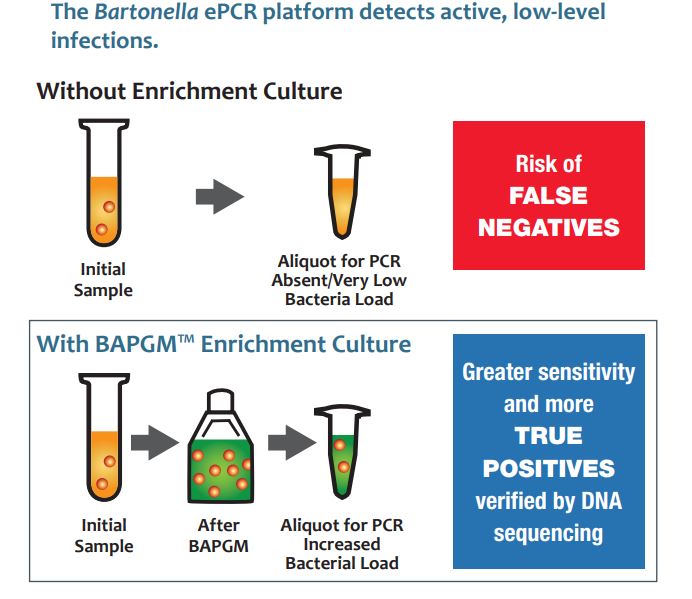
Breaking Down the Baronella Spp. ePCR Triple Blood Draw: How Does It Work?

https://www.galaxydx.com/bartonella-epcr-steps/

Breaking down the Bartonella spp. ePCR Triple Blood Draw: How does it work?

The ‘Tick Act’ Should Aid Fight Against Lyme Disease, But Will Congress Pass It? And, Will More Tax-Payer Money Go to ‘The Cabal’?

https://www.change.org/p/the-us-senate-calling-for-a-congressional-investigation-of-the-cdc-idsa-and-aldf/

The ‘Tick Act’ should aid fight against Lyme disease, but will Congress pass it?

JUN 12, 2019 — 

Today’s letter to Rep Smith with Cc: to the Tick-Borne Disease Working Group.

Lyme Bumper Stickers (Public Service Announcement)
https://www.ebay.com/itm/123659578861

WAKE UP AMERICA!

——— Original Message ———-
From: CARL TUTTLE <runagain@comcast.net>
To: chris.smith@mail.house.gov
Cc:  tickbornedisease@hhs.gov  (97 Undisclosed Recipients)
Date: June 12, 2019 at 8:51 AM
Subject: The ‘Tick Act’ should aid fight against Lyme disease, but will Congress pass it?

The ‘Tick Act’ should aid fight against Lyme disease, but will Congress pass it?

Jerry Carino, Asbury Park Press June 11, 2019

https://www.app.com/story/news/health/2019/06/11/lyme-disease-congress-pass-tick-act/1410038001/?fbclid=IwAR1u_z0fKsX1CIx0gh6_ymu56T1UZEG8h7louZK3eKtcupYzPcEV2CHsCw4

June 12, 2019

U.S. Congressman Chris Smith   chris.smith@mail.house.gov
2373 Rayburn House Office Building
Washington, D.C. 20515

Dear Rep. Smith,

Is there a provision within the Tick Act to restrict research funds from the con artists who have characterized Lyme as a simple nuisance disease (Hard to catch and easily treated)?

Like untreated strep throat, Lyme has the ability to ruin lives with irreversible damage all of which has been hidden from the public for the past forty years as Lyme has been portrayed as hard to catch and easily treated with a one-size-fits-all IDSA treatment guideline.

The one-size-fits-all IDSA treatment guideline does not scratch the surface for a Borrelia infection misdiagnosed and untreated for years or decades and up to two-thirds of individuals infected with B. burgdorferi will fail conventional 30-year-old antibiotic therapy for Lyme disease. [1] This growing class of Lyme patient has been ignored by the CDC, IDSA and American Lyme Disease Foundation as the focus has always been on the acute stage of Lyme disease with bulls-eye rash after early treatment. [2]Patients who fail treatment are kicked to the curb and told they have “Medically Unexplained Symptoms” [3] while ignoring the large body of evidence that we have been dealing all along with an antibiotic resistant/tolerant superbug. [4]

Quote from Dr. Willy Burgdorfer: “The controversy in Lyme disease research is a shameful affair. And I say that because the whole thing is politically tainted. Money goes to people who have, for the past 30 years, produced the same thing—nothing. [5]

Previous NIH funding for Lyme was under the direction of Edward McSweegan and Philip Baker. Corrective action: The NIH should suspend all funding to researchers with a bias against persistent Borrelia infection particularly those who have been named in the Texas racketeering lawsuit [6] who continue to use taxpayer dollars to fund their ongoing racketeering/propaganda scheme.

There needs to be an immediate shutdown of the “open checkbook” handed to Dr. Gary Wormser by the US Centers for Disease Control (Funding: RO1 CK 000152) with his unethical fixation on the acute stage of disease purposely avoiding the advanced stage which hides the horribly disabled.

Complaint filed with the Office of Research Integrity:

https://www.dropbox.com/s/94jv3w2hb0z9lv7/Email%20sent%20to%20the%20Office%20of%20Research%20Integrity.docx?dl=0

Here is the short list of con artists who were also coauthors of the deplorable Lancet article, Lyme disease antiscience. [7]

Defendants in the RICO lawsuit: (There are many more researchers to be included in this short list)

1.      GARY P. WORMSER

2.      RAYMOND J. DATTWYLER,

3.      EUGENE SHAPIRO

4.      JOHN J. HALPERIN

5.      LEONARD SIGAL

6.      ALLEN STEERE

Put an end to the favoritism in research funding for Lyme at the NIH or are we going to experience yet another decade of unimaginable pain and suffering.

Respectfully submitted,

Carl Tuttle

Lyme Endemic Hudson, NH

References:

1. Lyme disease: the promise of Big Data, companion diagnostics and precision medicine

https://www.dovepress.com/lyme-disease-the-promise-of-big-data-companion-diagnostics-and-precisi-peer-reviewed-article-IDR

2. Subjective symptoms after treatment of early Lyme disease(WORMSER)

https://www.ncbi.nlm.nih.gov/pubmed/20102996

3. Eugene Shapiro, MD, on suspected Lyme disease

https://www.youtube.com/watch?v=nkO3q0ahVow

4. 700 Citations- Persistent Lyme Disease

https://www.dropbox.com/s/lbnye1u0ifsjzu3/700%20Citations-%20Persistent%20Lyme%20Disease.pdf?dl=0

5. Prof. Willy Burgdorfer Talks About Lyme Disease

https://www.youtube.com/watch?v=dCnrUmAPcOE

6. Texas racketeering lawsuit

https://www.dropbox.com/s/18uyrli878ug51m/LymeDisease%20RICO%20Lawsuit.pdf?dl=0

7. Lyme disease antiscience

http://www.thelancet.com/journals/laninf/article/PIIS1473-3099(12)70054-3/fulltext

____________________

**Comment**

Tuttle raises a solid point – that the SAME researchers are given tax dollars to continue the SAME research on the acute phase with very strict parameters as entrance into the study (have to have EM rash & test positive on their abysmal serology testing)

And in the words of Burgdorfer: “Money goes to people who have, for the past 30 years, produced the same thing—nothing.” [5]

The other glaring issue with mainstream research is they have rarely if ever discussed concurrent infection, which is the reality for thousands and thousands of patients:  https://madisonarealymesupportgroup.com/2017/10/28/lyme-wars-part-5-coinfections/

We even know ticks are coinfected with numerous things. It only follows they will transmit these things to us:  https://madisonarealymesupportgroup.com/2017/05/01/co-infection-of-ticks-the-rule-rather-than-the-exception/

https://madisonarealymesupportgroup.com/2019/04/24/tick-data-76-infected-with-one-organism-20-have-three-or-more-pathogens/

OUR CURRENT RESEARCH SHOWS:
  • 76% of ticks tested have at least one disease causing organism
  • 49% are co-infected with two or more organisms
  • 20% carry three or more
  • 9% of the ticks tested carry four or more

https://madisonarealymesupportgroup.com/2019/04/26/three-strains-of-borrelia-other-pathogens-found-in-salivary-glands-of-ixodes-ticks-suggesting-quicker-transmission-time/  Concurrent infection within ticks most probably allows for quicker transmission times to humans.  Something that isn’t being touched with a 10-foot pole.

https://madisonarealymesupportgroup.com/2017/05/18/powassan-and-bb-infection-in-wisconsin-and-u-s-tick-populations/

Nobody has a bead on what a patient looks like who has 2 or more tick-borne illnesses. They continue to push this into a 2 minute sound bite.


Florida Wildlife Officer With Lyme Disease Opens Up About Living With Tick-borne Illness

https://www.foxnews.com/health/florida-wildlife-officer-lyme-disease-ticks

Florida wildlife officer with Lyme disease opens up about living with tick-borne illness

When it comes to living with Lyme disease, an officer with the Florida Fish and Wildlife Conservation Commission (FWC) wasn’t afraid to be candid about how the tick-borne illness —  which he says he contracted while on the job —  has affected him.

Officer Lee Lawshe recently told local news station News4Jax about the disease he said changed his life forever.

The wildlife officer said he lived with the illness for years before he was formally diagnosed with the disease, which is primarily caused by two types of bacteria —  Borrelia burgdorferi and Borrelia mayonii — in the U.S., specifically, according to the Mayo Clinic. Lawshe received the diagnosis in 2018.

He told the news station he will live with the disease for the rest of his life due to the length of time it took to receive an official diagnosis. (Some patients who contract the disease may at first receive a negative blood test for Lyme disease, per the Centers for Disease Control and Prevention.)

KENTUCKY TODDLER’S TICK BITE LED TO RARE DISEASE, MOM WARNS: ‘I WOULDN’T WISH THIS UPON MY WORST ENEMY’

Though Lawshe told News4Jax he takes medication for the disease, there are days where he has trouble getting out of bed. Last year, he had to take half a year off of work due to the severity of his symptoms.

“It’s really just turned our lives upside down,” Lawshe told the outlet. “I used to do whatever I wanted to, whenever I wanted to.”

Lawshe spends a lot of time outdoors for his job. Some days, he will come home with numerous ticks on his body.

“I’ll go in the woods and pull 100 ticks off me. My wife sits and picks [ticks] off, 40 or 50 at a time. Do I get them all? Maybe, maybe not,” he said.

According to the Mayo Clinic, those who spend time in “grassy and heavily wooded areas” are more likely to contract Lyme disease, which is curable with antibiotics, especially if caught early.

“Most patients who are treated in later stages of the disease also respond well to antibiotics, although some may have suffered long-term damage to the nervous system or joints,” the CDC added.

Early symptoms of the disease include a rash at the infected tick bite site as well as fever, chills, fatigue, headache, body ache and other flu-like symptoms, per the Mayo Clinic.

Those with Lyme disease may also later develop a rash on other areas of the body, joint pain and even neurological problems such as meningitis and numbness in the limbs. Some infected can also experience severe fatigue and eye inflammation, according to the medical facility.

In a statement to News4Jax, the FWS said it’s taking “all preventative measures including the use of enhanced repellants.”

“We stand behind our employees and will do anything we can to support them and ensure their well-being,” it added.

**Comment**
The presentations of Lyme symptoms are wide and variable – with many never getting a rash at all.  https://madisonarealymesupportgroup.com/2019/03/26/formally-challenging-cdc-advice-on-lyme-disease-rashes/  It does not take 36-48 hours of tick attachment to get Lyme:  https://madisonarealymesupportgroup.com/2017/04/14/transmission-time-for-lymemsids-infection/
Lyme is everywhere and and has been found in every single state. Telling people where Lyme is and where it isn’t has been killing people for over 40 years:
It is true that working outdoors increases your risk as well as having pets that go outdoors.  Prevention needs to be taken as seriously as a heart-attack. 
And while ticks are certainly a big part of this issue, many feel there are other routes of transmission:  https://madisonarealymesupportgroup.com/2019/05/24/microbiology-professor-im-convinced-lyme-disease-is-transmittable-from-person-to-person/

Emerging Tickborne Illnesses: Beyond Lyme Disease

https://www.clinicaladvisor.com/home/topics/infectious-diseases-information-center/emerging-tickborne-illnesses-beyond-lyme-disease/

Emerging Tickborne Illnesses: Beyond Lyme Disease

With more than 30,000 cases diagnosed per year, Lyme disease is the most commonly reported vector-borne illness in the United States, and in 2015 it was the sixth most common nationally notifiable disease.

Tickborne diseases in the United States are a significant public health problem, and in the past 50 years scientists have detected at least a dozen new such infections. With more than 30,000 cases diagnosed each year, Lyme disease is the most commonly reported vector-borne illness in the United States, and in 2015 it was the sixth most common nationally notifiable disease.1

Due to increased education and recognition, most practitioners are familiar with the symptomatic presentation of Lyme disease. In stage 1, patients usually exhibit the classic erythematous expanding annular “bulls-eye” rash known as erythema migrans, and approximately 50% experience constitutional flu-like symptoms. In stages 2 and 3, or disseminated Lyme disease, patients may present with Bell’s palsy or other cranial nerve deficits, arthritis, peripheral neuropathies, and cardiac manifestations such as transient heart block and carditis.

Borrelia burgdorferi, the spirochete that causes Lyme disease, is not the only pathogen spread by the deer tick Ixodes scapularis in the northeastern United States:

  • Babesia microti, the agent of babesiosis, and
  • Anaplasma phagocytophilum, the agent of human granulocytic anaplasmosis (HGA; formerly human granulocytic ehrlichiosis) are asserting a presence in similar geographic regions. Coinfection with these organisms is possible.
  • Human monocytic ehrlichiosis (HME), caused by Ehrlichia chaffeensis, is another emerging tickborne disease with similar geography to HGA.

The incidence of babesiosis, HGA, and HME is increasing, and the geographic areas for their tick vectors are expanding. HME and HGA can be serious infections with high rates of hospitalization and complications, particularly when diagnosis or treatment is delayed.

Epidemiology

Babesia microti is the predominant protozoan cause of babesiosis in the United States; occasional sporadic cases of babesiosis caused by other species have been reported. Babesiosis is transmitted by the bite of an infected I scapularis (commonly known as the black-legged or deer tick) (Figure 1), usually in the nymphal or adult stage. The primary carrier of Babesia are white-footed mice, although it is found in other small mammals. Although white-tailed deer are the most important food source for the adult stage of the tick, deer are not infected with B microti.2 Babesia is rarely transmitted by blood transfusion, organ transplant, or vertically during pregnancy. The incidence of transfusion-transmitted babesiosis in the United States is 1.1 cases per million red blood cell units distributed.3

Figure 1. Ixodes scapularis, also known as the deer tick or black-legged tick. Image courtesy of the Public Health Image Library of the Centers for Disease Control and Prevention.

HME is caused by Ehrlichia chaffeensis, anobligate intracellular gram-negative species of rickettsial bacteria that grows within membrane-bound vacuoles in human and animal leukocytes.4,5 Less commonly, human disease is caused by E ewingii, the organism responsible for canine granulocytic ehrlichiosis. The principal vector of E chaffeensis is the lone star tick (Amblyomma americanum) (Figure 2). Other ticks occasionally have been found to contain DNA of E chaffeensis, but their role in transmission is unlikely.4 The white-tailed deer is the main competent reservoir for E chaffeensis, although domestic goats, dogs, raccoons, and coyotes may also carry the bacterium.

Figure 2. Amblyomma americanum, or the lone star tick. Image courtesy of James Gathany from the Public Health Image Library of the Centers for Disease Control and Prevention.

HGA is caused by the gram-negative bacterium Anaplasma phagocytophilum, which is transmitted byI scapularis, the same vector of Lyme disease and babesiosis. I pacificus, the western black-legged tick, is the primary vector of HGA in the western United States. Also similar to Lyme disease, deer and the white-footed mouse are the principal animal hosts for HGA.

___________________

**Comment**

Glad word is getting out about the prevalence of other diseases spread by ticks as most of us are infected with numerous things making our cases more severe, of longer duration, and necessitating numerous medications.

What I am concerned about is the continued effort to put all of this into a 2 minute sound bite.

Nothing about treating this is easy or simple.  It takes education, savvy, experience, and most of all – an open mind.

A few considerations of the article:

  1. Most doctors are NOT aware of the symptoms of Lyme disease which mimics over 300 different diseases:  https://madisonarealymesupportgroup.com/2016/02/13/lyme-disease-treatment/.  They keep misdiagnosing patients every single day. Doctors are afraid to even treat this and would rather diagnose you with ANTHING other than Lyme/MSIDS. Even if they diagnose you they will treat you with the antiquated and unscientific CDC “Lyme guidelines” which have produced treatment failures since the beginning.  https://madisonarealymesupportgroup.com/2018/12/15/everything-about-lyme-disease-is-steeped-in-controversy-now-some-doctors-are-too-afraid-to-treat-patients/
  2. The three stages of Lyme they present is outdated.  Many never experience some stages or they can jump straight to third stage. This article tells the story of a little girl that within 4-6 hours of tick bite developed facial palsy and couldn’t walk or talk.  That’s fast. I guarantee you, she isn’t the only case like this. In my own case all my initial symptoms were gynecological.  Mainstream medicine would consider Lyme/MSIDS in a million years – yet, that’s exactly what it was: https://madisonarealymesupportgroup.com/2017/02/24/pcos-lyme-my-story/  If doctors fixate on a set prescribed stage order they will miss many people – which they already are.  This is not Simple Simon met a pie-man.
  3. Again, many never get a rash and I never had flu-like symptoms.  I had raging ovarian pain and a swollen knee.

For more on the coinfections listed:

https://madisonarealymesupportgroup.com/2016/01/16/babesia-treatment/

https://madisonarealymesupportgroup.com/2018/12/02/everything-thats-known-about-ehrlichiosis/

https://madisonarealymesupportgroup.com/2016/03/08/anaplasmosis/

If you also are infected with Lyme as well as other pathogens, you are one sick dog and need a trained ILADS professional.  Contact your local support group for these professionals.


CORRECTION – 1st Human Bite of Asian Longhorned Tick

Recently this came out:  https://madisonarealymesupportgroup.com/2019/06/09/first-us-human-bite-from-worrying-longhorned-tick-noted-but-its-actually-the-second-human-bite/ and I erroneously stated it was the second bite when in actuality it predates the “supposed” 1st bite by one month making it the legitimate 1st human bite.

Other article found here:  https://madisonarealymesupportgroup.com/2018/10/03/1st-person-bitten-by-east-asian-longhorned-tick/

In sum, the 1st human bite occurred in June, 2018 in a 66 year old man from Yonkers, NY.  The 2nd bite occurred in July, 2018 in Fairfield county in Connecticut.

The good news is no pathogen transmission has occurred here in the US by this tick, although numerous pathogens have been transmitted by it in Asia:

It spreads SFTS (sever fever with thrombocytopenia syndrome), “an emerging hemorrhagic fever,” causing fever, fatigue, headache, nausea, muscle pain, diarrhea, vomiting, abdominal pain, disease of the lymph nodes, and conjunctival congestion, but the potential impact of this tick on tickborne illness is not yet known. In other parts of the world, this Longhorned tick, also called the East Asian or bush tick, has been associated with several tickborne diseases, such as spotted fever rickettsioses, Anaplasma, Ehrlichia, and Borrelia, the causative agent of Lyme Disease.