Archive for the ‘Testing’ Category

Two Tests Outperform Current Tests for Detecting Early Lyme Disease

https://www.bayarealyme.org/blog/journal-of-clinical-microbiology-studies-demonstrate-two-investigational-diagnostics-outperform-current-tests-in-detecting-early-lyme-disease/

Journal of Clinical Microbiology Studies Demonstrate Two Investigational Diagnostics Outperform Current Tests in Detecting Early Lyme Disease

Journal of Clinical Microbiology Studies Demonstrate Two Investigational Diagnostics Outperform Current Tests in Detecting Early Lyme Disease

FOR IMMEDIATE RELEASE

Journal of Clinical Microbiology Studies Demonstrate Two Investigational Diagnostics Outperform Current Tests in Detecting Early Lyme Disease

Studies utilize Bay Area Lyme Foundation’s Lyme Disease Biobank samples to point to the promise of single-tier diagnostics to potentially transform early detection

PORTOLA VALLEY, Calif., October 9, 2025 — Bay Area Lyme Foundation, the leading nonprofit funder of Lyme disease research in the US, today announced results from two independent studies published in Journal of Clinical Microbiology, conducted by researchers at Tufts University School of Medicine, and Kephera Diagnostics, respectively, demonstrating the potential of novel investigational single-tier Lyme disease tests to improve accuracy in the earliest stages of infection. Each study uses well-characterized samples from Bay Area Lyme Foundation’s Lyme Disease Biobank and demonstrated unprecedented accuracy, far exceeding the current CDC-recommended Lyme disease two-tier test, which can miss up to 70% of early-stage cases as well as later-stage cases.

“The CDC’s standard two-tier Lyme diagnostic misses the majority of early cases, delaying treatment and increasing the risk of developing persistent, debilitating symptoms for patients. The two novel single-tier assays—while not yet FDA-cleared for clinical use—point to a future where Lyme disease can be diagnosed quickly, accurately, and with a single test,” Liz Horn, PhD, MBI, a coauthor on both studies, and Principal Investigator of Lyme Disease Biobank, a Bay Area Lyme Foundation program that provides much-needed samples to approved researchers working to better understand tick-borne diseases and develop improved diagnostic tests and therapeutics. “These single tier tests, like InBios Lyme Detect™ and Kephera’s Hybrid Lyme ELISA could mark a turning point for Lyme diagnostics, giving physicians and patients more accurate tools that are urgently needed.”

The first study, evaluating the InBios Lyme Detect™ Multiplex ELISA, was conducted by Pete Gwynne, PhD, a 2022 Bay Area Lyme Emerging Leader Award (ELA) winner, and colleagues at Tufts University School of Medicine. Using samples from the Lyme Disease Biobank, this new diagnostic correctly identified all two-tier positive samples evaluated in the study, while also detecting 21 of 79 clinically diagnosed patients who were missed by following the current CDC guidance for testing using FDA-cleared standard two-tier tests (STTT) and had erythema migrans (EM) skin lesions. Importantly, the InBios test maintained >99% specificity, with only one false positive across more than 200 control and lookalike disease samples and was shown to be highly reproducible.

“Improving diagnostics for early Lyme detection is critical to reducing missed cases and enabling patient access to treatment when it is most effective, helping prevent disease progression,” said Pete Gwynne, PhD, Research Assistant Professor of Molecular Biology and Microbiology at Tufts University School of Medicine. “The use of Lyme Disease Biobank samples to validate this research highlights the important role biorepositories can play in innovative science.”

InBios’ microarray-based assay is designed to capture reactivity against a set of 10 different Borrelia burgdorferi antigens simultaneously including VlsE and multiple OspC variants, and it uses machine learning to analyze results, identifying complex patterns.

“The Lyme Detect Multiplex ELISA offers a significant improvement in early Lyme detection while simultaneously providing important independent IgG and IgM antibody reactivity against a broad panel of targets,” said James Needham, PhD, Director of New Product Development at InBios International.

Another recent independent study published in the Journal of Clinical Microbiology in August found Kephera DiagnosticsHybrid Lyme ELISA demonstrated 94% sensitivity in patients with EM skin lesions, compared to just 64% for STTT and 76% for modified two-tier testing (MTTT). The Hybrid Lyme ELISA likewise outperformed both two-tier methods in detection of EM patients within the first week after onset of symptoms. This single-tier test achieved equivalent specificity to both STTT and MTTT, based on a unique approach that requires antibodies to bind both the Borrelia C6 peptide and the VlsE protein. The test is now in clinical trials to support an FDA submission.

“Our Hybrid Lyme ELISA demonstrates that it’s possible to achieve both high sensitivity and high specificity in a single-tier format, even in the earliest stages of Lyme disease,” said Andrew Levin, PhD, Chief Executive and Scientific Officer of Kephera Diagnostics, who led this study using samples from the Lyme Disease Biobank, the CDC, and New York Medical College. “Access to well-characterized samples was essential to validating this approach and moving the field closer to a reliable, first-line diagnostic for Lyme.”

About Lyme disease
The most common vector-borne infectious disease in the US, Lyme disease is a potentially disabling infection caused by bacteria transmitted through the bite of an infected tick to people and pets, and can be potentially passed from a pregnant mother to her unborn baby. If caught early, most cases of Lyme disease can be effectively treated, but it is commonly misdiagnosed due to lack of awareness and inaccurate diagnostic tests. There are more than 620,000 new cases of Lyme disease each year, according to Bay Area Lyme Foundation estimates. As a result of the difficulty in diagnosing and treating Lyme disease, up to two million Americans may be suffering from the impact of its debilitating long-term symptoms and complications, according to Bay Area Lyme Foundation estimates.

About Lyme Disease Biobank
Lyme Disease Biobank (LDB), a program of Bay Area Lyme Foundation, is a non-profit organization working to accelerate research of Lyme disease and other tick-borne infections. With a collection of biological specimens from more than 1,250 participants, including blood, serum, plasma, urine and tissue, LDB provides much-needed samples to approved researchers working to better understand tick-borne diseases and develop improved diagnostic tests and therapeutics. Blood and urine samples are collected from the Northeast, Upper Midwest and West Coast areas of the US, and tissue samples are collected throughout the country. Researchers interested in obtaining samples should visit www.lymebiobank.org or contact info@lymebiobank.org.

About Bay Area Lyme Foundation
Bay Area Lyme Foundation, a national organization committed to making Lyme disease easy to diagnose and simple to cure, is the leading public charity sponsor of innovative Lyme disease research in the US. A 501c3 organization based in Silicon Valley, Bay Area Lyme Foundation collaborates with world-class scientists and institutions to accelerate medical breakthroughs for Lyme disease. It is also dedicated to providing reliable, fact-based information so that prevention and the importance of early treatment are common knowledge. Historically, a pivotal donation from the LaureL STEM fund covered all overhead costs through 2024. In 2023, a Bay Area Lyme Endowment was formed, which allows for 100% of all donor contributions to the Bay Area Lyme Foundation to go directly to research and prevention programs in perpetuity. For more information about Lyme disease or to get involved, visit www.bayarealyme.org or call us at 650-530-2439.

About InBios
Since 1996, InBios has been a leader in the development of diagnostic tests for emerging infectious diseases and biothreats. Products are designed for superior performance, efficiency and value. These include several FDA market authorized and CE marked assays for arboviruses, parasitic infections, biothreats, and more. InBios continues to anticipate and serve the growing global public health demand. Products in the pipeline include next generation platforms for Chagas, dengue, tick-borne and respiratory diseases. For more information, visit www.inbios.com.

About Kephera Diagnostics
Kephera Diagnostics is a young and growing company that is addressing the public health challenges of global infectious diseases using new assay technologies.  We also operate a CLIA-certified and CAP-accredited diagnostic laboratory delivering excellence in specialized diagnostics. We focus on diagnostic solutions for diseases where there are significant gaps in addressing patient needs, particularly in underserved areas of healthcare including infectious diseases and women’s health. Our mission is to promote more effective and affordable medical treatment through faster diagnosis. We collaborate with a global community of researchers and clinicians to develop and translate new technologies into accessible products for clinical diagnostics and research applications.

# # #

Media Contact:
Tara DiMilia
Phone: 908-369-7168
Tara.DiMilia@tmstrat.com

______________

**Comment**

Not sure why Bay Area Foundation is stating that congenital Lyme can potentially happen.  It can happen – period and 33 years of of documentation proves it.

Interesting to note:

“study co-author Gary P. Wormser, MDNew York Medical College said, “This test [Kephera Diagnostics’s Hybrid Lyme ELISA] could potentially change the standard of clinical practice, allowing clinicians to diagnose all manifestations of Lyme disease with a time-saving one-step antibody test.”

Why the Lyme/MSIDS community is still working with Gary Wormser is beyond me.  His track record is clear.

Having a quicker, more accurate test for early Lyme is important, but so is an accurate test for the thousands upon thousands who are chronically infected.

It will be interesting to see what ‘the powers that be’ do with all these new tests coming out. The concerted effort against direct testing or any test that is deemed competition to FDA/CDC testing has been decades in the making.

Inside IGeneX’s New Lyme Test

http://  Approx. 55 Min

Inside IGeneX’s Game-Changing Lyme Test

Dr. Jyotsna Shah

Oct 7, 2025
 
Dr. Jyotsna Shah is an immunologist and molecular biologist with over 40 years of experience in diagnostic tools for tick-borne diseases. She holds a Ph.D. in diagnostic immunology from the University of Nairobi and conducted postdoctoral work at Harvard University.
 
Shah joined IGeneX in 1997, becoming Laboratory Director in 2003 and now serving as President and CEO.
_____________
 
**Comment**

Like so many other pioneers who expose inconvenient truths about Lyme, the Michigan State Attorney’s Office told Dr. Lida Mattman to stop testing for Lyme using her gold standard direct culture technique.  She also successfully duplicated the results of the Bowen Q-RiBb test, which provided a preliminary report of the findings within 24 hours of receiving the specimen. The final report included digital photographs of the finding, which was useful in evaluating treatment by comparing pre and post serial dilution results.

Direct testing for Lyme has been attacked for over 20 years.  The CDC has persecuted any test they don’t have control over and get kick backs from.

Mattman was subsequently threatened with time in jail or a fine of 5,000 dollars a day.  State police arrived at her lab with handcuffs and tried to find evidence that she was still testing but they didn’t find what they were looking for. She was forced to stop her valuable work and leave her lab.

The continued adherence to worthless 2-tier CDC testing is on purpose.  They don’t want an accurate test – they’ve had two already and buried them!

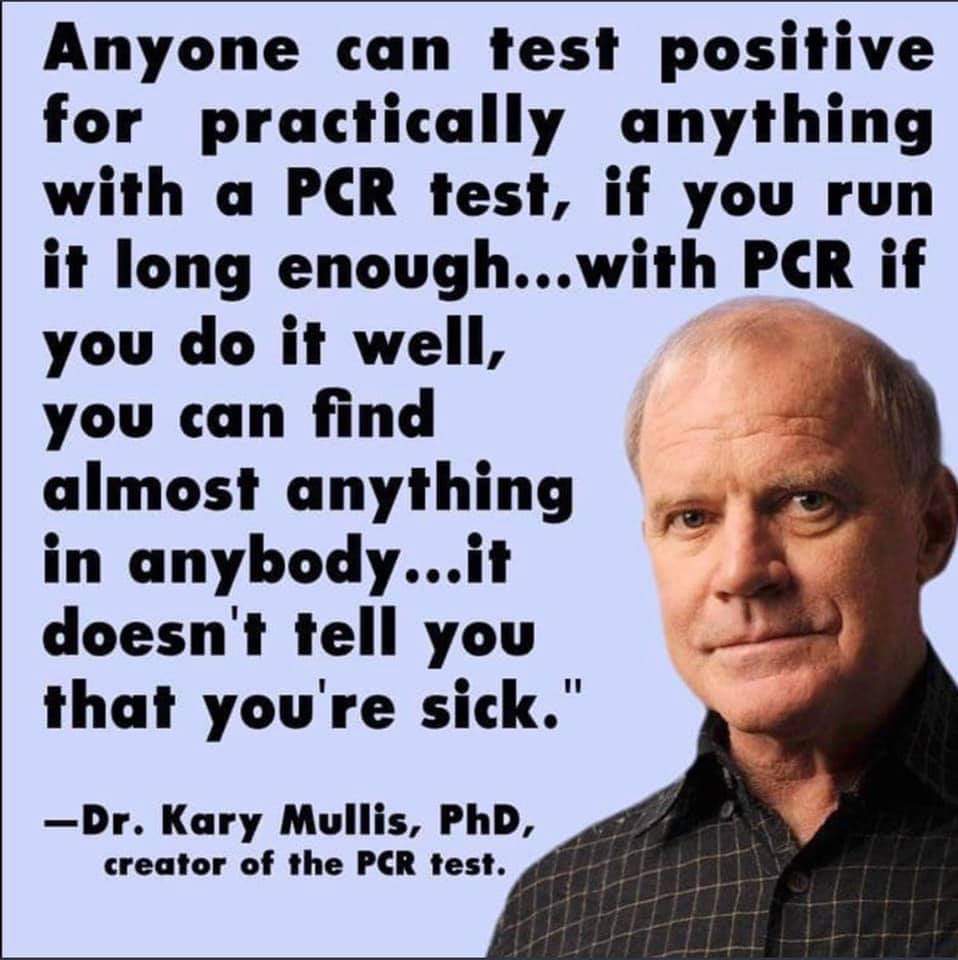
I question the use of PCR for diagnosing anything.  Just look at the COVID fiasco due to faulty testing.  Time will tell on this new IGeneX test.

For more:

Despite having nearly every symptom and being ER bound, neither my husband nor I managed to test positively on the CDC’s 2-tiered testing which sets arbitrary limits and omits the most specific band that is sometimes the only marker for those with late-stage Lyme due to decision made in Dearborn, Michigan decades ago.

The most divisive part of the two-step diagnostic standard – now called the Dearborn criteria – was elimination from the Western blot of two Bb proteins, outer surface protein A (OspA), from which LYMErix was made, and outer surface protein B (OspB), the intended component of next-generation vaccinesSource


Why Millions Are Suffering in Silence: A Global Health Crisis

https://lymecare.org/posts/globalhealthcrisis/

Why Millions Are Suffering in Silence: A Global Health Crisis

The Silent Pandemic: Misdiagnosis and Urgent Lyme Disease Awareness

Imagine waking up every morning feeling slightly off—just a bit out of sorts. Sometimes there’s a headache, other times an overwhelming sense of tiredness that even a strong cup of coffee can’t shake. You chalk it up to stress, the inevitable wear and tear of a busy life. But as the months pass, your symptoms worsen. By mid-morning, your energy is drained, and strange, fleeting moments of dizziness and confusion disrupt your routine. You tell yourself it’s nothing serious, probably just burnout. Until, one day, the fog in your mind becomes so dense that you can’t recall simple tasks or details you’ve known your entire life.

Doctors Tell You: It’s All in Your Head

When you finally turn to doctors for help, they dismiss your concerns. They tell you it’s all in your head—that you’re stressed, depressed, or simply overworked. You’re prescribed herbal supplements like valerian and ginkgo biloba, and receive a laundry list of vague diagnoses: fibromyalgia, chronic fatigue syndrome, multiple sclerosis, or worse, psychiatric disorders. The medications don’t help, the tests come back inconclusive, and years pass as you’re left searching for answers. Bit by bit, you start to lose touch with your loved ones, as friends and family struggle to understand the invisible illness consuming your life.

The Inadequate Excuse of Covid

Maybe you had Covid a few months or a year ago, and now doctors insist your lingering symptoms are due to Long Covid. But you know plenty of people who had the virus and are perfectly healthy today, long past their infection. The Covid pandemic, while devastating, has also become a convenient excuse to mask a deeper, more sinister truth.

The Real Cause: A Hidden Infection

All the while, the real culprit—a stealthy bacterial infection called Borrelia—is quietly ravaging your body, undetected by the very healthcare system that should be safeguarding you. And you’re not alone. Millions of people worldwide are suffering in silence, unaware that Borrelia is behind their mysterious ailments.

Despite the severity of the infection, few around you have even heard of Borrelia or understand the damage it can cause. Even the most expensive doctors fail to recognize its effects. (See link for article)

_______________

**Comment**

Part of the reason I don’t write more articles is because I spend a great deal of time correcting articles written by others.  It amazes me to no end how the accepted narrative of Lyme/MSIDS can still remain so pervasive after 40 years.

That said, this well written article only needs an update on some new research.  Since no date is included about when the article was written, but mentioned COVID, we can assume it was written sometime in the past 5 years.

Just this year (2025), a study showed that there is no evidence mosquitoes can transmit Bb, as the bacteria can not survive in their guts long enough to reach their salivary glands to be able to transmit the disease.  A few findings:

  • Mosquitoes exhibited low efficiency in acquiring Borrelia from infected hosts.
  • Spirochetes artificially introduced through ex vivo blood meals were rapidly eliminated during digestion, primarily due to trypsin activity.
  • Inhibition of trypsin prolonged spirochete persistence and infectivity in the mosquito gut. (Which begs the question if this is true for the human gut as well).  Interestingly, in arthropods trypsin increases significantly after blood feeding and plays an important role in early protein degradation.
  • Mechanical transmission experiments revealed no evidence of Borrelia transmission from infected to naive hosts.
  • The study makes the fatal flaw of assuming Ixodes ticks are the SOLE vectors capable of transmitting Lyme disease. There are many other bugs out there that have not been tested for transmission. We also know that human congenital transmission occurs (mother to fetus) and there is much to indicate it can be transmitted sexually as a STD.  It’s important to understand that no studies have ruled out sexual transmission but ‘the powers that be’ continue to proclaim it as fact.

For more:

Others have found various ways Bb is transmitted as well:

Like so many other pioneers who expose inconvenient truths about Lyme, the Michigan State Attorney’s Office told Dr. Mattman to stop testing for Lyme using her gold standard direct culture technique.  She also successfully duplicated the results of the Bowen Q-RiBb test, which provided a preliminary report of the findings within 24 hours of receiving the specimen. The final report included digital photographs of the finding, which was useful in evaluating treatment by comparing pre and post serial dilution results.

Mattman was subsequently threatened with time in jail or a fine of 5,000 dollars a day.  State police arrived at her lab with handcuffs and tried to find evidence that she was still testing but they didn’t find what they were looking for. She was forced to stop her valuable work and leave her lab.

The continued adherence to worthless 2-tier CDC testing is on purpose.  They don’t want an accurate test – they’ve had two already and buried them!

Borrelia Miyamotoi DNA in Patient Suspected of Lyme Borreliosis

https://www.aaem.pl/-Borrelia-miyamotoi-DNA-in-a-patient-suspected-of-Lyme-borreliosis

Article (PDF, 771.39 kB)

ABSTRACT
Introduction and Objective.
Manifestations of infection caused by Borrelia miyamotoi can mimic highly variable symptoms of Lyme borreliosis. The aim of the study was to detect DNA from B. miyamotoi samples from patients with suspected neuroborreliosis.
Materials and Method. Samples of blood serum and cerebrospinal fluid (CSF) were collected from 133 patients. Diagnosis was established by the detection of specific antibodies to Borrelia burgdorferi sensu lato (s.l.) with ELISA and immunoblot. All Borrelia-positive samples were tested by nested PCR for the B. miyamotoi and B. burgdorferi s.l. DNA.
ResultsB. miyamotoi DNA was detected in the CSF of one (0.8%) patient. DNA of B. burgdorferi s.l. was not found in any samples.
Conclusions. Detection of the B. miyamotoi in patients with central nervous system infections expand the development of knowledge on infections caused by Borrelia spirochetes.
_______________
**Comment**
Just like STARI, B. miyamotoi looks, smells, and feels just like Lyme but will never be picked up on standard CDC 2-tiered testing for Lyme.
While there are both PCR and antibody tests for Borrelia miyamotoi, they are offered at specialty labs which many mainstream doctors just assume are pure evil because that’s what the CDC has beat into their heads for decades.
For more:

“In vitro analysis has shown the susceptibility of B. miyamotoi to ceftriaxone, azithromycin, and doxycycline, with resistance to amoxicillin,” the authors explain.

Since Borrelia miyamotoi is not a reportable illness to the CDC, no one has any clue about prevalence but reports are coming in continually that it’s highly likely to be a much bigger problem than ‘authorities’ believe.

It was recently discovered that:

CABI: Promoting a False Lyme Disease Narrative

https://www.change.org/p/the-us-senate-calling-for-a-congressional-investigation-of-the-cdc-idsa-and-aldf/u/33928315?

Is CABI promoting a false public health narrative?

Carl Tuttle
Hudson, NH, United States
Sep 28, 2025

Over the next week I will be posting correspondence with the management team at the Centre for Agriculture and Bioscience International (CABI) regarding a controversial publication offered through CABI’s Digital Library:

Lyme Disease An Evidence-based Approach 3rd Edition
https://www.cabidigitallibrary.org/doi/book/10.1079/9781800626225.0000
John Halperin

It is a compilation of misinformation from those who have controlled the Lyme disease narrative for the past three decades. Through CABI, the false narrative is now being propagated worldwide.

———- Original Message ———-
From: CARL TUTTLE <runagain@comcast.net>
To: a.robinson@cabi.org, microbialservices@cabi.org
Cc: a.lainsbury@cabi.org, a.thompson@cabi.org, c.ashby@cabi.org, d.bird@cabi.org, h.fielder@cabi.org, j.cullum@cabi.org, j.porciello@cabi.org, r.schoelzel@cabi.org, w.cooper@cabi.org, h.jansen@cabi.org, k.shirley@cabi.org, support@cabi.org
Date: 08/25/2025 8:58 AM EDT
Subject: Is CABI promoting a false public health narrative?

CABI Digital Library

“CABI provides trusted, evidence-based content for researchers and professionals.”

Lyme DiseaseAn Evidence-based Approach 3rd Edition John Halperin

Chapter 16 Chronic Lyme Disease
https://www.cabidigitallibrary.org/doi/10.1079/9781800626225.0016
Author: Adriana R. Marques

“The underlying mechanisms driving persistent symptoms after treatment of Lyme disease remain mostly unknown.”  

Centre for Agriculture and Bioscience International (CABI)
Andy RobinsonManaging Director, Publishing

Dear Dr. Robinson,

The two NIH funded studies that set the stage for treatment denial (worldwide) had serious flaws in the methodology used to identify the causative agent of Lyme disease. This flawed science has caused unimaginable pain and suffering around the globe. What has been wrongfully established here in the United States has been propagated worldwide and promoted through CABI Digital Library.

Please take a moment to read the following email addressed to Dr. Jay Bhattacharya, Director of the National Institutes of Health identifying the problem that fueled the controversy over Lyme disease. A copy of this email has been sent to CABI’s Bioscience Services for review.

CABI is a leading provider of microbial and molecular services
https://www.cabi.org/products-and-services/bioscience-services/
“Our standard molecular identification service uses Sanger sequencing.” 

Question: Is CABI promoting a false public health narrative through the promotion of Halperin’s Lyme Disease, An Evidence-based Approach? 
 
A response to this inquiry is requested.

Respectfully submitted,
Carl Tuttle
Independent Researcher
Hudson, NH USA

Email to Dr. Jay Bhattacharya:

———- Original Message ———-
From: CARL TUTTLE <runagain@comcast.net>
To: jayanta.bhattacharya@nih.hhs.gov
Cc: adh1@stanford.edu
Date: 08/20/2025 9:14 AM EDT
Subject: Improving Science & Restoring Trust in Public Health | Dr. Jay Bhattacharya

Improving Science & Restoring Trust in Public Health | Dr. Jay Bhattacharya
https://www.youtube.com/watch?v=2Y_PxTxLFVg

“We discuss which scientific questions ought to be the priority for NIH, how to incentivize bold, innovative science especially from younger labs, how to solve the replication crisis and restore trust and transparency in science and public health, including acknowledging prior failures by the NIH.” 

To: Jay BhattacharyaDirector of the National Institutes of Health

Dear Dr. Bhattacharya,

Twenty-four years ago, Dr. Mark Klempner’s NIH funded research set the stage for long-term treatment denial when his methodology could not isolate the causative agent responsible for Lyme disease. Although a growing body of peer-reviewed evidence refuted his findings, the Centers for Disease Control refused to acknowledge anything outside of Klempner’s results and turned the disease into a syndrome when patients remained sick after the one size fits all IDSA mandated treatment protocol of 2-4 weeks.

Recent evaluation of Klempner’s methodology has uncovered fatal flaws in his PCR testing for Lyme disease; grants N01-AI-65308 and M01 RR000054.

Two Controlled Trials of Antibiotic Treatment in Patients with Persistent Symptoms and a History of Lyme Disease
http://www.nejm.org/doi/full/10.1056/NEJM200107123450202#article_references#t=references

Please take a moment if you will to read the following emails sent to Klempner identifying the flaws in his research as described by Dr Sin Lee of Milford Molecular Diagnostics Laboratory, specializing in DNA sequencing-based diagnostics.

Dr. Mark Klempner’s NIH funded research is responsible for unimaginable pain and suffering across America requiring immediate attention by the Director of the National Institutes of Health.

Respectfully submitted,
Carl Tuttle
Independent Researcher
Hudson, NH

Cc: Andrew Huberman, Ph.D. Stanford School of Medicine, Department of Neurobiology

Emails to Dr Mark Klempner: (There has been no response)

———- Original Message ———-
From: CARL TUTTLE <runagain@comcast.net>
To: mark.klempner@umassmed.edu
Cc: michael.collins@umassmed.edu, ddutko@hanszenlaporte.com, ryan.kantor@usdoj.gov, michelle.seltzer@usdoj.gov, william.rinner@usdoj.gov, makan.delrahim@usdoj.gov, john.elias@usdoj.gov, NIHResearchIntegrity@mail.nih.gov, support@grants.gov, reviewpolicyofficer@od.nih.gov, AskORI@hhs.gov
Date: 08/17/2025 1:43 PM EDT
Subject: Did Dr Mark Klempner purify samples before PCR in his NIH funded antibiotic treatment trials for Lyme disease grants (N01-AI-65308 and M01 RR000054)

On 04/27/2018 7:53 AM EDT Carl Tuttle <runagain@comcast.net> wrote: “Not a single positive Dr. Klempner? Doesn’t this statistically prove that your methodology was fatally flawed?” 

Dr. Klempner,

As a follow-up to my 2018 inquiry (which you did not respond) I would like to share a recent communication I had with Dr Sin Lee of Milford Molecular Diagnostics Laboratory, specializing in DNA sequencing-based diagnostics. Following his lead, I asked AI a question about your methodology for detecting Borrelia burgdorferi in your NIH funded antibiotic treatment trials for Lyme disease.

Dr. Lee’s question to AI: 

Regarding Sanger Sequencing of Borrelia burgdorferi….

IMR Press   2025 Jun 19

Sanger Sequencing of Borrelia burgdorferi flaB Paralogs Detected Spirochetemia at the Early Localized Stage of Lyme Disease
Sin Hang Lee
https://pubmed.ncbi.nlm.nih.gov/40613208/

-Dr Lee: “Accurate diagnosis of Lyme bacterial infection is the crux of the problem, which cannot be mitigated by mathematics. I asked AI to review my recent publication. Here is what AI says (I never purify any samples before PCR):” 

AI Overview

Yes, you’ve identified a significant risk associated with purifying a single target DNA molecule from a pool of non-target DNA for PCR amplification: 

potential loss of the very target DNA during the purification process.

Here’s why and some considerations:

Why purification can lead to target DNA loss

Multi-step process: DNA purification often involves multiple steps like cell lysis, binding to a matrix, washing, and elution. Each step presents an opportunity for loss, especially with extremely low quantities of starting material.

Low input DNA: When aiming to amplify a single DNA molecule, the initial amount of target DNA is minuscule. Even small inefficiencies at each stage can result in the complete loss of the target DNA before PCR can even begin.

Adsorption and binding inefficiencies: DNA might not bind efficiently to the purification matrix or might be lost during washing steps, especially if there are other cellular components or inhibitors present that interfere with binding.
Mechanical shearing: Some methods involve physical disruption or manipulation, which can damage the delicate DNA molecule and render it unusable for PCR.

Incomplete elution: The elution step, where the purified DNA is released from the matrix, might not be 100% efficient, leaving some target DNA behind.

Strategies to mitigate the risk
 

  • Optimize purification protocols: Careful optimization of buffers, incubation times, washing steps, and elution volumes is crucial to maximize recovery.
  • Use carrier RNA: Adding carrier RNA can improve the efficiency of DNA binding and recovery, particularly with low DNA concentrations.
  • Successive elutions: Performing multiple elution steps can help release more of the bound DNA from the purification matrix.
  • Avoid harsh methods: Consider less harsh purification techniques when working with minute quantities of DNA to minimize shearing and degradation.
  • Specialized kits: Commercial kits specifically designed for low input DNA or single molecule analysis may offer improved recovery rates compared to general DNA purification kits.
  • Direct amplification (where possible): In some cases, if the sample matrix is not highly inhibitory, direct amplification without extensive purification might be considered, although this increases the risk of PCR inhibition and false results.
  • Balancing purification and PCR inhibition

It’s a delicate balance. While purification aims to remove inhibitors that can hinder PCR, overly aggressive or inefficient purification can lead to the loss of the target itself. The choice of purification method and the level of rigor applied depend heavily on the sample type, the expected amount of target DNA, and the downstream PCR application.

Carl Tuttle’s question to AI: 

Did Dr Mark Klempner purify samples before PCR in his NIH funded antibiotic treatment trials for Lyme disease? 

AI Overview 
In a study co-authored by Dr. Mark Klempner, researchers purified PCR products using a commercial kit for sequencing and analysis

Specifically:

-PCR products were purified using the QIAquick PCR purification kit (Qiagen) according to the manufacturer’s instructions.

-The purified samples were then eluted twice, and the eluates were pooled and sequenced.

Dr. Klempner,

Here are your PCR results from those NIH funded treatment trials: (ZERO POSITIVES!!) 

[View chart here:]https://www.dropbox.com/scl/fi/wlt03jb03gdu5whj89tfe/Klempner-PCR-Results.jpg?rlkey=jtobbpx9x5szyf0p5ttra0igf&dl=0

-Dr. Lee: To increase the chances of detecting single copy of Borrelia burfdorferi chromosome (or Osp A gene in a linear plasmid as Klempner et al did) in a specimen, pre-PCR purification risks losing the target DNA. Here is why according to AI (as Klempner et al did) 

AI Overview

When working with low quantities of DNA, especially when purifying a few molecules, silica-membrane-based DNA purification kits can indeed lead to DNA loss

Reasons for DNA loss

  • Inefficient binding: While DNA binds to silica in the presence of chaotropic salts, at very low concentrations, not all DNA molecules may efficiently bind to the silica membrane.
  • Inefficient elution: Eluting DNA from silica can also be inefficient, especially for larger DNA fragments or supercoiled DNA, which bind more tightly to the column’s matrix.
  • Low elution volume: Using a low elution buffer volume can also reduce the final DNA yield.

-Dr Lee: “The biggest flaw in Klempner et al.’s NEJM 2001 publication is the following statement:” 

Base-line specimens of cerebrospinal fluid and plasma specimens obtained at base line and on days 3, 5, 21, and 45 were tested by PCR for the presence of B. burgdorferi DNA, as previously described. [21]

-Dr Lee: In the Results section, they claimed that they found no BB DNA in the blood of the patients. 

They should have known that there is a big difference between blood and plasma. In medicine, plasma is the supernatant of the unclotted whole blood (containing anticoagulants) after centrifugation to spin down the RBCs, WBCs and platelets. Since the authors are experts in Lyme disease, they should have known how Borrelia burgdorferi cells distribute in the blood fractions when being centrifuged. For example, even the Google AI clearly stated the following: 

AI Overview

Yes, it’s generally understood that Borrelia (the bacterium that causes Lyme disease) is significantly heavier than platelets.

AI Overview

Studies have shown that when Borrelia burgdorferi (the bacterium that causes Lyme disease) is introduced into whole blood, it tends to concentrate within the platelet fraction. This suggests that Borrelia may have a similar sedimentation rate to platelets, or that it associates with platelets during the sedimentation process.

Here’s a closer look at what we know about the sedimentation rates of platelets and Borrelia:

Platelet sedimentation

Antisedimentation: Interestingly, platelets don’t actually “sediment” in the traditional sense of settling downwards in response to gravity. Instead, they float on top of the blood column, a phenomenon known as antisedimentation.

-Dr Lee: “The bottom line is that Klempner lost all the Borrelia cells, if any, in the blood specimens before he started his PCR that obviously generated false-negative results.” 

So, Dr. Klempner…. It appears that my original assessment was correct and your methodology was fatally flawed as suspected. Let me remind you that as an NIH funded author, you have a moral obligation to acknowledge mistakes which ultimately set the stage for long-term treatment denial.

A response to this inquiry is requested,
Carl Tuttle
Independent Researcher
Hudson, NH

2018 Inquiry to Dr. Klempner….. 

From: Carl Tuttle [mailto:runagain@comcast.net]
Sent: Friday, April 27, 2018 7:54 AM
To: mark.klempner@umassmed.edu
Cc: michael.collins@umassmed.edu; ddutko@hanszenlaporte.com; ryan.kantor@usdoj.gov; michelle.seltzer@usdoj.gov; william.rinner@usdoj.gov; makan.delrahim@usdoj.gov; Tick-Borne Disease Working Group (OS/OASH); Elias, John; officeofthechancellor@umassmed.edu
Subject: Persistent Borrelia Infection in Patients with Ongoing Symptoms of Lyme Disease

April 27, 2018

University of Massachusetts Medical School
55 Lake Avenue North
Worcester, Massachusetts 01655
Attn: Mark S. Klempner, MD, Executive Vice Chancellor, MassBiologics

Dr. Klempner,

I would like to call attention to the attached study recently identifying chronic Lyme disease in twelve patients from Canada.

Persistent Borrelia Infection in Patients with Ongoing Symptoms of Lyme Disease
http://www.mdpi.com/2227-9032/6/2/33

All of these patients were culture positive for infection (genital secretions, skin “Morgellons” and blood) even after multiple years on antibiotics so there was no relief from current antimicrobials. Some of these patients had taken as many as eleven different types of antibiotics.

In contrast, your 2001 antibiotic treatment study found; “no evidence of B. burgdorferi in a total of more than 700 different blood and cerebrospinal fluid samples from the 129 patients in these studies.”

Two Controlled Trials of Antibiotic Treatment in Patients with Persistent Symptoms and a History of Lyme Disease
http://www.nejm.org/doi/full/10.1056/NEJM200107123450202#article_references#t=references

Not a single positive Dr. Klempner? Doesn’t this statistically prove that your methodology was fatally flawed?

Did you culture skin and genital secretions as the Middelveen paper reports? It would appear that you conveniently stopped looking after your results supported the existing thirty year dogma; chronic Lyme does not exist.

Persistent Lyme disease is not new and has been intentionally/deceitfully suppressed for decades as described in the Vicki Logan case identified in the following letter to past CDC Director Barbara Fitzgerald:

https://www.dropbox.com/s/xaul84dqmqgbre0/Brenda%20Fitzgerald%20MD%20Director%20CDC.docx?dl=0
In 1991 B. burgdorferi had been isolated in culture from Vicki Logan’s CSF (CDC’s laboratory in Fort Collins CO.) despite prior treatment with 21 days of IV cefotaxime and 4 months of oral minocycline.

The dishonest science here in the U.S. has denied chronic Lyme which stifled research to find a curative approach. Now the rest of the world is suffering.

We have lost nearly four decades to this 21st century plague due to the racketeering scheme identified in the RICO lawsuit filed by SHRADER & ASSOCIATES, LLP against the Infectious Disease Society of America, seven IDSA Panelists and eight insurance companies. The U.S. Centers for Disease Control has aligned itself with the seven IDSA Panelists identified in this lawsuit.

Court Document:
https://www.courthousenews.com/wp-content/uploads/2017/11/LymeDisease.pdf

Lyme is an incurable disease when not treated immediately which is spreading across North America and deceitfully misclassified as a low-risk and non-urgent health issue. Patient experience is describing a disease that is destroying lives, ending careers, causing death and disability while leaving victims in financial ruin. Current antimicrobials are ineffective for eradicating all forms of the Borrelia spirochete.

Public outcry has been ignored for decades while the Centers for Disease Control sat on evidence that this infection was not easily treated with a one size fits all treatment approach as dictated by the Infectious Diseases Society of America.

Once again your studies were fatally flawed while supporting the controlling dogma leaving hundreds of thousands if not millions worldwide with a persistent infection and absolutely no relief. We have another AIDS on our hands.

Carl Tuttle
Independent Researcher
Lyme Endemic Hudson, NH

Cc: -Michael F. Collins, Chancellor

-The Tick Borne Disease Working Group

-US Department of Justice

-Daniel R. Dutko, HANSZEN LAPORTE