Many herbal remedies could have anti-inflammatory properties. However, the evidence to support the majority of these claims is lacking. Inflammation is the body’s primary defense mechanism against infections, wounds, and other forms of harm.
However, inflammation itself can be harmful in some cases. For example, many conditions can cause inflammation to remain elevated, resulting in tissue damage.
A range of anti-inflammatory drugs exist to help control inflammation in the body. However, they often have side effects and may not always be effective.
Natural compounds that are present in certain herbal remedies also have the potential to be anti-inflammatory. However, there is much less research in this area.
This article will list herbal remedies with the most evidence for their anti-inflammatory properties.
Turmeric
Eating turmeric can help reduce inflammation in people with arthritis.
Turmeric typically comes in the form of a yellow powder from the root of the turmeric plant.
It contains a chemical called curcumin, which may have anti-inflammatory properties.
Several studies have shown that turmeric can help reduce inflammation and discomfort in people with arthritis.
It works by limiting the production of molecules called cytokines, which cause inflammation.
Researchers continue to investigate how curcumin affects inflammation in a range of other conditions, such as inflammatory bowel disease. Curcumin has the most substantial evidence base for its anti-inflammatory effects compared with other herbal remedies.
Turmeric is available in the form of capsules, tablets, teas, pastes, and extracts. Methods of taking turmeric will vary, depending on the intended use.
Ginger
Ginger, or Zingiber officinale, is a tropical plant that has long had a place in traditional medicines.
Ginger may have anti-inflammatory properties. There is evidence showing that many of ginger’s constituents can limit the production of cytokines and the activity of cyclooxygenase enzymes, which promote inflammation.
Research has found that the anti-inflammatory properties of ginger could be useful in treating several conditions, including arthritis and pain.
Ginger can be fresh or a dried root. It can also come in the form of tablets, capsules, and teas.
Green tea
Green tea has anti-inflammatory properties and may disrupt processes that cause inflammation.
Green tea comes from Camellia sinensis leaves. Research has linked it to a variety of health benefits, such as aiding weight loss.
Green tea has anti-inflammatory properties that could underlie some of these specific health benefits.
For example, there is evidence to suggest that a component of green tea could disrupt processes that cause inflammation in the arthritis.
Other studies have found that green tea can have a positive effect on inflammation in people with metabolic disorders. Researchers suggest that it may drive these anti-inflammatory effects.
Green tea typically comes as a hot or cold drink. It is also possible to buy capsules, tablets, and creams that contain green tea.
Many other herbal remedies may also have anti-inflammatory properties. Examples include:
thyme
white willow bark
frankincense
resveratrol
However, there is not much research available on these remedies. Without this research, it is not possible to say with certainty whether these anti-inflammatory effects exist, or if they are effective treatment options for people with inflammatory conditions.
While a greater evidence base exists for the remedies in this article, the research in this area is still in the early stages.
For example, scientists have conducted many studies into the anti-inflammatory benefits of turmeric. However, the quality of these studies is not high enough to support the claim that turmeric can effectively reduce inflammation in humans.
It is also important to remember that studies in this area tend to use highly concentrated forms of these herbal remedies.
In some cases, certain compounds are isolated. One example of this is curcumin from turmeric. This means that the effects may differ when taking different forms of the remedy.
Risks
A person should discuss taking herbal remedies with a doctor as they can interact with certain medication.
As with taking any drug, there is the potential for side effects and complications to occur when taking herbal remedies.
As the Food and Drug Administration (FDA) do not regulate herbal remedies, the exact ingredients and quality of these products may vary. This also means that there is less reliable information on the safety of these products.
However, according to the National Center for Complementary and Integrative Health, turmeric, ginger, and green tea are generally safe.
It is also possible for these herbal remedies to interact with certain medications. For example, green tea can interact with certain beta-blockers such as nadolol.
It is important to discuss any herbal remedies with a doctor, who can advise further on drug interactions that may occur.
Summary
There is some evidence to support the claim that turmeric, green tea, and ginger have anti-inflammatory properties.
For people with inflammatory health conditions, consuming these herbal remedies could be useful for reducing inflammation.
However, more high-quality research will be necessary to confirm these effects. These herbal remedies are generally safe, but it is important to consult a doctor before taking them in conjunction with other types of medication.
Lyme + Herxheimer Reactions: Your Guide To Feeling Good Again
by Carin Gorrell & Dr. Bill Rawls
Updated 1/21/19
It’s one of life’s cruel jokes: You discover a new therapy for Lyme disease and are really optimistic about your odds of finally feeling better. Then, within a day or two of starting the regimen, your symptoms take a turn for the worse—intense fatigue washes over you, and you feel like you did during your last fight with the flu. Could it be the dreaded Herxheimer Reaction you keep hearing about from fellow Lyme sufferers?
Unfortunately, answering that question is no easy feat. So we asked Dr. Bill Rawls, author of the bestselling book Unlocking Lyme, to help explain Herx Reactions and the best ways to differentiate them from other possible issues. Keep reading for his advice, plus steps you can take now to feel better—without derailing your recovery.
Herxheimer Reactions, Defined
Herxing was first observed in syphilis patients by dermatologists Adolf Jarisch and Karl Herxheimer in the late 1800s and early 1900s, who noticed that sufferers receiving treatment often got worse before they got better. The phenomenon was dubbed the Jarisch-Herxheimer Reaction, and has since been shortened to Herxheimer Reaction or simply, herxing.
“The classic explanation of a Herxheimer Reaction in Lyme sufferers is that when Borrelia bacteria are killed off by an antibiotic or herbal therapy, parts of dead bacteria called endotoxins are shed,” explains Dr. Rawls. “These endotoxins then circulate throughout the body and cause an intense whole-body inflammatory reaction. And that makes the war against microbes that’s already going on inside your body worse.”
In general, Herx Reactions are more common and more intense with conventional antibiotic use than with use of herbs, says Dr. Rawls. “With herbs, the bacterial die‐off is more gradual and the immune response is less intense.”
Either way, the intensification of your symptoms can be disconcerting, and if you’re treating Lyme, the odds are good you’ll experience herxing: While there’s no clinical research on the prevalence of herxing, anecdotally it seems the majority of Lyme sufferers experience it at some point. And that’s actually good news: “It’s often a sign that the therapy is working,” says Dr. Rawls.
How To Tell If It’s Herxing—Or Something Else
Herx Reactions can feel like a red herring, for a few reasons.
For starters, symptoms vary from person to person, says Dr. Rawls, and they’re easy to confuse with other health concerns that are also highly likely in chronic Lyme sufferers, including a disease flare-up, adverse reaction to a new Lyme treatment, or food sensitivity (digestive issues are highly common in Lyme sufferers). What’s more, the timing of any of these issues can also overlap, making it difficult to track your symptoms to their source.
For help clearing up the confusion and determining what’s to blame for your symptoms, check out these helpful identifying characteristics from Dr. Rawls:
HERX REACTION
Symptoms: Intensified fatigue, muscle pain, and flu‐like symptoms such as headache, nausea, GI distress. You may also experience symptoms not listed here; Herx Reactions are highly variable between individuals.
Onset: Symptoms intensify in tandem with starting a new therapy.
Telltale signs: Symptoms may gradually improve with continuation of therapy, and worsen again when you increase the dosage or add a new therapy.
LYME FLARE-UP
Symptoms: Intensification of fatigue, arthritis (joint pain, swelling, and stiffness), flu-like feelings, GI distress, recurrence of your usual Lyme symptoms
Onset: Symptoms are often precipitated by any type of extra stress to your system (including emotional stress, poor diet, toxin exposure, physical stress, lack of sleep, or a new tick bite). Symptoms are not related to starting a new therapy, though the two may coincide if you experienced stress just before starting the therapy.
Telltale signs: Your best clue is timing: A Lyme relapse typically occurs while taking a stable dose of treatment and in reaction to some type of stress, so look for recent lifestyle changes (i.e., diet changes, travel, sleep deprivation, relationships trouble).
ADVERSE TREATMENT REACTION
Symptoms: An allergic-like reaction (hives, itching, skin rash, runny nose, watery eyes, wheezing). This is common in people with chronic Lyme disease, whose entire immune system is in disarray and more easily activated.
Onset: Symptoms develop within about an hour of taking a new medication or herb
Telltale signs: Your symptoms get better when you take an allergy remedy such as an antihistamine. *See your doctor as soon as possible if you experience signs or symptoms of a drug allergy. Call 911 if you experience signs of a severe reaction or suspect an anaphylaxis after taking a medication.
Onset: Symptoms occur within hours to a couple of days after an offending food is consumed.
Telltale signs: Your symptoms get better when you eliminate the food(s) from your diet. Doctors can order testing for food sensitivity and heavy metal toxicity, however the best determinant of food sensitivities is an elimination diet.
If these guidelines don’t describe your experience with herxing exactly, take heart. In the beginning, you may go back and forth between knowing whether what you’re experiencing is Herx Reaction or something else, but with time, you will become better at distinguishing herxing and riding it out.
It’s Herxing. When Will It End?
If you’ve determined (or strongly suspect) that you’re herxing, your next question is likely: How long will it last?
Unfortunately, there’s no cut-and-dry answer — everyone’s experience is individual, says Dr. Rawls. Some may feel better after a few days or a few weeks; others may experience herxing for as long as two to three months (though symptoms tend to wax and wane throughout that time).
The good news is, there’s a lot you can do to help ease a Herx Reaction and move beyond the symptoms more quickly. The quickest solution would be to discontinue your Lyme treatment. But that’s not necessarily the best solution, says Dr. Rawls.
“Fundamental advice with herx is to continue therapy at whatever dose you can tolerate. Sometimes you will have to reduce the dose to stay comfortable, but you can increase again later” says Dr. Rawls. “If your symptoms improve over days to a couple of weeks, that suggests confirmation that it’s a herx.And as your symptoms improve, you can gradually increase the dose until the desired therapeutic dose is reached.”
If your symptoms do not improve, it may be an indication that the therapy is not working. In this case, Dr. Rawls suggests either increasing the dose or adding other herbs or other therapy. If symptoms gradually start getting better, then you know you’re on the right track.
That said, if your symptoms are debilitating, back off on your treatment dosage or even stop altogether, advises Dr. Rawls. Then, once your symptoms are tolerable, you can gradually increase your dosage again.
Smart Ways to Ease Herxing
The number one way to find relief from herxing is to address the underlying cause for needing Lyme treatment in the first place: chronic immune dysfunction.
“An impaired immune system is what makes people vulnerable to chronic Lyme,” explains Dr. Rawls. “Restore your immune function, and not only will your body be better at battling Lyme microbes, it’ll be stronger at withstanding the side effects of treatment and overcoming herxing as well.”
To begin, work your way through what Dr. Rawls calls System Disruptors, factors that can contribute to inflammation and intensify either a Herx reaction or a Lyme relapse. These include poor nutrition, emotional stress, environmental toxins like air pollutants and mold, physical stress, and excessive exposure to radiation from modern sources like computers, cell phones, and microwave towers.
Once you’ve begun to take the pressure off of your immune system by decreasing your exposure to these disruptors, your body will be better equipped to handle both microbes and the endotoxins they create as they begin to die off. The result: You start to feel better.
From here, there are a number of additional lifestyle habits you can adopt to help alleviate a Herxheimer Reaction—all of which also contribute to restoring immune function and thus contribute to Lyme recovery, says Dr. Rawls. Here, his recommendations:
1. Hydrate with fresh ginger tea.
A lot of liquids in general is a good idea, but fresh ginger tea in particular has potent systemic anti-inflammatory properties for reducing Herxheimer symptoms.
2. Add some natural therapies to your regimen.
Some good ones to try:
Turmeric and Boswellia They’re excellent for reducing systemic inflammation associated with Herxheimer reactions, and it’s hard to take too much of either. Dr. Rawls recommends 175 mg of turmeric and 75 mg of Boswellia, twice a day for each.
Marine source omega-3 fatty acids They offer anti-inflammatory support, especially for high-fat tissues such as the brain. Both fish oil and krill oil reduce inflammation, but krill is better absorbed and also contains the antioxidant astaxanthin, which provides extra anti-inflammatory support. The suggested dose for krill oil is 500 mg, 1-3 times daily.
Red Root This herb is very good for stimulating clearing dead cellular debris from the lymphatic system. It also supports a healthy liver and spleen, optimal immune function, and swollen lymph nodes.
Chlorella Consistently taking this freshwater algae does wonders for healing an irritated stomach and restoring digestive function. It’s also great for detoxing and healing in general. The typical maintenance dose is 5 to 7.5g total a day. For additional support, we suggest 10g total a day. Chlorella can be taken any time of day. For best results, take with food. (Avoid products that also contain spirulina, a blue-green algae that potentially contains toxins.)
Adaptogenic herbs. These help reduce herxing and moderate the effects of stress. Some to try: Chinese skullcap (450 mg, twice a day), Cordyceps(450 mg, twice a day), Reishi mushroom (175 mg, twice a day), and Rehmannia (50 mg, twice a day).
3. Take enzymes.
There are a variety that will work to help break down immune complexes and reduce inflammation. Bromelain (from pineapple) is a good choice; the dose is 500-1000 mg, one to two times daily. It’s sometimes found in combination supplements for joint health. In general, it’s best to take enzymes on an empty stomach so they are absorbed directly.
4. Apply heat.
Heat can be very soothing during Herx reactions. A far infrared (FIR) sauna and/or a hot bath are excellent for removing toxins from the body. Adding Epsom salts to your bath can also help soothe muscles and joints.
5. Get outside and breathe fresh air.
Forests and beaches or shores alongside open water are especially beneficial. Take your shoes off and walk barefoot: called “grounding,” it’s a good practice for reducing inflammation in the body.
6. Relax.
Decreasing stress is key to normalizing the body’s adrenaline/cortisol response. Some ideas:
Meditate
Get a massage, or try abhyanga (the Ayurvedic practice of self-massage)
Practice Qigong or yoga
Try acupuncture or energy healing
7. Sleep.
Make 7-8 hours of shuteye a nightly goal.
8. Say “no” more often.
Only agree to doing what’s necessary, and let the rest go until you are back on your feet.
9. Avoid coffee and green and black tea.
They tend to dry and irritate the stomach lining.
10. Eat steamed cabbage.
It’s great for soothing an inflamed stomach.
11. Use lavender essential oil.
Research suggests it may be beneficial for easing insomnia, anxiety, stress, and postoperative pain. Apply it to the bottom of your feet before bed to help with sleep.
12. Laugh lots.
It raises your immune system and just makes you feel good.
Thoughts on Herx Prevention
There’s a decent chance that if you increase the dosage of your current treatment or introduce a new one to your Lyme regimen, the herxing may return. It’s not entirely avoidable, says Dr. Rawls, but there are steps you can take to help fend off and reduce symptoms.
A few days before you change up your therapy, Dr. Rawls recommends adding some turmeric and krill or fish oil to your daily routine; these help support a healthy immune response. He also suggests using calming essential oils such as lavender and frankincense to reduce your stress response.
And in general, the most successful approach to feeling your best is to focus on restoring healthy immune function. Do that, and you’ll rebound faster from herxing and most other maladies that may come your way.
Dr. Rawls is a physician who overcame Lyme disease through natural herbal therapy. You can learn more about Lyme disease and recovery in Dr. Rawls’ best-selling book, Unlocking Lyme. You can also learn about Dr. Rawls’ personal journey in overcoming Lyme disease and fibromyalgia in his popular blog post, My Chronic Lyme Journey.
One of the hardest things to understand about this complex disease(es) is that you feel a whole lot worse before you feel better and this can take considerable time. Managing the herx is a challenging job. Many find sauna’s to be of great help.
In this video Dr. Liptan explains the additive effects of CBD (cannabidiol) when taken with LDN (low dose naltrexone) in reducing neuroinflammation and fibromyalgia pain. CBD can also ease some of the side effects caused by LDN.
Approx. 20 Min
CBD for Fibro Pt 1
Dr. Liptan explains the science of CBD, and its uses in the treatment of fibromyalgia. This video also covers:
The difference between THC and CBD
The effects of CBD on the body based on human and animal studies
CBD’s benefits for pain, muscle tension, arthritis, anxiety, insomnia, and adrenal fatigue
For professional inquiries, please contact media@drliptan.com Affiliate links may be used above. When you make a purchase through an affiliate link, Dr. Liptan may be compensated a small percentage of the sale. Sales go toward supporting her channel.
___________________
**Comment**
I am not affiliated with any products nor do I make a red cent on anything related to this website or the support group; therefore, I can recommend the following product strictly from personal experience and use: Lidtke CBD Gold:https://lidtkecbd.com
We use the 2500mg plain. While it’s $189.00, I only take 2-6 drops at night. Definitely helps with sleep and pain.
Their CBD Gold line of tinctures blends the full-spectrum CBD extract with supplements such as iodine, GABA, 5-HTP, L-tryptophan, and a whole-food complex of the vitamin C component. Besides, the Lidtke brand indicates that their manufacturing process is from non-GMO, herbicide and pesticide-free hemp for those seeking assurance on the possibility of additives.
We also take LDN. You titrate up from 1.5mg. Our ending dose is 4.5mg but some patients need higher dosages. We found LDN helps our immune systems generally but specifically with better sleep and pain reduction.
Very informative documentary put out by the LDN Research Trust on Lyme/MSIDS. Dr. Horowitz, Dr. Toups, Dr. Schweig, Dr. Windham, Dr. Holtorf, & Dr. Schwarzback, speak on everything from testing, to diet, to inflammation, and how LDN can help patients.
We humans are alive because of brilliant biochemistry, and while each system of our body has its own unique function, they are all inextricably linked and work together to keep us alive and thriving. When one system goes awry, it often affects other seemingly unrelated aspects of our health. This is especially true when it comes to detox, which is one of the biggest factors of poor health that I see in my patients.
With research starting to show the link between our increased toxin exposure and autoimmune conditions, it’s more important than ever for your body’s detoxification systems to be working properly. As your body’s largest organ, your liver is also the main detoxifier.
Why your liver is your detox organ.
Working in constant communication with your stomach, pancreas, gallbladder, and the rest of your digestive system, your liver is responsible for storing and converting nutrients from the foods we eat for our bodies to utilize. Through its role in the metabolism of fat, protein, and carbohydrates, your liver works to ensure that blood glucose levels are stabilized to prevent blood sugar imbalances and other metabolic problems. It works to filter out toxins from the foods you eat and environmental exposures as well as acting as a blood purifier, clearing out your blood of these impurities and only utilizing the necessary nutrients. Needless to say, if your liver isn’t working well, your ability to detox is going to be greatly affected.
When your liver is overloaded with toxins, it creates a cascade of systemic chronic inflammation, which further affects your liver’s ability to rid itself of these toxins. It becomes a vicious cycle between toxin buildup and inflammation that can only be broken through limiting your toxin exposure and supporting your liver’s natural ability to detox.
Detox rituals that support your liver.
I’ve written in the past about various ways to make your life a cleanse. But to really boost your detox pathways and liver function, these targeted natural tools are my go-to for next-level liver and detox support:
Article continues below
1. Dandelion tea
Methylation is your body’s biochemical superhighway that controls your body’s ability to detox. B vitamins act as fuel for methylation and are found abundantly in dandelions. Brew up a cup of dandelion tea to support methylation and help support optimal liver function.
2. Milk thistle
This plant is one of the most well-researched natural remedies for treating liver problems and has been used for years to treat a number of different liver conditions, including hepatitis and alcoholic liver disease. Milk thistleaids in eliminating toxins that have built up in the liver in addition to helping restore liver cells that have been damaged from increased toxin exposure. You can take it in a supplement capsule or as a tea.
Image by Yoyochow23 / iStock
3. Garlic
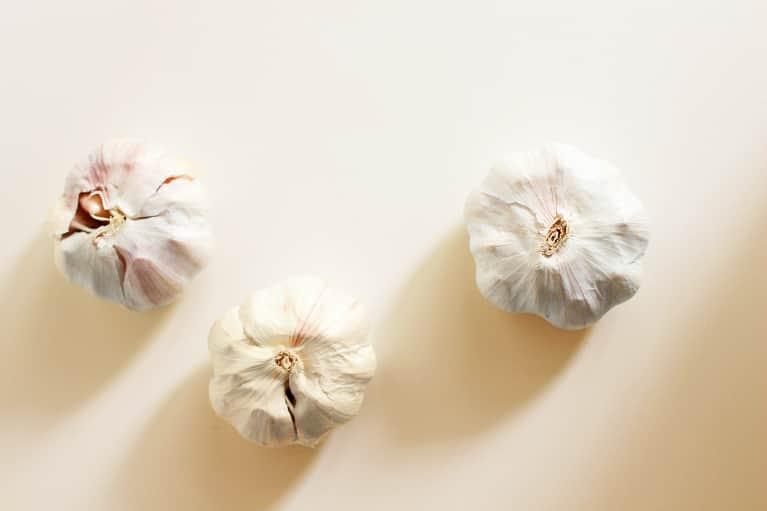
Garlic helps to activate liver detox enzymes that work to break down the toxins that enter your body in order to effectively eliminate them. Thankfully, garlic makes a delicious addition to almost any recipe, so don’t be afraid to load up while cooking your next meal!
4. Sulfuric vegetables
Vegetables such as broccoli, broccoli sprouts, mushrooms, Brussels sprouts, and cauliflower are considered sulfuric and contain the powerful antioxidant glutathione. This antioxidant is essential for activating phase 1 and phase 2 liver detoxification.
5. Beets
Beets are great for helping break down toxins through increasing enzyme activity so that your body can eliminate them quicker. I love roasting them as a side or adding them to a salad seasoned with garlic!
Article continues below
6. Red clover
This is one of my favorites for its ability to rid toxins from not only your liver but your spleen and lymphatic system as well. You can take it in capsule form or as an herbal tincture.
7. Burdock root
As a tea or supplement, this root does wonders for removing toxins, specifically heavy metals. With its natural diuretic properties, it works to flush out toxins by increasing fluid excretion as well as boosting your lymphatic system.
You don’t have to adopt all these rituals to support your liver, but by making yourself a cup of dandelion tea, adding garlic and beets to your next meal, or taking a red clover supplement, you can support your detox pathways going into 2019.
Briefly, MSM stands for Methylsulfonylmethane and is 34% sulfur by weight. Sulfur plays a crucial role in detoxification and is an important antioxidant for producing glutathione. If you aren’t getting enough sulfur, glutathione can not work. Even if you have a diet rich in sulfur (think cabbage, onions, garlic, broccoli, etc – essentially the stinky veggies – and many other food items as well) your body still could use supplementation.
The sensation of pain serves the vital purpose of signaling the brain that something is wrong and requires attention and healing. But when pain is chronic and seems to have no identifiable cause, the brain doesn’t know how to restore health — and neither do most medical experts.
Join a live webinar with best-selling author Dr. Bill Rawls, who has studied the causes and symptoms of fibromyalgia, chronic Lyme disease, and chronic fatigue syndrome extensively.
He’ll explore the underlying forces that drive chronic pain and natural ways to resolve them, so you’re not just managing pain, but overcoming it.
PLUS: Have your questions ready for a LIVE Q&A on chronic pain and related illnesses including fibromyalgia, Lyme disease, and chronic fatigue syndrome with Dr. Rawls.


 Symptoms: Intensified fatigue, muscle pain, and flu‐like symptoms such as headache, nausea, GI distress. You may also experience symptoms not listed here; Herx Reactions are highly variable between individuals.
 Onset: Symptoms intensify in tandem with starting a new therapy.
 Telltale signs: Symptoms may gradually improve with continuation of therapy, and worsen again when you increase the dosage or add a new therapy.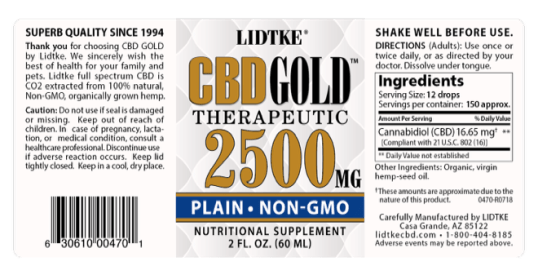

 Madison Area Lyme Support Group