For close on 45 years Andrew Saul has been teaching people how to use vitamins instead of drugs. Never was his voice more needed than it is today.
Hear his recommendations for using common every day vitamins to prevent and treat some of today’s most notorious diseases (and viruses!). Andrew does NOT sell or endorse vitamin products, so you can be sure of an honest opinion.
An Acclaimed Vitamin Series
with the World’s #1 expert
>Online & Free: Starts February 9th<
>>>Register in top link to watch this FREE 7-Part Series<<<
Lyme Bacteria Virulence: What You Must Know About Borrelia
by Dr. Bill Rawls
Updated 1/19/21
To truly understand Lyme disease, you must understand the nature of microbes. This article places Lyme disease in perspective with other known microbial diseases by taking a close look at virulence, the level of a microbe’s ability to cause damage or disease in the host.
I’ll explain why Lyme is a chronic infection of not one microbe, but multiple microbes, and why chronic Lyme disease must be treated differently than acute microbial diseases. I’ll also provide evidence for links between Lyme disease and other chronic degenerative diseases such as fibromyalgia, and offer natural solutions that best fit the level of the microbe’s virulence.
Microbes Are Ubiquitous
Microorganisms, aka microbes, are microscopic single-celled living organisms that are invisible to the naked eye. The term “microbe” is very general. It includes mostly bacteria and viruses, but also protozoa and certain types of fungi.
Because microbes are invisible, sometimes we forget how pervasive they really are. In reality, microbes are everywhere; they are able to thrive in every environment on earth. Every living organism is colonized by microbes — including your body.
At this very moment, trillions of microbes are living in and on your body. The sum total of all the microbes that inhabit your body is called the microbiome. It includes somewhere between 20,000 and 40,000 bacterial species, but scientists have just begun to catalog all the viruses. With an infinite number of different combinations, your microbiome is different from every other person’s on the planet.
You’ve probably heard of some microbes being called “good” or “bad,” but they can’t be defined that way — they’re simply trying to survive. The microbes that we encounter are host dependent, which means they must acquire the nutrients necessary for survival from a host like us.
Microbes that inhabit the body are concentrated mostly in the gut and on the skin. Bacteria and other microbes in the gut survive off of the leftovers from food that you don’t absorb. On the skin, they survive off of oils you secrete to lubricate your skin.
Availability of food is the primary factor that affects growth of microbes like bacteria — they keep growing as long as food is present. Not surprisingly, the highest concentration of bacteria and other microbes is in the intestinal tract where there’s plenty of free food. Because nutrients on the skin are sparse, the concentration of microbes is much lower than in the gut.
How Microbes Break Through Your Barriers
The problem with microbes is a matter of resources: The carbohydrates, fats, proteins, vitamins, and minerals that make up the cells of your body are also potentially a source of food. In fact, your cells are such an exceptionally good food source for microbes that the body must maintain barriers to keep the organisms out.
The primary barriers of the body include:
Skin
Mucous membranes that line the mouth and nasal passages
Stomach and intestinal linings
Bronchial passageways in the lungs
The skin of body openings, such as the ears and vagina
Microbes are always looking for an opportunity to break through barriers — an infection is just a microbe trying to find a way inside your tissues to get at your cells. If they can make it through and enter the bloodstream, then they have access to all the cells inside the tissues of your body. That’s where microbes cause harm — by consuming cells of the body.
Unfortunately, the barriers of the body aren’t nearly as secure as you might hope. A study in 2015 found that bacteria from the gut constantly trickle across the intestinal barrier into the bloodstream. It happens in everyone, but it’s more pronounced if the balance of microbes in the gut has become disrupted by chronic stress and a steady diet of carb-loaded processed foods.
Any break or cut in the skin also gives microbes on the skin, such as staph or strep, the opportunity to invade deeper tissues and consume the unprotected cells just below the skin surface. A skin infection is simply bacteria consuming cells in tissues below the surface of the skin.
It’s not just the microbes that are already on or in your body that you have to worry about, however. Microbes from the outside environment are constantly trying to break through barriers to get into your body, too — the nutrients and resources that your cells have to offer are just too good to ignore!
Different microbes choose different pathways. Some microbes, such as influenza and coronavirus, ride on air droplets to enter the body by way of the nasal passageways and lungs. All it takes is one infected person in a crowded space to infect the entire room.
Intimate contact is another popular route for microbes to take into the body. The list of microbes that can be transmitted by sexual contact is longer than you might expect.
And then there are blood-sucking insects. Who hasn’t been bitten by a tick, biting fly, mosquito, or flea? The idea that only certain ticks carry the microbes that cause Lyme disease is correct, but every tick carries hundreds of different species of microbes. Blood-sucking insects are nature’s perfect vehicle for spreading microbes. Why wouldn’t lots of different microbes take advantage of such an opportunity?
The only thing that prevents microbes from ravaging the cells of your body is your immune system. When a foreign microbe crosses a barrier or enters the bloodstream, it encounters the defenses of the immune system.
White blood cells (WBCs) of the immune system line every barrier in the body and circulate throughout the bloodstream — a single liter of blood contains somewhere between 4 and 11 billion WBCs. Your immune system is constantly on guard to defend your cells.
The Virulence Factor
The potential of a microbe to break through barriers and ravage cells of the body is called virulence. Virulence is a function of both the natural aggressiveness of the microbe and how familiar the immune system is with a particular microbe. Of the two, the immune system’s familiarity is most significant.
The human immune system is extraordinarily sophisticated. It evolved over millions of years of repetitive exposure to an enormous number of different microbes. For every trick that microbes devised to get past immune system barriers, the immune system developed countermeasures to match it — layer upon layer of different levels of protection are hardwired into your genes for countless numbers of microbial threats.
It means that the more familiar a microbe is to your immune system, the better it can manage it. A pathogen(disease-causing microbe) is just a foreign microbe that your immune system doesn’t know very well and therefore isn’t pre-equipped to handle.
Of course, there are different degrees of pathogens. The higher a microbe’s potential to do harm, the greater its virulence.
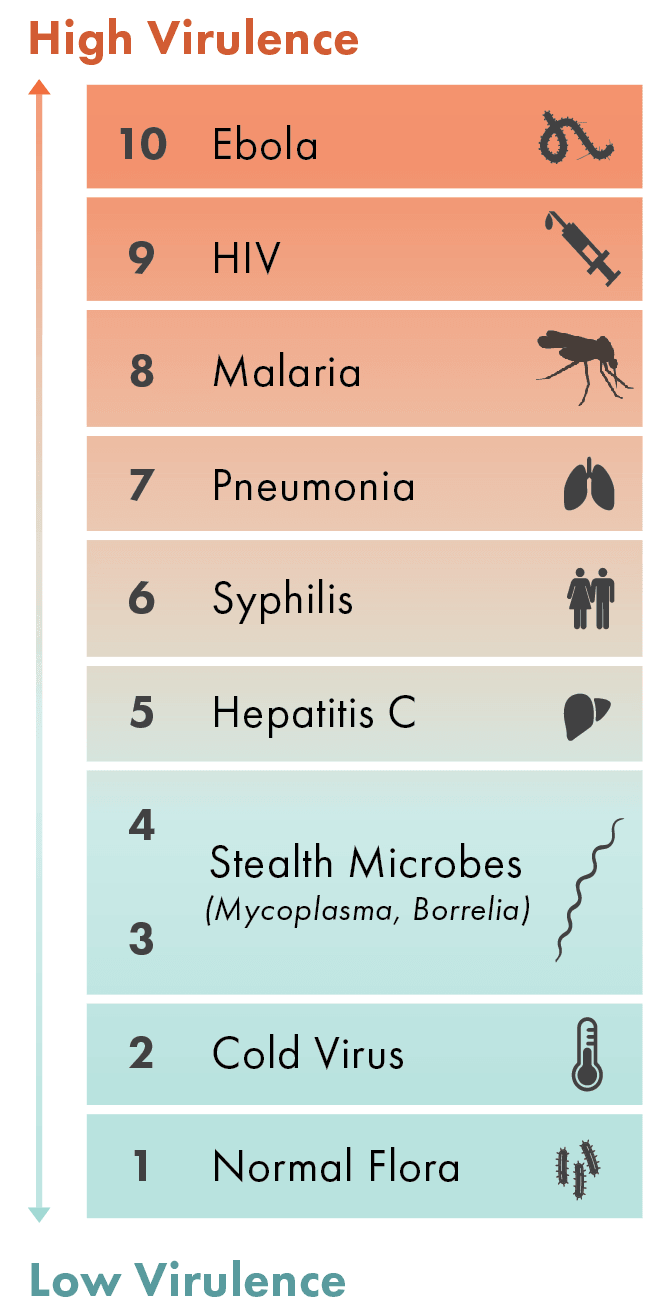
Possibly the most virulent microbe of our time is Ebola virus. Most anyone who becomes infected with Ebola virus becomes severely ill, and the mortality rate can be as high as 60%.
The reason that Ebola is so threatening is because humans have rarely been exposed to it, therefore the immune system has no built-in defenses against it. On a scale of 1 to 10, Ebola would be a definite 10. Other than possibly HIV, there’s not much that can match Ebola virus’s potential to ravage cells of the body.
At the opposite end of the spectrum are the microbes that dominate our skin and body cavities (throat, lungs, stomach, intestines, genital openings). Defined as normal flora, these microbes would be 1 on the scale — not zero, because even our normal flora have potential to do harm, but that potential is very low.
Your immune system “knows” the microbes defined as normal flora better than any others — it’s a relationship that’s been honed over millions of years. By being able to keep the natural aggressiveness of these microbes completely in check, a mutually beneficial relationship becomes possible. In trade for the nutrients and resources you provide, they give back by helping to digest food, providing certain vitamins (B12, vitamin K), and preventing overgrowth of more threatening microbes that are always present.
Of course, there are a wide variety of microbes that exist between Ebola (10) and normal flora (1). As a general rule, the more virulent a microbe happens to be, the less common it is, and vice versa. This would be as expected; the more common a microbe is in nature, the greater the chances of the immune system having had repetitive exposure to it.
This works out mostly in our favor: The chances of being exposed to a highly virulent microbe such as Ebola virus are quite rare for most people, but everyone is exposed to cold viruses on a regular basis. Viruses that cause the common cold have been following humans around since the beginning of humans, and therefore, the human immune system is extremely familiar with them. They would come in at about 2 on the virulence scale.
Virulence decreases with exposure. Once someone has been infected with a microbe and recovers, the immune system “learns” to manage that microbe and it becomes less of a threat. Vaccines provide an opportunity for the immune system to learn to deal with a microbe without suffering the consequences of an infection with the actual microbe.
Virulence can also vary from person to person. This has been very evident with the COVID-19 pandemic, where half the population hardly gets sick at all with exposure to the virus, but some people can get extremely sick. It all has to do with whether a person’s immune system has built-in immunity to the virus.
A Strategy of Stealth
Foreign microbes don’t necessarily have to be highly virulent to be successful. In fact, some of the most successful microbes trade virulence for persistence. Often called stealth microbes or stealth pathogens, these sneaky opportunists specialize in staying just under the immune system’s radar. They enter the body with little fanfare or commotion. Initial symptoms may be mild, if they occur at all.
Though the immune system is familiar with them, these microbes are masters at persisting — chronic infections are common. Unlike normal flora that call your body home, their mission is maintaining a presence in tissues of the body and waiting for an opportunity to spread to other hosts. Because of their stealthy nature and because they are remarkably common, these are the microbes you should worry about most.
One key strategy that stealth microbes use to persist inside the body is invading and living inside cells (called intracellular). Infecting and living inside cells of other living organisms is an ancient strategy that microbes have been honing for billions of years.
By infecting and pirating organic molecules and resources from larger cells (the ultimate dine-in experience), microbes can survive without having to work very hard. Living inside another cell offers food and protection, from the immune system, other bacteria, and antibiotics. It’s an easy living strategy used by many bacteria, some protozoa and yeast, and all viruses.
Borrelia burgdorferi, the bacteria commonly associated with Lyme disease, is one such microbe. Borrelia has been infecting humans by way of tick bites as long as there have been humans — the human immune system is very familiar with it. It’s present in various species of ticks worldwide, from the tropics to the arctic circle. On the virulence scale, it would be about a 4 in most people.
After entering the bloodstream by way of a tick bite, Borrelia infects white blood cells and disperses to tissues throughout the body (joints, brain, heart, everywhere else), where it infects and lives inside cells. Though the immune system would like to eradicate this pest completely, Borrelia is so proficient at maintaining a presence that often a stalemate is reached in which the bacteria maintains a low-grade presence in tissues.
Often people don’t even know they’ve been infected. Tick bites frequently go unrecognized, and symptoms at the time of acute infection are often mild, if they occur at all. Once established in tissues, the fact that Borrelia lives inside cells and occurs in low concentrations makes it difficult to diagnose and almost impossible to eradicate with antibiotics.
In a healthy host, the bacteria can stay dormant in tissues for years —even for a lifetime — without causing symptoms. Let the immune system falter for any reason, however, and bacteria can erupt and cause symptomatic illness. Because bacteria are erupting throughout tissues in the body, a wide range of symptoms are possible, including fatigue, brain fog, joint pain, muscle pain, intestinal problems, and feeling flu-ish.
Borrelia is One of Many Stealth Microbes
Borrelia is far from being the only stealth microbe. All of the recognized Lyme coinfections are stealth microbes, but that may be just scratching the surface.
When chronic Lyme disease sufferers are tested for coinfections, most are found to be carrying more than one of several possibilities including mycoplasma, bartonella, babesia, chlamydia, ehrlichia, and anaplasma. Testing, however, is limited to one or a few species of certain bacteria — dozens of species are possible for each bacteria.
Ticks alone carry hundreds of different microbes, but some of these bacteria are more commonly spread by other routes. Mycoplasma pneumoniae and Chlamydia pneumoniae are common respiratory infections that most people pick up as kids. Other species of mycoplasma and chlamydia are commonly spread by intimate contact with other people.
And then there are the viruses. Many people with chronic Lyme disease are also found to have reactivation of Epstein-Barr virus (EBV), cytomegalovirus (CMV), HHV-6 types a and b, HHV-7, HHV-8, and/or parvovirus.
All of these microbes sit within the lower half of the broad base of the virulence chart. Therefore, it shouldn’t be surprising that there are so many possibilities: Microbes that fit the description of stealth microbes are remarkably common. The fact of the matter is that every living organism on earth — plants, mushrooms, animals, and people inclusive — harbor some cells infected with microbes.
Characteristics of Low-Virulence Stealth Microbes
Initial infection is generally a mild event.
Asymptomatic chronic infection is common — chronic symptomatic dysfunction only occurs if immune system functions are disrupted.
Chronic infection is associated with vague, nonspecific symptoms(fatigue, brain fog, tingling in extremities, joint pain, muscle pain) that are unrelated to the initial infection.
Chronic infection is associated with low concentrations of the microbe in the body, often making diagnosis challenging.
Stealth microbes have a slow growth rate.
They are intracellular – microbes have the ability to live inside cells.
Chronic infection with stealth microbes typically responds poorly to antibiotics and vaccines.
Symptoms result from inflammation resulting from manipulation of the immune system by the microbes, not as much from direct harm by the microbe.
They take the path of least resistance and gravitate toward sites of established inflammation in the body (twisted knee, eye abrasion, liver overburdened with toxins).
Stealth microbes work together; chronic infection with multiple microbesis the norm.
No doubt, infection with multiple stealth microbes at once increases virulence. Each of the above mentioned microbes uses a slightly different strategy for outmaneuvering the immune system. Several stealth microbes together can disrupt immune system functions enough to open the door to chronic symptomatic infection.
In other words, virulence is additive – multiple stealth microbes together may have a higher potential to cause symptomatic illness.
Chronic Lyme disease is rarely (possibly never) a disease caused by one microbe. Multiple stealth microbes come together to cause chronic Lyme disease.
Infection with multiple microbes does not always occur simultaneously, though it can happen with the same insect bite. A stealth microbe such as mycoplasma or bartonella may be present (possibly for a long time) without causing symptoms. Then a tick bite transmitting borrelia or other tick-borne microbes comes along and disrupts immune system functions enough to allow symptomatic illness.
Borrelia doesn’t even have to be involved. Coinfections can occur with any of the above microbes without borrelia. Because stealth microbes cause similar nonspecific symptoms, chronic infections with other stealth microbes can look just like Lyme disease.
If you draw circles around the symptoms associated with Lyme disease, chronic fatigue, and fibromyalgia, the circles deeply overlap. The nonspecific symptoms commonly associated with any one of the listed stealth microbes sit right in the middle of those overlapping circles.
In other words, the possibility that fibromyalgia and chronic fatigue are also associated with stealth microbes is extremely high. Variations in symptoms depend on the microbes present. The list of known stealth microbes gets longer everyday, and who knows how many are waiting to be discovered.
It’s rarely the microbes alone that cause chronic illness, however. Stealth microbes are remarkably common; avoiding acquiring some of them is nearly impossible. It’s other factors that disrupt immune system functions and tip the balance toward chronic illness.
There Is An Epidemic of Chronic Immune Dysfunction
The steady rise in chronic diseases like Lyme disease, fibromyalgia, chronic fatigue, and autoimmune and other degenerative diseases over the past 75 years is disturbing, but explainable. The underlying problem is not an epidemic of emerging stealth microbes (stealth microbes have been around for thousands of years), but instead something that we have brought on ourselves.
The modern world has become saturated with environmental factors that disrupt immune function, with four in particular doing the bulk of the damage.
The Most Prevalent Immune Disruptors
Poor Diet: The vast majority of foods consumed by much of the population of the developed world are heavily processed and artificially derived.
Environmental Toxins: The world has become saturated with toxic petrochemicals and artificial sources of radiation.
Chronic Stress: Oppressive daily stress has become synonymous with modern life.
Sedentary Lifestyle: Technological advancements — computers, cars, televisions, cell phones — enables our culture to move less and sit more.
These modern stress factors come together to cause widespread chronic immune dysfunction in much of the world’s population. This opens the door for chronic infections with stealth microbes that otherwise would not have been such a threat.
Global warming, increased ticks, and people spending more time outdoors may also fit into the equation, but these outward factors matter less than you might think.
Stealth microbes have always been there and they always will be…just waiting for an opportunity!
The Best Solutions are Defined by Virulence
Highly virulent microbes must be addressed with a compatible level of potency. Targeting specific microbes with specific drug therapy (antibiotics, antivirals, vaccines, other supportive drugs) is the best approach for controlling highly virulent microbes. Acute infections such as Rocky Mountain Spotted Fever generally respond well to antibiotic therapy. The Ebola epidemic in Africa has been almost completely controlled with quarantine alone.
The classic “identify, target, and destroy” approach that works for high virulence microbes, however, is not a good fit for stealth microbes. First of all, it’s hard to know what to target. Even if one microbe is revealed by testing, the possibility of many other hidden stealth microbes being present is much too high to ignore.
The very nature of stealth microbes makes them resistant to conventional therapies. Even when stealth microbes come together to cause significant chronic illness, they still retain their individual stealth characteristics. Slow growth, low concentrations of bacteria, and the ability to live inside cells and isolated areas of the body dramatically limit the usefulness of synthetic antibiotics. And the ability of stealth microbes to continually alter genetic signature renders vaccines worthless.
The best solutions are actually not high tech. Normal health can be restored by creating a healing environment within the body. Minimizing immune disruptors by eating a clean diet, eliminating unnecessary toxins, reducing oxidative stress with antioxidants, managing stress, and exercising regularly is essential for becoming well.
Natural herbal therapy is a perfect complement. Many herbs reduce inflammation and enhance immune function, while at the same time suppressing stealth microbes. Because herbal therapy is so remarkably safe, it can be continued for a lifetime.
1. Begin with Herbal Therapy.
If you’re looking for a practical means to bolster your immune system and protect the health of your cells, I recommend starting with plants. Like humans, plants must protect themselves from a wide range of stress factors: damaging free radicals, physical stress from harsh weather, toxic substances, harmful radiation, insects, invasive fungi, parasites, and, last but not least, every variety of microbe.
The chemical substances that plants use to combat threats and safeguard themselves are called phytochemicals. Phytochemicals are made up of a diverse assortment of hundreds of different chemical compounds that serve a variety of needs via numerous mechanisms. Some are antioxidants that protect cells from different types of free radicals, toxic substances, and harmful radiation. Others promote the balance of communication systems within the plant and contain a myriad of antimicrobial phytochemicals.
The herbs that top my list (and that are most widely available) for anyone dealing with Lyme disease and stealth microbes include:
You don’t have to take all of these herbs to experience benefits, but taking more than one herb at a time broadens the range of coverage against the stealth microbes that may be present.
2. Stock Up On Micronutrients for Your Cells.
Your cells use up a lot of essential nutrients that are necessary for optimal function when you’re stressed or dealing with a chronic illness like Lyme disease. To counteract this, I recommend complementing herbs with a combination of supportive, natural micronutrients:
Glutathione
This essential antioxidant plays a key role in protecting mitochondria (the powerhouses of cells) from free-radical damage, as well as enhancing detoxification processes and fortifying immune functions. To maintain your glutathione reserves, supplement with 500-1,000 mg reduced powdered glutathione twice daily (doses are dependent on preparations used).
N-acetyl cysteine (NAC)
A precursor to glutathione with antioxidant and anti-inflammatory properties, NAC helps to protect cells from damage and oxidative stress. To optimize NAC levels, supplement with 500 mg twice daily. (Note that doses are dependent on preparations used.)
Vitamin D
Known as “the sunshine vitamin,” vitamin D is critical for normal immune function. Vitamin D is created in the skin with exposure to UV rays of sunlight. Because most people have low sun exposure (or use sunscreen, which blocks vitamin D production), low vitamin D levels are common. A simple blood test from your healthcare provider will tell you if your levels are adequate (> 40ng/ml).
Vitamin D3 is the preferred form of supplementation. Depending on the starting level, you may benefit from anywhere between 1,000 and 4,000 IU daily.
Vitamin C
Another key player in healthy immune function, vitamin C has known antiviral, anti-inflammatory, antioxidant, and immunomodulating properties. With chronic infections, our stores of vitamin C can become depleted. The body needs extra vitamin C when under stress, so aim for 500-1,000 mg of buffered vitamin C daily.
3. Nourish Your Body.
Beyond herbs and micronutrients, another key to preventing the chronic immune dysfunction that leaves us vulnerable to chronic Lyme disease and other chronic illnesses is by doing everything you can in your everyday life to strengthen the cells in your body. To do this, providing your cells with proper nourishment is essential. These guidelines can help:
Strive to eat more vegetables than anything else. Vegetables are packed with a greater concentration of the nutrients your cells need to function properly than any other food source. Vegetables are also loaded with beneficial fiber that promotes normal digestion and the balance of microbes in the gut.
Eliminate processed food products. This automatically cuts out a load of unnecessary carbohydrates, refined oils, and calories your cells don’t need. It also cuts out gluten, a protein in wheat that many people are sensitive to.
Eat fresh, whole foods. The fresher your food is and the closer to its natural origins, the higher its potential to nourish your cells. In other words, it’s much better to enjoy an apple or a handful of fresh pecans for a snack than a processed “health” food bar that contains apples and nuts.
4. Bring On Calm.
Finding a state of calm is necessary to engage your natural healing processes — and yet pressuring yourself to relax isn’t exactly conducive to chilling out. It can be a vicious cycle, and breaking free really requires committing to creating a healing environment within the body.
A first, vital step is getting enough sleep. Your cells rely on that time to regenerate, so you need at least eight hours of good quality sleep every night.
If you have trouble drifting off, make a habit of turning down the lights, cutting off the technology, and listening to light, restful music for at least an hour before you turn in for bed. Herbs like cannabidiol or CBD oil, motherwort, passion flower, and bacopacan also help you wind down and invite sleep.
5. Purify Your Environment.
Toxic substances can enter the body in three ways: by mouth, breathing, and absorption through the skin. If you live in a contaminated environment (and the vast majority of us do), your wellness potential will be affected by toxic substances.
That’s why it’s essential that you reduce your exposure to environmental toxins whenever you can. Some of the simplest, most impactful ways to do that: Opt for organic foods when feasible, filter your water and air, and choose non-toxic cleaning supplies and beauty products.
6. Move As Much As You Can.
Staying in motion increases blood flow, which washes out toxins, stimulates healing, and increases oxygen and nutrient delivery to cells. That said, if you have chronic illness and overdo it, there’s a risk of setback and post-exertional malaise (PEM), which is a worsening of symptoms such as fatigue, sleeplessness, cognitive issues, pain, dizziness, and more.
So keep in mind that becoming active again must be a delicate balance between moving enough to gain benefit, but not so much that it aggravates inflamed tissues and causes further damage. Some suggestions for starting slow and easy include going at your own pace, trying restorative exercise like yoga and qigong, swimming slow laps, and stopping before the movement starts to make you feel bad.
Final Thoughts
Natural herbal therapy reduces inflammation and enhances immune function, while at the same time suppressing stealth microbes and protecting our cells. Because herbal therapy is so remarkably safe, it can be continued for a lifetime.
To maximize its effectiveness, combine herbs with eating a clean diet, eliminating unnecessary toxins, managing stress, and exercising regularly. When you take steps to care for your immune system properly and nourish your cells, your path to recovery becomes a little bit brighter.
Dr. Rawls is a physician who overcame Lyme disease through natural herbal therapy. You can learn more about Lyme disease in Dr. Rawls’ new best selling book, Unlocking Lyme. You can also learn about Dr. Rawls’ personal journey in overcoming Lyme disease and fibromyalgia in his popular blog post, My Chronic Lyme Journey.
REFERENCES:
1. Berghoff, W, Chronic Lyme Disease and Co-infections: Differential Diagnosis, Open Neurol J., 2012, 6, p. 158-178
2. A G Barbour and S F Hayes, Biology of Borrelia Species, Microbiol Rev. Dec. 1986, 50(4) p. 381-400
3. A Steer, J Coburn, and L Glickstein, The Evergence of Lyme Disease, J Clin Invest, April 2004, 113(8), p. 1093-1101
4. S Buhner, Healing Lyme, Natural Healing and Prevention of Lyme Borreliosis and Its Coinfections, Raven Press, Silver City, N.M., 2005
5. S Buhner, Healing Lyme Disease Coinfections, Healing Arts Press, 2013
6. S Buhner, Natural Treatment for Lyme Coinfections, Healing Arts Press, 2015
7. Nicholson G, Chronic Bacterial and Viral Infections in Neurodegenerative and Neurobehavioral Diseases, May 2008, LABMEDICINE, Vol 39 (5), p. 291-299
8. Hvidsten et al, Borrelia burgdorferi sensu-lato-infected Ixodes ricinus collected from vegetation near the Arctic Circle, Tick Borne Dis., July 6, 2015
9. Masuzawa T, Terrestrial distribution of the Lyme borreliosis agent Borrelia burgdorferi sensu lato in East Asia, Jpn J Infect Dis, Dec 2004, 57 (6), p. 229-235
10. K Waites and D Talkington, Mycoplasma pneumoniae and its Role as a Human Pathogen, Oct 2004, Clinical Microbiology Reviews
11. Hakkarainen, Turrunen, Miettinen, Kaitik, and Jannson, Mycoplasmas and Arthritis, Ann Rheu Dis, 1992, Oct 5 (11): p. 1170-1172
12. Baseman, Joel, et.al., Mycoplasmas: Sophisticated, Reemerging, and Burdened by Their Notoriety, CDC, Journal of Infectious Diseases, Vol 3, No.1, Feb 1997
13. Leslie Taylor, ND, Mycoplasmas – Stealth Pathogens (Review article), Jan 2001
14. Razin, Yogev, Naot, Molecular Biology and Pathogenicity of Mycoplasmas, Microbiol Mol Biol Rev, 1998, Dec; 62(4): p. 1094-1156
15. J Rivera-Tapia, N Rodriguez-Preval, Possible role of mycoplasmas in pathogenesis of gastrointestinal diseases, Rev Biomed 2006 17: 132-139
16. www.cdc.gov/ebola/
17. www.cdc.gov/powassan/
18. National Geographic magazine, Nov 2011
19. Diuk-Wasser MA, Vannier E, Krause PJ. Coinfection by Ixodes Tick-Borne Pathogens: Ecological, Epidemiological, and Clinical Consequences. Trends in Parasitology. 2016 Jan; 32(1): 30-42. doi: 10.1016/j.pt.2015.09.008
20. Ebola virus disease. World Health Organization website. https://www.who.int/news-room/fact-sheets/detail/ebola-virus-disease
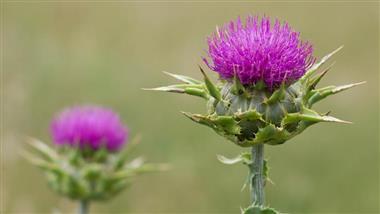
The primary bioactive compound in milk thistle is a group of flavonolignans called silymarin, which have known hepatoprotective properties including against the deadly death cap mushroom
Silymarin can reduce the fibrotic liver changes leading to cirrhosis associated with nonalcoholic steatohepatitis (NASH), a more advanced form of nonalcoholic fatty liver disease (NAFLD)
Silymarin has anticancer, neuroprotective and antiosteoclastic properties. The plant is highly invasive and toxic to livestock
Formulations combined with phospholipids such as phosphatidylcholine improve bioavailability and therapeutic efficiency
Milk thistle (Silybum marianum) is a member of the Asteraceae family and an herbaceous perennial native to Southern Europe and Asia. The plant enjoys full sun and grows to a height of nearly 5 feet. It blooms between July and August with deep purple to pink flowers.1
Throughout history, people have used the fruit and seeds of the milk thistle plant as a treatment for liver disorders. The plant goes by several other names, including Holy thistle, Mary thistle, Our Lady’s thistle, wild artichoke and St. Mary thistle.2
Traditionally, the leaves have been harvested to use in salads and the flower may be roasted and used as a coffee substitute. However, it is the seeds of the milk thistle that were prized for their medicinal activity.
According to the NIH, the oldest recorded use of the plant was by Dioscorides, who believed it could be used as a treatment for snake bites.3 During the Middle Ages it was used as an antidote for liver toxins and by 1898 physicians were using it to treat liver, kidney and spleen disorders. Currently, the German Commission E lists milk thistle for the treatment of hepatic cirrhosis and toxin-induced liver damage and to support chronic inflammatory liver conditions.
Milk Thistle Protects Your Liver Health
The main bioactive compound in milk thistle is a group of flavonolignans called silymarin.4Flavonolignans are a group of flavonoids with known hepatoprotective properties.5 Silymarin consists of seven different flavonolignans among which silybin has the highest concentration and biological effect. Nearly 70% of silymarin is in the form of silybin A and silybin B.6
Silymarin can be isolated from milk thistle seeds, and while the term milk thistle and silymarin have been used interchangeably, it is technically inaccurate. Multiple studies have demonstrated the ability of silymarin to help protect your liver, and it is regularly used in individuals whose liver has been damaged by nonalcoholic fatty liver disease, hepatitis and liver cancer.7,8
Silymarin also has a protective effect against amatoxin, a deadly toxin produced by the death cap mushroom. Nearly 90% of fatalities from mushrooms worldwide are due to the death cap mushroom.9 Symptoms manifest six to eight hours after ingestion and are followed by kidney and liver failure.
In one review, researchers found nearly 1,500 documented cases where the mortality was less than 10% in patients treated with Legalon® SIL, a pharmaceutical silibinin compound. In another case report,10 doctors successfully treated two patients who accidentally ingested the death cap mushroom with a combination of n-acetylcysteine, cimetidine, silibinin and high-dose penicillin.
Benefits to liver health from silymarin likely result from the antioxidant, anti-inflammatory and antifibrotic properties of the compound. Silymarin also has demonstrated the ability to reduce virus-related liver damage and has a direct antiviral effect when administered intravenously in patients with hepatitis C.11
Silymarin has a positive effect on nonalcoholic steatohepatitis (NASH), which is a more advanced form of nonalcoholic fatty liver disease.12 The compound can also help reduce the fibrotic changes that lead to liver cirrhosis.13 In combination with vitamin E, researchers found silymarin helps improve liver function tests and can be:14
“… an alternative valid therapeutic option particularly when other drugs are not indicated or have failed or as a complementary treatment associated with other therapeutic programs.”
Your Liver: The Great Detoxifier
One of the largest organs in your body is your liver, and for good reason. It performs many metabolic and detoxifying functions, helping to convert toxic substances into harmless substances that are then released from your body.15
Your liver is in your upper abdominal cavity just under your right diaphragm, where it sits on top of your stomach. A normal healthy adult liver weighs about 3 pounds and is made of two lobes connected by a band of connective tissue.16
Just inside the hollow under the liver is the gallbladder, where your body stores bile. At any given time, your liver holds about 13% of your body’s blood supply, which it filters and then excretes toxins in 800 milliliters to 1,000 milliliters of bile each day.17 This is emptied into your gallbladder.
In addition to detoxifying your blood, your liver also produces some of the proteins for blood plasma, converts excess sugar into glycogen and helps balance the production of glucose.18 Your liver is also responsible for regulating blood clotting mechanisms, resisting infections and clearing bilirubin that is formed when hemoglobin breaks down.
Silymarin offers significant benefits to your liver, including the ability to increase glutathione, which is a powerful antioxidant crucial for liver detoxification.19 Researchers have also found it may help your liver cells to regenerate, supporting the only organ in your body capable of regeneration.20
Incidence of Liver Disease on the Rise
As you can imagine, liver damage affects these functions and more. Although many tend to equate liver disease with alcohol use, as many as 100 million people suffer from nonalcoholic fatty liver disease (NAFLD),21 which is associated with obesity.22 As the incidence of obesity in the U.S. has risen, so has NAFLD. In 2017-2018, the age adjusted prevalence of obesity in the U.S. was 42.4% of adults.23
Risk factors for nonalcoholic fatty liver disease include obesity, diabetes, high triglyceride levels and poor eating habits. The condition is sometimes called a silent disease because you may not experience any symptoms and many people may live with the condition without developing further liver damage.24 If NAFLD progresses with signs of inflammation and cell damage, it is called nonalcoholic steatohepatitis (NASH).
NAFLD is also the most common type of liver disease found in children.25 Data released in January 202026 from a large cohort in the U.K. found 20% of young adults had NAFLD.
When the researchers widened the data set, they found over 20% had evidence of NAFLD and 2.5% had developed fibrosis. Breaking out the data further, they found at 17 years, 2.5% had moderate to severe levels, yet by age 24 this had risen to 13%.
Silymarin Reduces Cellular Inflammation
Many of the health benefits attributed to silymarin are the result of the compound’s capacity to help reduce cellular inflammation. Research has suggested silymarin does this using a two-phase process similar to that used by other natural compounds such as curcumin and epigallocatechin gallate, found in green tea.27
During the first phase there was a rapid increase in genetic expression that is linked with cellular stress. After this follows a longer sustained depression of genetic expression that is found with inflammation. As described by the National Center for Complementary and Integrative Health, in this study, silymarin:28
Induced endoplasmic reticulum stress
Triggered activating transcription factor 4 (ATF-4) and AMP-activated protein kinase (AMPK), and inhibited mammalian target of rapamycin (mTOR)
Modulated the actions of many types of metabolites
Inhibited inflammatory signaling pathways, when given on a prolonged basis (at 24 hours, in this study)
An important factor in those steps is the activation of AMP-activated protein kinase (AMPK). This is an enzyme that sometimes is called the “metabolic master switch” since it plays an important role in regulating metabolism.29 According to the Natural Medicine Journal, AMPK regulates biological activities to normalize energy imbalances. In addition:30
“AMPK helps coordinate the response to these stressors, shifting energy toward cellular repair, maintenance, or a return to homeostasis and improved likelihood of survival. The hormones leptin and adiponectin activate AMPK. In other words, activating AMPK can produce the same benefits as exercise, dieting, and weight loss — the lifestyle modifications considered beneficial for a range of maladies.”
More Health Benefits With Milk Thistle
These factors mean milk thistle offers a wide range of health benefits. Milk thistle extracts have been tested for anticancer actions in prostate cancer both in the lab and in clinical trials. According to one study, “extracts enriched for isosilybin B, or isosilybin B alone, might possess improved potency in prostate cancer prevention and treatment.”31
The plant also has neuroprotective effects and has been used in the treatment of Alzheimer’s and Parkinson’s disease in modern society and neurological diseases such as cerebral ischemia for well over 2,000 years.32 The antioxidant and anti-inflammatory properties may contribute to the neuroprotective effects that help prevent a decline in brain function as you age.33
In one study, researchers used silymarin to reduce oxidative stress and inflammation in an animal model that helped reduce the potential for dementia in obese animal subjects.34 Other studies have also demonstrated the ability of milk thistle to reduce amyloid plaques in animal models associated with Alzheimer’s disease.35,36
Silymarin has also demonstrated antiosteoclastic activity in animal studies, causing one research team to conclude it significantly prevents bone loss, potentially “either due to direct interaction with Erbeta [an estrogen receptor beta-isoform] or increasing bone formation parameters including calcium, phosphorus, osteocalcin and PTH.”37
The American Pregnancy Association writes that blessed thistle has been used for hundreds of years to raise a woman’s milk supply, and it is especially effective when taken with fenugreek.38
One published study of 50 healthy lactating women demonstrated oral supplementation with 420 milligrams per day of silymarin boosted their milk supply by 85.94% as compared to the women taking a placebo whose milk supply went up 32.09%.39 None of the women dropped out and no one reported unwanted side effects.
Considerations Before Planting Milk Thistle at Home
Before planting milk thistle in your garden or picking up a milk thistle supplement, there are a few things to consider. Research has found silibinin is poorly absorbed as it has low water solubility. Using a novel formulation, combining silibinin with phosphatidylcholine, researchers were able to improve the solubility and bioavailability, which markedly improved the therapeutic efficiency.40
If you’re hoping to grow your own plants in your backyard and harvest for tea and salads, be forewarned the plant is highly invasive and spreads quickly. While you may not mind having it all over your yard, it doesn’t respect your neighbor’s boundaries and will likely end up in their yard as well.
Milk thistle is also highly toxic to livestock, so if you have grazing animals it’s important you don’t plant it outside.41 Milk thistle has adapted to growing even in poor quality soil. The plants enjoy full sun and once the flowers have begun to dry, they’ll be ready for harvest.42
Cut the flowers and place them in a paper bag, storing the bag in a dry place so the flower heads dry. Once all the moisture is gone, shake the bag to separate the seeds, which can then be kept in a dry airtight container.
The seeds can be powdered in a coffee grinder and sprinkled on your salads, added to smoothies or even raw juice. You can use the seeds to make your own tea, which you’ll find a recipe for in “Magnificent Milk Thistle.”
Digestive issues like abdominal cramps, heartburn, nausea, and diarrhea often plague Lyme disease patients. The symptoms can be life-disrupting and tough to treat, and combined with the underlying causes, they can actually inhibit your ability to overcome Lyme.
What’s going on, and how can you heal your gut to jumpstart your Lyme recovery?
Join a live webinar with Dr. Bill Rawls, author of the best-selling book Unlocking Lyme, who knows firsthand what it’s like to live with chronic Lyme disease and gastrointestinal symptoms. He’ll reveal what’s to blame for Lyme-related gut dysfunction, and the holistic approach that helped him and thousands of others restore gut and overall health.
PLUS: Don’t miss an exclusive giveaway for webinar attendees, and have your questions ready for a LIVE Q&A on Lyme disease and gut health with Dr. Rawls.
Why digestive distress is a common and major complaint for people with chronic Lyme disease
How gut bacteria and other microbes trigger a range of symptoms from GI issues like nausea, abdominal pain, and reflux to systemic ones like fatigue, joint pain, and brain fog
The foods, medications, and lifestyle factors that prevent healing and make symptoms worse
The best diet, habits, and natural remedies for restoring a gut health
Numerous insights during the live Q&A with Dr. Rawls
While health authorities and mainstream media have ignored, if not outright opposed, the use of vitamin C and other supplements in the treatment of COVID-19, citing lack of clinical evidence, a landmark review recommends the use of vitamin C as an adjunctive therapy for respiratory infections, sepsis and COVID-19
According to the authors, “Vitamin C’s antioxidant, anti-inflammatory and immunomodulating effects make it a potential therapeutic candidate, both for the prevention and amelioration of COVID-19 infection, and as an adjunctive therapy in the critical care of COVID-19”
Oral vitamin C at doses of 2 to 8 grams a day have been shown to reduce the incidence and duration of respiratory infections
Intravenous vitamin C at 6 to 24 grams a day has been shown to reduce mortality, ICU admission rates, hospital stays and time on mechanical ventilation in patients with severe respiratory infections
An international vitamin C campaign has been launched in response to the landmark review
Regardless of what the mainstream media want you to think, many are starting to realize the truth, which is that both vitamin C (ascorbic acid) and vitamin D have an enormous amount of research showing they provide important immune function enhancements, and that your immune function is your frontline defense against all illness, including COVID-19.
As reported in the paper “Optimal Nutritional Status for a Well-Functioning Immune System Is an Important Factor to Protect Against Viral Infections,” published April 23, 2020:1
“The role nutrition plays in supporting the immune system is well-established. A wealth of mechanistic and clinical data show that vitamins, including vitamins A, B6, B12, C, D, E, and folate; trace elements, including zinc, iron, selenium, magnesium, and copper; and the omega-3 fatty acids eicosapentaenoic acid and docosahexaenoic acid play important and complementary roles in supporting the immune system.
Inadequate intake and status of these nutrients are widespread, leading to a decrease in resistance to infections and as a consequence an increase in disease burden.”
High-Dose Vitamin C Acts as an Antiviral Drug
As explained in the video above by Dr. Andrew Saul, editor-in-chief of the Orthomolecular Medicine News Service, at extremely high doses, vitamin C actually acts as an antiviral drug, effectively inactivating viruses.
His Tokyo presentation, “Orthomolecular Medicine and Coronavirus Disease: Historical Basis for Nutritional Treatment,” highlights the fact that when used as a treatment, high doses of vitamin C — often 1,000 times more than the U.S. Recommended Dietary Allowance (RDA) — are needed.
It’s a cornerstone of medical science that dose affects treatment outcome, but this premise isn’t accepted when it comes to vitamin therapy the way it is with drug therapy. Most vitamin C research has used inadequate, low doses, which don’t lead to clinical results.
“The medical literature has ignored over 80 years of laboratory and clinical studies on high-dose ascorbate therapy,” Saul notes, adding that while it’s widely accepted that vitamin C is beneficial in fighting illness, controversy exists over to what extent. “Moderate quantities provide effective prevention,” he says, while “large quantities are therapeutic.”
Landmark Paper Puts Vitamin C on the COVID-19 Treatment Map
While health authorities and mainstream media have ignored, if not outright opposed, the use of vitamin C and other supplements in the treatment of COVID-19, citing lack of clinical evidence, we now have a landmark review2 recommending the use of vitamin C as an adjunctive therapy for respiratory infections, sepsis and COVID-19.
The review,3 published December 7, 2020, in the journal Nutrients, was co-written by Dr. Paul Marik who, in 2017, developed a groundbreaking vitamin C-based treatment for sepsis. Marik is now heading up the Front Line COVID-19 Critical Care Alliance,4 which has developed a highly successful treatment for COVID-19.
The COVID-19 protocol was initially dubbedMATH+ (an acronym based on the key components of the treatment), but after several tweaks and updates, the prophylaxis and early outpatient treatment protocol is now known as I-MASK+5 while the hospital treatment has been renamed I-MATH+,6 due to the addition of the drug Ivermectin. Vitamin C remains a central component of this treatment, though.
(The two protocols7,8 are available for download on the FLCCC Alliance website in multiple languages. The clinical and scientific rationale for the I-MATH+ hospital protocol has also been peer-reviewed and was published in the Journal of Intensive Care Medicine9 in mid-December 2020.) As explained in the Nutrients review abstract:10
“There are limited proven therapies for COVID-19. Vitamin C’s antioxidant, anti-inflammatory and immunomodulating effects make it a potential therapeutic candidate, both for the prevention and amelioration of COVID-19 infection, and as an adjunctive therapy in the critical care of COVID-19.
This literature review focuses on vitamin C deficiency in respiratory infections, including COVID-19, and the mechanisms of action in infectious disease, including support of the stress response, its role in preventing and treating colds and pneumonia, and its role in treating sepsis and COVID-19.
The evidence to date indicates that oral vitamin C (2-8 g/day) may reduce the incidence and duration of respiratory infections and intravenous vitamin C (6-24 g/day) has been shown to reduce mortality, intensive care unit (ICU) and hospital stays, and time on mechanical ventilation for severe respiratory infections …
Given the favorable safety profile and low cost of vitamin C, and the frequency of vitamin C deficiency in respiratory infections, it may be worthwhile testing patients’ vitamin C status and treating them accordingly with intravenous administration within ICUs and oral administration in hospitalized persons with COVID-19.”
International Vitamin C Campaign Launched
In a December 16, 2020, action alert,11 Rob Verkerk, Ph.D., founder and scientific director of the Alliance for Natural Health, announced the launch of an international vitamin C campaign12 in response to the landmark review, which “puts all the arguments and science in one, neat place.”
As noted by Verkerk, there are several reasons to take supplemental vitamin C. First, your body cannot make it. Second, most people do not get sufficient amounts from their diet and, third, your body’s requirement for vitamin C can increase 10-fold whenever your immune system is challenged by an infection, disease or physical trauma.
In fact, the Nutrients review13 points out that it’s common for hospitalized patients to have overt vitamin C deficiency, defined as a blood level at or below 11 µmol/L. This is particularly true for older patients and those hospitalized for respiratory infections.
According to the authors, “Vitamin C concentrations are three to 10 times higher in the adrenal glands than in any other organ. It is released from the adrenal cortex under conditions of physiological stress (ACTH stimulation), including viral exposure, raising plasma levels fivefold.” In his action alert, Verkerk notes:14
“Taking vitamin C as a preventative and then, upping your intake if you’re infected, is a no brainer.So is using vitamin C intravenously for those with acute respiratory infections, or sepsis, in critical care.
So much so, that we argue — given the now available evidence — that doctors and other health professionals who avoid recommendations on vitamin C in relation to COVID disease prevention and treatment, should be considered medically negligent …
There is ample evidence to show that supplements like zinc, vitamin C, and vitamin D can help prevent and treat COVID-19, but we’re prevented from learning about these benefits by the federal government.
Because supplements are not, and can never become, FDA-approved, they cannot claim to have an impact on disease, even when we know they can. This nonsense has to stop.”
How Vitamin C Works
As mentioned, the Nutrients review15 details vitamin C’s mechanisms of action and how it helps in cases of infectious disease, including the common cold, pneumonia, sepsis and COVID-19. For starters, vitamin C has the following basic properties:
Anti-inflammatory
Immunomodulatory
Antioxidant
Antithrombotic
Antiviral
Beneficial antiviral effects apply to both the innate and adaptive immune systems. When you have an infection, vitamin C improves your immune function in part by promoting the development and maturation of T-lymphocytes, a type of white blood cell that is an essential part of your immune system.
Phagocytes, immune cells that kill pathogenic microbes, are also able to take in oxidized vitamin C and regenerate it to ascorbic acid. With regard to COVID-19 specifically, vitamin C:16
Helps downregulate inflammatory cytokines, thereby reducing the risk of a cytokine storm. It also reduces inflammation through the activation of NF-κB and by increasing superoxide dismutase, catalase and glutathione. Epigenetically, vitamin C regulates genes involved in the upregulation of antioxidant proteins and downregulation of proinflammatory cytokines
Protects your endothelium from oxidant injury
Helps repair damaged tissues
Upregulates expression of Type-1 interferons, your primary antiviral defense mechanism, which SARS-CoV-2 downregulates
Eliminates ACE2 upregulation induced by IL-7. This is particularly noteworthy, as the ACE2 receptor is the entry point for SARS-CoV-2 (the virus’ spike protein binds to ACE2)
Appears to be a powerful inhibitor of Mpro, a key protease (enzyme) in SARS-CoV-2 that activates viral nonstructural proteins
Regulates neutrophil extracellular trap formation (NETosis), a maladaptive response that results in tissue damage and organ failure
Enhances lung epithelial barrier function in an animal model of sepsis by promoting epigenetic and transcriptional expression of protein-channels at the alveolar capillary membrane that regulate alveolar fluid clearance
Mediates the adrenocortical stress response, particularly in sepsis
The graph below, from the Nutrients review, illustrates the key ways in which vitamin C ameliorates the pathology seen in COVID-19.
Nebulized Peroxide May Be Even Better
The beautiful graphic above makes it really clear that one of the primary ways that vitamin C works is through the generation of reactive oxygen species. Guess what the primary one is? If you guessed hydrogen peroxide give yourself a high five!
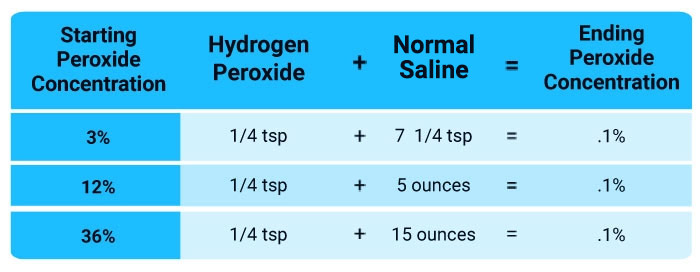
It is highly likely that the peroxide forms a very powerful signaling function that stimulates the immune system to defeat whatever viral threat it is exposed to. This is one of the reasons why nebulized peroxide is my absolute favorite intervention for acute viral illnesses. It is highly effective, inexpensive and has no side effects when used at the very low doses recommended (0.1%, which is 30 times less concentrated than regular drugstore 3% peroxide).
My video below discusses the details of how you can use this therapy. The key is to have your nebulizer already purchased and ready to go so that it is locked and loaded and you don’t have to go out and purchase anything if you or a loved one gets sick. You can still use vitamin C with the peroxide, as they likely have a powerful synergy and use different complimentary mechanisms.
Since you are not using full strength 3% peroxide and diluting it by 30 to 50 times, it is unlikely the stabilizers will present a problem, but to be safe, it is best to use FOOD-GRADE peroxide. Also, do not dilute it with plain water as the lack of electrolytes in the water can damage your lungs if you nebulize it. Instead, use saline or add a small amount of salt to the water to eliminate this risk.
Clinical Evidence
The Nutrients review17 also includes clinical evidence for the role of vitamin C in COVID-19, noting that early oral supplementation might help prevent a mild case from developing into something more serious. In patients with critical symptoms, intravenous administration of vitamin C has been shown to speed up recovery, reducing both ICU stays and mortality.
Interestingly, vitamin C deficiency and COVID-19 share many of the same risk factors, including male gender, darker skin, older age and comorbidities such as diabetes, high blood pressure and COPD. All of these subgroups are at increased risk for severe COVID-19 and, according to the authors, all “have also been shown to have lower serum vitamin C levels.”
Commenting on the clinical evidence supporting the use of vitamin C in the treatment of COVID-19, the authors write:18
“There are currently 45 trials registered on Clinicaltrials.gov investigating vitamin C with or without other treatments for COVID-19. In the first RCT to test the value of vitamin C in critically ill COVID-19 patients, 54 ventilated patients in Wuhan, China, were treated with a placebo (sterile water) or intravenous vitamin C at a dose of 24 g/day for 7 days …
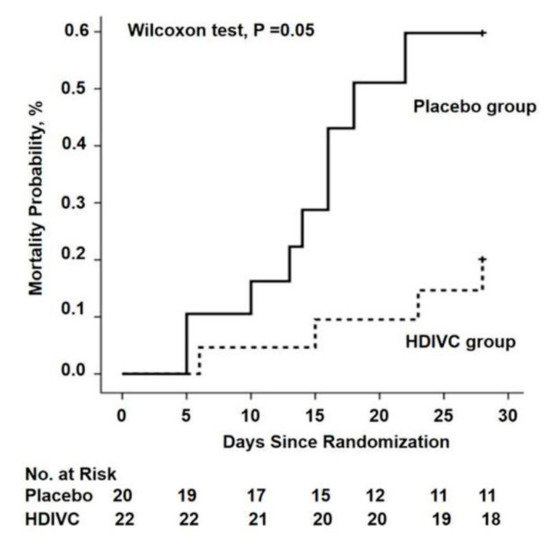
The more severely ill patients with SOFA [sequential organ failure assessment] scores ≥ 3 in the vitamin C group exhibited a reduction in 28-day mortality: 18% versus 50% in univariate survival analysis (Figure 2). No study-related adverse events were reported.”
Figure 2 below, from version 1 of the study,19 “High-Dose Vitamin C Infusion for the Treatment of Critically Ill COVID-19,” posted on the preprint server Research Square August 10, 2020 (updated September 23, at which point it was renamed20), shows the 28-day mortality rates between critically ill COVID-19 patients given high-dose IV vitamin C (HDIVC) compared to those given a placebo.
The Nutrient review also summarizes findings from other COVID-19 trials using vitamin C, as well as a few case reports:21
“In the UK, the Chelsea and Westminster hospital ICU, where adult ICU patients were administered 1 g of intravenous vitamin C every 12 h together with anticoagulants, has reported 29% mortality, compared to the average 41% reported by the Intensive Care National Audit and Research Centre (ICNARC) for all UK ICUs …
The Frontline COVID-19 Critical Care Expert Group (FLCCC), a group of emergency medicine experts, have reported that, with the combined use of 6 g/day intravenous vitamin C (1.5 g every 6 h), plus steroids and anticoagulants, mortality was 5% in two ICUs in the US (United Memorial Hospital in Houston, Texas, and Norfolk General Hospital in Norfolk, Virginia), the lowest mortality rates in their respective counties.
A case report of 17 COVID-19 patients who were given 1 g of intravenous vitamin C every 8 h for 3 days reported a mortality rate of 12% with 18% rates of intubation and mechanical ventilation and a significant decrease in inflammatory markers, including ferritin and D-dimer, and a trend towards decreasing FiO2 requirements.
Another case of unexpected recovery following high-dose intravenous vitamin C has also been reported. While these case reports are subject to confounding and are not prima facie evidence of effects, they do illustrate the feasibility of using vitamin C for COVID-19 with no adverse effects reported.”
How Much Vitamin C Do You Need?
As detailed in the introduction of the Nutrients review,22 primates and humans are dependent on an adequate supply of vitamin C from fruits and vegetables. Gorillas need 4.5 grams a day, while smaller primates weighing around 7.5 kilos need about 600 mg per day. This gives us a clue as to what the human requirement might be, and it’s quite a bit higher than the daily recommended intake. According to the authors:23
“The EU Average Requirement of 90 mg/day for men and 80 mg/day for women is to maintain a normal plasma level of 50 µmol/L, which is the mean plasma level in UK adults. This is sufficient to prevent scurvy but may be inadequate when a person is under viral exposure and physiological stress.
An expert panel in cooperation with the Swiss Society of Nutrition recommended that everyone supplement with 200 mg ‘to fill the nutrient gap for the general population and especially for the adults age 65 and older. This supplement is targeted to strengthen the immune system.’ The Linus Pauling Institute recommends 400 mg for older adults (>50 years old).
Pharmacokinetic studies in healthy volunteers support a 200-mg daily dose to produce a plasma level of circa 70 to 90 µmol/L. Complete plasma saturation occurs between 1 g daily and 3 g every four hours, being the highest tolerated oral dose, giving a predicted peak plasma concentration of circa 220 µmol/L.
The same dose given intravenously raises plasma vitamin C levels approximately tenfold. Higher intakes of vitamin C are likely to be needed during viral infections with 2–3 g/day required to maintain normal plasma levels between 60 and 80 µmol/L. Whether higher plasma levels have additional benefit is yet to be determined, but would be consistent with the results of the clinical trials discussed in this review.”
While high-dose vitamin C regimens typically call for intravenous administration, if treating a viral infection at home (be it COVID-19 or something else), you could use oral liposomal vitamin C, as this allows you to take far higher doses without causing loose stools.
You can take up to 100 grams of liposomal vitamin C without problems and get really high blood levels, equivalent to or higher than intravenous vitamin C. I view that as an acute treatment, however. I discourage people from taking mega doses of vitamin C on a regular basis if they’re not actually sick, because it is essentially a drug — or at least it works like one.
Saul, who has worked with and recommended vitamin C for most of his professional life suggests taking “enough vitamin C to be symptom-free,” whatever dosage that might be. When you’re well, you typically don’t need more than the 200 mg to 400 mg recommended in the quote above.
This science won’t matter to our public health ‘authorities’ any more than the Danish Mask study showing masks don’t work. Both defy their narrative so they are shouted down or flatly ignored. So much for “following the science.” The Lyme/MSIDS world has lived in this “twilight zone” for over 40 years.




 Poor Diet: The vast majority of foods consumed by much of the population of the developed world are heavily processed and artificially derived.
 Environmental Toxins: The world has become saturated with toxic petrochemicals and artificial sources of radiation.
 Chronic Stress: Oppressive daily stress has become synonymous with modern life.
 Sedentary Lifestyle: Technological advancements — computers, cars, televisions, cell phones — enables our culture to move less and sit more.


 Lyme + Gut Dysfunction with Dr. Bill Rawls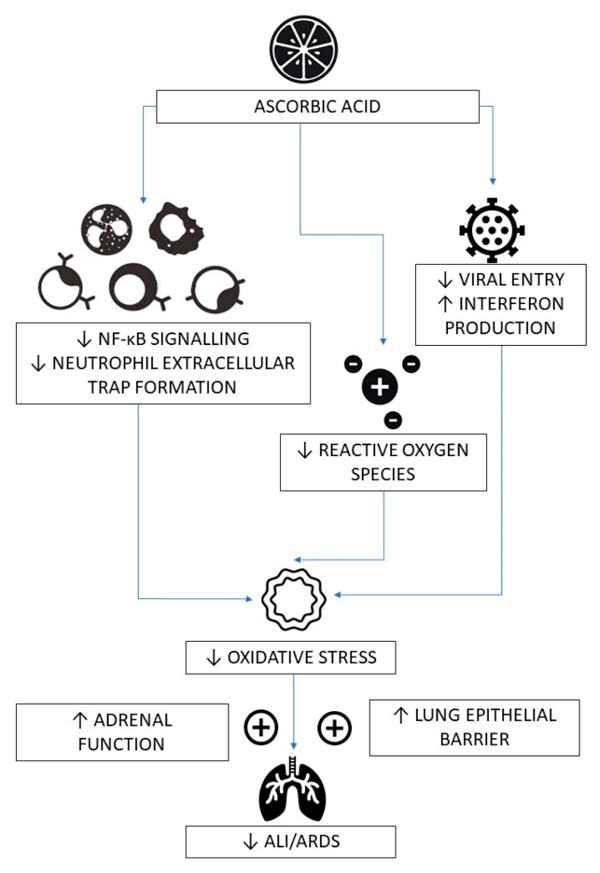
 Madison Area Lyme Support Group