Archive for the ‘Supplements’ Category

6 Subtle Signs You Need To Detox & How To Get Started

https://vitalplan.com/blog/6-subtle-signs-you-need-to-detox-how-to-get-started?

By Vital Plan Posted 04-07-2021

Reviewed by Bill Rawls, MD
Medical Director of Vital Plan

As the country slowly emerges from the pandemic and hope is in the air, our bodies may not exactly be in top shape to take on the coming spring. Over the past year, many people coped with the stress and loneliness of the pandemic by relying heavily on sugary foods, carbs, alcohol, sedentary screen time, irregular sleeping, Netflix binging, you name it. Though these types of quarantine habits may have provided some short-term stress relief, they may have put your body’s detox systems under siege. Your body’s detox system could use some relief too before it leads to other problems.

“It’s usually not just one thing that inhibits your body’s ability to get rid of toxins, but rather a combination of several,” says Dr. Bill Rawls, medical director of Vital Plan. For example, stress, being sedentary, eating excess carbs, and other lifestyle factors common during the pandemic can compromise your microbiome and lead to leaky gut syndrome. This condition allows toxins and undesirable food components to cross into your bloodstream (aka leaky gut) instead of being eliminated, which in turn can overwhelm the immune system and cause systemic inflammation.

Not eating adequate fruits and veggies, drinking enough water, or exercising regularly, or simply being sick or having a compromised immune system — any of these can also slow down or clog your lymphatic system. This network of channels running throughout your body picks up toxins and cellular debris and brings them to lymph nodes, where they’re processed and disposed of. But when lymphatic fluid isn’t flowing or the system isn’t working as it should, toxins can build up and make trouble.

Your liver, kidneys, skin (via sweat), and other organs also play a role in regularly detoxifying your system. All of them are susceptible to the same unhealthy habits mentioned above. And when they get overloaded, detoxification slows, which can compromise your immune system, trigger inflammation, slow down circulation, or cause hormonal imbalances.

And so, many people coming out of the pandemic feeling run down (or worse) and resolving to hit the refresh button may turn to extreme programs that promise to jumpstart the body’s detoxing powers. Most of these plans last only a few weeks and focus primarily on food — or, more accurately, a lack thereof. (Ahem, juice fasts.)

But regardless of their popularity, short-term, highly restrictive detox diets or cleanses aren’t going to do much for you in the long term. One review in the Journal of Human Nutrition and Dietetics reports that there’s very little evidence that commercial detox diets are effective or even necessary. Some can even do damage. For instance, extreme detoxing can lead to nutritional deficiencies that impair immune function or dangerously-low blood sugar levels in people with diabetes.

That doesn’t mean you should check “detox” off your to-do list. Life happens, and despite your best efforts, you may not be doing enough to stop the inflow of toxins and/or encourage their disposal. How to know?

“It’s tricky,” says Dr. Rawls. You could feel okay, pretty good even, while your systems are actually struggling. “Your body will always try to compensate for whatever you’re doing or what it’s experiencing — it does what it has to do to keep you going,” Dr. Rawls says. “But it will get weighed down, and sooner or later, there’s a straw that breaks the camel’s back.” It could be a virus that should manifest as simple sniffles that flattens you for days, for example, or a minor gut microbiome imbalance that throws your GI system entirely out of whack.

The key to restoring healthy detox functions before it has significant ramifications is paying close attention to the subtle signals your body sends about your health. Any of the symptoms below should be a wake-up call that it’s time to take action.

1. Lasting Fatigue

Tired multiethnic businessman sleeping in office. Middle eastern business man with eyeglasses worked late and fell asleep on the computer keyboard. Creative casual man sleeping at his working place

Being tired after a few busy days or late nights is one thing, but consistently lacking the energy and motivation to do what you want is another. Sleep is the obvious first place to look. “If you need caffeine to get going every morning, you’re probably not getting enough sleep, or the sleep you’re getting isn’t high quality, restorative rest, ” says Dr. Rawls. “Either can make it harder for your body to detoxify.”

Lingering fatigue might also be a red flag that your detox systems are already worn down from an influx of chemicals from food (i.e., pesticides or artificial additives) or environmental toxins (i.e., cleaning solutions or air pollution), and your body is burning excess energy to try to keep up. Unfortunately for a lot of people, constant fatigue is just par for the course. “It’s the number one symptom people tend to put up with or ignore,” Dr. Rawls says.

2. Brain Fog

Closeup portrait of confused mature woman squinting to see more clearly, wearing and touching glasses, trying to read book, having difficulties seeing text because of vision problems, cheking diary

Occasionally forgetting names or important to-dos is common, especially when you’re stressed and your brain is overloaded with too much information. But brain fog is different.

“It feels like everyone around you is functioning at full speed and you’re in slow motion, wading through a fog,” Dr. Rawls says. “You miss things or don’t understand them clearly. Your mental functions seem slower, and as a result, you can only focus on what’s in front of you and what’s needed to survive.”

Too much sugar and a sluggish lymphatic system can trigger cloudy or slow brain function. Brain fog is also a common symptom of a leaky gut. That’s because when toxins and food proteins you may be sensitive to or intolerant of cross the gut-blood barrier, they can travel to places in the body they don’t belong — including the brain. “Accumulation of toxins slows neurological functions and allows microbes present in the brain to flourish,” Dr. Rawls says.

3. Digestive Problems

Senior woman having a huge stomach pain in bedroom at home

Your GI system plays a crucial role in disposing of toxins, so if it’s dealing with more than usual or isn’t able to get rid of them fast enough, its functions will be sluggish and irregular, Dr. Rawls says. Likewise, if unhealthy habits and toxins have messed with the balance of good bacteria in your gut, you’ll also experience digestive issues.

Watch for bloating, gas, or discomfort in your abdomen, as well as constipation, diarrhea, or both. Anything other than formed, regular stools and a calm tummy can mean your microbiome is struggling to maintain balance and that your system may not be effectively managing toxins or properly regulating your immune system, Dr. Rawls says.

4. Sugar Cravings

Guy eating sugar with spoon, surrounded by candy

Consuming too much sugar or simple carbohydrates (processed cereal, muffins, white bread) sends insulin and blood glucose on a roller coaster that, over time, can supercharge your sweet tooth so you crave more and more. Likewise, a sugar-heavy diet can actually change how your brain registers the sweet stuff, dulling its response and triggering cravings.

The problem, of course, is that all that excess sugar sets off a domino effect that leads to inflammation and disease, plus sugar feeds pathogenic bacteria in your gut and makes your liver work overtime to deal with the excess. Bottom line: If you’re craving sweets, things have already gotten to a critical point — time to detox.

5. Achy or Stiff Joints and Muscles

Unrecognizable senior man massaging his knee suffering from arthritis pain sitting on sofa indoor. Cropped, selective focus

Joint discomfort in your knees, hips, or elsewhere can be a sign of uncontrolled inflammation in the body. Swollen and stiff joints may also signal a sluggish lymphatic system.

Your body’s lymphatic fluid helps collect pathogens, toxins, and cellular waste from around your body and carries them to your lymph nodes, which break down and dispose of the “trash.” When it’s not working properly, lymphatic fluid doesn’t flow as easily and can build up, causing stiffness.

6. Any Other Unusual Symptoms

Portrait of sad mature woman sitting on couch at home and looking down and rubbing temples trying to calm herself, copy space

Pay attention to congestion, colds, or flu-like symptoms that persist beyond the normal time frame, frequent and unexplained headaches, skin problems such as breakouts, rashes, or puffiness, and anything else that seems odd about how you feel or how your body functions. Often, just feeling “off” is a sign that your systems may be overtaxed with toxins.

Get Started with These 5 Natural Ways to Detox

If you’ve decided you need to step up your detox game, remember to steer clear of extreme plans that promise fast and amazing results. If it sounds too good to be true, odds are it is.

Instead, try these simple tips to jumpstart healthy and detoxifying daily habits. They might seem small or insignificant, but if you make them a part of your everyday life, they’ll help support your body’s natural detoxification powers long-term and steal the appeal of over-the-top cleanses.

Try Detoxifying Herbs and Natural Remedies

Wooden bowl and spoon with chlorella pills on white textured background

Chlorella is at the top of the list, Dr. Rawls says. This freshwater green algae is rich in chlorophyll, a pigment with antioxidant properties that binds to toxins and helps usher them out of your system.

Aromatic bitters and bitter herbs are also a smart choice. They activate bitter receptors throughout your GI tract to aid digestion and support healthy blood glucose levels. Bitter herbs such as berberine, gentian, dandelion, and andrographis are also known to support healthy liver function, Dr. Rawls says.

Eat Fruits and Veggies More Than Anything Else

berries, fruits, and vegetables assortment on grey background

The high water content of fruits and vegetables helps flush out toxins, plus they contain antioxidants that tamp down inflammation. Produce is also packed with fiber, which feeds the good bacteria in your gut that helps strengthen the gut barrier and keep toxins from crossing the gut-blood barrier. Aim to load up at least half your plate with fruits and vegetables at every meal.

At the same time, be sure to limit grain-based carbohydrates and packaged foods. Instead, fill the second half of your plate with mostly whole sources of healthy fat and protein, like nuts, legumes, fish, and organic eggs.

Keep Hydrated

two glasses of ice water, filled with cucumber slices and mint

Adequate hydration helps lubricate your lymphatic system and flush out toxins. Sip filtered water throughout the day, or enjoy fruit-infused waters or decaffeinated herbal teas.

Keep Your Body Moving

Mature couple walking with their bike in a park

Exercise is one of the best detoxifying “medicines” for your body, Dr. Rawls says. It helps move along lymphatic fluid and the toxins it carries and strengthens your heart and vascular system. It’s also an effective way to diffuse stress, improve sleep, and sweat — long known as an efficient way to remove some toxins such as heavy metals from your body.

You don’t necessarily need to do intense workouts, although they won’t hurt (if you’re already accustomed to them). Start by simply going for a long, brisk walk every day, taking more activity breaks throughout the day, and trying gentle stretching practices such as yoga or qigong.

Step Up Your Sleep Hygiene

Cannabis oil surrounded by cannabis leaves.

Do all you can to set yourself up for a night of quality sleep and at least 8 hours of shuteye. That means shutting off electronics at least an hour before bedtime, keeping the room cool and dark, and getting on a consistent sleep schedule where you turn in and wake up at the same time each night and morning.

Herbal or natural sleep aids can help in the short term. Try full-spectrum CBD oil (aka cannabidiol), magnesium, tart cherry (a natural source of melatonin) or calming herbs like bacopa, passionflower and motherwort as you get back on track with natural detoxifying habits.

“Ultimately, detoxing shouldn’t be painful or restrictive, nor a punishment for past behavior,” reminds Dr. Rawls. Instead, consider these habits part of a healthy lifestyle that will promote health benefits so you feel your best this spring and beyond!

Looking for More Wellness Tips?

Join our newsletter for bi-weekly tools, education, and savings to boost your health.

References
1. Klein AV and Kiat, H. “Detox diets for toxin elimination and weight management: a critical review of the evidence.” Journal of Human Nutrition and Dietetics. 2015 Dec;28(6):675-86.

_______________________

For more:

Resveratrol & EGCG Found to Stimulate New Brain Cells

https://articles.mercola.com/sites/articles/archive/2021/03/04/resveratrol-egcg-stimulate-new-brain-cells.aspx

Resveratrol and EGCG Found to Stimulate New Brain Cells

Analysis by Dr. Joseph MercolaFact Checked
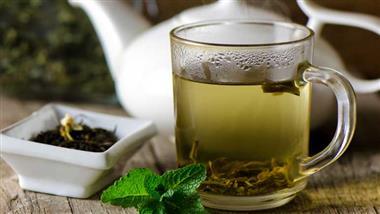
egcg green tea

STORY AT-A-GLANCE

  • The phytonutrients EGCG and resveratrol have a direct and indirect effect on your central nervous system, including having proneurogenic properties and improving cognitive function
  • EGCG demonstrates the ability to enhance connectivity in the brain, lower cognitive impairment and reduce beta-amyloid accumulation associated with Alzheimer’s disease
  • Resveratrol, found in grapes, berries and dark chocolate, has multiple health benefits, including improving blood flow in the brain, cognitive performance, learning and memory
  • Both EGCG and resveratrol play a role in supporting your immune function. Resveratrol inhibits the growth of MERS-CoV in the lab and EGCG is a zinc ionophore, important in the fight against colds, flu and COVID-19

Research led by scientists at the University of Queensland found phytonutrients have proneurogenic effects in the brain.1 The researchers studied the effects of quercetin in vitro and in an animal model. The basis of the research was investigating flavonoids, which are phytonutrients commonly found in fruits and vegetables.

Evidence has demonstrated that flavonoids have the potential to protect brain cells against injury, suppress neuroinflammation and promote cognitive functioning.2 The researchers found the most prominent examples of these flavonoids and polyphenols are epigallocatechin-3-gallate (EGCG), commonly found in green tea, resveratrol, red grapes and berries.3

Taking steps to protect your brain from the assault of processed foods and environmental toxins is a crucial way to protect your overall health and ability to stay independent as you age.

The results of a nationally representative cross-sectional study published in the BMJ4 found that 57.9% of the calories eaten by the participants came from ultraprocessed foods and 89.7% of the energy was from added sugars. One physician calls this diet pattern “Fast Food Genocide.”5

Added sugars present a significant risk to brain health as they contribute to obesity6 and Alzheimer’s disease.7 The researchers wrote8 that in ultraprocessed foods, the added sugars were eight times higher than in processed foods and five times higher than in minimally processed foods.

In the 9,317 participants surveyed, the researchers found 82.1% in the highest quintile consumed over the recommended limit of 10% of their calories from added sugar, as compared to the 26.4% in the lowest quintile. This indicates a significant need to improve dietary intake and protect brain health.

Phytonutrients Promote Growth of New Brain Cells

The study9 from the University of Queensland is yet another piece of evidence demonstrating the power of phytonutrients to your health. The researchers sought to investigate how natural compounds may have become part of the environmental stimuli that shape neurological structure and function.

They chose to investigate bioactive compounds found in apples as they are consumed worldwide and analyzed the presence of quercetin in apple peel and 3,5 dihydroxybenzoic acid from the apple flesh. Dihydroxybenzoic acid is not related to flavonoids but did appear to have proneurogenic properties.

Quercetin was chosen as it was an abundant flavonoid extracted from apple peel. However, past studies have investigated the effects of other flavonoids, namely EGCG and resveratrol named by researchers from the University of Queensland.

One study published in Genes & Nutrition10 investigated the neuroprotective actions demonstrated by flavonoids that help promote memory, learning and cognitive functions. They found the effects are supported by two processes. In the first, flavonoids appeared to play an important role in signaling cascades.

In the second, the flavonoids improve peripheral and cerebral vascular blood flow in a way that could lead to angiogenesis and the production of new nerve cells in the hippocampus. The result of the second pathway is the same described by the researchers analyzing quercetin — generation of new nerve cells in the hippocampus.11

Evidence has shown that flavonoids have a direct and indirect effect on the central nervous system12 and the various effects on the brain include the ability to reverse some symptoms that are associated with Alzheimer’s disease and enhance cognitive function.13 The neuroprotective mechanism also contributes to the quality of neurons and their connectivity, which one study suggests:14

“… can thwart the progression of age-related disorders and can be a potential source for the design and development of new drugs effective in cognitive disorders.”

Tea May Help Improve Brain Connections

The current study supports past evidence that drinking green tea can improve cognitive functioning. A study15 from the National University of Singapore used data from neuroimaging from 36 older adults. The researchers were interested in the effect that tea might have on the structure, organization and function of the brain.16

The participants were asked about their tea-drinking habits from age 45 to the present and then underwent an MRI. From the imaging, the researchers discovered that the participants who drank tea had better brain structure, function and organization. However, those who drank the most — at least four times a week for about 25 years — also had greater functional connectivity strength.

While the growth of new nerve cells in the hippocampus does support better memory and recall, greater connectivity offers additional benefits. Assistant professor Feng Lei from the National University of Singapore explained the importance of connectivity in a press release:17

“Take the analogy of road traffic as an example — consider brain regions as destinations, while the connections between brain regions are roads. When a road system is better organised, the movement of vehicles and passengers is more efficient and uses less resources. Similarly, when the connections between brain regions are more structured, information processing can be performed more efficiently.

We have shown in our previous studies that tea drinkers had better cognitive function as compared to non-tea drinkers. Our current results relating to brain network indirectly support our previous findings by showing that the positive effects of regular tea drinking are the result of improved brain organisation brought about by preventing disruption to interregional connections.”

Research evidence has also suggested that drinking green tea is associated with a lower risk of cognitive impairments.18 One literature review19 of in vitro and in vivo administration of EGCG found it reduced beta-amyloid accumulation in the lab and animal models.

EGCG Connected to Heart Health

The ability to break up beta-amyloid plaques may also be the basis for an association with the reduction of atherosclerosis plaque. Researchers from the University of Leeds and Lancaster University found green tea can prevent heart disease by dissolving arterial plaque.20

EGCG alters the structure of amyloid fibrils formed by apolipoprotein A-1 (apoA-1), which is the main component of high-density lipoprotein shown to accumulate in atherosclerosis plaques. This happens in the presence of heparin. Unfortunately, the concentrations required to achieve this result in the study were so high you can’t achieve the same results from drinking green tea alone.

Another benefit to the cardiovascular system from long-term tea drinking is an improvement in your blood pressure readings. One systematic review21 of 25 randomized control trials with 1,476 participants found those who regularly drank either green or black tea for 12 weeks had an average of 2.6 mm Hg lower systolic pressure and 2.2 mm Hg lower diastolic pressure compared to those who did not drink tea.

The researchers measured the effects of green tea and black tea and found that green tea provided the best results, especially in those who drank it for more than 12 weeks. According to the authors, this reduction:22

“… would be expected to reduce stroke risk by 8 percent, coronary artery disease mortality by 5 percent and all-cause mortality by 4 percent at a population level … These are profound effects and must be considered seriously in terms of the potential for dietary modification to modulate the risk of CVD [cardiovascular disease].”

The data from this literature review did not show exactly how much tea was needed to receive these benefits. However, previous studies have suggested the ideal amount is between three and four cups of tea per day. For example, one study23 in 2007 found clear evidence that three or more cups of tea — in this case, black tea reduced the risk of heart disease.

Similarly, drinking three to four cups of green tea each day has demonstrated the ability to promote heart and cardiovascular health.24 Improvements in cardiovascular health may be the result of beneficial effects on endothelial function, which is integral to blood pressure and heart disease.25

Consider the Multiple Benefits of Resveratrol

Resveratrol is produced by the plant to resist disease. While it is found in grapes and berries, it’s also produced by the cacao plant and found in raw cacao and dark chocolate. Although red wine does have some resveratrol, it is in such small amounts you can’t drink enough to get the benefits.26

It’s also important to remember that alcohol damages your brain and organs, and is itself a neurotoxin. This means drinking enough red wine for the benefits of resveratrol is counterproductive.

Resveratrol can cross the blood-brain barrier where it has a dramatic effect as an antioxidant. Researchers from Georgetown University Medical Center write that resveratrol, when given to people with Alzheimer’s, appears to “restore the integrity of the blood-brain barrier, reducing the ability of harmful immune molecules secreted by immune cells to infiltrate from the body into brain tissue.”27

The ability to improve cerebral blood flow is likely the basis for the neuroprotective effects of improving cerebral blood flow and cognitive performance,28 depression,29 brain inflammation30 and may improve learning, mood and memory.31

Researchers are also investigating resveratrol’s use against lung cancer when the compound is administered nasally in high doses.32 In one study33 conducted at the University of Newcastle, researchers detected improvements in bone density in postmenopausal women who were given resveratrol.

In the study, called “Resveratrol for Healthy Ageing in Women (RESHAW),” women took 75 milligrams (mg) of resveratrol twice daily or a placebo for 12 months, after which researchers measured their bone density by dual-energy X-ray absorptiometry scans, commonly called DXA scans.34

“The modest increase in bone mineral density at the femoral neck with resveratrol resulted in an improvement in the study population’s T-score and a reduction in the 10-year probability of major fracture risk,” said Peter Howe, an author of the study and Professor Emeritus at the university.35

EGCG and Resveratrol Help Support Your Immune Health

In addition to the neurological, cardiovascular, bone and other health benefits of these powerful phytonutrients, they also play a role in supporting your immune system. During cold and flu season, and during the current COVID-19 pandemic, providing added support to your immune system may help protect your health.

Resveratrol is known to play a role in the prevention and progression of inflammatory chronic diseases such as obesity, neurodegeneration and diabetes.36 Evidence also shows it modulates your immune system by interfering with pro-inflammatory cytokines synthesis, modulating immune cell function related to the production of cytokines by CD4 and CD8 T-cells.37

In 2017, resveratrol was tested against Middle East Respiratory Syndrome coronavirus (MERS-CoV) in the laboratory and found it significantly inhibited infection and lengthened cell survival after infection.38

EGCG can improve your body’s ability to use zinc intracellularly. The action as a zinc ionophore39helps support your body’s response against viruses like the common cold, flu and COVID-19.

One 2015 study40 found green tea was also able to help with dental issues. After 28 days of using a 2% green tea mouthwash, the data revealed those using the green tea had a reduction of plaque and their gingivitis scores.

Evidence has also suggested there is an antifungal activity of EGCG that is four times higher than that of the drug fluconazole and up to 16 times higher than flucytosine.41 Another study42demonstrated a foot bath infused with green tea polyphenols could significantly reduce infected areas of people with interdigital tinea pedis, or athlete’s foot.

The topical application of a green tea ointment also demonstrated an effective cure rate of 81.3% for people with impetigo.43 Interestingly, the antiviral and antifungal effects of green tea do not appear to have the same antibacterial effect on your intestinal tract.44

EGCG is sensitive to brewing temperature. To release the most from your tea leaves, brew your green tea at 100 degrees Celsius or 212 degrees Fahrenheit.45 Try drinking it while it’s freshly brewed to get the most health benefits, rather than tea that may have been sitting for a few hours. Consider adding a spritz of citrus juice to boost the benefits and increase the catechin absorption.46

_________________

**Comment**

ECGC is found in green tea or as a supplement. I remember while in treatment being pleasantly surprised at how drinking a cup or two of green tea did really seem to help inflammation/pain. It’s a cheap experiment to try.

Regarding resveratrol, one of the highest forms is found in a common ditch weed called Japanese Knotweed. I made my own tincture from the dried roots (you pound them with a hammer and put in a mason jar with the purest vodka you can find). Here’s a great read on it.

http://

The video starts out discussing the plant’s historical use (as a food), around 4:00 he starts discussing its medicinal use.  He calls it “Reverse it all” due to its ability to help with the disease state.  He also mentions Master Herbalist Stephen Buhner’s work with Lyme. Around 8:00 he goes through how to make a tincture (including dosages).  

For more:

The Immortal Life of Your Microbiome

https://vitalplan.com/blog/the-immortal-life-of-your-microbiome?

The Immortal Life of Your Microbiome

By Dr. Bill Rawls Posted 08-28-2020

In the past several years, focusing on the microbiome as a ticket to lasting wellness has certainly become popular. There’s a lot of information out there, and some of it is good. But most of it is not entirely accurate, and following the wrong “facts” can have a significant impact on how you feel today and in the many years ahead.

Because of my personal experiences with restoring my own haywire microbiome to a healthy balance, and 15 years of following the science, I’m in a very different place with my understanding of these microscopic communities than are most physicians. And I’d like to share my knowledge in hopes that it helps you as much as it has me.

That knowledge has come a long way in the last 30 years ago, when I was in medical school. Back then, there was little and incomplete science about the microbiome, defined as the collection of microbes that inhabit the human body.

Microbes were believed to be isolated to the gut and the skin, and they were part of some basic tasks of the organs involved — consuming the leftover nutrients that the body didn’t readily use, for instance — but that was it. The presence of any microbes in the blood or deeper tissues was an indication of infection. Case closed.

Now that our thinking on microbiomes has evolved, we know that these systems of bacteria, viruses, protozoa, and fungi are more extensive in the human body than we could ever have imagined, and bacteria in particular are involved in an incredible amount of functions. I’ve also come to realize that the human microbiome plays a surprisingly important yet largely unrecognized role in how quickly and how well we age.

If you want to learn about just how pervasive and essential bacteria are in the function of human beings, we don’t just need to go back a few decades…we need to go all the way back.

The Immortal Life of Bacteria

A thought exercise, even if it is a little grim: What happens to your body when you die?For starters, without the lungs taking in air and oxygenating the blood, and without the heart bringing oxygen-rich blood to the body, your cells die.

But within all of the tissue decomposing after death are live bacteria — and lots of it. Bacteria don’t need oxygen to reproduce, like cells do. Instead, bacteria are hardwired to do one thing: Make more bacteria. So as long as there is an energy source (in this case, your deceased cells function as their fuel), the bacteria keep going. That’s how a body decomposes.

Even when you’re alive and healthy, you’re carrying around with you a ton of bacteria — ok, maybe more like 0.2 kg. There’s controversy within the scientific community around exactly how much bacteria the body contains. The common ratio that has been used is 10:1, meaning there are 10 times as much bacteria in a human than there are cells. But researchers from the Weizmann Institute of Science in Rehovot, Israel, and the University of Toronto in Canada revised that in 2016, estimating that there are an equal number of bacteria in the body as there are cells.

Microbiome - Microbiot - Microscopic Biodiversity - Abstract Illustration

Whatever the total count is, just know that whatever you’re doing — eating, sleeping, canoeing — a few trillion bacteria are along for the ride. And they reproduce on the regular: As soon as those two cells are mature, they must also divide in order to survive. Most bacteria divide every 2 to 12 hours. Some are especially fast movers: E. coli, for example, can divide every 20 minutes, which means after 7 hours, one bacterium can become 2.1 million, according to the Microbiology Society.

This pattern of unrestricted growth is true of any bacteria: As long as a food source and no other restrictions are present, they will continue to grow unimpeded. Because of their structural simplicity, microbes have incredibly low mutation rates, which means the new microbes they generate tend to be just as functional as the old ones. In this respect, bacterial cells don’t “age” — it’s akin to being immortal.

The tradeoff for that immortality is that bacteria have little capacity to evolve. Indeed, modern-day bacteria aren’t much different than the primitive bacteria that first populated Earth 3.5 to 4 billion years ago. But since then, as life progressed on Earth, bacteria flourished too, and they took up residence in all of the plants, animals, mushrooms — and us. It’s within that environment that modern humans emerged.

Microbes + Human Cells: Frenemies for Life

In stark contrast to bacteria’s M.O., which is basically “every man for himself,” human cells are team players. They work in close synchrony with their teammates for the good of all the other cells in the body.

There are about 200 different cell types, each with their own job. Muscle cells contract muscles. Brain cells transmit chemical and electrical signals. Thyroid cells secrete thyroid hormones. Cells in the digestive system make enzymes to digest food. You get the picture.

Based on its job description, a cell must work within the confines of an organ or tissue system, which can only accommodate a set number of cells — simply put, it’s restricted by real estate. The cell can divide, but only to replace worn out or damaged cells. If the growth of cells becomes unrestricted (as is the case with bacteria), the tissue or organ would quickly be overrun and destroyed. Another word for it is cancer.

virus cells in a green background, 3d illustration

With each division, human cells progressively lose the capacity to regenerate. They’re 10 to 100 times bigger than bacterial cells, and much more complex. And any damage to internal parts or glitches in genetic programming do carry over to the new human cells. In other words, unlike their microbial neighbors, human cells do age — sometimes faster than they should.

Despite their differences, our cells and the microbes we host have developed some ways to get along. Namely, in exchange for the nutrients and resources our cells provide, microbes give back in a few key ways.

For one, microbes help to digest food in the gastrointestinal tract, and in the process provide certain key vitamins such as B12 and K that our bodies can’t synthesize on their own. Microbes are also in constant competition with each other over the same resources, and their nonstop rivalry helps prevent the overgrowth of more threatening microbes and dangerous infections.

But that’s about as far as the friendship goes. Remember, after all, that microbes are opportunists. They’re there for the free food and shelter. And unlike human cells, microbes aren’t exactly bound by physical barriers like the walls of an organ or artery.

So, it stands to reason that microbes could travel just about anywhere in the body in their pursuit of the resources they desire, potentially wreaking havoc along the way. Turns out, the science is showing exactly that.

Lyme disease bacteria, Borrelia burgdorferi, 3D illustration

For instance, some microbes are able to live inside cells, remain dormant there for extended periods of time, and hitch a ride to other areas of the body to contribute to disease. Examples of these intracellular microbes — or as I call them, stealth microbes — include Borrelia burgdorferi (responsible for Lyme disease), Epstein-Barr virus (which can cause infectious mononucleosis), mycoplasma (which contributes to fibromyalgia), and chlamydia.

Two landmark studies, one from the U.K. and the other from Canada, showed that the brains of people who died with the degenerative diseases Alzheimer’s and multiple sclerosis unexpectedly had bacteria in their brains. These findings suggest that the blood-brain barrier that is supposed to keep the brain free of pathogens is more porous than previously thought.

A 2020 review of research in the journal Current Opinion in Rheumatology furthered the theory that there is a relationship between bacterial metabolites — basically how a microbe feeds itself — and joint degeneration, pointing to a link between an imbalance in the gut microbiome and osteoarthritis. While more research is needed, it’s a pressing question because there’s no cure for the disease and doctors can only treat symptoms, a temporary and unsatisfying solution at best.

Meanwhile, there’s a race to determine whether and which gut microbiota impact depression, while other researchers are wondering whether certain flourishing oral bacteria can predict heart disease. Still others are looking into whether babies born via C-section are more likely to develop obesity and diabetes later in life because they weren’t exposed to the mother’s vaginal microbiome. And some 20% of cancers have been directly linked with microbes.

If microbes sharing space with our cells is starting to sound like a recipe for disease and accelerated aging, you’re right on track. But that’s not to say you can’t grow older without aging-related symptoms and illness — you absolutely can. You just have to know what it takes to keep your microbiome on a tight leash. (Hint: It’s definitely not antibiotics, or even popping regular rounds of probiotics.)

Your Immune System: The Ultimate Peacekeeper

Over the millennia, the human body has developed a few ways to control its population of bacteria and other microbes, lest they take over. For the gastrointestinal tract, you can probably guess one of the ways the body keeps microbial counts in check: A quarter of the content of stool is made up of solids (the rest is water), and between about 25% and 54% of those solids is comprised of microbes, writes Vincent Ho, M.D., a senior lecturer and clinical academic gastroenterologist at Western Sydney University in Australia.[v]

Other parts of the human body have ways to control the bacteria population, too. For instance, the mouth contains bacteria that, when swallowed, gets absorbed by the GI tract and then flushed away. And skin sloughs off naturally all day, plus it gets exfoliated off in the shower or while in bed, taking bacteria with it.

But ultimately, the real hero is your immune system: Without it, the microbes that inhabit your body would quite literally consume you from the inside out.

The human immune system is extraordinarily sophisticated. It evolved from repetitive exposure to many thousands of microbes over millions of years, with each encounter recorded in your genes for future reference. The better your immune system “knows” a microbe, the better able it is to keep the natural aggressiveness of the microbe tamped down.

T-Cells of the immune System attacking growing Cancer cells

Your immune system knows the microbes defined as your normal flora better than any others. These are the ones in your microbiome that don’t cause disease, and your relationship with your normal flora is the most ancient thing about you. By containing their natural aggression and retaining a mutually beneficial relationship, your immune system can stay fighting strong should any real troublemakers come along.

Your job, then, if you want to stay healthy and resilient, is twofold: Take care of your immune system, and do everything else you can to keep your microbiome in balance. I learned how to do this the hard way — but I promise it doesn’t have to be hard for you.

How My Microbiome Changed My Life — For Worse, Then for Better

My interest in bacteria and other microbes isn’t primarily academic. I can credit the bacterium called Borrelia burgdorferi with my focus. Learning about Borrelia was a long and painful firsthand process.

Several years ago, I was living a very different — and admittedly more conventional — life. I was in my 30s, a doctor of obstetrics and gynecology, which I loved. But my life was totally imbalanced. Let’s just say I didn’t practice what I preached. I was under tremendous stress and suffered from sleep deprivation, though for a while I was young enough that I could muscle through it all.

man standing at the beach in front of amazing sea view at sunset

By my mid-40s, that started falling apart. I was energy deprived, achy, suffered from indigestion, and couldn’t focus. By age 47, I was truly sick. I woke up each morning with body aches, brain fog, and intestinal dysfunction. My knees and hips hurt so badly that I wasn’t able to walk around — assuming I had the energy to do so, which I did not. All of this forced me to leave my medical practice.

You’d think that doctors are able to access the best care in the world. And for the most part, that’s true. However, a battery of exams and tests couldn’t pinpoint what was wrong with me.

In order to ameliorate some of my symptoms, I began taking more and more prescriptions. Whether they were working was anyone’s guess. I was still feeling awful, but I reasoned that what was going on inside me was perhaps so devastating that all these pills were keeping the worst of it at bay. And that even if I still felt poorly, if I stopped taking the prescriptions, my health would implode entirely.

man taking prescribed antibiotics pills

Understandably, I wasn’t satisfied with living like that, so I delved into the research, and eventually landed on the aforementioned bacterium Borrelia, which scientists have concluded causes Lyme disease. This microbe has been identified in ticks trapped in amber for the last 15 to 20 million years, but it may be older than that. Blacklegged ticks remain the carriers today, and can infect mammals, birds, and sometimes reptiles.

Not everyone who’s bitten by a tick that carries Borrelia becomes sick. But my predilection toward running on empty had depleted my immune system. I was a sitting duck, and if it wasn’t Borrelia that took me down, it would’ve been some other microbe.

Once I realized how much I was contributing to my own illness, healing came much easier. I started by pinpointing everything I was doing to wear down my immune defenses, and was able to identify five key factors — which I’ve come to call my Essential Elements of Wellness — that needed immediate attention:

Poor diet: Did I mention that all my long hours of delivering babies had me living out of the hospital vending machine and constantly eating processed and fast foods on the run? All of those refined carbohydrateswere like Thanksgiving dinner for my microbes, plus they disrupt hormone levels and suppress immune system functions.

Chronic stress: I know I’m not alone here when I say that constant low-grade tension and stress had become the norm. Unfortunately, when the body exists in a constant state of alert, all of its systems, and especially immune function, become overly taxed.

Sedentary lifestyle: I truly love to exercise, but most days I felt too crappy to move much at all, so regular activity was put on hiatus. Prolonged inactivity is stressful to the body: It’s associated with decreased blood flow, retention of toxins, immune dysfunction, decreased endorphins, and low energy.

Toxic environment: The modern world is saturated with hidden toxins — plastics, pesticides, food additives, etc. — that act like free radicals and cause systemic inflammation, further compromising immune function. Without actively trying to avoid them, I was undoubtedly surrounded by them.

Microbes: Borrelia might have been at the top of my hit list, but by now I knew it wasn’t just one microbe I had to worry about. With my immune system down, the floodgates were open, and that strong prevalence of normal flora I needed to support my immune defenses was getting overrun by potential pathogens.
I started changing my lifestyle, bit by bit, as much as my energy levels would allow. I switched to a mostly plant-based diet, began practicing qigong to get moving and dial down my stress levels, and systematically weeded toxins out of my life. And I started to feel better — much better. But I wasn’t 100% there, and I knew I needed something more to tip my microbiome fully back into a place of balance.

Antibiotics were out — I’d already been there, done that, and not only did they not work (antibiotics can’t reach Borrelia when they’re hiding out inside cells), but they also wrecked my gut microbiome and caused endless GI issues. That’s when I discovered herbal therapy.

Herbal pills with healthy healing plant. Capsule pill with herbs.

As a physician, studying herbs and other natural remedies were simply not part of my medical school curriculum. So, to be honest, I didn’t put much faith in them at first. But I’d exhausted all of the conventional medical options, and my extensive research was revealing that herbs are loaded with phytochemicals (natural plant chemicals) that have innate antimicrobial abilities. Which makes sense, considering plants have their own microbiome, and they have to fend off problematic microbes, too.

What’s more, phytochemicals in herbs help regulate and bolster the immune system in a number of ways, including by increasing production of cytokines (key immune system proteins), stimulating NK (natural killer) cells and other key white blood cells of the immune system, and reducing damaging inflammation. Plus, herbs are safe — their potential for toxicity is extremely low — and I felt it would be safe to take them long term.

So, that’s what I did. Finally, after nearly a decade of struggling, I saw significant change within a few months, and in the following years, I got my health back completely. I still consistently take my herbs, and I’ve noticed that other symptoms I had just chalked up to getting older — achy joints, low energy, mood changes, lack of mental clarity — have also retreated.

Do I credit the herbs entirely with how I feel today? Of course not. I saw firsthand how all the hard work I put into changing my diet and lifestyle made a tangible difference. But I also experienced how the herbs helped restore my immune system’s ability to manage my microbes and push me to the next level of wellness, and I’ve come to deeply appreciate their natural defenses.

My Natural Solutions for Microbiome Balance + Immune Health

1. Take Daily Herbs with Immune-Bolstering Powers.

All herbs carry some antimicrobial, though some are admittedly stronger than others. Unless you’re actively dealing with a health crisis, you don’t need those on a daily basis. (If you are, I’d point you toward berberine, Japanese knotweed, and garlic.)

Instead, for everyday maintenance of the immune system so it can do its job of managing your microbes, I like adaptogens, which are best known for their restorative and normalizing properties, and for improving resilience to everyday stress. Definitions vary slightly, but I believe adaptogens share these three characteristics:

  • All adaptogens help modulate and/or enhance the immune system.
  • All adaptogens have antistress qualities that help provide stabilizing effects on the neuroendocrine system, especially the hypothalamic pituitary adrenal axis (HPA axis) and Sympathoadrenal System (SAS), which plays a crucial role in our response to external stimuli.
  • All adaptogens inhibit dysfunction in mitochondria (the power plants of cells) induced by the stress hormone cortisol.

My favorite adaptogens and adaptogenic companions — which have some, but not all of the same characteristics, plus they complement and enhance adaptogen’s powers — for ongoing, daily use include:

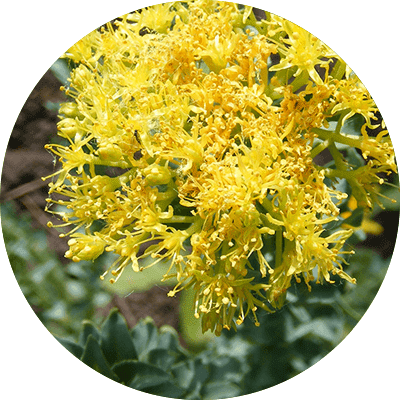
Rhodiola: One of the first herbs defined as an adaptogen and studied by modern scientists, rhodiola calms overactive portions of the immune system associated with destructive inflammation. Plus, it boosts depressed portions of the immune system to increase efficiency in managing the body’s microbes.
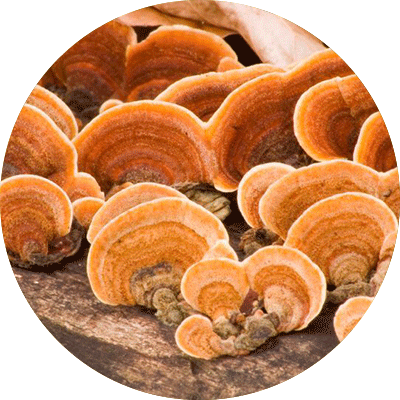
Reishi mushrooms: This mushroom’s main claim to fame is its ability to help regulate the immune system, improving how it works. Reishiessentially directs the immune system to reduce harmful inflammation while increasing action against threatening microbes and cells. The mushroom’s power is probably due in part to its beta-glucan, a polysaccharide found in fungi cell walls that’s well known for its immune-enhancing ability.
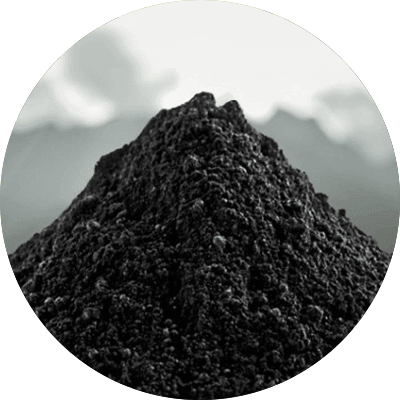
Shilajit: This isn’t technically an herb, but more like primordial ooze — a byproduct of plant materials that have been compressed into the earth in the Himalayas and seeps out of the rocks. Shilajit is rich in fulvic acid, which research suggests helps modulate the immune system, has antioxidant properties, and may improve gastrointestinal function.
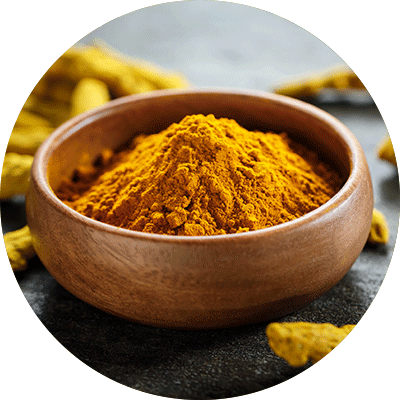
Turmeric: This adaptogen companion has potent anti-inflammatory powers. The compounds in turmeric also act as antioxidants, and it has microbiome-balancing potential.

Gotu Kola: A calming, anti-inflammatory and antioxidant adaptogen companion that’s part of the parsley family, gotu kola has traditionally been used in India in ayurvedic medicine as a general tonic for increasing longevity. It’s an immune modulator, helping the immune system manage stress.

2. Eat a Mostly Plant-Based, Whole-Foods Diet.

When I talk to patients about caring for their microbiome, one of the first questions they ask is whether they should take a probiotic supplement. For the most part, no. Unless a person has gone through an illness that required them to take antibiotics or caused acute diarrhea, there’s limited evidence that probiotics are particularly helpful.

What is absolutely helpful and crucial to microbiome health is eating a good diet. In my expert opinion, that means a diet that is at least 50% vegetables. Always choose fresh foods over processed ones. And only eat the number of calories that you need to maintain yourself.

Rainbow colored vegetables. Healthy food concept. Top view

And anything you can do to increase the diversity of fresh foods that you eat will help, too. Because when you eat fresh produce, you get a fair number of microbes.

Along with that, stay away from toxins in food as much as you can. That can mean not charring your food on the grill, and eating organic produce if they show up on the Environmental Working Group’s “Dirty Dozen” list which identifies the fruits and vegetables most subjected to pesticides—including strawberries, spinach, kale, nectarines, and apples.

3. Minimize Your Exposure to Environmental Toxins.

Because of our dependence on petroleum and petroleum-based products (i.e. plastics) and coal, we are constantly battling a barrage of toxins that are poisonous to our immune systems. When we breathe in toxic air from a car’s exhaust pipe, a cigarette, or cooking over an open flame (which is the norm in much of the world), it puts a strain on the lungs to turn over cells, swapping out the damaged and ineffective ones for fresh cells.

It puts a huge strain on the immune system, too. If a body’s resources are being spent on fixing something, it creates a situation where other little problems that crop up can become big problems.

close-up hands holding air filter to be changed.

On average, people spend around half their days at home, so invest in a home air cleaner that will help remove toxins, and replace or upgrade filters in your heating and air conditioning systems to ensure they’re not pumping in dirty air. For those whose occupation exposes them to airborne toxins, such working at construction sites, wear an N-95 mask whenever possible.

4. Stress Less and Sleep More.

You can eat organic kale til the proverbial cows come home, but if you’re subjecting yourself to that toxic mix of chronic stress and regular sleep deprivation that so many of us are, expect your body’s systems to go out of whack. Here’s why.

When we’re stressed, we send signals to our body that disrupt cellular communications, and if your cells aren’t communicating, they can’t do their job properly. That means that not all of the cells in the body are working at full capacity.

Helper cells, for instance, whose job it is to clean up “garbage” in the body so that it gets excreted through urine, fall down on the job. As a result, cellular debris gets backed up, which can overwhelm your immune system, allow microbes to flourish, and here we go again.

The fix is straightforward, but not simple. Prioritize sleep, meaning getting at least 7 or 8 hours of quality shuteye. And adopt stress-reducing activities like meditation, yoga, or whatever it is that works for you to turn down the heat on your slow boil.

5. Make Time for Regular Movement.

When we exercise, our blood really gets pumping, bringing oxygen to cells and carrying off carbon dioxide in a process that is called the gas exchange. That helps a person feel more energized and allows all of the systems in the body — immune, gastrointestinal, cardiac, pulmonary, neurological — to work at a higher capacity.

Full length shot of a woman doing exercise at home

There are other ways physical activity boosts immunity, too. It triggers the release of anti-inflammatory cytokines from muscles and helps modulate metabolic signals related to immune function. Exercise helps flush toxins, viruses, and other garbage from the body. Plus, preliminary research has linked cardiovascular fitness with better diversity and balance in the gut microbiome.

___

If you were to come to my house and open my medicine cabinet today, it would look vastly different than it did when I was in my late-40s. All of the orange bottles of prescription pills have been replaced by herbal supplements and tinctures. My refrigerator looks vastly different, too. It’s loaded with vegetables, fruits, and healthy fats. That makes up the majority of my diet.

Even with all of these changes, I know I may still harbor the Borrelia microbe — but I don’t worry about it. I have plenty of energy throughout the day. My brain is fog-free. My joints don’t hurt, and I can do whatever I want to do both physically and mentally.

Best of all, my body is no longer at war with the microbes it contains. They’re supposed to be there, after all. I’ve just brokered a peace treaty with my microbiome by developing a natural protocol that keeps us all in a state of healthy balance, and that allows my cells to continue to be the team players that will help me live a longer, healthier life. I hope you’ll feel inspired to do the same.

Amazing Microbe Facts
  • Bacteria are Earth’s earliest life forms. Fossil evidence suggests bacteria have been around for about 3.5 to 4 billion years.
  • Most bacteria divide every 2 to 12 hours. E. coli can divide every 20 minutes, which means after 7 hours, one bacterium can become 2.1 million.
  • Bacterial cells are 10 to 100 times smaller than human cells.
  • Microbes help us digest food, and in the process provide certain key vitamins such as B12 and K that our bodies can’t synthesize on their own.
  • Between 25% and 54% of the solids in human stool are microbes.
  • You would have to magnify the period at the end of this sentence to 1,000 times its actual size in order to make visible a nearby Pseudomonas aeruginosa bacterium (which causes hospital-acquired pneumonia).
  • Mitochondria, the “power­plants” of your cells, are the descendants of bacteria that were engulfed by larger microorganisms billions of years ago.

References
1. Ron Sender, et al. “Revised Estimates for the Number of Human and Bacteria Cells in the Body.” PLoS Biology. 2016 Aug; 14(8): e1002533. doi: 10.1371/journal.pbio.1002533
2. Lacey J. Favazzo, et al. “The gut microbiome-joint connection: implications in osteoarthritis.” Current Opinion in Rheumatology. 2020 Jan; 32(1): 92–101. doi: 10.1097/BOR.0000000000000681
3. “C-Section Birth Associated With Adulthood Obesity, Diabetes.” American Journal of Managed Care.
4. “5 Things To Know About Probiotics.” National Center for Complementary and Integrative Health.
5. S. Steve Zhou, et al. “Assessment of a respiratory face mask for capturing air pollutants and pathogens including human influenza and rhinoviruses.” Journal of Thoracic Disease. 2018 Mar; 10(3): 2059–2069. doi: 10.21037/jtd.2018.03.103
6. Stephen J. Carter, et al. “Gut microbiota diversity is associated with cardiorespiratory fitness in post‐primary treatment breast cancer survivors.” Experimental Physiology. 14 February 2019. https://doi.org/10.1113/EP087404
7. Vedham V, Verma M, Mahabir S. Early-life exposures to infectious agents and later cancer development. Cancer Med. 2015;4(12):1908-1922. doi: 10.1002/cam4.538
8. “What You Need to Know About Infectious Disease.” National Academies Press.

______________________

**Comment**

For a great video on this:  https://madisonarealymesupportgroup.com/2018/01/03/the-invisible-universe-of-the-human-microbiome-msm/

A very practical article that points out what honest practitioners of health will tell you: you have far greater control over your health than you are being told.  You are not a helpless victim that has no power over microbes that come your way. The trick has always been and will always be balancing these microbes.  You will never get rid of them all – nor should you.  There is a complicated dance going on in our bodies at all times.  

I was told by a virologist that for every bacteria in the world, there is a virus that hosts upon it.  Ponder that.

VCO as an Adjunct Supplement for COVID-19

https://www.fnri.dost.gov.ph/index.php/programs-and-projects/news-and-announcement/800-virgin-coconut-oil-vco-study-results-on-covid-19-suspect-and-probable-cases-released-by-dost-fnri

VCO-Study

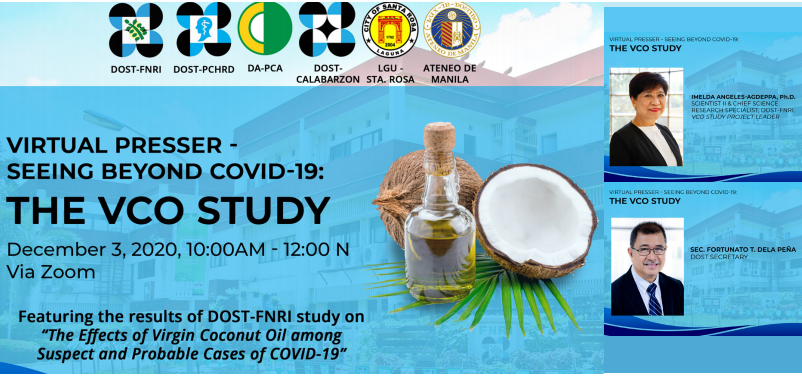
Results of the study on virgin coconut oil (VCO) as dietary supplement among COVID-19 probable and suspect cases showed that 5 of the 29 patients who were served meals with VCO manifested diminishing signs and symptoms as early as the second day, while only one patient served with the same meals but without VCO showed similar improvement.

This is according to the Department of Science and Technology’s Food and Nutrition Research Institute (DOST-FNRI) in a virtual presser dubbed as “Seeing Beyond COVID-19: The VCO Study – Effects of Virgin Coconut Oil among Suspect and Probable Cases” on December 3, 2020.

The VCO Group of patients who were served meals with VCO showed no COVID-19 related symptoms at Day 18, while symptoms persisted in some patients of the Control Group of patients who were served the same meals without VCO until Day 23, DOST Secretary Fortunato T. dela Peña further stated in the presser.

Secretary dela Peña added that VCO could be used as an adjunct supplement to probable and suspect COVID-19 cases to help prevent symptoms from becoming severe.

However, more studies are needed to determine the effectiveness of VCO as adjunct therapy for COVID-19 patients with other co-morbidities, Secretary dela Peña clarified.

In a follow-up interview, Dr. Imelda Angeles-Agdeppa, VCO study leader, Scientist II and Chief Science Research Specialist of DOST-FNRI, said that the study involved 57 suspect or probable COVID-19 cases randomly assigned to the Intervention or VCO Group and the Control Group at the Santa Rosa Community Hospital and Santa Rosa Community Isolation Units in Laguna.

Dr. Agdeppa added that aside from monitoring the signs and symptoms of COVID-19 among the study volunteers, the research team also noted that the mean C-Reactive Protein of CRP levels in the VCO Group normalized to 5 milligrams per liter or less as early as Day 14.

The C-Reactive Protein or CRP is a quantitative marker used to monitor inflammation or infection, and that a CRP equal or less than 5 milligrams per liter signifies recovery from inflammation or infection, Dr. Agdeppa explained.

Dr. Agdeppa further stated that while reduction to normal CRP levels in the Control Group was also evident from Day 1 to 14, it remained at the borderline of 5 milligrams per liter from Day 14 until end of intervention.

The VCO used in the study were strictly analyzed by the Laboratory Services Division of the Philippine Coconut Authority (PCA) to ensure product quality and compliance to Philippine National Standard (PNS).

The PCA requests VCO producers to have their VCO samples analyzed by PCA prior to promotion and marketing, PCA Administrator Benjamin R. Madrigal, Jr. said in the presser.

Administrator Madrigal also states that PCA is planning to develop the protocol in establishing the seal of quality for VCO.

Funding and monitoring of the VCO study was provided by the DOST-Philippine Council for Health Research and Development (or PCHRD), through the overall supervision and motoring of the DOST.

The Ateneo de Manila University Faculty of Chemistry, through Dr. Fabian M. Dayrit, provided research inputs and protocols based on previous VCO studies among HIV patients, like the correct VCO dosages to be given and the analysis to be used.

Dr. Dayrit, also an Academician of the DOST-National Academy of Science and Technology and President of the Integrated Chemists of the Philippines, supported the results of the DOST-FNRI VCO study, saying that several studies have proven the promising anti-viral properties of VCO and more studies are warranted to explore its full potential.

The public is hereby advised to carefully read the label of VCO products to check for PCA or FDA approval and make sure that ingredients, nutrient analysis, manufacturing and expiration dates are clearly declared.

Some media partners attending the presser commented that this development on VCO as promising dietary supplement may cause the skyrocketing of the price of VCO products.

The study team agrees with this inevitable consequence, but stated that the health benefits backed by scientific proof far outweigh the impending price increase, adding that DTI will monitor this.

This VCO study does not only have promising contribution to the prevention and management of symptoms among COVID-19 suspect and probable cases, but could also provide a boost to the coconut industry and the millions of coconut farmers who depend on the “tree of life” to uplift their quality of life.

For more information on the VCO study and other food and nutrition concerns, contact: Dr. Milflor S. Gonzales, Officer-in-Charge, Office of the Director, Department of Science and Technology – Food and Nutrition Research Institute, General Santos Avenue, Bicutan, Taguig City; Telephone/Fax Nos: 8-837-2934 or 8-837-3164; Direct Line: 8-839-1839; DOST Trunk Line: 837-2071 local 2296 or 2284; e-mail: dostfnri47@dost.fnri.gov.ph; DOST-FNRI website: http://www.fnri.dost.gov.ph. Like our Facebook Page at facebook.com/DOST.FNRI or follow our Twitter account at twitter.com/DOST_FNRI.

____________________

For more COVID treatments:

All of these treatments are being debunked and ignored by the CDC.  Please see this to find out why.  

COVID-19 has a 99.991% recovery rate by doing nothing – but you’d never know it from mainstream media.

To read about the numerous deaths/adverse reactions due to this COVID injection, which isn’t a vaccine and doesn’t prevent infection: (list is being updated daily): https://madisonarealymesupportgroup.com/2020/12/21/warning-3150-injuries-in-1st-week-of-covid-vaccines-among-american-healthcare-workers-pregnant-women-included/

FREE Online Vitamin Masterclass Tonight

https://vitaminmasterclass.com  Register Here

FREE Online Vitamin Masterclass

Meet Your New Vitamin Teacher

For close on 45 years Andrew Saul has been teaching people how to use vitamins instead of drugs. Never was his voice more needed than it is today.

Hear his recommendations for using common every day vitamins to prevent and treat some of today’s most notorious diseases (and viruses!). Andrew does NOT sell or endorse vitamin products, so you can be sure of an honest opinion.

An Acclaimed Vitamin Series

with the World’s #1 expert

>Online & Free: Starts February 9th<

>>>Register in top link to watch this FREE 7-Part Series<<<