Madison Area Lyme Support Group

  • About/Contact
  • Articles & Documents
  • Meetings
  • Petitioning the State of Wisconsin
  • Photographs
  • Videos

Archive for the ‘Parasites’ Category

Parasites & the Immune System

https://www.galaxydx.com/parasites-and-the-immune-system/

written on August 15, 2019

Parasites and the Immune System

The classic biological definition of parasitism is “a symbiotic relationship where one member, the parasite, gains benefits that come at the expense of the host”. This means only the unwelcome guest gains nutritional and/or protective benefits while the host’s health suffers. However, emerging research indicates low-level infections could be beneficial because of the complex relationship between parasites and the mammalian immune system.

The term “parasites” encompasses a broad range of macroscopic and microscopic species that acquire nutrients from blood or the tissues (liver, skin, intestines, etc.) located throughout the human and/or animal body. Despite their dependence on a host, many parasites can live in the environment or within a vector (such as a mosquito, tick, flea, etc.) long-term at certain life stages. However, they cannot successfully grow and reproduce without encountering an appropriate host at some point in their lifecycle.

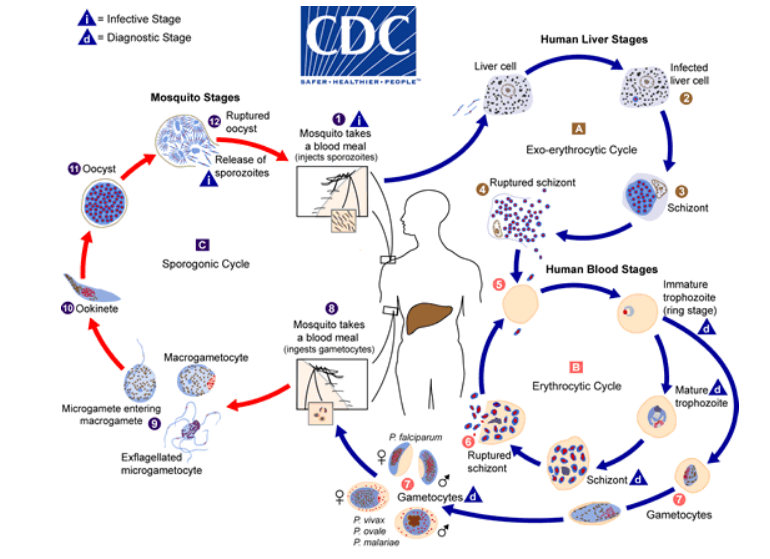
Plasmodium species, the parasites responsible for malaria, have a complex lifecycle that involves development in the liver and red blood cells (Source: CDC)

Because of these intricate lifecycles that have developed, many evolutionary biologists believe that humans and their parasitic counterparts co-evolved over many years. Cheaper, faster genome sequencing that has reached the market in recent years has allowed researchers to test this hypothesis by diving deeper into the genetic makeup of parasites.

Based on these studies, researchers estimate that genes responsible for surface proteins (proteins that are exposed to the immune system) evolved earlier than others in the genome and often vary greatly between closely related species. The ability to avoid or modify the host immune response provides a clear advantage for parasites, and varied effects on the host.

The Center for Disease Control (CDC) suggests that millions of people around the world are burdened by the effects of parasites. According to the CDC, there are three classes of parasites that cause most human health problems:

Ectoparasites

Common examples of ectoparasites include lice, ticks, fleas, and mites. These multicellular organisms can attach and/or burrow into the skin of a host for an extended time leading to irritation and occasionally a secondary bacterial or fungal infection. In immunocompromised hosts, the symptoms may be more severe.

Sarcoptes scabiei, the mite responsible for scabies in humans, causes itchiness and irritation when females burrow into the skin and lay eggs. In dogs and cats, flea bites can cause allergic dermatitis which often results in hair loss as well as a secondary skin infection sometimes.

Despite causing damage to the host’s skin, the most impactful consequences of ectoparasite infections come from the microscopic bacteria and parasites that they can carry and transmit. These pathogens are hard to detect through standard testing methods and often cause non-specific symptoms that make them hard to diagnose. Bartonella, Borrelia, and Babesia species are tick-borne pathogens that cause a wide range of acute and chronic symptoms in humans and animals.

Please view our educational webpages, From Cat Scratch Disease to Bartonellosis and From Lyme disease to Borreliosis, to learn more about transmission, symptoms, and testing for Bartonella and Borrelia species.

Helminths

The World Health Organization estimates that 880 million children around the world require treatment for soil-transmitted helminths. Helminths are multicellular, parasitic worms that are visible to the naked eye in their adult stage. Their eggs and larvae are transmitted to humans when contaminated soil, water, or infected food is ingested. Most cases are reported in areas of poverty and/or poor sanitation.

Intestinal worms, like roundworms (Ascaris lumbricoides) and hookworms (Ancylostoma duodenale, Necator americanicus) develop into adults by stealing nutrients from the host’s intestinal tract. Some parasitic worms, like liver flukes or Toxocara species, prefer to travel to other organs such as the liver, eyes, or central nervous system where they can access a rich blood supply. Once adulthood is reached, they can shed thousands of eggs daily.

Helminth infections (helminthiases) can cause diarrhea, abdominal pain, and loss of appetite, but are typically not deadly. The severity of symptoms is typically related to the burden of parasites that an individual is carrying. The most detrimental consequences of these infections seem to be the declines in cognitive abilities as a result of malnourishment. In a 2018 study of children in Ethiopia, researchers found that students with intellectual disabilities were more likely to be infected by parasites than students without such disabilities.

Protozoans

Protozoans are unicellular organisms that are spread to humans via infected soil, water, and food. They can also be transmitted via vectors such as ticks, mosquitoes, and triatomines (kissing bugs). In this post, we will focus on Babesia and Plasmodium species.

Babesia species are tick-borne parasites. Unlike many other familiar tick-borne pathogens, they are not bacteria. Babesia species, like Babesia microti and Babesia duncani, invade red blood cells where they acquire nutrients required for maturation and cell division.

Plasmodium includes many species, but only five of the species cause the disease malaria in humans. The parasites are transmitted by mosquitoes and have a complex lifecycle in the mosquito and the human host.

How could parasites be beneficial if they are responsible for so many health problems?

Despite all of these terrible diseases, some people with autoimmune conditions from developed nations infect themselves with parasites on purpose. Why? As part of the hygiene hypothesis, it may be that these pathogens have some beneficial effects on the immune system that has been lost in modern living.

One theory is that as these worms co-evolved with humans they developed a niche role in training the human immune system. Without their modulating influence the immune system can develop in unhelpful ways, generating autoimmune diseases or being unable to respond to pathogens effectively.

The effects on the immune system are complex. In many cases, the effects on the human body involve multiple pathogens. Humans and primates with certain parasitic worms are less likely to become infected with malaria and other pathogens. Exactly how the immune system is modulated is unknown, but measurable changes are seen in T-cells and cytokines.

Yet when one primate or person is infected with multiple species of worms these benefits are reduced. When people are infected with high numbers of worms, the benefits are also reduced. It may be that these large infections cancel out the immune modulating effects and lead to the kind of inflammation that is more typical in any other pathogenic infection and also more typical in autoimmune diseases.

Conclusion

Microbes that are today seen as dirty or even experienced as pathogenic (disease causing) may not have caused disease in their historic niche, in fact, they may have even been health promoting. However, the solution is not as simple as just infecting people living modern lifestyles with these microbes.

While a microbe may be health-promoting in people living traditional lifestyles, that may be because of its balance with an overall microbiome that differs from people living modern lifestyles. Discovering how to use microbes, including parasites, therapeutically in the radically different microbiome of modern life is a complex problem.

Without the traditional microbiome to keep their population at a suitable level, they may drop under or surge over the number of individuals needed for optimal health. It may be that identifying proteins they produce and turning those into medications may be more successful than infection with live parasites. Continued research on these parasites and the individuals exposed to them is needed.

References

Scutti, S. (2019, March 29). Teen dies of tapeworm larvae infestation in the brain. CNN.com. Retrieved from: https://www.cnn.com/2019/03/28/health/brain-parasites-case-study/

Mabbott, N. A. (2018). The influence of parasite infections on host immunity to co-infection with other pathogens. Frontiers in Immunology, 9, 2579. doi:10.3389/fimmu.2018.02579 https://www.ncbi.nlm.nih.gov/pmc/articles/PMC6237250/

Patient Centered Care Advocacy Group. (2016). Lyme bacteria hides inside parasitic worms, causing chronic brain diseases. PRNewsWire.com. Retrieved from: https://www.prnewswire.com/news-releases/lyme-bacteria-hides-inside-parasitic-worms-causing-chronic-brain-diseases-300270742.html

Haque, R. (2007). Human intestinal parasites. Journal of Health, Population and Nutrition, 25(4), 387-391. https://www.ncbi.nlm.nih.gov/pmc/articles/PMC2754014/

Fentahun, A. A. et al. (2019). Intestinal parasitic infections and associated factors among mentally disabled and non-disabled primary school students, Bahir Dar, Amhara regional state, Ethiopia, 2018: A comparative cross-sectional study. BMC Infectious Diseases, 19, 549. doi:10.1186/s12879-019-4165-2 https://www.ncbi.nlm.nih.gov/pmc/articles/PMC6588938/

Centers for Disease Control and Prevention. (2016). About parasites. Retrieved from: https://www.cdc.gov/parasites/about.html

Jackson, A. P. (2015). The evolution of parasite genomes and the origins of parasitism. Parasitology, 142(Suppl 1), S1-S5. doi:10.1017/S0031182014001516https://www.ncbi.nlm.nih.gov/pmc/articles/PMC4413782/

Baggaley, K. (2017). Scientists are trying to treat autoimmune diseases with intestinal worms. Popular Science. July 28, 2017. https://www.popsci.com/can-intestinal-worms-treat-autoimmune-disease/

__________________

For more:  https://madisonarealymesupportgroup.com/2017/10/03/removing-parasites-to-fix-lyme-chronic-illnesses-dr-jay-davidson/

https://madisonarealymesupportgroup.com/2019/05/21/free-antigerm-action-plans-for-lyme-disease-how-to-use-herbal-prescription-germ-killers-for-bacteria-parasites-viruses-yeast/


Category:

Parasites

Tick Expert Admits to ‘Working on Ticks’ & Dropping Them Out of Airplanes

Tick Expert Admits to ‘Working on Ticks’ & Dropping Them Out of Airplanes

The following full-length interview with James H. Oliver, Jr. is an eye opener on the type of work that’s been done on ticks and mosquitoes.

He’s described by Pamela Weintraub in the book, Cure Unknown, as a “world-class entomologist” for figuring out that the southern U.S. had Lyme Disease by finding 300 southern genetic strains of Borrelia, 57 of which are nearly identical to the northern pathogen and are classified as Borrelia burgdorferi sensu stricto. He also discovered two new species, Borrelia americana and Borrelia carolinensis that could potentially help explain why many in the South suffer with Lyme yet are not testing positive on current tests.

Oliver was responsible for producing ticks and mosquitos, running distribution tests, and determining factors that would cause migration for the Army.

Oliver also worked in Australia where he found ticks on snakes there.

The Navy used Oliver in Uganda, where he stayed at the Rockefeller Institute, as their acarologist where he collected ticks.

For full interview:  https://academic.oup.com/ae/article/62/4/206/2712469

James H. Oliver, Jr.: Ticks, Lyme Disease, and a Golden Gloves Champion

Source:

Marlin E. Rice & James H. Oliver, Jr. Ticks, Lyme Disease, and a Golden Gloves Champion. American Entomologist (2016) 62 (4): 206–213, doi:10.1093/ae/tmw073. Published by Oxford University Press/ on behalf of the Entomological Society of America.

__________________

For more:  https://madisonarealymesupportgroup.com/2019/07/19/biological-warfare-experiment-on-american-citizens-results-in-spreading-pandemic/

https://madisonarealymesupportgroup.com/2019/07/21/got-15-minutes-the-officially-ignored-link-between-lyme-plum-island/

https://madisonarealymesupportgroup.com/2019/07/24/lyme-disease-expert-champions-investigation-into-pentagon-weaponizing-ticks-its-a-courageous-move/

https://madisonarealymesupportgroup.com/2019/07/27/lyme-biowarfare-4-video-series/

https://madisonarealymesupportgroup.com/2018/12/19/its-1984/

Category:

Activism, Lyme, Parasites, research, Rickettsia, Ticks, Transmission

Another Tick-Borne Disease To Worry About – Alongshan virus (ALSV)

https://www.npr.org/sections/goatsandsoda/2019/06/01/728375159/another-tick-borne-disease-to-worry-about

Another Tick-Borne Disease To Worry About

June 1, 20197:00 AM ET

SUSAN BRINK

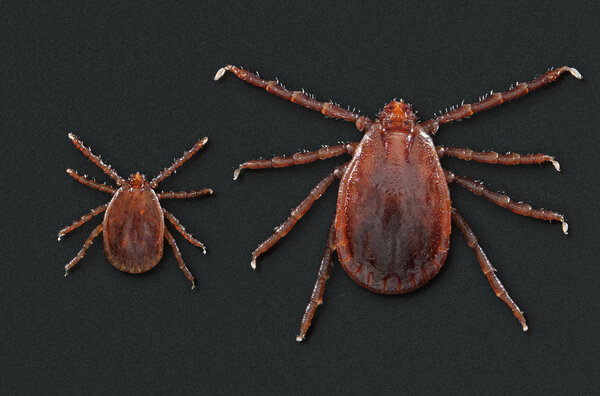
This photo depicts two Haemaphysalis longicornis ticks, commonly known as the longhorned tick. It has been linked to the spread of a hemorrhagic fever in China. The smaller of the two ticks on the left is a nymph. The larger tick is an adult female.

Science Source

When a tick bores into your skin, anchoring itself for what can be a leisurely meal while often spreading germs, it isn’t just Lyme disease that you have to worry about.

Various kinds of ticks have been shown to carry at least 16 diseases in the U.S alone that can infect humans, according to the Centers for Disease Control and Prevention. Now add one more to the global list of ills that a tick bite can bring about, according to a study in the May 30 New England Journal of Medicine.

The study, identifying a new tick-borne disease, shows that we still don’t know how many more diseases ticks can carry. “We continue to discover new viruses,” says Dr. Bobbi Pritt, director of the Clinical Parasitology Laboratory and co-director of the Vector-Borne Disease Lab Services at Mayo Clinic. She was not involved in the study.

The newly discovered disease was found in Inner Mongolia, an autonomous region of China. In April 2017, a 42-year-old female farmer from the Mongolian town Alongshan went to a county hospital complaining of fever and headache. She had a history of tick bites. In searching for the cause of the patient’s fever, researchers ruled out the usual tick-borne diseases found in the area. Using genome sequencing, a process of determining the makeup of an organism’s DNA, they isolated a new disease-causing agent, which they called Alongshan virus, or ALSV, after the patient’s hometown.

Further testing found 86 additional patients in the same Inner Mongolia region who were infected with ALSV. “Neither permanent clinical complications nor death occurred among patients with confirmed infection,” wrote the authors, from various universities and laboratories in China, in the journal article.

How Worried Should You Be About A Disease You’ve Never Heard Of?

The patients in the study had symptoms of headache and fever coming an average of three to seven days after a tick bite, according to an email response to questions from Quan Liu, an author of the study from the School of Life Sciences and Engineering at Foshan University in Foshan, China. They were treated with ribavirin, an antiviral, and benzylpenicillin sodium, an antibiotic, for three to five days, he wrote.

“The symptoms usually resolved after six to eight days of treatment, and all patients had complete recovery.”

Diseases from a variety of ticks are seen around the world, but there are regional differences depending on the virus or bacteria carried by the ticks in the area. So far, ASLV has been found only in Inner Mongolia, in Ixodes persulcatus ticks, according to the study. It has also been found in mosquitoes in the same area, so researchers can’t be certain whether the patients got sick from a tick bite or a mosquito bite.

Like the victims of ASLV, most patients recover from the diseases caused by tick bites — although some tick-borne diseases can result in enduring joint pain, impaired muscle movements and fatigue.

Finding a new disease can only reinforce the need for people to take precautions to avoid tick bites.

Did You Get Bit By A Lyme-Infested Tick? Here's What To Do

Did You Get Bit By A Lyme-Infested Tick? Here’s What To Do

In the U.S., where more than 59,000 cases of tick-borne diseases were reported in 2017, tick season is just beginning.

“Once the snow melts, the ticks come out. Stay away from tall grasses and forested areas,” says Pritt. “If you go into those areas, wear protective clothing and use an insect repellent with DEET.”

The CDC also suggests treating clothing and camping gear with the repellent permethrin, walking in the center of paths to avoid brushing against plants and leaves, and bathing and checking your body for ticks after an outdoor excursion.

And if you do come down with a fever that isn’t easily explained or diagnosed, make sure you tell your physician about any travel or recent outdoor experiences, says Pritt.

“The overarching theme is the more we look at ticks, the more we find,” says Wendy Adams, research grant director, Bay Area Lyme Foundation, who was not involved in the study. “We find parasites, viruses, bacteria. We just found worms in ticks in New York.”

It means that when humans are bitten by ticks, there are many diseases and infections they can contract — even a disease carried by a parasite within a tick.

Susan Brink is a freelance writer who covers health and medicine. She is the author of The Fourth Trimester: Understanding, Protecting, and Nurturing an Infant through the First Three Months, and co-author of A Change of Heart.

CorrectionJune 1, 2019

A previous version of this story incorrectly referred to the Centers for Disease Control and Prevention as the Centers for Disease Control and Infection.

__________________

**Comment**

OK, another virus discovered in ticks…..and in none other than the Asian Longhorned tick that’s galavanting it’s way across the U.S.:  https://madisonarealymesupportgroup.com/2019/05/30/invasive-longhorned-tick-found-in-east-tennessee/  According to this recent article, it’s in 11 states so far and shows no signs of slowing down.

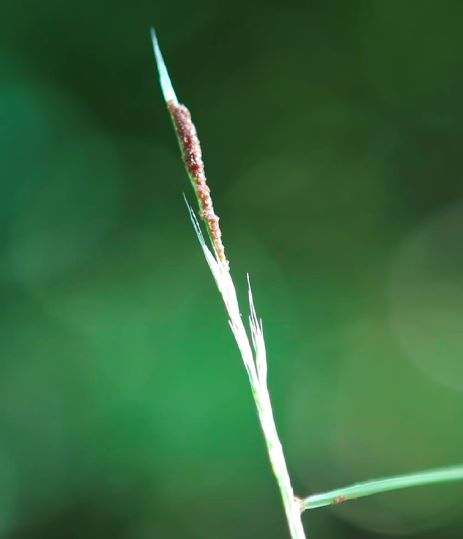
To date this tick which causes significant havoc in Asia, has not transmitted any diseases in the U.S. yet, but the concern is palpable due to its ability to clone itself and replicate quickly.  It also lines up on a stalk of grass like a cluster bomb waiting to be touched by something to detonate.  When you study this tick for 5 min. it becomes clear why this particular tick infestation can drain cattle of their blood.  https://madisonarealymesupportgroup.com/2018/09/12/three-surprising-things-i-learned-about-asian-longhorned-ticks-the-tick-guy-tom-mather/

three_surprising_4.png

Notice the article states that ticks are full of all manner of things: bacteria, viruses, parasites, and yes, even worms – which is not a new thing, BTW.  Willy Burgdorfer found worms in ticks decades ago. Here we see filarial nematodes (worms) in N.Y. ticks:  https://madisonarealymesupportgroup.com/2019/05/10/study-shows-many-different-pathogens-in-deer-ticks-from-ny-ct/

Worms have been found to harbor spirochetes. This is a big deal because it will take anthelmintics to kill the worms to be able to get to the spirochetes (Lyme). Some patients only get better after anti-worm treatment:  https://madisonarealymesupportgroup.com/2017/10/03/removing-parasites-to-fix-lyme-chronic-illnesses-dr-jay-davidson/  If you’ve reached a plateau, discuss this with your practitioner as a consideration.

According to microbiologist Tom Grier, great care needs to be taken with anti-wormers because the die off can create severe, perhaps deadly herxes:  https://madisonarealymesupportgroup.com/2016/08/09/dr-paul-duray-research-fellowship-foundation-some-great-research-being-done-on-lyme-disease/

With the high rates of dementia, Alzheimer’s, ALS, etc., we should be considering tick borne illness with these patients as we’ve learned that many can regain their mental faculties with appropriate treatment:  https://madisonarealymesupportgroup.com/2019/04/09/the-diagnosis-is-alzheimers-but-thats-probably-not-the-only-problem/  See comment section.

Category:

Activism, Lyme, mosquitoes, Parasites, research, Testing, Ticks, Treatment, Viruses

Can You ‘Catch’ Cancer?

https://blog.frontiersin.org/2019/03/27/helminth-worms-cause-cancer/?

Can you ‘catch’ cancer?

by Matthew Prior, Frontiers science writer

March 27, 2019

Frontiers in Medicine: Parasitic worms cause cancer – and could help cure it
In endemic regions, parasitic worms called ‘flukes’ are responsible for the majority of all bladder and liver cancer cases. Image: Shutterstock.


Parasitic worms cause cancer – and could help cure it

Billions worldwide are infected with tropical worms. Unsurprisingly, most of these people live in poor countries, kept poor by the effects of worm-related malnourishment.

What may surprise many is that worms are also a major cause of cancer in these countries.

Published in Frontiers in Medicine and Frontiers in Public Health as a Research Topic on parasite-associated malignancy, new research aims to inform prevention and treatment – and perhaps even turn worms against cancer. Frontiers Research Topics are highly visible peer-reviewed article collections led by the world’s leading researchers who harness collaborative knowledge on today’s biggest scientific questions.

Worms cause cancer

Over a million worm species are classified as helminths. A single characteristic unites them: parasitism.

“Helminths take many forms, but all of them harm their host in some way. In humans, they can live in the intestinal tract, urinary tract or bloodstream, causing a variety of illness from malnutrition to organ failure” explains co-editor of the research Dr. Monica Botelho of Portugal’s National Institute of Health.

In 2015 a more bizarre case of infection put helminths into the headlines: a man with HIV-AIDS died after his tapeworm contracted cancer and spread around his body. This remains the only such case ever recorded.

Meanwhile, scientists have known for decades that helminths can turn human cells into cancers.

“Three species of helminth are classified as class 1 carcinogens by the WHO,” adds Botelho. “These are all designated trematodes – after the Latin name for the grisly feeding cavity with which they latch onto their host’s insides.”

Worm-related cancer is not just a fluke – it’s three

Trematodes are known informally as ‘flukes’. In this case however, they’re anything but.

“In endemic regions – predominantly sub-saharan Africa and Southeast Asia – flukes are responsible for the majority of all bladder and liver cancer cases,” says Dr. Joachim Richter, Associate Professor at Charité Berlin and co-editor with Botelho. “Cancers arise in sites of fluke infection including the bladder wall and the bile ducts of the liver.”

But how does a worm cause cancer? According the research collection, their feeding – and breeding – habits might be to blame.

“Flukes constantly wound and re-wound their host as they latch on with their feeding cavity, burrow through organs, and deposit eggs in the bladder wall. This leads to chronic inflammation as the body tries endlessly to heal, meaning lots of cell division and so lots of opportunities for cancer-causing mutations to accumulate over years of infection.”

The flukes’ toxic toilet habits then add insult to injury.

“Worms and their eggs also excrete proteins that exacerbate this chronic inflammation, further promoting cell division as well as the blood vessel growth required to feed it,” adds Richter.

Hyper tapeworms protect hosts from cancer

Fluke infections and early stage cancers are often asymptomatic, so despite availability of anthelminthic drugs patients often present too late for curative treatment. Fortunately, flukes have an Achilles’ heel: they require freshwater snails as a first host before infecting humans.

“Flukes have been successfully eliminated in Japan by economic development and the filling and drainage of snail habitats,” says Richter. “Eradication efforts are underway in Thailand, which has the world’s highest rates of liver fluke infection and bile duct cancer – but some high-risk countries like Ethiopia lack a coordinated monitoring or prevention program for fluke-related cancer and need more help.”

Beyond eradication efforts lies another twist in the bizarre world of worms and cancer: helminths as a cure for malignancy.

“Many parasites, including some helminths like the liver fluke Fasciola hepatica, inhibit cancer growth in vitro. Another of these – the ominously named ‘hyper tapeworm’ – is associated with a significantly lower rate of cancer in human hosts,” reports Botelho.

“In fact, there is evidence that proteins produced by hyper tapeworms as well as F. hepatica not only kill cancer cells directly – but might also enhance their host’s immune response to tumors.”

“Even cancer-promoting fluke proteins might be repurposed as treatments for other conditions: for example, those that promote new blood vessel growth could help resolve chronic non-healing wounds in diabetics, tobacco users, and the elderly.”

__________________

**Comment**

There is a connection between helminths (worms) and Lyme/MSIDS and some patients improve dramatically on anthelmintics:  https://madisonarealymesupportgroup.com/2016/06/03/borrelia-hiding-in-worms-causing-chronic-brain-diseases/

Lyme discoverer, Willy Burgdorfer, wrote of finding nematodes in tick guts way back in 1984 and in 2014 University of New Haven researcher, Eva Sapi, found 22% of nymphs and 30% of adult Ixodes ticks carried nematodes.  

This study shows worms (Onchocerciasis) in Wisconsin ticks:  https://madisonarealymesupportgroup.com/2018/08/11/co-infection-patterns-in-wisconsin-black-legged-ticks-show-associations-between-viral-eukaryotic-bacterial-microorganisms/

The CDC states the treatment of choice is Ivermectin as well as doxycycline. Doxy kills the adult worms by killing the Wolbachia bacteria on which the adult worms depend in order to survive.  https://www.cdc.gov/parasites/onchocerciasis/treatment.html

There is a dog study, however, that shows wide-spread inflammation after heart worm medicine was given (Ivermectin & Pyrantel) so discuss ALL of this with your practitioner:  https://madisonarealymesupportgroup.com/2017/07/10/wolbachia-the-next-frankenstein/.  Since Dr. McDonald has found these worms containing spirochetes in the brain, the vast die-off herxheimer might be severe and needs to be carefully considered and monitored. This is NOT a do-it-yourself treatment!

https://madisonarealymesupportgroup.com/2016/08/09/dr-paul-duray-research-fellowship-foundation-some-great-research-being-done-on-lyme-disease/  Another great article by microbiologist Tom Greer and a repeat warning that anthelmintics can cause severe inflammatory reactions and fatal encephalitis.

Probably one of the most popular hits on this website contains information on parasite treatments:  https://madisonarealymesupportgroup.com/2017/10/03/removing-parasites-to-fix-lyme-chronic-illnesses-dr-jay-davidson/  It’s obviously a big problem.

The CDC’s mono-therapy of doxycycline isn’t ever going to cure the Lyme/MSIDS pandemic. This is a serious polymicrobial illness that takes savvy.

For more:  https://madisonarealymesupportgroup.com/2016/02/13/lyme-disease-treatment/


Category:

Activism, Parasites, research

The Parasite Guy Podcast

https://madisonarealymesupportgroup.com/wp-content/uploads/2019/02/a_conversation_with_the_parasite_guy_-_dr._todd_watts.mp3

A Conversation With the Parasite Guy, Dr. Todd Watts

Todd-Watts

Cindy Kennedy, FNP, is joined by Dr. Todd Watts, a chiropractor and functional wellness practitioner from Idaho. Many know him as the “Parasite Guy,” but he also has extensive knowledge of functional blood chemistry, biochemistry and in helping those with chronic illness overcome their struggles to restore their health.

Dr. Watts is the co-founder of Microbe Formulas and CellCore Biosciences and loves to research to formulate products which will change the world.

Dr. Watts was the first to bring Mimosa Pudica seed to the general health market in the United States. He has an amazing health journey which has led him to be able to help others.

 Approx. 17 Min.

Dr. Watts’ Story
Dr. Watts had both Lyme and parasites.

https://drtoddwatts.com

For more:  https://madisonarealymesupportgroup.com/2017/10/03/removing-parasites-to-fix-lyme-chronic-illnesses-dr-jay-davidson/


Category:

Lyme, Parasites, Treatment

Search

Archives

Lyme Non-Profits

  • Wisconsin Lyme Network Facebook

Lyme Resources

  • Affordable Blood Draws/injections in Wisconsin
  • Blood Draws in Madison
  • Columbia Specimen Bank 646-774-7503
  • Dental Care For Children With Autism
  • Find a Lyme Support Group
  • IGeneX, Inc. (lab testing)
  • ILADS (International Lyme And Associated Diseases Society)
  • Learn about Lyme
  • Lyme Bio Bank (NDRI & Bay Area Lyme Foundation)
  • Lyme Curriculum & Educational Activities
  • Lyme Disease Association
  • Lyme Info
  • Lyme Resource Zip File
  • Lyme-Symptoms
  • Lymedisease.org (Formally CALDA)
  • LymeLight Foundation
  • National Suicide Hotline
  • On-line Mental Health Therapy
  • SE Wisconsin Support Group
  • Substance Abuse Rehab Centers in Wisconsin
  • Substance Misuse Support
  • Suicide & Social Media
  • Tick borne disease education
  • Tick Borne Disease Prevention: Stuff for Kids
  • Tick Prevention
  • Tick-Borne Disease Alliance
  • TRUTHCURES
  • What is Lyme

Online Support Groups

  • Lyme Support Group of Southeast Wisconsin (Facebook)
  • Military Lyme Info
  • Military Lyme Support (Facebook)
  • Parents Whose Children Have Lyme/MSIDS
  • Wisconsin/Illinios Lyme (Facebook)

Visitors

  • 8,083,526

Top Posts & Pages

  • Red Meat Allergy Surges As WEF's 'Human Engineering' Blueprint Becomes Reality
  • Patents Prove COVID Fraud & Illegal Dealings
  • Ivermectin's Accidental Breakthrough: Parkinson's & Alzheimer's
  • What to Eat When You're Allergic to Everything?
  • Kris Kristofferson "...As Sharp As He's Been in the Past 20 Years Because of His Treatments"
  • Declassified Docs Link Bioweapon Program to Lyme Disease
  • DMSO/MSM for Lyme/MSIDS
  • Sudden Red Meat Allergy Made Eating Painful For Mom and It's All Because of a Tick Bite
  • Proof That the Pandemic Was Planned & With Purpose
  • TMJ Arthritis Triggered By Lyme Disease

Categories

  • Activism
  • Adrenals
  • Allodynia
  • Alpha Gal Meat Allergy
  • Alzheimer's
  • Anaplasmosis
  • Anaplasmosis Treatment
  • Autism
  • Babesia
  • Babesia Treatment
  • Bartonella
  • Bartonella Treatment
  • Biofilm
  • Borrelia Miyamotoi (Relapsing Fever Group)
  • C-diff
  • Cancer
  • Candida
  • Chiropractic Care for MSIDS
  • Climate
  • Clinic
  • Corrections
  • Dentistry
  • Detoxing
  • diet and nutrition
  • Disability
  • Educational handouts
  • Ehrlichiosis
  • Ehrlichiosis Treatment
  • EMF
  • Eye Issues
  • Genetic Mutations
  • Gut Health
  • Hearing Loss
  • Heart Issues
  • Hemp Oil
  • Herbs
  • Hormones
  • Hyperthermia
  • Inflammation
  • Interstitial Cystitis
  • Lyme
  • Lyme Disease Treatment
  • Lyme Vaccine
  • Malaria
  • Marijuana
  • Mast Cell Activation Syndrome (MCAS)
  • Meetings
  • Mold
  • Morgellons
  • mosquitoes
  • Mycoplasma
  • Mycoplasma Treatment
  • Pain Management
  • PANS
  • Parasite Treatment
  • Parasites
  • Pregnancy
  • Prevention
  • Psychological Aspects
  • Q Fever
  • research
  • Rickettsia
  • Rocky Mountain Spotted Fever
  • Sleep
  • Supplements
  • Support Group Presentations
  • Syphilis
  • Testing
  • thyroid
  • Tickborne Relapsing Fever
  • Ticks
  • Toxoplasmosis
  • Transmission
  • Treatment
  • Tularemia
  • Uncategorized
  • vaccines
  • Viruses
  • Zika

Older Posts

Newer Posts

Madison Area Lyme Support Group
  • Subscribe Subscribed
    • Madison Area Lyme Support Group
    • Join 668 other subscribers
    • Already have a WordPress.com account? Log in now.
    • Madison Area Lyme Support Group
    • Subscribe Subscribed
    • Sign up
    • Log in
    • Report this content
    • View site in Reader
    • Manage subscriptions
    • Collapse this bar

Loading Comments...