
DMSO Transforms The Treatment of Infectious Diseases
https://www.midwesterndoctor.com/p/dmso-transforms-the-treatment-of?
DMSO Transforms The Treatment of Infectious Diseases
How DMSO can treat many challenging infections
Story at a Glance:
•Dimethyl Sulfoxide (DMSO) is a remarkably safe naturally occurring substance that has a variety of remarkable properties that make it well suited to treating a variety of challenging medical conditions (e.g., pain, injuries, wounds, strokes, spine injuries, autoimmune conditions, cancer, and internal organ diseases).
•DMSO has broad antimicrobial properties, protects the body from microbial toxins (e.g., from C. diff), eliminates antibiotic resistance, and serves as a vehicle that can bring antimicrobials deep into the body and treat otherwise inaccessible infections.
•DMSO significantly enhances the treatment of many common bacterial infections (e.g., of the head, mouth, and skin) and many severe bacterial infections that require hospitalization (e.g., tuberculosis, sepsis, peritonitis, severe lung infections, osteomyelitis). In many cases, this has allowed an individual requiring an amputation of a chronically infected area to instead fully recover.
•DMSO has significant antiviral properties, which have most extensively been studied for herpes and shingles (both of which it excels in treating), but also in a variety of other conditions (e.g., feline panleukopenia, one of the most deadly conditions cats face.
•DMSO has significant value in treating challenging fungal and parasitic infections. Additionally, evidence suggests its utility in treating cancer and autoimmune disorders arise from DMSO’s unique antimicrobial properties.
•In this article, we will review the body of evidence showing DMSO’s remarkable contributions to the treatment of infectious diseases and provide guidance on how DMSO can be used to treat many of the conditions listed in this article.
Introduction
DMSO is a remarkably safe and naturally occurring substance (provided you use it correctly) that rapidly improves a variety of conditions medicine struggles with — particularly chronic pain. For reference, those conditions included:
- Strokes, paralysis, a wide range of neurological disorders (e.g., Down Syndrome and dementia), and many circulatory disorders (e.g., Raynaud’s, varicose veins, hemorrhoids), which I discussed here.
- A wide range of tissue injuries such as sprains, concussions, burns, surgical incisions, and spinal cord injuries (discussed here).
- Chronic pain (e.g., from a bad disc, bursitis, arthritis, or complex regional pain syndrome), which I discussed here.
- A wide range of autoimmune, protein, and contractile disorders such as scleroderma, amyloidosis, and interstitial cystitis (discussed here).
- A variety of head conditions, such as tinnitus, vision loss, dental problems, and sinusitis (discussed here).
- A wide range of internal organ diseases such as pancreatitis, infertility, liver cirrhosis, and endometriosis (discussed here).
- A wide range of skin conditions such as burns, varicose veins, acne, hair loss, ulcers, skin cancer, and many autoimmune dermatologic diseases (discussed here).
In turn, since I started this series, it struck a cord and has now been seen by millions of people, and I have received over 1400 reports of remarkable responses to DMSO many readers have had (which can be read here).
This begs an obvious question — if a substance capable of doing all of that exists, why does almost no one know about it? Simply put, like many other promising therapies, it fell victim to a pernicious campaign by the FDA which kept it away from America despite decades of scientific research, Congressional protest, and thousands of people pleading for the FDA to reconsider their actions. Consider for example, this 60 Minutes program about DMSO that aired on March 23, 1980. (Go to top link to watch program)
DMSO and Infectious Diseases
DMSO has a variety of unique properties that make it incredibly well suited to addressing microbial infections (e.g., bacteria, fungi, viruses, and parasites).
These include:
- While non-toxic, it has an antiseptic effect that is harmful to microorganisms, especially the smallest ones (mycobacteria, cell wall deficient bacteria, and viruses). This property appears to be the most beneficial for herpes, shingles, and other complex conditions, which I believe have a microbiological component (e.g., cancer and autoimmunity).
- It can remove the antibiotic resistance of bacteria. This is particularly helpful in widespread problematic infections that have gradually developed a resistance to many existing antibiotics (e.g., tuberculosis) and challenging infections that are not responding to antibiotics (e.g., ones that would otherwise require an amputation).
- It can further increase the sensitivity of already susceptible microorganisms to antimicrobial agents.
- It can deliver antimicrobial agents to areas that are typically difficult to reach (e.g., deep in a bone) and also directly to regions that would otherwise require a systemic application of the medication.
- It can increase circulation to many parts of the body, something which is often critical for resolving illnesses (as a healthy blood supply allows the immune system to enter and heal diseased areas). Likewise, pretreatment with DMSO has been shown to increase the immune system’s ability to resist a subsequent infection.
- Much in the same way DMSO protects cells from a wide variety of lethal stressors, it can also protect them from the harmful effects of bacterial toxins (e.g., with the most pertinent applications studied being for sepsis and clostridium difficile). Likewise, it can also mitigate the toxicity of antimicrobial agents taken for a prolonged period.
DMSO and Bacterial Infections
DMSO has six properties that make it useful in treating bacterial infections.
- Data suggests DMSO increases bacterial cell membrane permeability and concurrently creates changes in the cell indicative of damage to its membrane. In addition to directly eliminating bacteria, it also reduces their ability to prevent antibiotics from entering them. In turn, existing data shows DMSO has a much greater ability to increase the potency of antibiotics that target structures inside bacteria rather than ones that target their cell wall (e.g., penicillin).
Note: this property is particularly important for tuberculosis as it has a robust external barrier that impairs antibiotic entry. - By increasing membrane permeability, it can also make bacteria more susceptible to taking up the nucleic acids of lethal bacteriophages (viruses that kill bacteria and have been extensively researched outside of America due to their efficacy in treating a wide range of bacterial infections).
- DMSO can often simply dissolve bacteria and cause their contents to leak out.
- DMSO can interfere with the normal functioning of bacteria. A 1977 study, for instance, found that it interferes with the production of membrane proteins that E. coli (and other bacteria) need for metabolism.
- As discussed throughout a previous article, DMSO greatly improves circulation (which, when impaired often leads to chronic infections).
- In the same way DMSO can protect cells from various lethal stressors (discussed here), DMSO effectively mitigates the harmful effects of many bacterial toxins.
Cancer and Autoimmunity
One of DMSO’s widely recognized properties is that it causes cancerous cells to revert to normal. In researching that, I came across a fascinating study that tested cancer patients for pleomorphic bacteria (something many previous pioneers of successful but suppressed alternative cancer therapies like Rife and Naessens also believed caused many cancers). While difficult to culture, pleomorphic bacteria were eventually isolated from the blood of some of them, in the blood of some of those who had been around those who had recently died from cancer for a prolonged period.
Note: the morphology of the bacteria is extensively described in the paper, but essentially matches what many other pleomorphic researchers have found over the years.
The pleomorphic model of bacteria (discussed further here) essentially states that bacteria can significantly change their morphology (to the point they are almost unrecognizable from their original form), that these changes are often done in response to their environment, and that some forms are relatively harmless to the body, while others cause disease. In turn, since things that kill bacteria often transform them into ones that are more pathogenic, a longtime belief within certain schools of natural medicine is that the goal should be to change the terrain of the body to encourage a benign morphology of bacteria rather than trying to kill them all off.
A large group of modern researchers studied this subject for decades (e.g., hundreds of research studies they conducted are summarized in this wonderful textbook by Lida Mattman). Five of their key observations were:
- Antibiotics will often fail to kill every bacteria present and then trigger those that survive to enter a primitive survival state known as a “cell wall deficient” (CWD) form resembling a mycoplasma. This process in turn, was most commonly triggered by antibiotics that attack bacterial cell walls (which characterizes many commonly used antibiotics).
- CWD bacteria are very hard to detect (most standard microbial methods will determine that no organisms are there when CWDs are present).
- When conditions are more optimal for survival, CWD organisms can revert to the active form and cause an infection that had been eliminated with antibiotics to suddenly and inexplicably recur (which, for example, we frequently see with urinary tract infections).
- Once present, CWD bacteria will often enter cells and cause chronic inflammation because the immune system will attack cells with the CWD bacteria.
- Many different unexplained autoimmune disorders (e.g., sarcoidosis) have characteristic CWD bacteria present that can be repeatedly identified from their inflamed tissue (the textbook cites an exhaustive amount of data substantiating this).
While standard antibiotics are ineffective in treating CWD infections, non-standard ones (e.g., erythromycin or minocycline) often are, but the sensitivity to those antibiotics is highly variable depending on the causative organism.
In practice, we find 10-15% of chronic illnesses (including blood clots and cancers) have a pleomorphic etiology, but rather than try to eliminate those organisms with antibiotics (which always have side effects), we instead give signaling products derived from healthy bacteria that cause the pathologic bacteria to transform into a non-harmful form, which in those applicable cases, frequently yields remarkable results (e.g., this approach is very useful for lupus and many cancers). Likewise, I believe this model explains a longstanding belief within natural medicine that giving antibiotics for an acute infection often transforms it into a chronic illness down the road.
Note: ultraviolet blood irradiation is also quite effective at eliminating these organisms and the diseases they cause.
Lastly, Individuals with chronic fatigue syndrome often find relief from DMSO, which some have attributed to its antiviral properties (e.g., towards Epstein Barr). This for example, is a letter Stanley. Jacob received from a patient.
Note: Readers have also reported to me (e.g., here, here, and here) that DMSO helped their chronic fatigue. (See link for article)
______________
**Comment**
Please note that DMSO did best when it was coupled with antibiotics or other antimicrobials.
For more:
- https://madisonarealymesupportgroup.com/2018/03/02/dmso-msm-for-lyme-msids/
- https://madisonarealymesupportgroup.com/2024/11/01/how-dmso-cures-eye-ear-nose-throat-and-dental-disease/
- https://madisonarealymesupportgroup.com/2024/10/25/how-dmso-treats-incurable-autoimmune-and-contractile-disorders/
- https://madisonarealymesupportgroup.com/2024/09/16/dmso-its-remarkable-properties/
- https://madisonarealymesupportgroup.com/2024/12/18/dmso-protects-heals-organs-and-revolutionizes-the-skin/


 Unfortunately, the emotional and physical effects of invisible electromagnetic frequencies (EMFs) are not listed on the package. If you have two or more of the following devices; cell phones, computers, GPS, Smart appliances, electric cars, wearables, and Smart™ TVs, or electric cars, then there are symptoms you may never hear about.
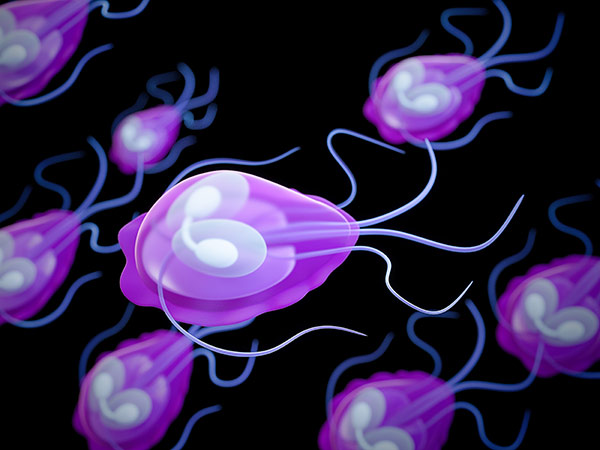 Intestinal parasites like giardia, amoeba, pinworm, hookworm, schistosomiasis, and strongyloides are part of the MSIDS map. These infections are found on both serum antibody testing and stool cultures (i.e., local labs, Genova stool CDSA). Although we generally think of parasitic worms as only inhabiting the GI tract, Dr. Alan MacDonald recently found nematode filarial worms in the cerebrospinal fluid of patients with multiple sclerosis and Alzheimer’s disease at autopsy. Dr. Eva Sapi has found filarial worms in Ixodes scapularis ticks, and Zhang and colleagues found them in lone star ticks, so it is possible that filarial worms are being regurgitated from the gut of the tick into humans after a tick bite. Dr. Steven Fry has found parasites in the bloodstream living in biofilms, called Protomyxoa rheumatica (FL-1953), which are composed of up to eight different genetic types of parasites. Babesia suppresses our ability to clear other parasites, so are multiple parasites partially responsible for chronic illness in Lyme-MSIDS?
 Madison Area Lyme Support Group