A leading cancer expert once described by the Duke of Cambridge as an ‘inspiration’ has died suddenly after a routine yellow fever jab.
Martin Gore, 67, passed away after suffering total organ failure shortly after having the injection, which is recommended to anyone visiting Sub-Saharan Africa, South and Central America and the Caribbean, reports The Times.
Serious side effects from the vaccine are very rare, but are more common in those over the age of 60, or in anyone with HIV/AIDS.
Professor Gore, who worked as an oncologist for more than 35 years, focused on ovarian cancer, melanoma and renal cell carcinoma.
In 2015, he was given The Royal Marsden’s Lifetime Achievement Award, presented by Prince William.
Leading cancer expert Martin Gore, 67, (pictured) has died suddenly after a routine yellow fever jab
The Duke of Cambridge said at the time: ‘I’ve found Martin a source of inspiration – his infectious enthusiasm and passion for his work, and his obvious compassion and kindness for his patients, their family and friends, reinforces my knowledge that The Royal Marsden is a truly special place.
‘He’s one of the pioneers of 20th century cancer care, and a friend, colleague and trusted doctor to many.’
Just a year later he was an awarded a CBE in the Queen’s Birthday Honours for his work in these areas.
A report in the Journal of Travel Medicine found that between 2007 and 2013, there were just under four cases of serious adverse effects from the vaccine per 100,000 doses.
This increased to 6.5 per 100,000 for those aged between 60 and 69, and 10.3 per 100,000 for those aged 70 and above.
Martin Gore, pictured left while meeting the Duke of Cambridge, has died suddenly after a routine yellow fever jab
Serious side effects from the vaccine are very rare, but are more common in those over the age of 60 (file photo)
Serious adverse effects recorded in the study included hospitalization, life-threatening illness, permanent disability and death. Five people died from the jab in this period.
Peter Openshaw, an ex-president of the British Society for Immunology, told the Times that there has been a four-fold increase in the risk of side-effects for those 60 and above.
But he emphasised that the jab was much safer than exposure to yellow fever, which killed around 78,000 people in Africa in 2013.
The Royal Marsden Cancer charity shared the news on Facebook, saying: ‘It is with deep sadness that The Royal Marsden announces the sudden death of Professor Martin Gore CBE who died this morning.
‘Martin was at the heart of The Royal Marsden’s life and work in research, treatment and the training of our next generation of oncologists.
‘His contribution as Medical Director for 10 years, a Trustee of The Royal Marsden Cancer Charity, and as a clinician is unparalleled.
‘He has been a friend, colleague and mentor to so many people and his loss will be immense.
ARE THE MOSQUITOES INVOLVED IN THE TRANSMISSION OF LYME DISEASE?
November, 2018
Dr. José Lapenta Dermatologist
Dr. José M. Lapenta MD
EDITORIAL ENGLISH
===================
Hello friends of the network, DERMAGIC EXPRESS with a super hot topic:
ARE THE MOSQUITOES INVOLVED IN THE TRANSMISSION OF LYME DISEASE?
A few years after the discovery of the Borrelia Burgorferi in 1981 by Willy Burgdorfer, some scientists began to suspect that mosquitoes and other insects could be involved in the spread of Lyme borreliosis; and specifically in 1985-1987 studies began to appear on this subject, some controversial, others more convincing of the fact that mosquitoes that feed on blood from animals contaminated with Borrelia, could be vectors of the disease and contribute to the epidemic that attacks the whole world today by this spirochete.
Ticks are always spoken of as the only and great vector, but today I bring you some references that will make you think that there is something “hidden” and perhaps not revealed about Lyme Borreliosis: mosquitoes as transmitting vectors.
Not to make it long I’m going to name the most outstanding aspects of some studies and I’ll leave the references of the facts:
Historically in the year 1961 Robert J.A. I first proved the experimental transmission of Borrelia, in this case Borrelia anserina, (discovered by Saknarof in the year 1891) by the hematophagous insect Aedes aegypti in geese of the Caucasus, since then it has been isolated from the blood of infected geese, turkeys, ducks, fowls, partridges, crows and sparrows from all parts of Africa, Australia, Austria, Bulgaria, Brazil, Egypt, East Indies, Germany, Greece, Hungary, India, the U.S.S.R., Rumania and Turkey.
In 1985 Dolby et al. published in France a work of 4 Chronic Erythema Migrans (ECM) cases, where only 1 could be checked the sting by ticks, and raise the possibility that the transmission could have been by mosquitoes and flies (horseflies, tabanid).
In 1987 Magnareli et al. conducted a study in Connecticut, United States collecting mosquitoes, horse flies and deer flies, in total 18 species, which were tested for Borrelia Burgdorferi finding a percentage of positivity that varied between 2.9 and 14.3% for blood-sucking insects. They also placed in cages insects with hamsters not contaminated with Borrelia; 11 species of females contaminated with Borrelia Burgdorferi fed on the blood of the hamsters. The spirochete was not found in the hamsters, but one of them presented positive titers of anti-Borrelia antibodies.
From these years they continued publishing works in relation to this subject where it is demonstrated that in a low percentage the Borrelia Burgdorferi can be transmitted by mosquitoes, horse flies, deer flies, and others.
It is important to note that most of the studies were conducted in Europe, being perhaps the most relevant those made in the Czech Republic, where among them, in one study 5% of the mosquitoes studied were shown contaminated with spirochetes and one of them corresponded to the strain (BR-84) identified as Borrelia Afzelii.
Another detail to highlight is that the CDC does not mention these blood-sucking insects as a possible transmitter of Lyme borreliosis, which, although being low in the percentage shown in the studies, could be a factor in the spread of this disease by the world.
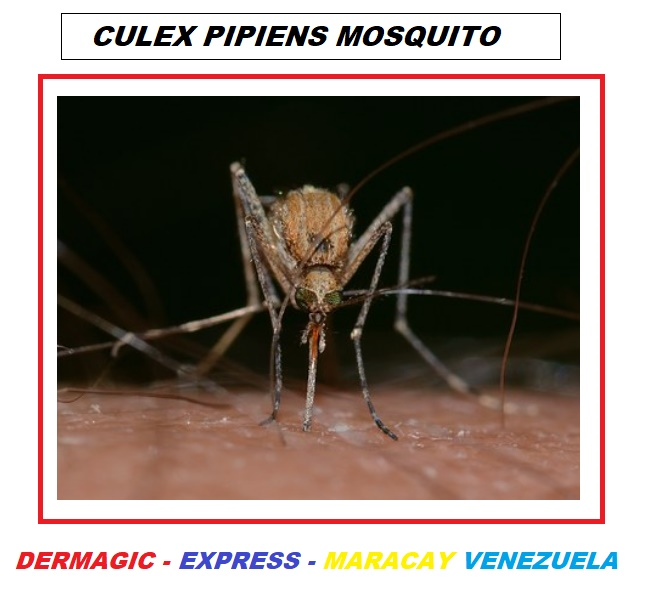
Here I leave the bibliographical references that prove these facts and in the attach one of the species of mosquitoes in which the Borrelia Burgdorferi was found.
“Under the sun there is nothing hidden, and sooner or later the evidence appears that shows that what you tried to hide, became the evidence that became a truth”
1.) Doby JM , Chastel C , Couatarmanac’h A , Cousanca C , Chevrant-Breton J , Martin A , Legay B , Guiguen C . [Etiologic and epidemiologic questions posed by erythema chronicum migrans and Lyme disease. Apropos of 4 cases at the Regional Hospital Center, Rennes]. Bull Soc Pathol Exot Filiales. 1985;78(4):512-25.b[Article in French]
2.) Magnarelli LA1, Anderson JF. Ticks and biting insects infected with the etiologic agent of Lyme disease, Borrelia burgdorferi. J Clin Microbiol. 1988 Aug;26(8):1482-6.
4.) Chang YF, Novosel V, Chang CF, Summers BA, Ma DP, Chiang YW, Acree WM, Chu HJ, Shin S, Lein DH. 2001 Jul. Experimental induction of chronic borreliosis in adult dogs exposed to Borrelia burgdorferi-infected ticks and treated with dexamethasone. Am J Vet Res. 62:1104–1112.[Crossref], [PubMed], [Web of Science ®], [Google Scholar]
5.) Chang YF, Novosol V, McDonough SP, Chang CF, Jacobson RH, Divers T, Quimby FW, Shin S, Lein DH. 2000. Experimental infection of ponies with Borrelia burgdorferi by exposure to Ixodid ticks. Vet Pathol. 37:68–76.[Crossref], [PubMed], [Web of Science ®], [Google Scholar]
6.) Fernando SS. 1983. The giant kidney worm (Dioctophyma renale) infection in man in Australia. Am J Surg Pathol. 7:281–284.[Crossref], [PubMed], [Web of Science ®], [Google Scholar]
7.) Halouzka J, Postic D, Hubálek Z. 1998. Isolation of the spirochaete Borrelia afzelii from the mosquito Aedes vexans in the Czech Republic. Med Vet Entomol. 12:103–105.[Crossref], [PubMed], [Web of Science ®], [Google Scholar]
8.) Halouzka J, Wilske B, Stünzner D, Sanogo YO, Hubálek Z. 1999. Isolation of Borrelia afzelii from overwintering Culex pipiens biotype molestus mosquitoes. Infection. 27(4-5):275–277.[Crossref], [PubMed], [Web of Science ®], [Google Scholar]
9.) Liu D. 2012. Dioctophyme. In: Liu D, editor. Molecular detection of human parasitic pathogens. Boca Raton (FL): Taylor & Francis; p. 535–538.[Crossref], [Google Scholar]
10.) Qiu WG, Schutzer SE, Bruno JF, Attie O, Xu Y, Dunn JJ, Fraser CM, Casjens SR, Luft BJ. 2004. Genetic exchange and plasmid transfers in Borrelia burgdorferi sensu stricto revealed by three-way genome comparisons and multilocus sequence typing. Proc Natl Acad Sci USA. 101:14150–14155.[Crossref], [PubMed], [Web of Science ®], [Google Scholar]
11.) Stricker RB, Lautin A, Burrascano JJ. 2005. Lyme disease: point/counterpoint. Expert Rev Anti Infect Ther. 3:155–165.[Crossref], [PubMed], [Google Scholar]
12.) Wagner B, Erb HN. Dogs and horses with antibodies to outer-surface protein C as on-time sentinels for ticks infected with Borrelia burgdorferi in New York State in 2011. 2012. Prev Vet Med. 107:275–279.[Crossref], [PubMed], [Web of Science ®], [Google Scholar]
13.) Zákovská A, Nejedla P, Holíková A, Dendis M. 2002. Positive findings of Borrelia burgdorferi in Culex (Culex) pipiens pipiens larvae in the surrounding of Brno city determined by the PCR method. Ann Agric Environ Med. 9:257–259.[PubMed], [Web of Science ®], [Google Scholar]
14.) J. A. ROBERTS. Experimental Transmission of Borrelia anserine (Sakharoff 1891) by Aedes aegypti. Letter | Published: 16 September 1961. Nature volume 191, page 1225 (16 September 1961)
15.) Hubálek Z1, Halouzka J, Juricová Z. Investigation of haematophagous arthropods for borreliae–summarized data, 1988-1996. Folia Parasitol (Praha). 1998;45(1):67-72.
16.) Petr Zeman. Borrelia-infection rates in tick and insect vectors accompanying human risk of acquiring Lyme borreliosis in a highly endemic region in Central Europe. Folia Parasitologica 45[4] 319-325 (1998). Regional Center of Hygiene, Dittrichova 17, 120 07 Prague 2, Czech Republic
17.) Zákovská A1, Nejedla P, Holíková A, Dendis M. Positive findings of Borrelia burgdorferi in Culex (Culex) pipiens pipiens larvae in the surrounding of Brno city determined by the PCR method. Ann Agric Environ Med. 2002;9(2):257-9.
18.) Kosik-Bogacka D1, Bukowska K, Kuźna-Grygiel W. Detection of Borrelia burgdorferi sensu lato in mosquitoes (Culicidae) in recreational areas of the city of Szczecin. Ann Agric Environ Med. 2002;9(1):55-7.
19.) Kosik-Bogacka D1, Kuźna-Grygiel W, Bukowska K. The prevalence of spirochete Borrelia burgdorferi sensu lato in ticks Ixodes ricinus and mosquitoes Aedes spp. within a selected recreational area in the city of Szczecin. Ann Agric Environ Med. 2004;11(1):105-8.
20.) Zákovská A1, Capková L, Serý O, Halouzka J, Dendis M. Isolation of Borrelia afzelii from overwintering Culex pipiens biotype molestus mosquitoes. Ann Agric Environ Med. 2006;13(2):345-8.
21.) Kosik-Bogacka DI1, Kuźna-Grygiel W, Górnik K. Borrelia burgdorferi sensu lato infection in mosquitoes from Szczecin area. Folia Biol (Krakow). 2006;54(1-2):55-9.
22.) Alexandre C.Atalibaa. José S.Resendeb. NatalinoYoshinaric. Marcelo B.Labrunaa. Isolation and molecular characterization of a Brazilian strain of Borrelia anserina, the agent of fowl spirochaetosis.Research in Veterinary Science. Volume 83, Issue 2, October 2007, Pages 145-149https://doi.org/10.1016/j.rvsc.2006.11.014
23.) Nejedla P1, Norek A, Vostal K, Zakovska A. What is the percentage of pathogenic borreliae in spirochaetal findings of mosquito larvae? Ann Agric Environ Med. 2009;16(2):273-6.
24.) Petra Nejedla 1, Adam Norek 1, Karel Vostal 1, Alena Žákovská 1. What is the percentage of pathogenic borreliae in spirochaetal findings of mosquito larvae?. Ann Agric Environ Med. 2009;16(2):273–276
25.) Sikutová S1, Halouzka J, Mendel J, Knoz J, Rudolf I. Novel spirochetes isolated from mosquitoes and black flies in the Czech Republic. J Vector Ecol. 2010 Jun;35(1):50-5. doi: 10.1111/j.1948-7134.2010.00027.x.
26.) Melaun C1, Zotzmann S1, Santaella VG1, Werblow A1, Zumkowski-Xylander H2, Kraiczy P3, Klimpel S4. Occurrence of Borrelia burgdorferi s.l. in different genera of mosquitoes (Culicidae) in Central Europe. Ticks Tick Borne Dis. 2016 Mar;7(2):256-63. doi: 10.1016/j.ttbdis.2015.10.018. Epub 2015 Nov 12.
Mosquito-borne diseases are common high-impact diseases in tropical and subtropical areas. However, other non-mosquito vector-borne pathogens (VBPs) may share their geographic distribution, seasonality, and clinical manifestations, thereby contributing their share to the morbidity and mortality caused by febrile illnesses in these regions. The purpose of this work was to collect and review existing information and identify knowledge gaps about tick, flea-, and louse-borne diseases of veterinary and public health significance in Nigeria. Full-length articles about VBPs were reviewed and relevant information about the vectors, their hosts, geographic distribution, seasonality, and association(s) with human or veterinary diseases was extracted. Specific laboratory tools used for detection and identification of VBPs in Nigeria were also identified. A total of 62 original publications were examined. Substantial information about the prevalence and impacts of ticks and fleas on pet and service dogs (18 articles), and livestock animals (23 articles) were available; however, information about their association with and potential for causing human illnesses was largely absent despite the zoonotic nature of many of these peri-domestic veterinary diseases.
Recent publications that employed molecular methods of detection demonstrated the occurrence of several classic (Ehrlichia canis, Rickettsia africae, Bartonella sp.) and emerging human pathogens (R. aeschlimannii, Neoehrlichia mikurensis) in ticks and fleas. However, information about other pathogens often found in association with ticks (R. conorii) and fleas (R. typhi, R. felis) across the African continent was lacking. Records of louse-borne epidemic typhus in Nigeria date to 1947; however, its current status is not known. This review provides an essential baseline summary of the current knowledge in Nigeria of non-mosquito VBPs, and should stimulate improvements in the surveillance of the veterinary and human diseases they cause in Nigeria. Due to increasing recognition of these diseases in other African countries, veterinary and public health professionals in Nigeria should expand the list of possible diseases considered in patients presenting with fever of unknown etiology.
____________________
**Comment**
I find it increasingly interesting that everyone’s picking up Bartonella, yet it’s hardly on the radar here despite thousands of Lyme/MSIDS patients having symptoms of it. Bartonella is a tough pathogen & can be the guy behind so many psychiatric issues as well as heart issues.
We need to know for certain ticks can transmit it because if they don’t, either the tick bite itself is reactivating a latent infection or we are coming by it another way. One thing’s for certain: it needs to be dealt with on the research front as well as on the medical front.
Due to extensive contact with a spectrum of animal species, veterinary professionals appear to have an occupational risk of infection because of frequent exposure to Bartonella spp., therefore these individuals should exercise increased precautions to avoid arthropod bites, arthropod feces (i.e. fleas and lice), animal bites or scratches and direct contact with bodily fluids from sick animals. As Bartonella spp. have been isolated from cat, dog or human blood, cerebrospinal fluid, joint fluid,aqueous fluid, seroma fluid and from pleural, pericardial and abdominal effusions, a substantial number of diagnostic biological samples collected on a daily basis in veterinary practices could contain viable bacteria. The increasing number of defined Bartonella spp., in conjunction with the high level of bacteremia found in reservoir adapted hosts, which represent the veterinary patient population, ensures that all veterinary professionals will experience frequent and repeated exposure to animals harboring these bacteria. Therefore, personal protective equipment, frequent hand washing and avoiding cuts and needle sticks have become more important as our knowledge of this genus has improved and various modes of transmission have been defined. Physicians should be educated as to the large number of Bartonella spp. in nature, the extensive spectrum of animal reservoir hosts, the diversity of confirmed and potential arthropod vectors, current limitations associated with diagnosis and treatment efficacy, and the ecological and evolving medical complexity of these highly evolved intravascular, endotheliotropic bacteria.
Scientists and legal scholars question the rationale for the use of insects to disperse infectious GE viruses engineered to edit the chromosomes in plants, warning that the technology could very easily be weaponized
A new DARPA program is the first to propose and fund the development of viral horizontal environmental genetic alteration agents with the capacity to perform genetic engineering in the environment
The $27 million project, called “Insect Allies,” is trying to take advantage of insects’ natural ability to spread crop diseases, but instead of carrying disease, they would spread plant-protective traits
The opinion paper “Agricultural Research, or a New Bioweapon System?” argues that if plant modification were really the ultimate goal, a far simpler and more targeted agricultural delivery system could be used
There are also serious concerns about environmental ramifications, as the insects’ spread cannot be controlled. It would also be impossible to prevent the insects from genetically modifying organic crops
Genetic engineering (GE) is being used in myriad ways these days, despite the fact we know very little about the long-term ramifications of such meddling in the natural order.
For example, the Defense Advanced Research Projects Agency (DARPA), an arm of the U.S. Department of Defense, is now planning to use insects to deliver GE viruses to crops, with the aim of altering the plant’s genetic traits in the field.
The $27 million DARPA project, called “Insect Allies,” is basically trying to take advantage of insects’ natural ability to spread crop diseases, but instead of carrying disease-causing genes, they would carry plant-protective traits. As explained by The Washington Post:1
“Recent advances in gene editing, including the relatively cheap and simple system known as CRISPR (for clustered regularly interspaced palindromic repeats), could potentially allow researchers to customize viruses to achieve a specific goal in the infected plant.
The engineered virus could switch on or off certain genes that, for example, control a plant’s growth rate, which could be useful during an unexpected, severe drought.”
Insect Allies Project Raises Concerns About Bioterror Use
However, scientists and legal scholars question the rationale for the use of insects to disperse infectious GE viruses engineered to edit the chromosomes in plants, warning that the technology could very easily be weaponized.2,3,4,5
The opinion paper6 “Agricultural Research, or a New Bioweapon System?” published October 4, 2018, in the journal Science questions DARPA’s Insect Allies project, saying it could be perceived as a threat by the international community, and that if plant modification were really the ultimate goal, a far simpler agricultural delivery system could be used.
Jason Delborne, associate professor at North Carolina State University, has expertise in genetic engineering and its consequences. He told Gizmodo:7
“The social, ethical, political and ecological implications of producing HEGAAs [horizontal environmental genetic alteration agents] are significant and worthy of the same level of attention as exploring the science underpinning the potential technology.
The authors argue persuasively that specifying insects as the preferred delivery mechanism for HEGAAs is poorly justified by visions of agricultural applications.
The infrastructure and expertise required for spraying agricultural fields — at least in the U.S. context — is well established, and this delivery mechanism would offer greater control over the potential spread of a HEGAA.”
The team has also created a website8 to accompany the paper, the stated aim of which is “to contribute toward fostering an informed and public debate about this type of technology.” On this site you can also find a link to download the 38-page DARPA work plan. DARPA, meanwhile, insists the project’s goal is strictly to protect the U.S. food supply. A DARPA spokesperson told The Independent:9
“[S]prayed treatments are impractical for introducing protective traits on a large scale and potentially infeasible if the spraying technology cannot access the necessary plant tissues with specificity, which is a known problem.
If Insect Allies succeeds, it will offer a highly specific, efficient, safe and readily deployed means of introducing transient protective traits into only the plants intended, with minimal infrastructure required.”
Scientists from the U.S. Department of Agriculture are also participating in the research, which is currently restricted to contained laboratories. Still, many are unconvinced by DARPA’s claims of peaceful aims.
The release of such insects could “play into longstanding fears among countries that enemies might try to harm their crops,” says Dr. David Relman, a former White House biodefense adviser and professor of medicine and microbiology at Stanford. According to The Associated Press (AP):10
“Guy Reeves, a coauthor of the Science paper and a biologist at the Max Planck Institute for Evolutionary Biology in Germany, says the technology is more feasible as a weapon — to kill plants — than as an agricultural tool. As a result, he said DARPA could be sending an alarming message regardless of its intentions.”
Unforeseen Ramifications Abound
Others are concerned about environmental ramifications, regardless of whether the genetic traits being delivered to the plants are perceived as beneficial or harmful. According to DARPA, none of the insects would be able to survive for more than two weeks, but what if such guarantees fail? What if nature finds a way? If so, the insects’ spread could be near-unlimited.
Gregory Kaebnick, an ethicist at the Hastings Center bioethics research institute in Garrison, New York, told the AP he’s concerned the project may end up causing unforeseen environmental destruction, as insects will be virtually impossible to eradicate once released. If it turns out the genetic modification traits they carry are harmful, there will be no going back.
Yet others, such as Fred Gould, an entomologist at North Carolina State University who chaired a National Academy of Sciences panel on genetically modified food, believe the project’s stated goal of altering genetic traits of plants via insects is near-impossible in the first place.
However, while the research is still in its initial phase, they already have proof of concept. In one test, an aphid infected a mature corn plant with a GE virus carrying a gene for fluorescence, creating a fluorescent corn plant.11
Open Scientific Debate Is Needed
Reeves questions why there’s been virtually no open scientific debate about the technology. According to Reeves, who is an expert on GE insects, the Insect Allies project is “largely unknown even in expert circles,” which in and of itself raises a red flag about its true intent.
He told The Independent, “It is very much easier to kill or sterilize a plant using gene editing than it is to make it herbicide- or insect-resistant.”12 Felix Beck, a lawyer at the University of Freiburg, added:13
“The quite obvious question of whether the viruses selected for development should or should not be capable of plant-to-plant transmission — and plant-to-insect-to-plant transmission — was not addressed in the DARPA work plan at all.”
How Horizontal Environmental Genetic Alteration Agents Work
As explained in the featured paper, the technology DARPA is using is known as horizontal environmental genetic alteration agents or HEGAAs. Essentially, HEGAAs are GE viruses capable of editing the chromosomes of a target species, be it a plant or an animal. The specificity of HEGAAs are dependent on:
The range of species the GE virus can infect
The presence of a specific DNA sequence in the chromosome that can then become infected
The image below illustrates how an insect-dispersed viral HEGAA would disrupt a specific plant gene. As noted on the team’s website:
“Interest in genetically modified viruses, including HEGAAs, largely stems from their rapid speed of action, as infections can sweep quickly through target populations. This same property is also a serious safety concern, in that it makes it hard to predict where viruses geographically disperse to or what species they eventually infect.
Probably due to the complex regulatory, biological, economic and societal implications that need to be considered little progress has been made on how genetically modified viruses should be regulated when the intention is to disperse them in the environment. It is in this context that DARPA presented its Insect Allies work program in November 2016.”
The team also notes the use of HEGAAs are ultimately not likely to be limited to agriculture, which is why it’s so important to have an open discussion about the technology, its potential uses, misuses and ramifications — including unintended ones.
In 2018, three scientific publications discussed the development of “transmissible vaccines,” i.e., vaccines that would be transmissible between humans and therefore would no longer require individual vaccinations. Such products would also remove any possibility of informed consent, which creates a really huge ethical dilemma. In the past decade, at least seven scientific papers have focused on transmissible vaccines.
The team also brings up the obvious point that insects will not be able to distinguish between conventional crops and certifiedorganic crops, which do not permit genetic engineering.Just how are organic farmers to keep these insect vectors from altering their crops? They can’t, and this could effectively destroy the organic industry as we know it.
DARPA Technology May Violate Biological Weapons Convention
According to DARPA, the technology does not violate the United Nations (U.N.) Biological Weapons Convention. However, according to the Science paper, it could be in breach of the U.N.’s convention if the research is unjustifiable. Silja Voeneky, a specialist in international law at Freiburg University, told The Independent:14
“Because of the broad ban of the Biological Weapons Convention, any biological research of concern must be plausibly justified as serving peaceful purposes. The Insect Allies Program could be seen to violate the Biological Weapons Convention, if the motivations presented by DARPA are not plausible. This is particularly true considering this kind of technology could easily be used for biological warfare.”
The Science team also call for greater transparency from DARPA in order to discourage other countries from following suit and developing similar delivery technologies as a defensive measure.
Gene Drive Technology Needs International Governance
In related news, Simon Terry, executive director of the Sustainability Council of New Zealand, is calling for gene drive technology to be brought under international governance,15,16,17 as this kind of technology can make an entire species infertile in a relatively short amount of time, depending on the species life cycle.
Gene drive is yet another application forCRISPR. In short, it’s a genetic engineering technology that allows you to propagate a specific set of genes throughout an entire population, including its offspring, which allows you to genetically alter the future of an entire species. Gene drive has been proposed as a means to control pests, including mosquitoes and possum.
However, there’s no known way to control it. As an example, while New Zealand would like to use gene drive to eradicate possums, it would be virtually impossible to prevent the spread of the gene drive to other areas, and in Australia, the possum is a protected species.
Gene drive has also been considered as an answer for barnyard grass, a pesky weed among Australian farmers, but a prized commodity in India. Likewise, Palmer Amaranth is considered a weed in the U.S. but an important food source in Central America, Africa, India and China. As noted by Terry, “One man’s pest could be another’s desired plant or animal,” and creating national regulations for a technology that can wipe out an entire species globally simply isn’t enough.
Should We Use Technology That Can Eradicate Entire Species?
In a 2016 report,18 the Institute of Science in Society (ISIS) discussed the creation of transgenic mosquitoes, carrying genes against a malarial pathogen. Using CRISPR/Cas9, a gene drive was created that makes virtually all progeny of the male transgenic mosquitoes’ carriers of this antimalaria gene. However, the transgene was found to be unstable in female mosquitoes, and key safety issues were also raised, including:
To what extent might crossbreeding or horizontal gene transfer allow a drive to move beyond target populations?
For how long might horizontal gene transfer allow a drive to move beyond target populations?
Is it possible for a gene drive to evolve to regain drive capabilities in a nontarget population?
According to ISIS, answering these questions is “crucial in the light of the instability of the gene drive in transgenic female mosquitoes.” As noted in the report:
“When these females bite animals including humans, there is indeed the possibility of horizontal gene transfer of parts, or the entire gene-drive construct, with potentially serious effects on animal and human health.
Cas9 nuclease could insert randomly or otherwise into the host genome, causing insertion mutagenesis that could trigger cancer or activate dominant viruses …
Finally, the ecological risks of gene drives are enormous … As the gene drive can in principle lead to the extinction of a species, this could involve the species in its native habitat as well as where it is considered invasive. As distinct from conventional biological control, which can be applied locally, there is no way to control gene flow …
[B]ecause the CRISPR/Cas gene drive remains fully functional in the mutated strain after it is created, the chance of off-target mutations also remain and the likelihood increases with every generation.
‘If there is any risk of gene flow between the target species and other species, then there is also a risk that the modified sequence could be transferred and the adverse trait manifested in nontarget organisms.’ (This commentary has not even begun to consider horizontal gene flow, which would multiply the risks manyfold.)”
DARPA Brushes Off Concerns
James Stack, a plant pathologist at Kansas State University and a member on the advisory panel of DARPA’s Insect Allies project, believes the concerns raised in the Science paper are unfounded. He told The Washington Post:19
“I don’t understand the level of concern raised in this paper, and to jump ahead and accuse DARPA of using this as a screen to develop biological weapons is outrageous.
There’s risk inherent in life and you just have to manage it well. And I think as we move into a more crowded planet it’s going to put increasing demands on our food systems, our water systems. We’re going to need all the tools in the tool box that we possibly have.”
Unfortunately, recent history demonstrates we’ve not been very capable of managing these kinds of man-made risks very well at all. Just look at Roundup-resistant GMO food, for example, or electromagnetic field radiation from cellphones and wireless technologies, both of which have been shown to cause significant health and environmental problems since their inception.
There’s virtually no evidence to suggest mankind is very good at predicting the potential outcomes of our technological advancements, so unleashing gene-altering technologies that cannot be recalled or reversed seems foolish in the extreme. As mentioned, the Insect Allies project may be particularly detrimental for organic and biodynamic farming, as it would be completely impossible to prevent these gene-altering insect vectors from infecting organic crops.
Let’s face it: We’re surrounded by threats, some of them unseen, that are putting us at risk of ill health. GMOs. Processed foods. EMFs. And that’s just the tip of the iceberg. It’s at this time that most people seek guidance to help guard against these perils and secure their well-being. Oftentimes, it seems like an impossible feat.
But here’s a secret: The most complex of tasks can become easier and simpler if you take them one step at a time. If you’re truly committed to take control of your health, then my 30-Day Resolution Guide is exactly what you need. This step-by-step plan outlines the most important strategies for achieving optimal wellness, which include:
The healthiest foods to eat (and when to eat them)
The importance of high-quality sleep (and how to get enough)
An innovative HIIT exercise that boosts your mitochondrial health (it only takes 4 minutes!)
__________________
**Comment**
I’ve been writing about this for some time and am very concerned about the law of unintended consequences with this technology. Please share this information far and wide because if we don’t, we could find ourselves precisely in the same situation we are in with vaccines (little to no safety studies and serious health ramifications – more coming out daily).
Besides crops, mosquitos, & possums, work is being done on both mice and mosquitoes in efforts of eradicating Lyme/MSIDS. For that info:
https://madisonarealymesupportgroup.com/2018/10/11/new-england-scientists-explore-new-method-for-eradicating-lyme-disease/ “There are a lot of microbes in ticks, not just the Borrelia microbe that is associated with Lyme disease,” said Dr. Rawls, medical director for Vital Plan, an herbal supplement company. “The problem with the mouse thing is that even if it is successful, and you block the transmission of Borrelia and prevent the spread of that variety of Lyme disease, perhaps that opens the door to something worse, like Rickettsia, (a microbe associated with the spread of Rocky Mountain Spotted Fever).”
How important are mice anyway? Independent Canadian tick researcher, John Scott, has shown established populations of deer ticks in Manitoba as well as in insular, hyper-endemic Corkscrew Island, yet both are devoid of white-footed mice. He points out that there are numerous reservoir hosts that must be considered including other mammals, birds, and reptiles. https://madisonarealymesupportgroup.com/2018/08/13/study-shows-lyme-not-propelled-by-climate-change/
Numerous studies show unexpected insertions and deletions which can translate into possible toxins, allergens, carcinogens, and other changes. Science can not predict the real-life consequences on global pattens of gene function.
“It means for all the new inventions … you would need to go through the lengthy approval process of the European Union,” Kai Purnhagen, an expert at Wageningen University in the Netherlands, told Nature.
Generation of a Lineage II Powassan Virus (Deer Tick Virus) cDNA Clone: Assessment of Flaviviral Genetic Determinants of Tick and Mosquito Vector Competence
Kenney Joan L. , Anishchenko Michael , Hermance Meghan , Romo Hannah , Chen Ching-I , Thangamani Saravanan , and Brault Aaron C. Published Online:1 Jul 2018https://doi.org/10.1089/vbz.2017.2224
Abstract
The Flavivirus genus comprises a diverse group of viruses that utilize a wide range of vertebrate hosts and arthropod vectors. The genus includes viruses that are transmitted solely by mosquitoes or vertebrate hosts as well as viruses that alternate transmission between mosquitoes or ticks and vertebrates. Nevertheless, the viral genetic determinants that dictate these unique flaviviral host and vector specificities have been poorly characterized. In this report, a cDNA clone of a flavivirus that is transmitted between ticks and vertebrates (Powassan lineage II, deer tick virus [DTV]) was generated and chimeric viruses between the mosquito/vertebrate flavivirus, West Nile virus (WNV), were constructed. These chimeric viruses expressed the prM and E genes of either WNV or DTV in the heterologous (from one species to another) nonstructural (NS) backbone. Recombinant chimeric viruses rescued from cDNAs were characterized for their capacity to grow in vertebrate and arthropod (mosquito and tick) cells as well as for in vivo vector competence in mosquitoes and ticks.
Results demonstrated that the NS elements were insufficient to impart the complete mosquito or tick growth phenotypes of parental viruses; however, these NS genetic elements did contribute to a 100- and 100,000-fold increase in viral growth in vitro in tick and mosquito cells, respectively. Mosquito competence was observed only with parental WNV, while infection and transmission potential by ticks were observed with both DTV and WNV-prME/DTV chimeric viruses. These data indicate that NS genetic elements play a significant, but not exclusive, role for vector usage of mosquito- and tick-borne flaviviruses.
________________
**Comment**
I’m no microbiologist and without the full article and better understanding of what this NS backbone is,
The study shows 4 things:
The NS elements gave a 100 fold “test tube” increase in viral growth in tick cells. These organisms are extremely fastidious and difficult to study in a lab. It’s even tougher to figure out how this plays out in the human body.
INFECTION & TRANSMISSION potential by ticks was observed with both DTV and WNV. Read that sentence again.
Why didn’t this make the news?
Mosquitoes are nasty but ticks are a whole other monster. Mosquito research gets all the money.Why?
http://www.dutchessny.gov/CountyGov/Departments/Legislature/2017Auerbach.pdf This pdf by Lyme Advocate Jill Auerbach shows that while there were only 5,700 cases of WNV in 2012, research dollars were $29 million, whereas, Lyme cases in 2012 were 312,000 but received only $25 million. While the number of the infected continue to soar the research dollars for Lyme are radically reduced in successive years:
Disease
New Cases (annual)
NIH Funding
Hepatitis C 2012
1,300
$112 million
West Nile Virus 2012
5,700
$29 million
HIV/AIDS 2012
56,000
$3 billion (11% total NIH budget)
Influenza 2012
73,000
$251 million
Lyme disease 2012
312,000
$25 million
Lyme disease 2013
363,070
$20 million
*Lyme disease 2004 198,040 $34.4 million
Disease
New Cases 2015
CDC funding 2016
Lyme Disease
380,690 (10 x 38,069) 2016 numbers not yet available






 Madison Area Lyme Support Group