Archive for the ‘Lyme’ Category

Plano Pastor Fighting Lyme Disease Returns to Pulpit, Talks Recovery

https://www.nbcdfw.com/news/local/plano-pastor-fighting-lyme-disease-returns-to-pulpit-talks-recovery/  News Video Here

Plano Pastor Fighting Lyme Disease Returns to Pulpit, Talks Recovery

Church of Plano Senior Pastor Ramon Hodridge says the mysterious disease nearly took his life

Lyme disease is on the rise across much of the country.

It’s a mysterious, often debilitating disease that Church of Plano Senior Pastor Ramon Hodridge said nearly stole his life.

“I had come to peace with dying because the information I had gathered that was the outcome,” Hodridge said.

When Hodridge first spoke to NBC 5 in August 2019, he walked with a cane and struggled with short term memory loss, among the myriad of symptoms that can be presented as part of Lyme disease.

According to the Centers for Disease Control and Prevention, nearly 30,000 confirmed cases were reported in 2017 and the disease’s carrier, the black-legged tick, can be found across much of Texas.

Over the summer, Hodridge’s congregation banded together to raise nearly $150,000 to send him to a clinic in Arizona for both traditional and experimental treatment. Hodridge said the treatment was life-changing.

“Physically I’m just feeling great,” he said.

On Sunday, he was back at the pulpit at the Church of Plano for the first time in months, without the help of a cane.

“I had never been this nervous, I got emotional,” he said.

Among those happiest to see him back was fellow pastor Jason Mills.

“I’d say he is really an inspiration to anyone suffering, period,” Mills said. “He really does serve as inspiration to anyone to just not give up.”

Hodridge believes he originally contracted Lyme disease from a black-legged tick (Lyme’s main carrier) in Ohio. He’s now an outspoken advocate for awareness and early, aggressive treatment that can spare those who contract its severe symptoms.

“If I had caught it earlier, the symptoms would not have been as bad,” Hodridge said.


Psychiatric Disorders: Are Infectious Agents to Blame?

https://www.psychiatrictimes.com/special-reports/psychiatric-disorders-are-infectious-agents-blame

Psychiatric Disorders: Are Infectious Agents to Blame?

November 29, 2019

SIGNIFICANCE FOR PRACTICING PSYCHIATRISTS

SIGNIFICANCE FOR PRACTICING PSYCHIATRISTS

INFECTIOUS DISEASES AND PSYCHIATRY

Excerpts:

The association between infection and psychiatric disorders was one of the milestones of early 20th century medicine. The identification of Treponema pallidum in the brains of individuals with “general paresis of the insane” by Noguchi and Moore in 1913 established the role of tertiary syphilis and showed that bacterial infections can cause long-term changes in both neurological and psychiatric functioning. The eventual development of treatments for syphilis and the subsequent curing of individuals with general paresis also showed that the discovery of an infectious cause of a neuropsychiatric disorder could be followed by effective treatment. The association between infection and some cases of psychiatric disorders was further solidified by the identification of an increased rate of encephalitis lethargica following the influenza epidemic of 1918-1919. Influenza control measures might be partially credited for the rarity of encephalitis lethargica in the modern era…..

Microorganisms capable of his latency include a diverse range of taxa including viruses such as the herpesviruses herpes simplex virus types 1 and 2, cytomegalovirus, and Epstein Barr virus as well as retroviruses such as human immunodeficiency virus, measles virus, bacteria such as Chlamydiae and Borreliae, and protozoa such as Toxoplasma gondii…(See link for article)

__________________

For more:  https://madisonarealymesupportgroup.com/2019/03/24/cat-scratch-disease-caused-teens-schizophrenia-like-symptoms-report-says/

https://madisonarealymesupportgroup.com/2019/01/15/schizophrenia-linked-with-abnormal-immune-response-to-epstein-barr-virus/

https://madisonarealymesupportgroup.com/2018/09/30/he-got-schizophrenia-he-got-cancer-and-then-he-got-cured/

BTW: t. gondii has been found in ticks (Ixodes ricinus), and these ticks also transmit Lyme and tick-borne encephalitis virus:  https://www.researchgate.net/publication/40846277_The_occurrence_of_Toxoplasma_gondii_and_Borrelia_burgdorferi_sensu_lato_in_Ixodes_ricinus_ticks_from_Eastern_Poland_with_the_use_of_PCR, and https://ecdc.europa.eu/en/disease-vectors/facts/tick-factsheets/ixodes-ricinus

Toxoplasmosis causes many mental issues and psychiatrist E. Fuller Torry believes that 75% of schizophrenia is associated with infections, with Toxo a significant portion.  https://madisonarealymesupportgroup.com/2016/05/21/toxoplasmosis/

Molecular Testing of Serial Blood Specimens From Patients With Early Lyme Disease During Antibiotic Treatment Reveals Changing Borrelia Burgdorferi Genotypes

https://clinicalconnection.hopkinsmedicine.org/news/molecular-testing-of-serial-blood-specimens-from-patients-with-early-lyme-disease-during-antibiotic-treatment-reveals-changing-em-borrelia-burgdorferi/em-genotypes?

Molecular Testing of Serial Blood Specimens from Patients with Early Lyme Disease During Antibiotic Treatment Reveals Changing Borrelia Burgdorferi Genotypes

rheumatology

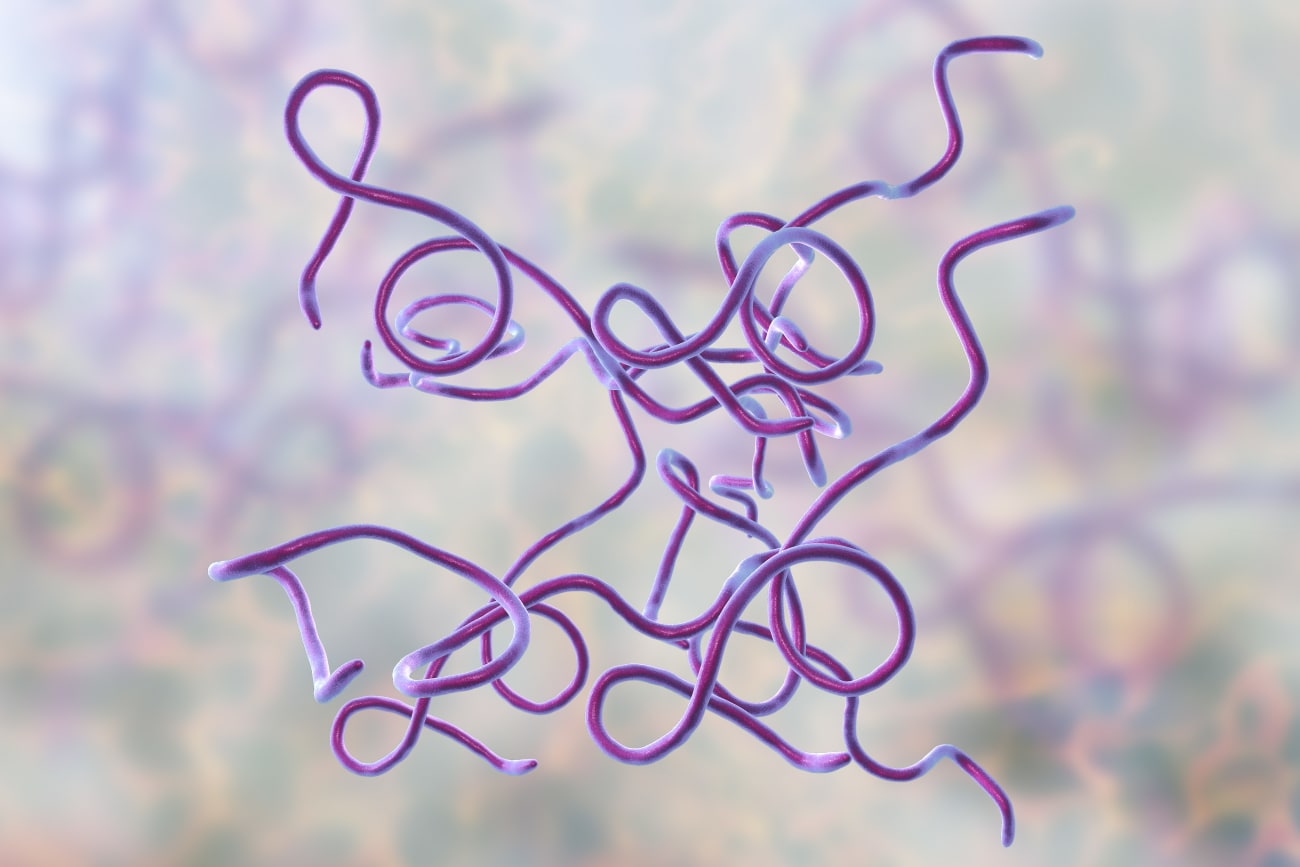
Computer illustration of Borrelia burgdorferi bacteria, the cause of Lyme disease in humans. These spiral-shaped spirochaete bacteria are passed on to humans by tick bites, commonly Ixodes ricinus in Europe and Ixodes pacificus in North America. Getty Images

By Johns Hopkins Lyme Disease Research Center

Summary

This pilot study showed a direct molecular Lyme disease diagnostic test could be used to identify and genotype Borrelia burgdorferi during antibiotic treatment in early Lyme disease patients. Patients studied were shown to be simultaneously infected with different B. burgdorferi genotypes and the ratios of genotypes shifted during antibiotic treatment. Findings suggest that the host immune system or differential antibiotic susceptibility might have played a role in the observed genotypic shift.

Why was this study done?

The aim of this first of its kind study was to use a direct molecular assay to identify and genotype Borrelia burgdorferi during antibiotic treatment. The study determined how long after initiating antibiotic therapy B. burgdorferi could be detected in blood from patients with early Lyme disease. The study also observed if ratios of simultaneously infecting Bb genotypes changed significantly over time.

How was this study done?

Direct detection PCR and electrospray ionization mass spectrometry were used to identify and genotype B. burgdorferi from collected whole blood specimens collected over time from clinically diagnosed early Lyme disease patients before and during 21 days of antibiotic therapy.

What were the major findings?

This study demonstrates the utility of a direct molecular test that can both detect and genotype Borrelia burgdorferi from serially collected specimens. Direct molecular diagnostic tests have the advantage of being able to measure response to treatment by demonstrating clearance of the pathogen(s), whereas current antibody-based tests cannot distinguish active infection from prior exposure, or measure response to treatment.

Our findings suggest the host immune system or differential antibiotic susceptibility might have played a role in the observed genotypic shift. Findings suggest some B. burgdorferi genotypes may reside in parts of the body that are not readily cleared and bacterial remnants may continue to leak into the circulatory system following antibiotic treatment.

A direct test could enable improved diagnosis of early Lyme disease patients, provide a tool for testing new antibiotics and monitoring treatment success, and further our understanding of infection by B. burgdorferi genotypes and their impact on the human immune system and illness severity.

This research supported by:

This research was supported by Bay Area Lyme Foundation and the Steven and Alexandra Cohen Foundation.

Publication Information

Molecular Testing of Serial Blood Specimens from Patients with Early Lyme Disease during Treatment Reveals Changing Coinfection with Mixtures of Borrelia burgdorferi Genotypes
Michael R. Mosel, Heather E. Carolan, Alison W. Rebman, Steven Castro, Christian Massire, David J. Ecker, Mark J. Soloski, John N. Aucott, Mark W. Eshoo
Antimicrobial Agents and Chemotherapy Jun 2019, 63 (7) e00237-19; DOI: 10.1128/AAC.00237-19

__________________

For more:  https://madisonarealymesupportgroup.com/2019/07/25/avoiding-direct-detection-methods-for-the-purpose-of-concealing-chronic-lyme-disease-is-a-crime/

https://madisonarealymesupportgroup.com/2018/04/03/cdc-deliberately-avoids-direct-detection-testing-methods-for-ld/

https://madisonarealymesupportgroup.com/2019/11/09/antibiotic-resistance-researchers-have-directly-proven-that-bacteria-can-change-shape-inside-humans-to-avoid-antibiotics/

https://madisonarealymesupportgroup.com/2018/10/13/direct-test-for-ld-carl-tuttle-chews-up-cdc-spits-them-out/

Direct detection is nothing new. Dr. Sin Hang Lee sued the CDC over their suppression of HIS direct detection test.https://madisonarealymesupportgroup.com/2018/08/15/milford-pathologist-fires-broadside-at-cdc-motion-to-discuss/
The CDC takes aim at any competing laboratory:

https://www.cdc.gov/mmwr/preview/mmwrhtml/mm6315a4.htm
“Often these are laboratory-developed tests (also known as “home brew” tests) that are manufactured and used within a single laboratory and have not been cleared or approved by FDA. 

PATIENTS, THE DOCTORS WHO DARE TREAT THEM, AND THESE SMALLER LABS SPECIALIZING IN BACTERIOLOGY AND VIROLOGY HAVE BEEN QUAKING IN THEIR BOOTS FOR DECADES DUE TO THE ANTICS OF THE CDC.
The CDC, a captured agency, is a bully, plain & simple.


Lyme/MSIDS Patients: Call to Action

http://wevoteandwecare.com

WE VOTE AND WE CARE!

THIS IS A CALL TO ACTION:

For years, as Legislative Counsel to the National Capital Lyme Disease Association, I have been contacted by individuals and organizations around the country, to assist in legislative pursuits. I have drafted legislation, educated and spread awareness to State and Federal Representatives, as well as advocates, testified and supported others. Today, I am pleased to introduce to you a tool that has assisted us in all of our campaigns.

This site allows you to contact your State and Federal Representatives by simply filling out your name and address. It’s easy! Simply select from the issue(s) on which you wish to comment, click on the link and the letter will appear. After carefully reading it, if you feel that it accurately represents your position, fill out your name and address and when you hit send, the e-mail will be forwarded to all of your State and Federal Representatives. There is a dialogue box in each letter for you to add your own personal story, should you choose to do so.

Advocacy groups can draft a message with their specific bill’s title and number to appear in the dialogue box. It is the intention of this site to gift to you, the ability to use your voice with impact. Please treat it with respect as we value our relationships with all our Representatives.

You can contact your representatives on the following issues:
  • Lyme Disease Testing
  • Access to Lyme Care
  • Insurance Coverage for Lyme Treatment
  • Patient Election Bill
  • Education Bill

Susan R Green, Esq.

This site is operated by Susan R Green. For additional subjects, please contact her at SGreen@hardball-law.com

__________________

To send a note to your representatives and senators, just click on the top link.  You can send notes regarding the 5 topics above or as many as you like.  This really makes it easy to share your story with those who can change things.  I did it and it took less than 5 min. They give you space to share your story and they also have a blurb on how Lyme disease is a huge problem.  Fantastic tool for patients to use.

Please spread the word and get this tool into the hands of more patients.

Doctors Attacked For Belittling Tick-borne Illness

https://www.scotsman.com/health/doctors-attacked-for-belittling-tick-borne-illness-

Doctors attacked for belittling tick-borne illness

A tick biting through human skin, red blotches indicate an infection. Photograph: Getty Images

A man who tested positive for a potentially deadly tick-borne parasite has criticised infectious disease specialists who, he says, belittle and dismiss private test results.

David Francey has endured four years of hell which he says has left him feeling like he’s been poisoned since first collapsing on a trip to China where he taught local children English.

Francey was eventually diagnosed with Lyme Disease, active Babesia microti and several other tick-borne diseases, having paid to be privately tested through Armin Labs in Germany who specialise in diagnosing rare types of infection.

This followed numerous visits to his GP, hospitals and him testing negative for Lyme Disease after taking the standard NHS test.

The former teacher, who is in his late 30s and lives in Glasgow, has not been able to work in the last four years and has suffered from an array of debilitating symptoms including chronic migraine, joint pain, visual disturbances and fibromyalgia.

He told Scotland on Sunday that people with his illnesses are “trapped in limbo, we are the undead”, and said that an alarming number are having their private test results rejected by Scottish doctors.

Francey added: “My issue here is that I’ve tested positive – fair enough, not through NHS tests, but test results coming from accredited laboratories that should be merit further testing in my opinion, especially when a patient is suffering severely and symptomatic.

“There is an alarming number of patients experiencing a similar situation – private test results rejected without NHS tests being offered. Some patients are so desperate that they’re self-treating with antibiotics.

Last month it was reported a malaria-like infection called Babesia venatorum which can be passed to humans has been found in Scotland for the first time.

The University of Glasgow’s School of Veterinary Medicine published a paper saying the parasite had been recorded extensively in the Far East including China.

Several co-infections, including Babesia, have been documented in Scotland while European, French and Turkish studies found many other pathogens in ticks.

Francey said: “Lyme Disease is known as ‘the great imitator’ due to the diverse nature of symptomatology. “Testing is needed – vets know more about these infections than doctors.

“The infections exist but doctors are not looking for them.

“Infectious disease doctors belittle these private tests whilst offering no tests of their own. Important research is being overlooked. The field is labyrinthine. Research is needed, urgently.”

Misdiagnosis of Lyme Disease is common because its symptoms are so varied – even from patient to patient – -and can be similar to other illnesses such as fibromyalgia, chronic fatigue syndrome, multiple sclerosis and also things like depression and flu.

Professor John Lambert, of the Lyme Resource Centre and UCD School of Medicine in Dublin, said that “various species” of Babesia have been found in abundance in deer and sheep in Scotland.

He added:

“Patients in Scotland are having great difficulty getting tested for tick-borne infections other than Lyme Disease. Tests from private laboratories are often not accepted. Because of chronic underfunding, the Scottish Lyme Disease and Tick-borne Infections Reference Laboratory has no accredited tests for tick-borne infections other than Lyme Disease.”

___________________
**Comment**
Criticizing is a far cry different than “attacking” in my book.  In fact, I feel Lyme/MSIDS patients are extremely forgiving and tolerant considering so many have lost their lives and livelihoods to a disease that mainstream medicine still is in denial over.
The belittling of CLIA-certified labs is an age-old tactic by the CDC:
“Often these are laboratory-developed tests (also known as “home brew” tests) that are manufactured and used within a single laboratory and have not been cleared or approved by FDA. 
I actually heard a Madison pediatrician use this very label when he spoke at the state Capital.  He was just about booed out of the room by patients.
For anyone who cares, CLIA certification is the toughest certification for a lab to undergo.  These smaller labs like IgeneX, among others, specialize in bacteriology and virology.  It’s solely what they do, unlike the larger labs like Quest and Lab Corps.
Within this link, Coppe Labs of Wisconsin points out a number of differences between smaller CLIA-certified labs & larger “approved” labs by the CDC:  http://www.coppelabs.com/for-patients-families/frequently-asked-questions-tick-borne-illness-testing/
  • Larger labs ONLY look for B31 strain of borrelia, whereas CLIA-certified labs look for numerous strains and genospecies of Borrelia, lowering the risk of false negatives
  • Larger labs read the results by visual inspection, which can be affected by technical operator variability, whereas CLIA-certified labs utilize densitometry software which allows for higher precision and better reproducibility.