The American Academy of Pediatrics has repeatedly written the US government calling for cell phone/wireless radiofrequency radiation exposure limits to be updated to protect children who are more vulnerable. Read the American Academy of Pediatrics Letter to US Representative Dennis Kucinich in Support of the Cell Phone Right to Know Act and the Time Magazine News Article – “Pediatricians Say Cell Phone Radiation Standards Need Another Look”
The EPA recognized educational campaign The BabySafe Project has a statement now signed by over 250 doctors and educators urging pregnant women to reduce wireless exposure to minimize risks to their babies’ brain development. A medical research team at Yale, led by Dr. Hugh Taylor, Chief of Obstetrics at Yale Medicine, found radiofrequency radiation exposure led to higher hyperactivity, poorer memory, and altered brain function—corroborating prior published research findings of altered brain development after exposure.
Environmental Health Trust offers many printable resources regarding this topic as well:
Urgent Childhood and Adult Psychiatric Details So Often Overlooked
So many kids these days have rages, OCD, tics, aggressive behavior, prolonged tantrums and anxietyall living downstream from PANS, PANDAS and Autoimmune Encephalitis.
If these profound and puzzling symptoms prevail you must look into PANS (Pediatric Acute-onset Neuropsychiatric Syndrome), PANDAS (Pediatric Autoimmune Neuropsychiatric Disorders Associated with Strep) and Autoimmune Encephalitis – especially if your child exhibited sudden behavioral changes or a markedly unpredictable developmental regression.
Listen up; Maria spells out your options.
Autism, ADHD, Executive Function, and Sensory Processing Disorder
Even kids with autism, ADHD and Sensory Processing Disorder should be evaluated for this condition as some practitioners believe that nearly 2/3 of kids with neurodevelopmental disorders also suffer from PANS. As you listeners know, and those of you who have followed our updates over the years, immunity is a relentless and ubiquitous focus in my offices for treatment failure for many years.
The good news: if you identify it correctly and take the necessary steps treatment failure will often, quite surprisingly, turn around.
Note Well
PANS is an umbrella term that includes diagnoses such as Lyme disease, PANDAS, PITANDS (Pediatric Infection-Triggered Autoimmune Neuropsychiatric Disorders), and Autoimmune Encephalitis — all of which describe a condition marked by concerning psychiatric and physical symptoms that often, but now always, appear suddenly.
Children in the U.S. now suffer from PANS at a very concerning rate – it’s far more prevalent than many assume.
In this CBJ/292 Episode, We Discuss
What PANS, PANDAS and Autoimmune Encephalitis are and why so many children are being diagnosed with these conditions.
What causes PANS.
Why PANS is so commonly seen in children with autism.
How PANS is treated.
How to get to the root cause(s) of PANS.
What parents of children with PANS have done to bring their children back to good health.
What leading PANS experts have to say about the cause and treatment of PANS.
Maria co-wrote this book with remarkable colleagues at Epidemic Answers: Beth Lambert, Roseann Capanna-Hodge, Lauren Stone and Jennifer Giustra-Kozek. We’re excited to present this resource to you in your quest for improving your child’s health!
Connections
Book: Brain Under Attack– Rickert-Hong et al., Oct. 2018 Global Amazon Link – Strongly recommended very well written.
Our CBJ hosting objective is critical: upgrade mind and brain data through informed dialogue with neuroscience experts to build more predictable, more comprehensive, more understandable solutions for you and your family. Today’s technology drives significantly improved mind-prognosis – beyond traditional psychiatric measures. Inaccurate labels, speculation, and guesswork are out – critical thinking, data, and measurement are in. Let’s work together to connect advanced biomedical wisdom with everyday street reality.
Lyme + Herxheimer Reactions: Your Guide To Feeling Good Again
by Carin Gorrell & Dr. Bill Rawls
Updated 1/21/19
It’s one of life’s cruel jokes: You discover a new therapy for Lyme disease and are really optimistic about your odds of finally feeling better. Then, within a day or two of starting the regimen, your symptoms take a turn for the worse—intense fatigue washes over you, and you feel like you did during your last fight with the flu. Could it be the dreaded Herxheimer Reaction you keep hearing about from fellow Lyme sufferers?
Unfortunately, answering that question is no easy feat. So we asked Dr. Bill Rawls, author of the bestselling book Unlocking Lyme, to help explain Herx Reactions and the best ways to differentiate them from other possible issues. Keep reading for his advice, plus steps you can take now to feel better—without derailing your recovery.
Herxheimer Reactions, Defined
Herxing was first observed in syphilis patients by dermatologists Adolf Jarisch and Karl Herxheimer in the late 1800s and early 1900s, who noticed that sufferers receiving treatment often got worse before they got better. The phenomenon was dubbed the Jarisch-Herxheimer Reaction, and has since been shortened to Herxheimer Reaction or simply, herxing.
“The classic explanation of a Herxheimer Reaction in Lyme sufferers is that when Borrelia bacteria are killed off by an antibiotic or herbal therapy, parts of dead bacteria called endotoxins are shed,” explains Dr. Rawls. “These endotoxins then circulate throughout the body and cause an intense whole-body inflammatory reaction. And that makes the war against microbes that’s already going on inside your body worse.”
In general, Herx Reactions are more common and more intense with conventional antibiotic use than with use of herbs, says Dr. Rawls. “With herbs, the bacterial die‐off is more gradual and the immune response is less intense.”
Either way, the intensification of your symptoms can be disconcerting, and if you’re treating Lyme, the odds are good you’ll experience herxing: While there’s no clinical research on the prevalence of herxing, anecdotally it seems the majority of Lyme sufferers experience it at some point. And that’s actually good news: “It’s often a sign that the therapy is working,” says Dr. Rawls.
How To Tell If It’s Herxing—Or Something Else
Herx Reactions can feel like a red herring, for a few reasons.
For starters, symptoms vary from person to person, says Dr. Rawls, and they’re easy to confuse with other health concerns that are also highly likely in chronic Lyme sufferers, including a disease flare-up, adverse reaction to a new Lyme treatment, or food sensitivity (digestive issues are highly common in Lyme sufferers). What’s more, the timing of any of these issues can also overlap, making it difficult to track your symptoms to their source.
For help clearing up the confusion and determining what’s to blame for your symptoms, check out these helpful identifying characteristics from Dr. Rawls:
HERX REACTION
Symptoms: Intensified fatigue, muscle pain, and flu‐like symptoms such as headache, nausea, GI distress. You may also experience symptoms not listed here; Herx Reactions are highly variable between individuals.
Onset: Symptoms intensify in tandem with starting a new therapy.
Telltale signs: Symptoms may gradually improve with continuation of therapy, and worsen again when you increase the dosage or add a new therapy.
LYME FLARE-UP
Symptoms: Intensification of fatigue, arthritis (joint pain, swelling, and stiffness), flu-like feelings, GI distress, recurrence of your usual Lyme symptoms
Onset: Symptoms are often precipitated by any type of extra stress to your system (including emotional stress, poor diet, toxin exposure, physical stress, lack of sleep, or a new tick bite). Symptoms are not related to starting a new therapy, though the two may coincide if you experienced stress just before starting the therapy.
Telltale signs: Your best clue is timing: A Lyme relapse typically occurs while taking a stable dose of treatment and in reaction to some type of stress, so look for recent lifestyle changes (i.e., diet changes, travel, sleep deprivation, relationships trouble).
ADVERSE TREATMENT REACTION
Symptoms: An allergic-like reaction (hives, itching, skin rash, runny nose, watery eyes, wheezing). This is common in people with chronic Lyme disease, whose entire immune system is in disarray and more easily activated.
Onset: Symptoms develop within about an hour of taking a new medication or herb
Telltale signs: Your symptoms get better when you take an allergy remedy such as an antihistamine. *See your doctor as soon as possible if you experience signs or symptoms of a drug allergy. Call 911 if you experience signs of a severe reaction or suspect an anaphylaxis after taking a medication.
Onset: Symptoms occur within hours to a couple of days after an offending food is consumed.
Telltale signs: Your symptoms get better when you eliminate the food(s) from your diet. Doctors can order testing for food sensitivity and heavy metal toxicity, however the best determinant of food sensitivities is an elimination diet.
If these guidelines don’t describe your experience with herxing exactly, take heart. In the beginning, you may go back and forth between knowing whether what you’re experiencing is Herx Reaction or something else, but with time, you will become better at distinguishing herxing and riding it out.
It’s Herxing. When Will It End?
If you’ve determined (or strongly suspect) that you’re herxing, your next question is likely: How long will it last?
Unfortunately, there’s no cut-and-dry answer — everyone’s experience is individual, says Dr. Rawls. Some may feel better after a few days or a few weeks; others may experience herxing for as long as two to three months (though symptoms tend to wax and wane throughout that time).
The good news is, there’s a lot you can do to help ease a Herx Reaction and move beyond the symptoms more quickly. The quickest solution would be to discontinue your Lyme treatment. But that’s not necessarily the best solution, says Dr. Rawls.
“Fundamental advice with herx is to continue therapy at whatever dose you can tolerate. Sometimes you will have to reduce the dose to stay comfortable, but you can increase again later” says Dr. Rawls. “If your symptoms improve over days to a couple of weeks, that suggests confirmation that it’s a herx.And as your symptoms improve, you can gradually increase the dose until the desired therapeutic dose is reached.”
If your symptoms do not improve, it may be an indication that the therapy is not working. In this case, Dr. Rawls suggests either increasing the dose or adding other herbs or other therapy. If symptoms gradually start getting better, then you know you’re on the right track.
That said, if your symptoms are debilitating, back off on your treatment dosage or even stop altogether, advises Dr. Rawls. Then, once your symptoms are tolerable, you can gradually increase your dosage again.
Smart Ways to Ease Herxing
The number one way to find relief from herxing is to address the underlying cause for needing Lyme treatment in the first place: chronic immune dysfunction.
“An impaired immune system is what makes people vulnerable to chronic Lyme,” explains Dr. Rawls. “Restore your immune function, and not only will your body be better at battling Lyme microbes, it’ll be stronger at withstanding the side effects of treatment and overcoming herxing as well.”
To begin, work your way through what Dr. Rawls calls System Disruptors, factors that can contribute to inflammation and intensify either a Herx reaction or a Lyme relapse. These include poor nutrition, emotional stress, environmental toxins like air pollutants and mold, physical stress, and excessive exposure to radiation from modern sources like computers, cell phones, and microwave towers.
Once you’ve begun to take the pressure off of your immune system by decreasing your exposure to these disruptors, your body will be better equipped to handle both microbes and the endotoxins they create as they begin to die off. The result: You start to feel better.
From here, there are a number of additional lifestyle habits you can adopt to help alleviate a Herxheimer Reaction—all of which also contribute to restoring immune function and thus contribute to Lyme recovery, says Dr. Rawls. Here, his recommendations:
1. Hydrate with fresh ginger tea.
A lot of liquids in general is a good idea, but fresh ginger tea in particular has potent systemic anti-inflammatory properties for reducing Herxheimer symptoms.
2. Add some natural therapies to your regimen.
Some good ones to try:
Turmeric and Boswellia They’re excellent for reducing systemic inflammation associated with Herxheimer reactions, and it’s hard to take too much of either. Dr. Rawls recommends 175 mg of turmeric and 75 mg of Boswellia, twice a day for each.
Marine source omega-3 fatty acids They offer anti-inflammatory support, especially for high-fat tissues such as the brain. Both fish oil and krill oil reduce inflammation, but krill is better absorbed and also contains the antioxidant astaxanthin, which provides extra anti-inflammatory support. The suggested dose for krill oil is 500 mg, 1-3 times daily.
Red Root This herb is very good for stimulating clearing dead cellular debris from the lymphatic system. It also supports a healthy liver and spleen, optimal immune function, and swollen lymph nodes.
Chlorella Consistently taking this freshwater algae does wonders for healing an irritated stomach and restoring digestive function. It’s also great for detoxing and healing in general. The typical maintenance dose is 5 to 7.5g total a day. For additional support, we suggest 10g total a day. Chlorella can be taken any time of day. For best results, take with food. (Avoid products that also contain spirulina, a blue-green algae that potentially contains toxins.)
Adaptogenic herbs. These help reduce herxing and moderate the effects of stress. Some to try: Chinese skullcap (450 mg, twice a day), Cordyceps(450 mg, twice a day), Reishi mushroom (175 mg, twice a day), and Rehmannia (50 mg, twice a day).
3. Take enzymes.
There are a variety that will work to help break down immune complexes and reduce inflammation. Bromelain (from pineapple) is a good choice; the dose is 500-1000 mg, one to two times daily. It’s sometimes found in combination supplements for joint health. In general, it’s best to take enzymes on an empty stomach so they are absorbed directly.
4. Apply heat.
Heat can be very soothing during Herx reactions. A far infrared (FIR) sauna and/or a hot bath are excellent for removing toxins from the body. Adding Epsom salts to your bath can also help soothe muscles and joints.
5. Get outside and breathe fresh air.
Forests and beaches or shores alongside open water are especially beneficial. Take your shoes off and walk barefoot: called “grounding,” it’s a good practice for reducing inflammation in the body.
6. Relax.
Decreasing stress is key to normalizing the body’s adrenaline/cortisol response. Some ideas:
Meditate
Get a massage, or try abhyanga (the Ayurvedic practice of self-massage)
Practice Qigong or yoga
Try acupuncture or energy healing
7. Sleep.
Make 7-8 hours of shuteye a nightly goal.
8. Say “no” more often.
Only agree to doing what’s necessary, and let the rest go until you are back on your feet.
9. Avoid coffee and green and black tea.
They tend to dry and irritate the stomach lining.
10. Eat steamed cabbage.
It’s great for soothing an inflamed stomach.
11. Use lavender essential oil.
Research suggests it may be beneficial for easing insomnia, anxiety, stress, and postoperative pain. Apply it to the bottom of your feet before bed to help with sleep.
12. Laugh lots.
It raises your immune system and just makes you feel good.
Thoughts on Herx Prevention
There’s a decent chance that if you increase the dosage of your current treatment or introduce a new one to your Lyme regimen, the herxing may return. It’s not entirely avoidable, says Dr. Rawls, but there are steps you can take to help fend off and reduce symptoms.
A few days before you change up your therapy, Dr. Rawls recommends adding some turmeric and krill or fish oil to your daily routine; these help support a healthy immune response. He also suggests using calming essential oils such as lavender and frankincense to reduce your stress response.
And in general, the most successful approach to feeling your best is to focus on restoring healthy immune function. Do that, and you’ll rebound faster from herxing and most other maladies that may come your way.
Dr. Rawls is a physician who overcame Lyme disease through natural herbal therapy. You can learn more about Lyme disease and recovery in Dr. Rawls’ best-selling book, Unlocking Lyme. You can also learn about Dr. Rawls’ personal journey in overcoming Lyme disease and fibromyalgia in his popular blog post, My Chronic Lyme Journey.
One of the hardest things to understand about this complex disease(es) is that you feel a whole lot worse before you feel better and this can take considerable time. Managing the herx is a challenging job. Many find sauna’s to be of great help.
Acute transverse myelitis (ATM) is a rare, potentially devastating neurological syndrome that has variety of causes, infectious being one of them. Lyme disease (LD) is the most common vector borne zoonosis in the United States (U.S.). While neurologic complications of LD are common, acute transverse myelitis is an exceedingly rare complication.
We present a case of a previously healthy 25-year-old man who presented with secondary erythema migrans, aseptic meningitis and clinical features of transverse myelitis including bilateral lower extremity motor and sensory deficits manifesting as weakness and numbness, urinary retention and constipation.
Despite negative serum antibodies against Borrelia burgdoferi, cerebrospinal fluid (CSF) was positive for Borrelia burgdorferi PCR.
Following treatment with methylprednisolone and ceftriaxone, he attained complete recovery apart from neurogenic bladder necessitating intermittent self-catheterization. We report rare manifestation of a common disease and emphasize the importance of considering LD in the differential diagnosis of acute transverse myelitis, particularly in residents of endemic areas.
__________________
**Comment**
Nobody has a CLUE about how often anything is occurring in Lyme/MSIDS, when testing misses over half of all cases and folks are commonly misdiagnosed or undiagnosed for years. Again, because words mean things, and research has been used against patients for over 40 years, a more accurate statement would be, “This is the first recorded case of ATM caused by Lyme Disease.” And remember, just because something isn’t on record doesn’t mean it hasn’t happened. Important distinction.
The predominant presentation is weakness that may affect the limbs, face, oral or eye muscle. Weakness varies greatly ranging from subtle to very severe. AFM may result in total paralysis, partial paralysis, or weakness of just one limb. The combination of paralysis and how individuals present are widely variable. The limbs or muscle structures of individuals with AFM appear weak, flaccid, or limp and are not spastic as seen in classic cases of transverse myelitis. Since it is markedly the gray matter of the spinal cord that is inflamed in individuals with AFM, sensory, bowel and bladder functions can remain intact, however there are individuals that have both upper and lower motor neuron involvement.
The enterovirus (EV-D68) has been suspect in many of these cases however, it has not been definitively proven that it is this particular virus that has caused the paralysis,(1) although several cases of AFM occurred at around the same time as an outbreak of the EV-D68 virus.(2)
The US press has been pushing a view of acute flaccid paralysis as a mysterious condition of unknown etiology (unknown cause). Checking the scientific literature, however, tells us that AFP is most often Guillain Barre Syndrome (GBS), a condition that appears on the National Vaccine Injury Compensation Program as a “Table Condition” – i.e., one that the US HHS has no defense against when parents file in the NVICP for compensation for GBS as a vaccine injury in their children. https://madisonarealymesupportgroup.com/2018/12/07/acute-flaccid-paralysis-is-most-often-guillain-barre-syndrome/
“As will be seen in other cases, the Epstein-Barr virus may be a candidate for a co-infection associated with LD.”
Waisbren often treated this co-infected patients that had EBV with 1000mg of Valtrex three times a day with good success. He also used gamma globulin (4cc twice a week).
So Lyme/MSIDS patients are at the top of the list for AFM for numerous reasons. Personally, I had a MRI at one point due to the excruciating pain in my spine and occipital headaches. This pain was unrelenting. Borrelia burgdorferi (Bb) loves the brain and spinal column. Many viruses hang out in the spine. The MRI showed nothing abnormal and I was sent home with the same pain I came with. While I believe proper antimicrobialtreatment to be imperative, what finally relieved this pain for me was MSM:https://madisonarealymesupportgroup.com/2018/03/02/dmso-msm-for-lyme-msids/
Along with swelling in the spine, patients can have brain swelling as well. Within one week, I met 3 Lyme patients with Chiari, another supposed “rare” condition: https://madisonarealymesupportgroup.com/2016/04/02/chiari/While Chiari is often caused by structural defects in the brain and spinal cord that occur during fetal development, it can also be caused due to injury, exposure to harmful substances, or infection.
There is so much research begging to be done, yet main stream medicine wants to wrap Lyme into a pretty box with a bow on top. Again, if there is any box involved with Lyme/MSIDS, it’s Pandora’s.
In this video Dr. Liptan explains the additive effects of CBD (cannabidiol) when taken with LDN (low dose naltrexone) in reducing neuroinflammation and fibromyalgia pain. CBD can also ease some of the side effects caused by LDN.
Approx. 20 Min
CBD for Fibro Pt 1
Dr. Liptan explains the science of CBD, and its uses in the treatment of fibromyalgia. This video also covers:
The difference between THC and CBD
The effects of CBD on the body based on human and animal studies
CBD’s benefits for pain, muscle tension, arthritis, anxiety, insomnia, and adrenal fatigue
For professional inquiries, please contact media@drliptan.com Affiliate links may be used above. When you make a purchase through an affiliate link, Dr. Liptan may be compensated a small percentage of the sale. Sales go toward supporting her channel.
___________________
**Comment**
I am not affiliated with any products nor do I make a red cent on anything related to this website or the support group; therefore, I can recommend the following product strictly from personal experience and use: Lidtke CBD Gold:https://lidtkecbd.com
We use the 2500mg plain. While it’s $189.00, I only take 2-6 drops at night. Definitely helps with sleep and pain.
Their CBD Gold line of tinctures blends the full-spectrum CBD extract with supplements such as iodine, GABA, 5-HTP, L-tryptophan, and a whole-food complex of the vitamin C component. Besides, the Lidtke brand indicates that their manufacturing process is from non-GMO, herbicide and pesticide-free hemp for those seeking assurance on the possibility of additives.
We also take LDN. You titrate up from 1.5mg. Our ending dose is 4.5mg but some patients need higher dosages. We found LDN helps our immune systems generally but specifically with better sleep and pain reduction.
Very informative documentary put out by the LDN Research Trust on Lyme/MSIDS. Dr. Horowitz, Dr. Toups, Dr. Schweig, Dr. Windham, Dr. Holtorf, & Dr. Schwarzback, speak on everything from testing, to diet, to inflammation, and how LDN can help patients.

 Photo by

 Symptoms: Intensified fatigue, muscle pain, and flu‐like symptoms such as headache, nausea, GI distress. You may also experience symptoms not listed here; Herx Reactions are highly variable between individuals.
 Onset: Symptoms intensify in tandem with starting a new therapy.
 Telltale signs: Symptoms may gradually improve with continuation of therapy, and worsen again when you increase the dosage or add a new therapy.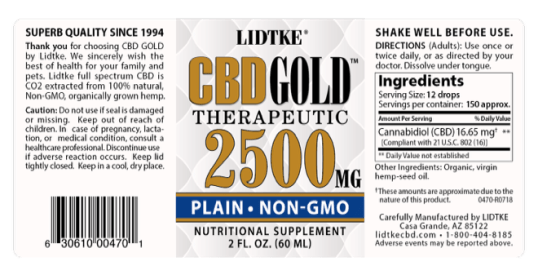
 Madison Area Lyme Support Group