Archive for the ‘Activism’ Category

Scary Side of Childhood Strep

https://www.washingtonpost.com/news/parenting/wp/2018/01/03/out-of-the-blue-the-scary-side-of-childhood-strep/?utm_term=.9c0483c2a253  by Deanne Haines Jan. 2018

I almost didn’t take my 7-year-old son, Luke, to the doctor right away when he experienced a sudden onset of excessive blinking. He had just started a new school and was having trouble adjusting so I figured the stress of trying to fit in was producing this psychological habit.

I had no idea at the time his tics were the result of a strep infection I never even knew he had. Thankfully, our pediatrician made the correct diagnosis and treatment began immediately. My son was one of the lucky ones.

Kristin Kutz’s daughter, Abigail, came home from her first day of third grade excited and eager to go back. “Best day ever!” she exclaimed. The next day — out of the blue — she cried uncontrollably, insisting she couldn’t go back to school even though she didn’t know why. This dramatic, uncharacteristic behavior kept up for weeks. A nurse eventually found strep in her system.

Extroverted and happy is how Tammy Dalsin described her 10-year-old daughter, Ella, until one November evening — just one week after completing antibiotic treatment for strep. That night — forever burned into Dalsin’s memory — is when Ella abruptly developed strange, obsessive compulsive disorder- or OCD-like behavior, resulting in a four-month nightmare of frustrating doctor visits until finally receiving a diagnosis of PANDAS.

PANDAS stands for Pediatric Autoimmune Neuropsychiatric Disorders Associated with Streptococcal Infections. PANDAS occurs when a strep infection sets off a misdirected immune response in the child’s brain. Instead of fighting the infection, the immune system attacks the basal ganglia — a part of the brain that controls emotions and movement. This can result in extreme obsessive-compulsive characteristics, tics and other debilitating behavior.

“If it comes out of the blue and you’re struck by how odd it is, that’s a sign it may be PANDAS,” says Susan Swedo, chief of the Pediatrics & Developmental Neuropsychiatry Branch at the National Institute of Mental Health. Swedo and her team first identified PANDAS in 1998.

“Parents tell us PANDAS changes their child so dramatically it’s almost like their child is gone, and somebody else took her place,” Swedo says.

That’s exactly how Dalsin felt in 2011 when Ella all of a sudden couldn’t get herself to walk through a doorway.

“We were going from the garage into the house, and she kept going up and down the steps. She couldn’t make herself go in. She grabbed her hair with both hands and was screaming and crying. She was panicking because she didn’t know what was happening to her,” Dalsin said.

Ella’s symptoms got progressively worse. Her mind reeled with obsessive-compulsive thoughts, such as needing to touch the wall 10 times, otherwise something bad would happen. Ella was wrought with anxiety and could barely function. She missed weeks of school and had to quit hockey — a sport she loved to play. A visit to the pediatrician provided no answers. It wasn’t until the Dalsins did their own extensive Internet research that they discovered a probable cause.

“We read the PANDAS description, and it sounded exactly like her. We were convinced,”  Tammy Dalsin said.

Unfortunately, PANDAS isn’t easily diagnosed.

“It’s harder to recognize,” says Kiki Chang, director of PANS Psychiatry Research at Stanford University Medical Center, “because mild cases get missed and some of the major cases, too, because they get misdiagnosed as primary psychiatric illness.”

Many doctors are still unfamiliar with PANDAS, a relatively new disorder. Others refuse to believe it even exists, not accepting that an infection could be the cause of a behavioral disorder.

That explains the Dalsins’ hellish few months of unproductive doctor visits, including to a neurologist, psychologist and psychiatrist, before a different child psychiatrist confirmed their suspicion of PANDAS. Finally, Ella could start her long road to recovery.

Nine-year-old Abigail’s PANDAS also went undiagnosed by the first physician she saw — a psychiatrist. After the initial visit, he was ready to refer Abigail to a special school for children with severe mental disorders. Abigail’s parents sought a second opinion. This time a registered nurse ran blood tests and found strep in Abigail’s body, recognizing PANDAS was probably the cause of her abrupt onset of crying outbursts and refusal to go to school.

Abigail did return to school more than a month later, but she often ran out of the classroom to hide — one time hiding in a school kitchen cupboard where no one could find her for hours. Abigail’s handwriting skills decreased dramatically, and she started refusing to eat — two common PANDAS symptoms.

Experts say PANDAS affects 1 in 200 children and is “definitely present in every elementary school in the country,” Swedo said. She says it may go unnoticed, though, because children often try to hide their symptoms.

While not every child who gets strep develops PANDAS, family history of autoimmune illnesses and anxiety increase the risk.

PANDAS treatment consists of antibiotics to fight the infection along with cognitive behavioral therapy and/or antidepressants. The longer the child goes with untreated PANDAS, however, the more serious the symptoms and more intense treatment is needed.

“We’re working with Departments of Health in several states to increase awareness by both parents and clinicians. If we can help pediatricians recognize and treat PANDAS in its early stages, it can make a huge difference in that child’s life,” Swedo says.

Take it from me. My son was in the pediatrician’s office no more than 10 minutes when the term PANDAS was mentioned. The immediate antibiotics and simple behavioral therapy were just a blip in the road for my son — who now at age 13 barely remembers the experience.

It’s a very different story for Ella and Abigail, whose PANDAS was not caught until much later. After months of intense therapy, Ella was put on long-term antibiotics and continues to take antidepressants six years later. Diagnosed in October 2016, Abigail still suffers relapses and continues working with health professionals to completely eradicate her symptoms. Her outbursts have decreased, and she’s beginning to eat normally.

Every little bit of progress brings hope to her family that there is life after PANDAS.

Deanne Haines is a freelance writer and mother of three from Wisconsin.

Follow On Parenting on Facebook for more essays, news and updates. You can sign up here for our weekly newsletter. Join our discussion group here to talk about parenting and balancing a career.

____________

**Comment**

A highly respected LLMD here in Wisconsin has found that 80% of his PANS kids also have Lyme/MSIDS (borrelia and other coinfections).  There’s much that is still unknown about this life-changing illness but tick borne illness (TBI’s) can definitely cause or exacerbate PANDAS/PANS.

The take home: do your own research, ask questions, and don’t allow egotistical medical professionals to patronize you by telling you that you or your child are making it all up. Call them to the carpet. If they refuse to help, go elsewhere, to someone who will listen to you and believe you.

For more:  https://madisonarealymesupportgroup.com/2017/06/30/child-with-lymemsidspans-told-by-doctors-she-made-it-all-up/

https://madisonarealymesupportgroup.com/2017/10/01/panspandas-steroids-autoimmune-disease-lymemsids-the-need-for-medical-collaboration/

https://madisonarealymesupportgroup.com/2017/12/01/guidelines-for-treating-pans-its-real/

https://madisonarealymesupportgroup.com/2017/10/08/misdiagnosed-how-children-with-treatable-medical-issues-are-mistakenly-labeled-as-mentally-ill/

https://madisonarealymesupportgroup.com/2017/10/09/today-is-panspandas-awareness-day/

Risk of Ticks and LD a Year-round Issue in New Brunswick (and everywhere else)

https://globalnews.ca/news/3883133/risk-of-ticks-and-lyme-disease/

Risk of ticks and Lyme disease a year-round issue in New Brunswick

A New Brunswick tick research expert and a Fredericton man are warning New Brunswickers to check themselves and their loved ones for ticks throughout the winter to prevent Lyme disease. Ticks can strike at any time, even if there’s snow on the ground. Global’s Adrienne South reports.

Research biologists are warning New Brunswickers to be extra cautious when it comes to checking themselves, their loved ones and pets for ticks this winter in an effort to combat Lyme disease.

Dr. Vett Lloyd, a biologist at Mount Allison University biologist, told Global News that the risk of infection is just as prevalent in the winter as any other time of the year.

“We’re seeing more ticks every year and that’s true of ticks in the winter as well,” Lloyd said.

“It’s worse this year than it was last year.  The ticks are not going away.”

READ MORE: New blacklegged tick risk areas identified in New Brunswick

Lloyd said it’s essential for New Brunswickers to check themselves for ticks.

Experts I spoke with confirmed ticks are a problem any time of the year and are warning New Brunswickers to check for ticks after spending time outside in wooded areas @Global_NB

 Lloyd said even when there’s snow on the ground the sun can warm parts of the ground where the ticks are hiding just under the surface of the soil.  She said when areas of snow melt the ticks can come up and will be hungry and looking for people or animals to feed from.

“There’s no real off-season any more,” Lloyd said.

“Saying there are less [ticks] than in the spring and the fall doesn’t really help you if the one that was out there found you.  If you’ve been outside you absolutely have to check yourself and make sure there are no ticks hitching a ride in on you.”

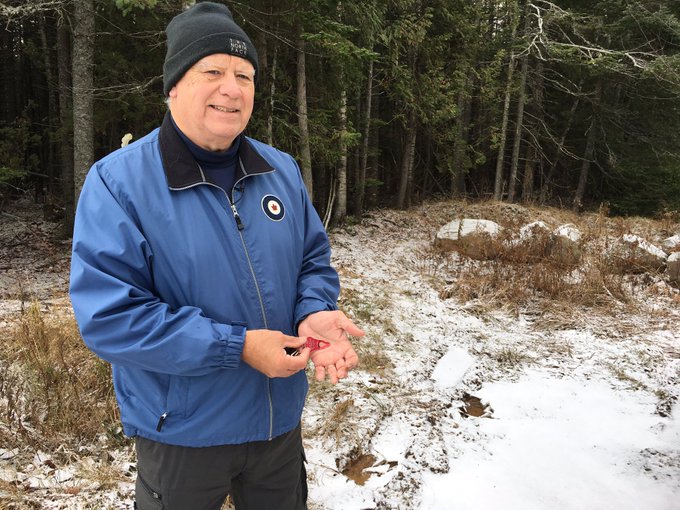
Brian McEwing of Fredericton said he was out geocaching on on a mid-November day in 2011 when he was bit by a tick that tested positive for Lyme disease.

McEwing said he was only about a hundred metres into a woodlot area in Fredericton, close to major roadways, when it happened.  Although he didn’t notice it at the time because he was wearing heavy winter clothes, he said the next morning he found that tick half-way burrowed into his left arm.

View image on TwitterView image on Twitter
 

A Fredericton man wants New Brunswickers to be sure to check themselves for ticks year-round, even if there’s snow on the ground @Global_NB

 After removing most of the tick, McEwing said he visited his doctor who prescribed him a ten-day dose of antibiotics and sent the tick away to a lab for testing.

McEwan said he did some research that suggested 30-days of antibiotics was more effective in treating Lyme and asked his doctor for more antibiotics.  He said he was fortunate to have noticed the tick early and has never displayed any signs or symptoms of the disease.

He said he was surprised to realize that ticks could survive outdoors with snow on the ground.

View image on Twitter
 

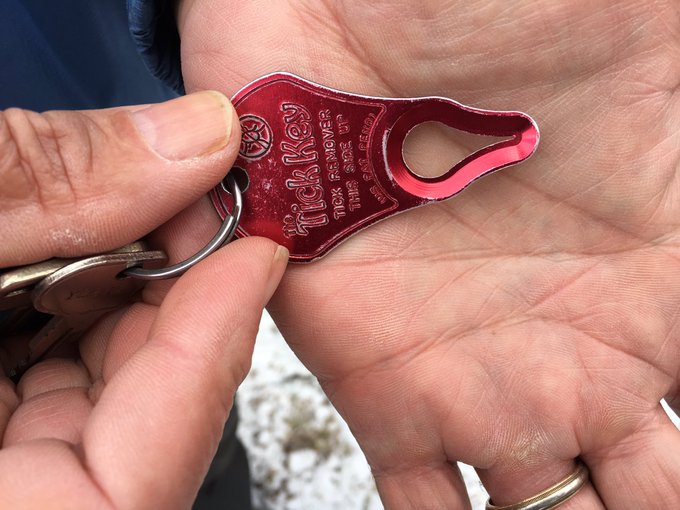
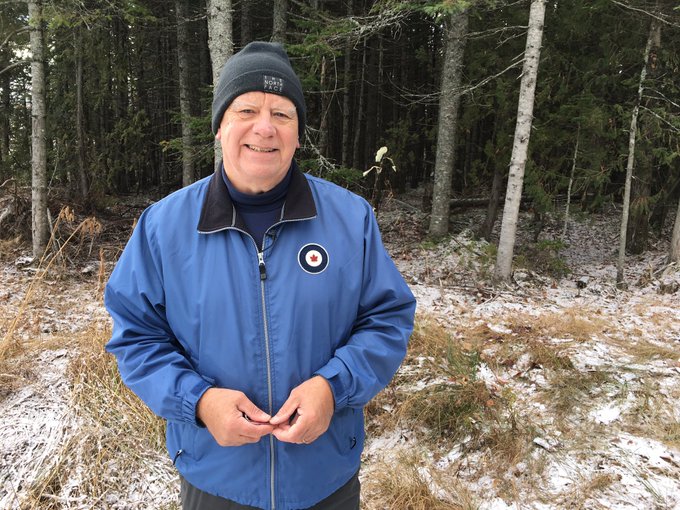
Brian McEwing says he was out for a walk in November 2011 in Fredericton when he was bit by a tick that later tested positive for Lyme disease @Global_NB

“I thought they’d die or hibernate or something, so I was quite surprised,” McEwing said.  “I was shocked.  I just thought once you had snow on the ground…that the chances of picking up a tick would be next to zero, but I found out since [then] they can be active year round.”


McEwing said that while the province has announced there are five high risk regions in New Brunswick with denser populations of black legged ticks in the province, he said ticks can be anywhere and people need to be alert.

“I don’t put a lot into this hot spot thing, I think the message really to get out to people is really that you can pick up a tick anywhere.  Whether it’s a hot spot area or not, I think they’re literally everywhere in the province.”

Dr. Lloyd said Lyme disease can also be harder to diagnose in winter  because the symptoms are always “non-specific” and can easily be confused with the flu.

“Certainly if you come down with flu symptoms in the winter, the first thing you are going to think, and probably the first thing your doctor will think is the flu.  That’s unfortunate, we have to get used to the fact that you can get ticks and there’s a risk of Lyme disease year-round,” Lloyd said.

_____________

**Comment**

Great, candid article, and frankly an example of what should be circulating about ticks and LD rather than the typical, “Ah, don’t worry, it’s just out East,” or “Ah, it’s winter, ticks aren’t active.”

Ticks will be the last living thing on planet earth.

For more on ticks in cold weather:  https://madisonarealymesupportgroup.com/2016/01/20/polar-vorticks/ (great video)

Ticks in general:  https://madisonarealymesupportgroup.com/2017/10/27/israeli-kids-get-lyme-disease-from-ticks-in-caves/

https://madisonarealymesupportgroup.com/2017/07/30/ticks-found-on-eyeball-buttocks-and-penis/

https://madisonarealymesupportgroup.com/2017/03/13/ticks-found-on-rocks/

https://madisonarealymesupportgroup.com/2017/08/17/of-birds-and-ticks/

https://madisonarealymesupportgroup.com/2017/12/03/biologists-at-sf-state-dig-into-ticks-and-ld/

https://madisonarealymesupportgroup.com/2017/10/21/mom-got-rocky-mountain-spotted-fever-while-picking-pumpkins/


TBD Working Group Nominations Deadline Extended Until Jan 7

https://www.hhs.gov/ash/advisory-committees/tickbornedisease/notices/index.html

The Tick-Borne Disease Working Group (Working Group) is seeking nominations of federal employees and members of the public who are interested in being considered for appointment to one of six subcommittees that are being established to support the efforts of the Tick-Borne Disease Working Group. Each subcommittee will present a carefully reasoned, evidence-informed report to the Working Group for the Working Group’s deliberation. Nominations will be accepted until midnight on January 7, 2018.

_____________

If you are just tuning in, please read these and be informed:

https://madisonarealymesupportgroup.com/2017/12/22/jan-2-deadline-for-tbd-subcommittee-nominees/

https://madisonarealymesupportgroup.com/2017/12/28/jan-2-deadline-reminder-warning-for-tbd-subcommittee/

Jan 2 Deadline Reminder & Warning for TBD Subcommittee

The January 2 deadline for nominating those to one of six subcommittees for the Tick Borne Disease Working Group is quickly approaching.  For more info:  https://madisonarealymesupportgroup.com/2017/12/22/jan-2-deadline-for-tbd-subcommittee-nominees/

Also, the following article will interest you.  It offers a clear warning about suspicious wording regarding the working group and the concern for transparency and ability of members to be free to act according to their convictions.  Please read and send to those who you are nominating.

https://www.linkedin.com/pulse/warning-all-nominated-subcommittees-under-tick-borne-luche-thayer/?trackingId=TuDYP8rqUuaiIcIJR3VnCQ%3D%3D

WARNING to ALL NOMINATED for SUBCOMMITTEES under the Tick-Borne Disease Working Group

Jenna Luche-Thayer

Jenna Luche-Thayer

Friends,

As you may know, I have been concerned about the unnecessary restrictions that may be applied to those public members serving on the Tick-Borne Disease Working Group.

As previously stated, there is no legal requirement for these public members to be designated as ‘Special Government Employees’ who operate under the supervision and control of HHS when they can easily fulfill these responsibilities and remain independent of government control when they are designated as ‘Representative’.

I now have other concerns —they are related to the independence of the public members joining the Subcommittees for the HHS Tick-Borne Disease (TBD) Working Group.

Independence of the Public Members on Subcommittees

As I noted in my previous analysis regarding the TBD Working Group, an important statement was made During the December 12, 2017 public meeting. On December 12, 2017 Working Group members stated that public members on the Subcommittees “will be designated as Representatives and not as Special Government Employees.”

However, according to the text on the HHS Website, there are significant restrictions for these Subcommittee members —see ‘Updates Call for Nominations of Highly Qualified Individuals to Serve on Subcommittees to the Tick-Borne Disease Working Group’. https://www.hhs.gov/ash/advisory-committees/tickbornedisease/notices/index.html

Of particular concern is this statement:

“Subcommittees may not: take independent actions; make recommendations to Federal officials or agencies; nor release documents or reports directly to the public.”

The limitations of this statement remain unclear. However, it is similar to some of the restrictions assigned to Special Government Employees rather than Representatives as detailed in an earlier article. It may be widely interpreted and can be used to control the independence of the public members who join the Subcommittees.

For example, if you are a Subcommittee public member, you might not be able to undertake your normal advocacy role and make recommendations to the government to change the CDC Lyme disease propaganda.

Furthermore, it should be noted the Working Group will cover just about every TBD topic. However, it is unclear as to whether the restrictions for disseminating literature is solely for those documents and reports reviewed by your particular Subcommittee … or any document and report you plan to disseminate on the TBD topics covered by the Working Group.

The looseness of this language may be unintentional, however, consider it a red flag. This language needs to be very clarified —in writing— so that you do not find yourself compromised in your professional and public life outside the Subcommittees.

Transparency and Accountability

This loose language also supports on-going concerns as to the transparency and accountability of these Subcommittees.

Why? Because on December 12, there was no commitment made to share all the literature reviewed by the Subcommittees on the Federal Registry.

In other words, the public might not be informed as to what is shaping the deliberations of the Subcommittees and their recommendations to the Working Group if we do not have full access to what documents make up the basis for these deliberations.

For example, we may know of 85 percent of the documents but, for all we know, the 15 percent that remain hidden may have more weight in these deliberations than the known 85 percent.

This lack of transparency and accountability is, of course unacceptable, and I will be submitting formal public comments regarding the unnecessary obstacles —including transparency and accountability for the CDC’s TBD committee report offered at the December 12 public meeting.

More details for the Nomination Process

Excerpted from HHS webste, see https://www.hhs.gov/ash/advisory-committees/tickbornedisease/notices/index.html

However, should you be going through the nomination process, here are some more details you need to be properly processed.

“Nominations. Nominations, including self-nominations, of individuals who have the specified expertise and knowledge will be considered for appointment as subcommittee member.

1. Submit a coversheet with the following information:

a. Contact information including: name, title and professional affiliation (if applicable); other relevant organizational affiliations (if applicable); physical address that correspondence should be sent to, email address; and one or two phone numbers that can be used to contact you during business hours.

b. The following signed statement: “I am willing to serve as a member of any of the subcommittees that I have expressed interest in below. I will strive to conduct my work on any subcommittees informed by the best available evidence and the best interests of patients, families, and American communities affected by tick-borne diseases. [SIGNED / DATE]

2. Your answers to the following questions:

a. Which of these stakeholder groups are you a member of?

·       Health care provider

·       Public health professional (incl. federal, state, county and city)

·       Patient

·       Family member of a patient

·       Advocate

·       Other: _________________________________________

b. Which subcommittee do you want to serve on and have relevant knowledge or expertise to serve effectively?

·       Disease Vectors, Surveillance and Prevention (includes epidemiology of tick-borne diseases).

·       Pathogenesis, Transmission, and Treatment

·       Testing and Diagnostics (incl. laboratory-based diagnoses & clinical-diagnoses)

·       Access to Care Services and Support to Patients

·       Vaccine and Therapeutics

·       Other Tick-Borne Diseases and Co-infections

c. Are you a federal employee?

·       Yes

·       No

d. Were you nominated to serve as a full Working Group member in response to the Federal Register notice?

·       Yes

·       No

e. If Yes, do you want to provide updated information or use the information you provided previously to serve on the Working Group?

·       I will provide updated information

·       I will not provide updated information

3. Please provide a copy of your resume or CV (not to exceed 10 pages)”


Faithfully,

Jenna 

Jenna Luché-Thayer

32 years working globally on the rights of the marginalized. Former Senior Adviser to the United Nations and US Government. Founder and Director of Global RBCC™ —Helping institutions recognize and respond to the pandemic of borreliosis diseases. Director, Ad Hoc Committee for Health Equity in ICD11 Borreliosis Codes. Founder, Global Network on Institutional Discrimination™ —Holding institutions accountable for political and scientific solutions. Email – jennaluche@gmail.com

Lyme Disease Laid Bare

https://www.nature.com/articles/d41586-017-08442-8 Dec. 2017

Lyme disease laid bare

James G. Logan hails a study of the controversial tick-borne condition.
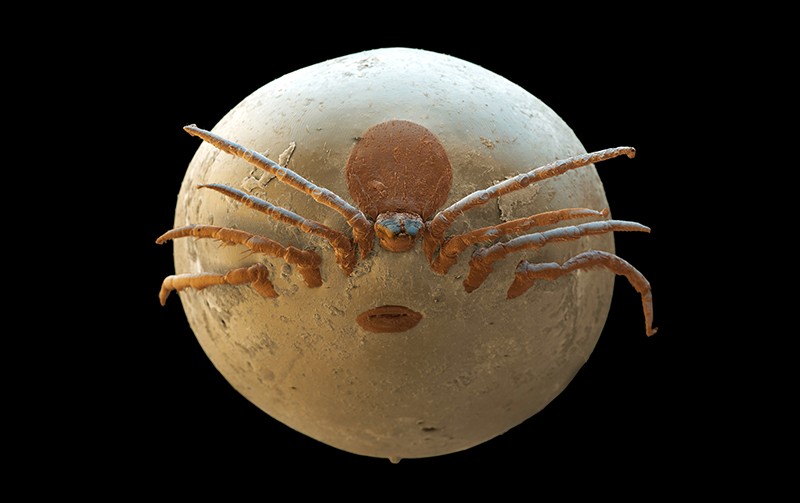
Blood filled sheep tick, SEM.

Ixodes ticks spread Lyme disease.Credit: Eye of Science/SPL.

Conquering Lyme Disease: Science Bridges the Great Divide Brian A. Fallon & Jennifer Sotsky Columbia University Press: 2017.

It occurs in more than 80 countries and is the most commonly reported vector-borne disease in the Northern Hemisphere. In the United States alone, it spawns 300,000 new cases each year. Yet Lyme disease — caused by species of Borrelia bacteria carried by ticks of the Ixodesgenus — remains one of the most poorly understood infections. It has divided researchers, clinicians and patients, and triggered intense public suspicion and confusion.

So what is science’s role in turning the corner on what some have labelled a “public health failure”? Physicians Brian Fallon and Jennifer Sotsky tackle this question in their insightful study Conquering Lyme Disease, in which they journey beyond the history, biology and symptoms of the illness. Their greatest accomplishment, by far, is delivering multiple viewpoints with minimal bias and great sensitivity: the clinician’s, the researcher’s and, particularly, the patient’s.

Although recent headlines make Lyme disease seem new, probably the first recorded case was in 1909: the Swedish dermatologist Arvid Afzelius associated a patient’s expanding rash (later named erythema migrans) with a tick bite. In the 1970s, a link was made to bacteria by rheumatologist Allen Steere; in 1981, the biologist Willy Burgdorfer discovered that the disease was caused by a type of bacterium called a spirochaete. The species complex was named Borrelia burgdorferi in his honour. But it was not until the 1990s that US cases were properly reported, through a surveillance system set up by the Centers for Disease Control and Prevention in Atlanta, Georgia.

Since that decade, the global incidence has increased and reporting has improved, as Fallon and Sotsky describe; in the United States alone, known cases have tripled since 1992. There is currently no human vaccine, and research on the disease has struggled to keep up.

The many presentations of an illness known as the “great imitator”, and its inherent complexities, are why medical communities have often failed to find common ground on diagnosis and treatment, as the authors explore. The manifestations range from no symptoms, or mild influenza-like ones, to severe complications such as inflammation in joints or the brain and persistent neurological problems.

One of the reasons Lyme is difficult to diagnose is that some non-infectious conditions, including fibromyalgia and Alzheimer’s disease, present with similar symptoms. The situation is further complicated because Ixodes ticks transmit a host of other pathogens, such as Rickettsia, other bacteria, viruses and protozoa, leading to diseases including typhus, relapsing fever, babesiosis and meningoencephalitis. Misdiagnosis is thus all too common.

Treatment is also far from straightforward. Although antibiotics can clear infection in some cases, Fallon and Sotsky describe how genetic differences in Borrelia bacteria found on different continents make treatment difficult. There are, for instance, three different species in the complex in Europe. The authors note that each can cause different symptoms in people with Lyme disease who develop neurological complications. So a treatment that works for one species of the bacterium may not work for another.

And spirochaetes can remain in the body even after courses of antibiotics (E. Hodzic et al. Antimicrob. Agents Chemother. 52, 1728–1736; 2008). Fallon and Sotsky hypothesize that they may “hide” inside human cells, for instance. A big question is whether the spirochaetes that hang on in this way can replicate and cause disease.

Whatever the mechanism, proof of the existence of persistent symptoms will pave the way for better diagnostics, treatment and care. Some patients have spent years trying to convince medical doctors that their symptoms remain after treatment. Fallon and Sotsky strikingly convey these people’s difficulties and frustrations. Clinicians, for instance, might fail to ask the right questions. People with chronic Lyme disease can feel abandoned, and even suicidal. That has led to protests and court hearings, notably in the United States. But these people, the authors argue, have played a significant part in moving understanding beyond conventional thinking, and ultimately driving research forward. Clinicians are now beginning to acknowledge both the complexity of Lyme disease and patients’ needs. Fallon and Sotsky end on a firmly positive note, reviewing avenues for new research across many disciplines, from diagnostics to vaccines and treatments. What’s particularly pressing is the need for a definitive test to detect the spirochaetes that cause this devastating disease.

 ______________