Archive for the ‘Activism’ Category

Pet Talk: Preventing LD in Pets

http://www.theeagle.com/pets/pet-talk-preventing-lyme-disease-in-pets/article_94c85116-26d5-11e8-a91c-2fe76f7c69f4.html

Dave McDermand/The Eagle

Pet Talk: Preventing Lyme disease in pets

By the Texas A&M University College of Veterinary Medicine & Biomedical Sciences Mar

Taylor Strange, a second-year veterinary student at Texas A&M, gets a kiss at the puppy-kissing booth from 6-month-old Ursula, a boxer mix, during the Texas A&M Veterinarian School open house on campus on April 1, 2017. The event attracted hundreds of prospective vet students, technicians and animal lovers who took facility tours, viewed outdoor and Texas Search and Rescue demonstrations and participated in a puppy-kissing booth. There also was a petting zoo, art display and dog breed tent.

We all know that pets are prone to getting fleas and ticks, but did you know that these pesky parasites could transmit dangerous diseases to your pet?

Maria Esteve-Gasent, assistant professor at the Texas A&M College of Veterinary Medicine & Biomedical Sciences, explained everything pet owners need to know about Lyme disease, a tick-borne illness.

“Lyme disease can affect both humans and companion animals,” Esteve-Gasent said. “Lyme disease is caused by the bacterial pathogen Borrelia burgdorferi, which is transmitted by Ixodes ticks—also known as blacklegged or deer ticks. The ticks feed on infected animals—mostly wildlife—and, incidentally, feed on humans and companion animals, which spreads Lyme disease.”

One of the most common signs of Lyme disease in humans is a “bull’s eye” rash on the skin. People who are infected commonly experience flu-like symptoms, including fever and muscle and joint pain. Pets (mostly dogs) that are infected with Lyme disease experience transient fever, anorexia and in some instances arthritis, and can go asymptomatic for long periods of time.

“If left untreated, Lyme disease in people can progress into more chronic and serious disorders, such as carditis (inflammation of the heart that can affect the heart’s ability to function) and arthritis,” Esteve-Gasent said. “In dogs, we can observe kidney failure and heart and neurological complications. Thus, if left untreated in both humans and pets, Lyme disease can be fatal.”

How can we protect ourselves and our pets from Lyme disease? By preventing tick bites, Esteve-Gasent said.

Luckily, for our furry friends, there are a number of successful products that prevent ticks from biting pets. There are also vaccines available for dogs.

However, horses and humans are left with minimal alternatives for prevention.

“Consequently, we must use tick repellents to prevent tick bites,” Esteve-Gasent said. “People can also protect themselves by wearing long pants and long-sleeved shirts when outdoors. Taping socks to pants can help prevent ticks from accessing human skin.”

Antibiotics are used to treat Lyme disease in both humans and animals. It may take several weeks of treatment to eliminate the bacteria from the infected person or animal.

You may be wondering, “With spring right around the corner, should we be extra cautious of Lyme disease?” Esteve-Gasent said the answer depends on where you are.

“In the Northeast and Midwest, the time of the year for Lyme disease is spring and summer, with fewer cases early in the fall,” Esteve-Gasent said. “In southern regions, or warmer regions, the risk of infection might be higher late in winter, spring, early summer and in the fall. However, if summers are too hot, ticks are not very active. Overall, if you go outdoors, keep the ticks off, regardless of whether it is summer, spring, or fall.”

A good thing to keep in mind is that if the weather is nice for you and your pets, it is also nice for ticks. If you spend the day outdoors, be sure to dress appropriately and make sure your pet is protected from troublesome ticks.

_______________

**Comment**

Regarding risk of infection, IT CAN HAPPEN ANYTIME of the year.  My initial symptoms were in January in Wisconsin.

Ticks are ecoadaptive:  https://madisonarealymesupportgroup.com/2016/01/20/polar-vorticks/ (great short video showing live ticks in the tundra)

Ticks love the Japanese Barberry & other invasives:  https://madisonarealymesupportgroup.com/2018/01/20/manage-barberry-lower-ticks/

Ticks in strange places:  https://madisonarealymesupportgroup.com/2017/10/27/israeli-kids-get-lyme-disease-from-ticks-in-caves/  Ticks found in caves.

https://madisonarealymesupportgroup.com/2017/03/13/ticks-found-on-rocks/  Ticks found on rocks and underneath wooden picnic tables and benches.

TV anchor says he got bit by a tick at a deck party with a tree overhead:  https://madisonarealymesupportgroup.com/2017/07/13/tv-anchor-speaks-out-about-lyme-disease/  Many entomologists deny this yet I hear this story over and over.  I even heard of ticks blowing into swimming pools from the trees overhead.  I don’t know why anyone would deny this.  Think logically for a minute – birds and rodents carry ticks and climb trees.  Do the math.

Tick Prevention: https://madisonarealymesupportgroup.com/2017/05/11/tick-prevention-and-removal-2017/

https://madisonarealymesupportgroup.com/2018/04/03/fire-good-news-for-tick-reduction/

Repairing Relationships After Illness – Jon Butcher

https://madisonarealymesupportgroup.com/wp-content/uploads/2018/04/jon_butcher-5.mp3  Podcast

Jay Davidson interviews Jon Butcher as part of the Chronic Lyme Disease Summit #2 to discuss his creation of Lifebook. Lifebook is a tool that helps you to examine and illustrate 12 important categories of your life, including health and fitness, financial life, career, love relationship, parenting, and more. Jon walks us through the background of Lifebook and has a special offer for Chronic Lyme Disease Summit #2 listeners who want to get started today!

Take the FREE Lifebook Assessment, it takes less than 20 minutes!
or…
Sign up for the Chronic Lyme Disease Summit #2 Lifebook special by clicking HERE!


TBD Working Group Meeting – May 10, 2018

https://www.lymedisease.org/next-tbdwg-meeting-may10/

Tick-Borne Disease Working Group meeting set for May 10

From the Federal Register, the Daily Journal of the US Government, April 9, 2018:

The Department of Health and Human Services (HHS) announces the fourth online meeting of the Tick-Borne Disease Working Group (Working Group) on May 10, 2018, from 8:30 a.m. to 6:30 p.m., Eastern Time.

For this fourth meeting, the Working Group will focus on the findings and basis for the draft reports from the work of the six Subcommittee Working Groups that were established on December 12, 2017.

These subcommittees were established to assist the Working Group with the development of the report to Congress and the HHS Secretary as required by the 21st Century Cures Act. The subcommittees are:

1. Disease Vectors, Surveillance and Prevention (includes epidemiology of tick-borne diseases);

2. Pathogenesis, Transmission, and Treatment;

3. Testing and Diagnostics (including laboratory-based diagnoses and clinical-diagnoses);

4. Access to Care Services and Support to Patients;

5. Vaccine and Therapeutics; and

6. Other Tick-Borne Diseases and Co-infections.

DATES:

May 10, 2018, from 8:30 a.m. to 6:30 p.m., Eastern Time.

ADDRESSES:

This will be a virtual meeting that is held via webcast. Members of the public may attend the meeting via webcast. Instructions for attending this virtual meeting will be posted one week prior to the meeting at: https://www.hhs.gov/​ash/​advisory-committees/​tickbornedisease/​index.html.

FOR FURTHER INFORMATION CONTACT:

James Berger, Office of HIV/AIDS and Infectious Disease Policy, Office of the Assistant Secretary for Health, Department of Health and Human Services; via email at tickbornedisease@hhs.gov or by phone at 202-795-7697.

SUPPLEMENTARY INFORMATION:

The Working Group invites public comment on issues related to the Working Group’s charge. Comments may be provided over the phone during the meeting or in writing. Persons who wish to provide comments by phone should review directions at https://www.hhs.gov/​ash/​advisory-committees/​tickbornedisease/​meetings/​index.html before submitting a request via email at tickbornedisease@hhs.gov on or before May 3, 2018.

Phone comments will be limited to three minutes each to accommodate as many speakers as possible. A total of 60 minutes will be allocated to public comments. If more requests are received than can be accommodated, speakers will be randomly selected.

The nature of the comments will not be considered in making this selection. Public comments may also be provided in writing. Individuals who would like to provide written comment should review directions at https://www.hhs.gov/​ash/​advisory-committees/​tickbornedisease/​meetings/​index.html before sending their comments to tickbornedisease@hhs.gov on or before May 3, 2018.

Background and Authority: The Tick-Borne Disease Working Group was established on August 10, 2017, in accordance with section 2062 of the 21st Century Cures Act, and the Federal Advisory Committee Act, 5 U.S.C. App., as amended, to provide expertise and review all HHS efforts related to tick-borne diseases to help ensure interagency coordination and minimize overlap, examine research priorities, and identify and address unmet needs. In addition, the Working Group will report to the Secretary and Congress on their findings and any recommendations for the federal response to tick-borne disease prevention, treatment, and research, and addressing gaps in those areas.


Canadian Citizen Scientists Helping With Tick Surveillance

PMCID: PMC5872229
PMID: 29498648

Citizen Science and Community Engagement in Tick Surveillance—A Canadian Case Study

Abstract

Lyme disease is the most common tick-borne disease in North America and Europe, and on-going surveillance is required to monitor the spread of the tick vectors as their populations expand under the influence of climate change. Active surveillance involves teams of researchers collecting ticks from field locations with the potential to be sites of establishing tick populations. This process is labor- and time-intensive, limiting the number of sites monitored and the frequency of monitoring. Citizen science initiatives are ideally suited to address this logistical problem and generate high-density and complex data from sites of community importance. In 2014, the same region was monitored by academic researchers, public health workers, and citizen scientists, allowing a comparison of the strengths and weaknesses of each type of surveillance effort. Four community members persisted with tick collections over several years, collectively recovering several hundred ticks. Although deviations from standard surveillance protocols and the choice of tick surveillance sites makes the incorporation of community-generated data into conventional surveillance analyses more complex, this citizen science data remains useful in providing high-density longitudinal tick surveillance of a small area in which detailed ecological observations can be made. Most importantly, partnership between community members and researchers has proven a powerful tool in educating communities about of the risk of tick-vectored diseases and in encouraging tick bite prevention.

_______________

**Comment*

Please know that according to an independent Canadian tick expert John Scott, climate change has nothing to do with the spread of ticks and the pathogens they carry:  

https://madisonarealymesupportgroup.com/2017/08/14/canadian-tick-expert-climate-change-is-not-behind-lyme-disease/  “The climate change range expansion model is what the authorities have been using to rationalize how they have done nothing for more than thirty years. It’s a huge cover-up scheme that goes back to the 1980’s. The grandiose scheme was a nefarious plot to let doctors off the hook from having to deal with this debilitating disease. I caught onto it very quickly. Most people have been victims of it ever since.”
“This climate change ‘theory’ is all part of a well-planned scheme. Even the ticks are smarter than the people who’ve concocted this thing,” he says.
“Climate change has nothing to do with tick movement. Blacklegged ticks are ecoadaptive, and tolerate wide temperature fluctuations. On hot summer days, these ticks descend into the cool, moist leaf litter and rehydrate. In winter, they descend into the leaf litter, and are comfortable under an insulating blanket of snow.Ticks have antifreeze-like compounds in their bodies, and can tolerate a wide range of temperatures. For instance, at Kenora, Ontario, the air temperature peaks at 36°C and dips to –44°C, and blacklegged ticks survive successfully.
“Ticks are marvellous eco-adaptors. They will be the last species on the planet. Do you see how silly this theory of climate change is as a way to rationalize what’s happening. It’s all a red herring to divert your attention,” he explains. “In simple terms, the feds have diverted our attention by saying ‘let’s worry about ticks and climate change, put all our funding there and we will solve the problem of Lyme disease’.”

Similarly to the latest fashion trends from Paris driving fashion across the world, the phrase “climate change,” is the latest angle in Science to obtain grants that is driving research.  

This research is not helping patients in the least.  

https://madisonarealymesupportgroup.com/2017/01/28/sit-down-science/  How research is being manipulated to fit industry agendas.

https://madisonarealymesupportgroup.com/2017/01/02/fake-science/ Exactly how this manipulation occurs.

https://madisonarealymesupportgroup.com/2017/07/08/global-warming-numbers-fudged/

https://madisonarealymesupportgroup.com/2017/01/13/lyme-science-owned-by-good-ol-boys/

https://madisonarealymesupportgroup.com/2017/08/04/science-for-sale/

https://madisonarealymesupportgroup.com/2017/12/05/bought-documentary-on-pharma-vaccines-gmos/


A Tale of 3 Metals, the Fate of Western Civilization, & What We Can Do About it

https://jameslyonsweiler.com/2018/04/07/a-tale-of-three-metals-and-the-fate-western-civilization/

A Tale of Three Metals and The Fate of Western Civilization

by jameslyonsweiler
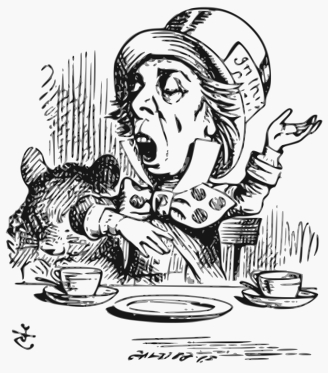
1200px-madlhatterbytenniel

Biff: LET’S DIG UP TOXINS, PURIFY THEM, AND INJECT THEM INTO OURSELVES! AND BABIES! AND PREGNANT WOMEN! AND LET’S PUT THEM INTO PAINT THAT WE USE IN OUR HOMES WE LIVE IN, AND PUMP THEM INTO THE AIR WE BREATHE! AND LET’S MAKE SURE THAT THE WATER WE DRINK COMES INTO OUR HOMES IN PIPES THAT LEACH LEAD!
Buff: ARE YOU MAD?
Biff: NO, BUT WE WILL BE!

The Romans drank beverages prepared in lead vessels, and brought spring water into their homes through lead pipes. Lead poisoning undoubtedly hastened the fall of the Roman empire. So when we think about the evidence that we are harming ourselves, and our children, with lead in the water, mercury in the air, mercury in flu vaccines, and aluminum in many other vaccines, one has to wonder: what are the likely effects on society?

  1. African Americans will suffer the most. Due to Vitamin D deficiency, African Americans at northern latitudes can be expected to be most sensitive to toxins because they rely on dietary Vitamin D to drive their cellular detoxification systems. The fix? Measure blood Vitamin D levels, and absent any mutation that would preclude increased doses of Vitamin D, improve brain health via addition Vitamin D supplementation.
  2. Young adults (millenials) will have different sociality, and higher rates of early-age psychological disorders such as schizophrenia. They may also experience higher rates of early age of onset Parkison’s disease, Alzheimer’s disease, and other neurodegenerative diseases. The fix? Filter aluminum out of the water, try silica-rich mineral waters, silica drops, with a preference for sources with the more biologically available silicic acid. In short, detoxify their food, water, and everything in their environment, and more (see below).
  3. Young children with special education needs will tend to be more violent and brain studies will show increased presence of amyloid precursor protein, the kind responsible for Alzheimer’s disease.
  4. There will be a population-wide downward shift in IQ.
  5. There will be a plague of multiple chemical sensitivity.
  6. Academics will be stretched thin and the curriculum dumbed down to the point where schools will have to stop giving grades. When 20% of the class can no longer function academically to take and exam, the rest will be asked to “help” their classmates learn.
  7. Families will become increasingly stressful social units. Divorce rates will skyrocket.
  8. People will become increasingly dependent on the State (Nanny State).
  9. Those most able to withstand the toxic effects of accumulating neurotoxins will become increasingly taxed because their income and property will have to sustain an increasingly demanding medico-government empire.
  10. When they, too, begin to fall apart, the tax base will falter.
  11. Violence will become increasingly common. Those most damaged will tend to kill and injure those who are capable.
  12. America will tear itself apart from within.

This doomsday scenario is not inevitable. So what can we do to prevent this?

  1. Listen to the mothers. They have experience in what works. NIH has avoided real research on neurodevelopment disorders that address neurotoxic metal exposure since the CDC worked so hard to defraud the public on the vaccine/autism link. They gambled, lost, and we now pay the cost.
  2. These solutions must be tested in combinations in clinical studies to insure safety, and also to validate them (if they do help). They must be studied NOW, before it’s too late.

Option 1. Environmental Detoxification. Remove all neotoxins from your home. Use reverse osmosis water filters, and use filtered water for everything – even cooking – because aluminum is used to condition the water coming from the tap. Fluoride is another issue, and your filtration should also remove fluoride. Eat organic foods and nothing out of aluminum containers. Certainly never cook in aluminum pots.

Option 2. Get the Aluminum Out. Consider using high silicic acid mineral water, or adding silicic acid drops to your filtered water to bind any aluminum from food. Other possibilities include malic acid, magnesium, and acetoacetic acid:

Principles of Orthomolecularism. R.A.S. Hemat: “Aluminum can be effectively complexed and excreted with silicon, a complex of malic acid and mg, and acetoacetic acid.”

Precise combinations that work best and are safe are not yet determined. That’s why we need studies.

Doctor Toni Bark, MD informs me that ketogenic diet can also help reduce brain inflammation and reduce the effects of toxic metals from the body and the brain – including the reduction of brain amyloid. And Dr. Richard Frey’s research on intranasal insulin https://academic.oup.com/biomedgerontology/article/71/1/30/2614162 and intranasal deferoxamine https://www.ncbi.nlm.nih.gov/pubmed/28870559 seems very promising for the actual removal of iron and aluminum from the brain. Care should be taken to conduct any such research under the direct care of a physician.

Option 3. Up the Vitamin D3, watch the A, Avoid Folic Acid. Dr. Keith Baggerly, MD, has determined that the FDA flubbed in it recommended daily Vit D intake:  https://vitamindwiki.com/Vitamin+D+math+mistakes+made+7+years+ago+–+K+Baggerly+2016-2017 As a result, most Americans are Vit D deficient. Increased Vitamin D3 can be expected to improve many aspects of health by helping our cells properly fold proteins. Vits A and D are antagonistic, and so watch all sources of Vit A and make sure you and your child are not taking in too much Vitamin A. Read The Big Vitamin D Mistake:  https://www.ncbi.nlm.nih.gov/pmc/articles/PMC5541280/ and Grant Genereux’s resources on Vit A toxicity [1] [2].

Much of our population has MTHFR mutations that cause problems with Folic Acid. Moms taking prenatal vitamins should seek methyl folate or folinic acid: https://www.nature.com/articles/mp2016168 instead of folic acid. Children’s vitamins with methyl folate are also available.

Option 5. Reduce Brain Inflammation. Chronic low-grade inflammation is a hallmark of autism. Powerful brain antioxidants include N-acetylcysteine and glutathione. It seems likely that everyone with a brain could benefit from less brain inflammation.

Option 6. Improve the Gut. The commensal (helpful) bacteria in the large intestine can become significantly altered after antibiotic use to treat ear infections, most likely caused by harm from to the immune system from thimerosal. Pro-biotics may help, as will eating organic.

Option 7. Keep This Handy for Bad Head Days. Brain dysfunction from metal-induce excitotoxicity involves high glutmate levels in the brain. Oxaloacetate can reduce blood glutamate levels, allowing the excess glutamate in the brain to spill into the blood. Oxaloacetate is used after stroke to reduce the exitotoxic brain injury. Research is needed to determine if it should be used after vaccination to reduce the incidence of vaccine-induced excitotoxicity. And aluminum should be removed from vaccines because the schedule results in toxic doses in infants.

Option 8. HBOT is HOT. Consider Hyperbaric Oxygen Therapy (HBOT). HBOT can increase de novo neurogenesis. If the brain has suffered a loss of neurons due to toxic exposure, increased neurogenesis – at the right time in development – could ultimately be shown to increase IQ.

Option 9. Avoid Thimerosal. If you choose to use a flu vaccination, ask the doctor for the type of flu shot that does not contain thimerosal.

Option 10. Tell Congress You Want Research Reform.

No studies of the synergistic toxicity of aluminum, lead and mercury have been conducted at doses reflecting the vaccine schedule and daily exposure due to leaching of lead from pipes into homes.

We know which homes have lead pipes. Departments of Health should consider telling parents of children in those homes to avoid exposures to mercury and to aluminum – in other words, to skip vaccines that contain these neurotoxic metals. The children will become more educated, better behaved, make better decisions, commit fewer crimes, and overall have better lives. Toxicity of lead, aluminum and mercury is synergistic.

No studies of the options and combinations of options listed above have been conducted to determine if we could improve overall brain health in children and adults. This research is badly needed. YOU can make it happen.

Make an appointment with your Congressional Representative and ask them to create the Brain Health 2030 initiative designed to reverse the ill effects of the past 30 years of industry and medicine on brains, and on our childrens’ brains. These interventions are not intrusive. Studies could be done also with the Department of Education to determine whether reports of violence decrease, grades increase, drop-out rates decrease if entire SCHOOLS – including administrators – are enrolled in Healthy Brain programs, which could incorporate aspects of mindfulness.

You can join the Neurodevelopment Research Reform group on Facebook where ideas on the Brain Health 2030 initiative are shared. And you can support our efforts to compile the most promising evidence-based approaches to improving brain health by supporting IPAK’s Neurodevelopment Research Reform Initiative.

This article is a call for research reform. These statements have not been evaluated by the Food and Drug Administration. This product is not intended to diagnose, treat, cure, or prevent any disease. Check with your physician before changing any mode of medical treatment for your child, or yourself.

Further Reading:

Lyons-Weiler, J and R. Ricketson. 2018. Reconsideration of the Immunotherapeutic Pediatric Safe Dose Levels of Aluminum. Journal and Trace Elements in Medicine and Biology 48:67 73.

https://www.sciencedirect.com/science/article/pii/S0946672X17300950

Thanks to Tim Lundeen for the Vit A information and of course to the outstanding medical doctor, Dr. Toni Bark, MD for permission to cite her expertise.

 
jameslyonsweiler
Dr. Lyons-Weiler is a research scientist and author of three books, the latest of which is “The Environmental and Genetic Causes of Autism”. He is available for speaking engagements and book signing events at your location. To contact, follow on twitter @lifebiomedguru, email ebolapromo[at]gmail.com, and connect via LinkedIn https://www.linkedin.com/in/jameslyonsweiler

________________

For more:

https://madisonarealymesupportgroup.com/2018/04/09/3-part-series-on-genetic-mutations/

https://madisonarealymesupportgroup.com/2017/09/21/aluminum-flawed-assumptions-fueling-autoimmune-disease-and-lyme/

https://madisonarealymesupportgroup.com/2017/01/04/aluminum-alzheimers-ld/

https://madisonarealymesupportgroup.com/2017/09/19/autism-aluminum-adjuvant-link-corroborated/