Archive for the ‘Activism’ Category

The Ad Hoc Patient & Physician Coalition Against IDSA Proposed Lyme Guidelines

https://www.change.org/p/the-us-senate-calling-for-a-congressional-investigation-of-the-cdc-idsa-and-aldf/u/25042255?

PETITION UPDATE

The Ad Hoc Patient and Physician Coalition against IDSA Proposed Lyme Guidelines

SEP 7, 2019 — 

From: CARL TUTTLE <runagain@comcast.net>
To: tickbornedisease@hhs.gov
Cc: (91 Undisclosed recipients)
Date: September 7, 2019 at 8:48 AM
Subject: The Ad Hoc Patient and Physician Coalition; Comments of the IDSA Proposed Lyme Guidelines September 6, 2019

To the Tick-Borne Disease Working Group;

Please follow the link below to see comments to the IDSA Proposed Lyme Guidelines. These comments are endorsed by members around the world because what has been established here in the United States has adversely affected public health globally.

The link provided is from my personal Dropbox storage area.

The Ad Hoc Patient and Physician Coalition

Comments of the IDSA Proposed Lyme Guidelines September 6, 2019

https://www.dropbox.com/s/whv3udt1oevanhn/Ad%20Hoc%20Patient%20Physician%20Coalition%20Comments%20to%20IDSA%20Proposed%20%20%20Guidelines%20Aug%208%20revised%209.6.19%20as%20submitted.pdf?dl=0

About the Ad Hoc Patient and Physician Coalition: The Ad Hoc Patient and Physician Coalition consists of patients and physicians who are concerned that the proposed Lyme disease guidelines of the Infectious Diseases Society of America (IDSA), American Academy of Neurology (AAN), and American College of Rheumatology (ACR) will further restrict access to care and harm patients by leaving them undiagnosed and undertreated.The coalition consists of over 75 organizations, from 8 countries: the US, Canada, Australia, UK, France, Netherlands, Germany, Belgium (including LymeDisease.org, the national Lyme Disease Association, Bay Area Lyme Foundation among others) and the International Lyme and Associated Diseases Society, which represents clinicians who treat Lyme disease nationwide. (List of signatories attached.)

These comments were authored by Lorraine Johnson, JD|MBA, CEO LymeDisease.org and Dr. Elizabeth Maloney, who represents the International Lyme and Associated Diseases Society. The comments were filed on August 8, 2019 and revised on September 6, 2019.

Page 56

Ad Hoc Patient and Physician Coalition Members As of September 6, 2019

The following 77 organizations have endorsed the Ad Hoc Patient and Physician Coalition Comments of the IDSA Proposed Lyme Guidelines. (List updated Sept. 6, 2019)

Countries represented: United States, Canada, Australia, France, United Kingdom, Netherlands, Germany, and Belgium.

Alabama Lyme Disease Association

Arkansas Lyme Coalition

Arkansas Lyme Foundation

Association Québécoise de la Maladie de Lyme (Canada)

Bay Area Lyme Foundation

BC Lyme (British Columbia, Canada)

Brookfield/Wolfeboro New Hampshire support group

Borreliose-Bund, Germany

Canadian Lyme Disease Foundation

Central Massachusetts Lyme Foundation

Charles E. Holman Morgellons Disease Foundation

Chronic Lyme Disease Support and Protest UK.

ChroniLyme (Lyon, France)

Colorado Tick-Borne Disease Awareness Association

Dean Center for Tick Borne Illness, Massachusetts

Dutch Lyme Association (Lymevereniging), Netherlands

Florida Lyme Disease Association

France Lyme, Association de Lutte Contre les Maladies Vectorielles à Tiques (France)

Howard County Lyme Awareness Group, Maryland

Hudson Valley Lyme Disease Association

Illinois Lyme Association

International Lyme and Associated Diseases Society

Kentucky Lyme Disease Association

Le Droit de Guerir (“The right to heal”), France

Litchfield County Lyme Network (Connecticut)

Living with Lyme, London/Middlesex (Canada)

LivLyme Foundation

Lyme Action Network

Lyme Alliance of the Berkshires

Lyme Association of Greater Kansas City

Lyme Center, Chico, California

LymeDisease.org

Lyme Disease Association (US)

Lyme Disease Association of Australia

Lyme Disease Association of Southeastern Pennsylvania

Lyme Disease Association, Rhode Island Chapter

Lyme Disease Education & Support Groups of Maryland

Lyme Disease UK

Lyme Hope (Canada)

Lyme-int Association (Belgium)

Lyme Newport (Rhode Island)

Lyme Ontario (Canada)

Lyme Stats 57

LymeConnection.org

LymeLight Foundation

Madison Lyme Support Group

Massachusetts Lyme Legislative Task Force

Memphis Tennessee Lyme Network

Midcoast Lyme Disease Support & Education

Military Lyme Support

MSIDS, Inc, Australia

NE Ohio Lyme Foundation

New Brunswick Lyme Disease Association Inc.- LymeNB (Canada)

New Jersey Lyme Resource

New York City Lyme Disease Support Group

OnLyme-Aktion.org (Action Alliance Against Tick-borne Diseases), Germany

Ontario Lyme Alliance (Canada)

PA Lyme Resource Network (Statewide)

PA Lyme Resource Network, Bucks County

PA Lyme Resource Network, Columbia County

PA Lyme Resource Network, Lehigh Valley

Patient Centered Care Advocacy Group

Pennsylvania Lyme Disease Awareness Committee of Chester-Delaware County Farm Bureau (PLDAC)

Penticton, BC area Lyme Group (Canada)

Sam’s Spoons Foundation for Lyme Support & Education

Southern Arizona Lyme Disease Association

Southern Oregon Lyme Disease

Texas Lyme Alliance

Tick Wise Education, Inc. (501c3)

Time for Lyme, ASBL (Belgium)

TxLyme Yahoo Online Support Group (Texas)

Utah Coalition for Lyme Disease

Vernon Lyme Disease Support Group, Vernon, BC (Canada)

VIRAS – Vector-borne Infections: Research, Analysis, Strategy (UK)

VOCAL Ottawa (Voices of Canadians About Lyme)

Wisconsin Lyme Network

York North Lyme (Canada)

______________________

Carl Tuttle

Lyme Endemic Hudson, NH

______________________

For more on the proposed IDSA Lyme treatment guidelines:  https://madisonarealymesupportgroup.com/2019/08/22/ad-hoc-patient-and-physician-coalition-from-around-the-world-reject-newly-proposed-idsa-guidelines/

https://madisonarealymesupportgroup.com/2019/08/18/idsa-guidelines-deny-lyme-diagnosis-to-most-of-the-usa/

https://madisonarealymesupportgroup.com/2019/07/09/idsa-lyme-disease-treatment-management-business-as-usual-leaves-those-with-persisting-symptoms-to-suffer-die/

https://madisonarealymesupportgroup.com/2019/08/15/gla-response-to-proposed-idsa-aan-acr-2019-draft-lyme-disease-guidelines/

https://madisonarealymesupportgroup.com/2019/08/11/idsa-extends-comment-period-allows-downloads/

https://madisonarealymesupportgroup.com/2019/08/11/natcaplymes-response-to-updated-lyme-disease-guidelines-states-they-are-based-on-outdated-and-discredited-studies/


Keep an Eye Out For Bartonella

https://www.galaxydx.com/bartonella-and-the-eyes/

By Galaxy Lab

written on September 4, 2019

Keep an “Eye” Out for Bartonella Infections

Patients with Bartonella species infection (bartonellosis) complain of a variety of nonspecific vision problems that can affect every function of the eye. Making diagnosis and treatment decisions even more difficult, these problems can be caused by a variety of other pathogens and diseases. Fortunately, many peer-reviewed case publications, especially in ophthalmology journals, are available that describe both common and uncommon eye symptoms caused by bartonellosis.

Documented links between Bartonella species infection and vision problems focus on Bartonella henselae (cat scratch disease) and Bartonella quintana (trench fever). B. henselae is associated with contact with animals and vectors, especially cats and fleas, while B. quintana is associated with body lice. Additional species implicated include B. elizabethae and B. grahamii.

Overview

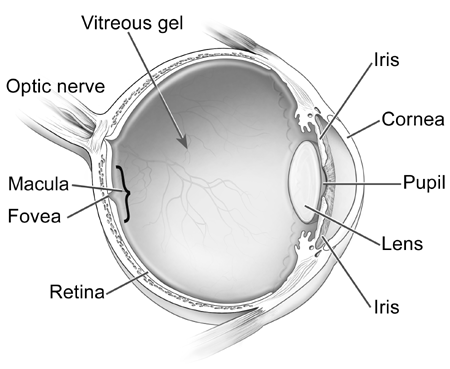
The eye consists of structures that focus light on nerve receptors at the back of the eye, nerves that feed into the optic nerve which connects to the brain, and a blood supply that connects through a central artery and vein into the body’s blood circulation. Bartonellosis can affect each of these parts of the eye.

    A diagram of the eye (Source: NIH).

Patients with bartonellosis-related eye problems may have symptoms in other organs as well that can help clarify whether the eye symptoms are caused by bartonellosis. Ophthalmologists and other physicians look for these additional signs because all of the eye conditions that can be caused by bartonellosis can be caused by a variety of bacteria and viruses, as well as other health conditions including autoimmune disorders.

It can be difficult to narrow down the possible causes of bartonellosis. Sometimes patients can’t remember any events that would have exposed them to Bartonella species. Other times the event, such as a cat scratch, may have occurred weeks to a month or more before symptoms appear and the patient may not think there is a connection. It can take detailed questioning by physicians to identify the possibility of Bartonella species exposure.

Structural Eye Symptoms

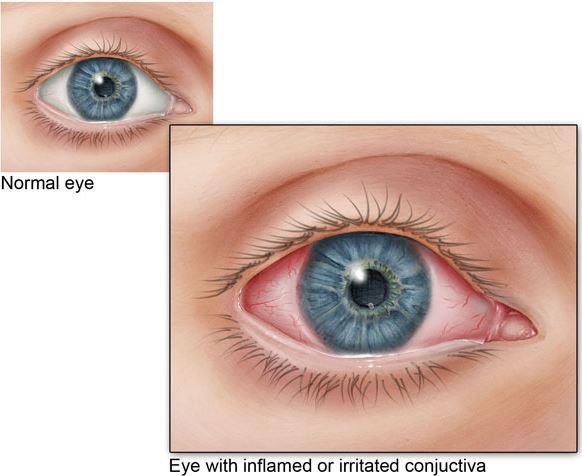
The most common way bartonellosis is seen in the eye is called Parinaud oculoglandular syndrome (POGS). About five percent of patients with acute cat scratch disease have this syndrome, which is characterized by follicular conjunctivitis (pink eye) with swollen lymph nodes nearby. It is often accompanied by a fever, and there may be bumps on the eyelid. Other symptoms known to be caused by bartonellosis, such as endocarditis (swelling of the inner lining of the heart), may also indicate that bartonellosis should be suspected.


Conjunctivitis results in easily seen inflammation of the usually white part of the eye (Source: CDC).

Inflammation of the middle layer of the structure that surrounds the eyeball is called uveitis. Uveitis causes redness of the eye and can cause light sensitivity, pain and floaters. Uveitis is sometimes associated with bartonellosis.

While case reports of eye symptoms caused by bartonellosis generally describe a sudden-onset condition, one case report describes a woman who had symptoms of bartonellosis in various body organs for more than five years, including chronic conjunctivitis (pink eye). She had multiple tests and treatments over that time including a Bartonella species test that was positive but considered nonspecific. It was only after other treatments didn’t work that antibiotics were administered. The antibiotics resolved her various symptoms.

Neurological Eye Symptoms

Neuroretinitis, an inflammation of the optic nerve head, occurs in about 2% of people with cat scratch disease (acute Bartonella henselae infection). Two-thirds of cases of neuroretinitis are caused by bartonellosis.

Neuroretinitis is usually characterized by sudden, complete vision loss and swelling that creates a star pattern in the macula (the light-sensitive tissue at the back of the eye that feeds information into the optic nerve). Though this is the typical case of neuroretinitis caused by bartonellosis, it can vary greatly. It can cause changes such as seeing odd shapes or colors Furthermore, case reports have included people who lose their vision with no other symptoms, have blurry vision with a headache, and more.

Treatment can usually, but not always, restore vision, but it can take months to resolve and there can still be long-term consequences. Complications can also occur. In one case, a child was diagnosed with neuroretinitis. Treatment was started six weeks after the diagnosis, but his vision in one eye got worse. After treatment, a full-thickness macular hole was discovered. The hole was monitored and resolved after six months.

Vascular Eye Symptoms

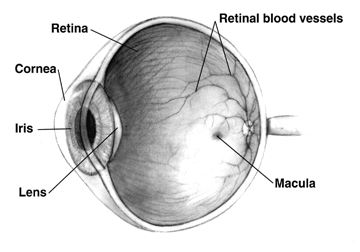
The eye has an important network of tiny blood vessels that provide nourishment to the tissue, but unnecessary growth of new capillaries can lead to a range of symptoms such as vision problems. Vasoproliferation (irregular growth of new blood vessels) may be more common in immunocompromised people, such as those being treated with chemotherapy products. These symptoms can be observed on the skin and in the liver and spleen and may also occur in the eye.

Tiny blood vessels in the eyes supply nutrients to cells. In the above image, larger retinal blood vessels can be seen (Source: NIH).

Vasoproliferative symptoms seem to be caused by vascular endothelial growth factor (VEGF) stimulated by bartonellosis. More research on the relationship between VEGF and bartonellosis is needed. Meanwhile, anti-VEGF agents have been used to treat vasoproliferative eye symptoms.

Conclusion

Bartonellosis can affect every part of the eye, and symptoms can be sudden and severe. Diagnosis and treatment decisions are complicated by other pathogens and diseases that can cause similar symptoms. It is important for patients and physicians to be aware of any prior animal or insect exposure that may indicate Bartonella infection. Considering additional systemic symptoms of bartonellosis may also help to clarify the diagnosis.  

Learn more about bartonellosis and the testing that Galaxy Diagnostics offers here.

References

Kalogeropoulos, C. et al. (2011). Bartonella and intraocular inflammation: A series of cases and review of literature. Clinical Ophthalmology, 5, 817-829. doi:10.2147/OPTH.S20157 https://www.ncbi.nlm.nih.gov/pmc/articles/PMC3130920/

Accorinti, M. (2009). Ocular bartonellosis. International Journal of Medical Sciences, 6(3), 131-132. https://www.ncbi.nlm.nih.gov/pmc/articles/PMC2659486/

Rolain, J-M., & Raoult, D. (2012). Bartonella infections. In L. Goldman & A. I. Schafer (Eds.), Goldman’s Cecil medicine (24th ed., ch. 323, pp. 1906-1910). Philadelphia, PA: Elsevier Saunders. https://www.sciencedirect.com/topics/medicine-and-dentistry/parinauds-oculoglandular-syndrome

Spinella, A. et al. (2012). Beyond cat scratch disease: A case report of Bartonella infection mimicking vasculitic disorder. Case Reports in Infectious Diseases, 2012, article 354625. http://dx.doi.org/10.1155/2012/354625 https://www.hindawi.com/journals/criid/2012/354625/

Woo, M. et al. (2018). A case of retinal vessel occlusion caused by Bartonella infection. Journal of Korean Medical Science, 33(47), e297. doi:10.3346/jkms.2018.33.e297 https://www.ncbi.nlm.nih.gov/pmc/articles/PMC6236082/

Fairbanks, A. M. et al. (2019). Treatment strategies for neuroretinitis: Current options and emerging therapies. Current Treatment Options in Neurology, 21(8), 36. doi:10.1007/s11940-019-0579-0 https://www.ncbi.nlm.nih.gov/pubmed/31278547

Michel, Z. et al. (2019). Multimodal imaging of two unconventional cases of Bartonella neuroretinitis [epub ahead of print]. Retinal Cases & Brief Reports. doi:10.1097/ICB.0000000000000893 https://www.ncbi.nlm.nih.gov/pubmed/31348120

Gunzenhauser, R. C. et al. (2019). The development and spontaneous resolution of a full-thickness macular hole in Bartonella henselae neuroretinitis in a 12-year-old boy. American Journal of Ophthalmology Case Reports, 15, 100515. doi:10.1016/j.ajoc.2019.100515 https://www.ncbi.nlm.nih.gov/pubmed/31341998

Toumanidou, V. et al. (2017). Neuroretinitis secondary to Bartonella henselae in a patient with myelinated retinal nerve fibers: Diagnostic dilemmas and treatment. Ocular Immunology and Inflammation, 27(3), 396-398. doi:10.1080/09273948.2017.1409357 https://www.ncbi.nlm.nih.gov/pubmed/29283743

Semes, L. P. (2018, March 23). Optic disc swelling early sign of cat-scratch neuroretinitis [sic]. OptometryTimes.com. Available at: https://www.optometrytimes.com/editors-choice-opt/optic-disc-swelling-early-sign-cat-scratch-neruoretinitis

Mabra, D. et al. (2018). Ocular manifestations of bartonellosis. Current Opinion in Ophthalmology, 29(6), 582-587. doi:10.1097/ICU.0000000000000522 https://www.ncbi.nlm.nih.gov/pubmed/30124532

Beckerman, Z. et al. (2019). Rare presentation of endocarditis and mycotic brain aneurysm [epub ahead of print]. The Annals of Thoracic Surgery. doi:10.1016/j.athoracsur.2019.06.073 https://www.ncbi.nlm.nih.gov/pubmed/31425670

_________________

**Comment**

Another great article by Galaxy Lab. Please read the following article for more information on Bartonella, as various strains are suspected to be transmitted by ticks, mites, various flies and spiders, and other modes, and it is far more prevalent than thought:  https://madisonarealymesupportgroup.com/2016/01/03/bartonella-treatment/  Fifteen species of gram-negative aerobic Bartonella are known to infect humans; however Dr. Ricardo Maggi’s statement is quite telling, “This case reinforces the hypothesis that any Bartonella species can cause human infection.”  

For more on Bartonella and the eyes:  https://madisonarealymesupportgroup.com/2019/04/08/case-series-bartonella-ocular-manifestations/

https://madisonarealymesupportgroup.com/2018/09/06/ocular-manifestations-of-bartonellosis/


44 Reasons Cell Phones Can Cause Cancer

UPDATE: Oct. 2024

South Korean researchers who analyzed 24 studies and published their report on Oct. 10 in Environmental Health — found significantly higher risks for malignant brain tumors, meningioma and glioma on the side of the head where cellphones were held.

https://www.greenmedinfo.com/blog/44-reasons-cell-phones-can-cause-cance

44 Reasons Cell Phones Can Cause Cancer

“© Monday, August 26th 2019 
GreenMedInfo LLC. This work is reproduced and distributed with the permission of GreenMedInfo LLC. Want to learn more from GreenMedInfo? Sign up for the newsletter here //www.greenmedinfo.com/greenmed/newsletter.”

44 Reasons To Believe Cell Phones Can Cause Cancer
Originally Published On ElectricSense.com

Is there a connection between cell phones and cancer? Here are 44 reasons to believe that cell phones can cause cancer

Cell phones emit microwave radio-frequency radiation. Fact.

This radiation has the ability to penetrate our bodies. Fact.

Our governments do virtually nothing to protect us from these dangers. Fact.

And yet there is strong evidence and multiple peer reviewed studies that indicate that cell phones cause cancer and other diseases.

Take a look for yourself at these facts.

But first let’s just consider what cancer is.

Cancer And DNA

The National Cancer Institute says,

Cancer is a term used for diseases in which abnormal cells divide without control and are able to invade other tissues … all cancers begin in cells … cells grow and divide in a controlled way to produce more cells as they are needed to keep the body healthy. When cells become old or damaged, they die and are replaced with new cells. However, sometimes this orderly process goes wrong. The genetic material (DNA) of a cell can become damaged or changed, producing mutations that affect normal cell growth and division. When this happens, cells do not die when they should and new cells form when the body does not need them.”

So cancer typically involves abnormal cell division and DNA damage and in some cases cells may form a mass of tissue called a tumor.

Types Of Brain Tumor

In the studies done to date cell phone radiation exposures are principally linked to two types of brain tumor: gliomas and acoustic neuromas.

Gliomas, a type of tumor that starts in the brain or spine are typically malignant. Gliomas are particularly deadly. Most people survive only 1 to 3 years after diagnosis.

Acoustic neuromas, though non-malignant (low-grade cancer), are in many cases life threatening given that they are an intracranial tumor.

The 44 Reasons

1. Cellular Damage: Telecoms giant T-Mobile in Germany commissioned an independent study to review all relevant research on the health risks from wireless telecommunications. It was concluded that,

On the cellular level, a multitude of studies found the type of damage from high frequency electromagnetic fields which is important for cancer initiation and cancer promotion.”

Brain Tumors And Brain Cancers

2. Significantly Increased Risk of Glioma: Gliomas are becoming increasingly common. The $25 million Interphone Study found that:

… regular use of a cell phone by adults can significantly increase the risk of gliomas by 40% with 1640 hours or more of use (this is about one half hour per day over ten years).”


Source: Table 2 INTERPHONE Study Group. Brain tumour risk in relation to mobile telephone use: results of the INTERPHONE international case-control study. Int J Epidemiol (2010); 39(3):675-694

3. Tumor Risk on Cell Phone Side of Head: Again from the Interphone Study – currently the big daddy of cell phone radiation studies it being the largest and longest study on the link between cell phones and brain tumors – it also found, “tumors were more likely to occur on the side of the head most used for calling.”

4. Harmful Association Between Cell Phone Radiation and Tumors: A review of 23 epidemiological studies by 7 scientists on the link between cell phones and cancer concluded, “harmful association.” One of the reports authors commenting the study results said, “although as a whole the data varied, among the 10 higher quality studies, we found a harmful association between phone use and tumor risk. The lower quality studies, which failed to meet scientific best practices, were primarily industry funded.”

5. Increased Risk For Glioma and Acoustic Neuroma: the studies performed by the Hardell Research Group are widely regarded as being amongst the best. This recent study finds, “A consistent pattern of increased risk for glioma and acoustic neuroma associated with use of wireless phones.” These findings are consistent with their earlier studies.

6. Temporal Lobe & Glioma Risk: A recent French study found evidence of an increased risk of glioma and temporal lobe tumors. The study found that, “risks were higher for gliomas, temporal tumours, occupational and urban mobile phone use.” According to EMF watchdog Powerwatch this is an important paper, “that confirms existing studies and which should help move the IARC RF evaluation strongly towards a Group 2A – ‘probable human carcinogen’.”

7. Increased Risk of Acoustic Neuroma in Long-Term Users of Cell Phones: A recent study on 790,000 middle aged women in the UK found that, “women who used cell phones for ten or more years were two-and- a-half times more likely to develop an acoustic neuroma. Their risk of acoustic neuroma increased with the number of years they used cell phones.”

8. Increased Risk of Acoustic Neuroma: Research conducted by Lonn suggests, “an increased risk of acoustic neuroma associated with mobile phone use of at least 10 years’ duration.”

9. Brain Tumor Risk is Higher on ‘Cell Phone’ Side of Head: A research paper that reviewed 11 studies found, “a link between prolonged cell phone usage and the development of an ipsilateral [same side of head as cell phone] brain tumor.”

10. Meningioma: This Swedish study looked at adult brain tumor cases diagnosed over a two year period. Although the study concluded that, “no conclusive evidence of an association between use of mobile and cordless phones and meningioma was found.” The studies authors did say, “an indication of increased risk was seen in the group with highest cumulative use.”

11. Malignant Brain Tumors: Recent work by Hardell looked at long-term use of mobile and cordless phones. In conclusion it was found that, “this study confirmed previous results of an association between mobile and cordless phone use and malignant brain tumors. These findings provide support for the hypothesis that RF-EMFs play a role both in the initiation and promotion stages of carcinogenesis.”


Image: Hardell Research Group

Other Cancers And Tumors

12. Cancer of the Pituitary Gland: The pituitary gland, considered by many to be the “master gland” of the body, is a pea sized organ located in the middle of the base of the brain that produces hormones that play a major role in regulating vital body functions and general well-being. This study (already referenced above) also found that,

the risk of cancer of the pituitary gland more was more than twice as high among women who used a cell phone for less than five years as compared to never users.”

13. Thyroid Cancer: The thyroid gland is situated in the neck. Using a cell phone against your ear exposes your thyroid to cell phone radiation. A recent Israeli study observing that, “the incidence of thyroid cancer has been on the rise in Israel for more than a decade which matches the rise in the use of cellphones” collected human thyroid cells from healthy patients and subjected them to radiation. The study found, “evidence of changes in thyroid cells in response to electromagnetic radiation.”

14. Melanoma Risk: Melanoma is a cancer that starts in a certain type of skin cell. A Swedish study found “a very clear association between increasing use of mobile phones and increasing rates of head melanoma in Nordic countries.”


Image: Örjan Hallberg

15. Stem Cell Cancer: In a controversial US study on 29 cases of neuroepithelial tumors, cell phone users accounted for 11 of them. These initial results indicated a near tripling in the risk of neuroepithelial tumors through cell phone use. The published results were revised to reflect a doubling of risk and then reported as not “statistically significant.”

16. Oral Cancer: An Israeli study on 460 cases of parotid gland tumors found, “based on the largest number of benign PGT patients reported to date, our results suggest an association between cellular phone use and PGTs [parotid gland tumors].” The parotid is the salivary gland near the cheek where many users hold their cell phone.

17. Parotid Malignant Tumors: Another Israeli study analyzed deaths as recorded on the National Cancer Registry over a 36 year period found, “the total number of parotid gland cancers in Israel increased 4-fold from 1970 to 2006 , whereas other major salivary gland cancers remained stable.”


Image: Environmental Health Trust

18. Leukemia: A comprehensive review of over a dozen studies including studies on exposures from cell tower radiation, TV and Radio broadcast towers concluded, “cancer, especially brain tumor and leukemia, but all other cancers also.”

19. Lymph Node Cancer: In an Australian study one hundred mice were exposed to RF radiation for two 30-minute periods per day for up to 18 months. The authors called the increased incidence of lymphoma “highly significant.” They added that “it is very unlikely that the faster onset of cancer was due to chance.”

20. Multifocal Breast Cancer: American researchers studied four young women with breast cancer. They found that, “all patients regularly carried their smartphones directly against their breasts in their brassieres for up to 10 hours a day, for several years, and developed tumors in areas of their breasts immediately underlying the phones.”

21. Eye Cancer: A German Study has established a link between uveal melanoma and cell phone radiation and similar exposures. The study “found an elevated risk for exposure to radiofrequency-transmitting devices.” Another study found ocular symptoms and sensations in long term users of mobile phones.

22. Diverse Cancerous Tumors: A Brazilian Study established a direct link between various cancer deaths such as tumors in the prostate, breast, lung, kidneys and liver in Brazil’s third largest city, and cell phone tower radiation exposures. The study found that, “more than 81 percent of people who die in Belo Horizonte by specific types of cancer live less than 500 meters away from the 300 identified cell phone antennas in the city”.


Source. This same study also lists more than a dozen other research papers that have found a link between different cancers and cell phone/cell tower radiation exposures.

Cell Phone Subscriptions And Brain Tumors

23. Cell Phone Subscription Link to Brain Tumors: A U.S. study analyzed the number of cell phone subscriptions and brain tumors in nineteen US states, they concluded,

the very linear relationship between cell phone usage and brain tumor incidence is disturbing and certainly needs further epidemiological evaluation.”

24. Brain Cancer Incidence Increases Over Time (U.S): Another U.S. study of brain cancer incidence trends in relation to cell phone use in the United States found, “there was a statistically significant increasing trend between 1992 and 2006 among females but not among males. The recent trend in 20-29-year-old women was driven by a rising incidence of frontal lobe cancers.”

25. Brain Cancer Incidence Increases Over Time (Europe): Studies carried out in Norway, Finland and the U.K. have identified a similar trend of an increase in the incidence of brain cancer over time. In the UK study the incidence of malignant brain tumors close to where you hold your phone was highlighted.


Source: Mobile Phone Use and Cancer Risk – Research on a Group 2B Carcinogen. Joel M. Moskowitz Ph.D.

Other Effects On the Brain

26. Blood-Brain Barrier (BBB) Permeability: The BBB is a membrane which prevents toxic materials from the blood from entering the brain. It was first discovered in 1975 that RF radiation causes the BBB to leak, since then at least a dozen laboratories around the world have corroborated this effect. There’s no consensus on the link between BBB damage and cancer but some studies elude to this.

27. Brain Cell Loss: A Turkish study on adult female rats that were exposed to a 900 MHz electromagnetic field found that, “EMF exposure caused a significant decrease of the … cell number … additionally, cell loss can be seen.” In their conclusions the researchers drew parallels between these exposures and teenagers’ brains that are exposed to cell phone radiation.

28. Brain Activity: Researchers in China exposed 18 participants to RF radiation (LTE) for 30 minutes which was well within international (ICNIRP) cell phone legal limits. They concluded that, “30min LTE RF-EMF exposure modulated the spontaneous low frequency fluctuations in some brain regions.”

29. Brain Blood Flow Affected: This Finnish brain imaging study found that “that the EMF emitted by a commercial mobile phone affects rCBF [regional cerebral blood flow] in humans.” This suggests that cell phone radiation affects neuronal activity.

30. Texting Affects Memory: An Australian study on young adolescents found “students who reported making or receiving more voice or SMS calls per week, and in particular more of both, demonstrated shorter response times on learning tasks, but less accurate working memory.”

DNA Damage

One way cancer and other diseases are believed to develop is when the DNA (genetic information) in a cell becomes damaged. This damage mutates the DNA. There are many studies linking cell phone radiation exposures to different types of DNA damage.

31. Single and Double-Strand DNA Breaks: In pioneering work a University of Washington team found DNA single strand breaks from RF radiation exposures on rats in an initial study. A subsequent study found single and double-strand DNA breaks.

32. Various Genetic Effects: An Austrian study analyzed the results of 101 different published articles on the effects of radio frequency EMFs on DNA. The study concluded that, “there is ample evidence that RF-EMF can alter the genetic material of exposed cells.”

33. Increased Rates of Micronuclei: Micronuclei proliferation indicates a type of DNA damage strongly associated with cancer. A Brazilian study found that, “electromagnetic field irradiation [low level cell phone type exposures] during pregnancy leads to an increase in erythrocytes micronuclei incidence in rat offspring.” Several studies have found increased rates of micronuclei in the body following exposures to RF radiation.

34. Heat Shock Proteins (HSPs) Production Decreased: A U.S. study exposed chick embryo’s to RF radiation. They concluded that, “this EMF-induced decrease in HSP70 levels and resulting decline in cytoprotection suggests a mechanism by which daily exposure (such as might be experienced by mobile phone users) could enhance the probability of cancer and other diseases.”

35. Oxidative DNA Damage: The Guler study in Turkey exposed female and male infant rabbits to 1800 MHz radio frequency radiation and found, “GSM-like RF radiation may induce biochemical changes by increasing free radical attacks to structural biomolecules.” Free radical damage is associated with the development of cancer.

36. DNA Strand Breaks: This Austrian study exposed human and rat cells to mobile phone radiation and found, “DNA single- and double-strand breaks.”

37. Changes in Gene Expression: The Belyaev study found that, exposing the “rat brain to 915 MHz GSM microwaves induces changes in gene expression.” Other studies suggest that, “subtle changes of gene expression associated with [disease].”

38. Genotoxic Effects: The Schwarz study exposed human cells to 1,950 MHz UMTS. It concluded that “UMTS exposure may cause genetic alterations in some but not in all human cells in vitro.”

39. Neurotransmitters Impacted: This Bavarian study followed 60 people over one and a half years following the installation of a new cell phone base station in their village. The study concluded that, “the effects showed a dose-response relationship,” that it had “occurred well below current limits for technical RF radiation exposures” and that these effects have “great relevance for health and [are] well known to damage human health in the long run.” In other words the more people were exposed to cell phone type radiation the bigger the impact on their health.

40. Chromosome Damage: A Belgian study reviewed 16 expert gene monitoring studies from around the world. In 13 of the 16 independent studies performed worldwide it was found that, “RF-exposed individuals have increased frequencies of genetic damage (e.g., chromosomal aberrations).”

41. Central Nervous System: US based researcher Dr. Henry Lai comments that there are several studies which show that repeated RF exposure at relatively low power caused morphological changes in the central nervous system, “changes in morphology, especially cell death, could have an important implication on health. Injury-induced cell proliferation has been hypothesized as a cause of cancer.”

Reading Between The Lines

The studies don’t tell all of the story. Here are some other things you need to know.

42. Latency Period Before Diagnosis: To put this in the words of researcher Dr. Martin Blank “cancers do not form overnight.” In almost all cases, cancerous tumors take many years to form and metastasize.” According to Dr. Blank’s statements, then cancers are overpowered. This would suggest that we might be sitting on a cell phone radiation cancer time bomb.

43. Cell Phone Radiation Cancer Time Bomb: To give a sense to what this latency period could mean in terms of the incidence of brain tumors in the years to come, researcher Lloyd Morgan produced this alarming graphic showing that brain tumor cases could reach epidemic proportions within the next decade:

44. Flawed Research: Not all of the research points to a link between cell phone radiation and cancer. But then that’s hardly surprising given the lengths some researchers go to, to skew the results. This research paper also lays bare the phenomenon of study bias. This can take many different shapes and forms; insufficient latency time, incorrect definition of “regular” cell phone user, cell phones radiating higher power levels in rural areas not investigated, exposure to other transmitting sources not considered, exclusion of brain tumor cases due to death or illness, etc.

The Tip Of The Iceberg

There is lot of interest surrounding the link between cell phone radiation and cancer. But cancer is only the tip of the iceberg.

Microwave radio-frequency radiation exposures of the type emitted by cell phones are also linked to many other diseases and potentially life threatening illnesses, including:

  • sperm damage & male infertility
  • miscarriages
  • vaginal discharge
  • vascular system disease
  • tinnitus
  • childhood cancer
  • sleep problems
  • depression
  • irritability
  • memory loss
  • concentration difficulties
  • headaches
  • dizziness and fatigue
  • suicidal tendencies
  • arrhythmia
  • heart attacks
  • bone marrow interference
  • altered calcium level in cells
  • ADHD
  • reduction in night-time melatonin
  • suppression of the immune system
  • arthritis
  • rheumatism
  • skin symptoms
  • lymphatic diseases
  • autism
  • hearing problems

See more at here. 

Learn the truth about wireless radiation and the global 5G rollout at the 5G Crisis Summit happening now! Get access here! 

Article originally published: 2014-12-13  Article updated: 2019-08-26

Disclaimer: This article is not intended to provide medical advice, diagnosis or treatment. Views expressed here do not necessarily reflect those of GreenMedInfo or its staff.

School Nurse Documents Nineteen Lyme Disease Case Studies: Misdiagnosis is Rampant!

https://www.change.org/p/the-us-senate-calling-for-a-congressional-investigation-of-the-cdc-idsa-and-aldf/u/25034986?

School nurse documents nineteen case studies; misdiagnosis is rampant!

SEP 5, 2019 — 

My Son Got Lyme Disease. He’s Totally Fine.
Horror stories about lingering Lyme disease proliferate, but the illness is easily treated.
https://www.nytimes.com/2019/06/27/well/live/lyme-disease-children-treatment-diagnosis.html


Sept 5, 2019

Yale School of Public Health
60 College St.  Suite 212
New Haven, CT 06510-3201
Attn: Sten H. Vermund, MD, PhD, Dean and Anna M.R. Lauder Professor of Public Health; Professor of Pediatrics, Yale School of Medicine

Dear Dr. Vermund,

I would like to call attention to the above listed New York Times article where Dr. Eugene Shapiro exploits a case of early Lyme disease that responded to antibiotic treatment giving the reader the impression that Lyme is a simple nuisance disease and patients who are severely disabled are somehow delusional.

Focusing on the acute stage of disease after early treatment has misguided an entire medical community as these results are then assumed to apply to the entire patient population (as depicted in the attached caricature).  https://www.dropbox.com/s/dljlsmjbvk2trur/lyme%20toon.JPG?dl=0

The fact of the matter is Lyme disease can become a life altering infection if not treated immediately.

I am including below nineteen case studies forwarded to me by a school nurse from a Lyme endemic region here in the United States. As you read these accounts it becomes crystal clear that patient experience is nothing like the case Dr. Shapiro presents and it is far more common to be misdiagnosed by a medical community misguided by Dr. Shapiro and his co-defendants named in the Texas lawsuit; Lisa Torrey vs IDSA.

Might I remind you Dr. Vermund that Shapiro represents your institution so how he presents his viewpoint/bias is under your watch. Will you continue to turn a blind eye to this behavior?

Case studies forwarded to me by a school nurse who took the time to document this travesty:

Case #1 Male age 7

Second grader develops a sudden onset of severe ear pain with an audible clicking sound which can be heard by placing your ear up to the child’s ear. Child went on to develop a chronic cough, anxiety and weakness in his legs. After multiple doctor visits, the child was eventually diagnosed with Palatal Myoclonus, Asthma and Anxiety.  His pain in his ears and the clicking in his ears became unbearable, by the time he reached 5th grade he was place on homebound instruction for several years. He went through multiple ear surgeries with no relief.

Supporting evidence

This child tested Positive for Lyme and Babesia  through Igenix.  Looking back in his medical records, child had a tick embedded in his head for approximately two days at the age of five.  He was seen by the pediatrician with no further treatment deemed necessary. He was seen a few weeks later by the same pediatrician for a rash but it was dismissed. He then developed a chronic cough; (Babesia) Mom even suspected Lyme and requested a Lyme test. Mom thought it was ruled out, looking back at his medical records, the physician ordered the Elisa which was negative. This child was robbed of his childhood.

Follow-up

Child is now 14 and pain free after successful treatment for Lyme and Babesia by a LLMD. Mother has since written three books about her son’s journey and how she discovered her entire family is also infected with tick borne infections.  Sadly, this child suffered horribly for most of his childhood before being properly diagnosed and treated. No child should have endured this unnecessary suffering. Book title “Connecting the Dots” by Sherri Jonas shares this child’s tragic journey.

Case #2 Male age 6

First grader, four days after a tick bite in the month of May, complained of leg pain and fatigue. He became emotional and lost interest in playing with his friends. Chose to pass on hockey or soccer which was unlike him. He cried a lot and was clingy. The complaints of muscle pain continued. Then he fell asleep on the bus twice coming home from school. The school nurse called to say he was suddenly distant and withdrawn with low energy and even fell asleep in class.  His spring sports had ended so there was no reason for his sudden onset of fatigue. School nurse called again due to his inability to engage in class and his sudden sullen mood. He began failing unexplainably and had unexplained falls.

Supporting evidence

Tick Bite with symptoms: Clinically symptomatic for Lyme. Mother who is a teacher had recently attended Pat Smith’s Lyme presentation.  She immediately recognized what was happening and made an appt with her pediatrician. Mom provided a list of symptoms since the tick bite and a letter from the school. The pediatrician checked him thoroughly. Parent requested antibiotics based on clinical symptoms. Pediatrician refused and proceeded to order the basic Elisa and other blood work for mono etc. The mother tried to educate the pediatrician on the inaccuracies of testing as well as testing too soon (It had only been a week since the bite). She was ignored. Two days later, the office called to say all tests were negative and offered no follow-up.  Parent contacted a LLMD and was seen the next day. Child was immediately started on a course of antibiotics due to clinical symptoms occurring within days of removing an engorged tick.

Follow-up

Child was successfully treated by a Lyme Literate physician. After 8 weeks of antibiotics, the child’s health returned to baseline.

Case #3 Female age 8

Third grader develops sudden onset of migrating joint pain and bluish discoloration of her hands. School nurse contacts the family and educates on the possibility of Lyme disease. Child was seen by their pediatrician. A note came to school the next day stating the child is not contagious and should not be sent home with her cold, swollen blue hands, only needed to have hands warmed. No blood work was ordered. The school nurse calls the pediatrician expressing concern; pediatrician contacts the family and refers the child to a rheumatologist.  Weeks later, the child sees the Rheumatologist who ordered the Elisa which of course was negative.

Supporting evidence

Clinically symptomatic for Lyme disease/Poor clinical evaluation. Lives in a Lyme endemic area, was seen several times at urgent care and at the pediatricians for ankle pain, leg pain, wrist pain, back pain and headaches over the past year. Palliative care was offered each time.  Low vitamin d levels, past hx of epstein barr. Rheumatologist actually wrote a note for school stating that this child did not have Lyme (based on an Elisa) but has “Raynaud-like  phenomena”. Rheumatologist continued to say, the migrating joint pain was related to the child’s flat feet and ordered Physical Therapy.

Follow-up

This young girl has been set up for possible chronic Lyme disease. Referred for physical therapy for flat feet causing her joint pains.  And the family was told to follow-up in the winter or if develops ulcers on the fingers.

Case #4 Male age 5

Colleague’s five year old son was suffering with chronic knee pain and developed a limp for over a year. He was seen by several physicians and was diagnosed with “growing pains”

Supporting evidence

Seen by a LLMD, tested positive for Lyme and Bartonella                          Lives in a Lyme endemic area, plays soccer, developed chronic knee joint pain with swelling and fatigue.  Walked with a limp at times.

Follow-up

Child was seen and treated successfully by a LLMD and his health returned to baseline.

Case #5 Male age 5

In obtaining a medical history from his mom, I nearly cried as I knew immediately this little guy was a victim. At the age of 2, child developed: a sudden onset of high intermittent fevers, (parents told they were benign fevers) ; racing heart;  severe night sweats; severe cyclic headaches; sensitivity to lights; recurrent vomiting, constipation, feet pain, muscle weakness, sudden loss of speech at age 2,  difficulty concentrating, irritability, aggression, insomnia, allergies, swollen lymph nodes, cries easily.  He had two abnormal Mri of his brain and spine (both showed t2 flairs in the white matter) yet this poor child was diagnosed  with bipolar, OCD and AUTISM!. Tick-borne infections were never even suspected even with given the above symptoms that do not correlate with typical autism.  His treatment consisted of monitoring abnormal lab values and supportive care for autism.

Supporting evidence

Lives in a endemic area, history of spider and tick bites. Seen by a LLMD. Tested positive for Lyme disease, Bartonella Henselae, Bartonella Quintana and Babesia and AUTOIMMUNE ENCEPHALITIS. Mother was clinically symptomatic for Lyme and bartonella throughout pregnancy, recently tested positive for Lyme and bartonella. He has had several abnormal MRI of the brain/spine with evidence of t2 flair in the white matter which can be caused by infection yet it was never considered. His MRI’s are now normal post antibiotic therapy. He had several abnormal blood values including low vitamin d, low thyroid, low iron.

Follow-up

Child was seen by a llmd and began treatment. It was very hard to watch this little guy respond to the antibiotics, immediately herxed, severe fatigue, vomited, multiple bartonella rashes, child was crawling out of his skin. Medications had to be titrated very slowly. Within a month, this nonverbal child said the word “mama”. It’s on video.  After 6 months, the child began communicating using a computerized talker, he told us when he had headaches.  He became potty trained. His fatigue and vomiting resolved. His fevers resolved. His night sweats disappeared. His MRI’s were now normal after antibiotics.  (This is no coincidence). A mainstream Neurologist recognized that this child most likely had post infectious autoimmune encephalitis and she was able to get IVIG covered by Insurance.  At this point the child was making amazing gains, the IVIG literally turned this family’s life around only for Insurance to deny further infusions and cause a setback in his progression.  Was this child ever Autistic or was this medically induced Autism?

Case #6 Female age 6

Child was in first grade, I was the school nurse. She developed sudden severe foot pain, severe stomach aches, severe headaches, eye sensitivity. Sinus congestion, frequent sore throats. Suffered for years. Parents were told, it had to be stress related and questioned the family for possible contributing factors. This was one of the most loving, supportive families I knew. Met with mom 10 years later to find out her baby girl now had insulin dependent diabetes and debilitating headaches.

Supporting evidence

Seen by LLMD. Tested positive for Lyme disease. Lives in a lyme endemic area. Sudden onset of symptoms with no underlying cause. Seen by multiple doctors throughout her childhood and Lyme disease was never suspected.

Follow-up

Successfully treated by a LLMD and is pain-free.  What’s sad is if her infection had been recognized and treated early, she may not have developed Autoimmune Juvenile Diabetes.  Today she is attending college and is on the Cheerleading team.  Remains symptom free.

Case #7 Female age 20

College student with a 4.0 has was taken by ambulance to the ER for sudden onset of panic and cutting in the month of May.  Diagnosed with sudden onset of bipolar disorder!  Later develops racing heart, balance issues, migrating joint pain and incontinence.  She tells doctors “the woods are my beach” yet was never tested for tick borne infections.

Supporting evidence

Multiple Tick bites, lives in an endemic area. Tested positive for Lyme and Bartonella. Past history of asthma like symptoms and migrating joint pain.

Follow-up

Failed by medicine, parents took her to an INFECTIOUS Disease physician who told them “Lyme can not cause her symptoms”. All antibiotics were stopped. She has since been admitted in and out of at least 10 psychiatric hospitals over the last two years loaded up on psychiatric drugs and discharged. Today, she now suffers from seizures!

Case #8 Female age 9

Third grader develops asthma-like symptoms. Later develops a racing heart with heart beats as high as 230 beats per minute. Parent educated on Lyme disease and possible effects on the heart.

Supporting evidence

Lives in a Lyme endemic area, sudden onset.  Pediatrician ignores Lyme testing, removes the child from recess and gym until seen by cardiology. Child was cleared to resume full activity with no cause to her sudden episodes of tachycardia and air hunger.

Follow-up

Another child possibly set up for chronic Lyme. She continues to have episodes of racing heart rate and shortness of breath.

Case #9 Male age 15

Parent reports a tick bite and developed a sandpapery rash a few days later.  Seen by pediatrician and requested a clinical diagnosis of Lyme disease. Pediatrician ignored the history of the reported tick bite and instead stated the rash resemble strep. Parent expressed concern that he never  had strep nor does his throat hurt.  The pediatrician continued to culture for strep and gave prescribed ten days of amoxicillin and advised stopping the antibiotic if the culture is negative.   Child was seen the next day by a llmd and suddenly realized his years of intermittent ankle and knee pain were not growing pains. His years of feeling dizziness upon rising was not benign cardiogenic syncope. His diagnosis of Asthma was air hunger.  Parent listened as her son told the LLMD he suffered from drenching night sweats and so much more. Things teenagers think are normal.

Supporting evidence

Symptoms began after moving to a lyme endemic area on 5.5 acres. History of tick bites. Tested positive for lyme, bartonella and babesia.

Follow-up

Successfully treated with multiple antibiotics and currently in remission and attending Virginia Tech.

Case #10 Female age 20

Several years of chronic pain, insomnia, asthma like symptoms, shooting pains up her arms and chest heaviness. Night sweats, stomach issues and Severe sudden nosebleeds, racing heart rate and difficulty focusing.

Supporting evidence

Lyme endemic area. Tested positive for Lyme and Babesia.

Follow-up

Treated successfully by a LLMD

Case #11 Male age 14

Colleague’s nephew developed a sudden onset of cutting, mood swings, outbursts was diagnosed with Bipolar disorder and admitted to a psych ward for 30 days and place on multiple antipsychotics.

Supporting evidence

Sudden onset, soccer player, lives in an endemic area.  History of tick bites. Tested positive for Lyme and Bartonella.

Follow-up

Treated by LLMD Psychiatrist and LLMD. Patient is back to baseline and off antipsychotics.

Case #12 Male age 8

Third grader diagnosed with Autism has a long history of migrating joint pain, hears voices, night terrors, severe headaches, ringing in the ears and night sweats.

Supporting evidence

Lyme endemic area. Autism is a clinical diagnosis, he was never tested for tick borne infections until recently. He was positive for band 23 IGM.

Follow-up

Seen by a Neurologist who advised the family he was negative for Lyme disease. Again, was this child ever Autistic or is this medically induced Autism?

Case #13 Male age 8

Second grader diagnosed with Autism. Unable to communicate. Suffers from severe stomach pains, constipation. Hx of low vitamin d, inflamed lymph nodes, crying spells.

Supporting evidence

Parent educated on Lyme symptoms, he was positive for IGG band 31, 41 58, and IGM 31 on Igenix.

Follow-up

Seen by Infectious disease and told he did not have Lyme and that Igenix is not a reliable lab. Case closed.  Again, was this child Autistic or was this medically induced Autism?

Case #14 Male age 24

Seen by several physicians for brain fog, severe fatigue, night sweats and severe headaches.

Supporting evidence

Tested Positive for Lyme and Bartonella. Lives in a highly Lyme endemic area. Constantly in the woods, multiple exposure to tick bites.

Follow-up

Began treatment with a LLMD but cannot financially afford. Has since tried an INFECTIOUS disease doctor and was told he was a very difficult case but he guaranteed him he did not have Lyme disease. He was referred to neurology and his health continues to spiral out of control.  Today, he is unable to work and suffers daily.

Case #15 Male age 6

Sudden onset of Grand Mal Seizures. Sixteen within 2 weeks. Seen by a top children’s hospital. Parent inquired about Lyme testing and neurologist told them Lyme does not cause seizures.

Supporting evidence

Lives in a endemic area. PMH of nocturnal seizures at age 3, speech delays, developmental delays. Age 6, c/o painful legs sensations

Follow-up

Child was never tested for Tick Borne infections. On three seizure meds and still having seizures.

Case #16 Male age 5

Sudden onset of migrating joint pain, ankles, hips, knees and fingers. Sudden onset of anxiety, began to pull his hair out. Developed hives and wheezing episodes. Mom reports he had a bite and rash several weeks prior but thought nothing of it. Seen in the ER. Diagnosed with Asthma and virus. Started on steroids :(. Followed up with Pediatrician, parent requested a western blot, the Elisa was ordered and was negative. Child’s symptoms increased, developed knee swelling.

Supporting evidence

Lives in an endemic area. History of a bite. Sudden onset of s/s. Positive Igenex IGM Lyme specific Bands

Follow-up

Child was treated with 21 days of antibiotics. He no longer has wheezing episodes, joint pain has resolved. Hives and anxiety resolved. Hoping this child remains asymptomatic as he had symptoms for over a month and was initially placed on immunosuppressants.

Case #17 Female age 6

Child was Diagnosed as Autistic at age 2. After obtaining her PMH which includes a sudden neurological decline around the age of two.  Child pulls out her hair, has episodes of reflux, she is nonverbal. Can be a danger to herself, very impulsive. Teachers agree, child does not present as typical autism.  Parents educated on Lyme disease.

Supporting evidence

Lives in an endemic area. Was meeting developmental milestones up to age 2 with a sudden decline noted. Child tested CDC positive IGM AND IGG through CDC approved labs. Is this child really Autistic? Should the diagnosis be Infectious Encephalopathy?

Follow-up

Child saw a LLMD and was started on antibiotics. Child became very ill with antibiotic treatment. She became aggressive, ate her own feces, was eating bugs, very irritable. After one month, parents could not handle the neuropsychiatric symptoms, they went for a second opinion to a pediatric INFECTIOUS disease doctor who advised parents to stop the antibiotics and stated 3 weeks of antibiotics was enough to cure Lyme. Child is now left to basically be tortured by her own infectious brain.

Case #18 Male age 20

UPENN student with sudden onset of severe anxiety. Seen by Primary who ordered Zoloft and blamed on college stress. Parent is a nurse, requested a western blot. Physician stated ” I will order the test but highly doubt he has Lyme”.

Supporting evidence

Lives in an endemic area. CDC Positive for Lyme through approved CDC lab and positive for  Bartonella through Galaxy Diagnostics. .  PMH of fatigue, air hunger, mild anxiety, chest pains. Symptoms began in HS, he stated he just thought he was overthinking things.

Follow-up

Improving under treatment with a LLMD

Case #19 Female age 14

Ninth grader with onset of mood swings, Diagnosed bipolar

Supporting evidence

Endemic area with sudden onset. Positive for Lyme and Bartonella

Follow-up

Improving under treatment with a LLMD

__________________________

Respectfully submitted,

Carl Tuttle

Lyme Endemic Hudson, NH

“When “evidence based medicine” has been spun to fit bias agendas and the patient voice has been intentionally ignored who investigates the dishonest science?”

Cc: New York Times Editorial Office

Cynthia L. Sears, MD, FIDSA, President, IDSA

Tick-Borne Disease Working Group

Daniel Dutko, lead attorney Lisa Torrey vs IDSA lawsuit

Court document: 
https://www.dropbox.com/s/18uyrli878ug51m/LymeDisease%20RICO%20Lawsuit.pdf?dl=0

________________

For more on Dr. Shapiro:   https://madisonarealymesupportgroup.com/2019/06/11/dr-eugene-shapiro-medically-unexplained-symptoms/

https://madisonarealymesupportgroup.com/2019/05/20/petition-remove-eugene-shapiro-from-federal-tbd-working-group/Here are a few statements the Shapiro has made on the record:

·       “There is no such thing as chronic Lyme disease.”

·       “90% of Lyme cases are cured with doxycycline for a few weeks.”

·       “Neurologic Lyme in children doesn’t exist.”

·       “This isn’t AIDS that we’re talking about or preventing, folks. It’s not a big deal if you get Lyme disease. It’s easy to treat and cure.”


Self-Created Hollow, Straw-men

iu-25

In thinking about many issues, including health in general and Lyme/MSIDS in particular, the following quote by Milton Friedman found in an essay titled “Schools at Chicago,” is timelessly appropriate to our current predicament:

In 1964–to the disgust and dismay of most of my academic friends–I served as an economic adviser to Barry Goldwater during his quest for the Presidency. That year also, I was a Visiting Professor at Columbia University. The two together gave me a rare entree into the New York intellectual community. I talked to and argued with groups from academia, from the media, from the financial community, from the foundation world, from you name it. I was appalled at what I found. There was an unbelievable degree of intellectual homogeneity, of acceptance of a standard set of views complete with cliche answers to every objection, of smug self-satisfaction at belonging to an in-group. The closest similar experience I have ever had was at Cambridge, England, and even that was a distant second.
The homogeneity and provincialism of the New York intellectual community made them pushovers in discussions about Goldwater’s views.They had cliche answers but only to their self-created straw-men. To exaggerate only slightly, they had never talked to anyone who really believed, and had thought deeply about, views drastically different from their own. As a result, when they heard real arguments instead of caricatures, they had no answers, only amazement that such views could be expressed by someone who had the external characteristics of being a member of the intellectual community, and that such views could be defended with apparent cogency. Never have I been more impressed with the advice I once received: “You cannot be sure that you are right unless you understand the arguments against your views better than your opponents do.” – Milton Friedman

Source: https://www.manhattancontrarian.com/about

Thankfully, T.S. Elliot gives us a stern warning about hollow men: https://allpoetry.com/The-Hollow-Men

“This is the way the world ends
This is the way the world ends
Not with a bang but a whimper.”