Archive for July, 2019

CDC Agrees to Add Disclaimer to Lyme Disease Case Definition

https://globallymealliance.org/news/cdc-agrees-to-add-disclaimer-to-lyme-disease-case-definition/?

lyme disease case definition

Washington, DC – WEBWIRE – Monday, July 22, 2019

The Centers for Disease Control and Prevention (CDC) has agreed to add a disclaimer to the surveillance case definition for Lyme disease that it is

not intended to be used by healthcare providers for making a clinical diagnosis or determining how to meet an individual patient’s health needs.”

According to a July 16 letter from Lyle Peterson, MD, Director of the CDC Division of Vector-Borne Diseases, this change is being implemented on “all individual case definition pages, including the 2017 Lyme disease case definition page.”

This action was taken following an Information Quality Request for Correction complaint filed by the Patient Centered Care Advocacy Group on May 20, 2019.

According to the complaint, many healthcare providers incorrectly rely on the case definition to interpret results of the two-tier test, resulting in large numbers of patients who are misdiagnosed and denied medically necessary treatment and insurance coverage. This situation worsens the Lyme epidemic and increases the financial impact on our country in terms of lost productivity, disability, and increased medical expenses.

The CDC disclaimer states:

“A surveillance case definition is a set of uniform criteria used to define a disease for public health surveillance. Surveillance case definitions enable public health officials to classify and count cases consistently across reporting jurisdictions. Surveillance case definitions are not intended to be used by healthcare providers for making a clinical diagnosis or determining how to meet an individual patient’s health needs.”

According to the case definition for Lyme disease, most patients must either have an erythema migrans rash (EM, also known as a bull’s eye rash) or test positive on a two-tier blood test according to a narrow threshold. Yet many patients never get a rash, and a systematic meta-analysis of published data shows the mean sensitivity of two-tier test to be only 35.4% in the acute stage and 64.5% in the convalescent stage, with an overall sensitivity of 59.5%. The unreliability of the two-tier test is compounded by widespread misconception by healthcare providers and insurers that patients must test positive according to the surveillance criteria to confirm they have a legitimate case of Lyme disease.

“The disclaimer is a step in the right direction,” said Bruce Fries, President of the Patient Centered Care Advocacy Group, “but a lot more needs to be done to educate healthcare providers that the two-tier test is unreliable and the case definition should not be used for diagnosis. CDC has been encouraged by Congress as far back as 2002 to aggressively pursue and correct the misuse of the definition. Unfortunately, however, little was done and the case definition continues to be misused.

Following are links to the complaint and CDC’s response.

Information Quality Request for Correction
www.lymepatientadvocacy.org/Documents/CDCInfoRequestforCorrection-05-20-2019.pdf

CDC Response
www.lymepatientadvocacy.org/Documents/CDCResponse-071619-CaseDefinition.pdf

_____________________

For more: https://madisonarealymesupportgroup.com/2019/06/27/idsa-aan-acr-2109-draft-lyme-guidelines-public-comments-allowed-until-aug-10-2019/

https://madisonarealymesupportgroup.com/2019/07/09/idsa-lyme-disease-treatment-management-business-as-usual-leaves-those-with-persisting-symptoms-to-suffer-die/

https://madisonarealymesupportgroup.com/2019/07/22/idsas-insincere-request-for-guidelines-feedback/

https://madisonarealymesupportgroup.com/2017/08/19/dr-liegner-guidelines-used-by-managed-care-causing-lyme-deaths/

https://madisonarealymesupportgroup.com/2017/06/29/british-lord-says-cdcidsa-lyme-guidelines-not-fit-for-purpose/

Lyme Disease Vaccines: Past & Future

https://thevaccinereaction.org/2019/07/lyme-disease-vaccines-past-and-future/

Lyme Disease Vaccines: Past and Future

Lyme Disease Vaccines: Past and Future

STORY HIGHLIGHTS

  • A new Lyme disease vaccine candidate approved by the FDA using the fast track process is currently in its second phase of clinical trials.
  • In 1998, the FDA granted licensure for a Lyme disease vaccine called LYMErix.
  • Following reports of severe adverse reactions to LYMErix, GlaxoSmithKline (formerly SmithKline Beecham) withdrew the vaccine from the market in 2002.

Lyme disease is an infection caused by a bacterium known as Borrelia burgdorferi and is transmitted to humans through infected ticks. Typical symptoms include fever, headaches, fatigue and a characteristic skin rash called erythema migrans. In 2017, there were a total of 42,743 confirmed and probable cases of Lyme disease reported to the Centers for Disease Control and Prevention (CDC)—an increase of more than 17 percent since 2016.1 2

There are currently no vaccines for Lyme disease available for humans in the United States. However, there is a new vaccine candidate in the pipeline now in clinical trials.

In 2017, the U.S. Food and Drug Administration (FDA) approved a Fast Track designation for a new Lyme disease vaccine. The goal of the Fast Track designation is to get the vaccine on the market as soon as possible by lowering the bar for proof of safety and efficacy in favor of speeding up the licensing process. When an experimental is designated by the FDA for Fast Track approval, the FDA will accept less data from the manufacturer pre-licensure and allow ongoing post-marketing clinical studies after licensure approval.3 4 5

French biotech company Valneva has announced  the initiation of the second study of Phase 2 clinical development for its Lyme disease vaccine candidate, VLA15. VLA15 is a multivalent, protein subunit vaccine that targets the outer surface protein A (OspA) of Borrelia.The goal of Phase 2 is to determine the optimal dosage level and vaccination schedule for its use in Phase 3 efficacy studies.5 6

The Phase 2 study is a randomized, observer-blind, placebo controlled trial conducted at sites in the U.S. where Lyme disease is endemic. Plans call for 250 people to receive one of two doses of VLA15 (100 people each) or placebo (50 people). The vaccine candidate contains aluminum adjuvants and will be injected intramuscularly at day 1, day 57 and day 180. The participants in the study will be monitored for 18 months immunogenicity will be measured at day 208. The clinical trial participants will include healthy adults between the ages of 18 and 65.5

The LYMErix Debacle

VLA15 is not the first Lyme disease vaccine to be developed. In December 1998, the FDA approved a recombinant Lyme disease vaccine known as LYMErix that was manufactured by SmithKline Beecham (now GlaxoSmithKline). LYMErix was a three-dose vaccine that was believed to be 49 to 68 percent effective at preventing Lyme disease with two doses and 76 to 92 percent effective after the third dose.6 7

As a result of concerns regarding the potential safety of the vaccine prior to its licensure, an FDA panel met in May 1998 to review the proposed LYMErix vaccine. The panel acknowledged that there were several safety concerns regarding the vaccine, one of which was its possible relationship to autoimmune arthritis. The panel was concerned that the vaccine could result in inflammatory arthritis in genetically susceptible patients. This concern was raised during a clinical study in which vaccine subjects reported a greater number of transient arthralgias than the placebo subjects. Despite the glaring concerns, the FDA panel gave its unanimous support for the vaccine’s licensure.7 8

Soon after the vaccine was licensed in the U.S, there was a burst of media coverage around Lyme disease and LYMErix. The vaccine received prime time media coverage, with news reports highlighting the benefits of the vaccine but with almost no mention of the potential risks associated with the vaccine. The media encouraged those living in endemic areas to consult their health professionals about getting the vaccine.8 9

By 1999, LYMErix was receiving more negative than positive publicity. There were reports of serious adverse reactions occurring after vaccination. Although there was a wide range of adverse reactions reported, musculoskeletal complaints such as arthritis were the most common in these reports. The media began reporting experiences of vaccine injured victims and the Lyme Disease Network, a non-profit citizen action group, had extensive website coverage about serious reactions to LYMErix.8

In December 1999, the Philadelphia law firm of Sheller, Ludwig & Bailey filed a class action lawsuit against the LYMErix™ manufacturer, SmithKline Beecham. The law firm represented 121 individuals who claimed that they experienced severe adverse reactions to LYMErix. The suit claimed that the vaccine caused harm and that the manufacturer deliberately concealed evidence about its risks and failures.8

As a result of lawsuits and public outcry at a Jan. 31, 2001 meeting of the FDA Vaccines & Related Biological Products Advisory Committee (VRBPAC), the committee discussed evidence for safety concerns about LYMErix and held a two-hour public comment session. Participants at the meeting included FDA scientific advisors, representatives from SmithKline Beecham, physicians, consumer advocacy organizations, vaccine injured victims and their lawyers.8 10

The FDA advisory committee reviewed a summary of the Vaccine Adverse Event Reporting System (VAERS) data and concluded that there was no causal relationship between LYMErix and inflammatory arthritis. SmithKline Beecham assured the panel that LYMErix was safe and provided a status review of their Phase 4 post-marketing surveillance. Physicians spoke about the effectiveness of the vaccine, noting a dramatic decline of Lyme disease in their clinical practices.8

There were other scientists at the meeting, however, who argued that the vaccine could indeed trigger OspA-autoimmunity in those patients who had a genetic susceptibility. Vaccine injured victims described their suffering and their lawyers said that the manufacturer deliberately failed to provide warnings about increased reaction risks for genetically susceptible patients.8

The FDA Committee, however, decided that the benefits of LYMErix outweighed its risks. No changes were made to the product’s labeling or indications. The FDA requested that the manufacturer provide more vaccine and efficacy data by increasing the number of subjects in the Phase 4 post-marketing trial. The vaccine remained on the market for public use.8

Due to the negative press coverage and publicity about the vaccine risks and lawsuits, the sales for LYMErix dropped significantly. In 2001, the manufacturer  reported $5 million in sales with the purchase of only 93,000 doses of the vaccine. In February 2002, GlaxoSmithKline (GSK) decided to withdraw the vaccine from the market citing poor market performance.7 8

In July 2003, GSK settled the class action lawsuit with Sheller, Ludwig & Bailey and other smaller law firms. The agreement included $1 million for legal fees for the prosecuting attorneys but no compensation for the vaccine injured victims. The prosecuting attorneys expressed that the voluntary withdrawal of the vaccine from the market was the main intention of the lawsuit.8

According to a report published in Epidemiology & Infection:

“Despite the settlement, the manufacturer continued to deny that LYMErix™ caused harm and indicated that the decision to settle represented a choice based on economic concerns (i.e. the desire to avoid the costs of lengthy litigation) for a product showing relatively poor performance in the market.”8


References:

_________________

**Comment**

Deny, deny, deny…..that’s what authorities have been doing for decades on pretty much everything regarding Lyme/MSIDS.

https://madisonarealymesupportgroup.com/2018/07/01/lyme-vaccine-fail-safety-ignored/

https://madisonarealymesupportgroup.com/2018/06/07/the-lyme-vaccine-russian-roulette/

https://madisonarealymesupportgroup.com/2018/06/06/valneva-seeking-partner-for-350m-lyme-disease-vaccine-effort-prepping-for-phase-2/  (Please read my comment after the article.  This is far from a benign vaccine.  It has caused outright harm – even death)

https://madisonarealymesupportgroup.com/2017/07/01/pbs-lyme-vaccine/  Did you know that the LYMERIX vaccine caused 640 emergency room visits, 34 life threatening reactions, 77 hospitalizations, 198 disabilities, and 6 deaths? In a vile cesspool of conflicts of interest are university patent holders, drug companies, and the FDA itself as another patent holder. It generated 40 million dollars before it was yanked. (2008, Drymon)
As you can see in Dr. Lapenta’s article, the death toll raised to 229.  https://madisonarealymesupportgroup.com/2018/01/28/the-secret-x-files-the-untold-history-of-the-lymerix-vaccine/

Besides, death and suicide, please see:
http://www.yourlawyer.com/topics/overview/lymerix One doctor stated that 21 patients developed severe arthritis after receiving the LYMERIX vaccine.

http://www.lymediseaseassociation.org/index.php/about-lyme/controversy/vaccine/261-lymerix-meeting

“Given that Dr. Marks lead the clinical trials for Lymerix’s competitor, the OspA vaccine produced and then abandoned by Aventis Pasteur, his conclusions mean a lot. “In my opinion,” he told FDA officials, “there is sufficient evidence that Lymerix is causally related to severe rheumatologic, neurologic, autoimmune, and other adverse events in some individuals. This evidence is such as to warrant a significantly heightened degree of warnings and possible limitations or removal from marketing of Lymerix.”

Another glaring issue about the Lyme vaccine is it only covers borrelia, the causative agent of Lyme when often there are many other pathogens involved. These pathogens work synergistically together to depress the immune system. Vaccines also depress the immune system purposely to initiate an immune response. Nobody is discussing what the two together do inside the human body, but logic would state it can’t be good:  https://madisonarealymesupportgroup.com/2018/10/30/study-shows-lyme-msids-patients-infected-with-many-pathogens-and-explains-why-we-are-so-sick/

Every single Lyme/MSIDS patient I work with that gets vaccinated suffers a relapse.

This doctor shows vaccines reactive latent infections:  https://madisonarealymesupportgroup.com/2017/12/02/scottish-doctor-on-lyme-msids-part-2/

https://madisonarealymesupportgroup.com/2016/04/24/gardasil-and-bartonella/

Then there’s the little known fact that there has been a history of retroviral contamination of vaccines:  https://madisonarealymesupportgroup.com/2017/10/15/vaccines-and-retroviruses-a-whistleblower-reveals-what-the-government-is-hiding/

These retroviruses are connected to chronic diseases according to a well known Lyme literate doctor:  https://madisonarealymesupportgroup.com/2018/06/23/the-role-of-retroviruses-in-chronic-illness-a-clinicians-perspective/

The Science of Detoxification + How To Boost Your Natural Detox Powers

https://vitalplan.com/blog/the-science-of-detoxification

The Science of Detoxification + How to Boost Your Natural Detox Powers

By Beth Janes Posted 07-19-2019

Toxins are everywhere in our modern world. They’re in the air we breathe outdoors from cars and mining and industrial processes, plus the air inside our homes from cleaning products, gasses emitted from things like carpet and paint, and dust and mold particles.

We also ingest toxic substances that hitch a ride in food and drinks, such as herbicide and pesticide residue, chemicals from plastic packaging, and others produced during frying or processing. Toxins can enter our system through skin, too, often via the very self-care products we apply to it to keep it healthy.

That’s all sounds like scary stuff, but the good news is, the human body has developed a sophisticated mechanism for dealing with and expelling toxins and all the other junk that doesn’t belong. The process has evolved as a means of survival, and it’s essential considering just how much toxins can interfere with the functioning of our cells and systems.

Here’s why this three-phase detox process is vital to your overall well-being, how it works, and the simple ways you can optimize your natural detox powers every day.

Why Daily Detoxing is So Important

The most dangerous toxins we’re exposed to — usually the environmental, man-made ones — affect you in one of two basic ways: By direct attack, or by a secondary offensive on the body’s communication systems.

“These toxins can directly damage cell membranes, cellular components, and DNA through oxidative stress with free radicals,” says Dr. Bill Rawls, M.D., medical director of Vital Plan. “Or, they can also disrupt cellular messaging systems, which your cells rely on to help your body function properly.”

Crushed plastic bottles heap

For example, chemicals like bisphenol A (BPA) from plastic residue can mimic hormones, particularly estrogen. That’s problematic because hormones are primarily used as signaling tools that set in motion various processes in the body, Dr. Rawls explains. So if your body suddenly senses an influx of “fake” hormones, it throws everything out of whack. Other toxins like pesticides, meanwhile, target and interfere with hormonal communication.

The effects of toxins can be troublesome for everyone. Exposure to environmental toxins, for example, have been linked to a variety of chronic illnesses, including obesity, cancer, and immune and reproductive problems.

But if you’re already suffering from a chronic illness or recovering from one, toxins can be especially problematic, Dr. Rawls says. “If your body’s communication systems are already messed up, adding in any extra burden from accumulated toxins can tip the scales and mess things up badly.”

The 3 Phases of Natural Detoxification

If you haven’t yet fathomed just how miraculous the human body is, when you understand exactly how and what goes into isolating and disposing of toxins you can’t help but appreciate its power. Here, a brief explanation of the three-step detox process:

Phase 1

Toxins are primarily fat-soluble compounds, but in order for your body to begin eliminating them, they must first be made water-soluble. This is the job of what’s called the cytochrome P450 system, or CYP 450, which involves a specialized family of enzymes that break down or metabolize the molecules, Dr. Rawls says.

“The cytochrome P450 system is one of the most important systems in the body, and it works primarily in the liver, although all cells contain CYP 450 enzyme systems,” Dr. Rawls adds. Part of what makes the system so special is its ability to create new, highly specific enzymes for different toxins you may be exposed to.

It doesn’t always happen right away, though. For example, if you’re taking a new drug for the first time, your body hasn’t developed enzymes to deal with those particular chemicals. But over time, your body could develop ways to process and deal with it.

Phase 2

In this step, conjugation occurs: Once a toxin has been made water soluble, other molecules then bind to it — a.k.a., conjugation — which fully neutralizes and prepares it to be disposed of into bile, Dr. Rawls says. “Glucuronic acid, glutathione, and other amino acids strap on and prevent it from recirculating.”

Phase 3

Once conjugated, the toxin is ready to be transported into bile. Think of this stage as taking out the trash. Once dumped into bile, which is like the garbage truck, the majority of toxins are released into the upper part of the small intestine and incorporated into stool and eventually expelled, Dr. Rawls says. Some, however, take a different path through the kidneys and to the bladder, then are released with urine or out of your pores in sweat.

The Role of the Lymph System

Certain substances we might not necessarily think of as toxic can still put a burden on our systems and our health. “We all have to deal with abnormal proteins from food that might cross the intestinal barrier and spur antibodies that need to be removed via our lymph system,” Dr. Rawls says.

Enterobacterias. Gram-negative bacterias escherichia coli

We also make toxins inside our bodies — they’re the byproducts of metabolic processes and produced by our vast collection of microbes. “I call it the ‘microbe burden’ — our microbes produce toxic substances that we have to neutralize,” Dr. Rawls says.

How to Support Detox Processes the Healthy Way

Even though you’ve developed a highly sophisticated system for regularly removing toxins, there are things that can gum up the works, such as a sluggish or inflamed liver, stagnant or low bile flow, irregular bowel movements, and clogged lymphatic channels. And while there are things you can do to energize the process in the short term, overall detoxing should not be considered something you do for a few days and move on, but rather a constant element in your overall approach to health.

In fact, most of the “detox” products you find on the market are the equivalent of a crash diet that’s designed to deliver rapid weight loss results. To achieve the effects, the products often rely on laxatives, Dr. Rawls says. And so instead of actually addressing meaningful and important aspects of the three detox phases, the laxatives instead help flush a buildup of “bad” bacteria that can occur from eating a high-carb, processed food diet and irregularity — but the relief is only temporary.

water-closet-with-open-door-and-white-toilet-bowl

Sure, flushing your bowels can make you feel better temporarily if you’ve not been regularly eliminating the junk, but the effects are fleeting. What’s more, there’s little evidence that detox diets or the fad products are effective, according to a review in the Journal of Human Nutrition and Dietetics.

So tune out the hype, and instead use these more sound, effective, and systemic approaches that support your body’s natural detoxification every step of the way, every day.

1. Limit Your Toxin Load as Much as Possible

“The biggest thing you can do is not overload your system with toxins in the first place,” Dr. Rawls says. It’s unrealistic to think you can avoid all toxins, but there are certainly ways to greatly reduce your exposure.

Because toxins can get into your body in only one of three ways — breathing them in, ingesting them, or absorbing them through your skin — you have a lot of control, he says. Some simple ways:

• Switch to natural cleaning products. You’ve got many options to clean “green.”Instead of standard, chemical-laden household disinfectants and agents, for example, try simple DIY solutions that include ingredients like vinegar, castile soap, borax, and baking soda mixed with warm water.

Accessories and nontoxic detergents for cleaning home, household duties concept

• Choose organic when possible. Eating organic food reduces your exposure to pesticide and herbicide residue — and (surprise!) you can do it on a budget.

• Drink filtered water. Your kitchen tap could be delivering heavy metals and other pollutants along with H2O. It’s worth investing in a high-quality filter.

• Escape to green spaces. The more rural the better! Cars, trucks, and other motor vehicles contribute significantly to toxic air pollution.

• Fill your home with natural air purifiers. Not only are plants like peace lilies, Boston ferns and others pretty to look at, they help scrub the air.

2. Use the Right Detox Herbs and Foods to Support Your Liver

“During each phase of detoxification, a lot of oxidative stress is produced, and a lot of free radicals are generated that can damage the liver,” Dr. Rawls says. But there are a number of natural remedies and foods that help protect liver cells:

• Glutathione. Sometimes called “the great protector,” this powerful cellular antioxidant plays an important role in maintaining liver health, and there are several enzymes your liver needs to make for natural detoxification that depend on glutathione.

Silybum marianum.Wild medicinal plant thistle on retro background

• Milk Thistle. Sometimes referred to as silymarin (which is one of its main components), milk thistle is known for his liver-protective properties and ability to help support glutathione levels. In one study examining its effects in liver cells, silymarin was shown to suppress cellular inflammation. It also helps stimulate bile flow, Dr. Rawls says.

• Andrographis. A potent antioxidant and anti-inflammatory herb that also helps boost bile flow, andrographis has been shown to have liver-protecting qualities and an ability to modulate liver enzymes, according to a review in the Asian Pacific Journal of Tropical Disease.

• Burdock Root. Used for thousands of years in traditional Chinese medicine to detoxify the blood and boost circulation, burdock root is known to support liver health. For example, burdock root extract was found to help prevent damage to liver tissue caused by high doses of acetaminophen, reports a study in the journal Current Therapeutic Research. It’s also an anti-inflammatory and natural diuretic, and it provides prebiotic fiber for gut bacteria, which helps improve digestion.

• Chanca Piedra. Known as the “stone breaker” for its ability to help prevent or break up kidney stones, this herb helps promote healthy kidney and liver function, plus it counters oxidative stress and fights inflammation.

• White Peony Root Extract. A gentle and anti-inflammatory herb, this extract is known to promote kidney health and support the liver, according to a review in Frontiers of Pharmacology.

• Cruciferous veggies. All fruits and vegetables provide antioxidants, but cruciferous vegetables — broccoli, cabbage, Brussels sprouts and the like — are especially beneficial for the liver. For starters, they contain glucosinolates, including sulforaphane, which help spur the liver to produce detoxifying enzymes. For example, mice who ate Brussels sprouts for two weeks showed an increase in phase 1 and phase 2 detoxification enzymes, according to a study in the Journal of Food Science.

3. Focus on Fiber

Dietary fiber helps trap toxins in your colon so they don’t get reabsorbed again, and it ensures regular bowel movements that move toxins out of your body, Dr. Rawls says. But fiber also has a big impact on your gut’s microbiome — it can feed the good bacteria while keeping the bad bugs in check.

That’s good news for detoxification for a few reasons: A healthy microbiome contributes to a strong gut barrier, which keeps toxic proteins out of your system. Plus, research now suggests gut bacteria may directly help metabolize pollutants and reduce your toxic load.

Aim to get most of your fiber from vegetables, which are also high in protective antioxidants and other phytonutrients. When you do choose grains, opt for whole grains like brown rice and oatmeal rather than processed wheat products such as bread and pasta.

Organic Brown Rice Pasta Penne

4. Drink Enough Water

You needn’t guzzle gallons a day, but do make sure you stay well-hydrated. Urine and sweat are important ways your body removes toxins, and adequate hydration is necessary for moving stool. A good barometer is the color of your urine. If it looks like lemonade, you’re getting just the right amount. Anything darker means you need to drink more (or eat more water-rich produce); if it’s clear, you may be overdoing it.

5. Boost Your Bile

Anything that helps encourage proper bile production and flow will help support phase 3 of the detoxification process. Several liver-protective herbs do that naturally, such as milk thistle and andrographis, but plants and other herbs known to help encourage healthy digestion are also beneficial for bile flow, Dr. Rawls says. The best are usually bitter: Berberine and dandelion, as well as vegetables like arugula, kale, and other leafy greens.

6. Encourage Lymphatic Flow and Blood Circulation

Your lymph system helps filter and remove cellular byproducts and other junk out of your body, and it’s closely related to your circulatory system. When lymph channels become clogged and circulation stagnates, however, it can be difficult for your body to properly dispose of the waste. Fortunately, there are some simple ways to ensure everything hums along smoothly.

For starters, both red root and nettle root are herbs known for their ability to help boost lymphatic flow and drainage, which works to better cleanse the body of toxins and waste. Physically moving your body is also a must. Any type of physical activity will get your blood flowing and help manually encourage lymph to flow through its channels.

healthy young man morning workout

Ultimately, if you’re ready to embark on a cleaner lifestyle, the key detox habits to follow daily will always be eating a healthier, plant-based diet, enjoying more exercise, reducing your stress levels, and limiting exposure to pollutants and chemicals.

But if you want to initiate a more intensive “jumpstart” to your detox, short-term herbal remedies can help get you on track, Dr. Rawls says. For the best results, remember to avoid products that contain high doses of laxatives or laxative herbs, which offer only fleeting benefits, he says. Instead, for longer-lasting detox support, choose those with detox herbs that promote healthy liver and/or renal function, and that encourage lymphatic flow and circulation. A good one to try is Cleavers extract.

And, of course, after the initial detox period, continue to support your body’s daily detox processes with those same healthy habits and daily detox herbs.

References
Claus, Sandrine P. et al. “The gut microbiota: a major player in the toxicity of environmental pollutants?” NPJ Biofilms Microbiomes.2016; 2: 16003
Klein, AV and Kiat, H. “Detox diets for toxin elimination and weight management: a critical review of the evidence.” J Hum Nutr Diet. 2015 Dec;28(6):675-86.
Lovelace, Erica S. “Silymarin Suppresses Cellular Inflammation By Inducing Reparative Stress Signaling.” J Nat Prod. 2015 Aug 28; 78(8): 1990–2000.
El-Kott, Atalla Farag and Bin-Meferij, Mashael Mohammed. “Use of Arctium lappa Extract Against Acetaminophen-Induced Hepatotoxicity in Rats.” Curr Ther Res Clin Exp. 2015 Dec; 77: 73–78.
Guan, Yong-Song and He, Qing. “Plants consumption and liver health.” Evid Based Complement Alternat Med. 2015; 2015: 824185
Robbins, MG et al. “Induction of detoxification enzymes by feeding unblanched Brussels sprouts containing active myrosinase to mice for 2 wk.” Journal of Food Science. 2010 Aug 1;75(6):H190-9.
Yoshida, K et al. “Broccoli sprout extract induces detoxification-related gene expression and attenuates acute liver injury.” World J Gastroenterol. 2015 Sep 21;21(35):10091-103.

________________________

**Comment**

One issue not mentioned is that many Lyme/MSIDS patients are deficient in magnesium:  https://madisonarealymesupportgroup.com/2018/01/16/magnesium-an-invisible-deficiency/  I list the type I take in the comment section. I have no affiliation with any companies.

https://madisonarealymesupportgroup.com/2018/03/12/the-importance-of-vitamin-d-k-and-magnesium-for-lyme-msids-patients/

Another topic not mentioned is sweating for detoxification:  https://madisonarealymesupportgroup.com/2017/09/29/epsom-salts-for-lymemsids/

Hot epsom salt baths kill 3 birds with one stone as it causing sweating for detoxification, replaces magnesium with the epsom salts, and helps with painhttps://madisonarealymesupportgroup.com/2017/09/29/epsom-salts-for-lymemsids/

Hotter bodies also are better at fighting disease:  https://madisonarealymesupportgroup.com/2018/09/28/hotter-bodies-better-at-fighting-disease/

As for lymph drainage, jumping on a mini-trampoline & dry brushing are helpful:  https://madisonarealymesupportgroup.com/2018/04/18/activate-your-lymphatic-system/

For more:  https://madisonarealymesupportgroup.com/2015/12/06/tips-for-newbies/  Lots of detox ideas in article.

Also, MSM is an inexpensive, helpful addition to any regimen as it helps detoxification, heals leaky gut, and helps with inflammation among other things:   https://madisonarealymesupportgroup.com/2018/01/03/the-invisible-universe-of-the-human-microbiome-msm/  Within this link is a lengthy article about DMSO and MSM you should read and understand. These substances are inexpensive and very helpful for many issues.

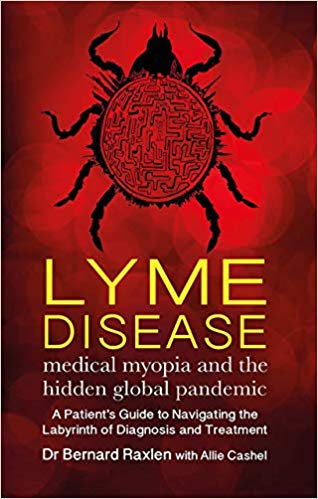
Lyme Disease: Medical Myopia & the Hidden Global Pandemic

Lyme Disease: Medical Myopia & The Hidden Global Pandemic

A Patient’s Guide to Navigating the Labyrinth of Diagnosis and Treatment

Coming out on August 30, 2019

51qYZzBhxjL._SX316_BO1,204,203,200_

What if, at this very moment, hundreds of thousands of people were unaware that they were living in midst of an epidemic so large that it dwarfs the AIDS epidemic by sheer numbers in North America?

What if this epidemic cut across all populations: women and men, children and adults, the infirm and the fit, the very poor and the very rich?

And what if many of our best doctors in cities like New York, London, Paris, Dublin, Sydney and San Francisco were unaware of this very same problem?

This epidemic is upon us. It lurks in the most seductive of locations outside our cities – sought after vacation places frequented by urban dwellers. These are the favorite getaway spots for the often millions of people who work in our city centers, many of whom are unaware that they are at risk of infection from this insidious microbe.

The epidemic in question is a tick-borne disease, namely the spirochete bacterium Borrelia burdorferi, or Lyme disease, as it is more commonly known. Along with a number of other co-infection pathogens, including deadly viruses, this bacterium has become the scourge of the Northern Hemisphere and is now spreading into Asia and even Australia.

In this book, Dr. Bernard Raxlen attempts to answer many of those questions through the perspectives of patients and physicians from around the world, exploring the reasons for the medical myopia that blocks accurate diagnosis and treatment of tick-borne disease. He draws on his thirty years in the field and more than forty thousand clinical hours listening to and treating TBD patients and also invites other expert physicians in TBD from around the world to share their experiences and expertise. His recovered former patient, co-collaborator and Lyme advocate, Allie Cashel, author of Suffering the Silence: Chronic Lyme Disease in an Age of Denial, contributes a section of the book, illuminating life after TBD and the difficulties encountered in the post-Lyme world.

Also includes contributions from international authorities Dr. Laura Alonso Canal (Spain), Dr. Jennifer Armstrong (Canada), Michael Cook (UK), Doug Fearn (US), Dr. John Lambert (Ireland), Jenna Luché-Thayer (United Nations), Dr. Mualla McManus (Australia), Zhaneta Misho (Germany), Dr. Omar Morales (Mexico), Dr. Christian Perrone (France), Dr. Armin Schwarzbach (Germany), and Dr. Leo Shea (US); with illustrations by Rolo Ledesma.

Coming out August 30, 2019.  To preorder:  https://www.amazon.com/Lyme-Disease-Medical-Myopia-Epidemic/dp/1781611300

__________________

For a great paper titled “Double Rejection of the TBD Patient With Psychiatric Symptoms,” written by Dr. Raxlen: Raxlen’s paper on TBD’s

Favorite quote:

An untreated or partially treated Lyme patient is reminiscent of a disoriented train traveler in a Kafka-like scenario. The traveler wishes to board a train on the East Coast with the intention of reaching the West Coast. However, once arrived at the train station, the traveler can’t find the “right boarding track.” The information given to him concerning “schedules and time” is hopelessly “outdated” and inaccurate. In addition, the “information booth” official continues to direct him to the wrong gate. The conductor on the platform denies the existence of such a train ever traveling to the West Coast. The traveler, hopelessly confused, finally boards the correct train that appears to head to the West Coast. Halfway through the journey, he is told that his destination has been reached. He is instructed to get off the train. Little wonder, the “traveler” is disoriented, feels crazy, and begins to doubt the reality of his/her own senses. After all, if the supposed successful course of treatment does not improve, the patient’s symptoms are no better off at the end than he was at the beginning.Dr. Raxlen

Does Alzheimer’s Disease Stem From Infection? Scientists Debate & One Company Targets Gingivitis Bacterium to Slow Alzheimer’s Progression

https://www.medpagetoday.com/meetingcoverage/aaic/81065

Does Alzheimer’s Disease Stem From Infection?

Scientists debate, and one company targets gingivitis bacterium to slow Alzheimer’s progression

LOS ANGELES — Is there an infectious link to Alzheimer’s disease?

That’s a question of debate, and opinion was divided at the 2019 Alzheimer’s Association International Conference (AAIC) now underway here.

“Ideas in this area of research are still evolving; there is now growing evidence that microbes such as bacteria and viruses may play a role in degenerative brain diseases such as Alzheimer’s,” said Maria Carillo, PhD, chief science officer of the Alzheimer’s Association.

New research suggests infectious agents may be triggering immune reactions related to plaques and tangles and that loss of cognitive function in Alzheimer’s disease may stem from several different disease processes in the brain, not just one, she added.

A common virus coupled with a genetic factor — namely herpes simplexvirus 1 (HSV-1) and the APOE4 gene — can create a major risk for Alzheimer’s disease, noted Ruth Itzhaki, PhD, of the University of Manchester in England. The viral concept of Alzheimer’s proposes that HSV-1 in the brain of APOE4 carriers accounts a high percentage of Alzheimer’s cases. It postulates that HSV-1 travels to the brain earlier in life and establishes a latent infection that, when activated, “leads to viral damage in infected cells and viral-induced inflammation,” she said.

Recent studies have found an increased abundance of human herpesvirus6A (HHV-6A), HHV-7, HHV-6B, and HSV-1 in post-mortem Alzheimer’s disease brains, said Ben Readhead, MBBS, of Arizona State University in Tempe.

“These findings indicate that these species are capable of perturbing host cellular networks that are central to the pathogenesis of Alzheimer’s disease and offer testable hypotheses to guide further evaluation of the pathogen hypothesis of Alzheimer’s,” Readhead noted.

But associations seen in laboratory and epidemiological studies do not demonstrate causality, “and in fact, reverse causation must be considered more likely,” said Todd Golde, MD, PhD, of the University of Florida in Gainesville.

While neurodegeneration or other states “may very well enable slight reactivation of latent viruses present in many human brains” and there’s strong evidence that an additional hit from an infection can impair cognition, there’s no evidence for causality, he observed. “Trying to pin an infectious origin of Alzheimer’s disease on a virus or a bacteria may distract the field from more impactful research,” he said.

And open questions still need to be answered, said Michael Heneka, MD, PhD, of University Hospital Bonn in Germany. “The precise time point in the pathogenesis of Alzheimer’s at which bacteria may enter the brain needs to be determined, since these phenomena may present just late-stage events,” he said. “Furthermore, it remains elusive how bacteria would overcome the intrinsic innate immune defense of microglia that usually shield the brain from such invasion.”

One group looking for a causal link is testing whether targeting Porphyromonas gingivalis bacteria can slow or halt the progression of Alzheimer’s disease. In the GAIN trial, researchers from the biotech company Cortexyme are studying COR388 — an oral agent that inhibits gingipain proteases secreted by P. gingivalis, the culprit behind degenerative gum disease — in people with mild to moderate Alzheimer’s disease.

Earlier research identified the bacterium in brains and cerebrospinal fluid of people with Alzheimer’s disease, said Michael Detke, MD, PhD, Cortexyme’s chief medical officer, who reviewed the science behind the study at AAIC. Moreover, levels of gingipain proteases correlate with tau and ubiquitin pathology, Detke told MedPage Today.

Studies of wild type mice showed that oral infection with P. gingivalis invaded the brain and led to plaques, inflammation, and the loss of hippocampal neurons — effects which were blocked when the animals received COR388.

The drug was rapidly absorbed and well-tolerated in a phase I study of 24 older healthy volunteers. A smaller study of nine people with Alzheimer’s disease — six taking COR388 and three taking placebo – showed patients treated with the drug trended toward better memory scores and exhibited improvements in verbal skills, using more prepositions in their speech patterns over 28 days.

People taking COR388 also had reduced protein fragmentation and roughly 30% lower levels of inflammation, Detke said. The phase II/III GAIN trial in 570 Alzheimer’s patients in the U.S. and Europe is underway, with ADAS-Cog11 change at 48 weeks as the primary endpoint. Top-line results are expected late in 2021.

Itzhaki and Readhead reported no disclosures. Heneka reported relationships with IFM Therapeutics, Alector, Schering, Pfizer, Novartis, Roche, Abbvie, and Biogen, and is a co-inventor on patents and patent applications relating to Alzheimer’s diagnostics and therapeutics. Golde reported relationships with ProMIS Neuroscience, Eli Lilly, Novartis, Bristol Myers Squib, Abbvie, Lundbeck, Biogen, and Pfizer; he is a co-inventor on multiple patents and patent applications relating to Alzheimer’s therapeutics. Detke is an employee of Cortexyme.

________________

For more: https://madisonarealymesupportgroup.com/2019/04/09/the-diagnosis-is-alzheimers-but-thats-probably-not-the-only-problem/

https://madisonarealymesupportgroup.com/2019/03/09/researchers-identify-herpes-1-chlamydia-pneumoniae-several-types-of-spirochaete-as-major-causes-of-alzheimers/

https://madisonarealymesupportgroup.com/2017/01/18/a-bug-for-alzheimers/

https://madisonarealymesupportgroup.com/2016/06/09/alzheimers-byproduct-of-infection/

https://madisonarealymesupportgroup.com/2016/11/17/antibiotics-and-alzheimers/

https://madisonarealymesupportgroup.com/2016/06/03/borrelia-hiding-in-worms-causing-chronic-brain-diseases/

https://madisonarealymesupportgroup.com/2018/03/25/a-brief-history-of-neuroborreliosis-research-dementia-an-inside-look-at-two researchers/https://madisonarealymesupportgroup.com/2016/11/17/alzheimers-lyme