Archive for March, 2018

Madagascar Lemurs – 96% Had Babesia, 36% Neoehrlichia, & 14.5% Borrelia

https://www.ncbi.nlm.nih.gov/pubmed/29477959

Ticks Tick Borne Dis. 2018 Feb 17. pii: S1877-959X(17)30454-5. doi: 10.1016/j.ttbdis.2018.02.012. [Epub ahead of print]

Molecular surveillance of novel tick-borne organisms in Madagascar’s lemurs.

Qurollo BA1, Larsen PA2, Rakotondrainibe HH3, Mahefarisoa K4, Rajaonarivelo T5, Razafindramanana J3, Breitschwerdt EB1, Junge RE6, Williams CV7.

Abstract
The discovery and characterization of emerging tick-borne organisms are critical for global health initiatives to improve animal and human welfare (One Health). It is possible that unknown tick-borne organisms underlie a subset of undiagnosed illness in wildlife, domesticated species, and humans. Our study lends support to the One Health concept by highlighting the prevalence of three blood-borne organisms in wild lemurs living in close proximity to domesticated species and humans. Previously, our team identified three novel, presumably tick-borne, intravascular organisms, belonging to the genera Babesia, Borrelia, and Neoehrlichia, circulating in two of Madagascar’s lemur species. Here, we extend our previous observation by developing a targeted molecular surveillance approach aimed at determining the prevalence of these organisms in lemurs. Using quantitative PCR, we provide Babesia, Borrelia, and Neoehrlichia prevalence data for 76 individuals comprising four lemur species located in eastern Madagascar. Our results indicate a high prevalence (96%) of Babesia across sampled individuals with lower prevalences for Neoehrlichia (36%) and Borrelia (14.5%). In light of our results, we recommend additional studies of these tick-borne organisms to determine pathogenicity and assess zoonotic potency to other animals and humans in Madagascar.

_____________

For more:  https://madisonarealymesupportgroup.com/2017/07/01/one-tick-bite-could-put-you-at-risk-for-at-least-6-different-diseases/

https://madisonarealymesupportgroup.com/2018/02/16/tbd-serochip-will-identify-six-tick-borne-pathogens/


AAP Michigan Director Clueless About Vaccine Risks

https://jameslyonsweiler.com/2018/03/06/dear-dr-holtrop-and-aap-i-dont-know-and-just-following-orders-is-not-an-acceptable-position-for-pediatricians-on-vaccine-contents-and-vaccine-risk/

Dear Dr. Holtrop and AAP: “I Don’t Know” and “Just Following Orders” Are Not Acceptable Positions for Pediatricians on Vaccine Contents and Vaccine Risk

by jameslyonsweiler

DR. TERESA HOLTROP, the Michigan Director of the American Academy of Pediatrics (AAP), recently testified in a case in Michigan in which a mom objects to vaccination based on two points:

  • (1) She is religious, and does not want to have products made cells derived from aborted fetuses injected into her daughter, and
  • (2) She is concerned that her daughter may be at increased risk of adverse events due to the very high penetrence of autoimmune disorders in her family.

Holtrop was brought to the case as a witness for the father, who claims he wants his daughter vaccinated. In reality, vaccination for him is a convenience issue added to this case over child support, of which he is failing to pay; the father never tried to have his daughter vaccinated until the child support debt began adding up.

By any analysis, Holtrop’s testimony was a disaster for the father’s position. Holtrop admitted that cells from aborted fetuses are used in vaccines (if there is any doubt in your mind, see this: Fetal-DNA-in-Vaccines-Utah-June-3-2017: https://lifebiomedguru.files.wordpress.com/2018/03/fetal-dna-in-vaccines-utah-june-3-2017.pdf and watch this https://www.youtube.com/watch?v=dlqFQLLOTEU)

Holtrop also revealed that she does not have a sufficient amount of knowledge about vaccine risks and vaccine injury. She testified that she is not an expert on vaccine injury, and that she gets her information about vaccines from the CDC website.

Under US Federal Regulations, doctors must be able to communicate the benefits, and the risks of any medical procedure and then they must give their patients a choice after they have secured knowledge that they patient understands both the benefits and the risks.

Holtrop repeatedly stated that she “did not know” when counsel for the mother asked her questions related to vaccine risk.

The fact that the Director of one of our 50 states’ chapters of AAP does not know what she should know about vaccines is disturbing. The fact that Dr. Holtrop has been denying her patients informed consent for over 20 years is unacceptable.

What’s most amazing is that parents have entrusted AAP, by entrusting their own pediatricians. As a patient, you are entitled to have your child’s doctor calmly and professionally explain to you the known benefits – and risks – of each and every vaccine on the CDC schedule. Under US Regulations, you are entitled to be informed, each and every time, that every vaccine is experimental, that ongoing safety studies use adverse events and injuries that occur as a result of vaccination. You are entitled to know the rates of each and every type of adverse event that can occur. And you are entitled to refuse any medical procedure on behalf of your child if you deem the risk of adverse events unacceptable.

Some may claim that due to a clause in the 21st Century Cures Act that patients are not entitled to informed consent for vaccine safety studies; however, since the aim of the study in question is to determine the safety of the vaccine in question, the special clause in the 21st Century Cures Act cannot possibly apply because it can be invoked only in cases in which those running the trial have determined that the risk to the patient in minimal. The post-market surveillance studies are not covered by this clause because they either would not be occurring if the safety was truly known, or post-market surveillance studies are not really scientific studies. Pharma runs these studies, or pays for them, and so the fox in guarding the henhouse on vaccine safety. This is unacceptable.

For the Director of the AAP to cite The Nuremberg Defense demonstrates that the AAP has abdicated their responsibility to families in the US. Instead of pediatricians dismissing families from their practices so they can make their quotas and can receive $600 per child from Blue Cross/Blue Shield for every child who is up-to-date on the CDC schedule, US families should call out their pediatrician in editorials in newspapers and name the practices online in social media and warn other parents if the doctors fail to provide informed consent.

You can also inform the public at websites such as:

https://www.ratemds.com/

https://www.healthgrades.com

and other resources, listed here:  http://www.grouponehealthsource.com/blog/10-most-popular-physician-rating-and-review-sites

Sadly, parents expect hostility from any pediatrician who is challenged on their knowledge of vaccine risk. Some do not even know that thimerosal, which contains mercury, is in the flu shot. Or that they should hand the CDC’s Vaccine Information Sheets to parents PRIOR to vaccinating the child, and wait for them to read it, and then only vaccinate if the parent gives their consent.

Dr. Holtrop’s testimony provides ample evidence that pediatricians don’t know much about vaccine risk.

_____________

**Comment**

I don’t post these articles to stir up anger.  I do it because I truly believe vaccines are part of a perfect storm causing or exasperating chronic illness – Lyme/MSIDS included.

https://madisonarealymesupportgroup.com/2017/12/02/scottish-doctor-gives-insight-on-lyme-msids/ Dr. Lambert has treated a number of young women who fell ill after their HPV vaccination, which seems to have stimulated a latent Lyme infection to reactivate.

https://madisonarealymesupportgroup.com/2016/04/24/gardasil-and-bartonella/ Asymptomatic girls after receiving Gardasil activated dormant Bartonella which was confirmed by testing.

https://madisonarealymesupportgroup.com/2018/03/01/vaccines-could-contribute-to-disease-epidemics-due-to-retrovirus-contamination/  The manufacturing process involved in human and veterinary vaccines uses live animal and human cells to serve as master seed stock. The process was developed before the mechanisms of retroviruses were fully understood, which means that no one was aware of the risks at the time…..As new vaccines were developed in the 1970s, exposure to retroviruses intensified. These retroviruses have now been associated with many of the chronic illnesses modern humans are facing, from cancer and autism to Alzheimer’s and Chronic Fatigue Syndrome. It is believed that as many as 20 million Americans could be infected with retroviruses, but not all of them will go on to develop a serious illness. They can be thought of as sleeping giants, who are only awakened when there is an immune deficiency. (Such as after the bite of an infected tick)

More on retroviruses: https://madisonarealymesupportgroup.com/2017/10/15/vaccines-and-retroviruses-a-whistleblower-reveals-what-the-government-is-hiding/ What did microbiologist Judy Mikovitz get for exposing retroviruses in vaccines? She got jailed without a search warrant and publicly demolished by those who can’t stand exposure to the truth.

Every single Lyme/MSIDS patient I know relapsed after getting a vaccine.

Lastly, please note that the reason this whole issue came up was due to a divorce scenario.  A father not paying child support lashes out by demanding vaccination for the first time in the child’s history.

This is an important reason I support the Parental Rights Amendment:  https://madisonarealymesupportgroup.com/2017/04/20/why-we-need-the-parental-rights-amendment/

https://madisonarealymesupportgroup.com/2017/02/21/parental-rights-in-medical-settings/

https://madisonarealymesupportgroup.com/2017/10/10/refusal-to-vaccinate-child-gets-mom-jail-time-a-deeper-analysis/  The narrative is also suggesting that the family court process, when vaccination status is concerned, is a stone solid justice machine based on ‘settled vaccine science.’ The reality is that the judge and the court are taking a known and dangerous medical risk with another person’s child that they have no right to take. Do courts have the right to order an unavoidably unsafe medical intervention like vaccination in custody cases?


Asian Tick Found in New Jersey Can Kill Cattle by Draining them of Blood

http://www.businessinsider.com/ticks-from-asia-that-self-clone-found-in-us-2018-2?r=DE&IR=T

These invasive ticks can appear in such numbers that they drain cattle of their blood — and they’ve now been found in the US for the first time

Kevin Loria
Mar. 8, 2018

The tick in question is known in East Asia and has become a problem in New Zealand and Australia. Is it now in New Jersey?  Zheng et al, Korean Journal of Parasitology, 2011:  https://www.ncbi.nlm.nih.gov/pmc/articles/PMC3279682/

  • New Jersey health officials got an unpleasant surprise when they found a sheep infested with hundreds of ticks from an East Asian species that can clone itself.
  • The ticks are from the Haemaphysalis longicornis species, an invasive pest that has been known to appear in such numbers that they’ve killed cattle by draining them of blood.
  • The researchers are hoping that any remaining larvae died during the winter. If not, the species could become a problem.

New Jersey residents know they need to look out for ticks. The state has one of the highest concentrations of Lyme disease in the country.

But one recent finding could lead Garden State residents to keep an even closer eye out for the bloodsuckers than normal.

Somehow, an east Asian tick that has the ability to essentially clone itself and is a noted invasive species in other parts of the world made its way to Hunterdon County.

And it wasn’t just an isolated tick. There were more than 1,000 found in the western area of New Jersey.

The story began in August 2017, when a resident showed up at the Hunterdon County Health Department with samples of the ticks that had started crawling on her arm while she’d been shearing a sheep.

Health department officials noticed that the resident’s clothes were covered with the creatures, all tiny larval specimens.

“I get this call from my assistant and he said, ‘We’ve got a resident here who showed up covered in ticks; she’s panicking; now we’re panicking and her pants are in our freezer,'” Tadhgh Rainey, the head of the health department and lead author on a report documenting the incident, told NPR.

“Intense infestations”

The sheep’s ear alone had samples from all life stages of the tick.  Rainey et al, Journal of Medical Entomology, 2018:  https://academic.oup.com/jme/advancearticle/doi/10.1093/jme/tjy006/4840594

The researchers were able to tell that the ticks belonged to the Haemaphysalis genus, but the specimens didn’t match any known Western Hemisphere species. After further analysis, they identified the culprit: Haemaphysalis longicornis, a tick native to East Asia. The species can be parthenogenetic, meaning the ticks can reproduce asexually, essentially cloning themselves (this study provides more details on the unique reproductive processes of these particular ticks:  https://www.sciencedirect.com/science/article/pii/S0304401712002191?via%3Dihub).

Other regions of the world have had serious problems with this tick, which is capable of “intense infestations,” according to the study. Sometimes the insects have even killed animals by draining them of blood, a phenomenon known as exsanguination.

Isolated individual ticks of this species have been captured at border quarantine stations in the past, but this is the first known full-blown infestation in the US.

The infested “patient” in New Jersey was a 12-year-old Icelandic sheep.

Several department officials headed over to assess the animal, and as soon as they entered the paddock, ticks started to cover their pants.

The sheep itself had hundreds, in all three life stages — larva, nymph, and adult. The bugs covered its ears and face and had burrowed through its thick coat.

In one sample batch, the researchers only found one male, making it likely that this collection was a self-cloning one. The paddock was filled with larvae.

Several permethrin washes later, the sheep was found to be parasite free. After several visits, the paddock was eventually found to be tick-free on November 15 and 16. But the temperature had already dropped below freezing by then, and no one knows whether that killed the ticks or whether they just retreated into the soil, awaiting spring.

Questions and concerns

Are researchers going to need to add another tick to the list of species to look out for?

The big mystery is how the ticks got there. The sheep itself “had no history of travel outside the country,” the report authors noted. It hadn’t even traveled locally for a few years, and no other domestic animals live on the property.

There are, however, signs that deer and rabbits pass through the area. These ticks are known to infect similar animals, a fact that unfortunately opens the possibility that the pests could be lingering on other nearby creatures —and could start to spread.

“Ultimately there is great concern about the potential for an H. longicornis infestation in NJ, and this is being actively investigated, although the issue will likely not be settled before the spring of 2018, when any surviving ticks would exit diapause and begin host seeking,” the report’s authors wrote.

If these ticks are capable of surviving a Mid-Atlantic winter, that would be an unfortunate scenario. Not only are the pests capable of appearing in such numbers that they can literally drain animals of their blood, they can also bite people and carry disease.

In rural China, a bite from one of these ticks can spread an emerging hemorrhagic fever that can be deadly. These ticks are also known to carry diseases like Anaplasma, Ehrlichia, Borrelia, and a form of spotted fever, according to the study. Some researchers have suggested that the tick can transmit Lyme disease, too.

So while we don’t know for sure that they’d spread local diseases here, they appear (like many other ticks) to be capable of carrying a host of different pathogens. And as we’ve seen with the spread of ticks that carry Lyme disease, red meat allergy, and other illnesses, we have a hard time getting rid of ticks.

“[W]e advocate continued vigilance because even if this species is not already established in the United States, suitable hosts and habitats are common and widespread here,” the report’s authors wrote.

____________

For More:  https://madisonarealymesupportgroup.com/2018/03/01/asian-ticks-mysteriously-turn-up-in-new-jersey/

https://madisonarealymesupportgroup.com/2017/11/24/new-tick-discovered/

They’ve now found ticks bite each other potentially spreading pathogens to each other:  https://madisonarealymesupportgroup.com/2018/03/07/tick-bites-tick-hyperparasitism/

https://madisonarealymesupportgroup.com/2018/03/11/range-expansion-of-tick-disease-vectors-in-north-america-implications-for-spread-of-tick-borne-disease/

Forget Dracula.  We have ticks….


The Importance of Vitamin D, K, and Magnesium for Lyme/MSIDS Patients

https://articles.mercola.com/sites/articles/archive/2018/03/12/magnesium-vitamin-d-supplementation.aspx?

Without Magnesium, Vitamin D Supplementation May Backfire

Story at-a-glance

  • When taking high-dose vitamin D3, it’s important to also take extra vitamin K2 and magnesium to avoid complications associated with excessive calcification
  • Magnesium, the fourth most abundant mineral in your body, is a component necessary for the activation of vitamin D, and without sufficient amounts of it, your body cannot properly utilize the vitamin D you’re taking
  • As many as 50 percent of Americans taking vitamin D supplements may not get significant benefit, as the vitamin D simply gets stored in its inactive form due to magnesium deficiency
  • The only way to determine how much sun exposure is enough and/or how much vitamin D3 you need to take is to measure your vitamin D level, ideally twice a year
  • To assess your magnesium level, check your RBC magnesium level and track signs and symptoms of magnesium insufficiency to determine how much magnesium you need. Low potassium and calcium are also common laboratory signs indicating magnesium deficiency

By Dr. Mercola

I’ve previously written about the importance of taking vitamin K2 when you’re taking high-dose supplemental vitamin D to avoid complications associated with excessive calcification in your arteries. Now, research highlights the vital importance of taking magnesium in combination with vitamin D as well.

Magnesium, the fourth most abundant mineral in your body, is a component necessary for the activation of vitamin D, and without sufficient amounts of it, your body cannot properly utilize the vitamin D you’re taking.1,2,3,4

This may actually help explain why many need rather high doses of vitamin D to optimize their levels — it could be that they simply have insufficient amounts of magnesium in their system to activate the vitamin D. As noted by co-author Mohammed Razzaque, professor of pathology at Lake Erie College of Osteopathic Medicine in Pennsylvania:5

“People are taking vitamin D supplements but don’t realize how it gets metabolized. Without magnesium, vitamin D is not really useful. By consuming an optimal amount of magnesium, one may be able to lower the risks of vitamin D deficiency, and reduce the dependency on vitamin D supplements.”

Without Additional Magnesium, Vitamin D Supplementation May Be Ineffective

According to this scientific review,6 as many as 50 percent of Americans taking vitamin D supplements may not get significant benefit, as the vitamin D simply gets stored in its inactive form. As reported in the press release by the American Osteopathic Association:7

“… [C]onsumption of vitamin D supplements can increase a person’s calcium and phosphate levels even if they remain vitamin D deficient. The problem is people may suffer from vascular calcification if their magnesium levels aren’t high enough to prevent the complication. Patients with optimum magnesium levels require less vitamin D supplementation to achieve sufficient vitamin D levels …

Deficiency in either of these nutrients is reported to be associated with various disorders, including skeletal deformities, cardiovascular diseases, and metabolic syndrome. While the recommended daily allowance for magnesium is 420 mg for males and 320 mg for females, the standard diet in the United States contains only about 50 percent of that amount. As much as half of the total population is estimated to be consuming a magnesium-deficient diet.”

Higher Magnesium Intake Lowers Risk of Vitamin D Deficiency

Indeed, previous research has indicated that higher magnesium intake helps reduce your risk of vitamin D deficiency — likely by activating more of it. As noted in one 2013 study:8

“Magnesium plays an essential role in the synthesis and metabolism of vitamin D and magnesium supplementation substantially reversed the resistance to vitamin D treatment in patients with magnesium-dependent vitamin-D-resistant rickets … High intake of total, dietary or supplemental magnesium was independently associated with significantly reduced risks of vitamin D deficiency and insufficiency respectively.

Intake of magnesium significantly interacted with intake of vitamin D in relation to risk of both vitamin D deficiency and insufficiency. Additionally, the inverse association between total magnesium intake and vitamin D insufficiency primarily appeared among populations at high risk of vitamin D insufficiency.

Furthermore, the associations of serum 25(OH)D with mortality, particularly due to cardiovascular disease and colorectal cancer, were modified by magnesium intake, and the inverse associations were primarily present among those with magnesium intake above the median. Our preliminary findings indicate it is possible that magnesium intake alone or its interaction with vitamin D intake may contribute to vitamin D status.”

Vitamin D Lowers Mortality Risk Associated With Heart Disease

Vitamin D, a steroid hormone, is vital for the prevention of many diseases, including but not limited to Type 2 diabetes, age-related macular degeneration (the leading cause of blindness), Alzheimer’s disease, heart disease and well over a dozen different types of cancer (including skin cancer). Vitamin D also exhibits its infection-fighting abilities in the treatment of tuberculosis, pneumonia, colds and flu.

Studies have also linked higher vitamin D levels with lowered mortality from all causes.9,10,11 Most recently, a Norwegian study12 published in the Journal of Clinical Endocrinology and Metabolism found “a normal intake of vitamin D” significantly reduces your risk of death if you have cardiovascular disease.13

About 4,000 patients diagnosed with stable angina pectoris (chest pain caused by coronary heart disease) were followed for 12 years. The average age at the outset of the study was 62. Overall, those with vitamin D blood levels between 16.8 and 40 ng/mL (42 to 100 nmol/L) had the lowest mortality risk.

Evidence Suggests Higher Vitamin D Levels Are Better

Interestingly, these findings are actually at odds with mounting research showing 40 ng/mL is at the low end of optimal. The new target is 60 to 80 ng/mL, but even a level upward of 100 ng/mL appears safe and beneficial for certain conditions, especially cancer. For example:

  • Having a serum vitamin D level of 40 ng/mL has been shown to reduce your risk for cancer by 67 percent, compared to having a level of 20 ng/ml or less; most cancers were found to occur in people with a vitamin D blood level between 10 and 40 ng/mL14,15
  • Research published in 2005 showed women with vitamin D levels above 60 ng/mL had an 83 percent lower risk of breast cancer than those with levels below 20 ng/mL16
  • A 2007 study found women over 55 who raised their average serum level to 38 ng/mL lowered their risk of all invasive cancers, including breast cancer, by 77 percent17

Other recent research18 has also highlighted the importance of vitamin D for the prevention and treatment of heart disease, showing it plays a vital role in protecting and repairing damage to your endothelium. The findings also suggest vitamin D3:

  • Helps trigger production of nitric oxide — a molecule known to play an important signaling role in controlling blood flow and preventing blood clot formation in your blood vessels
  • Significantly reduces oxidative stress in your vascular system, which is important to help prevent the development and/or progression of cardiovascular disease

According to vitamin D researcher Dr. Michael Holick, author of “The Vitamin D Solution: A Three-Step Strategy to Cure Our Most Common Health Problem,” vitamin D deficiency — defined as a level below 20 ng/mL — can raise your risk of heart attack by 50 percent. What’s worse, if you have a heart attack while vitamin D deficient, your risk of dying is nearly guaranteed.

Vitamin D Levels Below 20 ng/mL Are Inadequate for Optimal Health

Vitamin D levels below 20 ng/mL have repeatedly been shown to raise your risk for a number of other problems as well, including depression19 and Type 2 diabetes. Research suggests 20 ng/mL is not even adequate for the prevention of osteomalacia (softening of your bones).

In the case of depression, having a vitamin D level below 20 ng/mL will raise your risk by as much as 85 percent, compared to having a level above 30 ng/mL,20 and evidence suggests vitamin D deficiency may be a significant driver of the rise we see in both mood and mental disorders such as psychotic21 and obsessive compulsive22disorders.

As for diabetes, an analysis23 by GrassrootsHealth reveals people with a median vitamin D level of 41 ng/mL have a diabetes rate of 3.7 per 1,000, whereas those with a median serum level of just 22 ng/mL have a diabetes rate of 9.3 per 1,000. In other words, raising your level above 40 ng/mL can lower your risk of Type 2 diabetes by nearly 60 percent.

All in all, there’s very little reason to believe that a level as low as 16 ng/mL would be protective against death if you have heart disease.

Research also shows higher vitamin D levels can help prevent and/or treat:

Dry eye syndromes24,25 and macular degeneration26,27
Autoimmune diseases, including psoriasis
Gastrointestinal diseases28
Infectious diseases, including influenza and HIV29,30
Inflammatory rheumatic diseases31 such as rheumatoid arthritis
Osteoporosis and hip fractures
Neurological diseases such as Alzheimer’s disease32,33 and epilepsy. In one study,34 epileptics given a one-time megadose of vitamin D3, ranging from 40,000 IUs all the way up to 200,000 IUs, followed by a daily dose of 2,000 to 2,600 IUs a day for three months to bring each individual’s vitamin D status to at least 30 ng/mL, resulted in significant improvements.

Ten out of 13 had a decrease in the number of seizures, five of which experienced more than a 50 percent reduction. Overall, the group had a 40 percent reduction in the number of seizures.

Lupus. According to researchers in Cairo,35 most patients with systemic lupus erythematosus have some level of vitamin D deficiency, defined as a level of 10 ng/mL or less, or insufficiency, a level between 10 and 30 ng/mL.
Obstructive sleep apnea. In one study, 98 percent of patients with sleep apnea had vitamin D deficiency, and the more severe the sleep apnea, the more severe the deficiency.36
Falls, fractures, dental health and more. A 2006 review37 looking at vitamin D intakes and health outcomes such as bone mineral density, dental health, risk of falls, fractures and colorectal cancer, found “the most advantageous serum concentrations of 25(OH)D begin at 30 ng/mL, and the best are between 36 to 40 ng/mL.”
Obesity. Research38 has shown vitamin D supplementation (4,000 IUs/day) combined with resistance training helps decrease your waist-to-hip ratio — a measurement that is far better at determining your risk for Type 2 diabetes and heart disease than body mass index.
Neurodegenerative diseases, including multiple sclerosis (MS).39,40,41 Research shows MS patients with higher levels of vitamin D tend to experience less disabling symptoms.42

Assess Your Vitamin D and Magnesium Levels

The best way to optimize your vitamin D level is through sensible sun exposure. Unfortunately, this can be difficult for many, especially during the winter season and/or if you live in northern regions. If you cannot obtain sufficient amounts of vitamin D through sun exposure, taking a supplement is recommended. Remember that the only way to determine how much sun exposure is enough and/or how much vitamin D3 you need to take is to measure your vitamin D level, ideally twice a year.

The D*Action Project by GrassrootsHealth is a cost-effective way to do this, while simultaneously progressing valuable research. To participate, simply purchase the D*Action Measurement Kit and follow the registration instructions included. To assess your magnesium level, check your RBC magnesium level and track signs and symptoms of magnesium insufficiency to determine how much magnesium you need. Low potassium and calcium are also common laboratory signs indicating magnesium deficiency.

The Interplay of Vitamin D, Calcium, Magnesium and Vitamin K2

When supplementing, also remember to take synergistic effects with other nutrients into account. If you take high-dose vitamin D, you may also need to increase your intake of:

  • Magnesium
  • Vitamin K2
  • Calcium

These four nutrients — vitamins D and K2, calcium and magnesium — all work in tandem, and rely on sufficient amounts of each to work optimally.Lack of balance between these four nutrients is why calcium supplements have become associated with increased risk of heart attack and stroke, and why some experience symptoms of vitamin D toxicity. Here’s a summary of some of the most important correlations between these nutrients:

Excessive vitamin D in combination with lack of vitamin K2 may cause overabsorption of calcium, which in turn may result in calcium deposits in your heart and kidneys. Part of the explanation for these adverse side effects is that vitamin K2 keeps calcium in its appropriate place — in your teeth and bones and out of soft tissues and arteries.

While the optimal ratios between vitamin D and vitamin K2 have yet to be established, taking somewhere between 100 to 200 micrograms (mcg) of K2 is beneficial. Telltale signs of vitamin K2 insufficiency include osteoporosis, heart disease and diabetes. You’re also more likely to be deficient if you rarely eat vitamin K2-rich foods (see listing below).

Vascular calcification is also a side effect of low magnesium, so when taking vitamin D3, you need both vitamin K2 and magnesium to make sure everything is working properly.

Maintaining an appropriate calcium-to-magnesium ratio is also important, as magnesium helps keep calcium in your cells so they can function better. Historically, mankind ate a diet with a calcium-magnesium ratio of 1-to-1,43 which is likely close to ideal.

Magnesium and vitamin K2 also complement each other, as magnesium helps lower blood pressure, which is an important component of heart disease.

Eat a Varied Diet and Get Sensible Sun Exposure

The take-home message is that anytime you’re taking supplemental magnesium, calcium, vitamin D3 or vitamin K2, you must take all the others into consideration as well. While supplements can be helpful in some instances, your best and safest bet is to simply eat more calcium-, magnesium- and vitamin K2-rich foods, along with sensible sun exposure.

Food-derived nutrition is typically going to be the most beneficial, and this is particularly true for calcium. When you take a biologically foreign form of calcium, or when your body’s ability to direct calcium to the right places becomes impaired (as when you are deficient in vitamin K2 and/or magnesium), calcium is deposited where it shouldn’t be, such as in your arteries. It’s more likely your body can use calcium correctly if it’s plant-derived calcium. Here’s a quick summary of foods known to be high in these important nutrients:

Vitamin K2

Grass fed organic animal products such as eggs and butter, fermented foods such as natto, goose liver pâté and vitamin K2-rich cheeses such as Brie and Gouda

Magnesium

Almonds and cashews, bananas, broccoli and Brussels sprouts, brown rice, free-range pastured egg yolk, flaxseed, grass fed raw milk, mushrooms, pumpkin seeds, sesame seeds, sunflower seeds and leafy green vegetables, especially spinach, Swiss chard, turnip greens, beet greens, collard greens, kale, Bok Choy and romaine lettuce

Calcium

Raw milk from grass fed cows (who eat plants), leafy green vegetables, the pith of citrus fruits, carob and wheatgrass

The Role of Vitamin D in Disease Prevention

A growing body of evidence shows that vitamin D plays a crucial role in disease prevention and maintaining optimal health. There are about 30,000 genes in your body, and vitamin D affects nearly 3,000 of them, as well as vitamin D receptors located throughout your body.

According to one large-scale study, optimal Vitamin D levels can slash your risk of cancer by as much as 60 percent. Keeping your levels optimized can help prevent at least 16 different types of cancer, including pancreatic, lung, ovarian, prostate and skin cancers.

How Vitamin D Performance Testing Can Help Optimize Your Health

Is it any wonder then that no matter what disease or condition is investigated, vitamin D appears to play a crucial role? This is why I am so excited about the D*Action Project by GrassrootsHealth. Dr. Robert Heaney is the research director of GrassrootsHealth and is part of the design of the D*action Project as well as analysis of the research findings.

GrassrootsHealth shows how you can take action today on known science with a consensus of experts without waiting for institutional lethargy. It has shown how by combining the science of measurement (of vitamin D levels) with the personal choice of taking action and, the value of education about individual measures that one can truly be in charge of their own health.

In order to spread this health movement to more communities, the project needs your involvement. To participate, simply purchase the D*Action Measurement Kit and follow the registration instructions included. (Please note that 100 percent of the proceeds from the kits go to fund the research project. I do not charge a single dime as a distributor of the test kits.)

As a participant, you agree to test your vitamin D levels twice a year during a five-year study, and share your health status to demonstrate the public health impact of this nutrient. There is a $65 fee every six months for your sponsorship of this research project, which includes a test kit to be used at home, and electronic reports on your ongoing progress. You will get a follow up email every six months reminding you “it’s time for your next test and health survey.”

To order:  https://shop.mercola.com/product/1090/vitamin-d-testing-kit-for-consumer-sponsored-research

________________

**Comment**

Great article showing how vitamins interact and often depend upon one another, which is why obtaining them naturally through food-choices is always safest; however, as this article points out, vitamin D is obtained by direct sunlight hitting the skin.  We Northerners don’t get enough making supplementation with D almost a necessity.  Please have your levels tested as D is a fat soluble vitamin that can build up in the body and become toxic.

It is my experience that Lyme/MSIDS patients here in Wisconsin are low in Magnesium as well as D and supplementation always helps them.

Interestingly, besides the plethora of things listed above, vitamin D supplementation has been shown to help Autism:  https://www.brainhealth2030.org/single-post/2018/03/10/First-Ever-Randomized-Clinical-Trial-Shows-Vitamin-D-Supplementation-Improves-Autism-Symptoms   The scientists reported significant improvements in autism symptoms and social maturity among the exposed group and no reported gains among the placebo group. Some of the improvements reported among the exposed children included reductions in irritability, hyperactivity, social withdrawal, and inappropriate speech. ATEC scoring among the exposed group was significantly improved notably in the scores relating to sociability, cognitive awareness, and behavior.

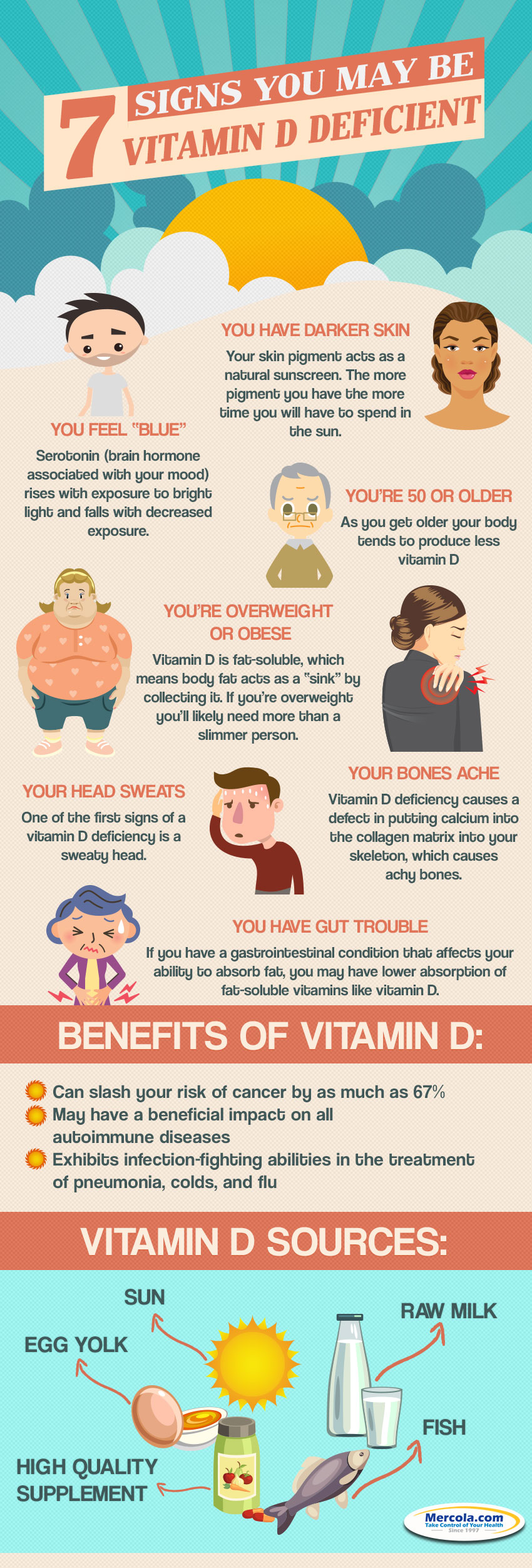
Vitamin D has also been found to reduce risk of cancer:  https://medicalxpress.com/news/2018-03-vit-d-cancer.html  “These findings support the hypothesis that vitamin D has protective effects against cancers at many sites,” the authors write.

More on Magnesium:  https://madisonarealymesupportgroup.com/2018/01/16/magnesium-an-invisible-deficiency/

https://madisonarealymesupportgroup.com/2017/09/29/epsom-salts-for-lymemsids/

More on Depression:  https://madisonarealymesupportgroup.com/2018/01/18/depression-not-caused-by-chemical-imbalance/


Range Expansion of Tick Disease Vectors in North America: Implications for Spread of Tick-Borne Disease

http://www.mdpi.com/1660-4601/15/3/478/htm

Range Expansion of Tick Disease Vectors in North America: Implications for Spread of Tick-Borne Disease

Int. J. Environ. Res. Public Health 2018, 15(3), 478; doi: 10.3390/ijerph15030478

Daniel E. Sonenshine 1,2
Published: 9 March 2018

Abstract : Ticks are the major vectors of most disease-causing agents to humans, companion animals and wildlife. Moreover, ticks transmit a greater variety of pathogenic agents than any other blood-feeding arthropod. Ticks have been expanding their geographic ranges in recent decades largely due to climate change. Furthermore, tick populations in many areas of their past and even newly established localities have increased in abundance. These dynamic changes present new and increasing severe public health threats to humans, livestock and companion animals in areas where they were previously unknown or were considered to be of minor importance. Here in this review, the geographic status of four representative tick species are discussed in relation to these public health concerns, namely, the American dog tick, Dermacentor variabilis, the lone star tick, Amblyomma americanum, the Gulf Coast Tick, Amblyomma maculatum and the black-legged tick, Ixodes scapularis. Both biotic and abiotic factors that may influence future range expansion and successful colony formation in new habitats are discussed.
_____________

**Comment**

The introduction to this paper points out ticks cause 95% of the vector-borne diseases reported annually in the U.S., and out of 900 species, about 25 are causing the damage.

Interestingly, the author states vector ticks have a well-defined geographic range due mostly to environmental factors; however, this “rule” of thumb” continues to be broken day after day.  Plainly stated, ticks that shouldn’t be in certain areas now are.  This of course means animals and people are going to be infected.  

But to be honest, this “rule of thumb” has been broken repeatedly in the past but because researchers and the CDC stated only certain ticks are in certain locations, people were dismissed and they limped away undiagnosed and untreated and went on to develop severe illness.

Here’s an example:  https://madisonarealymesupportgroup.com/2017/10/06/remembering-dr-masters-the-rebel-for-lyme-patients-who-took-on-the-cdc-single-handedly/  In short, there’s a lot of unbelievable things that went on to deny Lyme was in the South.

Recently, Asian ticks popped up in New Jersey – a tick, by the way, that clones itself:  https://madisonarealymesupportgroup.com/2018/03/01/asian-ticks-mysteriously-turn-up-in-new-jersey/  Now that’s not supposed to happen…..but happen it did.

Another recent development is the discovery that ticks bite ticks:  https://madisonarealymesupportgroup.com/2018/03/07/tick-bites-tick-hyperparasitism/  The take home here is that ticks could theoretically pass pathogens on to each other as well as the fact,

“Male ticks that were infected with a pathogen or parasite—(such as Lyme disease spirochetes or Babesia protozoans—previously during their life cycle, by feeding on an infected host, could transmit these pathogens to female ticks during hyperparasitism. Female ticks could then transfer these pathogens or parasites to their progeny by transovarial transmission,” Durden says. “Although we don’t know yet if pathogen or parasite transmission occurs between I. angustus ticks by these mechanisms, if it does occur, this could have epidemiological significance by amplifying the number of infected ticks.”

And lastly, is the fact the CDC/IDSA/NIH STILL hasn’t acknowledged the implication of coinfections to the Lyme/MSIDS picture.  People go in, get their 21 days of doxycyline, and very well could be coinfected with things doxy will not kill – Babesia for instance.

They also still deny the possibility of many of these pathogens being sexually and congenitally transmitted:  https://madisonarealymesupportgroup.com/2018/02/06/lyme-in-the-southern-hemisphere-sexual-transmission/

https://madisonarealymesupportgroup.com/2018/02/26/transplacental-transmission-fetal-damage-with-lyme-disease/

And there are potentially other means of transmission as well…..

All together, these factors add up and build a mountain.  Meanwhile patients are at the bottom of the mountain with a fork to climb it.

And climate change has absolutely NOTHING to do with it:  https://madisonarealymesupportgroup.com/2017/08/14/canadian-tick-expert-climate-change-is-not-behind-lyme-disease/

https://madisonarealymesupportgroup.com/2017/07/08/global-warming-numbers-fudged/

https://madisonarealymesupportgroup.com/2017/07/25/brave-new-worlds-the-expanding-universe-of-lyme-disease/