https://www.betterhealthguy.com/episode114

In this episode, you will learn about the impact of mycotoxins on health, including antibody testing for mycotoxins.

Watch The Show

Listen To The Show

Find The Show

About My Guest

My guest for this episode is Dr. Andrew Campbell.  Thirty years ago, Andrew Campbell, MD started seeing many women who were sick from their silicone breast implants. Most of them eventually had their implants removed thinking it would solve their health problems, but it didn’t.  Dr. Campbell then connected with Dr. Pierre Blais in Canada, a PhD expert in breast implants.  His research had shown that many implants had molds in them.  He then started treating these patients with an antifungal medication, and they improved tremendously.  As his reputation grew, many people started to come see him because of molds growing in their home or workplace due to water damage.  Many had gone from doctor to doctor without getting any better.  These patients had all kinds of tests done, taken all kinds of pills and supplements, and countless were told “it’s all in your head”.  Dr. Campbell has helped well over 10,000 patients with health problems due to molds and mycotoxins. Everyone’s immune system is unique and different, like a fingerprint. That is why there is no one treatment, no one size fits all.  The key to the diagnosis and treatment is to see if a person has antibodies to mycotoxins from exposure to molds. These are toxins and have an exceedingly bad and toxic effect on health.  He has published his findings with people affected by molds and mycotoxins in medical journals and as chapters in medical books.  He has lectured on this subject at medical conferences all over the US, Canada, Mexico, and Europe.  In all, he has published over 90 studies; 19 of them on the effects of molds and mycotoxins in people.

Key Takeaways

  • What is the role of mold and mycotoxins in breast implant illness?
  • What is the role of mycotoxins in “chronic Lyme disease”?
  • Where in the body do mycotoxins have the most health-negating effects?
  • What are the symptoms of mycotoxicosis?
  • Do mycotoxins impact a fetus during pregnancy? Can they be passed to a child through breastfeeding?
  • What is MyMycoLab? What mycotoxin antibodies does it test for?
  • How long after an exposure should one wait to perform a MyMycoLab?
  • Do the result differentiate between current or past exposure?
  • Do mycotoxin antibody levels correlate to the severity of illness?
  • How long should one wait before repeating the MyMycoLab after addressing their exposure?
  • Can immune suppression or low immunoglobulins lead to false negative MyMycoLab results?
  • Is there a connection between IgE mycotoxin antibodies and MCAS?
  • How does antibody testing for mycotoxins different from looking for mycotoxins in urine?
  • Is removal from the exposure enough, or does fungal colonization in the body need to be considered as part of a treatment strategy?
  • How is autoimmunity potentially associated with mycotoxins explored?
  • How is mycotoxin-associated illness treated?

Connect With My Guest

http://MyMycoLab.com

[01:16:16] Thanks for listening to this BetterHealthGuy Blogcast with Scott, your Better Health Guy. To check out additional shows and learn more about Scott’s personal journey to better health, please visit BetterHealthGuy.com.

Disclaimer

The content of this show is for informational purposes only and is not intended to diagnose, treat, or cure any illness or medical condition. Nothing in today’s discussion is meant to serve as medical advice or as information to facilitate self-treatment. As always, please discuss any potential health-related decisions with your own personal medical authority.

__________________

**Comment**

Go to top link for written transcript.

For Dr. Campbell’s paper: Lyme vs Mycotoxicosis Editorial
https://nano-magazine.com/news/2020/3/19/rapid-coronavirus-test-promises-to-ease-strain-on-healthcare-systems  March 19, 2020

Excerpt:

A 15-minute coronavirus test is now available, and can ease the strain caused by the COVID-19 pandemic on healthcare systems across Europe, this comes as world leaders look for solutions to combat the disease.

Using easy to collect samples, the tests detect the IgM and IgG antibodies response to the coronavirus, to identify if patients have contracted COVID-19 within minutes of testing.

_______________

**Comment**

Everyone’s assuming COVID-19 tests are accurate, when research straight from China shows they are not:  https://madisonarealymesupportgroup.com/2020/03/21/study-shows-covid-19-testing-as-bad-as-lyme-msids-testing/  (Please see comment section as well)  There is a greater than 50% false positive rate and upwards to 80%!

Even the CDC states their PCR test has problems (labs can’t verify test performance):  https://www.cdc.gov/coronavirus/2019-ncov/about/testing.html

This article states a drawback to PCR is that it can’t identify people who went through an infection, recovered, and cleared the virus (This is true with Lyme disease testing as well): https://www.sciencemag.org/news/2020/02/singapore-claims-first-use-antibody-test-track-coronavirus-infections

Regarding PCR testing for COVID-19, pulmonologist & epidemiologist Dr. Wobarg states:

We are currently not measuring the incidence of coronavirus diseases, but the activity of the specialists searching for them.  https://www.wodarg.com

All this test is doing is giving inaccurate results more quickly.


https://www.sciencedirect.com/science/article/pii/S0264410X19313647?via%3Dihub

Volume 38, Issue 2, 10 January 2020, Pages 350-354

Influenza vaccination and respiratory virus interference among Department of Defense personnel during the 2017–2018 influenza season

Highlights

    • •We examined virus interference in a Department of Defense dependent population.•Vaccinated personnel did not have significant odds of respiratory illnesses.•Vaccinated personnel were protected against influenza.•Odds of

virus interference by vaccination

    varied for individual respiratory viruses.

Abstract

Purpose

Receiving influenza vaccination may increase the risk of other respiratory viruses, a phenomenon known as virus interference. Test-negative study designs are often utilized to calculate influenza vaccine effectiveness. The virus interference phenomenon goes against the basic assumption of the test-negative vaccine effectiveness study that vaccination does not change the risk of infection with other respiratory illness, thus potentially biasing vaccine effectiveness results in the positive direction. This study aimed to investigate virus interference by comparing respiratory virus status among Department of Defense personnel based on their influenza vaccination status. Furthermore, individual respiratory viruses and their association with influenza vaccination were examined.

Results

We compared vaccination status of 2880 people with non-influenza respiratory viruses to 3240 people with pan-negative results. Comparing vaccinated to non-vaccinated patients, the adjusted odds ratio for non-flu viruses was 0.97 (95% confidence interval (CI): 0.86, 1.09; p = 0.60). Additionally, the vaccination status of 3349 cases of influenza were compared to three different control groups: all controls (N = 6120), non-influenza positive controls (N = 2880), and pan-negative controls (N = 3240). The adjusted ORs for the comparisons among the three control groups did not vary much (range: 0.46–0.51).

Conclusions

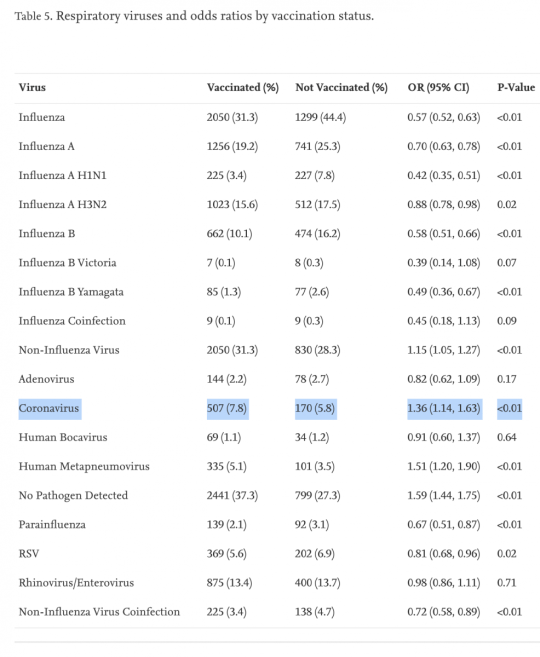
Receipt of influenza vaccination was not associated with virus interference among our population. Examining virus interference by specific respiratory viruses showed mixed results. Vaccine derived virus interference was significantly associated with coronavirus and human metapneumovirus; however, significant protection with vaccination was associated not only with most influenza viruses, but also parainfluenza, RSV, and non-influenza virus coinfections.

____________________

**Comment**

Screen Shot 2020-03-13 at 3_06_37 PM

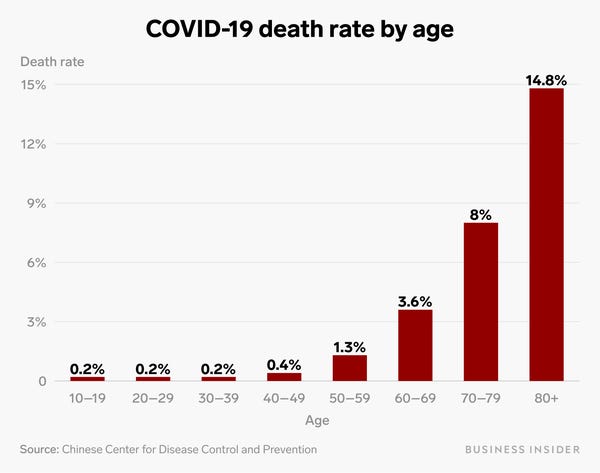
**Please note that seniors (the population pushed to get the flu shot) have the most recorded COVID-19 deaths**

Also, it’s important to mention that COVID-19 is mutating (as viruses tend to do): https://madisonarealymesupportgroup.com/2020/03/21/its-not-the-exact-same-virus-everywhere-in-the-world/

Due to this fact, we can look at the ineffectiveness of the flu vaccine (9% according to last year’s stats) due to the many strains as a very real potential similar outcome regarding a COVID-19 vaccine.

Lyme Disease and Mycotoxicosis: How to Differentiate Between the Two

Andrew W. Campbell, MD, Editor in Chief

Paper here:  Lyme vs Mycotoxicosis Editorial

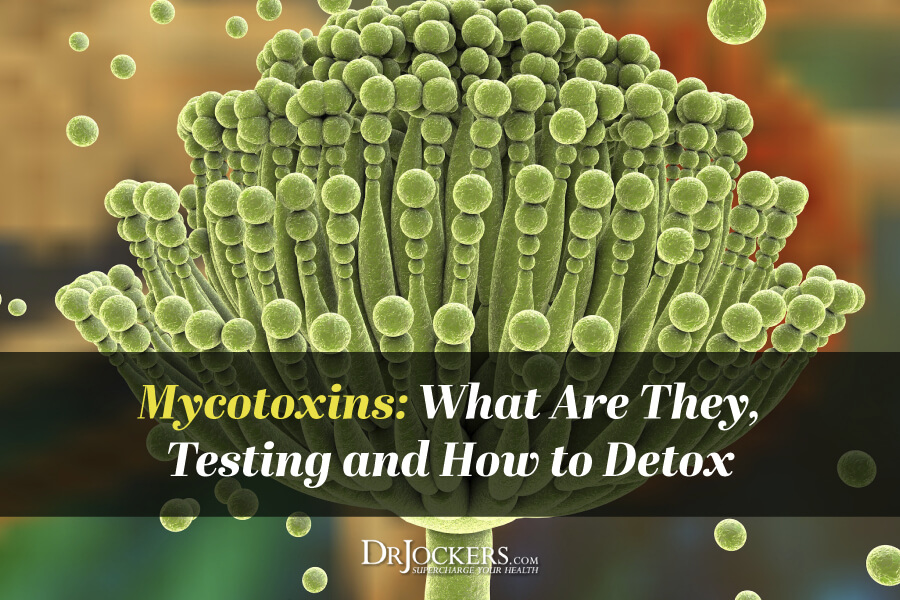
For another great read: https://drjockers.com/mycotoxins/

For more:  https://madisonarealymesupportgroup.com/2018/03/13/are-mold-mycotoxins-compromising-your-recovery/

https://madisonarealymesupportgroup.com/2019/10/25/dealing-with-lyme-disease-and-mold-illness-at-the-same-time/

https://madisonarealymesupportgroup.com/2019/11/30/is-there-life-after-mold/

https://madisonarealymesupportgroup.com/2018/10/15/home-invasion-mold-an-uninvited-unwelcome-guest/

https://madisonarealymesupportgroup.com/2018/10/14/got-mold/


https://oem.bmj.com/content/74/7/502

Occupational exposure to pesticides and other biocides and risk of thyroid cancer

Fanhua Zeng1,2, Catherine Lerro2, Jérôme Lavoué3, Huang Huang4, Jack Siemiatycki3, Nan Zhao2, Shuangge Ma5, Nicole C Deziel2, Melissa C Friesen6, Robert Udelsman7, Yawei Zhang2,4

Abstract

Objectives To assess the associations between occupational exposure to biocides and pesticides and risk of thyroid cancer.

Methods Using data from a population-based case–control study involving 462 incident thyroid cancer cases and 498 controls in Connecticut collected in 2010–2011, we examined the association with occupational exposure to biocides and pesticides through a job-exposure matrix. We used unconditional logistic regression models to estimate OR and 95% CI, adjusting for potential confounders.

Results Individuals who were occupationally ever exposed to biocides had an increased risk of thyroid cancer (OR=1.65, 95% CI 1.16 to 2.35), and the highest risk was observed for the high cumulative probability of exposure (OR=2.18, 95% CI 1.28 to 3.73). The observed associations were similar when we restricted to papillary thyroid cancer and well-differentiated thyroid cancer. Stronger associations were observed for thyroid microcarcinomas (tumour size ≤1 cm). No significant association was observed for occupational exposure to pesticides.

Conclusions Our study provides the first evidence linking occupational exposure to biocides and risk of thyroid cancer. The results warrant further investigation.

View Full Text

_________________
**Comment**
Biocides are disinfectants, antiseptics, and preservatives.  For the 23 different types, see:  https://copublications.greenfacts.org/en/biocides-antibiotic-resistance/figtableboxes/12.htm
Of particular concern are human hygiene products, in-can preservatives, insecticides (acaricides – arthropod control), repellents, and food preservatives.
Regarding insecticides/acaricides, always cover your body when spraying, wear gloves, and stand so that the sprays do not come back on you.  Avoid breathing sprays into lungs.