Is the Sky Truly Going to Fall For Patients With the ‘Untreatable’ Form of Lyme Disease?

0dd86-theskyisfalling

By Alicia Cashman MS, Lyme patient and advocate

4/29/19

Recently an article appeared in Newsweek titled,“Untreatable Form of Lyme Disease Could Hit 2 Million Americans By 2020, Scientists Warn”(1). The title of this article is misleading at best and inaccurate at worst and will mislead many to falsely believe that Lyme disease cannot be treated properly.

If you are new to the world of Lyme, please understand there is huge polarity in the medical and research communities on nearly every single aspect of it.  Disagreements on definitions, testing, diagnosis & treatment, and even on an understanding of the very organism itself abound. Thousands, possibly millions of patients are left alone to suffer in the fray with doctors too afraid to even treat them (2).

Lyme disease, around since the beginning of time, was “discovered” over 40 years ago by William Burgdorferi, but since then research has been scant and controlled by a highly vested group of individuals with patents on everything from test kits and vaccines, to other metabolomics (3). There are currently two lawsuits against the Centers of Disease Control (CDC) for the mishandling (4,5). The CDC completely ignores credible animal and foreign studies, continues to fixate on the acute phase, only supports its own research, and is run by what many call, “The Cabal.”

On the opposite end of the pendulum from the CDC and Infectious Disease Society of America (IDSA) is the International Lyme and Associated Diseases Society (ILADS), a group that despite persecution by state medical boards abiding by the antiquated and unscientific CDC criteria, dare to treat patients appropriately. While the CDC states that 21 days of doxycycline will essentially “cure” Lyme disease at every stage, yet denying that people can be chronically/persistently infected, ILADS states this disease is far more complex and requires many nuances to treatment. Recent research supports their stance.

Just last year, Garg et al. stated in their groundbreaking paper, “Our findings recognize that microbial infections in patients suffering from TBDs (tick borne diseases) do not follow the one microbe, one disease Germ Theory as 65% of the TBD patients produce immune responses to various microbes” (6). This polymicrobial aspect is completely ignored by the CDC/IDSA, yet research has shown patients that are infected with numerous pathogens have more severe disease of longer duration, not to mention the need for different medications for a longer period of time due to the stealthy nature of the pathogens but also due to immune suppression (7).

Garg et al. also highlighted the fact that borrelia is pleomorphic, which simply means that it has the ability to shape-shift when it feels threatened (6). Pleomorphism is also completely denied by the CDC. There are essentially four forms borrelia can take: spirochete, cell wall, non-cell wall (cyst or dormant form), and biofilm (a protective colony). At least two studies to date demonstrate that the CDC’s mono-therapy of doxycycline may actually push borrelia into the non-cell wall/dormant form to reemerge later when conditions are opportune (8,9). This could very well cause or exacerbate brain diseases such as Alzheimer’s, dementia, ALS, Parkinson’s, and many others (10). Patients have been misdiagnosed with these diseases only to find out much later that they are in fact infected with Lyme and/or the other pathogens that come with it (11). Once they start proper antimicrobial treatment effectively dealing with all the pathogens, these symptoms disappear altogether or improve dramatically.

Drilling this home further, Pathologist Alan MacDonald found borrelia (Lyme) DNA in 7 out of 10 brain specimens in patients who died from Alzheimer’s, and Dr. Klinghardt has gone on record stating that he’s never had a single patient with Alzheimer’s, ALS, Parkinson’s, or MS who didn’t test positive for Lyme (12). 

Most of the quibbling is over patients who remain with symptoms, and despite what the CDC states, there’s a lot of them.

Recently, microbiologist Holly Ahern wrote about this issue of persistent symptoms clearly delineating that the CDC and mainstream researchers have been quoting and utilizing an inaccurate statistic about this important but neglected group (13). She states that the CDC’s usage of 10-20% of patients who remain with symptoms, whom the CDC labels Post Treatment Lyme Disease Syndrome (PTLDS), only includes patients who were diagnosed and treated quickly. It does not and should not include a much larger group who are infected for weeks to years before getting a proper diagnosis and treatment. Research shows this second group to be 30-40% of patients. Simply adding the two groups, reveals that 60% of Lyme patients end up with chronic symptoms. This higher percentage more accurately reflects what I see as a patient advocate. Simple math also shows that if the CDC estimates state that there are over 400,000 new cases of Lyme disease each year (more than double that of breast cancer), that means more than 24,000 will have continuing symptoms. This is per year – mind you.

This crucial issue has been denied by the CDC, and is important not only from the standpoint that 5.8 million Americans are living with Alzheimer’s, and dementia deaths have doubled in the last two decades (14), both of which could be caused or exacerbated by Lyme disease and/or the various coinfections that come with it, but because only certain drugs work on the various forms of borrelia as well as these coinfections. In fact, besides potentially pushing the spirochetal form into the cyst form to reemerge later, the CDC mono-therapy of doxycycline only works on two of the four forms (8). The remaining forms necessitate different drugs and potentially a longer treatment time – far longer than days. Bizzarely, my own dog with asymptomatic Lyme disease was treated for months by our veterinarian. 

The other glaring issue is that the falsely skewed low percentages do not accurately reflect the numbers of those suffering with debilitating symptoms, which will automatically place it further down the pipeline of crucial research needing to be done. It’s the proverbial “Catch-22” with sick patients left to cope.

For the Newsweek article to state that this is an “untreatable” form of Lyme is a tad bit early since the CDC doesn’t even recognize pleomorphism, the polymicrobial nature of the disease, and that borrelia can even persist. While researchers, mainly from outside the U.S., have published studies on all these factors, the U.S. sits idly by, only doing yet again more research on the acute phase with faulty study parameters, and the continued CDC stance of using a simplistic mono-therapy that potentially could very well make patients worse-off in the long run. My own experience and that of many, many others is that we wouldn’t be alive today without treatment given by experienced practitioners utilizing judiciously applied and varied long-term antimicrobials.

I must add here that this is a far more herculean issue than it appears at first blush. Due to the CDC guidelines, doctors for decades have been persecuted by State Medical Boards for utilizing anything outside these literal mandates. My own doctor had to pay fifty-thousand dollars in legal fees to keep his practice (15). He’s far from alone. This is happening all over the U.S. as well as in other countries (2), and it’s often insurance companies turning them in.

Recently, I wrote an article about experienced and successful treatment nuances after Dr. Joseph Burrascano created a video for ILADS (16). In it, he not only lays out the sordid and politically motivated details of the history surrounding Lyme disease, but explains his in house studies performed with other health professionals to determine antibiotic efficacy utilizing microscopy. Let’s just say it’s a far cry more complex than 21 days of doxycycline which for the knottiness of Lyme disease and it’s coinfections is akin to throwing sand into the ocean.

While I’m thankful journalists are writing about this very real 21st century plague that has become a true pandemic, I hope they start doing their homework and report the fact this disease has been downplayed, denied, and mishandled for decades. The author of the Newsweek article not only used yellow journalism but erroneously used a picture of an American dog tick/wood tick that while capable of transmitting numerous pathogens, to date does not even transmit Lyme disease. Few journalists are studying the contradictory science and presenting both sides. Most articles read as CDC/IDSA propaganda, and that propaganda is killing people.

With all that is coming out on the seriousness of Lyme disease, the increasingly high infection rates, and the continued suffering of so many, the CDC, NIH, IDSA, and the big-name institutions working with them blithely continue on the same short-sighted road without blinking, while patients are still unable to get a proper diagnoses and treatment (17), and are still being told, “It’s all in your head”(18,19, 20).

The sky is going to fall for those with Lyme disease if authorities continue to ignore worldwide research and fail to act on discoveries that show this plague is quite outside the box they’ve created for it. The only possible box this fits into is Pandora’s.  If you are a patient or someone with a loved one fighting this battle, there’s hope with proper treatment.

References

  1. Gander, Kashmira. “Untreatable Form of Lyme Disease Could Hit 2 Million Americans By 2020, Scientists Warn.” April 23, 2019. Newsweek. https://www.newsweek.com/untreatable-form-lyme-disease-could-hit-two-million-americans-2020-scientists-1403338.  Accessed April 24, 2019.
  2. Teotonio, Isabel. “Everything About Lyme Disease is Steeped in Controversy.  Now Some doctors Are Too Afraid to Treat Patients.” The Star. Dec.14, 2018. https://www.thestar.com/life/health_wellness/2018/12/14/everything-about-lyme-disease-is-steeped-in-controversy-now-some-doctors-are-too-afraid-to-treat-patients.html  Accessed April 26, 2019.
  3. Lyme Disease Association, Inc. “Conflicts of Interest in Lyme Disease: Laboratory Testing, Vaccination, and Treatment Guidelines.” April 2001. http://lyme.kaiserpapers.org/pdfs/Conflicts.pdf
  4. Sin Hang Lee, M.D., v. The United States. 18-686 C. U.S. Court of Federal Claims. (2018) https://www.dropbox.com/s/zem4v9sceg1v63d/Lee%20CDC%20Complaint%205-15-2018.pdf?dl=0
  5. Torrey et al. v. Infectious Disease Society of America et al. 5:17-cv-00190-RWS. U.S. States District Court For the Eastern District of Texas Texarkana Division. (2019)  https://madisonarealymesupportgroup.com/wp-content/uploads/2019/04/c8b05-torreyamendedcomplaint3-26-19.pdf
  6. Garg et al. (2018) “Evaluating Polymicrobial Immune Responses in Patients Suffering From Tick-borne Diseases.” Scientific Reports.  doi: 10.1038/s41598-018-34393-9  https://www.ncbi.nlm.nih.gov/pmc/articles/PMC6206025/
  7. Krause et al. (1996) Concurrent Lyme Disease and Babesiosis: Evidence of Increased Severity and Duration of Illness. JAMA.  http://www.lymepa.org/c07%20Lyme%20disease%20and%20Babesiosis%20coinfection.pdf
  8. Sapi et al. (2011) “Evaluation of in-vitro antibiotic susceptibility of different morphological forms of Borrelia burgdorferi.” Dovepress. doi: https://doi.org/10.2147/IDR.S19201
  9. Caskey et al. (2019) “The Functional and Molecular Effects of Doxycycline Treatment on Borrelia Burgdorferi Phenotype.” Frontiers in Microbiology. doi: https://doi.org/10.3389/fmicb.2019.00690
  10. Neuroscience News. “Researchers Identify Virus and Two Types of Bacteria As Major Causes of Alzheimer’s.” March 9, 2016. https://neurosciencenews.com/microbes-alzheimers-neurology-3826/.  Accessed April 26, 2019.
  11. “Kris Kristofferson’s Memory Loss Caused by Lyme Disease.” Youtube, Uploaded by FoxNews, June 9, 2016.https://www.youtube.com/watch?v=oW1eFC2trJE
  12. Dr. Mercola.  “Under Our Skin: The Untold Story of Lyme Disease.” mercola.com. October 13, 2012. https://articles.mercola.com/sites/articles/archive/2012/10/13/under-our-skin-documentary.aspx  Accessed April 26, 2019.
  13. Ahern, Holly. “Medical Stalemate: What Causes Continuing Symptoms After Lyme Treatment?” Feb. 19, 2019. lymedisease.org.  https://www.lymedisease.org/lyme-stalemate-ahern/  Accessed April 26, 2019. 
  14. Dr. Mercola. “Dementia Deaths Have Doubled in Two Decades.” mercola.com. March 28, 2019. https://articles.mercola.com/sites/articles/archive/2019/03/28/alzheimers-death-rate-doubled.aspx?  Accessed April 26, 2019.
  15. Zell, Fran. “Wisconsin Lyme Doctor Gets Reprieve.” Daily KOS. Jan. 29, 2012. https://www.dailykos.com/stories/2012/01/29/1059800/-Wisconsin-Lyme-doctor-gets-reprieve. Accessed April 26, 2019.
  16. Cashman, Alicia. “Why Lyme/MSIDS Research Remains in the Dark Ages.” Feb. 22, 2019. Madison Lyme Support Group. https://madisonarealymesupportgroup.com/2019/02/22/why-mainstream-lyme-msids-research-remains-in-the-dark-ages/.  Accessed April 26, 2019.
  17. Broom, Brian. “‘It’s Just Crazy’: Why Is Lyme Disease Treatment So Difficult to Find in Mississippi?” April 19, 2019. Mississippi Clarion Ledger. https://www.clarionledger.com/story/sports/outdoors/2019/04/19/lyme-disease-mississippi-treatment-symptoms-support-group-diagnosis-doctors-hard-to-find/3246908002/  Accessed April 26, 2019. 
  18. Golan, Jacquelyn. “It’s All in Your Head – Until Finally a Lyme Diagnosis.” lymedisease.org. Sept. 21, 2017.https://www.lymedisease.org/circuitous-route-lyme-diagnosis/.  Accessed April 27, 2019. 
  19. Dennis, Lori. “Lyme is ‘All in Your Head’ – A Wake-up Call to Mental Health Professionals.” madinamerica.com. March 4, 2017. https://www.madinamerica.com/2017/03/lyme-wake-up-call/.  Accessed April 27, 2019. 
  20. Bedrinana, Jessie. “Why Are Physically Sick Children Labeled As Mentally Ill?”  lymedisease.org.  June 30, 2017. https://www.lymedisease.org/jessie-bedrinana/. Accessed April 27, 2019.
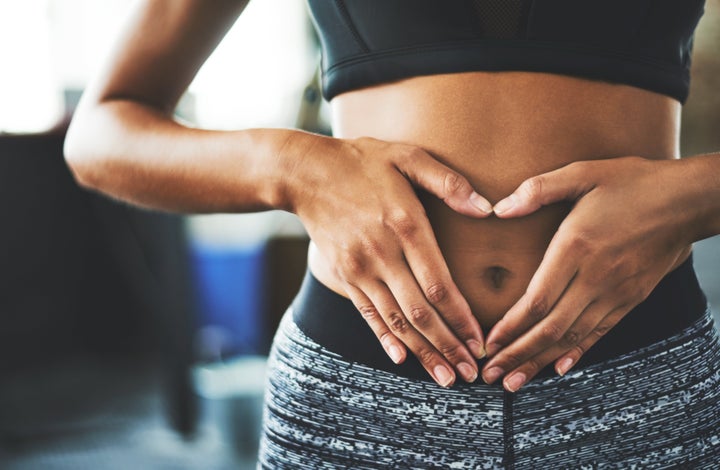
https://www.huffpost.com/entry/difference-between-probiotic-prebiotic_

This Is The Difference Between Probiotics And Prebiotics

Plus, how to make sure you’re getting enough of each so you’re healthy.
There’s a good chance you’re familiar with probiotics (at least familiar enough where you make sure to stock up on Greek yogurt at the grocery store or pick up pills from your pharmacy).
But when it comes to your gut health, it’s actually the balance of two types of bacteria ― probiotics and prebiotics ― that helps keep everything operating as it should.
“There is a balance between [bacteria] in the gut called homeostasis,” said Ashkan Farhadi, a gastroenterologist at MemorialCare Orange Coast Medical Center and director of MemorialCare Medical Group’s Digestive Disease Project in Fountain Valley, California.
When this homeostasis becomes imbalanced, it’s important to restore it by providing the body with good bacteria that then help gut health, Farhadi said.
Enter probiotics and prebiotics, which you can get through diet and supplements.

But downing a cup of Chobani alone isn’t going to solve the issue. There are specific ways to balance your gut health with probiotics and prebiotics, and multiple ways to get them from what you consume.

Differentiating between probiotics and prebiotics

Here’s an easy way to keep probiotics and prebiotics straight when it comes to their function in the body: “Probiotics are ‘good’ bacteria that are introduced to the gut to grow and thrive,” said Erin Palinski-Wade, a registered dietitian and author of the “2-Day Diabetes Diet.” “Prebiotics are essentially ‘food’ for these good bacteria.” This means they help stimulate and fuel the growth of probiotic bacteria already present in the body, acting like a fertilizer.

“It is essential to have both prebiotics and probiotics to promote gut health,” Palinksi-Wade added.

Probiotics help keep gut bacteria balanced by limiting the growth of bad bacteria, explained Alan Schwartzstein, a family physician practicing in Oregon, Wisconsin.

“Probiotics compete with these ‘bad’ bacteria for prebiotic food and do not allow them to multiply and cause harm to us.”

When there is a balanced amount of probiotics and prebiotics in the body, your digestive health is able to hum along.

This bacteria balance is also beneficial to your overall health, Palinski-Wade said. A good amount of probiotics in the body helps with vaginal health. A healthy gut contributes to a strong immune system, as well as good heart and brain health. What’s more, research published in Medicina has linked healthy bacteria in the gut with healthy body weight, lowering inflammation and stabilizing blood sugar levels.

How to know if your gut is OK ― and how to get it there if it isn’t

There’s a pretty simple sign that indicates if your gut has enough prebiotics and probiotics.

“Those who have a gut imbalance will have symptoms like increased gut sensitivity or changes in bowel habits,” Farhadi said. This means issues like diarrhea, constipation and excess gas.

You don’t have to wait for these unpleasant symptoms to pop up to start taking a probiotic. Whether you do it through diet or supplement, prebiotics and probiotics can be used by anyone to proactively maintain gut health, Farhadi said.

For example, in his own practice Farhadi recommends a patient eat a tablespoon of Greek yogurt (which has probiotics) sprinkled with Metamucil (which contains prebiotics) on top to restore balance in the gut.

Schwartzstein added that most people can get enough probiotics through their daily diet without a supplement. This includes eating foods like yogurt (make sure the label says “live active cultures” or the full name of the bacteria), soy drinks, soft cheeses like Gouda, and miso. There’s one main exception where heavier amounts of the bacteria might be needed.

“There are circumstances that can cause fewer probiotics in our digestive system; the most common is when we take antibiotics,” Schwartzstein said. “These antibiotics kill the healthy bacteria in our gut that serve as probiotics at the same time they kill the harmful bacteria that is causing the infection.” (This is also why most doctors only prescribe antibiotics if they are positive a patient has an infection caused by bacteria as opposed to a virus, like a cold.)

In these instances, you may need to take a probiotic supplement until you finish taking antibiotics. Talk to your doctor to make sure you take the correct strain and be aware that taking a probiotic supplement can come with side effects like gas and bloating, Schwartzstein said.

For prebiotics, Palinski-Wade said that a diet high in plant-based foods and fiber is a good way to make sure you’re consuming enough. Sources of prebiotics include garlic, vegetables, fruits and legumes.

If you don’t think you’re getting enough probiotics or prebiotics through your diet you may be leaning toward taking a supplement. In the case of prebiotics, any psyllium-based product (like Metamucil) can be used, as fiber acts as a prebiotic in the body.

Probiotics are a little trickier, as there are many different strains of probiotic bacteria that may be beneficial for certain conditions.

“Our research is so limited in this field,” Farhadi said. “Currently, the recommendation is based on individual experiences.”

Many times, Farhadi said a doctor may ask a patient to start a probiotic and see if it’s helpful. If not, they can switch between different brands and bacteria strains until they find the right fit. Talk with your physician before trying anything ― they’ll make sure you’re set up on the right path.

__________________

**Comment**

I would caution against using yogurt, kefir, and Metamucil unless they are without sugar.  A good substitute for Metamucil is just plain psyllium husk fiber.  https://fiberfacts.org/consumer_psyllium/  I found two opposing opinions on psyllium being a prebiotic, so discuss this with your practitioner. Both, however, are soluble sources of fiber. If you try this, go slowly so your body can acclimate to it.

If you detest the taste of plain yogurt products, you can always add fruit or liquid Stevia which comes in a myriad of flavors, but avoid processed sugar like the plague.

Some examples of food-sources of Prebiotics:

  • bananas
  • cold potatoes
  • milk
  • dandelion greens
  • legumes (beans)
  • chickory root
  • artichokes
  • garlic
  • onions
  • leeks
  • asparagus
  • barley
  • oats
  • apples
  • cocoa
  • burdock root
  • seaweed

All of these contain inulin which is an oligosaccharide or type of sugar molecule that is hard to break down so it can travel into your colon. Once there it becomes food for bacteria (probiotics). https://www.healthline.com/nutrition/probiotics-and-prebiotics#section5

Some examples of food-sources for Probiotics:

  • yogurt
  • kefir (daily & non-dairy)
  • Sauerkraut
  • Kimchi
  • Kombucha tea
  • Some types of pickles (non-pasteurized).
  • Other pickled vegetables (non-pasteurized).

Regarding pro and prebiotic supplements, there are many varieties and types. Get probiotics that are refrigerated as they have live cultures in them. 

Also, look for probiotic supplements that are designed to carry the bacteria all the way to your large intestine for better effects, while others probably won’t survive stomach acid.

And, the Health line article cautions that some should not take a probiotic, or who may feel worse after taking them, such as people with small intestinal bacterial overgrowth (SIBO) or people sensitive to ingredients in the supplement. For these issues, work with a practitioner to find the right strains.

My LLMD has been utilizing both in his treatment for Lyme/MSIDS patients and he reports that he has far fewer patients suffering with gut issues now – even while using antibiotics.

 Approx. 5 Min.

What Does Lyme Disease Do To Your Body?

Published on Apr 23, 2019
What exactly is the connection between a tick bite and lyme disease? While we’re not sure exactly where and when the disease originated, we do know a lot about how it works, its signs, its symptoms in humans and dogs, how it’s spread and its treatment.
SICK is a new series that looks at how diseases actually work inside our body. We’ll be visiting medical centers and talking to top researchers and doctors to uncover the mysteries of viruses, bacteria, fungi and our own immune system. Come back every Tuesday for a new episode and let us know in the comments which diseases you think we should cover next.
____________________
What this video didn’t touch upon is the very real probability that Lyme/MSIDS is spread by more than the sole perp of the deer tick:  https://madisonarealymesupportgroup.com/2019/04/02/transmission-of-lyme-disease-lida-mattman-phd/  From 2005, Dr. Lida Mattman isolated Lyme (borrelia) from:

mosquitoes, fleas, mites, semen, urine, blood, plasma and Cerebral Spinal Fluid. She discovered that this bacteria is dangerous because it can survive and spread without cell wall (L shape). Because L-forms do not possess cell wall, they are resistant to antibiotics that act upon the cell wall.

Others have found other various ways Bb is transmitted as well:

Nobody seems to want to talk about this, yet it’s important.


https://www.dropbox.com/s/vzfjqiytt8bej28/LD%20Lecture%20Handout%20Big%204_19%20%2011_13_18.pdf?

Lyme disease Lecture notes

created by Microbiologist Tom Grier

These notes (in top link) are very helpful, informative, and cover a lot of ground, from what Lyme is, to problems with testing, to patents owned by the CDC, to myths about Lyme, to the plethora of research that proves its persistence, and much, much more.  

For more on Grier’s work:  https://madisonarealymesupportgroup.com/2016/12/19/microbiologist-tom-grier/

https://madisonarealymesupportgroup.com/2011/09/21/lab-tests-for-lyme-disease-by-tom-grier/

Lyme on the Brain, part 1:  https://madisonarealymesupportgroup.com/2010/08/09/tom-grier-lyme-lecture-outline/

Lyme on the Brain, part 2:  https://madisonarealymesupportgroup.com/2010/08/18/lyme-on-the-brain-part-2-by-tom-grier/

Lyme on the Brain, part 3:  https://madisonarealymesupportgroup.com/2010/08/29/lyme-on-the-brain-by-tom-grier-part-3-b-lecture-notes/

Lyme on the Brain, part 4:  https://madisonarealymesupportgroup.com/2010/08/30/lyme-on-the-brain-by-tom-grier-part-4-lecture-notes/

Listen to Dr. Alan MacDonald and Tom Grier in radio interview:  https://kpfa.org/episode/99572/


SOS Lyme Trailer

By

PRESS RELEASE – LAUNCH OF NEW LYME DOCUMENTARY

Lyme disease is a terrible disease and also the fastest growing epidemic in the world; difficult to detect and treat. Too little money, treatment options and social attention ensure that patients are left to their own devices. To denounce this, a group of Lyme patients is campaigning for the SOS Lyme Epidemic .On the eve of the Week of Tick 2019, a new Lyme documentary – which patients have made themselves- will be launched SOS, “an invisible epidemic” by director Pim Giel.Lyme disease is an infectious disease with a greater impact than we all think. The WHO even speaks of a new epidemic. International experts are now successful with a new international guideline (ILADS) for the treatment of chronic Lyme disease. But this is hardly recognized in the Netherlands and Belgium by politics, science and health insurers. As a result, patients are deprived of treatment, care and other facilities; in fact, they are left to their own devices. Only patients with sufficient personal money can go abroad for this. Patients themselves often have no money (anymore) for a treatment and are becoming increasingly ill. Sometimes resulting in death or euthanasia.

CAMPAIGN LYME PATIENTS FOR RECOGNITION OF CHRONIC LYME DISEASE

In the Netherlands and Belgium, a group of thousands of Lyme patients are taking action to ask the general public for attention and recognition for the dire situation they are in. With the (media) campaign SOS Lyme Epidemic , they are fighting for a breakthrough in the deadlock of treatment of chronic Lyme disease and for breaking the injustice. Various benefit campaigns and the petition https://iladsvoorlyme.petities.nl are part of this campaign, which is supported by ambassadors and former Lyme patient actor Miro Kloosterman, rapper / singer Pete Philly and in Belgium politician John Crombez and presenter Roos van de Acker .The patients are working hard – with the help of Nicolette van Dam, among others – to collect the necessary 40,000 signatures to present to parliament in May – the Lyme awareness month.

DOCUMENTARY SOS LYME, ‘AN INVISIBLE EPIDEMIC’

The patients, in collaboration with Stichting Happy Motion, have made the documentary SOS Lyme, ‘an invisible epidemic’ with the aim of distributing it internationally. The film by director Pim Giel discusses the severity of Lyme disease such as paralysis, pain, spasms, but also about the consequences such as, out-of-home placement, alleged child abuse, euthanasia, benefit issues and misdiagnosis. Not only patients with chronic Lyme are in the video, but also international specialists like Dr. Richard Horowitz (USA), Dr. Armin Schwarzbach (DE), Prof. Dr. de Meirleir (BE), Dr. Burrascano (USA), Dr. Klinghardt (US) as well as experts from the Netherlands.

The documentary is the heart of the Lyme Patients campaign: “In this documentary we want to show what it’s like to live as a patient with this misunderstood and terrible disease,” said campaign leader Daisy. “It is a film about injustice, struggle and conflicting interests.”

FILM SCREENINGS AND LYME GATHERINGS IN THE COUNTRY

The documentary will be made accessible to a wide audience through the website and can be seen at various Lyme meetings that will be organized in the country. With a crowdfunding campaign the Lyme patients try to support the creation of the film and their campaign.

Note for editors
For more information, interviews (with campaign leader Daisy, filmmaker Pim Giel), photo materials, etc., please contact Bastiaan Piloo, producer b.piloo@happymotion.org +31(0)6 – 11 621 411

For more information, visit

About the Happy Motion Foundation
With documentaries, digital media, events and education, the foundation brings serious themes to the attention of a wide audience in a positive way. In this way it wants to give vulnerable groups in our society the recognition and support they deserve. www.happymotion.org

Go here to support & watch the documentary:  https://www.lymeepidemie.nl/documentary/?lang=en