Archive for the ‘Viruses’ Category

NYC Issues Tick-borne Disease Advisory

http://www1.nyc.gov/assets/doh/downloads/pdf/han/advisory/2018/advisory8-tickborne-disease.pdf

NEW YORK CITY DEPARTMENT OF HEALTH AND MENTAL HYGIENE

Mary T. Bassett, MD, MPH

Commissioner

2018 DOHMH Advisory #8: Tickborne Disease Advisory

Please share with your colleagues in Internal and Family Medicine, Pediatrics, Infectious Disease, Infection Control, Laboratory Medicine, Hematology, Cardiology, Neurology, Rheumatology, Critical Care and Emergency Medicine.

  •   Tickborne diseases, with the exception of Rocky Mountain spotted fever (RMSF), are associated primarily with travel outside of New York City (NYC). Locally acquired cases of Lyme disease and babesiosis continue to be reported from Staten Island and smaller numbers have been reported from the Bronx.
  •   Isolated cases of locally acquired anaplasmosis and ehrlichiosis have also been reported from Staten Island.
  •   The following tickborne diseases are reportable in NYC: Lyme disease, RMSF, babesiosis, anaplasmosis, ehrlichiosis, and Powassan disease.
  •   Refer to the Reference Manual for Physicians on Tickborne Diseases in the New York City Area for extensive details and guidance on identification, diagnosis, treatment and prevention available at: http://www1.nyc.gov/assets/doh/downloads/pdf/ehs/tick-borne-dx-physician.pdf. Call 311 to order copies.

    May 30, 2018 Dear Colleagues,

    New York City (NYC) clinicians should be on the alert for patients with tickborne diseases. This advisory presents key epidemiologic findings regarding reportable tickborne diseases in NYC and reminds clinicians of reporting requirements. Please refer to the revised 3rd edition of the Reference Manual for Physicians on Tickborne Diseases in the New York City Area for details and guidance on identification, diagnosis, treatment and prevention available at: http://www1.nyc.gov/assets/doh/downloads/pdf/ehs/tick-borne-dx-physician.pdf or call 311 to order copies.

    Recent travel to upstate NY, Long Island, and other parts of New England should prompt consideration of tickborne diseases. A history of a tick bite is not a prerequisite for considering tickborne diseases for patients with compatible illness, since only a small proportion of patients diagnosed with these diseases recall being bitten by a tick. The following tickborne diseases are reportable in NYC:

Disease

Organism

Vector

Endemic US States

Ticks in NYC

Lyme disease

Borrelia burgdorferi

Ixodes scapularis

(blacklegged or deer tick)

Northeast, mid-Atlantic, and Upper Midwest esp. CT, DE, ME, MD, MA, NH, NJ, NY, PA, RI, VT, VA, WV & MN, WI

Blacklegged tick found in Staten Island and northern Bronx.

Babesiosis

Babesia microti

Northeast & MN, WI

Anaplasmosis

Anaplasma phagocytophilum

Northeast, esp. NY, CT, NJ, RI & MN, WI

Ehrlichiosis

Ehrlichia chaffeensis

Amblyomma americanum

(lone star tick)

Southeast and south-central

Lone star tick has become more common in Staten Island and limited areas of the Bronx

Rocky Mountain spotted fever

Rickettsia rickettsii

Dermacentor variabilis

(American dog tick)

Throughout US, esp. NC, OK, AR, TN, MO

Dog tick found in all 5 boroughs

Powassan disease

Powassan or deer tick virus

Ixodes cookei (groundhog tick) or Ixodes scapularis

Cases reported from CT, MN, WI, NY, ME, MA, NH, NJ, PA, NC, RI, & VA, 2004-2016

Groundhog tick not identified in NYC; blacklegged tick see above

NYC Tickborne Disease Epidemiology

Tickborne diseases in NYC have been trending upward since 2000, with fluctuations from year to year. In 2017, the number of anaplasmosis and babesiosis cases approximately doubled in all boroughs except Queens, compared to 2016. There was a slight increase in Lyme disease cases in Brooklyn, Manhattan, and Queens. (Figure and Tables 1-5). Incidence rates of tickborne diseases are typically significantly higher in residents of Manhattan compared with other boroughs. However, since 2015, Staten Island has had the highest incidence rate of Lyme disease in NYC, which may be due to an increasing number of locally acquired cases. A subset of Lyme diseases cases, those with a physician reported erythema migrans (EM) lesion with onset between April 1 and October 31, are interviewed to assess travel. EM is a reliable indicator of recent infection and is used to identify locally acquired cases. Most interviewed cases with EM report a history of travel outside the City during the incubation period, most commonly to upstate New York, Long Island, Connecticut, Pennsylvania, New Jersey, and Massachusetts. Approximately half of interviewed Lyme disease patients with EM in Staten Island reported no history of travel during the incubation period (Table 4a). Local transmission of babesiosis was also reported in the Bronx and Staten Island and there was one report each of locally acquired anaplasmosis and ehrlichiosis in Staten Island residents. Blacklegged ticks collected in the Bronx and Staten Island have tested positive for Borrelia burgdorferi and Babesia microti (see tick surveillance below). Locally acquired RMSF cases while rare, have been reported in the past from all five boroughs.

Tickborne diseases may also be transmitted via blood transfusion. In 2017, there was one transfusion-associated babesiosis case and the first anaplasmosis case acquired from a blood transfusion in NYC. The incubation period for transfusion-associated babesiosis is two to nine weeks. Consider babesiosis in the differential diagnosis for patients with febrile illnesses and/or hemolytic anemia who have received blood components or transplanted organs in the preceding three months. Because these patients often have co-morbidities, and the potential exists for infection with other pathogens, consideration of babesiosis as a possible etiology may be delayed.

NYC Tick Surveillance Data

Information on tick populations in NYC is limited. Tick surveillance is conducted by the Health Department in select parks. In 2018, monthly tick surveillance will occur in 17 parks in NYC. Another 15 sites will be surveyed during high tick activity season from May to July.

 Ixodes scapularis (blacklegged tick or deer tick) has become widely established in Staten Island, and focal areas of the Bronx including Pelham Bay Park and Hunter Island. It is not established in other areas of NYC.

  • In 2016, ticks collected from parks in the Bronx (47%) and Staten Island (19%) tested positive for Borrelia burgdorferi. While 2017 tick testing results are not yet available, the density of blacklegged ticks doubled from 2016 to 2017 in areas of Staten Island (0.86 to 1.57 ticks/100m2) and the Bronx (4.13 to 9.37 ticks/100m2).
  • A much smaller number of ticks in the Bronx and Staten Island tested positive for Anaplasma phagocytophilum (0.06-10%), Babesia microti (0-6%) and the emerging pathogen, Borrelia miyamotoi (2%).
  • Significant numbers of I. scapularis ticks are found in counties and states surrounding NYC. Testing of ticks collected in the Hudson Valley by the New York State Department of Health (NYSDOH) found infection rates as high as 40-50% for Borrelia burgdorferi, 1-3% for Babesia microti and 7-15% for Anaplasma phagocytophilum.
  • One tick collected in the Bronx tested positive for Powassan virus in 2016, the first year Powassan viral testing was performed; however no human infections have been identified among NYC residents. In NY State, approximately 1 to 3 human cases are reported annually.

Dermacentor variabilis (American dog tick) has been detected in all boroughs of NYC.

Amblyomma americanum (lone star tick) has become widely established in Staten Island and in focal areas of the Bronx.

Clinical Guidelines
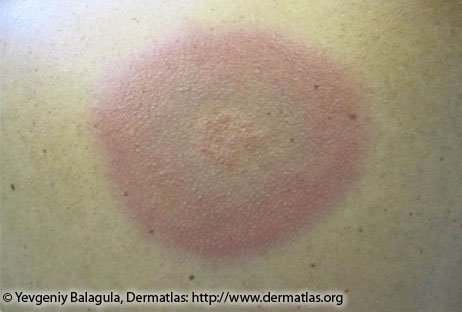
Detailed guidance on how to identify, diagnose and treat tickborne diseases can be found online in reference manuals for health care providers from the NYC Health Department, the Centers for Disease Control and Prevention (CDC), and the Infectious Diseases Society of America (IDSA) (see links below). Blood smear and polymerase chain reaction (PCR) should be used to diagnose babesiosis. Anaplasmosis and ehrlichiosis are best diagnosed using PCR during the first week of illness as antibodies may not be detectable for up to 10 days after illness onset. Paired serology demonstrating a four- fold change in IgG by immunofluorescence assay (IFA) can be used to diagnose anaplasmosis, ehrlichiosis, and RMSF. A clinical diagnosis of Lyme disease can be made in patients who present with an erythema migrans (EM) rash, which is often present before antibodies are detectable. Serologic testing for Lyme disease should adhere to the CDC recommended two-step process, in which an enzyme immunoassay (EIA) that is positive or equivocal is followed by a Western blot test (if Western blot is negative, no further testing is needed).
Tick Bite Management and Lyme Disease Prophylaxis

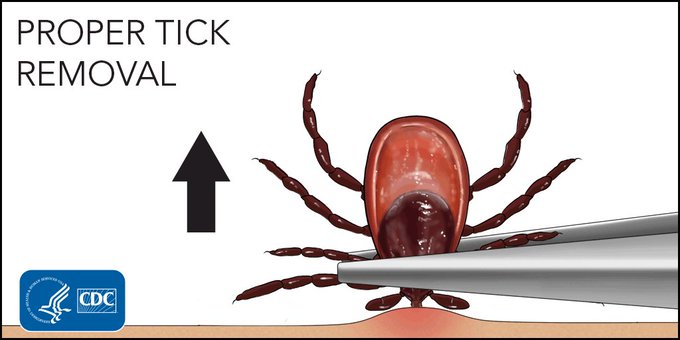
Attached ticks should be removed promptly with fine-tipped tweezers, ensuring that mouthparts have not been left in the skin. Guidelines developed by the IDSA support limited use of a single dose of doxycycline for adults and children  8 years old* as prophylaxis for Lyme disease when all of the following conditions are met:

  • Patient has traveled to a Lyme-endemic region
  • Tick has been attached for ≥36 hours, based on engorgement or history
  • Prophylaxis can be started within 72 hours of tick removal
  • Tick can be reliably identified as I. scapularis**
  • Patient does not have any contraindications to treatment with doxycycline
*Currently there is no guidance for excluded age groups.
**Doctors in endemic areas often learn to recognize deer ticks. For visual reference providers can refer to the DOHMH website.
Resources on the DOHMH and other websites

DOHMH – http://www1.nyc.gov/site/doh/health/health-topics/zoonotic-and-vectorborne-diseases.page http://www1.nyc.gov/site/doh/health/health-topics/ticks.page

Includes links to:

  •  Tickborne Diseases in the NYC Area: A Physician’s Reference Manual, 3rd edition. Call 311 to order copies. 
  • All About Ticks: A Workbook for Kids and Their Parents (English and Spanish). Call 311 to order copies.
  •  Information on ticks, tick bite prevention and repellents

CDC – http://www.cdc.gov/ticks/index.html

Includes links to:

  • CDC Tickborne Diseases of the United States: A Reference Manual for Health Care Providers, 4th edition (2017)  Webinars on novel and emerging tickborne diseases
  •  CDC videos on Medscape

IDSA Clinical Practice Guidelines – https://academic.oup.com/cid/article/43/9/1089/422463
TICK ENCOUNTER RESOURCE CENTER OF THE UNIVERSITY OF RHODE ISLAND http://www.tickencounter.org/ NYS DOH – https://www.health.ny.gov/diseases/communicable/lyme/

  •  Tick removal video
Reporting Cases

Clinicians and laboratories must report all cases of Lyme disease, babesiosis, RMSF, ehrlichiosis, anaplasmosis, and Powassan disease to the NYC Health Department. Cases of transfusion-associated tickborne diseases must also be reported to the NYSDOH Blood and Tissue Resources Program at 518-485-5341 and your hospital’s transfusion service.

Report cases to DOHMH by logging into Reporting Central via NYCMED, or complete the Universal Reporting Form:  http://www1.nyc.gov/assets/doh/downloads/pdf/hcp/urf-0803.pdf and mail or fax to 347-396-2632, or call the Provider Access Line at 1-866-692-3641. If a provider does not already have a NYCMED account, register at the NYCMED link above. Once logged in, Reporting Central can be found in the ‘My Applications’ section. See the Reporting Central New User Guide (PDF):  http://www1.nyc.gov/assets/doh/downloads/pdf/hcp/reporting-central-new-user-guide.pdf


FIGURE. Tickborne Diseases in New York City Residents by Year of Diagnosis  (See link for table)


TABLES 1-5. Number of NYC Confirmed and Probable Tickborne Disease Cases by Borough and Year 1. Anaplasmosis (See link for table)

_______________

**Comment**

While alerting clinicians to the importance of considering TBD (tick borne diseases) is a good thing, only giving info from the CDC/IDSA is a huge mistake.  There is a Lyme war going on with two polarized sides believing different things.  To only put one viewpoint is extremely biased and unscientific.

The same old garbage is repeated here and the same old rotten tests.  The only people helped by this advisory are the ones lucky enough to test positive on a test that misses at least half of the cases.

As they say, “Garbage in, garbage out.”

For the ILADS guidelines, please see:  http://ilads.org/lyme/treatment-guideline.php  If you suspect TBD, please contact your local Lyme support groups as well as ILADS.  The IDSA and CDC will only prolong your suffering.

Heart Problems & Tick Borne Disease

Recently some articles have come out on Heart issues with Tick Borne Disease (TBD).  Most talk about Lyme; however, as you will see – there are many other players.

http://davidjernigan.blogspot.com/2015/05/functional-heart-problems-and-lyme.html  The Hansa Center in their blog states that a common symptom of chronic Lyme is Postural Orthostatic Tachycardia Syndrome or POTS.  POTS can cause headaches, lightheadedness, heart palpitations, fatigue, shaking, fainting, cold or pain in extremities, chest pain, shortness of breath, and even nausea.  Evidently, POTS can be caused by Lyme Endocarditis.

For an excellent read on Lyme Carditis, please see:  https://www.bayarealyme.org/blog/lyme-carditis-why-early-diagnosis-is-critical/  In a nutshell, it’s inflammation caused by an infection such as Lyme, viruses, and other pathogens.  This inflammation messes up electrical signal conduction and can cause AV block, a serious oxygen depriving condition, hence all the symptoms listed above.  Lyme Carditis is the more general term but it can be in any part of the heart: myocardium, pericardium, endocardium, cardiac muscle, valves, and aorta.  The good news is it can usually be reversed with appropriate treatment.  Sometimes a pacemaker is also needed.  The article states about 4-10% of people with TBD develop this.

CDC Expert Commentary by Joseph D Forrester, MD, MSc

Forrester states Lyme Carditis is “rare,” but even 4-10% of patients is a chunk of people.  PEOPLE HAVE DIED FROM THIS and even the CDC reported 3 cases of sudden cardiac death between Nov 2012 & July 2013 among patients with unrecognized Lyme carditis.  If one person died from Zika there would be a media blitz.  

https://www.ctvnews.ca/health/rare-but-serious-complication-of-lyme-disease-can-attack-the-heart-doctor-1.3952476  Recently a heart specialist in Ontario is warning doctors to be on the look out for Lyme carditis.  Dr. Baranchuk points out that numerous people with heart symptoms were admitted to the ER two to three times before anyone considered Lyme carditis.  He also states many don’t get the bullseye rash or notice vague symptoms of fever and muscle aches.

https://www.ctvnews.ca/mobile/video?clipId=1406334  CTV News Video

Baranchuk wrote a paper http://www.cmaj.ca/content/190/20/E622 advising doctors to treat young patients with strange heart problems with antibiotics while waiting for results of Lyme blood tests.

He states: “These patients may not require pacemakers to be implanted. They can be treated with IV antibiotics for 10 to 12 days and the electricity of the heart will recover completely forever,” he said.

Interestingly the title of the article by CTV News states, “Rare but serious complication of LD….” and yet they even quote Baranchuk saying,

“We have the suspicion that there are way more cases than are reported, because doctors are failing to report it,” he said.

That’s kind of a big deal.

QUIT SAYING THE WORD RARE IN YOUR REPORTING ON TBD.

Then there’s the story of Dr. Neil Spector, an oncologist who rubbed shoulders with experts and the best that medical care can offer and yet, due to doctors with heads in the sand suffered for years with bizarre and frustrating heart symptoms until he nearly crossed over to the other side. (He was told it couldn’t be Lyme as he lived in Florida.  The doctors were happy to diagnose him over the phone but ALL stated unequivocally he did NOT have Lyme!) After a heart transplant, Spector is speaking out about Lyme Disease and has even written the book, Gone in a heartbeat – A Physician’s Search for True Healing.  For a great review of the book:  https://www.lymedisease.org/when-lyme-disease-affects-the-heart/

Lyme and carditis:

https://madisonarealymesupportgroup.com/2017/06/10/lyme-carditis-with-complete-heart-block/

https://madisonarealymesupportgroup.com/2017/06/07/early-onset-lyme-carditis-concurrent-disseminated-erythema-migrans/

https://madisonarealymesupportgroup.com/2018/02/22/new-lyme-cme-course-available-lyme-carditis-more-than-blocked-beats/  Course for doctors to become educated.

But Lyme (Bb) isn’t the only culprit.

Similar to inflammation caused by Borrelia burgdorferi (Bb), inflammation can be caused by many bacteria and viruses:  https://www.myocarditisfoundation.org/research-and-grants/faqs/causes-of-myocarditis/

Most common viruses causing carditis:

  • Parvovirus B19
  • Human Herpes Virus 6
  • Enterovirus (Coxsackie Virus)
  • (Research needed.  Tons of viruses involved with TBD)

Most common bacteria causing carditis:

  • Corynebacterium diptheriae
  • Staphylococcus aureus
  • (Research needed.  Tons of bacteria involved with TBD)

Most common parasites causing carditis:

  • Borrelia burgdorferi
  • Ehrlichia species
  • Babesia species
  • Trypanosoma cruzi (Chagas Disease)
  • Bartonella (My addition due to the following…..)
  • (Research needed.  Tons of parasites involved with TBD)

I added Bartonella to the list due to the following (add it up, it isn’t rare):

https://www.ncbi.nlm.nih.gov/pmc/articles/PMC6010976/  Five cases of infective endocarditis associated with Bartonella henselae.

https://www.ncbi.nlm.nih.gov/pubmed/9196420  Two cases of Bartonella Carditis.

https://www.ncbi.nlm.nih.gov/pubmed/11496560 One case.

https://www.ncbi.nlm.nih.gov/pmc/articles/PMC5942242/ Four cases.

https://www.ncbi.nlm.nih.gov/pubmed/8849149 22 cases – 13 that had undetermined Bartonella species.

https://www.ncbi.nlm.nih.gov/pubmed/16762254  A total of 6 cases reported in Spain.  Conclusion states it is likely to be underestimated and to suspect it with negative blood cultures, history of chronic alcoholism, the homeless, and those in contact with cats or bitten by fleas or lice, as well as patients with endocarditis and positive serology against Chlamydia spp.  This abstract, written in 2006 wouldn’t have considered that ticks carry a Chlamydia-like organisms (CLO):  https://madisonarealymesupportgroup.com/2016/10/07/chlamydia-like-organisms-found-in-ticks/  These results suggest that CLO DNA is present in human skin; ticks carry CLOs and could potentially transmit CLOs to humans.  Two other studies have come to the same conclusion: that there exists a high prevalence and diversity of Chlamydiales DNA in ticks and the very real possibility of human infection. https://www.ncbi.nlm.nih.gov/pubmed/24698831 and https://www.ncbi.nlm.nih.gov/pubmed/26386066
All of this continues to demonstrate why Lyme Disease isn’t typically just Lyme Disease but MSIDS, multi systemic infectious disease syndrome, a literal menagerie of pathogens invading the human host making our cases extremely complex and difficult.

Bartonella and carditis:

https://madisonarealymesupportgroup.com/2017/01/04/endocarditis-consider-bartonella/

https://madisonarealymesupportgroup.com/2017/05/11/bartonella-henselae-in-children-with-congenital-heart-disease/

https://madisonarealymesupportgroup.com/2018/02/07/finally-rt-pcr-detected-bartonella-henselae-dna-on-tissue-valve/

https://madisonarealymesupportgroup.com/2017/05/20/bartonella-endocarditis-opportunistic-infection-in-cancer-patients-and-eye-inflammation/

Babesia and carditis:

https://madisonarealymesupportgroup.com/2018/02/20/babesia-and-heart-issues/

Mycoplasma, Chlamydia, Bb and carditis:

https://madisonarealymesupportgroup.com/2018/04/04/correlation-of-natural-autoantibodies-heart-disease-related-antibacterial-antibodies-in-pericardial-fluid-mycoplasma-bb-chlamydia/  Mycoplasma pneumoniae antibody positive patients had significantly higher anti-CS IgM levels. In CABG patients we found a correlation between anti-CS IgG levels and Mycoplasma pneumoniae, Chlamydia pneumoniae and Borrelia burgdorferi antibody titers. Our results provide the first evidence that natural autoantibodies are present in the PF and they show significant correlation with certain antibacterial antibody titers in a disease specific manner.

Hopefully by now it’s clear that carditis caused by TBD’s is not even close to rare.  It should also be painfully clear that we are truly in the dark ages on this and that much work needs to be done – and quickly.

Ending on a personal note, I had these bizarre heart symptoms early in my journey.  To say they were frightening would be an understatement.  I would wake in the middle of the night with my heart flopping like a fish out of water.  It felt like an elephant was sitting on my chest and my biceps were often numb.  I gasped for air as well.

Upon my first dose of Mepron, Artemisinin, and an intracellular antibiotic, I felt as if I was having a heart attack.  Thankfully we pulsed the artemisinin as that allowed the frightening herxes to dissipate some.  Due to my response to these drugs my guess is Babesia was the culprit.  https://madisonarealymesupportgroup.com/2016/01/16/babesia-treatment/  We treated Babesia for an entire year as it’s a notoriously persistent pathogen.  It’s important to hit it hard and long as it’s been known to build resistance to drugs.

There has been debate among some as to the effectiveness of Artemisinin and I do feel quality matters.  I’m a huge fan of this kind:  https://www.allergyresearchgroup.com/quality-artemisinin.  And no, I’m not affiliated with them in any way.  BTW:  We used 500mg morning and night MWF.  It makes your mouth taste metallic.

Do not mess around with heart symptoms.  Be a clanging gong until someone takes you seriously and feel free to copy this article and take it to your doctors.  They need to be educated and We the People are up to bat.

Lastly, please remember all the testing for ALL TBD is horrible.  You need a doctor who will diagnose and treat you clinically.  Your reaction to the medication is important to track as it will alert your doctor to what you are dealing with based on symptoms:  https://madisonarealymesupportgroup.com/2015/08/15/herxheimer-die-off-reaction-explained/

https://madisonarealymesupportgroup.com/2017/06/28/jarisch-herxheimer-a-review/

https://madisonarealymesupportgroup.com/2017/11/03/first-report-of-bartonella-quintana-immune-reconstitution-inflammatory-syndrome-complicated-by-jarisch-herxheimer-reaction/

Let’s suffice it to say, heart problems with tick borne illness is NOT rare.


Immunoexcitotoxicity as the Central Mechanism of Etiopathology & Treatment of Autism Spectrum Disorders: A Possible Role of Fluoride & Aluminum

https://www.ncbi.nlm.nih.gov/pmc/articles/PMC5909100/

Surg Neurol Int. 2018; 9: 74.

Published online 2018 Apr 9. doi:  10.4103/sni.sni_407_17
PMCID: PMC5909100
PMID: 29721353

Immunoexcitotoxicity as the central mechanism of etiopathology and treatment of autism spectrum disorders: A possible role of fluoride and aluminum

Abstract
Our review suggests that most autism spectrum disorder (ASD) risk factors are connected, either directly or indirectly, to immunoexcitotoxicity. Chronic brain inflammation is known to enhance the sensitivity of glutamate receptors and interfere with glutamate removal from the extraneuronal space, where it can trigger excitotoxicity over a prolonged period. Neuroscience studies have clearly shown that sequential systemic immune stimulation can activate the brain’s immune system, microglia, and astrocytes, and that with initial immune stimulation, there occurs CNS microglial priming.

Children are exposed to such sequential immune stimulation via a growing number of environmental excitotoxins, vaccines, and persistent viral infections. We demonstrate that fluoride and aluminum (Al3+) can exacerbate the pathological problems by worsening excitotoxicity and inflammation. While Al3+ appears among the key suspicious factors of ASD, fluoride is rarely recognized as a causative culprit. A long-term burden of these ubiquitous toxins has several health effects with a striking resemblance to the symptoms of ASD. In addition, their synergistic action in molecules of aluminofluoride complexes can affect cell signaling, neurodevelopment, and CNS functions at several times lower concentrations than either Al3+ or fluoride acting alone. Our review opens the door to a number of new treatment modes that naturally reduce excitotoxicity and microglial priming.

Table 2. Prevention & amelioration of ASD symptoms

SNI-9-74-g014

Excerpt from conclusion:

Evidence is presented that the abundance of fluoride added to the water worldwide and the widespread availability of aluminum particularly to infants and young children through aluminum containing vaccinations, singly or together as aluminofluoride can be potent factors in producing the condition of immunoexcitotoxicity that leads to the pathological changes seen in ASD. The vaccination program should be evaluated to reduce the excessive stimulation of immature immune system and to replace Al3+-adjuvants.

______________

For more:  https://madisonarealymesupportgroup.com/2017/10/26/clinical-trial-shows-most-kids-with-autism-are-not-born-with-it/

https://madisonarealymesupportgroup.com/2017/09/19/autism-aluminum-adjuvant-link-corroborated/

https://madisonarealymesupportgroup.com/2018/04/09/a-tale-of-3-metals-the-fate-of-western-civilization-what-we-can-do-about-it/

https://madisonarealymesupportgroup.com/2018/05/14/important-background-on-lyme-vaccine-controversy/  But, a lot has happened since both the 1998 Lyme vaccine and Weintraub’s 2008 book that declares the Lyme vaccine caused “rare” adverse events.
https://madisonarealymesupportgroup.com/2018/04/16/vl15-lyme-vaccine-another-fraud/ THIS VACCINE CAUSED 229 DEATHS, INCLUDING 43 SUICIDES
https://madisonarealymesupportgroup.com/2018/01/28/the-secret-x-files-the-untold-history-of-the-lymerix-vaccine/
https://madisonarealymesupportgroup.com/2018/04/16/vl15-lyme-vaccine-another-fraud/
https://madisonarealymesupportgroup.com/2017/07/01/pbs-lyme-vaccine/ Even in 2008, Drymon reported: Did you know that the LYMERIX vaccine caused 640 emergency room visits, 34 life threatening reactions, 77 hospitalizations, 198 disabilities, and 6 deaths? In a vile cesspool of conflicts of interest are university patent holders, drug companies, and the FDA itself as another patent holder. It generated 40 million dollars before it was yanked. (2008, Drymon)
As you can see in Dr. Lapenta’s article, the death toll raised to 229. Besides, death and suicide, please see:
http://www.yourlawyer.com/topics/overview/lymerix One doctor stated that 21 patients developed severe arthritis after receiving the LYMERIX vaccine.
http://www.lymediseaseassociation.org/index.php/about-lyme/controversy/vaccine/261-lymerix-meeting “Given that Dr. Marks lead the clinical trials for Lymerix’s competitor, the OspA vaccine produced and then abandoned by Aventis Pasteur, his conclusions mean a lot. “In my opinion,” he told FDA officials, “there is sufficient evidence that Lymerix is causally related to severe rheumatologic, neurologic, autoimmune, and other adverse events in some individuals. This evidence is such as to warrant a significantly heightened degree of warnings and possible limitations or removal from marketing of Lymerix.”

Dr. Stricker states:
Another Lyme OspA Vaccine Whitewash
The meta-analysis by Zhao and colleagues comes to the conclusion that “the OspA vaccine against Lyme disease is safe and its immunogenicity and efficacy have been verified.” The authors arrive at this sunny conclusion by excluding 99.6% of published articles that demonstrate potential problems with the OspA vaccine. Furthermore, the authors ignore peer-reviewed studies, FDA regulatory meetings and legal proceedings that point to major problems with OspA vaccine safety (1-3). This whitewash bodes ill for future Lyme vaccine candidates because it fosters disregard for vaccine safety among Lyme vaccine manufacturers and mistrust among potential Lyme vaccines.


CDC Warns About 7 New Tick Viruses

https://www.today.com/health/7-new-tick-viruses-worry-about-big-epidemic-bugs-much-t128894?cid=sm_npd_td_tw_ma

Is there really a ‘big epidemic’ of tick diseases? CDC warns about 7 new viruses

Experts say we can expect each tick season to be worse than the last.

by Linda Carroll, Updated Source: TODAY

A recent afternoon walk turned into a tick attack for a Massachusetts man.

As community forester Derek Lirange was hiking around the Tower Hill Botanic Gardens in Worcester on May 16, he spotted a few ticks on his pants. Within a few more minutes, there were five or six more ticks, followed by more and more. By the end of the hike, he counted 26 ticks.

I hadn’t taken every precaution, such as spraying with insect repellent, but I was wearing long pants and socks,” the 26-year-old told TODAY. “It was a creepy, ongoing discovery.”
Luckily, none had embedded. But the spike of the tick population in the gardens led to the cancellation of a spring walk around the reservoir.
Welcome to the new tick season. No one knows exactly how many ticks are out there, but the skyrocketing cases of tick-borne diseases recently reported by the Centers for Disease Control and Prevention provides indirect evidence that the little bloodsuckers are becoming more numerous, said Alfaro Toledo, an assistant professor in the department of entomology at Rutgers University.
“It’s a big epidemic affecting the entire East Coast,” said Toledo. “Witness the spread of the deer tick to the north and west.”

WHY MORE TICKS?

One big factor leading to the so-called tick explosion is the overall warming trend. But there are several factors beyond warming weather driving the rise in tick numbers, experts say. One is the booming numbers of deer and rodents. Deer, which are the preferred hosts of adult ticks, are increasing in numbers, “because basically there are no predators anymore,” Toledo says.

More deer means more female adult ticks go on to lay eggs.

High numbers of rodents also drive the numbers of ticks. After hatching from eggs, tick larvae attach to rodents to feed and, unfortunately for us, pick up diseases like Lyme and Rocky Mountain Spotted Fever. Once the larvae get their meal of blood, they move on to the next phase of their cycle, the nymph stage, which is when they’re most likely to latch on to a human.

ticks-today-180511-inline_2823a35a09e91201aaff3eba51c8decc.fit-760w
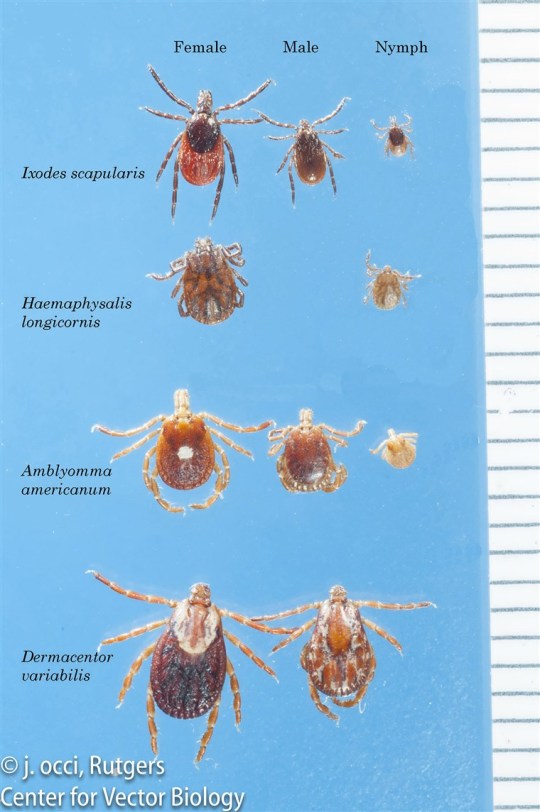
Ticks in the Northeast Rutgers-New Brunswick Center for Vector Biology

Though both nymphs and adults can transmit disease, the nymphs are more likely to do so because of their small size. Adult ticks are big enough to be easy to spot and get rid of before they can pass on diseases like Lyme. Nymphs are much smaller and often attach long enough to transmit disease without our ever spotting them.

And while deer ticks are most likely to be the ones transmitting Lyme and lone star ticks, Rocky Mountain Spotted Fever, dog ticks and a new invader, the Longhorned tick, can also carry and transmit disease.

Experts used to tell people they’d be safe from tick bites if they kept their lawns mowed and stayed out of wooded areas—and that’s still mostly true for deer ticks. But Lone star ticks and dog ticks, which both can carry diseases and bite humans, are perfectly happy roaming through mowed lawns, said Matt Frye, an entomologist at Cornell University.

Frye says we should just accept that every year now is going to be a bad tick year. That means we should get serious about examining our bodies for ticks. “You should do a tick check every day, like you brush your teeth every day,” he said.

tick-muffin-today-180515-inline2_67fa838155c0613f99366ce0282c0f2a.fit-760w
Can you spot the five ticks in the muffin? The CDC caused a panic when it tweeted that ticks can be as small as a poppyseed. CDC

The situation isn’t entirely hopeless. Though there are no real natural enemies of ticks, researchers are working on some ingenious ways of knocking their numbers back. One method currently being tested in communities with high numbers of ticks is to treat rodents with tick-killing substances, Frye said. Boxes baited for the rodents give them a dose of the same tick poison used to protect dogs.

The idea is that if you can lower the numbers of ticks that make it to the nymph stage, fewer people will be infected. That method is still being tested, so it won’t help any of us right now.

In the meantime, if you do spot a tick and want to know what kind it is and whether it’s carrying a disease, you can send it to a lab for testing, said Laura Goodman, an assistant research professor at Cornell.

She suggests you place your tick in a sealed, escape-proof container and ship it to Cornell or one of the other certified labs around the country. One of the best ways to kill the tick, Goodman says, is to place the container in your freezer. The shock from going directly from warm weather to freezing temperatures will be enough to do in your tick, she said.

TODAY.com writer Meghan Holohan contributed to this report

____________

**Comment**

Gone are the days of frolicking in the yard in shorts and sandals…..

BTW:  Ticks love wood chips.  They use them like leaf-litter and burrow underneath where it’s moist.  They also love Japanese Barberries as other invasives that harbor moisture at the base where they hang out.

In my yard, there has been a chipmunk invasion in all my landscape beds.  They love the natural rock/boulders that have gaps between them.  They burrow into these gaps and create colonies by tunneling into the dirt.  As they work, they deposit ticks everywhere.  I would avoid using these rocks and wood chips as much as possible and steer toward interlinking stones without gaps, weed barrier, and rock.  (Think Fort Knox)

As much as we love nature, keep it away from your living quarters and spray any suspected areas with an acaracide.  And far more than white-footed mice and deer carry these suckers.  Your neighborhood squirrel, chipmunk, opossum, bird, fox, raccoon, and on and on to infinity are scattering ticks.

I’m thankful they are finally admitting that other ticks are problematic.  I’ve always scratched my head when “experts” keep saying the sole perp is the dastardly black legged tick.  Treat every tick like a land mine.  They all exchange fluids with creatures.  Do the math.

When you do go outside into grass, preferably wear white shoes and socks sprayed with permethrin and tuck your light colored pants that have also been sprayed, into your socks.  Ideally you would have a long sleeved white shirt that has also been sprayed and if you are going underneath any trees, shrubs, overhanging plants, wear a hat that has also been sprayed.

This is war, people!

More ideas:  https://madisonarealymesupportgroup.com/2017/05/11/tick-prevention-and-removal-2017/

And while climate issues might affect mosquitoes, they don’t affect ticks, according to independent tick researcher John Scott:  https://madisonarealymesupportgroup.com/2017/08/14/canadian-tick-expert-climate-change-is-not-behind-lyme-disease/
This is an important issue to acknowledge as there are only so many research dollars and we need those dollars going toward things that help sick patients.  Enough’s, enough.


Mosquito Spit Alone May Significantly Alter Your Immune System for Days After a Bite

http://www.newsweek.com/mosquito-spit-alone-may-significantly-alter-your-immune-system-days-after-bite-932675?utm_source=engageim  By Aristos Georgiou, 5/18/18

MOSQUITO SPIT ALONE MAY SIGNIFICANTLY ALTER YOUR IMMUNE SYSTEM FOR DAYS AFTER A BITE

blob:http://www.newsweek.com/2562375e-c0c4-4bc3-9f79-15498c0465ba (News video here)

When mosquitoes bite you, hundreds of different proteins present in their saliva enter your bloodstream, in addition to any pathogens they may be carrying.

Some of these proteins help the mosquito to suck blood from you. But they may also have more wide-ranging effects, increasing the severity of any diseases that the mosquitos are carrying by causing a significant immune response that can last for days after a bite, according to new research.

In a new study, published in the journal PLOS Neglected Tropical Diseases, scientists from Baylor College of Medicine examined the effects of mosquito bites on human immune cells. To do this they bioengineered mice using human stem cells, which effectively gave the rodents some features of a human immune system. These features included a complete set of human white blood cells, including the so-called ‘T cells’ that fight disease.

The mice were bitten by mosquitoes uninfected with any pathogens in a lab environment. Afterwards, the scientists analyzed any change in the functioning of the humanized immune cells.

They found that the mosquito spit alone produced an immune response involving more types of cells and lasting far longer than expected. In fact, the scientists detected immune cells traveling to the site of the bite up to seven days after it occurred. Furthermore, the immune response was observed in various tissue types, including the blood, skin and bone marrow.

“The biological significance of these changes remains to be determined, but it might explain how some pathogens, such as viruses, can spread through the body in these cells, replicate to higher extents, and even remain in some tissues for far longer than detected in blood,” the researchers wrote in the study.

Previous studies have also indicated that some properties of a mosquito bite, including its saliva, may exacerbate diseases that the insects carry.

For example, mouse experiments have shown that infections caused by a mosquito bite are often more severe than those caused by injecting the same parasite with a needle. However, whether or not the results of previous studies looking into this issue would translate to humans is an open question, as the experiments used bioengineered mice that provide a less accurate model of our immune system in comparison to the mice used in the latest study.

Mosquitoes and the pathogens they transmit are a growing public health concern. Around the world, 750,000 people die every year from mosquito-borne diseases—including malaria, dengue, West Nile, Zika and chikungunya.

Treatment options are often limited for these diseases and their incidence is only expected to rise in the next few decades, as the host ranges of multiple mosquito species increase due to climate change.

“Understanding how mosquito saliva interacts with the human immune system not only helps us understand mechanisms of disease pathogenesis but also could provide possibilities for treatments,” the researchers wrote in the study.

“If we know which mosquito saliva components enhance pathogenesis of diseases, we could create a human vaccine to counteract these effects for multiple infections,” they said.

______________

**Comment**

What does this mean for Lyme/MSIDS patients?  According to this study, mosquitoes carry Lyme disease (borrelia):  https://madisonarealymesupportgroup.com/2016/07/23/german-study-finds-borrelia-in-mosquitos/

Here is an excellent read by Dr. Sponaugle on the study:  https://sponauglewellness.com/lyme-study-how-borrelia-bacteria-is-transmitted-from-mosquitoes-to-humans/  He explains that the fact mosquitoes bite quickly makes some question their ability to transmit Bb; however, Sponaugle states, “Mosquitoes might have the equipment after all to enable Borrelia spirochetes the ability to survive for the durations necessary to be viable vectors of Lyme disease.”

Reading this current information on the various proteins & other pathogens present in their saliva altering human immune systems certainly screams for more intense study of the potential not only of spreading Bb but of amplifying all pathogens in the mosquito as well as the human.  The combination of tick and mosquito transmission would certainly help explain the far-ranging (world-wide) transmission rates of Lyme/MSIDS.  And, what about the other coinfections?  Much must be done with clear, unbiased studies starting at ground zero.

We need transmission studies more than we need climate studies.  People are dying out here.

For more:  https://madisonarealymesupportgroup.com/2017/08/14/canadian-tick-expert-climate-change-is-not-behind-lyme-disease/

https://madisonarealymesupportgroup.com/2017/07/08/global-warming-numbers-fudged/

GMO mosquitoes:  https://madisonarealymesupportgroup.com/2015/12/28/frankinbugs/

Wolbachia as a biocontrol:  https://madisonarealymesupportgroup.com/2018/02/12/wolbachia-laced-mosquitoes-being-released-why-lyme-msids-patients-might-be-negatively-affected/  Ticks carry worms and transmit them to humans.  Here’s what’s scary about Wolbachia: “Dogs treated for heart worm (D. immitis) have trouble due to the heart worm medication causing Wolbachia to be released into the blood and tissues causing severe Inflammation in pulmonary artery endothelium which may form thrombi and interstitial inflammation. Wolbachia also activates pro inflammatory cytokines.”  Nobody’s talking about what this could do to humans – particularly humans with worms.

GMO Mice:  https://madisonarealymesupportgroup.com/2016/06/21/first-frankenbugs-now-frankinmice/

Regarding tick eradication, controlled burns are 78-98% effective, yet are not huge money makers and isn’t garnering support.  It’s up to We the People to spread the truth:  https://madisonarealymesupportgroup.com/2018/04/03/fire-good-news-for-tick-reduction/