Archive for the ‘Viruses’ Category

Coronavirus & Lyme

https://www.treatlyme.net/guide/coronavirus-lyme

Coronavirus (Covid-19) & Lyme Image

published 3/4/20

By Dr. Marty Ross

About Coronavirus (Covid-19) and Lyme

Many people with and without Lyme are fearful of Coronavirus also called Covid-19. In my Seattle Lyme practice, I am answering questions about what one should do to protect themselves and to boost their immune systems. Many wonder if immune dysregulation, caused by Lyme, increases their chances of acquiring the virus, having a severe case, or even death. (See link for article)

_________________

For more:  https://madisonarealymesupportgroup.com/2020/02/22/how-to-protect-yourself-your-family-from-infections/

https://madisonarealymesupportgroup.com/2020/02/28/coronavirus-how-bad-can-it-get-includes-treatments-disulfiram-is-one/

https://madisonarealymesupportgroup.com/2020/02/13/washington-doctors-successfully-treat-coronavirus/


Coronavirus: How Bad Can It Get? (Includes Treatments – Disulfiram is One)

https://jameslyonsweiler.com/2020/02/26/things-you-dont-yet-know-but-need-to-know-about-the-novel-coronavirus-including-treatment-information-and-how-to-prepare-your-home/

Cov2

James Lyons-Weiler, PhD – 2/25/2020

Here is a list of a few important things you may not yet know about the novel Coronavirus. There are some technical points up front; details on issues related to government action on quarantine and treatments follow.

I thank Dr. Theron Hutton, MD for leads on treatment.

  1. The virus is called SARS-COV-2. It is a close relative of SARS. It has a very different Spike protein from SARS, and is a different virus with a distinct disease progression. The disease caused by SARS-CoV-2 is called COVID-19 (IPAK hypothesis of original antigenic sin).
  2. Because SARS-CoV-2 has a distinct spike protein it is thought to engage a slightly different mechanism for cellular entry (for those up to speed, it binds less strongly to the protein ACE2 on the surface of human cells than SARS). I have found a motif pattern in the Spike protein that might be useful in determining which data from studies from various studies of SARS might be most relevant for SARS-CoV-2.
  3. Our best available data at this time indicates that this virus was not made in a laboratory. It most likely is an older virus related to SARS and is rare in nature and was transferred to humans either in a laboratory studying the virus or from a spillover event from someone handling an infected animal or its meat. The most likely candidate for the reservoir species is a bat.
  4. Infected people without symptoms can spread the virus. Infected people without symptoms can spread the virus before they start showing symptoms. The period of asymptomatic transmission is anywhere from one to two weeks – or longer.
  5. This virus has a basic reproduction number of about 2.6. That means typically people spread the virus to between 2 and 3 people. Superspreaders do exist. However, the lengthy asymptomatic period and multiple modes of transmission means those 2.6 people are easy for the virus to find.
  6. The virus is thought to spread via body fluids – and, unfortunately aerosolization – and can be found in body fluids and in feces. Masks are best saved for the infected to prevent spread, but knowing who is infected is difficult due to the prolonged asymptomatic prodromal period. It is important to know that greetings in public should no longer involve shaking hands or high-fives, hugging or kissing – even in areas of the world where SARS-CoV-2 has not yet been found. Elbow bumps are ok.
  7. There is no vaccine for SARS-CoV-2 , and it is extremely unlikely that a vaccine will be will play a role in ending this pandemic. This makes isolation and even mildly effective treatments incredibly important. It is best not to rush to a vaccine with the spiked protein either, because animal studies have shown that animals vaccinated and SARS with a spike protein vaccine have had a high mortality rate. Individuals who have had a past SARS or MERS infection may reasonably be expected to be at increased risk of a serious severe case of COVID-19.
  8. Treatments under study include nutriceuticals and supplements; Supplements that might have a positive effect, noted by colleague Dr. Theron Hutton, MD, include N- acetyl cystein, selenium, spirulina and high dose glucosamine (See “Nutraceuticals have potential for boosting the type 1 interferon response to RNA viruses including influenza and coronavirus” and antiviral drugs such as Disulfiram and Chloroquine Phosphate (See: “Disulfiram can inhibit MERS and SARS coronavirus papain-like proteases via different modes“. See “Remdesivir and chloroquine effectively inhibit the recently emerged novel coronavirus (2019-nCoV) in vitro“.
  9. The disease from SARS-CoV-2 infection has reasonably high case-fatality rate to take this outbreak seriously. If you contracted coronavirus you currently have about a 2 to 3% chance of dying. However those who die usually have some cardiovascular disease or other problems leading to lung issues. Children seem to not be at as high risk of death from SARS-CoV-2 infection.
  10. The best way to protect yourself and everyone else to stay away from people. While that is not feasible especially for people in the medical community it is imperative that everyone understand that they can pick up and spread the virus without having any symptoms for a long time. Don’t share food or utensils for cell phones.
  11. If you have coronavirus in your city or town, you may expect widespread quarantine even for those who do not have symptoms. That means sheltering-in-place in place at home. That means a bit of prepping this and next week.
  12. Quarantine and even partially effective treatments are really the only tools we have to shut down the spread of this Coronavirus. There are at least two potential treatment that the medical community is aware of that are at least partially effective.
  13. If you are quarantined you can be expected to be quarantine for 3 to 4 weeks. This means that before the coronavirus is widespread you may want to stock up on non-perishable food items and some extra water. Be sure to buy some energy drinks that can replenish your electrolytes in case you get diarrhea which can be a symptom of coronavirus infection. Food distribution systems will very likely be in place but do not count on that alone.
  14. While the virus has a 3% case fatality rate most people have a mild illness. However some people with a mild illness can rapidly deteriorate. The best medical support for the coronavirus infection at that time is oxygen support.
  15. It is possible that this virus can infect domesticated animals and pets. They are for the usual routine quotes affection with your Animal Companions and puss is probably going to be discouraged. For their own protection you may want to designate a room in your house for your pet for animal companion to minimize exposure and to prevent your pet from infecting other family members. When you stock up on food for your household don’t forget to stock up on pet food.
  16. There is still time to reduce the rate of spread of this virus substantially by adhering to proactive social isolation practices and self-quarantine whenever possible. Employers should encourage employees to work from home if possible.
  17. If you are caught in a situation where you’re in a hotel or other buildings that is quarantined because someone in the building has come down with a diagnosis of coronavirus do not break the quarantine. Each person quarantined in any building should be isolated – and remain isolated – as much as possible. If feasible, each person in the building should have their own toilet.
  18. All public spaces should be sanitized by staff members once or twice an hour with lease space disinfectant or with disinfectant that are known to kill coronavirus. Check the label of your cleaning products for wife to see if it lists Coronavirus.
  19. In end-stage COVID-19, oxygen support is essential. Pairing non-medical sources of oxygen (industrial, e.g, welding) with medical oxygen masks in the homes of those at highest risk of death may help prolong the life of those at risk. Hyperbarid oxygen therapy will certainly aid those with low oxygen levels. Individuals around the world should stop smoking cigarettes and using inhaled products known to cause lung damage such as vaping.

Where Do We Go From Here?

The governments and people of the world have a stark choice to make – short-term (3-4 week) harsh quarantine and experimental treatments now with antivirals to whatever percentage of the population we can get them to, or prolonged outbreak and cycles of disruption that will last ito an interdeterminantly long future throughout the world.

If it’s not apparent why this is so, watch this video in which I model the outbreak, the effects of what I call Social Isolation, and even moderately effective treatment. Below the video are three files with some information on preparing your home for extended self-quarantine.

Preparedness checklist:  https://jameslyonsweiler.com/wp-content/uploads/2020/02/individuals_and_families_checklist.pdf

For more:  https://madisonarealymesupportgroup.com/2020/02/13/washington-doctors-successfully-treat-coronavirus/

https://madisonarealymesupportgroup.com/2020/02/04/novel-coronavirus-the-latest-pandemic-scare-which-professor-states-is-a-biowarfare-weapon/

https://madisonarealymesupportgroup.com/2020/02/05/first-coronavirus-case-in-wisconsin/


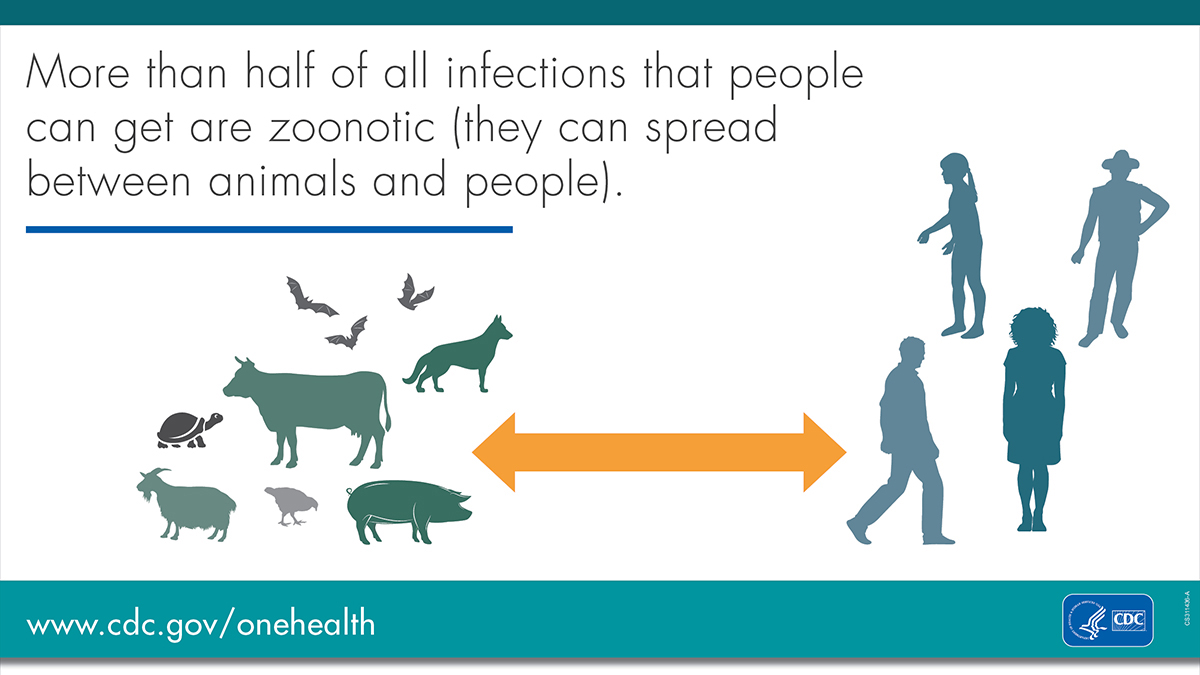
Zoonotic Diseases & Why We Are So Interested in Bats (Bartonella, Mycoplasma, & Coronavirus)

https://www.galaxydx.com/zoonotic-disease-and-one-health-with-bat-pathogens/

Zoonotic Diseases and Why We Are So Interested in Bats

Clinical Trial in the Works Using IV Vitamin C Against the 2019-nCoV Virus

https://clinicaltrials.gov/ct2/show/NCT04264533

Brief Summary:

2019 new coronavirus (2019-nCoV) infected pneumonia, namely severe acute respiratory infection (SARI) has caused global concern and emergency. There is a lack of effective targeted antiviral drugs, and symptomatic supportive treatment is still the current main treatment for SARI.

Vitamin C is significant to human body and plays a role in reducing inflammatory response and preventing common cold. In addtion, a few studies have shown that vitamin C deficiency is related to the increased risk and severity of influenza infections.

We hypothize that Vitamin C infusion can help improve the prognosis of patients with SARI. Therefore, it is necessary to study the clinical efficacy and safety of vitamin C for the clinical management of SARI through randomized controlled trials during the current epidemic of SARI.

Condition or disease Intervention/treatment Phase
Vitamin CPneumonia, ViralPneumonia, Ventilator-Associated Drug: Vit CDrug: Water for infusion Phase 2

Detailed Description:

At the end of 2019, patients with unexplained pneumonia appeared in Wuhan, China. At 21:00 on January 7, 2020, a new coronavirus was detected in the laboratory, and the detection of pathogenic nucleic acids was completed at 20:00 on January 10. Subsequently, the World Health Organization officially named the new coronavirus that caused the pneumonia epidemic in Wuhan as 2019 new coronavirus (2019-nCoV), and the pneumonia was named severe acute respiratory infection (SARI). Up to February 4, 2020, over 20000 cases have been diagnosed in China, 406 of which have died, and 154 cases have been discovered in other countries around the world. Most of the deaths were elderly patients or patients with severe underlying diseases. SARI has caused global concern and emergency.

Statistics of the 41 patients with SARI published in JAMA initially showed that 13 patients were transferred into the ICU, of which 11 (85%) had ARDS and 3 (23%) had shock. Of these, 10 (77%) required mechanical ventilation support, and 2 (15%) required ECMO support. Of the above 13 patients, 5 (38%) eventually died and 7 (38%) were transferred out of the ICU. Viral pneumonia is a dangerous condition with a poor clinical prognosis. For most viral infections, there is a lack of effective targeted antiviral drugs, and symptomatic supportive treatment is still the current main treatment.

Vitamin C, also known as ascorbic acid, has antioxidant properties. When sepsis happens, the cytokine surge caused by sepsis is activated, and neutrophils in the lungs accumulate in the lungs, destroying alveolar capillaries. Early clinical studies have shown that vitamin C can effectively prevent this process. In addition, vitamin C can help to eliminate alveolar fluid by preventing the activation and accumulation of neutrophils, and reducing alveolar epithelial water channel damage. At the same time, vitamin C can prevent the formation of neutrophil extracellular traps, which is a biological event of vascular injury caused by neutrophil activation. Vitamins can effectively shorten the duration of the common cold. In extreme conditions (athletes, skiers, art workers, military exercises), it can effectively prevent the common cold. And whether vitamin C also has a certain protective effect on influenza patients, only few studies have shown that vitamin C deficiency is related to the increased risk and severity of influenza infections. In a controlled but non-randomized trial, 85% of the 252 students treated experienced a reduction in symptoms in the high-dose vitamin C group (1g / h at the beginning of symptoms for 6h, followed by 3 * 1g / day). Among patients with sepsis and ARDS, patients in the high-dose vitamin group did not show a better prognosis and other clinical outcomes. There are still some confounding factors in the existing research, and the conclusions are different.

Therefore, during the current epidemic of SARI, it is necessary to study the clinical efficacy and safety of vitamin C for viral pneumonia through randomized controlled trials.

Study Design
Go to  sections
Study Type : Interventional  (Clinical Trial)
Estimated Enrollment : 140 participants
Allocation: Randomized
Intervention Model: Parallel Assignment
Masking: Triple (Participant, Care Provider, Outcomes Assessor)
Primary Purpose: Treatment
Official Title: Vitamin C Infusion for the Treatment of Severe 2019-nCoV Infected Pneumonia: a Prospective Randomized Clinical Trial
Estimated Study Start Date : February 10, 2020
Estimated Primary Completion Date : September 30, 2020
Estimated Study Completion Date : September 30, 2020
Arms and Interventions
Go to  sections
Arm Intervention/treatment
Experimental: Vit C

24g Vitamin C+water for injection, total volume 50ml. 7ml/h; infusion pump.
Drug: Vit C

24g Vitamin C will be infused in the experimental group per day for 7 days by the infusion pump with a speed of 7ml/h.
Other Name: Vitamin C
Placebo Comparator: Water for injection

50ml water for injection. 7ml/h; infusion pump.
Drug: Water for infusion

50ml water for infusion will be infused in the placebo comparator group per day for 7 days by the infusion pump with a speed of 7ml/h.
Outcome Measures
Primary Outcome Measures :

  1. Ventilation-free days [ Time Frame: on the day 28 after enrollment ]
    days without ventilation support during 28 days after patients’ enrollment
Secondary Outcome Measures :

  1. 28-days mortality [ Time Frame: on the day 28 after enrollment ]
    wether the patient survives
  2. ICU length of stay [ Time Frame: on the day 28 after enrollment ]
    days of the patients staying in the ICU
  3. Demand for first aid measuments [ Time Frame: on the day 28 after enrollment ]
    t t the rate of CPR
  4. Vasopressor days [ Time Frame: on the day 28 after enrollment ]
    days of using vasopressors
  5. Respiratory indexes [ Time Frame: on the day 10 and 28 after enrollment ]
    P O2/Fi O2 which reflects patients’ respiratory function
  6. Ventilator parameters [ Time Frame: on the day 10 and 28 after enrollment ]
    Ecmo or ventilator
  7. APACHE II scores [ Time Frame: on the day 10 after enrollment ]
    Acute Physiology and Chronic Health Evaluation
  8. SOFA scores [ Time Frame: on the day 10 after enrollment ]
    Sepsis-related Organ Failure Assessment


How to Protect Yourself & Your Family From Infections

How to Protect Yourself and Your Family From Infections

  1. Stay home when possible, avoid planes, buses, trains, queues, busy areas.
  2. No visitors, avoid close contact with symptomatic people or potential carriers, don’t share cups.
  3. No handshakes, kisses, hugs. Don’t kiss babies. All outside surfaces, money.
  4. Gloves and meticulous hand hygiene, don’t touch eyes, nose mouth.
  5. Wash hands, warm water and soap or hand sanitizers.
  6. Catch it – bin it – kill it.
  7. Coughs and sneezes spread diseases.
  8. Faecal contamination, meticulous hand and surface hygiene.
  9. Wear a quality medical mask or n95.
  10. Wrap around glasses.
  11. Avoid hospitals, limited visiting.
  12. Good nutrition, vitamin D.
  13. Keep warm, sleep, family life.
  14. Thoroughly cook meat and eggs.
  15. Avoid public spaces and wear a mask at home if you start to feel ill with fever.

___________________

**Comment**

Great simple, logical, and straightforward suggestions.  I’d ditch the hand sanitizer, however:  https://www.ncbi.nlm.nih.gov/pubmed/29182464

Excerpt:

The burgeoning literature on human health effects associated with TCS (triclosan) exposure, such as reproductive problems, was also summarized.

https://www.pnas.org/content/early/2014/11/12/1419119111

Excerpt:

These findings strongly suggest there are adverse health effects in mice with long-term TCS exposure, especially on enhancing liver fibrogenesis and tumorigenesis, and the relevance of TCS liver toxicity to humans should be evaluated.

Also, hand sanitizers are 60% alcohol – which not only is very drying but is also a no-no for anyone on disulfiram. I found this out the hard way in the hospital:  https://madisonarealymesupportgroup.com/2019/10/27/disulfiram-psychosis-update-2/