Archive for the ‘Treatment’ Category

Dementia From Illness

https://www.dementia.org/dementia-from-infection

Dementia From Illness

Milder, degenerative forms of dementia that are treatable and even reversible, include cases of dementia that develop from a brain infection or immune disorder.

The development of dementia is not limited to the elderly. There are a number of infections that affect the brain, as well as immune disorders that incite reactions in the body leading to complicated forms of cerebral damage.

These damages can have a number of lingering effects, even after the initial infections have been eliminated, including the onset of dementia. Fortunately, this is one of the milder forms of dementia, and in most cases is almost fully reversible.

What Is Dementia From Illness?

Dementia can sometimes develop as a result of your body’s natural reaction to fighting off a traditional infection.

This could be any kind of brain-related infection, such as meningitis, encephalitis, cases of syphilis that have gone untreated, Lyme disease and other conditions that completely compromise an individual’s immune system, like Leukemia.

Some conditions, such as multiple sclerosis, which is incited by the body attacking its own nerve cells, can also be a primary cause of this kind of dementia.

Risk Factors

If you are at risk for developing, or already have any of the following conditions, you may have a greater chance of eventually developing dementia from infections:

  • Meningitis (all varieties)
  • Malaria
  • Brain Abscesses
  • Encephalitis
  • Lyme Disease
  • Syphilis
  • Any bacterial or viral infection that affects the brain

The risk increases with age, and is much more of a danger if any of the infections go untreated.

Signs And Symptoms

As with many other forms of dementia, dementia resulting from illness can cause memory loss as well as difficulty understanding, recalling or transmitting language; difficulty concentrating on simple tasks, inability to coordinate or perform previously easy tasks, changes of personality traits or strange and sometimes inappropriate behavior.

If you have recently had an infection or immune disorder that has affected the brain, and you are currently experiencing symptoms of dementia, there may be a strong correlation. Even if the infection has disappeared or been completely treated, the damage it could have caused to your central nervous system may still be present.

Treatments

Fortunately, forms of dementia that have originated from an illness or an infection are, for the most part, reversible. Unlike Alzheimer’s disease and other forms of degenerative dementia that are incapable of reversing, the nature of an illness-borne case of dementia allows for its effects to be eliminated.

The cerebral impact, due in large part to complications from the body’s response to the infection, can be restored to its original state.

Treat Illnesses Promptly To Protect Cognitive Function

If you currently have an infection that affects the brain or any kind of immune disorder that complicates the way your body reacts, you should be aware of the possibility of developing this kind of dementia.

The longer these infections go untreated, the higher the risk of development and the more severe the symptoms could be. Fortunately, even if you do develop dementia from your illness, in most cases of this kind of dementia, it is possible to fully restore cognitive function.

_______________________

**Comment**

Although this article was written in 2015 it’s a good reminder that dementia can be caused by infections.

The following article is a specific example of how dementia can actually be undiagnosed Lyme disease.

https://www.inquisitr.com/3234154/kris-kristofferson-diagnosed-dementia-was-actually-lyme-disease/

Kris Kristofferson: Diagnosed ‘Dementia’ Was Actually Lyme Disease

Many people deal with at least some degree of memory loss as they age. So when singer-songwriter Kris Kristofferson, who turned 80 on June 22, began having trouble remembering things, he and his doctors chalked it up to the relentless march of time along with the effects of head injuries he received as a youthful athlete.

In November 2013, The Daily Mail reported that the then-77-year old Kristofferson was able to remember his own songs but not much else, and that other areas of his life were being adversely affected by dementia.

“I wish my memory weren’t so bad. They tell me it’s from all the football and boxing and the concussions that I got. A couple of years ago my memory just started going. I can remember my songs so I can perform, but other than that…”

Around the time that Kristofferson was awarded a Lifetime Achievement Grammy in 2014, doctors told the man who wrote “Me and Bobby McGee” that his memory deficit was indicative of the onset of Alzheimer’s disease or could be a form of dementia known as pugilistica. Now we know that Kris Kristofferson has Lyme disease.

On June 6, Rolling Stone magazine revealed that recent test results prove Kristofferson’s so-called ‘dementia’ was in fact caused by Lyme disease. Kristofferson’s wife, Lisa, told Rolling Stone that her husband had been taking prescription drugs to treat Alzheimer’s and depression for a number of years but stopped once Lyme was correctly diagnosed. She said that Kris “suddenly came back” after three weeks of treatment for Lyme disease.

“There are still bad days, but some days he’s perfectly normal and it’s easy to forget that he is even battling anything.”

When Kris Kristofferson presented symptoms of memory loss in his late 70s, it was easy for physicians to believe that he was suffering some sort of dementia. For one thing, Kristofferson has homes in Hawaii and California, where deer ticks are uncommon. Secondly, Kris Kristofferson was a Golden Gloves boxer and also has a history of playing contact sports such as college football.

Lisa Kristofferson stated that she believes her husband was infected by a deer tick whilst filming the 2006 movie Disappearances on location in Vermont. The Centers for Disease Control and Prevention explains that 96 percent of Lyme disease cases reported in 2014 originated from tick bites in Vermont and 13 other northeast and upper Midwest states. The CDC notes that although Lyme disease affects 30,000 people annually and is the fifth most common Nationally Notable disease, it does not occur nationwide.

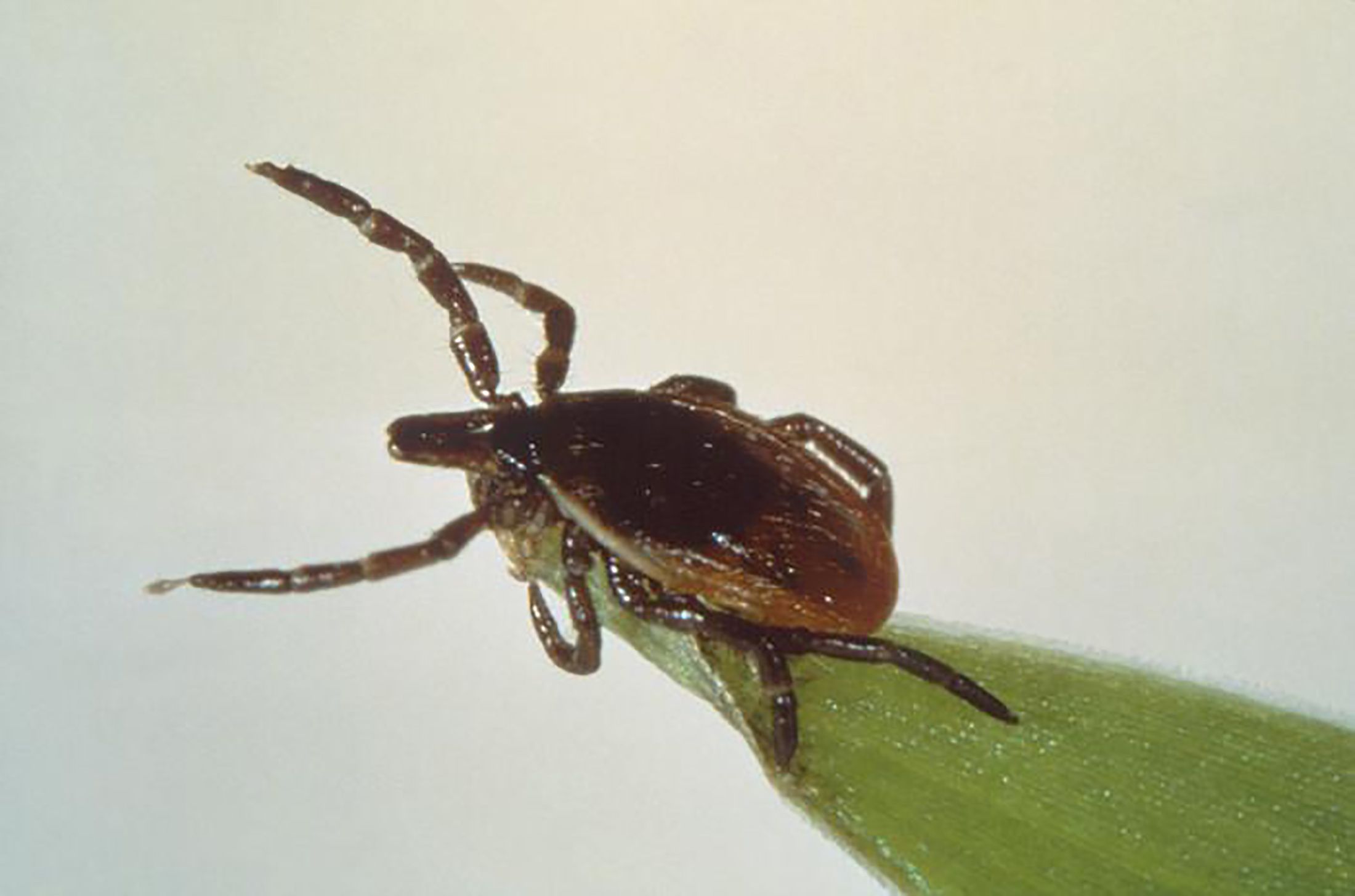
In the United States, Lyme is caused by Borrelia burgdorferi and Borrelia mayonii bacteria that is transmitted to humans and other mammals by the bite of the black-legged deer tick. The tick is most commonly hosted by deer, although squirrels, raccoons and opossums may carry the disease vector, too.

Mayo Clinic describes the first sign of early onset Lyme as a bulls-eye shaped rash at the bite site. Called erythema migrans, the rash generally appears three to 30 days after an infected tick bite. The rash, which is neither painful nor itchy, may spread to other parts of the body. Additional early signs of Lyme disease include fever, chills, body aches, joint and muscle pain, swollen lymph nodes, and other flu-like symptoms. Mayo Clinic notes that not all persons infected with Lyme develop the rash, and that the disease can be difficult to diagnose.

Columbia University Medical Center states that a number of diagnostic tests may be used to determine whether or not a patient is infected with Lyme disease, and that it is not uncommon for an infected person to test negative even though they have the disease. When a patient does test positive for Lyme, early intervention with strong antibiotics may prevent the disease from becoming chronic and unmanageable.

Kristofferson looked back on his long musical career at his personal website.

“I always try to be as honest as I can in the songwriting, otherwise there’s no point in doing it. I might as well be doing an advertising job or something. And what I’m finding, to my pleasant surprise at this age, is that I’m more inclined to laughter than tears. I hope I’ll feel this creative and this grateful until they throw dirt over me.”

Of the future, Kris Kristofferson told Rolling Stone the following.

“I really have no anxiety about controlling my own life. Somehow I just slipped into it and it’s worked. It’s not up to me – or you. I feel very lucky that my life has lasted so long, because I’ve done so many things that could have knocked me out of it. But somehow I just always have the feeling that He knows what He’s doing. It’s been good so far, and it’ll probably continue to be.”

__________________

**Comment**

Please remember, getting the EM rash is highly variable and certainly not a sure thing:  https://madisonarealymesupportgroup.com/2019/03/26/formally-challenging-cdc-advice-on-lyme-disease-rashes/

Steere Publications the Past & Today

https://www.change.org/p/the-us-senate-calling-for-a-congressional-investigation-of-the-cdc-idsa-and-aldf/u/24727806?

Steere publications the past and today

JUN 20, 2019 —

Today’s letter to Dr. Fauci as a follow-up to an earlier letter found here:

https://www.change.org/p/the-us-senate-calling-for-a-congressional-investigation-of-the-cdc-idsa-and-aldf/u/24713888
——— Original Message ———-
From: CARL TUTTLE <runagain@comcast.net>
To: afauci@niaid.nih.gov
Cc: tickbornedisease@hhs.gov, (98 Undisclosed Recipients)
Date: June 20, 2019 at 7:05 AM
Subject: Antibiotics are generally effective at all stages of the disease

June 20, 2019

Office of the Director,
National Institute of Allergy and Infectious Diseases (NIAID),National Institutes of Health
Bethesda, MD 20892
Attn: Anthony S. Fauci, M.D., Director

Dr. Fauci,

As a follow-up to my previous email dated June 17, 2019 I would like to call attention to the following Steere publications. The first dated 1977 and the latest published just this week.

1. Lyme arthritis: an epidemic of oligoarticular arthritis in children and adults in three connecticut communities. (1977)

Steere AC, Malawista SE, Snydman DR, Shope RE, Andiman WA, Ross MR, Steele FM.

https://www.ncbi.nlm.nih.gov/pubmed/836338

Excerpt:

The best treatment for this illness is not clear. Some physicians have reported that penicillin or tetracycline results in disappearance of the skin lesion (41,42), but others find antibiotics ineffective. Four of the patients with expanding skin lesions received penicillin but still developed arthritis.”

Carl Tuttle’s comment: Forty two years ago Allen Steere knew that antibiotics used to treat Lyme disease were not working.

2. Borrelia burgdorferi peptidoglycan is a persistent antigen in patients with Lyme arthritis (2019)

https://www.pnas.org/content/early/2019/06/11/1904170116

Excerpt:

“Although antibiotics are generally effective at all stages of the disease, arthritis may persist in some patients for months to several years despite oral and intravenous antibiotic treatment.”

What happened over the past decades that suddenly made 30-year-old antibiotic therapy effective for treating Lyme disease in all stages especially when there are more scientific references highlighting treatment failure than success? [i]

Might I remind you Dr. Fauci that Allen Steere has been named in a racketeering lawsuit [ii] that alleges he and six other co-defendants colluded to deny persistent infection through an elaborate racketeering scheme. This scheme has been financed through tax payer dollars in the form of NIH grants. Steere’s latest study was funded through NIH Grant # AI101175 and AI144365.

Patient testimony is describing a disease that is ruining lives, ending careers while leaving its victim in financial ruin. Patients who fail 30-year-old antibiotic therapy for Lyme disease are left to fend for themselves. Hundreds of thousands (if not millions worldwide) have been harmed by these actions bought and paid for by US taxpayer dollars. Public health officials globally are blindly following what has been deceitfully established here in America. We lost forty years to this racketeering scheme when we should have been developing more effective antimicrobials.

The mishandling of Lyme disease can be traced back to vaccine development when at that time, the infection was classified as “easily diagnosed and treated.” Publications prior to Dearborn (1994) painted an entirely different picture. The 1977 Steere publication listed above is just one of those publications.

So why do we need a Lyme disease vaccine (now on fast track with the FDA) if “antibiotics are generally effective at all stages of the disease?”

The National Institutes of Health continues to finance this racketeering scheme under your watch Dr. Fauci.

Carl Tuttle

Lyme Endemic Hudson, NH

References
[i] References for persistence of Lyme disease (Lyme borreliosis) are listed alphabetically and chronologically

Compiled by: John D. Scott, Research Division Lyme Disease Association of  Ontario

April 2013 (My personal Dropbox storage area)

https://www.dropbox.com/s/reiown7v732av00/Persistence%20of%20Lyme%20Disease.doc?dl=0
[ii] Racketeering lawsuit court document

https://www.dropbox.com/s/18uyrli878ug51m/LymeDisease%20RICO%20Lawsuit.pdf?dl=0

Anti-vaxxers stopped the last Lyme disease vaccine. The FDA has just fast-tracked a new one
The U.S. Food and Drug Administration (FDA) this week announced plans to expedite approval of a vaccine for Lyme disease. Valneva…

Retinal Vessel Occlusion Caused by Bartonella Infection

https://www.ncbi.nlm.nih.gov/pmc/articles/PMC6236082/

. 2018 Nov 19; 33(47): e297.
Published online 2018 Oct 29. doi: 10.3346/jkms.2018.33.e297
PMCID: PMC6236082
PMID: 31044568

A Case of Retinal Vessel Occlusion Caused by Bartonella Infection

An external file that holds a picture, illustration, etc. Object name is jkms-33-e297-g003.jpg
An external file that holds a picture, illustration, etc. Object name is jkms-33-e297-g004.jpg

A 29-year-old female visited the emergency room with sudden visual loss in the right eye started on the same day. She had been suffering from fever for two days. A best-corrected visual acuity (BCVA) was 0.5/0.7 in the Snellen chart. Fundus examination (Fig. 1) showed multiple retinal hemorrhages. Severe vascular sheaths around the optic disc area were present in the right eye. Candle-wax-dripping sign in the superior hemisphere were found in the left eye.

An external file that holds a picture, illustration, etc. Object name is jkms-33-e297-g001.jpg

On systemic examination, erythema of the lower extremities (Fig. 1C) and right inguinal lymph node enlargement were discovered. With systemic doxycycline (100 mg) and gentamicin (90 mg) administration, fever subsided after three days. Bartonella infection was confirmed after 10 days with in-house indirect immunofluorescent assay (IFA) analysis (immunoglobulin G; cutoff points for seropositive titer at 1:64). Lymph node biopsy showed necrotizing granulomatous lymphadenitis (Fig. 1D). On the same day, the BCVA decreased to hand motion in the right eye. When asked, she could not specify when the vision loss began. The candle-wax-dripping sign in the left eye had progressed to vascular sheath with flame-shaped hemorrhages. Fluorescein angiography shows a rack of filling of the retinal arteries. Blocked fluorescence by retinal hemorrhage was found in the whole area of right eye and in the superotemporal quadrant of left eye. Inner-retinal hyper-reflectivity of the right eye and cystoid macular edema in the left eye were revealed (Fig. 2). The impression was central retinal artery and vein occlusion for the right eye and branch retinal artery and vein occlusion for the left eye, associated with severe vasculitis secondary to Bartonella infection. The patient was treated with a systemic methylprednisolone 500 mg, anticoagulant (Enoxaparin sodium 60 mg) and Rifampin (300 mg). Three month after disease onset, the BCVA in the right eye improved to 0.1. For photographs and medical records that consisted possible identification of the patient, a consent form was obtained from the patient for use of publication.

An external file that holds a picture, illustration, etc. Object name is jkms-33-e297-g002.jpg

ACKNOWLEDGMENTS

The authors thank Professor Jin-Soo Lee, Department of Internal Medicine, Inha University School of Medicine, for his help with the in-house IFA analysis.

Footnotes

Funding: This research was supported by the Bio & Medical Technology Development Program of the National Research Foundation of Korea (NRF), funded by the Korean government, the Ministry of Science and ICT (MSIP) (NRF-2017M3A9E2056458).

Disclosure: The authors have no potential conflicts of interest to disclose.

Contributed by

Author Contributions: Conceptualization: Woo M, Kim SW. Investigation: Woo M, Ahn S. Writing – original draft: Woo M. Writing – review & editing: Ahn S, Song JY, Kim SW.

References

1. Kwon HY, Im JH, Lee SM, Baek JH, Durey A, Park SG, et al. The seroprevalence of Bartonella henselae in healthy adults in Korea. Korean J Intern Med. 2017;32(3):530–535. [PMC free article][PubMed] []
____________________

Breakthrough Paves Way For New Lyme Disease Treatment

https://www.newsleader.com/story/news/2019/06/17/new-lyme-disease-treatment-cure-ticks-virginia/1456187001/

Breakthrough paves way for new Lyme disease treatment

A Virginia Tech biochemist has discovered the cellular component that contributes to Lyme arthritis, a debilitating and extremely painful condition that is the most common late stage symptom of Lyme disease, a press release said.

According to the release from Virginia Tech, the biochemist, Brandon Jutras, found that as the Lyme-causing bacteria borrelia burgdorferi multiplies, it sheds a cellular component called peptidoglycan that elicits a unique inflammatory response in the body.

“This discovery will help researchers improve diagnostic tests and may lead to new treatment options for patients suffering with Lyme arthritis,” said Jutras, lead author on the study. “This is an important finding and we think that it has major implications for many manifestations of Lyme disease, not just Lyme arthritis.”

Lyme disease is the most reported vector-borne disease in the country, and in Virginia reports have increased by more than 6,000 percent in the last fifteen years. The Centers for Disease Control, estimates that approximately 300,000 people are diagnosed with Lyme disease annually in the United States. Scientists predict that the number of people who become infected Lyme will increase as our climate continues to change.

Jutras — an assistant professor of biochemistry in the College of Agriculture and Life Sciences and an affiliated faculty member of the Fralin Life Sciences Institute — and his collaborators recently published their findings in the Proceedings of the National Academy of Sciences.

According to the release, the PNAS paper was four years in the making, and Jutras began this research during his post-doctoral fellowship in the lab of Christine Jacobs-Wagner, a Howard Hughes Medical Institute Investigator and professor at Yale University.

“Nowadays nothing significant in science is accomplished without collaboration,” said Jutras. Co-authors on this paper ranged from bench scientists to medical doctors and practicing physicians. Dr. Allen Steere, a Harvard doctor who originally identified Lyme disease in the 1970s, assisted Jutras with his research and provided access to patient samples.

The research could provide a new way to diagnose Lyme disease and Lyme arthritis for patients with vague symptoms based on the presence of the cellular component called peptidoglycan in synovial fluid.

Read: Every spot in Virginia is a hotspot for ticks

The press release said, the team found peptidoglycan is a major contributor to Lyme arthritis in late-stage Lyme disease patients. Peptidoglycan is an essential component of bacterial cell walls. All bacteria have some form of peptidoglycan, but the form found in the bacteria that causes Lyme, borrelia burgdorferi, has a unique chemical structure. When the bacteria multiply, they shed peptidoglycan into the extracellular environment, because its genome does not have the appropriate proteins to recycle it back into the cell.

“We can actually detect peptidoglycan in the synovial fluid of the affected, inflamed joints of patients that have all the symptoms of Lyme arthritis but no longer have an obvious, active infection,” said Jutras in the release.

Peptidoglycan elicits an inflammatory response and the molecule persists in the synovial fluid, which means that our bodies continue to respond, without mounting a counter response.

Receptors in our immune system sense bacterial products and, depending on the individual’s genetic predispositions, may determine how strongly a patient’s body reacts to peptidoglycan.

The next phase of Jutras’ work is to use methods to destroy the peptidoglycan, or intervene to prevent a response, which could get rid of Lyme disease symptoms. According to the release, Jutras predicts that with either therapy patients would start recovering sooner.

Breakthrough paves way for new Lyme disease treatment, as discussed in this video provided by Virginia Tech. Video provided by Virginia Tech, Staunton News Leader

Clinical samples included in this study were obtained from patients that had confirmed cases of Lyme disease under the guidelines of the CDC, but virtually all did not respond to oral and/or intravenous antibiotic treatment, the release said. The presence of peptidoglycan in these patients’ synovial fluids may explain why some people experience symptoms of late stage Lyme disease in the absence of an obvious infection. In this case, the usual antibiotic treatments for Lyme disease would no longer be helpful, but this discovery might provide avenues for new treatments, the press release said.

Members of the Jacobs-Wagner lab purified the peptidoglycan and removed all other bacterial components and asked: is peptidoglycan all on its own capable of causing arthritis in a mouse model?

According to the release, within 24 hours post-injection, mice presented with dramatic joint inflammation, indicating that peptidoglycan can cause arthritis.

Jutras is continuing his research at Virginia Tech on peptidoglycan by more thoroughly studying its chemical composition to determine how it is able to persist in the human body. This will also help further the understanding of how this bacterial product contributes to other manifestations of Lyme disease.

“We are interested in understanding everything associated with how patients respond, how we can prevent that response, and how we could possibly intervene with blocking therapies or therapies that eliminate the molecule entirely,” Jutras said.

**Comment**
This article brings up more questions than answers.
1) Were these patients used for this study truly treated appropriately to begin with?  For example, was the mono-therapy of doxycycline only used for a short period of time?  This treatment has been shown again and again to have treatment failures from the beginning of time. For examples of effective treatment:  https://madisonarealymesupportgroup.com/2016/02/13/lyme-disease-treatment/  In a nutshell, effective treatment takes into account pleomorphism, polymmcrobialism, and biofilm. Doxy alone will not do these things.
2) Would an anti-peptidoglycan treatment only be a bandaid covering up a systemic infection? Everything I know about borrelia would answer a resounding “yes,” to this question.  While that may not be a bad thing, we must be honest about what the treatment’s really doing as well as the fact borrelia can persist in the human body, something The Cabal isn’t admitting at this point. Again, we truly need to end this Lyme War and according to microbiologist Tom Grier, that isn’t going to happen until post mortem studies are completed:  https://madisonarealymesupportgroup.com/2018/04/13/chronic-lyme-post-mortem-study-needed-to-end-the-lyme-wars/ Isn’t it a bit ironic that The Cabal is just fine with creating a patentable drug but NOT fine with doing the proper science that would put all of this to rest?
3) Bandaids on symptoms are used all the time to lesson pain and other symptoms; however, they shouldn’t be used at the expense of true, effective treatment for a systemic infection that’s relapsing in nature. In the case of Lyme disease, that would simply mean long-term antimicrobials. While I do not know the study parameters used here my guess would be the treatment that “didn’t work” was the mono-therapy of doxycycline which certainly doesn’t work for many coinfections such as Babesia, as well as the fact Eva Sapi has shown it to push the spirochete into the noncell wall form invitro:  https://www.dovepress.com/evaluation-of-in-vitro-antibiotic-susceptibility-of-different-morpholo-peer-reviewed-article-IDR
Just this year another study was done about it by Caskey et al.:  https://www.ncbi.nlm.nih.gov/pubmed/31057493

Treatment failures were found in Lyme arthritic patients who were treated with intramuscular (IM) benzathine penicillin following steroids. [3]

In another study, two patients were ill for 3 years and one patient for 6 years despite receiving intravenous (IV) ceftriaxone. The authors explained, “Patients unresponsive to ceftriaxone were more likely to have received corticosteroid treatment.” Dattwyler et al. from Stony Brook Medical Center found an “association of steroid use with an increased failure rate or worsening of disease is understandable in view of the well-known effects of these agents on the inflammatory and immune responses.”

Dattwyler advised against the use of steroids in Lyme disease patients based on these two studies. “In view of the strong association between the use of steroids and the lack of response to antibiotic therapy, we believe that glucocorticoids should not be used in the treatment of Lyme borreliosis.” [2]

This article highlights yet again the importance of needing the right research to be done. The Cabal continues full-steam ahead doing research built upon false premises that could hurt patients in the end.


Scientists Figured Out How to Make a Better Antibiotic With Electricity

https://www.thedailybeast.com/scientists-figured-out-how-to-make-a-better-antibioticwith-electricity?

Scientists Figured Out How to Make a Better Antibiotic—With Electricity

Every year in the U.S., 1.1 million people suffer from burns that need to be medically treated. Surgeries cause more than 100 million wounds. And countless others suffer from various cuts, lacerations, and traumas that land them in the hospital.

Every single one of these is an injury that needs to be protected from infection, but unfortunately a hospital isn’t a great place to do that. Hospital-acquired infection is extremely prevalent (so much so that the Centers for Disease Control has a program aimed at fighting it).

At the moment the best method of treatment is antibiotics—but those come with their own problems.

So Chandan Sen, a physiologist and vice chair of research at the Indiana University School of Medicine, and his team decided to re-invent the antibiotic—using electricity to help stop bacteria from evolving immunity.

“There’s a lot of people developing new antibiotics, let’s not do that,” Sen told The Daily Beast. “Let’s ask a broader question: are there ways of defeating these types of infection that are not pharmacology-based because we know drug resistance is easy to acquire for bugs,” he said.

Defeat meant Sen had to look at how the bacteria attach themselves together.

One of the reasons why infection is difficult to treat is because of the way bacteria congregate to create it. They form what’s called a biofilm—groups of different types of bacteria that join together and secrete a sticky mesh that holds them in place inside a wound. The mesh also helps protect the bacteria from attempts at treatment, making biofilms more resistant to antibiotics then individual bacteria. According to the CDC and the National Institutes of Health, it’s estimated that between 65 and 80 percent of all infections are caused by these difficult-to-treat biofilms.

“When bacteria chooses to become a biofilm there is quorum sensing; they talk to each other and say, ‘We have a quorum let’s form a biofilm,’” Sen said. “They have electrical communication.”

They do this either by connecting to each other using microscopic nanowires or through sending electrical signals in the form of current. But that led Sen and his team to wonder: “If we disrupt this electrical micro-environment can we disrupt them?”

Turns out, yes.

If a small external electrical current passes through a biofilm, the matrix that holds the bacteria together falls apart and the bacteria die, essentially confusing the signal. The bacteria start sending their messages in the wrong direction because their ions and electrons are attracted incorrectly.

“With this system you disintegrate the biofilm and it allows the immune system to come in fight it. It’s a cooperation,” he said.

The amount of electricity needed is minuscule. In fact, according to Sen, it is well below the amount that the FDA says is safe for human exposure. Their ultimate solution is a wound dressing—a piece of fabric—printed with a pattern of silver and zinc dots. When the fabric comes into contact with any type of body fluid, the combination produces enough energy to disrupt the bacteria.

“We have lit up an LED thermometer with that current.,” Sen said. “If you touch the fabric you can’t tell there’s any metal. Visually it looks like polka dots.”

In one of the experiments done with the fabric, the team tested it on an infection that had been allowed to spread untreated for seven days. “Once the biofilms formed we intervened with textiles,” he said. “The data was so convincing the Department of Defense has just started a clinical trial.”

The current version of the fabric creates an electrical field that can treat wounds a few millimeters deep. They have also developed a second version still in testing that uses a hearing aid battery, which provides a larger amount of electricity to silver circuitry on the dressing. This can create a bigger field, allowing for treatment of larger areas.

Sen says he’s excited about how this principle could be developed beyond his wound dressings, noting that they have research they are about to publish that shows its effects on other infections, such as those that come from fungus.

Overall, Sen believes it’s possible after more research this might be able to one day reduce the medical community’s need to rely on antibiotics. “We have not done research on that but I can see a clear path,” he said.

The first generation of the product is already on the market, sold as a wound dressing, but is going through FDA approval to be used as an infection treatment.