Archive for the ‘Treatment’ Category

Case Report: Delayed Onset Babesia

https://danielcameronmd.com/case-report-delayed-onset-babesia/

CASE REPORT: DELAYED ONSET BABESIA

delayed-onset-babesia

Hello, and welcome to another Inside Lyme Podcast. I am your host Dr. Daniel Cameron. In this podcast, I will be discussing an unusual case of delayed onset Babesia.

Podcast:  https://podcasts.google.com/feed/aHR0cHM6Ly9mZWVkcy5idXp6c3Byb3V0LmNvbS83NzIx

The case, involving a 19-year-old Hispanic man, was published in the Italian Journal of Pediatrics.1

Ten weeks after travelling to New York, the patient was diagnosed with the tick-borne illness Babesia. Initially, he presented with a 4-day history of fever, generalized weakness, and flu-like symptoms.

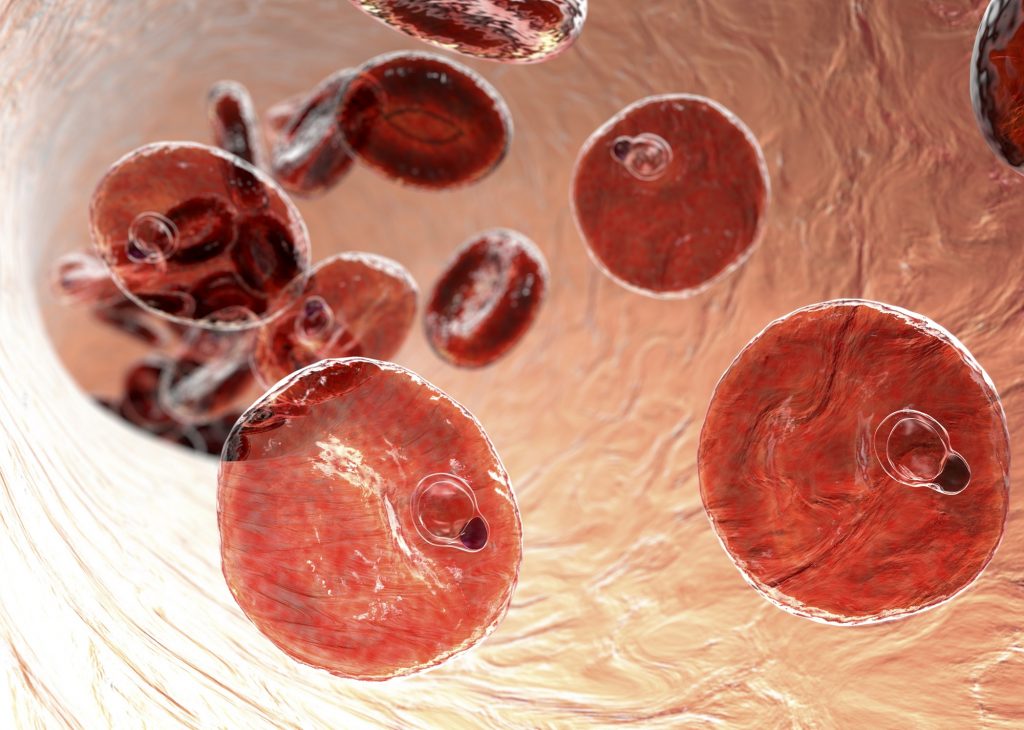
His fever was 104.8 F. His hemoglobin dropped from 9.3g/dL to 6.7g/dL within 5 hours. He was diagnosed with hemolysis and transfused with 2 units of packed red blood cells. A peripheral blood smear revealed a Maltese cross typically seen in Babesia.

Babesia is more likely to be symptomatic in individuals with a history of a splenectomy. This young man had a history of a splenectomy for hereditary spherocytosis when he was 3 years old.

Early in the disease, Babesia is more likely to be diagnosed with a thick blood smear under the microscope. But later in the course of the disease, a polymerase chain reaction (PCR) or antibody test can confirm the infection.

Babesia is more likely to be contracted in the Northeastern region of the United States. This young man had returned from a trip to New York. The disease is less likely to be contracted in Florida where the young man presented to an emergency room.

The patient was prescribed Quinine, but it was stopped due to headache, tinnitus, and blurred vision. Instead, he was successfully treated with Atovaquone, clindamycin, and azithromycin.

Two newborns with delayed onset Babesia 

During their third trimester, two mothers were treated for Lyme disease with amoxicillin. Both babies were born and discharged home. But several weeks later, the babies became ill with Babesia.²

The following questions are addressed in this Inside Lyme Podcast.

  1. What is Babesia and where are you more likely to contract the disease?
  2. How is Babesia diagnosed and treated?
  3. Can Babesia be transmitted through blood transfusions?
  4. What are the most common symptoms of Babesia?
  5. Is treatment different from Lyme disease?
  6. How frequently does Babesia co-occur with Lyme disease?
  7. Do patients with Babesia and Lyme disease present differently?
  8. Could Babesia explain why some Lyme disease patients relapse after initially improving with treatment?
  9. What is a Maltese cross?
  10. What is the importance of a splenectomy?
  11. Why is delayed onset Babesia important?

Editor’s note:  Delayed onset Babesia in two newborns is discussed in another Inside Lyme podcast.

    Thanks for listening to another Inside Lyme Podcast. You can read more about these cases in my show notes and on my website @DanielCameronMD.com. As always, it is your likes, comments, reviews, and shares that help spread the word about Lyme disease. Until next time on Inside Lyme.

Please remember that the advice given is general and not intended as specific advice as to any particular patient. If you require specific advice, then please seek that advice from an experienced professional.

Inside Lyme Podcast Series

This Inside Lyme case series will be discussed on my Facebook and made available on podcast and YouTube.  As always, it is your likes, comments, and shares that help spread the word about this series and our work. If you can, please leave a review on iTunes or wherever else you get your podcasts.

References:
  1. Patel JK, Tirumalasetty K, Zeidan B, Jr., Desai P, Frunzi J. A Case Report of Babesiosis Seen Outside of its Endemic Area and Incubation Period. Cureus. Dec 5 2020;12(12):e11926. doi:10.7759/cureus.11926
  2. Saetre K, Godhwani N, Maria M, et al. Congenital Babesiosis After Maternal Infection With Borrelia burgdorferi and Babesia microti. J Pediatric Infect Dis Soc. Feb 19 2018;7(1):e1-e5. doi:10.1093/jpids/pix074

________________________

For more:  https://madisonarealymesupportgroup.com/2016/01/16/babesia-treatment/

https://madisonarealymesupportgroup.com/2020/07/31/cipro-derivatives-show-promise-against-babesia-in-vitro/

https://madisonarealymesupportgroup.com/2020/07/21/babesia-in-dogs-implications-for-people/

https://madisonarealymesupportgroup.com/2021/01/08/rising-geriatric-babesia-cases-may-require-longer-treatment/

Case Report: ALS or Lyme Disease?

https://danielcameronmd.com/als-mimicked-by-lyme-disease/  Podcast here

CASE REPORT: ALS OR LYME DISEASE?

ALS-mimicked-lyme-disease

Hello, and welcome to another Inside Lyme Podcast. I am your host Dr. Daniel Cameron. In this episode, I will be discussing the case involving a 63-year-old man with ALS mimicked by Lyme disease.

I first read about this case by Wirsching and colleagues in the journal Clinical Case Reports. [1]

Amyotrophic Lateral Sclerosis (ALS), also known as Lou Gehrig’s disease, is a progressive motor neuron disease.

The 63-year-old man developed bilateral atrophic arm paresis with preserved reflexes and met the criteria for probable ALS. However, he also tested positive for Lyme disease by spinal tap.

In the year prior to developing ALS symptoms, the patient reportedly had a tick bite without a rash.

“In July 2018, that is, within six months, he developed paraparesis of both arms and also suffered from cramps in the shoulder girdle and hand muscles,” wrote the authors. “By August 2018, the patient was severely impaired in everyday life activities.”

His spinal tap revealed pleocytosis (an elevated white count) and elevated protein. The spinal fluid was positive for IgM and IgG titers for Lyme disease. His blood test was positive by ELISA and IgG Western blot tests. The antibody index was higher in the spinal tap than the blood by IgM but not IgG.

He was prescribed a three-week course of intravenous ceftriaxone but his symptoms did not improve.

“Hence, it is unlikely that neuroborreliosis was the main cause of symptoms in our patient,” wrote the authors.

Instead, the authors concluded that the patient’s ALS mimicked by Lyme disease.

Considering Lyme disease in differential diagnosis

The authors of another study, suggested that Lyme disease should be considered in patients presenting with ALS. “There appears to be a statistically significant association between ALS and immunoreactivity to B burgdorferi.” [2] Subsequent larger studies did not show an association.

Although the association between these two diseases remains controversial, Wirsching et al. highlighted the importance of considering Lyme disease in an ALS workup.

“It is vital to exclude potentially treatable diseases in the differential diagnostic work-up of all patients not to miss seldom, but treatable differential diagnoses such as neuroborreliosis,” the authors concluded.

The following questions are addressed this podcast:

  1. What is ALS?
  2. What is the difference between motor and sensory nerve disease?
  3. Why was Lyme disease considered?
  4. What is the significance of the positive spinal tap for Lyme disease?
  5. Were there any other tick-borne infections discussed?
  6. Was a single 3-week course of IV antibiotics sufficient?
  7. Why is it important to consider reversible causes of ALS?
  8. Have you seen cases of motor nerve disease in your practice?

Editor’s note:

Harvey and Martz described the case of a patient with motor nerve disease (ALS) who improved with antibiotic therapy.[3]

I have had Lyme disease patients with motor neuron disease who have improved with antibiotic treatment and others who have failed. I continue to encourage research in this area.

    1. Thanks for listening to another Inside Lyme Podcast. You can read more about these cases in my show notes and on my website @DanielCameronMD.com. As always, it is your likes, comments, reviews, and shares that help spread the word about Lyme disease. Until next time on Inside Lyme.

Please remember that the advice given is general and not intended as specific advice as to any particular patient. If you require specific advice, then please seek that advice from an experienced professional.

Inside Lyme Podcast Series

This Inside Lyme case series will be discussed on my Facebook and made available on podcast and YouTube.  As always, it is your likes, comments, and shares that help spread the word about this series and our work. If you can, please leave a review on iTunes or wherever else you get your podcasts.

References:
  1. Wirsching I, Ort N, Uceyler N. ALS or ALS mimic by neuroborreliosis-A case report. Clin Case Rep. Jan 2020;8(1):86-91. doi:10.1002/ccr3.2569
  2. Halperin JJ, Kaplan GP, Brazinsky S, et al. Immunologic reactivity against Borrelia burgdorferi in patients with motor neuron disease. Arch Neurol. 1990;47(5):586-594.
  3. Harvey WT, Martz D. Motor neuron disease recovery associated with IV ceftriaxone and anti-Babesia therapy. Acta Neurol Scand. Feb 2007;115(2):129-31. doi:10.1111/j.1600-0404.2006.00727.x

For more:

PEMF Podcast

https://www.betterhealthguy.com/episode134

Why You Should Listen

In this episode, you will learn about the application of Pulsed Electromagnetic Field (PEMF) therapy in supporting health and wellness.

Watch The Show

Listen To The Show

Find The Show

About My Guest

My guest for this episode is Dr. William Pawluk.  William Pawluk, MD, MSc is a holistic doctor near Baltimore, MD.  He has held academic positions at Johns Hopkins and University of Maryland.  His is trained in acupuncture, nutrition, herbals, energy medicine, homeopathy, hypnosis, bodywork, and multiple other therapies.  He is considered the foremost authority on the use of Pulsed Electromagnetic Field (PEMF) therapy in North America.  His areas of interest include holistic pain management, regenerative health, stem cell stimulation, anti-aging, sleep, and anxiety.  His main emphasis is using PEMFs as a new solution for stubborn, chronic, and frustrating health problems.  He strives to try to resolve the cause of the problem and not to simply put a Band-Aid on it.   Most conventional treatments for pain rely on “numbing and dumbing,” that simply make the perception of pain better but don’t heal the cause.  After 25 years of seeing the risks and side effects of traditional health solutions and approaches, and after studying various healing modalities, he discovered that PEMFs provide the most benefit and allow safe, non-toxic, self-directed, self-controlled, at-home pain management.  He has authored a comprehensive book on healing with magnetic fields called “Power Tools for Health.”

Key Takeaways

  • If EMF is bad, how can PEMF be good?
  • Has the earth’s magnetic field changed over time?
  • What are the cellular and biological benefits of PEMF?
  • How is PEMF different from Rife?
  • What is the role of gauss and waveform in working with PEMF?
  • How might electrolytes synergize the effects of PEMF?
  • What is the role of PEMF in supporting the production of ATP in the mitochondria?
  • How might PEMF help support those with hypercoagulation?
  • How might PEMF therapy support the immune system and act as an indirect microbial support intervention?
  • Can PEMF support structural integrity in those with hypermobility or Ehlers-Danlos Syndrome?
  • Does PEMF have the potential to help improve the terrain and support detoxification?
  • Can the nervous system be calmed with the incorporation of PEMF therapy?
  • How might PEMF be helpful in dysautonomias such as POTS?
  • What is the role of PEMF therapy in supporting restorative sleep?
  • What are the contraindications for PEMF?
  • What devices does Dr. Pawluk recommend?

Resources

FlexPulse
BioBalance
TeslaFit

Power Tools for Health Book

Transcript:

https://www.betterhealthguy.com/episode134

________________________

For more:  https://madisonarealymesupportgroup.com/2019/04/08/three-alternative-strategies-that-can-address-severe-chronic-pain/

Protocol Guide For Basic Ozone Therapies

https://cdn.shopify.com/s/files/1/0507/7129/6441/files/Protocols_for_Basic_Ozone_Therapies.pdf  Guide Here

iu-16

Protocol Guide For Basic Ozone Therapies

  • Rectal Insufflation
  • Ear Insufflation
  • Ozone Water
  • Vaginal Insufflation
  • Limb Bagging/Cupping
  • Breathing Ozonides

_______________________

For more on Ozone:  

Milk Thistle Promotes Liver Function

https://articles.mercola.com/sites/articles/archive/2021/01/18/milk-thistle-promotes-liver-function

Milk Thistle Promotes Liver Function

Analysis by Dr. Joseph MercolaFact Checked
milk thistle promotes liver function
STORY AT-A-GLANCE
  • The primary bioactive compound in milk thistle is a group of flavonolignans called silymarin, which have known hepatoprotective properties including against the deadly death cap mushroom
  • Silymarin can reduce the fibrotic liver changes leading to cirrhosis associated with nonalcoholic steatohepatitis (NASH), a more advanced form of nonalcoholic fatty liver disease (NAFLD)
  • Silymarin has anticancer, neuroprotective and antiosteoclastic properties. The plant is highly invasive and toxic to livestock
  • Formulations combined with phospholipids such as phosphatidylcholine improve bioavailability and therapeutic efficiency

Milk thistle (Silybum marianum) is a member of the Asteraceae family and an herbaceous perennial native to Southern Europe and Asia. The plant enjoys full sun and grows to a height of nearly 5 feet. It blooms between July and August with deep purple to pink flowers.1

Throughout history, people have used the fruit and seeds of the milk thistle plant as a treatment for liver disorders. The plant goes by several other names, including Holy thistle, Mary thistle, Our Lady’s thistle, wild artichoke and St. Mary thistle.2

Traditionally, the leaves have been harvested to use in salads and the flower may be roasted and used as a coffee substitute. However, it is the seeds of the milk thistle that were prized for their medicinal activity.

According to the NIH, the oldest recorded use of the plant was by Dioscorides, who believed it could be used as a treatment for snake bites.3 During the Middle Ages it was used as an antidote for liver toxins and by 1898 physicians were using it to treat liver, kidney and spleen disorders. Currently, the German Commission E lists milk thistle for the treatment of hepatic cirrhosis and toxin-induced liver damage and to support chronic inflammatory liver conditions.

Milk Thistle Protects Your Liver Health

The main bioactive compound in milk thistle is a group of flavonolignans called silymarin.4Flavonolignans are a group of flavonoids with known hepatoprotective properties.5 Silymarin consists of seven different flavonolignans among which silybin has the highest concentration and biological effect. Nearly 70% of silymarin is in the form of silybin A and silybin B.6

Silymarin can be isolated from milk thistle seeds, and while the term milk thistle and silymarin have been used interchangeably, it is technically inaccurate. Multiple studies have demonstrated the ability of silymarin to help protect your liver, and it is regularly used in individuals whose liver has been damaged by nonalcoholic fatty liver disease, hepatitis and liver cancer.7,8

Silymarin also has a protective effect against amatoxin, a deadly toxin produced by the death cap mushroom. Nearly 90% of fatalities from mushrooms worldwide are due to the death cap mushroom.9 Symptoms manifest six to eight hours after ingestion and are followed by kidney and liver failure.

In one review, researchers found nearly 1,500 documented cases where the mortality was less than 10% in patients treated with Legalon® SIL, a pharmaceutical silibinin compound. In another case report,10 doctors successfully treated two patients who accidentally ingested the death cap mushroom with a combination of n-acetylcysteine, cimetidine, silibinin and high-dose penicillin.

Benefits to liver health from silymarin likely result from the antioxidant, anti-inflammatory and antifibrotic properties of the compound. Silymarin also has demonstrated the ability to reduce virus-related liver damage and has a direct antiviral effect when administered intravenously in patients with hepatitis C.11

Silymarin has a positive effect on nonalcoholic steatohepatitis (NASH), which is a more advanced form of nonalcoholic fatty liver disease.12 The compound can also help reduce the fibrotic changes that lead to liver cirrhosis.13 In combination with vitamin E, researchers found silymarin helps improve liver function tests and can be:14

“… an alternative valid therapeutic option particularly when other drugs are not indicated or have failed or as a complementary treatment associated with other therapeutic programs.”

Your Liver: The Great Detoxifier

One of the largest organs in your body is your liver, and for good reason. It performs many metabolic and detoxifying functions, helping to convert toxic substances into harmless substances that are then released from your body.15

Your liver is in your upper abdominal cavity just under your right diaphragm, where it sits on top of your stomach. A normal healthy adult liver weighs about 3 pounds and is made of two lobes connected by a band of connective tissue.16

Just inside the hollow under the liver is the gallbladder, where your body stores bile. At any given time, your liver holds about 13% of your body’s blood supply, which it filters and then excretes toxins in 800 milliliters to 1,000 milliliters of bile each day.17 This is emptied into your gallbladder.

In addition to detoxifying your blood, your liver also produces some of the proteins for blood plasma, converts excess sugar into glycogen and helps balance the production of glucose.18 Your liver is also responsible for regulating blood clotting mechanisms, resisting infections and clearing bilirubin that is formed when hemoglobin breaks down.

Silymarin offers significant benefits to your liver, including the ability to increase glutathione, which is a powerful antioxidant crucial for liver detoxification.19 Researchers have also found it may help your liver cells to regenerate, supporting the only organ in your body capable of regeneration.20

Incidence of Liver Disease on the Rise

As you can imagine, liver damage affects these functions and more. Although many tend to equate liver disease with alcohol use, as many as 100 million people suffer from nonalcoholic fatty liver disease (NAFLD),21 which is associated with obesity.22 As the incidence of obesity in the U.S. has risen, so has NAFLD. In 2017-2018, the age adjusted prevalence of obesity in the U.S. was 42.4% of adults.23

Risk factors for nonalcoholic fatty liver disease include obesity, diabetes, high triglyceride levels and poor eating habits. The condition is sometimes called a silent disease because you may not experience any symptoms and many people may live with the condition without developing further liver damage.24 If NAFLD progresses with signs of inflammation and cell damage, it is called nonalcoholic steatohepatitis (NASH).

NAFLD is also the most common type of liver disease found in children.25 Data released in January 202026 from a large cohort in the U.K. found 20% of young adults had NAFLD.

When the researchers widened the data set, they found over 20% had evidence of NAFLD and 2.5% had developed fibrosis. Breaking out the data further, they found at 17 years, 2.5% had moderate to severe levels, yet by age 24 this had risen to 13%.

Silymarin Reduces Cellular Inflammation

Many of the health benefits attributed to silymarin are the result of the compound’s capacity to help reduce cellular inflammation. Research has suggested silymarin does this using a two-phase process similar to that used by other natural compounds such as curcumin and epigallocatechin gallate, found in green tea.27

During the first phase there was a rapid increase in genetic expression that is linked with cellular stress. After this follows a longer sustained depression of genetic expression that is found with inflammation. As described by the National Center for Complementary and Integrative Health, in this study, silymarin:28

  • Induced endoplasmic reticulum stress
  • Triggered activating transcription factor 4 (ATF-4) and AMP-activated protein kinase (AMPK), and inhibited mammalian target of rapamycin (mTOR)
  • Modulated the actions of many types of metabolites
  • Inhibited inflammatory signaling pathways, when given on a prolonged basis (at 24 hours, in this study)

An important factor in those steps is the activation of AMP-activated protein kinase (AMPK). This is an enzyme that sometimes is called the “metabolic master switch” since it plays an important role in regulating metabolism.29 According to the Natural Medicine Journal, AMPK regulates biological activities to normalize energy imbalances. In addition:30

“AMPK helps coordinate the response to these stressors, shifting energy toward cellular repair, maintenance, or a return to homeostasis and improved likelihood of survival. The hormones leptin and adiponectin activate AMPK. In other words, activating AMPK can produce the same benefits as exercise, dieting, and weight loss — the lifestyle modifications considered beneficial for a range of maladies.”

More Health Benefits With Milk Thistle

These factors mean milk thistle offers a wide range of health benefits. Milk thistle extracts have been tested for anticancer actions in prostate cancer both in the lab and in clinical trials. According to one study, “extracts enriched for isosilybin B, or isosilybin B alone, might possess improved potency in prostate cancer prevention and treatment.”31

The plant also has neuroprotective effects and has been used in the treatment of Alzheimer’s and Parkinson’s disease in modern society and neurological diseases such as cerebral ischemia for well over 2,000 years.32 The antioxidant and anti-inflammatory properties may contribute to the neuroprotective effects that help prevent a decline in brain function as you age.33

In one study, researchers used silymarin to reduce oxidative stress and inflammation in an animal model that helped reduce the potential for dementia in obese animal subjects.34 Other studies have also demonstrated the ability of milk thistle to reduce amyloid plaques in animal models associated with Alzheimer’s disease.35,36

Silymarin has also demonstrated antiosteoclastic activity in animal studies, causing one research team to conclude it significantly prevents bone loss, potentially “either due to direct interaction with Erbeta [an estrogen receptor beta-isoform] or increasing bone formation parameters including calcium, phosphorus, osteocalcin and PTH.”37

The American Pregnancy Association writes that blessed thistle has been used for hundreds of years to raise a woman’s milk supply, and it is especially effective when taken with fenugreek.38

One published study of 50 healthy lactating women demonstrated oral supplementation with 420 milligrams per day of silymarin boosted their milk supply by 85.94% as compared to the women taking a placebo whose milk supply went up 32.09%.39 None of the women dropped out and no one reported unwanted side effects.

Considerations Before Planting Milk Thistle at Home

Before planting milk thistle in your garden or picking up a milk thistle supplement, there are a few things to consider. Research has found silibinin is poorly absorbed as it has low water solubility. Using a novel formulation, combining silibinin with phosphatidylcholine, researchers were able to improve the solubility and bioavailability, which markedly improved the therapeutic efficiency.40

If you’re hoping to grow your own plants in your backyard and harvest for tea and salads, be forewarned the plant is highly invasive and spreads quickly. While you may not mind having it all over your yard, it doesn’t respect your neighbor’s boundaries and will likely end up in their yard as well.

Milk thistle is also highly toxic to livestock, so if you have grazing animals it’s important you don’t plant it outside.41 Milk thistle has adapted to growing even in poor quality soil. The plants enjoy full sun and once the flowers have begun to dry, they’ll be ready for harvest.42

Cut the flowers and place them in a paper bag, storing the bag in a dry place so the flower heads dry. Once all the moisture is gone, shake the bag to separate the seeds, which can then be kept in a dry airtight container.

The seeds can be powdered in a coffee grinder and sprinkled on your salads, added to smoothies or even raw juice. You can use the seeds to make your own tea, which you’ll find a recipe for in “Magnificent Milk Thistle.”

+ Sources and References