Archive for the ‘Transmission’ Category

Juvenile Tick Attachment on Mice Significantly Greater in Japanese Barberry Shrubs

https://www.ncbi.nlm.nih.gov/m/pubmed/29850912/

Indirect Effects of Japanese Barberry Infestations on White-Footed Mice Exposure to Borrelia burgdorferi.

Linske MA, et al. Environ Entomol. 2018.

Abstract
Japanese barberry (Berberis thunbergii de Candolle; Ranunculales: Berberidaceae) is an exotic shrub that has invaded woodland understories in the northeastern United States. It forms dense thickets providing ideal structure and microclimate for questing blacklegged ticks (Ixodes scapularis Say; Acari: Ixodidae). While there have been studies on the favorable habitat barberry provides blacklegged ticks, little has been studied on the relationship between barberry, vectors (ticks), and reservoirs (white-footed mice; Peromyscus leucopus Rafinesque; Rodentia: Cricetidae); specifically, the influence Japanese barberry has on the abundance of blacklegged ticks and Borrelia burgdorferi infection (Johnson, Schmid, Hyde, Steigerwalt, and Brenner; Spirochaetales: Spirochaetaceae) in mice.

We studied the impacts of barberry treatment over the course of 6 yr to determine influence on encounter abundance with white-footed mice, encounter abundance with B. burgdorferi-infected mice, and juvenile blacklegged ticks parasitizing mice.

Results from our study suggest that while both white-footed mouse and B. burgdorferi-infected mouse encounters remained similar between barberry treatment areas, juvenile tick attachment to mice was significantly greater in intact barberry stands (X¯ = 4.4 ticks per mouse ± 0.23 SEM) compared with managed (X¯ = 2.8 ± 0.17; P < 0.001) or absent (X¯ = 2.2 ± 0.16; P < 0.001) stands. Results of this study indicated that management of barberry stands reduced contact opportunities between blacklegged ticks and white-footed mice. Continued efforts to manage Japanese barberry will not only allow for reestablishment of native plant species, but will also reduce the number of B. burgdorferi-infected blacklegged ticks on the landscape

______________

For More:  https://madisonarealymesupportgroup.com/2018/01/20/manage-barberry-lower-ticks/  (Other links after article)


The Confounding Geography of Lyme Disease in the U.S.

https://www.wiscontext.org/confounding-geography-lyme-disease-us

The Confounding Geography Of Lyme Disease In The U.S.

Scientists Explore How Regional Variations In Tick Behavior Drives Difference In Infections

Scott Gordon
WisContext
June 6, 2018

health-ticks-lymedisease-geography-blackleggedtick-array

Graham Hickling/University of Tennessee

The Upper Midwest and the northeastern regions of the United States are increasingly a carpet of Lyme disease cases each summer and autumn. But the southeastern part of the country — a vast expanse of hot and humid territory and certainly hospitable to the ticks that carry Lyme-causing bacteria — gets off relatively easy. At times, the question of whether Lyme disease even exists in the South has spurred fierce debate among entomologists and public-health officials. In short, yes, it does exist in the South, but is far less prevalent than in points north.

The medical community officially began to recognize Lyme disease in the 1970s. It’s named after Lyme, Connecticut, where residents became convinced they were dealing with a little-understood disease and not getting the proper diagnosis or treatment. In the early 1980s, a medical entomologist named Willy Burgdorfer discovered that Lyme was a bacterial infection — which is why the main Lyme-causing bacteria in North America is called Borrelia burgdorferi — and that deer ticks, also known as black-legged ticks (Ixodes scapularis), were spreading it. Deer ticks were first discovered in Wisconsin in 1965 but became more common around the state during the 1980s. Since that time, Lyme disease diagnoses have increased dramatically in the Northeast and Upper Midwest, but much less so in the southern or the western U.S.

While the nation as a whole is seeing an increase in insect-borne illnesses, the northern U.S. still gets the brunt of Lyme season. Entomologists and epidemiologists are still trying to piece together what exactly drives this stark regional difference.

Questing for answers

North America’s deer ticks exhibit different behaviors in different regions, and have evolved into genetically distinct populations of the same species. Northern deer ticks have exhibited more outgoing behavior than their southern counterparts, said Jean Tsao, a disease ecology professor at Michigan State University.

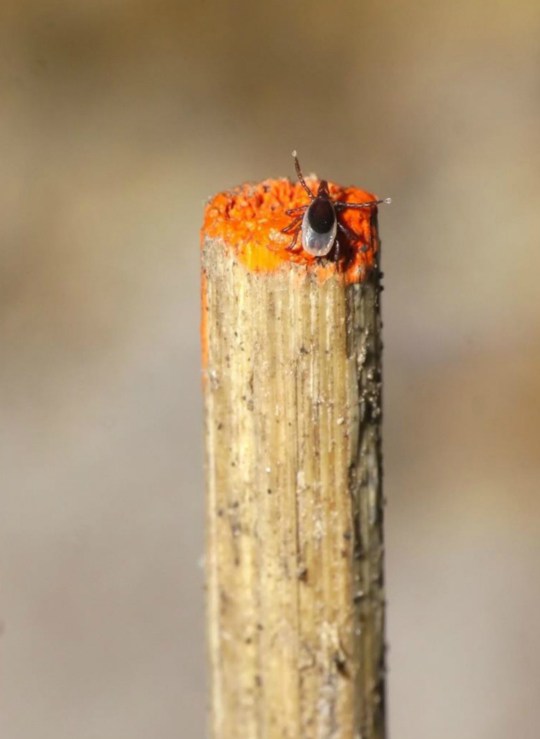
Tsao, who studies ticks across the Midwest and the country, co-led a study that observed tick nymphs from Wisconsin, Rhode Island, Tennessee and Florida in an artificial habitat. The scientists looked closely at what’s known as “questing” behavior — that is, how ticks go about looking for a host animal to feed on. The ticks from Rhode Island and Wisconsin spent a lot more time climbing up the walls and the dowels meant to simulate the stems of plants. However, the Tennessee and Florida ticks tended to stay under the “leaf litter,” a layer of dead vegetation that settles on the ground in forests or other plant-dense habitats.
health-ticks-lymedisease-geography-blackleggedtick-question-experiment

Graham Hickling/University of Tennessee/PLos One

In an experiment conducted in an artificial habitat, black-legged ticks from Wisconsin and Rhode Island were more likely to ascend dowels to “quest” for prey.

Both the northern and southern ticks are looking for hosts — they all have to imbibe blood and become grotesquely engorged to progress from one stage of life to the next. The ticks can pick up bacteria from one meal, then pass on the pathogens to whatever or whoever they feed upon next. Scientists believe nymphs infect people with Lyme disease more often than larval or adult ticks.

But given what Tsao and her collaborators observed, northern and southern ticks have different methods of climbing aboard. That variation in turn influences what sorts of animals they find as hosts. Lyme disease-causing bacteria are still circulating among ticks and animals in the South, of course, but are not infecting people quite so often as they do in the Midwest and Northeast.

“Even if they were highly infected, a person’s probability of running into one of these ticks just by walking through the woods is much lower in many areas of the South than it is in the North,” Tsao said.

Regional differences in tick genetics and behavior also collide with the timing of the tick life cycle — when adults that have huddled up for winter reemerge, when larvae are hatching, when nymphs are feeding, and coming full circle, when adults are laying eggs — which can vary with regional weather patterns.

The American dog tick (Dermacentor variabilis), also known as the wood tick, is larger than the black-legged tick (Ixodes scapularis), which is also called the deer tick.

health-ticks-woodtick-blackleggedtick-comparison

Armed Forces Pest Management Board (CC BY-NC-ND 2.0)

“The larvae get infected by feeding on an infected animal, usually in the summer,” explained Columbia University entomology professor Maria Diuk-Wasser via email. “They then molt (grow) to nymphs and spend the winter in ‘hibernation.’ The following year, they emerge early to infect the next generation of mice, which then infect then next generation of larvae, and so on. If the timing of feeding (nymphs before larvae) gets disrupted, transmission of the bacterium stops. This seems to happen in some areas in the South.”

One caveat in these regional differences is that just like the Midwest, the South encompasses a wide variety of habitats.

“Inland states like Kentucky, Tennessee and Alabama have large forest areas that are hot and dry, with leached clay soils — none of which makes for good black-legged tick habitat,” said Graham Hickling, a professor of forestry, wildlife, and fisheries at the University of Tennessee.

Black-legged ticks are still found in such areas, but generally at very low densities. In contrast, in humid, sandy habitats like coastal Florida, and in some major river valleys in inland states, black-legged tick densities can be high and similar to those seen in northern Lyme-endemic states.”

Different strokes, different hosts

Those ground-favoring ticks in the South really like to feed on reptiles, including the southeastern five-lined skink (Plestiodon inexpectatus) and the broad-headed skink (Plestiodon laticeps). Reptiles are thought to be less capable of harboring Lyme disease-causing bacteria than other animals ticks feed upon, namely birds and mammals.

In the western U.S., for instance, a protein in the blood of the western fence lizard (Sceloporus occidentalis) effectively clears out the bacteria from ticks that feed on it. While both northern and southern ticks also often feed on rodents, northern ones are much more likely to feed on white-footed mice, which have a proven record of harboring Lyme pathogens.

“The ones in the South evolved around a different set of vertebrate hosts than the ones in the North,” said Charles Apperson, a professor emeritus of entomology at North Carolina State University. “The ones in the North evolved over time where there are plenty of small rodent hosts that we now know are the source of the [Lyme disease] spirochete.”

Apperson and other Lyme disease researchers are mostly dealing with the spirochete Borrelia burgdorferi, the species that is primarily responsible for causing Lyme disease across the U.S. Scientists discovered another North American Lyme-causing bacteria, Borrelia mayonii, in 2013, and it has been found in patients from Wisconsin, Minnesota and North Dakota. In Europe, Borrelia garinii and Borrelia afzelii are the most common culprits.

health-ticks-lymedisease-fivelinedskink-stump

Tony Alter (CC BY 2.0)

The southeastern five-lined skink is a more common meal for black-legged ticks in the southern U.S. than it is in more northern climes.

The mystery is that lizards can harbor Lyme disease bacteria. In Europe and northern Africa, research has shown that some lizard species can be an effective reservoir for Borrelia lusitaniae, another bacteria species that causes Lyme disease.

Apperson has conducted experiments in which five-lined skinks and green anoles (Anolis carolinensis), both abundant in the southeastern U.S., were injected with Borrelia burgdorferi. Tick larvae then fed on the lizards. Of the 424 ticks that fed on infected skinks, 100 came away infected themselves. Only 47 ticks fed on the green anoles, though, only one was infected, suggesting the skinks were more capable than the anoles of passing on the bacteria to ticks.

However, as Apperson admits, this experiment doesn’t say a whole lot about how much of a vector these lizards might be in real-life Lyme-related ecology. The test subjects were confined in a lab setting and therefore under stress, and the scientists gave them a “very high dose” of Borrelia burgdorferi. When an animal is under such conditions, all sorts of things can go out of whack, including its immune responses.

“How that relates to nature, I don’t know,” Apperson said, but added that it does demonstrate that lizards can help Lyme disease spread under the right circumstances.

To further complicate these questions, even host animals that don’t readily harbor Lyme disease can affect its spread.

In Wisconsin, Ixodes scapularis tends to feed a lot on deer, hence one of its colloquial names. But scientists studying the ticks’ range of animal meals have observed that deer don’t seem to be very good reservoirs for Borrelia burgdorferi. Additionally, ticks feeding on deer tend to be adults, which means they’re taking their last blood meal and won’t go on to potentially infect another host with any pathogens they might be carrying. Still, female adults go on to lay eggs after that meal, so the fortunes of deer can still indirectly impact tick reproduction and the next generation’s ability to spread Lyme disease.

health-ticks-lymedisease-geography-blackleggedtick-deer-feeding

Graham Hickling/University of Tennessee

Female (above) and male (below) black-legged ticks feed on a deer, with only the former becoming engorged with a blood meal

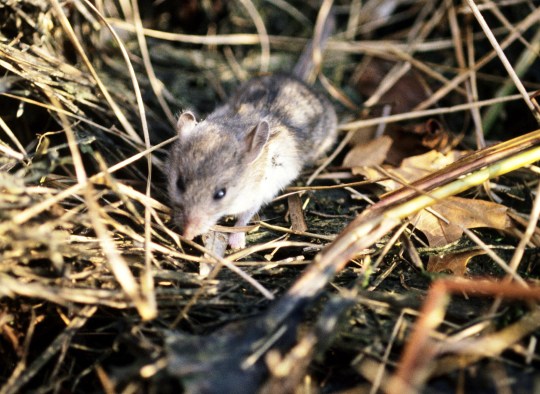
Entomologists and disease ecologists believe that other mammal hosts, chiefly the white-footed mouse (Peromyscus leucopus), are primarily responsible for passing Lyme-causing bacteria on to ticks. White-footed mice are so important to this field of study that a forest floor dense with acorns is considered a terrifying signal of an impending tick infestation. Mice will come out in droves to eat those acorns, and the ticks will be waiting in the woods to gorge on mouse blood and acquire the bacteria.

The white-footed mouse is a common carrier of the bacteria that causes Lyme disease.
animals-reservoirs-whitefootedmouse

Wisconsin Department of Natural Resources (CC BY-ND 2.0)

Wisconsin has its share of reptiles that can serve as hosts for ticks. Researchers working at Fort McCoy near Sparta, as part of a multi-university project Michigan State ecologist Jean Tsao leads, have collected deer ticks from five-lined skinks and snakes.

But reptiles are simply not as prominent in the state as Borrelia-spreading rodents. The five-lined skink’s range in Wisconsin includes a roughly Y-shaped swath of the state, which doesn’t include the northwestern counties that tend to see the highest Lyme infection rates. (White-footed mice are found just about all over the state.) And Tsao said that in her experience, it’s very rare for researchers to find ticks on a snake in either the Midwest, the Northeast or the South.

Climate change and ticks on the move

So much about Lyme disease hinges on weather, which could also help explain regional variations.

Howard Ginsberg, a Rhode Island-based research ecologist with the U.S. Geological Survey, released a study in 2017 that explored how heat and humidity might relate to regional variations in Lyme disease infection rates. Large swaths of the continental U.S. have high humidity during the summer, but the southern part of the nation is generally hotter than the Northeast or Upper Midwest. Ginsberg’s experiments found that tick larvae generally lived longer in “northern” temperatures (slightly lower temperatures, if still hot) than in “southern” ones when relative humidity was low for both. When humidity was moderate or high, that gap between northern and southern survival rates closed.

These findings might mean that while humidity is good for ticks regardless of region or temperature, ticks in hotter areas will come under more stress when humidity flags. It might have something to do with the lower rates of Lyme disease in the southern U.S.

Ginsberg is still trying to figure out exactly what the connection is — it may be that heat drives southern ticks to spend more time hiding out under leaves on the ground, or that the heat makes it easier for these ticks to dry up and die, or perhaps both. Then there’s the larger question of how temperature and humidity conditions interact with all the other factors helping and hurting ticks.

health-ticks-lymedisease-blackleggedtick-distribution-map-cdc

Centers for Disease Control and Prevention

Climate change could also upend the geography of tick-borne diseases. Warming temperatures are helping ticks spread their geographic range, and fewer days below freezing means more days to crawl around, feed, and ultimately, spread pathogens. The lone star tick (Amblyomma americanum) is expanding northward, including into Wisconsin, bringing with them their own brew of pathogens, including a bizarre meat allergy.

Wisconsin has also experienced movement in another direction; deer ticks, still mostly concentrated in the northern and western reaches of the state, are spreading towards the south and east.

Meanwhile, northern ticks might be moving southwards, and with them the specific strains of bacteria they carry.

“In states like Tennessee, we are starting to find tick populations infected with a mixture of northeastern and Midwestern strains of Borrelia,” said Graham Hickling of the University of Tennessee.

North Carolina State’s Charles Apperson said the northeastern branch of the Ixodes scapularis population is expanding southward via the Appalachian Mountains, but not so much along the Atlantic Coast.

This pattern would seem to match up with Hickling’s observation that tick populations are “surging” in places like Tennessee, Kentucky, and inland areas of Virginia and North Carolina. But Hickling noted this could be explained by a boom in the existing southern tick population, perhaps mixed with some migration from the north.

“If northern ticks are spreading south, we would expect to see bites from black-legged ticks, and locally-acquired Lyme disease cases, to shift increasingly into the summer months, since adult black-legged ticks are winter- and spring-active,” he said. “I haven’t seen any good evidence for this, so far, in part because Lyme case reporting from southern states doesn’t usually separate out travel cases from the North vs locally-acquired cases.”

Hickling hopes to work with health officials around the South to develop a clearer understanding of that data.

Changing weather patterns around North America will also affect the timing of ticks’ life cycles and feeding habits, explained Columbia University entomologist Maria Diuk-Wasser, which may have just as much impact on Lyme disease as tick migrations.

In the South, one open question is what happens when northern and southern deer ticks intermingle. Will the resulting offspring’s questing behavior favor the influence of one lineage or another, and if so, which one?

They may also be hybridizing — mating — with southern ticks, and we don’t know which behavior will predominate,” Diuk-Wasser said.

This report was produced in a partnership between Wisconsin Public Radio, Wisconsin Public Television and the University of Wisconsin Cooperative Extension. © Copyright 2018, Board of Regents of the University of Wisconsin System and Wisconsin Educational Communications Board.

Series: Tick-Borne Diseases In Wisconsin:  https://www.wiscontext.org/tick-borne-diseases-wisconsin

______________

**Comment**

Please know this idea of climate change affecting ticks and therefore transmission of disease to humans is contested by tick experts:  https://madisonarealymesupportgroup.com/2017/08/14/canadian-tick-expert-climate-change-is-not-behind-lyme-disease/

The reason this is important is it takes the focus off of what is more important – very sick people and their need for timely diagnosis and effective treatment.  

It’s been 40 years and these issues haven’t changed, yet researchers are lining their pockets with lots of money for climate change research.

Please know every time you hear the words, “Climate change,” there is a cash register chinging in the background as it represents huge research dollars but does absolutely nothing for patients.

According to John Scott, an independent researcher who’s infected with Lyme himself, ticks are marvelous ecoadaptors and will survive anything.

In the end, it’s about very sick people who need answers so they can get better.  Never forget that.

The Role of Retroviruses in Chronic Illness – A Clinician’s Perspective

https://klinghardtinstitute.com/wp-content/uploads/2018/05/IHCAN-Dr-K-article-HERV-05.1.pdf

The Role of Retroviruses in Chronic Illness- Dietrich Klinghardt, MD, PhD

The role of retroviruses in chronic illness is greatly disputed in academic circles. However, at the Sophia Health Institute Dr DIETRICH KLINGHARDT, MD, PhD, reports seeing significant improvement in treatment outcomes – in the most severely affected patients with chronic illness – when anti- retroviral strategies are included.

The results we are seeing at the Sophia Health Institute at our locations in Seattle and Marin County would not have been possible without the brilliant work of Judy Mikovits, PhD.

What is published and what illnesses are potentially caused by, or have as a contributing factor, activated retroviruses?

  • CNS-related illnesses: ME/CFS, Gulf War Syndrome, Autism, MS, Parkinson’s, ALS, Schizophrenia
  • Auto-immune diseases: Lupus, Crohn’s, Hashimoto’s Thyroiditis, Polymyositis, Sjogren’s syndrome, Bechet’s Disease, primary biliary cirrhosis
  • Cancer: prostate, breast, non-Hodgkin’s lymphoma, chronic lymphocytic leukaemia, mantle cell lymphoma, hairy cell leukaemia, bladder, colorectal, kidney, ovarian.

To that I am adding a list of other illnesses that have responded under my care to retroviral interventions: intractable Lyme disease, mold illness, insomnia, brain fog and all stages of a deteriorating brain, most childhood illnesses including ADHD and behavioural problems, asthma, breast cancer, lung cancer and many more.

Working backwards

What are retroviruses? The more familiar DNA viruses such as those from the “herpes family” – and many others – work their way from DNA over to RNA and from there to the manufacture of viral proteins. Retroviruses work their way backwards – from the RNA to the DNA – and then forward again from there.

Retroviruses are subdivided into different- lettered classes – Beta Retroviruses: HERV-K. Gamma Retroviruses: HERV-H and HERV-W.

The generally accepted key contributors to chronic illness are inflammation, oxidative stress and microbial infection. All of these are known triggers for retroviral activity, and in turn are also caused by retroviral activity.

Both human and animal retroviruses can infect the central nervous system (CNS). These are associated with many diseases of the CNS and cause neurological disease by several mechanisms:

1. Directly through infection of immune cells which traffic to the brain;

2. Indirectly through increases in proinflammatory cytokines and chemokines, or

3. In the absence of detectable brain inflammation indirect effects known as “bystander effects”- causing chronic retroviral replication of immune cells.

A retrovirus works via the enzyme “reverse transcriptase”. Once inside the cell, it uses the enzyme to force the cell to create viral DNA. This viral DNA becomes integrated into the host cell DNA. A retrovirus integrated into our genome may be passed from mother to child during pregnancy (Sakuma et al, 2012).

Only 2% of our DNA is protein-coding, but 6-8% of our DNA is retroviral DNA – passed down to us from our ancestors as scars from our constant encounter with an often hostile microbial and virus-rich environment (Stoyle, 2006, Mayer et al, 2011; Li et al, 2001). These viruses are referred to as Human Endogenous Retroviruses or HERVs.

However, not all embedded retroviral DNA is bad. Some sections have become a functional part of our genome because they have given us an evolutionary advantage, such as the formation of the p53 gene regulatory network (Shin et al, 2013; Barbusecu et al, 2001). Other retroviruses have to be silenced throughout life, mainly through DNA methylation and acetylation.

The transcription of retroviral DNA makes the infected person susceptible to numerous de-novo genetic mutations, including MTHFR, DNMT and other genes which control methylation. Many other illness-producing effects are known, implicating HERV-K in the pathogenesis of neuroinflammatory and autoimmune illnesses. For a patient to get well today, it is rarely enough to just interpret the genomic testing and to substitute accordingly.

Acquiring infection

How do we become infected? Retroviruses can be acquired (inhalation, blood-based products, physical contact) or the viruses already present in our DNA can be activated through influences such as a viral infection or chronic inflammation (Manghera and Douville, 2013).

For example, the Epstein Barr virus induces expression of the HERV-K envelope gene and the transactivation of MSRV, the Multiple Sclerosis retrovirus (Mameli et al, 2007; Sutkowski et al, 2001). Herpes simplex type-2 activates members of the HERV-W family. These and other mechanisms are likely responsible for the activation of HERVs seen in rheumatoid arthritis, SLE, Sjorgens disease, schizophrenia, autism, MS and cancer. Cell phone radiation has disabled many of our protective proteins (Fragopoulou et al, 2012) and so have many of the food-based toxins such as glyphosate (Seneff et al, 2017) and air-based inhalants (aluminium etc).  An unintended source of retroviruses are some vaccines as reported in Frontiers in Microbiology in January 2011).

Diagnosis

Currently PCR testing is only available to
the research community. We have to rely on indirect parameters:

  • decrease of CD56 NK cells (CD56 is involved in adhesion, migration, growth, differentiation and other cellular functions); down regulation of IL-13, IL-2, IFN gamma, TH-1 cytokines (J. Mikovits et al, 1998)
  • upregulated levels of TH-2 cytokines: IL-4, IL-10 and pro-inflammatory cytokines: IL-1, IL-6, IL-8 and TNF-alpha.
  • elevated levels of TGF beta-1: has profound effects on innate and adaptive immunity through stimulation of mast cells (often mistaken as mould-related). This may be the true cause of mastocytosis.

Other practical markers from my experience: low wbc (white blood count below 4500), low CD 56. I always include the CD 57 to rule out an active Borrelia burgdorferi infection as compounding factor.

Treatment

When the retroviruses are effectively addressed early in the treatment of chronic illness, other issues such as bacterial infections (Borrelia, Mycoplasma, Bartonella etc), mould illness, EBV, CMV, HHV-6, silent inflammation, parasites, heavy metal toxicity and many other problems become less symptomatic and often undetectable – and respond much better to treatment, even to interventions that have failed before.

Plants have been exposed to the same retroviruses as us, but for 300 million years longer – and many have developed potent adaptogens. Even though drugs like Truvada and AZT can be successfully used, I prefer the use of plant-based products that have unique anti-retroviral properties. A few examples with the key references:

  • Scutalaria root (Ruscetti et al: “Inhibition of HIV infection by baicalin – a flavonoid compound purified from Chinese herbal medicine”, Cellular & Molecular Biology Research 39, 2 (1993): 119-124).
  • Cistus incanus (Rebensburg et al: “Potent in vitro antiviral activity of Cistus incanus extract against HIV and Filoviruses targets viral envelope proteins”. Scientific Reports 6 (2016): 20394).
  • Broccoli sprouts (Furuya et al: “Sulforaphane inhibits HIV infection of macrophages through Nrf2.” PLoS Pathogens, 12.4 (2016): e1005581)
  • St John’s Wort (Meruelo, Lavie and Lavie: “Therapeutic agents with dramatic anti- retroviral activity and little toxicity at effective doses: aromatic polycyclic diones hypericin and pseudohypericin.” Proc Nal Acad Sci 85.14 (1988): 5230-5234).

In addition, I like to put my patients on a high dose of seleno-cysteine (commonly 800mcg, a dose that has been established as safe (Yang, G.; Zhou, R. (1994) “Further Observations on the Human Maximum Safe Dietary Selenium Intake in a Seleniferous Area of China”. Journal of Trace Elements and Electrolytes in Health and Disease. 8 (3–4): 159–165. Baum et al. “High risk of HIV- related mortality is associated with selenium deficiency.” JAIDS 15.5 (1997): 370-374).

Suramin, an old anti-parasitic, has turned out to be one of the most effective anti- retroviral agents. Retroviruses activate the “cell danger response” and the P2 purinergic receptor on each cell. Suramin downregulates this receptor and inhibits the binding of growth factors TGF-beta, EGF, PDGF to their receptors and thus antagonises the ability of these factors to stimulate growth of tumour cells. It can be given iv every six weeks.

I prefer giving daily homeopathic doses (Mitsuya et al: “Suramin protection of T cells in vitro against infectivity and cytopathic effect of HTLV-III.” Science 226.4671 (1984): 172-174).

When we use suitable liposomal extracts of plants in proper dose and frequency, together with selenium and “energetic copies” of immune modulators like suramin, olmetarsan (vitamin D receptor), rapamycin (mTOR), significant results can be achieved in the treatment of chronic illness that were not possible before. This new therapeutic approach should always be combined with the synergistic use of EMR protection, treatment of Lyme and co-infections, mould and metal detox.

• On June 10, Dr Klinghardt will present a one-day seminar on the correct and effective use of anti-retroviral interventions in chronic illness. For more information and to book see news story on page 9 and visit www. Klinghardtinstitute.com.

About the author

Dr DIETRICH KLINGHARDT studied medicine and psychology in Freiburg, Germany, completing his PhD on the involvement of the autonomic nervous system in autoimmune disorders. Early in his career he became interested in the sequelae of chronic toxicity (especially lead, mercury, environmental pollutants & electromagnetic fields) in the course of illness.

While working in India he encountered Eastern concepts of disease aetiology and blended them with his Western training. This laid the foundation for his 5-level system of Integrative Medicine. In the US he spent three years as a full-time emergency physician before becoming Medical Director of the Santa Fe Pain Centre.

Increasingly aware of the limitations of conventional medicine when dealing with chronic conditions, he trained in Ericksonian hypnotherapy and began to include body-oriented psychotherapeutic and counselling approaches in his work, along with neural therapy, mesotherapy injection techniques and applied psychoneurobiology. Dr Klinghardt has contributed significantly to the understanding of metal toxicity and its connection with chronic infections, illness and pain. He has been instrumental in advancing various fields within biological medicine – non-invasive pain management, injection techniques for pain and orthopaedic dysfunction, anti-ageing medicine, toxicology, paediatrics (neuro-developmental disorders), energy psychology, biological dentistry and others. He has also developed Autonomic Response Testing, a comprehensive diagnostic system that has helped many practitioners to become accomplished holistic physicians. He founded Sophia Health Institute in 2012, and is actively involved in patient care at his clinic.

______________

**Comment**

For more on Mikovitz’s work:  https://madisonarealymesupportgroup.com/2017/10/15/vaccines-and-retroviruses-a-whistleblower-reveals-what-the-government-is-hiding/

https://madisonarealymesupportgroup.com/2018/03/01/vaccines-could-contribute-to-disease-epidemics-due-to-retrovirus-contamination/

To hear the audio of the talk & slides, go here:  http://simplymimi.net/archives/1151


Northern & Southern CA Cats have Bartonella and Rickettsia – Proven by 16S rRNA Next Gen Sequencing

https://www.ncbi.nlm.nih.gov/m/pubmed/29893631/

Assessing Cat Flea Microbiomes in Northern and Southern California by 16S rRNA Next-Generation Sequencing.

Vasconcelos EJR, et al. Vector Borne Zoonotic Dis. 2018.

Abstract
Flea-borne diseases (FBDs) impact both human and animal health worldwide. Because adult fleas are obligately hematophagous and can harbor potential pathogens, fleas act as ectoparasites of vertebrates, as well as zoonotic disease vectors. Cat fleas (Ctenocephalides felis) are important vectors of two zoonotic bacterial genera listed as priority pathogens by the National Institute of Allergy and Infectious Diseases (NIAID-USA): Bartonella spp. and Rickettsia spp., causative agents of bartonelloses and rickettsioses, respectively.

In this study, we introduce the first microbiome analysis of C. felis samples from California, determining the presence and abundance of relevant pathogenic genera by characterizing the cat flea microbiome through 16S rRNA next-generation sequencing (16S-NGS). Samples from both northern (NoCal) and southern (SoCal) California were assessed to expand current knowledge regarding FBDs in the state. We identified Rickettsia and Bartonella, as well as the endosymbiont Wolbachia, as the most abundant genera, followed by less abundant taxa. In comparison to our previous study screening Californian cat fleas for rickettsiae using PCR/digestion/sequencing of the ompB gene, the 16S-NGS approach applied herein showed a 95% level of agreement in detecting Rickettsia spp. There was no overall difference in microbiome diversity between NoCal and SoCal samples. Bacterial taxa identified by 16S-NGS in this study may help to improve epidemiological investigations, pathogen surveillance efforts, and clinical diagnostics of FBDs in California and elsewhere.

_____________

**Comment**

Bartonella and Rickettsia spp. are also diseases Lyme/MSIDS patients have to contend with.  There is no good, solid research studying the ability of ticks to transmit Bartonella, yet most of us out here in Lyme land have it.  Rickettsia’s out here too in plenty.  I would think this important issue would be dealt with.  Somehow patients are getting these diseases and its either happening by direct transmission or by being activated once they get Lyme and their immune systems become compromised.

Either way, this issue MUST be studied, resolved, and appropriately death with.

Mainstream medicine is completely lost when it comes to tick borne illnesses such as these.  Lyme is finally getting acknowledged due to shear numbers, but don’t kid yourself, thousands upon thousands have Bartonella and Rickettsia as well.  The one drug, one pathogen paradigm needs to be forgotten like a bad dream and researchers and doctors need to become educated on this complex 21st Century plague.

BTW:  Wolbachia is being widely used as a biocontrol.  Here’s why that may not be such a great idea:  https://madisonarealymesupportgroup.com/2017/07/10/wolbachia-the-next-frankenstein/

https://madisonarealymesupportgroup.com/2018/02/12/wolbachia-laced-mosquitoes-being-released-why-lyme-msids-patients-might-be-negatively-affected/

https://madisonarealymesupportgroup.com/2018/05/22/mosquito-spit-alone-may-significantly-alter-your-immune-system-for-days-after-a-bite/

https://madisonarealymesupportgroup.com/2018/05/02/tick-mosquito-and-flea-diseases-more-than-tripled-since-2004/

It is my strong opinion that ALL of these factors are a perfect storm of events causing human suffering and disease.  Researchers need to zoom out and look at the big picture and the interconnection of things or we are doomed.

Counterpoint: We Don’t Take Lyme Seriously Enough

http://thechronicleherald.ca/opinion/1577953-counterpoint-we-don’t-take-lyme-seriously-enough#.WybeW46-8U4.linkedin

COUNTERPOINT: We don’t take Lyme seriously enough

by JIM WILSON

Published June 16, 2018

Diagnosis, treatment is still lacking in Nova Scotia
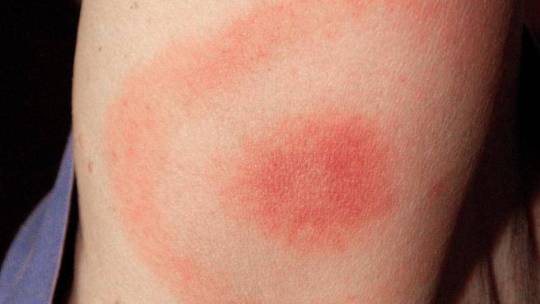
B97808243Z.120180615163154000GK8L2CS6.11The bullseye rash, like the one pictured on a woman’s arm above, is often associated with the early stages of Lyme disease. (JAMES GATHANY)

Re: your June 9 Letter of the Week: “Stop pushing the Lyme disease panic button.” I think it is time for a different take than what’s offered in this letter and the June 3 news article it stemmed from, “Public health failing to address Lyme disease crisis, says author.”

Born in Nova Scotia, I contracted Lyme disease in Dartmouth in 1991.

Little has improved since then, except for awareness.

Diagnosis and treatment are still very poor. Testing for Lyme disease is not even recommended until at least two to three weeks after infection because the current testing protocols used Canada-wide are indirect tests — checking to see if the patient has developed detectable levels of antibodies to the bacterium that causes Lyme disease (borreliosis), and it takes that long for us to develop the antibodies. By then, the disease has moved into deep tissue.

Lyme disease is not easily preventable; it requires daily due diligence and even then you can still become infected.

It may require landscaping redesign of your property, separating tick habitat from your living space.

Ticks, especially those that transmit Lyme disease, are tiny and not easily seen. Frequently, if you see one tick on you, you may miss other ticks that are in areas of the body not easily observed, including under the hair and in private parts.

Also, Canada says it is keen on prevention. Yet a majority of countries have approved products for sale designed to prevent ticks from attaching, such as permethrin-soaked clothing and eucalyptus oil with icaridin. Only after years of asking, Health Canada finally approved permethrin-soaked clothing to be sold here, but strangely only to prevent insect bites, not tick attachments (unlike 45 other countries).

Also, the eucalyptus-oil-based products containing icaridin (also called picaridin) that have been shown to be very effective have not been approved for sale in Canada either. So is Canada truly concerned about prevention? It appears not.

Rhode Island, a tiny U.S. state, has 9,000-plus cases per year, using the United States Center for Disease Control model of 10 times the confirmed cases (due in large part to poor tests, poor medical education and other reasons).

It is illogical to blame the individual for not taking precautions, which is the implication in the article and in this letter.

The fact is, even with the best of precautions and awareness, people are still becoming infected in record numbers, as there is a large amount of under-reporting.

The article and the letter also fail to point out that ticks do not only transmit Lyme disease.

Our motto at the Canadian Lyme Disease Foundation (CanLyme.org) is No Tick Is A Good Tick.

That’s because we must be concerned about all species of ticks that will attach to humans. They are all capable of transmitting various diseases (ehrlichiosis, babesiosis, rocky mountain spotted fever, etc.) — some requiring only a short period of attachment — and they can deliver serious neurotoxins such as tick paralysis (from the Dermacentor ticks commonly known in the west as the wood tick and in eastern and central Canada, the dog tick).

According to the original article, “Heather Fairbairn, a spokeswoman with the province’s public health department, states Lyme disease is easily curable both in the early and later states of the disease.”

That is simply an irresponsible statement that flies in the face of all credible evidence-based, grade-level science.

If caught very early, it can usually be cured with antibiotics. Sadly though, most cases are not diagnosed early — and typically it is only those who present with a nicely defined bull’s-eye rash who are.

But most people do not get that rash.

You can easily apply the “10 times of reported confirmed cases” estimate to Nova Scotia as well, putting the likely number of cases at around 4,000 per year — not around 400 — showing clearly that it is not easily prevented.

Later-stage Lyme disease is very difficult to treat in many cases — again a well-known fact supported by all studies done on animals and thousands of individuals’ testimony (similar to the 100 people who testified on camera at the 2016 Lyme disease conference sponsored by the Public Health Agency of Canada as required by federal legislation enacted with all-party, unanimous support).

The legislation came about due to misinformation by government and medical authorities over decades.

Physicians are improperly educated and not given the true picture of Lyme borreliosis and other tick-borne diseases. People do not have access to adequate diagnosis and treatment.

Jim Wilson is president of the Canadian Lyme Disease Foundation.

_____________

**Comment**

Bravo, Jim.  You are spot on.