Archive for the ‘Transmission’ Category

Is A Cell Tower Causing Cancer In School Children?

https://www.brighteon.com/6028326665001

Is A Cell Tower Causing Cancer In School Children

Please click on link above for CBS13 news story of 4 children diagnosed with cancer all attending the same school that has a cell tower on its premise. More than 200 children protested the tower by staying home from school.

Parents hired an electromagnetic radiation specialist who found much higher levels than the district’s experts.  He also stated that it’s not just a cell-tower but it also transmits wireless frequencies.

__________________

https://ehtrust.org/key-issues/cell-phoneswireless/5g-networks-iot-scientific-overview-human-health-risks/  Verizon and Sprint have announced “test cities” for 5G which include Sacramento, Washington DC, Atlanta, Dallas, Miami and New York.

For more:  https://madisonarealymesupportgroup.com/2019/01/16/award-winning-journalist-exposes-wifi-disaster-in-canadian-public-school-that-injured-dozens-of-children-health-alert-on-cell-phones/

https://madisonarealymesupportgroup.com/2019/04/13/study-wi-fi-is-an-important-threat-to-human-health-list-of-scientific-studies/

https://madisonarealymesupportgroup.com/2019/03/13/despite-lack-of-studies-safety-standards-relaxed-ahead-of-5g-emf-health-effects-survey-shows-health-harm-rat-study-shows-microwaves-cause-brain-permeability/

https://madisonarealymesupportgroup.com/2019/03/05/global-5g-will-blanket-the-earth-in-a-mosaic-of-cells/


Three Strains of Borrelia & Other Pathogens Found in Salivary Glands of Ixodes Ticks – Suggesting Quicker Transmission Time

https://www.ncbi.nlm.nih.gov/pubmed/30940200

2019 Apr 2;12(1):152. doi: 10.1186/s13071-019-3418-7.

Tick-borne pathogen detection in midgut and salivary glands of adult Ixodes ricinus.

Abstract

BACKGROUND:

The tick midgut and salivary glands represent the primary organs for pathogen acquisition and transmission, respectively. Specifically, the midgut is the first organ to have contact with pathogens during the blood meal uptake, while salivary glands along with their secretions play a crucial role in pathogen transmission to the host. Currently there is little data about pathogen composition and prevalence in Ixodes ricinus midgut and salivary glands. The present study investigated the presence of 32 pathogen species in the midgut and salivary glands of unfed I. ricinus males and females using high-throughput microfluidic real-time PCR. Such an approach is important for enriching the knowledge about pathogen distribution in distinct tick organs which should lead to a better understanding I. ricinus-borne disease epidemiology.

RESULTS:

  • Borrelia lusitaniae, Borrelia spielmanii and Borrelia garinii, were detected in both midgut and salivary glands suggesting that the migration of these pathogens between these two organs might not be triggered by the blood meal.
  • In contrast, Borrelia afzelii was detected only in the tick midgut.
  • Anaplasma phagocytophilum and Rickettsia helvetica were the most frequently detected in ticks and were found in both males and females in the midgut and salivary glands.
  • In contrast, Rickettsia felis was only detected in salivary glands.
  • Finally, Borrelia miyamotoi and Babesia venatorum were detected only in males in both midguts and salivary glands.
  • Among all collected ticks, between 10-21% of organs were co-infected.
  • The most common bacterial co-infections in male and female midgut and salivary glands were Rickettsia helvetica + Anaplasma phagocytophilum and Rickettsia helvetica + Borrelia lusitaniae, respectively.

CONCLUSIONS:

Analysing tick-borne pathogen (TBP) presence in specific tick organs enabled us to (i) highlight contrasting results with well-established transmission mechanism postulates; (ii) venture new hypotheses concerning pathogen location and migration from midgut to salivary glands; and (iii) suggest other potential associations between pathogens not previously detected at the scale of the whole tick. This work highlights the importance of considering all tick scales (i.e. whole ticks vs organs) to study TBP ecology and represents another step towards improved understanding of TBP transmission.

____________________
**Comment**
Ixodes ricinus, commonly known as the castor bean tick, sheep tick, or deer tick, transmits numerous pathogens of medical and veterinary importance including tick-borne encephalitis virus and Borrelia burgdorferi (Lyme), and frequently bites humans. https://ecdc.europa.eu/en/disease-vectors/facts/tick-factsheets/ixodes-ricinus
The really important discovery was that three borrelia strains were found not only in the midgut but in the salivary glands – suggesting that the migration of these pathogens between these two organs might not be triggered by the blood meal.
For decades we’ve been told by the CDC that it takes a minimum of 36-48-hours for a tick to transmit Lyme to a human. Then, in 2013 we were told they needed to be embedded for 24 hours or more:  https://www.nhregister.com/columns/article/DR-KATZ-Of-Lyme-disease-and-lemonade-11412658.php
Then, microbiologist Holly Ahern came out with a fantastic video revealing that research on minimum attachment times have NEVER been done:  https://madisonarealymesupportgroup.com/2017/04/14/transmission-time-for-lymemsids-infection/

Transmission Time:  Only one study done on Mice. At 24 hours every tick had transmitted borrelia to the mice; however, animal studies have proven that transmission can occur in under 16 hours and it occurs frequently in under 24 hours.  No human studies have been done and https://www.dovepress.com/lyme-borreliosis-a-review-of-data-on-transmission-time-after-tick-atta-peer-reviewed-article-IJGM  no studies have determined the minimum time it takes for transmission.

Yet, “authorities” continue to propagate this longer window, despite Lyme/MSIDS being a true 21st century pandemic & plague.

This study finally begins pushing the ball down the hill by showing it may not take a blood meal for spirochetes already within the saliva to be much more quickly injected into humans, causing infection much more quickly.

Lastly, this is a French study. The CDC probably won’t even look at it.

Possibility of Bed Bugs Transmitting Relapsing Fever Borrelia

https://www.ncbi.nlm.nih.gov/pubmed/30938280

2019 Apr 1. doi: 10.4269/ajtmh.18-0804. [Epub ahead of print]

Testing the Competence of Cimex lectularius Bed Bugs for the Transmission of Borrelia recurrentis, the Agent of Relapsing Fever.

Abstract

In recent years, bed bugs have reappeared in greater numbers, more frequently, and are biting humans in many new geographic areas. Infestations by these hematophagous insects are rapidly increasing worldwide. Borrelia recurrentis, a spirochete bacterium, is the etiologic agent of louse-borne relapsing fever. The known vectors are body lice, Pediculus humanus humanus. However, previous studies have suggested that bed bugs might also be able to transmit this bacterium. Adult Cimex lectularius were artificially infected with a blood meal mixed with bacterial suspension of B. recurrentis. They were subsequently fed with pathogen-free human blood until the end of the experiment. Bed bugs and feces were collected every 5 days to evaluate the capacity of bed bugs to acquire and excrete viable B. recurrentis using molecular biology, cultures, fluorescein diacetate and immunofluorescence assays. The feces collected on the day 5 and 10 postinfection contained viable bacteria. Immunofluorescence analysis of exposed bed bugs showed the presence of B. recurrentis in the digestive tract, even in bed bugs collected on day 20 after infection. Like human body lice, bed bugs can acquire, maintain, and excrete viable B. recurrentis that might infect humans through skin lesions. This preliminary work suggests that bed bugs might be competent vectors of B. recurrentis. Because bed bugs and body lice may share the same ecological niches, the role of bed bugs in transmitting recurrent fevers deserves further study.

________________

Great work here.  We need tons more research in the area of vector competence for not only borrelia but on ALL the pathogens Lyme/MSIDS patients are struggling with. Many feel that the tick is not the sole perp: 

https://madisonarealymesupportgroup.com/2019/04/02/transmission-of-lyme-disease-lida-mattman-phd/

Mattman isolated living Borrelia spirochetes in mosquitoes, fleas, mites, semen, urine, blood, plasma and Cerebral Spinal Fluid. She discovered that this bacteria is dangerous because it can survive and spread without cell wall (L shape). Because L-forms do not possess cell wall, they are resistant to antibiotics that act upon the cell wall.

Others have found various ways Bb is transmitted as well:

Six Benefits of Massage Therapy

https://fitness.mercola.com/sites/fitness/archive/2019/04/19/benefits-of-massage-therapy.aspx?

Six Benefits of Massage Therapy

Written by Dr. Joseph Mercola
benefits of massage therapy

STORY AT-A-GLANCE

  • Six areas where massage has been shown to produce beneficial results include pain, mental health, inflammation, immune function, muscle spasms and flexibility
  • Specialized receptors in your dermis, the second layer of skin, react to external stimuli such as pressure by sending messages through your nervous system to your brain to stimulate the release of endorphins
  • In the treatment of pain, including muscle and bone pain, headaches, deep internal pain, fibromyalgia and spinal cord pain, massage therapy relieves pain better than getting no treatment at all, and when compared to other pain treatments such as acupuncture and physical therapy, massage therapy still proved beneficial
  • Massage therapy can be helpful for relieving side effects associated with conventional cancer treatment, including pain, fatigue, nausea, anxiety and depression
  • If you try massage therapy and find you’re not getting relief, you may want to try increasing the dose and frequency. There are other variables that impact massage effectiveness as well, such as the technique used and the skill level of the massage therapist

Massage is one of the oldest and simplest forms of medical care used to promote general well-being and ease pain and anxiety. Your skin is your largest sensory organ and specialized receptors in the dermis, the second layer of skin, react to external stimuli such as heat, cold and pressure by sending messages through your nervous system to your brain that stimulate the release of endorphins.

Endorphins promote relaxation and a sense of well-being, relieve pain and reduce levels of stress chemicals such as cortisol and noradrenaline, thereby slowing your heart rate, respiration and metabolism, and lowering your blood pressure.

Deeper, more vigorous massage stimulates blood circulation to improve the supply of oxygen and nutrients to body tissues and helps your lymphatic system flush away waste products. It eases tense and knotted muscles and stiff joints, improving mobility and flexibility.

Massage is also said to increase activity of the vagus nerve, one of 10 cranial nerves that affects the secretion of food absorption hormones, heart rate and respiration.

It has proven to be an effective therapy for a variety of health conditions — particularly stress-related tension, which can play a significant role in the development of both psychological and physical health problems. Here, I review six areas where massage has been shown to produce beneficial results: pain, mental health, inflammation, immune function, muscle spasms and flexibility.

Massage Therapy for Pain Relief

Pain is an extremely common problem — so much so, deaths from opioid addiction are at an all-time high, killing an estimated 47,600 Americans in 2017 alone.1 As of June 2017, opioids became the leading cause of death among Americans under the age of 50. Massage is just one of many alternative pain treatments that can be helpful.

A systematic review and meta-analysis2 published in 2016 included 60 high-quality and seven low-quality studies that looked into the use of massage for various types of pain, including muscle and bone pain, headaches, deep internal pain, fibromyalgia and spinal cord pain.

The review revealed massage therapy relieves pain better than getting no treatment at all, and when compared to other pain treatments such as acupuncture and physical therapy, massage therapy still proved beneficial.

More specifically, studies have shown massage therapy can relieve pain associated with:

Tension headaches and migraines3,4 In one study,5 participants who received two 30-minute traditional massages for five weeks reported a decrease in the frequency of migraine attacks compared to controls who did not receive massage therapy. They also had fewer sleep disturbances and testing revealed an increase in serotonin.

In another,6 the effect of Thai massage — which focuses on compression, stretching, pulling and rocking motions7 — was assessed on patients with either chronic tension headaches or migraines.

Participants received either ultrasound treatment or three Thai massage sessions per week for three weeks. Those receiving Thai massage reported an increase in pain pressure threshold, while those in the ultrasound group experienced a decrease. Both groups had a significant reduction in migraine intensity.

Labor pain — According to Rebecca Dekker, who has a Ph.D. in nursing and founded Evidence Based Birth, one hypothesis for how massage works to reduce pain is the gate control theory.8“Gentle, or nonpainful massage, can act on the Gate Control Method by flooding the body with pleasant sensations so that the brain does not perceive the painful sensations as much,” she says.

Intense, deep massage, on the other hand, is thought to act via diffuse noxious inhibitory control. “The idea is that the stimulation from painful massage is so intense that it stimulates the brain to release its own natural pain-relieving hormones called endorphins.

Your body is then flooded with endorphins that help you perceive less pain from contractions,” Dekker says, adding, “Researchers also think that massage might work by decreasing cortisol, or stress hormones and increasing levels of serotonin and dopamine in your brain.”

Fibromyalgia — The National Fibromyalgia and Chronic Pain Association recommends massage for fibromyalgia pain, noting it can ease symptoms.9

A systematic review and meta-analysis10 of nine randomized controlled trials involving 404 patients looking at the effects of massage therapy for fibromyalgia concluded “Massage therapy with duration ≥5 weeks had beneficial immediate effects on improving pain, anxiety and depression in patients with FM [fibromyalgia]. Massage therapy should be one of the viable complementary and alternative treatments for FM.”

Cancer pain — According to the Australian Cancer Council,11 massage therapy can be helpful for relieving side effects associated with conventional cancer treatment, citing evidence showing massage can reduce pain, fatigue, nausea, anxiety and depression in cancer patients.

The Council notes that while some worry cancer may spread through massage, such fears are unfounded, and light massage “can safely be given to people at all stages of cancer,” as “the circulation of lymph — from massage or other movement — does not cause cancer to spread.”

A scientific paper12 discussing massage therapy for cancer patients published in Current Oncology in 2007 also noted that massage is “very safe” and that “complications are rare … Adverse effects were associated mainly with massage delivered by laypeople and with techniques other than Swedish massage.”

One of the largest observational studies13 on massage and cancer was done at the Memorial Sloan-Kettering Cancer Center in New York City, which evaluated symptom scores for pain, fatigue, stress and anxiety, nausea and depression among 1,290 cancer patients. Patients had the option of three styles of massage: Swedish, light touch and foot massage. Findings revealed “Symptom scores declined in severity by approximately 50%. Swedish and light touch massage were found to be superior to foot massage.”

Back pain A number of studies also support the use of massage for back pain. Among them:

A 2017 study reported that 49.4% of patients with persistent lower back pain who received 10 massage sessions over a 12-week period were clinically improved at 12 weeks, and of those, 75% were still clinically improved at 24 weeks.14

A 2011 study15 concluded massage therapy (one hour of weekly sessions for 10 weeks) “may be effective for treatment of chronic back pain, with benefits lasting at least six months.” Both relaxation and structural massage were helpful, providing about the same amount of benefit.

A 2016 study16 evaluating the effect of Thai massage on patients with upper back pain lasting at least three months found the treatment significantly decreased muscle tension and pain intensity at the end of the treatment session.

A 2016 meta-analysis by the Cochrane Library looking at 25 trials, a majority of which were funded by nonprofit organizations, concluded massage was better than inactive controls for acute, sub-acute and chronic low back pain. When it came to function, massage was effective for sub-acute and chronic pain but not acute cases.

A 2007 study17 found patients who had low back pain for at least six months who received 30-minute massages twice a week for five weeks reported less pain, depression, anxiety and sleep disturbance than controls who received relaxation therapy instead.

Frequency and Dosage Matter for Certain Types of Pain

Some people experience immense relief from massage, anecdotally speaking, while others do not. The difference might come down to the dose. Researchers from the Group Health Research Institute in Seattle looked into the optimal massage dose for people with chronic neck pain.18

Study participants received 30-minute massages two or three times a week, or 60-minute massages one, two or three times weekly. A control group received no massages.

Compared with the no-massage group, those who got massages three times a week were nearly five times more likely to report a significant improvement in function and more than twice as likely to report a significant decrease in pain.

The best pain-relief results were obtained by those who received 60-minute massages two or three times a week. It appears that longer massages worked best for neck pain, as did multiple treatments a week, especially during the first four weeks.

If you try massage therapy and find you’re not getting relief, you may want to try increasing the dose and frequency. There are other variables that impact massage effectiveness as well, such as the technique used and the skill level of the massage therapist.

When choosing a massage therapist, ask your holistic health care provider to recommend a certified massage therapist who is experienced in the type of pain relief you’re seeking.

Massage Therapy for Mental Health

Another area where massage therapy can be helpful is in the treatment of stress, anxiety and depression, including stress experienced by dementia patients. As mentioned, massage affects your nervous system through the nerve endings in your skin, which stimulates the release of “feel good” endorphins that help induce a sense of relaxation and well-being.

A 2015 study19 found Thai massage significantly reduces a stress marker called salivary alpha-amylase (sAA), suggesting it “may have a modest effect on stress reduction.” The American Massage Therapy Association also cites a number of studies20 showing massage helps ease stress, lowering heart rate, blood pressure21 and cortisol levels.

Studies22,23 looking at psychological states specifically have also demonstrated massage results in lower scores on the perceived stress scale, the POMS depression scale and the anxiety state scale.

A meta-analysis24 looking at massage therapy in depressed patients concluded “Massage therapy is significantly associated with alleviated depressive symptoms.” Similarly, a proof-of-concept randomized controlled study25 assessing the effects of Swedish massage on patients with generalized anxiety disorder found two weekly sessions for six weeks to be an effective treatment.

Massage May Help Quell Inflammation

The benefits of massage therapy for pain relief are established enough that it’s commonly used during physical therapy and rehabilitation from injury.

In one study,26 researchers took muscle biopsies from study participants who had received massage therapy or no treatment for exercise-induced muscle damage. According to the authors, massage therapy reduced inflammation and promoted mitochondrial biogenesis in the skeletal muscle.

The study is not without detractors,27 however, who have pointed out its flaws. Still, there’s reason to suspect that massage does have a beneficial impact on inflammation, as pain and inflammation tend to go hand in hand.28 By lowering one, you lower the other, and as discussed above, there’s plenty of evidence supporting the claim that massage can ease pain.

Other research29 from Cedars-Sinai Medical Center in Los Angeles, which I’ll discuss again further below, has also found Swedish massage decreased levels of several interleukins, which play a role in inflammation. According to the authors:

“Preliminary data suggest that a single session of Swedish Massage Therapy produces measurable biologic effects. If replicated, these findings may have implications for managing inflammatory and autoimmune conditions.”

Timing of Massage Therapy May Affect Pain Relief and Inflammation

Timing of treatment may be of the essence here. As noted by licensed massage therapist Amy Bradley Radford in an article in Massage Magazine:30

If pain is a signal for inflammation to start, then you must limit how much pain you give someone in higher levels of inflammation, or you just feed the fire … There are two ways massage therapists can approach inflammation: directly and indirectly, and which way we choose depends on each client’s ability to heal …

Some clients’ bodies … can heal from pain well through deeper work, stretching or trigger-point therapy.Then there are others … in which that same treatment completely backfires, with the person having to go through days of pain and recovery after the treatment. What is the difference? … The answer is that Client B has more pain and inflammation …

This can present a difficult paradox for the therapist, as the client in more pain typically wants you to ‘work out those knots’ so that he can feel better … If a client has to recover from bodywork instead of feeling immediately better from that appointment, then whatever work was applied put her body into more pain and inflammation, and she did not have the energy to meet the new, additional demand created by the massage …

If your client comes in at a pain level of eight and after the session he is at a three, what does that tell you? That whatever treatment you offered actually gave energy back to the body by reducing pain and therefore inflammation. The energy to heal was offered and received.

This process has a basis in Chinese medicine, which seeks to balance the body by shifting energy, or chi. The important part is that pain decreased and energy demand went down, creating a surplus of energy to fight inflammation or to be given to the area in greatest need of healing.”

This appears to be sensible advice worth keeping in mind by patients and massage therapists alike. If your pain is worse immediately after your session, you may need either a lighter form of massage, or you may need to wait a bit before you get another treatment. As a general rule, the effects of massage therapy tend to be rather rapid, so if you feel pain relief at the end of the session, chances are your inflammation level has been positively impacted.

Massage Therapy Boosts Immune Function

Lymphatic massage31 is characterized by long, gentle, rhythmic strokes performed with light pressure to increase the flow of lymph through your body, thereby aiding the removal of toxins.

By increasing circulating lymphocytes, a form of white blood cells that are especially prevalent in the lymphatic system and fight off infections and disease, lymphatic massage also helps boost your immune function.

Research32 confirming this was published by scientists at Cedars-Sinai Medical Center in Los Angeles. According to the authors:

“Compared to light touch, Swedish Massage Therapy caused a large effect size decrease in AVP [arginine-vasopressin], and a small effect size decrease in CORT [cortisol] … Massage increased the number of circulating lymphocytes … Swedish Massage Therapy decreased IL-4, IL-5, IL-10, and IL-13 levels relative to baseline measures.”

As mentioned earlier, this study concluded that, if findings are able to be replicated, Swedish massage may turn out to be a valuable adjunct in the management of inflammatory and autoimmune conditions.

Two Additional Areas Where Massage Therapy Is Useful

Last but not least, two other areas where massage therapy is useful is in the treatment of spasms or cramps, and to improve flexibility. Injured and overworked muscles have a tendency to spasm and cramp, causing pain and discomfort.

Massage therapy, in this case neuromuscular massage, which involves deeper pressure, can help relax and soften these muscles to prevent spasms and cramping.33

Similarly, by easing stiff muscles and joints, massage therapy can help improve flexibility and range of motion.34 This may be especially beneficial for those who suffer from arthritis or muscle injuries. As noted in one systematic review and meta-analysis35 on the effectiveness of massage on the range of motion of the shoulder:

“Massage therapy is one of the complementary and alternative intervention for improving the functional status for patients who had impaired shoulder function in physical therapy clinics.

It relieves the muscle hardness by applying mechanical pressure on the affected area using the hands, and improves the range of motion of the joints.

In addition, it improves the excitability of the nerves in the muscle fiber and inhibits muscle pain. Massage therapy is also known to improve edema by promoting blood circulation within the muscle, and helps remove fatigue substances.”

_________________

**Comment**

Lyme/MSIDS patients would stick a needle in their eye if they thought it would help relieve their pain.  Please consider massage therapy.

Besides having to determine what kind of patient you are (one that does better after intense deep tissue massage or one that needs light touch due to high inflammation & pain), you also need to make sure the massage lotions & creams being used are toxin-free:  http://www.greenmedinfo.com/blog/your-massage-harming-you?

Is Lyme Disease Sexually Transmitted?

https://www.bca-clinic.de/en/is-lyme-disease-sexually-transmitted/

Is Lyme Disease Sexually Transmitted?

Lyme disease is primarily transmitted by ticks; that much most people know. The link between the words ‘Lyme’ and ‘ticks’ is cemented in the public consciousness, so much so that in 2018, many will instinctively conjure images of ticks when they hear or read something concerning Lyme disease. This is certainly progress. The enigmatic disease was only discovered a mere 43 years ago, although it has been around for centuries. Since its discovery in the town of Old Lyme, Connecticut, the disease has had a hard time being taken seriously, or at least being considered as the debilitating threat it undoubtedly is. Now that Lyme is finally becoming more visible in the mainstream medical community, patients and doctors alike are looking at ways it can be transmitted. One of the areas up for discussion is the possibility of sexual transmission.

Many severe and extreme conditions can be transmitted sexually, and everyone is aware of the dangers of prominent STDs like AIDS, HIV, syphilis, gonorrhoea and herpes. But could Lyme disease also join the line-up of threats? It was previously thought that any type of human-to-human Lyme transmission was impossible, and only specific types of tick could spread the disease. Borrelia burgdorferi is the bacteria responsible for causing Lyme; it’s carried by deer ticks in North America, and sheep ticks in Europe. It is estimated that as many as one in three ticks are contaminated with Borrelia, making the likelihood of catching Lyme in tick-populated areas quite high. Many people dismiss Lyme disease as they believe it’s easy to tell if you’ve been bitten by a tick or not. However, it is not altogether straightforward. Ticks will often seek out sheltered or hard-to-reach places on the human body before biting, and their saliva is laced with a paralytic agent that further minimises the risk of detection.

BCA-clinic - couple
While the medical community put a lot of effort into researching, treating and attempting to cure common STDs, the research into whether Lyme disease can be sexually transmitted is very limited.

The appearance of a distinctive bullseye rash is one of the most concrete indicators of Lyme disease, although it can be quite hard to spot, and never appears in the first place in a minority of cases. This rash is accompanied by flu-like symptoms as the disease spreads in its acute stage. When these symptoms subside, the bacteria settle into the body, and the condition mutates into its chronic stage, which is notoriously hard to both diagnose and treat, and remains a point of contention between Lyme experts and other medical professionals. If the offending bacteria remains in a person’s system for many years, then it’s logical to assume that they can potentially transmit Lyme disease to their sexual partner(s) at any point during the prolonged infection. Therefore, it’s crucial to know if and how this type of transmission is possible.

According to the CDC (the Centres of Disease Control and Prevention), the case is crystal clear: their website officially states that ‘there is no credible scientific evidence that Lyme disease is spread through sexual contact’, going so far as to say that ‘the biology of the Lyme disease spirochete is not compatible with this route of exposure’. However, the CDC hasn’t got a great track history of Lyme expertise. Their position on the chronic form of Lyme is still a grey area at best, and their website also states that, in relation to the transmission of Lyme disease from mother to child during pregnancy, ‘no negative effects on the foetus have been found’. In fact, the transmission of Lyme during pregnancy is well-documented by Lyme experts and researchers, and although it’s a rare scenario, it is still possible.

BCA-clinic
The CDC say that there is no discernible evidence that Lyme disease can be sexually transmitted, experts have theorised that it is a possibility.

So how do the experts see it? Dr. Carsten Nicolaus, head of Lyme specialists BCA-clinic in Augsburg, thinks that the question is not easily answered, and although it’s a probability, the risk seems very low. He cites a study conducted by Marianne Middelveen and Dr. Ray Stricker in 2014, which confirmed the presence of Borrelia burgdorferi in the genital secretions of Lyme-positive heterosexual couples. In one case, a couple was found to secrete an identical strain of Lyme spirochete in their separate samples, strongly indicating that the bacteria can be transmitted through unprotected sex. However, the study conducted is far too small to be of any diagnostic use; although the findings are interesting and alarming, more research and studies need be conducted to produce a concrete answer.

In theory, certainly, sexual transmission of Lyme disease is possible. The corkscrew-shaped Lyme spirochete shares many traits with Treponema pallidum, the microbe that causes syphilis. The latter is well-versed in the sexual transmission pathway, and has honed the method to near perfection. Borrelia has repeatedly been shown to be both opportunistic and insidious in the way it infects and survives in its host; it follows that if the opportunity for a new method of infection arose, it would almost certainly take it. As Lyme disease becomes more visible all over the world, it is important to remember that we know startlingly little about it, in comparison to other disorders. As such, it is crucial that meticulous study and tests continue, so we can rule out certain methods of transmission, or devise new ways to fight them.

_________________

**Comment**

Although this was written 4 months ago, it still demands an answer.

Isn’t it interesting that the small 2014 study barely raised eye-brows except for in the Lyme world?  That should tell you something right away.

Authorities don’t want to know the answer to this question because first they’d have to admit stupidity & that they were wrong, and second, they’d have to do something about it….and heaven forbid either of those two things happen.

I’m quite open about the fact I believe I got this STD from my infected husband. All my initial symptoms were gynecological, it’s just I didn’t know anything about Lyme/MSIDS at the time. I went down the rabbit-hole of transmission fairly quickly in my journey due to my own case and I write about it, with tons of links to studies and experts disagreeing with the accepted narrative here: https://madisonarealymesupportgroup.com/2017/02/24/pcos-lyme-my-story/

Nothing is going to happen unless we demand it to happen. I find it highly interesting that at the first whiff of Zika being sexually transmitted, authorities followed through and it was the shot heard around the world – even though mosquitoes can’t even carry it in Wisconsin and many, many other states.

Here’s the map of places in the U.S. where the mosquitoes capable of transmitting Zika live:

skeetermap_3d30eb2906fee062c217d550899919fa.fit-560w

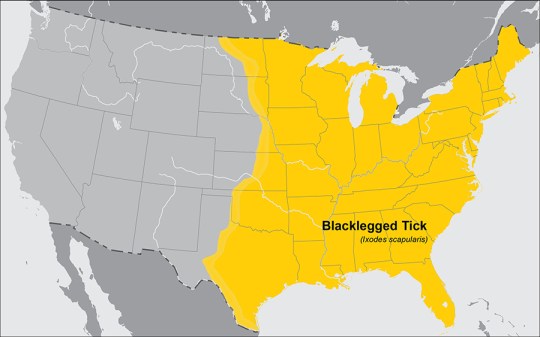
Here’s where the black legged tick able to transmit Borrelia burgdorferi and B. mayonii (which cause Lyme disease), Anaplasma phagocytophilum (anaplasmosis), B. miyamotoidisease (a form of relapsing fever), Ehrlichia muris eauclairensis (ehrlichiosis), Babesia microti (babesiosis), and Powassan virus (Powassan virus disease) lives:

lgmap-blacklegged_tick

Here’s where the American dog tick capable of transmittingTularemia and Rocky Mountain spotted fever lives:

CS4_Tick Basemap_v8.ai

Here’s where the brown dog tick capable of transmitting Rocky Mountain spotted fever lives:

CS4_Tick Basemap_v8.ai

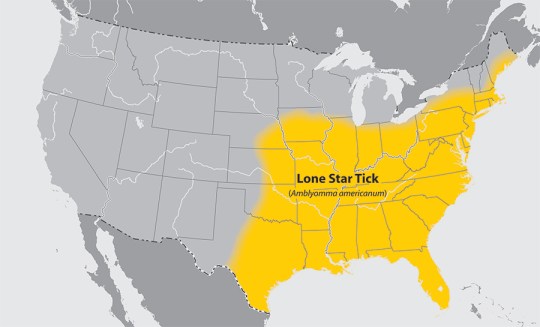
Here’s where the lone star tick capable of transmitting Ehrlichia chaffeensis and Ehrlichia ewingii(which cause human ehrlichiosis), Heartland virus, tularemia, and STARI live:

lgmap-lone_star_tick-2

Here’s where the Rocky Mountain wood tick capable of transmitting Rocky Mountain spotted fever, Colorado tick fever, and tularemia lives:

CS4_Tick Basemap_v8.ai

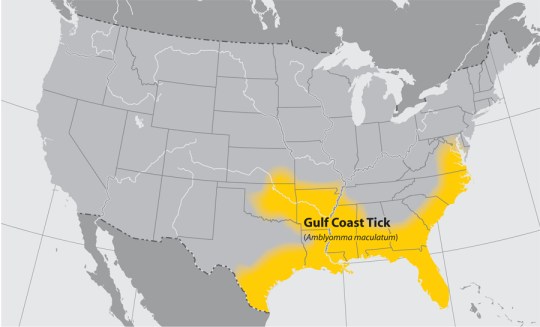
Here’s where the Gulf Coast tick capable of transmitting Rickettsia parkeri rickettsiosis, a form of spotted fever lives:

CS4_Tick Basemap_v8.ai

And lastly, where the Western black-legged tick capable of transmittingAnaplasmosis and Lyme disease lives:

CS4_Tick Basemap_v8.aiTick distribution maps found:  https://www.cdc.gov/ticks/geographic_distribution.html

In total – 7 types of ticks spreading deadly diseases in every single state in the U.S. but we know more about a tropical disease that in 80% of those who contract it have ZERO symptoms, and 1 out of 5 will have mild symptoms that last a week.  https://madisonarealymesupportgroup.com/2016/12/21/how-zika-got-the-blame/. Call me crazy, but the disparity of risk between the two diseases couldn’t be greater.

Not to mention that migrating birds are transporting ticks worldwide:

https://madisonarealymesupportgroup.com/2019/03/09/danish-study-shows-migrating-birds-are-spreading-ticks-their-pathogens-including-places-without-sustainable-tick-populations/

https://madisonarealymesupportgroup.com/2019/04/11/african-tick-found-on-untraveled-u-k-horse/

https://madisonarealymesupportgroup.com/2018/06/08/hemorrhagic-fever-virus-found-on-ticks-on-migratory-birds/

https://madisonarealymesupportgroup.com/2017/08/17/of-birds-and-ticks/

https://madisonarealymesupportgroup.com/2016/10/02/the-role-of-birds-in-tickborne-illness/

https://madisonarealymesupportgroup.com/2018/11/05/hawk-found-carrying-asian-long-horned-tick-the-one-that-drains-cattle-of-all-their-blood/

I literally could go on and on with this….

Time to focus on things that are side-lining Americans.