Archive for the ‘Transmission’ Category

Lyme Disease: An Introduction

https://articles.mercola.com/lyme-disease.aspx?

Lyme Disease: An Introduction

By Dr. Mercola

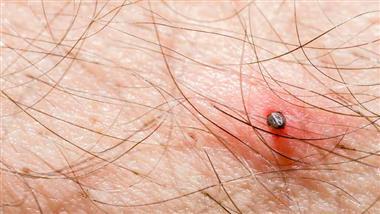
Tick attached to skin

STORY AT-A-GLANCE

  • Lyme disease is a bacterial infection that can be transmitted by ticks
  • It mimics a number of disorders such as arthritis, multiple sclerosis (MS), chronic fatigue syndrome, amyotrophic lateral sclerosis (ALS) and Alzheimer’s disease. Infected individuals also can appear to be completely healthy even though they are experiencing severe symptoms
  • Up to 300,000 people may contract Lyme disease each year in the U.S.
Lyme disease remains one of the most serious and controversial epidemics today.

Approximately 30,000 cases of Lyme disease are reported to the Centers for Disease Control and Prevention (CDC) every year. However, data from the standard national surveillance show that around 300,000 people are diagnosed with Lyme disease each year in the U.S.,1 indicating the disease is considerably underreported. But what exactly is Lyme disease and how can you contract it?

An Overview on Lyme Disease

Lyme disease is a bacterial infection that can be transmitted by ticks.2 Some studies suggest that the bacteria that cause it can also be spread by other insects like fleas, mosquitoes and mites.3 Lyme disease is called “the great imitator” because it mimics a number of disorders such as arthritis, multiple sclerosis (MS), chronic fatigue syndrome, amyotrophic lateral sclerosis (ALS) and Alzheimer’s disease.4,5

It’s also called “the invisible illness,” as infected individuals can appear to be completely healthy even though they are experiencing severe symptoms.6

Lyme disease usually starts with a red, round rash that resemble a bull’s-eye. It then progresses with symptoms such as fatigue, fever, headaches and joint and muscle pain. It can then progress to muscle spasms, loss of motor coordination, intermittent paralysis, meningitis and even heart problems.7 The disease typically causes vague, dispersed pain, which is the reason it is often misdiagnosed as fibromyalgia even by experienced doctors.8

The best strategy against Lyme disease is to avoid being bitten by ticks and other insects. The CDC recommends checking your whole body carefully after going to a tick-infested area and taking a shower immediately after being outdoors, to wash off and easily find ticks or tick bites.9

Controversies Surrounding Chronic Lyme Disease

Many physicians now acknowledge that Lyme disease is real, but there is still controversy about whether it can become a chronic condition.10 Members of the Infectious Disease Society of America (IDSA) do not believe in chronic Lyme and generally will not treat a patient longer than the usual duration of treatment, which is four to six weeks.

On the other hand, members of the International Lyme and Associated Diseases Society (ILADS) believe that Lyme disease can persist and are willing to treat patients for a longer duration.11

According to a study funded by the National Institutes of Health, long-term antibiotic treatment is not beneficial for individuals with ongoing symptoms of Lyme disease, as it does not result in a positive prognosis and only increases the risks for complications such as biliary disease.12,13 It can also significantly decrease the beneficial bacteria in the gut and impair your natural immune function. To help manage this condition without complications, opt for safer holistic methods.

These Pages Will Help You Better Understand Lyme Disease

Take immediate action if you suspect that you, someone you know or your pet is infected with Lyme disease. Read these pages to learn more about Lyme disease, including its causes, stages, symptoms and treatment options. Learning crucial information about this potentially debilitating condition is an important step to helping lower your risk.

MORE ABOUT LYME DISEASE
Lyme Disease: Introduction What Is Lyme Disease? Is Lyme Disease Contagious?
Lyme Disease Causes Lyme Disease Stages Lyme Disease Symptoms
Lyme Disease Treatment Lyme Disease Prevention Lyme Disease Test
Lyme Disease Diet Lyme Disease FAQ
______________________________________________________________________________________________________________________
**Comment**
A few points for consideration:
  1. We really haven’t a clue on on all the possible modes of transmission. Besides other bugs:  https://madisonarealymesupportgroup.com/2019/04/02/transmission-of-lyme-disease-lida-mattman-phd/ there is much evidence for congenital transmission:  https://madisonarealymesupportgroup.com/2018/06/19/33-years-of-documentation-of-maternal-child-transmission-of-lyme-disease-and-congenital-lyme-borreliosis-a-review/, as well as sexual transmission:   https://madisonarealymesupportgroup.com/2019/05/11/lyme-found-in-genital-lesion-sexual-transmission-studies-screaming-to-be-done/
  2. According to the CDC 42,743 people contracted Lyme in 2017; however, they estimate it’s 10 times that number, so the estimated number of NEW cases was close to 428,000. Since these numbers are already two years old and it’s only increased, it’s even higher than that.
  3. The controversy is very real and is keeping people from proper diagnosis and treatment. This issue needs resolution:  https://madisonarealymesupportgroup.com/2018/04/13/chronic-lyme-post-mortem-study-needed-to-end-the-lyme-wars/
  4. Many NEVER see a bull’s eye rash:  https://www.lymedisease.org/lymepolicywonk-how-many-of-those-with-lyme-disease-have-the-rash-estimates-range-from-27-80-2/
  5. Let’s break down the studies that supposedly show “long-term antibiotic treatment is not beneficial for individuals with ongoing symptoms of Lyme disease.” 

The first clinical trial, which included two studies conducted at multiple research sites, had patients treated with 30 days of an intravenous antibiotic followed by 60 days of treatment with an oral antibiotic.

Another study, published in 2003, patients were treated with 28 days of intravenous antibiotic compared with placebo.

A subsequent study supported by NINDS gave patients that had at least three weeks of prior intravenous antibiotics, either 10 weeks of intravenous ceftriaxone or intravenous placebo.

A reappraisal of several of these studies concluded that IV antibiotics may provide benefit to PTLDS fatigue, but in light of significant adverse events they were not recommended and improved methods of treatment were needed.

I do not call a month or two of IV antibiotics “long term” treatment.  Regarding the severe reactions by a few on IV antibiotics, many patients do not require IV’s at all, lessening the adverse events substantially. Everyone knows IV antibiotics come with risk but that is a risk patient and doctor should weigh against the severity of the case. To determine that IV antibiotics across the board are not worth the risk is like stating that due to severe reactions, cancer treatment should be discontinued for everyone at all times. Go here to read of a Milwaukee, WI doctor and IDSA founder who used 6-8 grams of IV antibiotics on many of his patients with success:  https://madisonarealymesupportgroup.com/2017/07/09/idsa-founder-used-potent-iv-antibiotics-for-chronic-lyme/

BTW: long-term antibiotics have been used for acne, rheumatic fever, cystic fibrosis, and other diseases.  Lyme/MSIDS can maim and kill you.

Much has also come out recently on the type of antibiotics used, and ceftriaxone may not be the best choice:  https://madisonarealymesupportgroup.com/2019/04/24/three-antibiotic-cocktail-clears-persister-lyme-bacteria-in-mouse-study/

Until borrelia pleomorphism is addressed, mainstream medicine will continue to throw the mono therapy of doxycycline or ceftriazone at this when much research has shown it isn’t enough:  https://madisonarealymesupportgroup.com/2019/02/25/medical-stalemate-what-causes-continuing-symptoms-after-lyme-treatment/

In vitro work has shown only certain drugs work against various forms of Lyme:  https://www.dovepress.com/evaluation-of-in-vitro-antibiotic-susceptibility-of-different-morpholo-peer-reviewed-article-IDR  Metronidazole led to reduction of spirochetal structures by ~90% and round body forms by ~80%. Tigecycline and tinidazole treatment reduced both spirochetal and round body forms by ~80%–90%.  In terms of qualitative effects, only tinidazole reduced viable organisms by ~90%. Following treatment with the other antibiotics, viable organisms were detected in 70%–85% of the biofilm-like colonies.

Also, these studies do not even mention the word coinfection, yet many patients are infected with many pathogens besides Lyme (borrelia).  The coinfected patient will not get better with only 1 drug:  https://madisonarealymesupportgroup.com/2018/10/30/study-shows-lyme-msids-patients-infected-with-many-pathogens-and-explains-why-we-are-so-sick/  For instance, ceftiaxone will not effectively treat Babesia. Research has shown that those infected with both Lyme and Babesia have more severe cases of longer duration: https://reference.medscape.com/medline/abstract/8637139

Studies used to supposedly show that long-term antibiotics don’t work are rigged from the get-go to reveal a pre-determined outcome.

I can tell you right now, my husband and I very well might not be on planet earth if it weren’t for judiciously used long-term oral antibiotics.  I’m talking YEARS of treatment, not a month’s worth.  If you watched “Under Our Skin,” the ranger stated,

“Who would have thought my greatest improvement came after 3 years of treatment.

This has been our experience with many other patients saying the exact same thing.

In talking to Dr. Hoffman, RIP, and probably one of the most experienced practitioners in the state of Wisconsin, he told me that when he initially started treating people for this in the 70’s, before it even had a name, cases resolved within a couple of months to a year.  Now, cases are taking 3 and more years for resolution.  WHY?  Good question.  He, Dr. Burrascano, and Dr. Horowitz have all stated that coinfections weren’t as much of an issue decades ago, but that now the added effect of Lyme with numerous coinfections are making cases much more severe.  http://www.lymepa.org/c07%20Lyme%20disease%20and%20Babesiosis%20coinfection.pdf

The CDC/NIH/IDSA won’t even consider pleomorphism of borrelia or coinfections involvement.  Again, WHY?
Perhaps that question needs to be resolved first before anyone claims the science is settled on treatment.

Don’t let anyone convince you that treatment isn’t crucial and that you can not get better (not just for acute cases).  You can regain much if not all of what you’ve lost to this plague.  It takes patience, nuance, and effort, but refuse to roll over and accept doom:  https://madisonarealymesupportgroup.com/2019/04/29/is-the-sky-truly-going-to-fall-for-patients-with-the-untreatable-form-of-lyme-disease/

Trust me – nobody out here in Lyme-land enjoys taking antibiotics.  We take them because they improve our lives dramatically or even can make us completely well.  Antimicrobial treatment is imperative but only one prong of successful treatment.  I understand the need for antibiotic stewardship but people are dying from Lyme/MSIDS.  For more:  https://madisonarealymesupportgroup.com/2016/02/13/lyme-disease-treatment/

This plague is far, far worse than they are admitting. Don’t kid yourself.  This is about money & power. Insurance companies don’t want to pay so authorities have constructed a paradigm making that possible.
Refuse to fall through the crack they’ve created.

Lyme Found in Genital Lesion – Sexual Transmission Studies Screaming to be Done

https://www.webwire.com/ViewPressRel.asp?aId=240044

Bacterial Agent of Lyme Disease Detected in a Genital Lesion

International Team of Scientists Led by Union Square Medical Associates Finds Further Evidence for Sexual Transmission of the Tickborne Disease.

San Francisco, CA, USA – WEBWIRE – Monday, May 6, 2019

“We have taken Lyme disease out of the woods and into the bedroom”

A report describing detection of the bacterial agent of Lyme disease in a genital lesion lends support to possible sexual transmission of the disease. The report was published in the prestigious Journal of Investigative Medicine High Impact Case Reports (https://journals.sagepub.com/articles/hic), and it supports a pilot study previously published in the online journal F1000Research(https://f1000research.com/articles/3-309/v3).

Lyme disease is a tickborne infection caused by Borrelia burgdorferi, a type of corkscrew-shaped bacteria known as a spirochete (pronounced spiro’keet). The Lyme spirochete resembles the agent of syphilis, long recognized as the poster child for sexually transmitted diseases. Recently the Centers for Disease Control and Prevention (CDC) announced that Lyme disease is much more common than previously thought, with over 400,000 new cases diagnosed each year in the United States. That makes Lyme disease in this country about twice as common as annual new cases of breast cancer and four times more common than annual new cases of HIV/AIDS, hepatitis C virus (HCV) infection and syphilis combined.

The current study was a collaborative effort by an international team of scientists. Researchers included Marianne Middelveen, a veterinary microbiologist from Calgary, Canada, molecular biologist Jennie Burke from Sydney, Australia, and nurse practitioner Melissa Fesler and internist Raphael Stricker from Union Square Medical Associates in San Francisco, CA.

“Our findings demonstrate the complexity of Lyme disease,” said Fesler, a lead author of the published study. “It explains why the disease is more common than one would think if only ticks were involved in transmission.”

In the study, researchers examined a genital lesion in a patient on treatment for Lyme disease. The lesion was found to contain live spirochetes that could be grown in special culture broth, and sophisticated immunology and molecular techniques revealed that the spirochetes were indeed Borrelia burgdorferi, the agent of Lyme disease. Testing for syphilis spirochetes and other pathogens was negative.

“The presence of live spirochetes in a genital lesion strongly suggests that sexual transmission of Lyme disease occurs,” said Middelveen. “We need to do more research to determine the risk of sexual transmission of this syphilis-like organism.”

Dr. Stricker pointed to the implications for Lyme disease diagnosis and treatment raised by the study. “We have taken Lyme disease out of the woods and into the bedroom,” he said. “We need to find better drugs to treat this runaway epidemic just like we did for HIV/AIDS and HCV.

__________________

**Comment**

The 2014 pilot study should have sent a shock wave throughout the world.  Should have, but didn’t.  The CDC/IDSA/NIH barely rolled over in bed.  2014 study found in this link along with animal studies:  https://madisonarealymesupportgroup.com/2017/02/24/pcos-lyme-my-story/

Notice it’s the same folks looking into this?  Where’s the big studies?  Where’s the power-players with all the money?

Studying Zika and climate-change.

Lida Mattman, PhD. & Elizabeth Burgess, PhD. have been sounding the alarm on Bb being transmitted in a variety of ways since the 80’s:  https://madisonarealymesupportgroup.com/2019/04/02/transmission-of-lyme-disease-lida-mattman-phd/
 

Bartonella Transmitted to Children at Birth Causing Chronic Infections

https://news.ncsu.edu/2010/05/bartonella/?fbclid=IwAR2Lf1BBOaAbdKshR76e0Kou-KPUt-H0QVw4Xv_6GFOX_2GoufhEmrg0ZrQ

Disease Caused By Insect Bites Can Be Transmitted To Children At Birth, NC State Researcher Finds

A North Carolina State University researcher has discovered that bacteria transmitted by fleas–and potentially ticks–can be passed to human babies by the mother, causing chronic infections and raising the possibility of bacterially induced birth defects.

Dr. Ed Breitschwerdt, professor of internal medicine in the Department of Clinical Sciences, is among the world’s leading experts on Bartonella, a bacteria that is maintained in nature by fleas, ticks and other biting insects, but which can be transmitted by infected cats and dogs as well. The most commonly known Bartonella-related illness is cat scratch disease, caused by B. henselae, a strain of Bartonella that can be carried in a cat’s blood for months to years. Cat scratch disease was thought to be a self-limiting, or “one-time” infection; however, Breitschwerdt’s previous work discovered cases of children and adults with chronic, blood-borne Bartonella infections–from strains of the bacteria that are most often transmitted to cats (B. henselae) and dogs (B. vinsonii subsp. berkhoffii) by fleas and other insects.

In his most recent case study, Breitschwerdt’s research group tested blood and tissue samples taken over a period of years from a mother, father and son who had suffered chronic illnesses for over a decade. Autopsy samples from their daughter–the son’s twin who died shortly after birth–contained DNA evidence of B. henselae and B. vinsonii subsp. berkhoffi infection, which was also found in the other members of the family.

Both parents had suffered recurring neurological symptoms including headaches and memory loss, as well as shortness of breath, muscle weakness and fatigue before the children were born. In addition, their 10-year-old son was chronically ill from birth and their daughter died due to a heart defect at nine days of age.

Results of the parents’ medical histories and the microbiological tests indicated that the parents had been exposed to Bartonella prior to the birth of the twins, and finding the same bacteria in both children, one shortly after birth and the other 10 years later, indicates that they may have  become infected while in utero.

Breitschwerdt’s research appears online in the April 14 Journal of Clinical Microbiology.

“This is yet more evidence that Bartonella bacteria cause chronic intravascular infections in people with otherwise normal immune systems, infections that can span a decade or more,” Breitschwerdt says. “Also this new evidence supports the potential of trans-placental infection and raises the possibility that maternal infection with these bacteria might also cause birth defects.”

The Department of Clinical Sciences is part of NC State’s College of Veterinary Medicine. Dr. Breitschwerdt is also an adjunct professor of medicine at Duke University Medical Center.

Note to editors: An abstract of the paper follows.

“Molecular evidence of perinatal transmission of Bartonella vinsonii subsp. berkhoffii and B.henselae to a child”
Authors: Edward B. Breitschwerdt, Ricardo G. Maggi and Patricia E. Mascarelli, NC State University; Peter Farmer, Department of Pathology, North Shore University Hospital
Published: April 14, 2010 in Journal of Clinical Microbiology

Abstract:
Bartonella vinsonii subsp. berkhoffii, Bartonella henselae or DNA of both organisms was
amplified and sequenced from blood, enrichment blood cultures or autopsy tissues from four family members. Historical and microbiological results support perinatal transmission of Bartonella species in this family.

_________________

**Comment**

If it weren’t for the work of this singular man, we’d be clueless about the implications of Bartonella.  Heavily vested in finding answers due to his father’s death to Bartonella, Dr. Breitschwerdt is the only one currently looking at congenital transmission:  https://www.ncbi.nlm.nih.gov/pmc/articles/PMC3044516/#!po=1.02041

What’s is going to take? How many more have to become infected before transmission studies on ALL implicated pathogens in Lyme/MSIDS are done?

We’ve known about Lyme for over 40 years and we still don’t have good studies looking at this very real issue of sexual and congenital transmission.  Only one study on sexual transmission done in 2014 showed the Lyme organism in semen and vaginal secretions, but the medical world sniffed and rolled over in bed.  Nothing’s been done since.

Why?

As to congenital transmission (mother to baby), Canada recognizes it, but the U.S. still doesn’t: https://madisonarealymesupportgroup.com/2018/10/05/canada-acknowledges-maternal-fetal-transmission-of-lyme-disease/  There’s 33 years of documentation gathered by a ticked off Canadian mom who happens to be a nurse: https://madisonarealymesupportgroup.com/2018/06/19/33-years-of-documentation-of-maternal-child-transmission-of-lyme-disease-and-congenital-lyme-borreliosis-a-review/

I guess more moms have to get ticked off before something changes in Lyme-land. Frankly, if it weren’t for moms, we wouldn’t even know Lyme exists.

We need these transmission studies done on each and EVERY single organism implicated with Lyme/MSIDS.  We can talk tick prevention all the day long until we are blue in the face, but what if you can contract Lyme/MSIDS through a variety of means? Many say we can:  https://madisonarealymesupportgroup.com/2019/04/02/transmission-of-lyme-disease-lida-mattman-phd/

http://www.endowmentmed.org/pdf/endowmentupdatelymes2.pdf  In 1995 Dr. Mattman obtained positive cultures for Bb from 43 of 47 chronically ill people. She also recovered Bb spirochetes from 8 out of 8 Parkinson patients, 41 cases of multiple scierosis (MS), 21 cases of amyotrophic lateral sclerosis (ALS), and ALL tested cases of Alzheimer’s.

But what do I know?  I’m just a crazy gray-hair.

More on Bartonella:  https://madisonarealymesupportgroup.com/2016/01/03/bartonella-treatment/

https://madisonarealymesupportgroup.com/2019/04/24/human-bartonellosis-an-underappreciated-public-health-problem/

https://madisonarealymesupportgroup.com/2019/03/24/cat-scratch-disease-caused-teens-schizophrenia-like-symptoms-report-says/

https://madisonarealymesupportgroup.com/2019/04/08/case-series-bartonella-ocular-manifestations/

https://madisonarealymesupportgroup.com/2019/03/02/skin-inflammation-nodules-letting-the-cat-out-of-the-bag/

https://madisonarealymesupportgroup.com/2019/01/02/bartonella-langerhans-cell-histiocytosis-cancer/

https://madisonarealymesupportgroup.com/2018/11/10/neurological-presentations-of-bartonella-henselae-infection/

https://madisonarealymesupportgroup.com/2017/01/04/endocarditis-consider-bartonella/


Tick-borne Powassan Virus Confirmed in 6 Minnesota Counties

http://www.fox9.com/news/powassan-virus  Go here for 2 Min News Video

Tick-borne Powassan virus confirmed in 6 Minnesota counties

The virus was confirmed in Anoka, Cass, Clearwater, Houston, Morrison and Pine counties.

First documented in 1958, the virus is named after the Canadian town where it first appeared. Symptoms include headache, vomiting, weakness, and in many cases, swelling of the brain.

Government statistics show that half of those infected will suffer permanent neurological damage.
Unlike Lyme disease, which is treatable and preventable, if an affected tick is quickly removed, the Powassan virus has no known treatment and can be transmitted from a tick to human in only minutes.
___________________
**Comment**
I’ve looked everywhere but can not find why they think that deer ticks transmitting Powassan is a NEW thing.  It’s always been able to transmit it & is even called “Deer Tick Virus.” Even the CDC website states it and they’re usually the last to know about anything.
We’ve also known it takes mere minutes to transmit and being a virus it’s unique in that antibiotics won’t work – but there are many things you can do for viruses:  https://madisonarealymesupportgroup.com/2016/03/28/combating-viruses/
The frightening aspect of Powassan of course is that the symptoms can be severe and transmission happens quickly.  I do know many patients who improved on anti-virals.  Typically this is discovered through trial and error on their part. I am not aware if anti-virals would work on Powassan, but this recent study suggests certain ones may:  https://www.contagionlive.com/news/investigators-discover-how-ticks-reproduce-powassan-virus-in-salivary-glands  Excerpt:
…the utilization of the organ cultures is likely a bona fide way to rapidly assess the efficacy of gene inactivation methods as well as drugs and small molecule inhibitors as antivirals.”


Coppe Lab, a CLIA certified lab, right here Waukesha has been studying Powassan for quite some time. Their pdf below states that numbers look low because only severe cases are reported. Despite this, there’s been a 375% increase in the last 5 years. 

They state the clinical picture of Powassan looks like many other tick-borne illnesses and is…

probably overlooked yet directly contributes to disease long term.

About two-thirds are subclinical but round 30% of symptomatic adults contract a severe form called meningoencephalitis. One-third of those have incomplete recovery with neuropsychiatric symptoms that become chronic. The overall fatality rate is about 1% and severity of illness increases with the age of the patient.  

In 2016, Coppe Laboratories’ Study 1 evaluated 106 patientswith suspected acute tick-borne disease and 10.4% tested positive for POWV by immunofluorescence assay. Nearly 17% of the patients with positive Lyme results also tested positive for POWV exposure. The authors concluded,

“Infection with POWV may be underdiagnosed and may contribute to the persistent symptoms often associated with Lyme disease diagnosis.”16

Coppe states the following patients should be tested for POWV:
  • Patients with a recent tick bite. Studies have shown 2–9% of ticks to be infected with POWV in Lyme endemic areas.17
  • PatientswithLymeoranothertick-borneillness who have been treated with antibiotics and have persistent symptoms consistent with post-treatment Lyme disease.
  • Patients with tick exposure who have tested negative for Lyme disease or other tick-borne illnesses who continue to have symptoms.
  • Patients with tick exposure and unexplained neurologic symptoms.
  • ChronicFatigueSyndrome(CFS)orPost-Infectious Fatigue (PIF) patients with tick exposure.

Coppe has developed both direct and indirect tests for Powassan virus and is the only commercial laboratory to offer this type of testing.  See their pdf for case studies:  http://www.coppelabs.com/wp-content/uploads/coppe-powassan_16pg_030818_lores_indiv.pdf

More on Powassan:  https://madisonarealymesupportgroup.com/2018/06/13/half-of-powassan-cases-from-wisconsin-and-minnesota/


Top 5 Myths About Lyme – Dr. Dempsey on Fox News

https://dms.licdn.com/playback/C4D05AQG-qO15mnPTZw/bcfa97f0454c4969a4be3b100a253788/feedshare-mp4_3300-captions-

Click on link for news story

Fox 61 News discusses the Top 5 Myths About Lyme Disease with Dr. Tania Dempsey of Armonk Integrative Medicine, Armonk, New York

Fantastic job Dr. Dempsey!

Then they talk about tick prevention:  https://madisonarealymesupportgroup.com/2019/04/12/tick-prevention-2019/

Dr. Dempsey on Bartonella:  https://madisonarealymesupportgroup.com/2018/05/07/fox-news-bartonella-is-the-new-lyme-disease/