Archive for the ‘Ticks’ Category

Lyme Disease Lecture Notes: Microbiologist Tom Grier

https://www.dropbox.com/s/vzfjqiytt8bej28/LD%20Lecture%20Handout%20Big%204_19%20%2011_13_18.pdf?

Lyme disease Lecture notes

created by Microbiologist Tom Grier

These notes (in top link) are very helpful, informative, and cover a lot of ground, from what Lyme is, to problems with testing, to patents owned by the CDC, to myths about Lyme, to the plethora of research that proves its persistence, and much, much more.  

For more on Grier’s work:  https://madisonarealymesupportgroup.com/2016/12/19/microbiologist-tom-grier/

https://madisonarealymesupportgroup.com/2011/09/21/lab-tests-for-lyme-disease-by-tom-grier/

Lyme on the Brain, part 1:  https://madisonarealymesupportgroup.com/2010/08/09/tom-grier-lyme-lecture-outline/

Lyme on the Brain, part 2:  https://madisonarealymesupportgroup.com/2010/08/18/lyme-on-the-brain-part-2-by-tom-grier/

Lyme on the Brain, part 3:  https://madisonarealymesupportgroup.com/2010/08/29/lyme-on-the-brain-by-tom-grier-part-3-b-lecture-notes/

Lyme on the Brain, part 4:  https://madisonarealymesupportgroup.com/2010/08/30/lyme-on-the-brain-by-tom-grier-part-4-lecture-notes/

Listen to Dr. Alan MacDonald and Tom Grier in radio interview:  https://kpfa.org/episode/99572/


Three Strains of Borrelia & Other Pathogens Found in Salivary Glands of Ixodes Ticks – Suggesting Quicker Transmission Time

https://www.ncbi.nlm.nih.gov/pubmed/30940200

2019 Apr 2;12(1):152. doi: 10.1186/s13071-019-3418-7.

Tick-borne pathogen detection in midgut and salivary glands of adult Ixodes ricinus.

Abstract

BACKGROUND:

The tick midgut and salivary glands represent the primary organs for pathogen acquisition and transmission, respectively. Specifically, the midgut is the first organ to have contact with pathogens during the blood meal uptake, while salivary glands along with their secretions play a crucial role in pathogen transmission to the host. Currently there is little data about pathogen composition and prevalence in Ixodes ricinus midgut and salivary glands. The present study investigated the presence of 32 pathogen species in the midgut and salivary glands of unfed I. ricinus males and females using high-throughput microfluidic real-time PCR. Such an approach is important for enriching the knowledge about pathogen distribution in distinct tick organs which should lead to a better understanding I. ricinus-borne disease epidemiology.

RESULTS:

  • Borrelia lusitaniae, Borrelia spielmanii and Borrelia garinii, were detected in both midgut and salivary glands suggesting that the migration of these pathogens between these two organs might not be triggered by the blood meal.
  • In contrast, Borrelia afzelii was detected only in the tick midgut.
  • Anaplasma phagocytophilum and Rickettsia helvetica were the most frequently detected in ticks and were found in both males and females in the midgut and salivary glands.
  • In contrast, Rickettsia felis was only detected in salivary glands.
  • Finally, Borrelia miyamotoi and Babesia venatorum were detected only in males in both midguts and salivary glands.
  • Among all collected ticks, between 10-21% of organs were co-infected.
  • The most common bacterial co-infections in male and female midgut and salivary glands were Rickettsia helvetica + Anaplasma phagocytophilum and Rickettsia helvetica + Borrelia lusitaniae, respectively.

CONCLUSIONS:

Analysing tick-borne pathogen (TBP) presence in specific tick organs enabled us to (i) highlight contrasting results with well-established transmission mechanism postulates; (ii) venture new hypotheses concerning pathogen location and migration from midgut to salivary glands; and (iii) suggest other potential associations between pathogens not previously detected at the scale of the whole tick. This work highlights the importance of considering all tick scales (i.e. whole ticks vs organs) to study TBP ecology and represents another step towards improved understanding of TBP transmission.

____________________
**Comment**
Ixodes ricinus, commonly known as the castor bean tick, sheep tick, or deer tick, transmits numerous pathogens of medical and veterinary importance including tick-borne encephalitis virus and Borrelia burgdorferi (Lyme), and frequently bites humans. https://ecdc.europa.eu/en/disease-vectors/facts/tick-factsheets/ixodes-ricinus
The really important discovery was that three borrelia strains were found not only in the midgut but in the salivary glands – suggesting that the migration of these pathogens between these two organs might not be triggered by the blood meal.
For decades we’ve been told by the CDC that it takes a minimum of 36-48-hours for a tick to transmit Lyme to a human. Then, in 2013 we were told they needed to be embedded for 24 hours or more:  https://www.nhregister.com/columns/article/DR-KATZ-Of-Lyme-disease-and-lemonade-11412658.php
Then, microbiologist Holly Ahern came out with a fantastic video revealing that research on minimum attachment times have NEVER been done:  https://madisonarealymesupportgroup.com/2017/04/14/transmission-time-for-lymemsids-infection/

Transmission Time:  Only one study done on Mice. At 24 hours every tick had transmitted borrelia to the mice; however, animal studies have proven that transmission can occur in under 16 hours and it occurs frequently in under 24 hours.  No human studies have been done and https://www.dovepress.com/lyme-borreliosis-a-review-of-data-on-transmission-time-after-tick-atta-peer-reviewed-article-IJGM  no studies have determined the minimum time it takes for transmission.

Yet, “authorities” continue to propagate this longer window, despite Lyme/MSIDS being a true 21st century pandemic & plague.

This study finally begins pushing the ball down the hill by showing it may not take a blood meal for spirochetes already within the saliva to be much more quickly injected into humans, causing infection much more quickly.

Lastly, this is a French study. The CDC probably won’t even look at it.

Human Bartonellosis: An Underappreciated Public Health Problem?

https://www.mdpi.com/2414-6366/4/2/69

Trop. Med. Infect. Dis. 2019, 4(2), 69; https://doi.org/10.3390/tropicalmed4020069

Human Bartonellosis: An Underappreciated Public Health Problem?

Published: 19 April 2019
(This article belongs to the Special Issue Recent Advancements on Arthropod-Borne Infectious Diseases)

Abstract

Bartonella spp. bacteria can be found around the globe and are the causative agents of multiple human diseases. The most well-known infection is called cat-scratch disease, which causes mild lymphadenopathy and fever. As our knowledge of these bacteria grows, new presentations of the disease have been recognized, with serious manifestations. Not only has more severe disease been associated with these bacteria but also Bartonella species have been discovered in a wide range of mammals, and the pathogens’ DNA can be found in multiple vectors. This review will focus on some common mammalian reservoirs as well as the suspected vectors in relation to the disease transmission and prevalence. Understanding the complex interactions between these bacteria, their vectors, and their reservoirs, as well as the breadth of infection by Bartonella around the world will help to assess the impact of Bartonellosis on public health. View Full-Text

tropicalmed-04-00069-g001
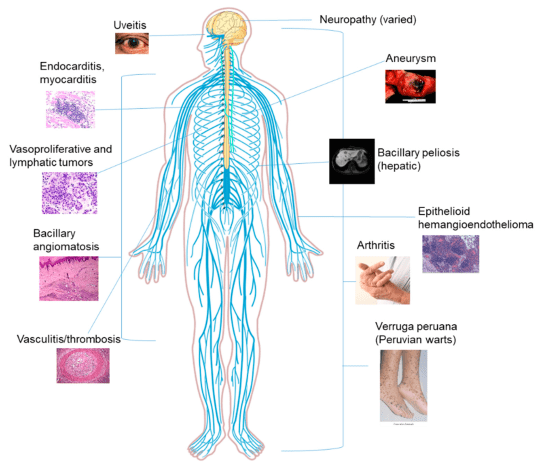
Figure 1  The Clinical Manifestations of Bartonellosis
Excerpt from full-text
Known diseases caused by Bartonella infections include:
  • Carrion’s disease
  • cat-scratch disease
  • chronic lymphadenopathy
  • trench fever
  • chronic bacteraemia
  • culture-negative endocarditis
  • bacilliary angiomatosis
  • bacilliary peliosis
  • vasculitis
  • uveitis [1,2,4,6,7,9,10,11].
Recently, Bartonella infections have been linked to more diverse manifestations such as:
  • hallucinations
  • weight loss
  • muscle fatigue
  • partial paralysis
  • pediatric acute-onset neuropsychiatric syndrome (PANS)
  • other neurological manifestations [6,8,10].

A few case studies have also documented Bartonella in tumors, particularly vasoproliferative and those of mammary tissue [12,13,14]. The potential involvement of this pathogen in breast tumorigenesis is both disconcerting and warrants significantly more research.

Bartonella spp. are zoonotic pathogens transmitted from mammals to humans through a variety of insect vectors including the sand fly, cat fleas, and human body louse [4,5]. New evidence suggests that ticks, red ants, and spiders can also transmit Bartonella [15,16,17,18]. Bed bugs have been implicated in the transmission cycle of B. quintana and have been artificially infected [19]. B. quintana was found in bed bug feces for up to 18 days postinfection [19]. The diversity of newly discovered Bartonella species, the large number and ecologically diverse animal reservoir hosts, and the large spectrum of arthropod vectors that can transmit these bacteria among animals and humans are major causes for public health concern.

Regarding ticks….

3.2. Arachnids (Spiders and Ticks)

Over the last 10 years, the topic of ticks transmitting Bartonella species has been widely debated. Evidence exists to support the transmission of Bartonella through many different species of ticks.

Ixodid ticks, also known as hard ticks, appear to be the main type of tick associated with these bacteria. Tick cell lines have been used to show that Bartonella can replicate and survive within:

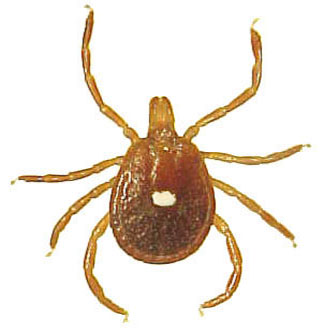
  • Amblyoma americanum (Lone Star Tick)
  • Rhipicephalus sanguineus (Brown Dog Tick)
  • Ixodes scapularis cells [77] (Deer Tick)

In California, questing ticks of

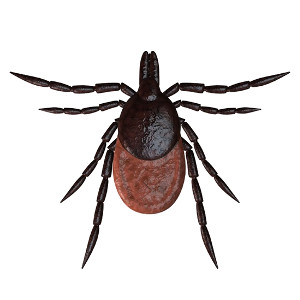
  • Ixodes pacificus (Western Black legged Tick)
  • Dermacentor occidentalis (Pacific Coast Tick)
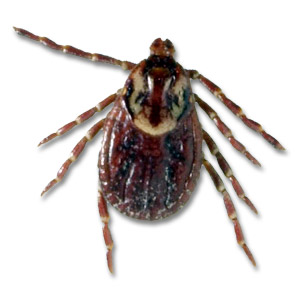
  • Dermacentor variabilis (American Dog Tick)

were collected when in the adult and nymphal stages and tested for Bartonella by PCR for the citrate synthase gene. [78]. All types of ticks were found to contain Bartonella DNA, although in varying percentages and locations. These data alone do not prove that ticks can transmit Bartonella spp. Bacteria; however, the results do show Bartonella DNA occurring naturally in these wild ticks.

In Palestine,

  • Hyalomma spp. (Genus of hard-bodied tick) found in Asia, Europe, & North and South Africa.
  • Haemphysalis spp. (The Asian Long-horned tick is an example)
  • Rhipicephalusspp. (Hard-bodied tick native to tropical Africa)

ticks were collected from domestic animals and tested by PCR for the Bartonella intergenic transcribed spacer (ITS) region [38]. These ticks were infected with 4 strains of Bartonella: B. rochalimae, B. chomelii, B. bovis, and B. koehlerae [38]. While this study tested a collection of ticks found on domestic animals, the results suggest that individuals in close contact with these animals should be aware of the potential for transmission through tick bites.

In a sampling of ticks (Ixodes scapularis and Dermacentor variabilis) and rodents (Peromyscus leucopus) from southern Indiana, the midgut contents of the tick species and rodent blood were analyzed by 16S sequencing. Bartonella was present in a moderate percentage (26% in D. variabilis and 13.3% in I. scapularis) of larvae and nymphs of both tick species, even those scored as unengorged, but was present in the majority (97.8%) of the rodents tested [79].
A survey of ticks from 16 states in the U.S. revealed that the overall prevalence of Bartonella henselae in Ixodes ticks was 2.5% [80].
Interestingly, the highest rate of both Borrelia spp. (63.2%) and B. henselae (10.3%) was found in Ixodes affinis ticks collected from North Carolina.
Ixodes ricinus has been the focus of studies that support tick transmission of Bartonella spp. in Europe. This is because I. ricinus is an important vector for tick-borne diseases in Europe [81]. I. ricinus have been collected in the larval, nymphal, and adult stages in Austria [82]. The analyses revealed that 2.1% of all ticks were infected with Bartonella spp., with the highest rate in ticks derived from Vienna (with a 7.5% infection rate), and that adult ticks had a higher prevalence than other stages [82].
B. henselae, B. doshiae, and B. grahamii DNA were amplified, and this was the first study to find Bartonella-infected ticks in Austria [82].
A recent One Health perspective review on Bartonella indicated that the overall presence of Bartonella in ticks (combining evidence from multiple surveillance studies) was approx. 15% [83].
B. henselae DNA has also been isolated from I. ricinus removed from an infected cat. However, whether the cat gave the tick Bartonella or vice versa cannot be established, so the vector competence of these ticks for transmission cannot be determined [30].
A lab in France has studied the relationship between I. ricinus and Bartonella transmission. One study focused on the ability of ticks to maintain infection from one life stage to the next and tested a vertical transmission from adults to eggs. The authors used B. henselae and found that a transstadial transmission was possible and that a transovarial transmission was not likely [84]. The researchers also supplied evidence to support the vector competency of I. ricinus by amplifying B. henselae DNA from the salivary glands of infected ticks and by amplifying DNA from blood 72 h after infected ticks fed through an artificial system [84]. Although the evidence strongly suggests the ability of ticks to transmit these bacteria, the system employed artificial means for feeding; therefore, one major critique has been that it is not representative of a natural blood meal from a host.
To address this issue, another experiment was performed to the assess vector competency of I. ricinus to transmit Bartonella birtlesii [85]. Mice were infected with B. birtlesii through an intravenous injection via a tail vein, and once mice were infected, naïve ticks were fed on the mice and kept for 3 months to molt. Nymphal ticks were shown to transmit B. birtlesii to naïve mice, and adult ticks were shown to infect blood through a feeder method [85]. B. birtlesii was identified in the blood of the recipient mice through PCR and immunofluorescence [85]. This evidence strongly supports the transmission of these bacteria by ticks. However, the limitation is that this only supports I. ricinus’ ability to transmit a very specific strain of Bartonella, B. birtlesii, which is not linked to human disease.
Concerns such as these related to vector competence and transmission can only be quelled by repeated studies utilizing multiple strains of Bartonella and differing tick species.
An interesting case study provided evidence of spiders transmitting Bartonella. A mother and two sons suffered from neurological symptoms following bites suspected from woodlouse hunter spiders [18]. Bartonella henselae DNA was amplified from the blood of the family as well as from a woodlouse and a woodlouse hunter spider near the family’s home [18]. It cannot be determined if the family contracted the bacteria from the woodlouse or the woodlouse hunter spider or if the lice and spiders contracted the bacteria from the family. This case study points to the importance for diagnosticians to test for bacterial infections after suspected arachnid bites. It also emphasizes the lack of knowledge on the possible vectors that transmit Bartonella as well as the range of manifestations by infection with Bartonella.

___________________

**Comment**

I think we can safely state that Bartonella IS an under appreciated health problem.


Tick Data – 76% Infected With One Organism, 20% Have Three or More Pathogens

https://www.tickcheck.com/statistics?

Each tick submitted for testing contributes to the research being conducted at TickCheck. By keeping records of all the results generated, we have been able to gain valuable insights into disease prevalence and co-infection rates. The comprehensive testing panel has been especially helpful in contributing to this research by ensuring all diseases and coinfections are accounted for when examining a tick.

Our current research shows:
  • 76% of ticks tested have at least one disease causing organism
  • 49% are co-infected with two or more organisms
  • 20% carry three or more
  • 9% of the ticks tested carry four or more

Infection Visualization by Tick Species

All Ticks Tested
76% Positive for Infection
Negative (24%)
_____________________________
  • 93% Positive for Infection
  • Negative (7%)
  • 63% Positive for Infection
  • Negative (37%)
  • 48% Positive for Infection
  • Negative (52%)

Coinfection Visualization

  • 2+ coinfection 49%
  • No coinfection 51%

Pathogenic Prevalence

The information below shows the positive/negative prevalence ratio of selected pathogens we test for. These pathogens were observed in ticks from the United States and Canada. Data set includes tests performed since TickCheck’s founding in 2014 and is updated in real time. (

Go to link at beginning to filter by state.  I’ve added the 3 listed for Wisconsin next to the entire sample size.  Please note the small sample sizes of WI ticks. 

Borrelia burgdorferi (deer tick) associated with Lyme disease

Sample size of 3,280 ticks.           70 Wisconsin ticks
  • 30% postive                                           33% positive
  • 70% negative                                         67% negative

Borrelia burgdorferi (western blacklegged tick) associated with Lyme disease

Sample size of 279 ticks.
  • 4% positive
  • 96% negative

Borrelia burgdorferi (lone star tick) associated with Lyme disease

Sample size of 899 ticks.
  • 8% positive
  • 92% negative

Borrelia burgdorferi (American dog tick) associated with Lyme disease

Sample size of 901 ticks.
  • 2% positive
  • 98% negative

Anaplasma phagocytophilum associated with anaplasmosis

Sample size of 2,146 ticks.           36 Wisconsin ticks
  • 8% positive                                           11% positive in Wisconsin
  • 92% negative                                        89% negative in Wisconsin

Babesia microti associated with babesiosis

Sample size of 1,894 ticks.           32 Wisconsin ticks
  • 4% positive                                            6% positive
  • 96% negative                                        94% negative

Bartonella spp. associated with bartonellosis

Sample size of 1,060 ticks.
  • 47% positive
  • 53% negative

Ehrlichia chaffeensis associated with ehrlichiosis

Sample size of 857 ticks.
  • 2% positive
  • 98% negative

Rickettsia spp. associated with Rocky Mountain spotted fever

Sample size of 944 ticks.
  • 23% postive
  • 77% negative

Francisella tularensis associated with tularemia

Sample size of 1,028 ticks.
  • 1% positive
  • 99% negative

Borrelia miyamotoi associated with B. miyamotoi

Sample size of 1,091 ticks.
  • 6% postive
  • 94% negative

Borrelia lonestari associated with STARI

Sample size of 831 ticks.
  • 19% postitive
  • 81% negative

Babesia spp. associated with babesiosis

Sample size of 564 ticks.
  • 5% positive
  • 95% negative

Mycoplasma spp. associated with Mycoplasma spp.

Sample size of 948 ticks.
  • 8% positive
  • 92% negative

Borrelia spp. associated with Borrelia spp.

Sample size of 612 ticks.
  • 17% postive
  • 83% negative

Powassan virus Lineage II associated with Deer tick virus

Sample size of 102 ticks.
  • 24% positive
  • 76% negative

Borrelia mayonii associated with Lyme disease

Sample size of 376 ticks.
  • 100% negative

Ehrlichia ewingii associated with ehrlichiosis

Sample size of 283 ticks.
  • 100% negative

Rickettsia amblyommii associated with Rocky Mountain spotted fever

Sample size of 177 ticks.
  • 46% positive
  • 54% negative

__________________

For more about Tickcheckhttps://www.tickcheck.com/about

You can request free tick identification by sending in a quality picture of your tick. Using real-time PCR (Polymerase Chain Reaction), Tickcheck can determine the presence of certain pathogens with an accuracy level of over 99.9%.  All information about how to send in your tick, costs of various tests, time for results, etc. is found here:  https://www.tickcheck.com/info/faq

Jonathan Weber is the founder and CEO of TickCheck and became acutely aware of the dangers of tick-borne diseases after his father caught Lyme during a family trip on the Appalachian Trail.

___________________

**Comment**

This information supports current research showing many patients are infected with numerous pathogens causing more severe illness & requiring far more than the CDC’s mono therapy of doxycycline:  https://madisonarealymesupportgroup.com/2018/10/30/study-shows-lyme-msids-patients-infected-with-many-pathogens-and-explains-why-we-are-so-sick/

It also supports previous work showing coinfections within ticks:  https://madisonarealymesupportgroup.com/2017/05/01/co-infection-of-ticks-the-rule-rather-than-the-exception/

What I want to know is WHY nothing’s being done about this?  Why are people STILL given 21 days of doxycycline when that particular med will not work on numerous pathogens?
Lastly, a word about statistics – this tick data should be used with caution & never to turn sick patients away due to a statistic. If you are the sorry sucker who gets bit by that ONE tick carrying a “statistically insignificant” pathogen, you still got bit and have to deal with it.  
Shame on doctors for turning sick people away due to statistics and maps.
There’s no such thing as an “insignificant” tick bite!

But, Patients are STILL being turned away:  https://madisonarealymesupportgroup.com/2019/04/22/its-just-crazy-why-is-lyme-disease-treatment-so-difficult-to-find-in-mississippi/

https://madisonarealymesupportgroup.com/2019/03/19/jacksonville-family-shares-daughters-9-month-diagnosis-of-rare-disease-which-isnt-rare-lyme/

https://madisonarealymesupportgroup.com/2018/05/31/no-lyme-in-the-south-guess-again/

https://madisonarealymesupportgroup.com/2017/10/24/no-lyme-in-oklahoma-yeah-right/

https://madisonarealymesupportgroup.com/2016/09/24/arkansas-kids-denied-lyme-treatment/  “They had the classic symptoms, they had the bulls eye rash, they had the joint pain, they had fevers and had flu like symptoms, yet we were denied treatment for at least two of them and I don’t understand how this is legal,” said Bowerman.

According to Dr. Naveen Patil, Director of the Infectious Disease Program, ADH,

“We don’t have Lyme Disease in Arkansas, we have the ticks that transmit Lyme Disease but we don’t have any recorded cases of Lyme Disease.” 

Bowerman also received a letter from the clinic stating doctors would no longer treat her children because she consistently questioned their medical advice and recommendations.

This is getting to be way beyond ludicrous.


Teenage Lyme Disease Patient & TickTracker App Inventor Honored by U.S. Government for Groundbreaking Lyme Disease Advocacy

https://www.globenewswire.com/news-release/2019/02/25/1741823/0/en/Teenage-Lyme-Disease-Patient-and-TickTracker-App-Inventor-Honored-by-U-S-Government-for-Groundbreaking-Lyme-Disease-Advocacy.html

Teenage Lyme Disease Patient and TickTracker App Inventor Honored by U.S. Government for Groundbreaking Lyme Disease Advocacy

14-year-old Olivia Goodreau youngest ever to participate in Department of Commerce –The Opportunity Project

Denver, Colo., Feb. 25, 2019 (GLOBE NEWSWIRE) — 14-year-old Lyme disease patient, advocate and technology pioneer Olivia Goodreau will be in Washington D.C. February 27 – March 1 to be honored for her groundbreaking TickTracker App, which works to gather data and alert the world to tick sightings in an effort to decrease the number of Lyme and tick-borne disease cases. Selected for The Opportunity Project’s 14-week TOP Health Sprint (TOP), Olivia became the youngest inventor ever to participate in the program which is conducted by the Department of Commerce.

Olivia will travel to Washington D.C. to participate in the Census Bureau’s TOP Demo Day, Friday, March 1. The event will showcase 20+ new innovative tech tools to more than 15 governmental agencies searching for effective ways to solve some of the world’s most critical challenges. Olivia’s TickTracker App was also selected by the Department of Health and Human Services as one of the most impactful technological creations coming out of the TOP Health Sprint. This recognition has garnered Olivia an invitation to present at the TOP Health Showcase at the Eisenhower Executive Office Building on the White House grounds Thursday, February 28 at the request of the Presidential Innovation Fellows and Department of Health and Human Services. Olivia will also meet with a growing list of Congressional members and top scientists on Wednesday, February 27 as a part of her three-day visit.

Olivia’s schedule for this unique media opportunity includes:

  • February 27
    • Congressional Visits to Multiple Members of the U.S. Congress
    • 2:30 – 4:30 p.m. (Press Invited and Credentials Needed)
  • February 28
    • White House Grounds Presentation (Not a Press Event)
    • 9:00 a.m. Artificial Intelligence and Open Data Innovation for Health
    • 3:00 p.m. Lafayette Building – VA – TOP Health: Together, Futurecasting Next Steps
    • (Press Invited and Credentials Need)
  • March 1
    • U.S. Census Bureau
    • Noon–3:3:30 pm The Opportunity Project (TOP) Demo Day at Suitland, Maryland
    • 3:30 – 5:00 p.m. Office Location – (Press Invited and Credentials Needed)

Olivia’s Story
Stricken with Lyme disease after a tick bite while on a family vacation to Missouri in the second grade, doctors struggled to find out what was wrong with Olivia since she did not present the common bulls-eye rash. After being seen by 51 different physicians, she was finally diagnosed with Lyme disease. Currently, she takes over 80 medications daily and several IVIG treatments monthly causing her to not only miss out on school, but a normal life of a 14-year-old girl. This experience prompted her to start the LivLyme Foundation where she devotes countless hours to the cause through supporting research, organizing fundraising events, and developing a life-saving app called TickTracker. Olivia has been honored by prominent research universities for her work, presented before federal officials and agencies, helped pass critical state legislation, raised more than $1 million to fund Lyme disease research, and continues to offer grants to treat under-insured children and young adults affected by Lyme.

Olivia’s Technological Solution -TickTracker App

  • In an effort to help curb new cases of Lyme disease, Olivia launched the TickTracker app which went live on the Apple and Google Play stores in February 2018.
  • Olivia recognized the need for technology to play a role in tick sightings and prevention, which she hopes will ultimately help to find a cure for the disease.
  • TickTracker helps combat tick transmitted infections and disease by showing real time and historic tick activity data on an interactive map through reported sightings and bites. The app also educates users on tick prevention and safety.
  • TickTracker uses a patent pending algorithm to coordinate multiple tick activity data sources into a simple and user-friendly map view. https://ticktracker.com/

Why Olivia’s Important Work Matters

  • Olivia has raised more than $1 million in two years, has given medical assistance grants to 31 kids ages 5-21 in 28 different states who are stricken with the disease, and has given four research grants to top scientists at Stanford, John Hopkins, and the University of New Haven.
  • She has received 260+ grant applications for medical assistance from kids in 48 different states and the numbers of grant applications continue to increase.
  • According to the Tick-Borne Disease Working Group’s 2018 report to Congress, over the past 25 years, reports of Lyme disease have increased steadily with estimated annual cases numbering approximating 300,000.
  • The report goes on to say, “the number of U.S. counties now considered to be of high incidence for Lyme disease has increased by more than 300% in the Northeastern states and by approximately 250% in the North-Central states.”
  • Most often transmitted by tick bites, Lyme disease has been found in all 50 US states and in more than 60 other countries, which is why public awareness of its symptoms and possible contraction is so critical.
  • Not only are these numbers staggering, the U.S. is not fully prepared for the explosive increase in the tick population.
  • With the discovery of the Asian Longhorn Tick in 2017, health officials are concerned about the case numbers increasing. This particular tick, which can also be found on pets, livestock, and wildlife, can reproduce without mating. Swarms of ticks can attack in numbers of 1,000 or more on one animal or person.
  • For more information on ticks, prevention and the LivLyme Foundation, visit: https://livlymefoundation.org/

Attachment

Jeff Howard
Gomez Howard Group
303-513-1628
jeff@gomezhowardgroup.com